Mann Island
Contemporary waterfront landmark reflecting Liverpool's maritime heritage through striking architecture and cultural innovation.
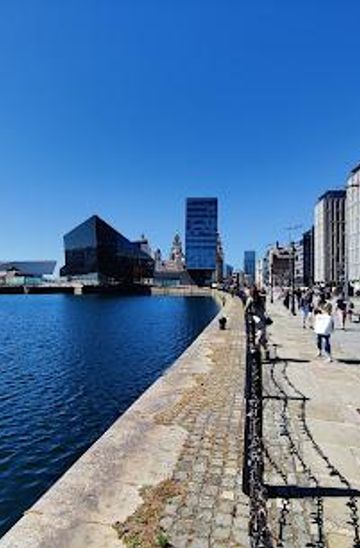
Mann Island is a contemporary waterfront development in Liverpool's UNESCO World Heritage Maritime Mercantile City, featuring striking black granite architecture that reflects the River Mersey and historic Three Graces buildings. This reclaimed land, created from 18th-century dock construction, now hosts modern cultural spaces, retail, and dining venues alongside heritage sites including the Victorian St George's Dock Pumping Station. The development represents Liverpool's evolution from a historic trading hub to a vibrant contemporary destination.
A brief summary to Mann Island
- Liverpool, GB
- Duration: 1.5 to 4 hours
- Free
-
 Mixed
Mixed
- Mobile reception: 5 out of 5

Know before you go
Hi, I'm Eve. Here are a few practical things to know before exploring Mann Island.
- Visit during the Liverpool Biennial (typically March to June in odd-numbered years) to experience major contemporary art installations and cultural programming throughout the site.
- Photograph the reflective black granite facades at different times of day—early morning and late afternoon light create striking reflections of the River Mersey and Three Graces buildings.
- Explore the St George's Dock Pumping Station, the Victorian heritage building within the development, which often features contemporary art installations and provides insight into Liverpool's engineering history.
- Combine your visit with walks along the adjacent waterfront to see the Three Graces buildings and understand Mann Island's architectural dialogue with historic Liverpool.
- Check for seasonal events and exhibitions at the cultural venues within Mann Island, as programming varies throughout the year.
Do you manage this location?
Take control to get all the benefits, like improved information, better appearance, and stronger visibility across AI-powered discovery. Learn more
Activate your presenceOther nearby places you may find interesting

Getting There
-
Public Transport (Merseyrail)
From Liverpool Lime Street railway station, take the Merseyrail train towards Southport or Ormskirk, alighting at James Street station. Journey time is approximately 5–8 minutes. From James Street, Mann Island is a 5–10 minute walk northwest along the waterfront. Service runs frequently throughout the day (typically every 10–15 minutes). Single fare approximately £1.75–£2.50 depending on zone.
-
Bus Service
Multiple bus routes serve the waterfront area near Mann Island. Routes 1, 3, and 10 stop at Pier Head or nearby waterfront stops, with journey times from the city centre of 10–20 minutes depending on traffic and starting point. Buses run frequently throughout the day. Single fare approximately £1.75–£2.50, with day tickets available for £4.50–£5.50.
-
Walking from City Centre
Mann Island is approximately 0.8–1 km from Liverpool city centre. Walking from Lime Street station or the commercial district takes 12–18 minutes via pedestrian-friendly routes along Dale Street and through the waterfront quarter. The walk is flat and well-signposted, suitable for most fitness levels.
-
Parking
Paid car parking is available at several facilities near Mann Island, including the Pier Head car park and surrounding multi-storey facilities. Typical rates are £2–£4 per hour or £8–£15 for all-day parking. On-street parking is limited and subject to restrictions. Disabled parking spaces are available near the development.
For the on-the-go comforts that matter to you
-
 Restrooms
-
 Drink Options
-
 Food Options
-
 Seating Areas
-
 Information Boards
-
 Visitor Center
Discover more about Mann Island
From Tidal Basin to Modern Waterfront
Mann Island stands on reclaimed land that transformed Liverpool's relationship with the River Mersey. Beginning in the early 18th century, extensive land reclamation created a series of revolutionary dock systems—the Old Dock (1710–17), Dry Dock (from 1738), and Canning Dock (adapted 1829)—that would establish Liverpool as one of the world's greatest maritime trading centres. The island itself consists entirely of made ground, built up through systematic reclamation westwards, culminating in the establishment of Manchester Basin in 1785. This engineering achievement enabled Liverpool to pioneer modern dock technology and port management systems that influenced global maritime commerce for centuries.Before its transformation into a contemporary development, Mann Island was known as Nova Scotia, a historic shanty town and dock area that thrived until the early 20th century. The area's name reflected its cultural connections and the diverse communities that gathered around Liverpool's bustling waterfront. By the early 1900s, however, the district faced wholesale destruction, and the site remained largely undeveloped for much of the 20th century until its reimagining as a modern cultural and commercial quarter.Architectural Vision and Contemporary Design
The £80 million Mann Island development, which opened in 2011, represents a bold architectural statement designed by Broadway Malyan. Three enormous buildings clad in reflective black granite dominate the site, their material choice deliberately creating mirror-like surfaces that reflect the River Mersey and the iconic Three Graces—the Port of Liverpool Building, Cunard Building, and Royal Liver Building. This reflective quality creates a dynamic visual dialogue between Liverpool's maritime heritage and its contemporary future, allowing visitors to see the historic waterfront reimagined across the modern facades. The design pays deliberate homage to Liverpool's shipbuilding legacy, with building forms subtly evoking ship-like silhouettes visible from various vantage points across the city.The development sits within the Maritime Mercantile City of Liverpool World Heritage Site, a designation recognising the city's exceptional testimony to 18th and 19th-century maritime mercantile culture. Archaeological investigations conducted before construction ensured that significant historical features were retained in situ where possible, with important remains interpreted for public understanding. The St George's Dock Pumping Station, an iconic Victorian red brick structure, remains a functional heritage landmark within the development, still used daily by Network Rail and serving as a canvas for contemporary art installations.Cultural Significance and Public Space
Mann Island functions as more than a commercial development; it serves as a cultural anchor for Liverpool's waterfront. The site hosts the Liverpool Biennial, one of Europe's leading contemporary art festivals, and features major public artworks including Nathan Coley's monumental text-based light sculpture "From Here, All the Worlds Futures, From Here, All the Worlds Pasts." This 20-metre installation, wrapping around the St George's Dock Pumping Station, draws inspiration from Walter Benjamin's philosophical writings and speaks to Liverpool's historical significance as a global trading centre while gesturing toward future possibilities. The artwork reinforces Mann Island's role as a space where past and present converge, acknowledging both the city's complex history—including its role in the slave trade until 1807—and its aspirations for cultural renewal.The development encompasses retail, dining, and cultural venues that activate the waterfront throughout the day and evening. Its position on the UNESCO World Heritage waterfront makes it a focal point for visitors exploring Liverpool's architectural narrative, from the grand civic buildings of the 19th century to contemporary interventions that challenge and reinterpret that legacy. The site's accessibility and prominence have made it integral to Liverpool's identity as a city that honours its maritime past while embracing cultural innovation and creative expression.Explore the best of what Mann Island has to offer















More about Lancashire
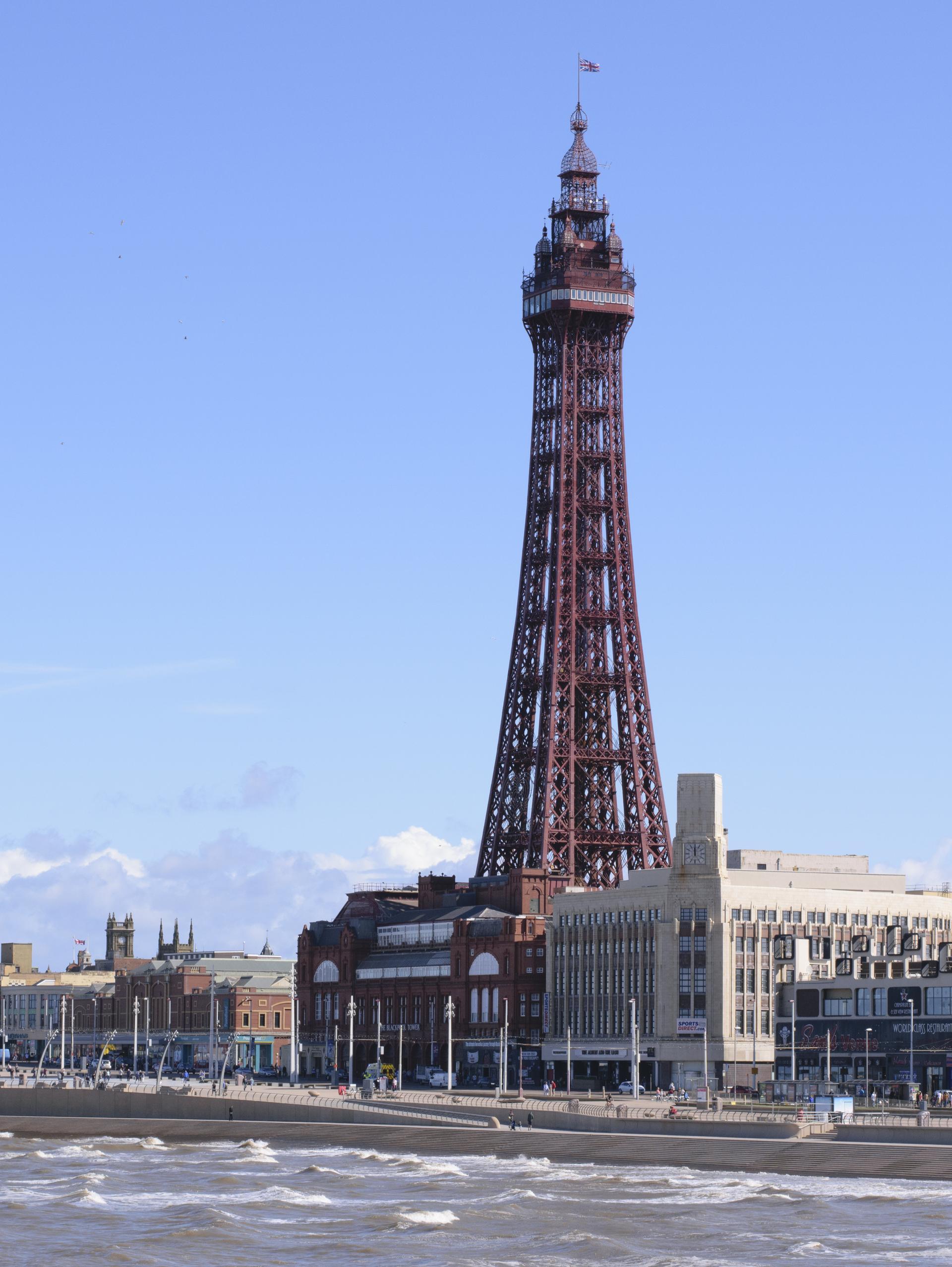
Discover Lancashire: A perfect blend of stunning landscapes, rich history, and vibrant culture in the heart of England's northwest.
Tell me more about Lancashire
A magnificent 2-mile Victorian promenade where classic British seaside charm meets stunning coastal views and timeless attractions.
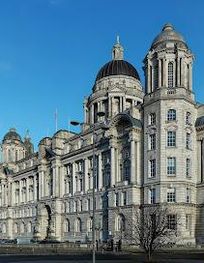
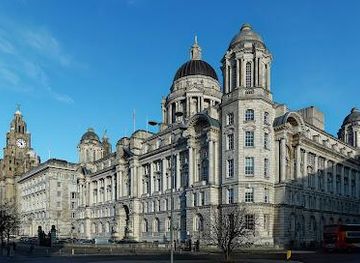
The oldest of Liverpool’s Three Graces, this Edwardian Baroque masterpiece at Pier Head is a powerful symbol of the city’s golden age as a global port and a defining feature of its historic skyline.