William Brown St, Liverpool Travel Guide
Liverpool's neoclassical Cultural Quarter: world-class museums, galleries, and monuments on a stunning Victorian street.
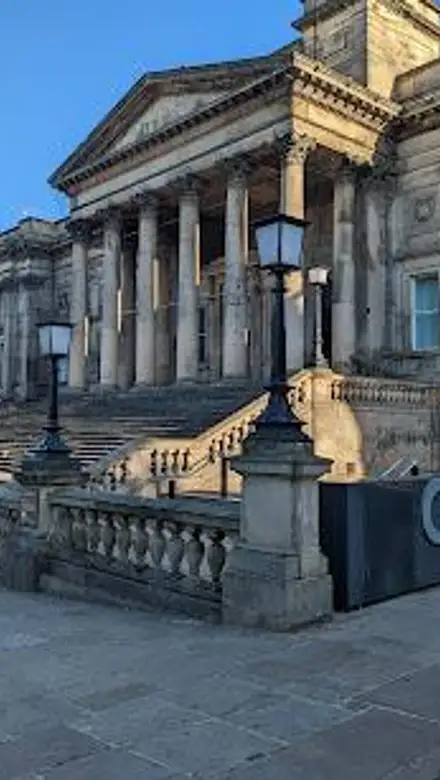
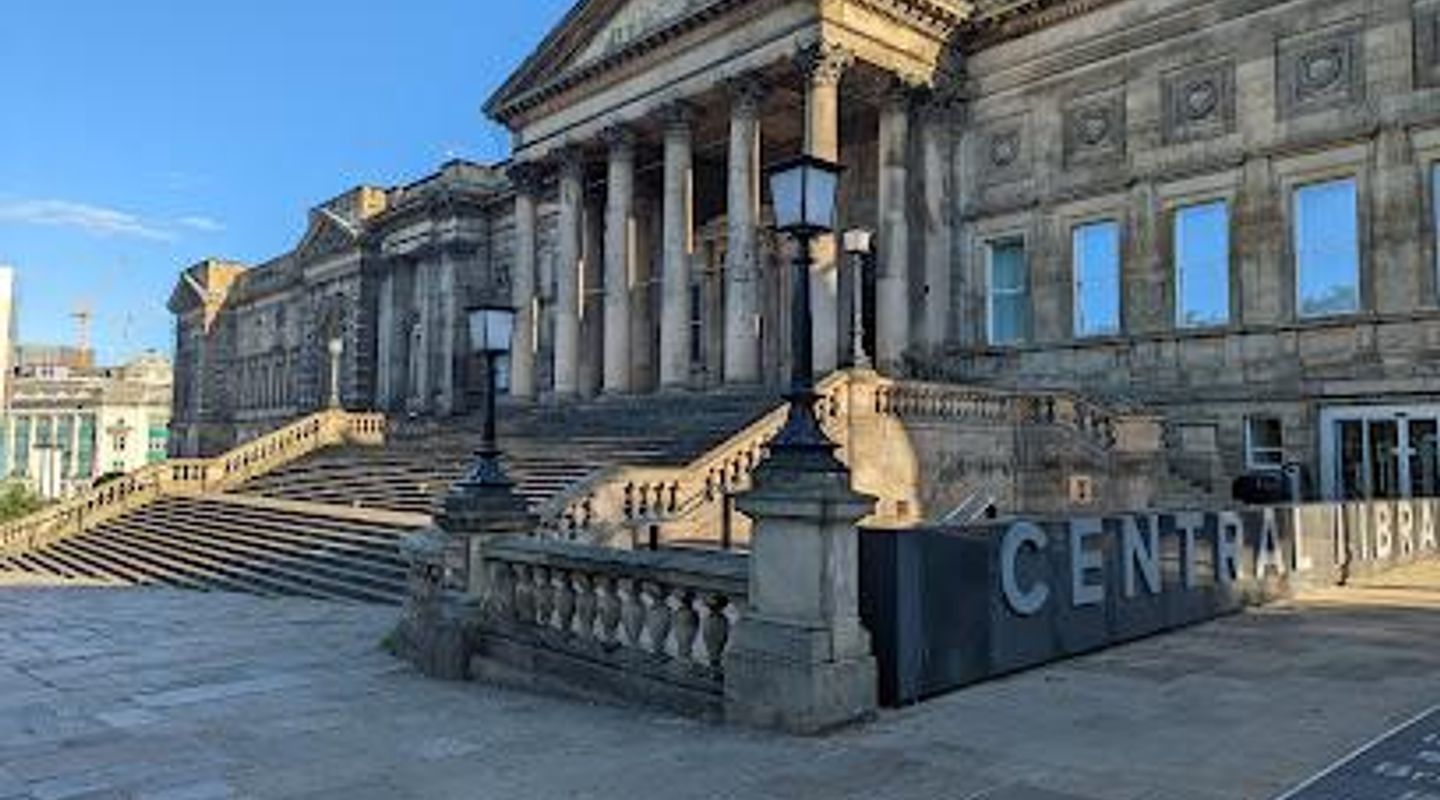
William Brown Street is Liverpool's celebrated Cultural Quarter, a remarkable concentration of neoclassical public buildings that form the architectural and cultural heart of the city. Dominated by the iconic St George's Hall, the street also houses the World Museum, Walker Art Gallery, and Central Library, alongside historic monuments and fountains. This UNESCO World Heritage site offers world-class art, science, and history collections within a stunning Victorian streetscape of cobbles and grand facades.
A brief summary to William Brown St
- Liverpool, GB
- Duration: 2 to 6 hours
- Free
-
 Outdoor
- Mobile reception: 5 out of 5

Know before you go
Hi, I'm Eve. Here are a few practical things to know before exploring William Brown St.
- Visit on weekday mornings to experience the street with fewer crowds and more space to explore the buildings and monuments at a leisurely pace.
- If visiting St George's Hall, check ahead as it is closed on Sundays. The Minton floor is occasionally uncovered; seeing it is considered a special experience worth timing your visit for.
- Arrive early during summer holidays to avoid peak crowds, particularly at the World Museum and Walker Art Gallery.
- Wear comfortable walking shoes suitable for cobblestones and plan 4–6 hours to properly explore the major institutions and appreciate the architectural details.
- Bring a camera or smartphone; the street's neoclassical facades, monuments, and statues provide exceptional photography opportunities, especially during golden hour.
Do you manage this location?
Take control to get all the benefits, like improved information, better appearance, and stronger visibility across AI-powered discovery. Learn more about listing your business on Evendo
Activate your presenceOther nearby places you may find interesting
The closest places of the same kind, if this one is not quite what you had in mind.

Explore William Brown St on the Map
A handpicked selection of must-see spots near William Brown St, mapped for you.
Unlock the Best of William Brown St
Buy tickets
-
No tickets available
Book tours with entry


Getting There
-
Train from Lime Street Station
William Brown Street is directly accessible from Liverpool Lime Street Station, one of the city's main transport hubs. Exit the station and William Brown Street is immediately in front of you, requiring no additional travel. This is the most convenient option for visitors arriving by rail from across the UK. Journey times to Lime Street vary: approximately 2 hours from Manchester Piccadilly, 2.5 hours from Birmingham New Street, and 4.5 hours from London Euston.
-
Bus from Liverpool City Centre
Multiple bus routes serve the William Brown Street area from Liverpool's city centre and surrounding neighbourhoods. Journey times typically range from 10–20 minutes depending on origin and traffic conditions. Buses are frequent during daytime hours, with services operating every 5–15 minutes on main routes. Single journey fares are approximately £1.75–£2.50. The street is within walking distance of the city centre, making bus travel practical for visitors based in other parts of Liverpool.
-
Walking from Albert Dock
William Brown Street is approximately 1.2 kilometres from Albert Dock, Liverpool's iconic waterfront district. The walk takes 15–20 minutes on level terrain through city streets, passing through the vibrant city centre. This route is suitable for most fitness levels and allows visitors to experience Liverpool's urban landscape while moving between major attractions. The route is well-signposted and pedestrian-friendly.
-
Taxi or Ride-Share
Taxis and ride-share services (such as Uber) operate throughout Liverpool and can deliver visitors directly to William Brown Street or nearby locations. Journey times from Liverpool city centre typically range from 5–10 minutes depending on traffic. Fares vary but generally cost £6–£12 for journeys within the city centre. This option is convenient for visitors with luggage or mobility considerations, though parking in the immediate area is limited.
For the on-the-go comforts that matter to you
-
 Restrooms
-
 Drink Options
-
 Food Options
-
 Seating Areas
-
 Information Boards
-
 Visitor Center
Discover more about William Brown St
The Architectural Jewel of Liverpool's City Centre
William Brown Street stands as one of the most architecturally significant streets in England, a concentrated showcase of neoclassical grandeur that has earned its place as part of Liverpool's UNESCO World Heritage status. Originally known as Shaw's Brow, the street was renamed in 1860 to honour William Brown, a local MP and philanthropist who donated land for the construction of a library and museum. Today, this cobbled thoroughfare stretches from Lime Street Station at its northern end to the Queensway Tunnel entrance at the south, creating a compact but visually stunning cultural district that draws visitors from around the world.The street's architectural character is defined by restrained neoclassical elegance, with buildings that reflect the Victorian era's ambition to create spaces for public gathering, learning, and civic celebration. The uniformity and quality of design along William Brown Street create a harmonious urban landscape that has made it a favoured backdrop for major film and television productions, including The Batman and Peaky Blinders.St George's Hall: A Masterpiece of Neoclassical Design
Dominating the street is St George's Hall, widely recognised as one of the finest neoclassical buildings in the world. Since opening in 1854, this architectural masterpiece has served as the symbolic centre of Liverpool's civic life. The building's most extraordinary feature is its Great Hall, crowned by a magnificent tunnel-vaulted roof and floored with approximately 30,000 individual Minton tiles, each hand-crafted and arranged in intricate patterns. Beneath this grand public space lie law courts and prison cells, a stark juxtaposition that reflects the building's dual purpose as both a celebration of civic achievement and an instrument of justice.St George's Hall has hosted countless memorable moments in Liverpool's history. In September 2012, 10,000 people gathered here to pay respects to those who died in the Hillsborough disaster, demonstrating the building's enduring role as a place where the city comes together during times of protest, celebration, and remembrance. Charles Dickens gave readings within these walls, and the Great Hall and Concert Room continue to host special events and performances. The visitor centre, accessed via St John's Lane, offers free entry, though the building is closed on Sundays.Museums and Galleries: Collections of Global Significance
The World Museum Liverpool, housed within the William Brown Library and Museum building and the College of Technology extension, contains over 1.7 million internationally significant artefacts and specimens. The collections span life sciences, earth sciences, and human cultures from around the world, including ancient Egyptian, Greek, Roman, and Anglo-Saxon antiquities. The museum's engaging displays feature dinosaur skeletons in the Clore Natural History Centre, an aquarium, bug house, planetarium, and zoology collections that appeal to visitors of all ages.The Walker Art Gallery, which opened in 1877, is a petite but perfectly formed institution that houses an impressive collection spanning European Renaissance masterpieces by Rubens and Rembrandt, works by Turner and Stubbs, Pre-Raphaelite paintings by Rossetti and Millais, Impressionist works by Monet and Degas, and contemporary pieces by Hockney and Wylie. The gallery is home to the annual John Moores Painting Prize, one of Britain's most prestigious contemporary art awards. A dedicated children's gallery, Big Art for Little Artists, ensures younger visitors have engaging experiences. General admission to the Walker Art Gallery is free, with special exhibitions available for a fee.Liverpool Central Library, which reopened in 2013 following a £50 million restoration, anchors the street's cultural offerings with its modern facilities and extensive collections. The library's Picton Reading Room and Hornby Library represent the historical core of the institution, while contemporary spaces serve the needs of today's visitors.Monuments, Memorials, and Public Spaces
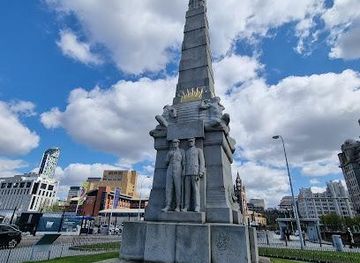
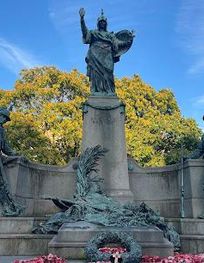
Beyond the major institutions, William Brown Street is adorned with significant public monuments and gathering spaces. The Wellington Memorial and Steble Fountain punctuate the streetscape, while numerous statues of notable figures line the street. St John's Gardens provides a green respite within the urban environment. The Hillsborough Monument Memorial stands as a solemn reminder of the 1989 disaster. These elements combine to create a street that functions not merely as a corridor between buildings but as a living memorial to Liverpool's history and values.Acknowledging Complex History
William Brown Street is one of several street names in Liverpool connected to the slave trade and the merchants who profited from it. A plaque has been installed on the street to acknowledge this historical connection and educate visitors about Liverpool's role in this dark chapter of history, reflecting contemporary efforts to present a complete and honest account of the city's past.A Living Cultural Quarter
The area surrounding William Brown Street is teeming with pubs, bars, restaurants, and shopping outlets, making it not only a destination for cultural pursuits but also a vibrant neighbourhood for dining and socialising. The proximity to Lime Street Station ensures easy access for visitors arriving by train, making William Brown Street an ideal starting point for exploring Liverpool's city centre. Whether visiting for art, science, history, or simply to appreciate outstanding architecture, William Brown Street offers a concentrated experience of Liverpool's cultural ambitions and civic pride.












Your all‑in‑one travel companion app
Explore expert travel guides, compare and book tours, experiences, hotels, and more—all from the palm of your hand. Download now for seamless trip planning wherever your wanderlust takes you.


Explore More of Liverpool
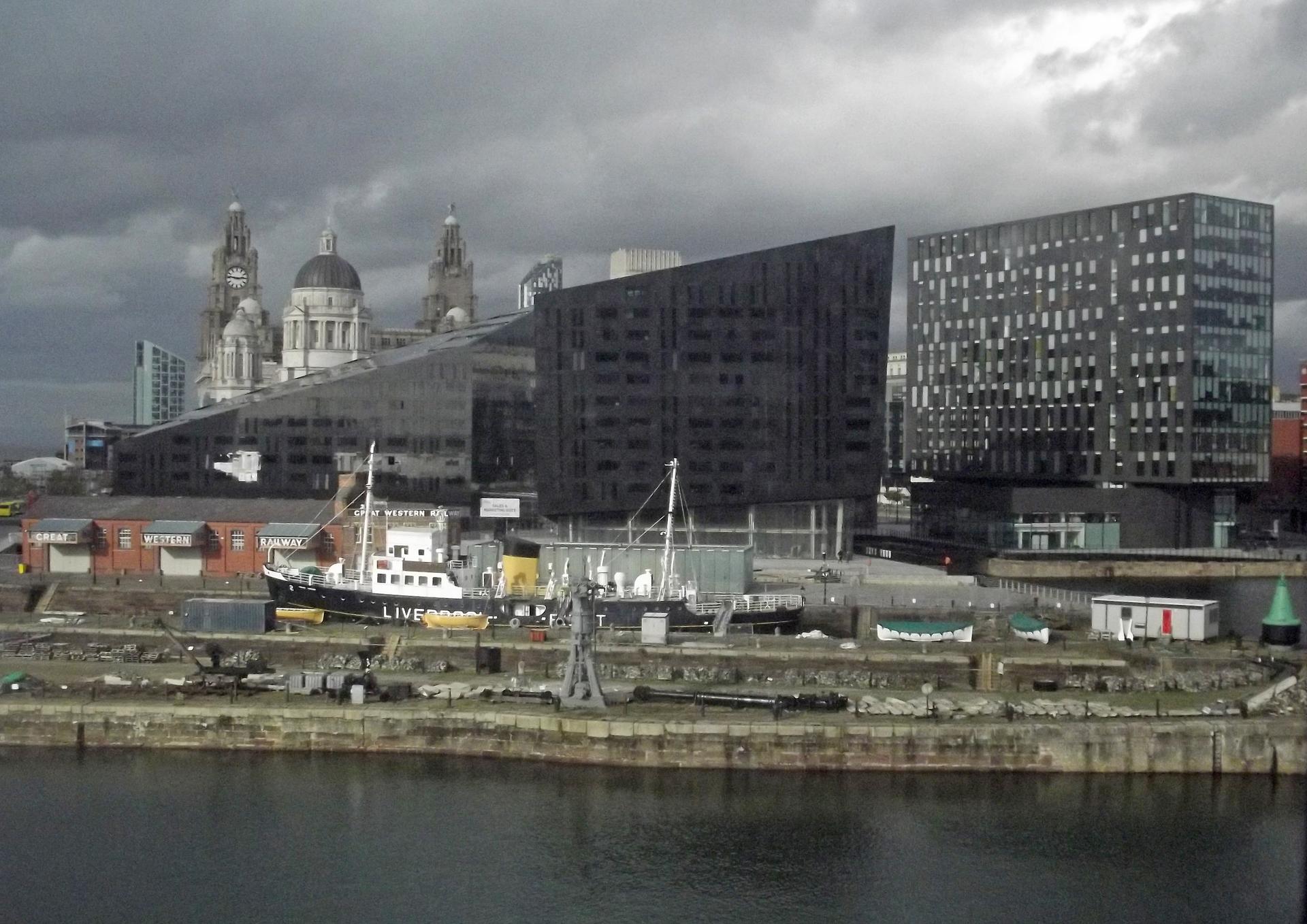
Looking beyond William Brown St? Discover Liverpool for broader travel guides, local hot-spots, and regional highlights.
Explore Liverpool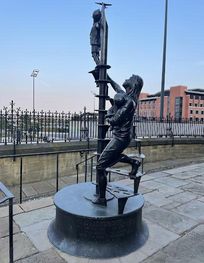
A solemn tribute to Liverpool’s civilian victims of World War II, embodying resilience amid devastation during the Liverpool Blitz.
A finely detailed equestrian statue of young Queen Victoria, symbolizing Victorian elegance and Liverpool’s rich heritage on historic Lime Street.