

Caernarfon Town Walls
Medieval fortress walls encircling history—a 734-meter circuit of 13th-century power and precision.
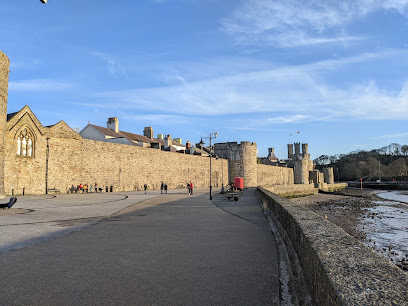
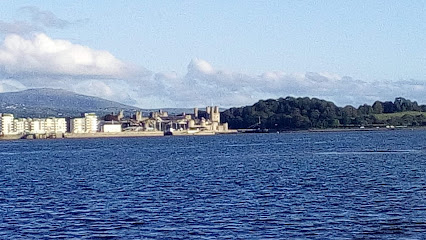
Walk the remarkably preserved medieval town walls of Caernarfon, a 734-meter circuit of 13th-century defensive architecture built by Edward I. These well-maintained fortifications, featuring eight towers and two gatehouses, encircle the historic town center and offer intimate views of the castle, harbor, and surrounding landscape. Free to explore externally, the walls form part of a UNESCO World Heritage Site and represent one of the finest examples of Edwardian military planning in Britain.
A brief summary to Town Walls - Caenarfon
- Caernarfon, GB
- Visit website
- Duration: 1 to 2 hours
- Free
-
 Outdoor
- Mobile reception: 4 out of 5
Local tips
- Access to the top of the town walls is currently closed for safety reasons, but the external circuit remains fully walkable and offers excellent views of the medieval architecture, castle, and harbor from ground level.
- Visit Porth Mawr Tower (the main gatehouse) on Tuesdays, Thursdays, or Saturdays between 10am and 3pm by collecting the key from Y Gist Ddillad shop on Pepper Lane to access this historically significant structure.
- Walk the shady Hole in the Wall Street and explore the quay area to experience the atmosphere of the medieval town and see some of the best-preserved wall sections north of the East Gate.
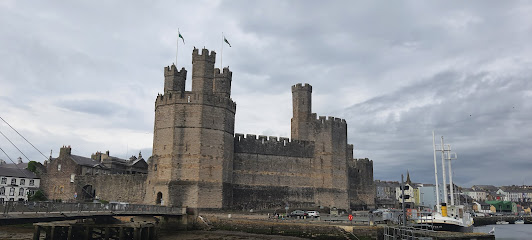
- Combine your visit with Caernarfon Castle, located adjacent to the walls, to gain a complete understanding of Edward I's integrated military and administrative complex.
- Dogs are welcome throughout the site, making this an excellent destination for visitors traveling with pets who want to explore medieval heritage.

For the on-the-go comforts that matter to you
- Restrooms
- Food Options
- Drink Options
- Information Boards
- Visitor Center
- Seating Areas
- Trash Bins
Getting There
-
Bus from Bangor
Direct bus services operate between Bangor and Caernarfon town center, approximately 20 kilometers away, with journey times of 30–45 minutes depending on service and traffic. Buses arrive near the town center, placing you within 5–10 minutes' walk of the town walls. Services run regularly throughout the day; check Traveline Cymru for current schedules and fares, typically ranging from £3–6 for a single journey.
-
Train to Bangor, then bus or taxi
Trains on the Crewe-Bangor-Holyhead route serve Bangor station, approximately 16 kilometers from Caernarfon. From Bangor, take a connecting bus (30–45 minutes) or taxi (20–30 minutes, approximately £25–35) to reach the town walls. Train fares vary by operator and advance booking; buses cost £3–6 per journey.
-
Cycling via National Cycle Network Route 8
National Cycle Network Route 8 passes directly through Caernarfon, providing a scenic cycling approach from surrounding areas. The route is well-maintained and suitable for most cyclists. Journey times depend on your starting point; from Bangor, allow approximately 45–60 minutes on the cycle route. This is a low-cost, environmentally friendly option with no parking concerns.
-
Car with parking
Caernarfon is accessible by car via the A487 road. Multiple car parks are available in the town center near the castle and town walls, with typical parking charges of £1–3 per hour or £5–8 for all-day parking. The walls are within easy walking distance of central parking areas. Note that some sections of the town center may have restricted access during peak times.
Town Walls - Caenarfon location weather suitability
-
 Any Weather
Discover more about Town Walls - Caenarfon
A Symbol of English Power in Medieval Wales
The Caernarfon Town Walls stand as one of the most complete and impressive examples of 13th-century military architecture in Europe. Constructed between 1283 and 1292 under the direction of master architect James of Saint George, these fortifications were built as part of Edward I's ambitious campaign to consolidate English control over North Wales. The walls stretch for 734 meters around the town center, enclosing approximately 4.18 hectares, and represent far more than mere defensive structures—they embody a deliberate colonial strategy to establish English dominance in the region. The king's decision to place the new town and walls at Caernarfon was symbolic, transforming the location into the administrative capital of the principality of North Wales and a visible demonstration of English power.Engineering Mastery and Construction Logistics
The construction of these walls was a remarkable feat of medieval engineering and logistics. Massive numbers of laborers were mobilized throughout England, gathered in Chester, and transported to Wales for each construction season. The project cost approximately £3,500—an enormous sum for the period—yet was completed with impressive speed despite uneven progress. The walls were primarily built from carboniferous limestone, the same material used for the adjacent castle, creating visual and structural harmony. The eight towers along the circuit are mostly "gap-backed," lacking walls on their interior sides and originally equipped with removable wooden bridges that allowed defenders to seal off sections of the fortifications from attackers. This sophisticated defensive design reflects the military expertise of James of Saint George, who brought continental knowledge to Welsh fortification design.Trials by Fire and Medieval Conflict
The walls' defensive capabilities were tested almost immediately. In 1294, just two years after completion, the fortifications faced their baptism of fire during the rebellion of Madog ap Llywelyn, a Welsh uprising triggered by English taxation and administrative policies. Madog's forces captured the town and inflicted significant damage on the walls, yet the fortifications ultimately held. The English responded by investing £1,195—nearly half the original construction cost—to repair and strengthen the walls within just two months. Later, in 1400, when Owain Glyndŵr, the last native Welsh prince to claim a princely title, rose in rebellion against English rule, the town's defenses again proved their worth. Despite determined attempts to capture Caernarfon in 1403 and 1404, the townspeople successfully repelled the attacks, demonstrating that the walls remained formidable obstacles even a century after their construction.Architectural Features and Integrated Structures
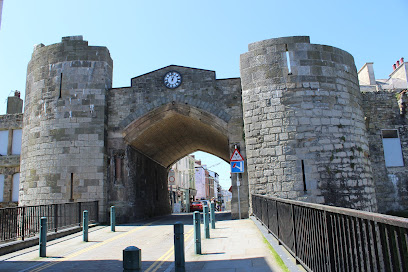
The walls follow a hexagonal plan, with the castle forming the southern portion of this defensive circuit. The western side features a slight bend, while the eastern side shows a more pronounced curve, adapting the fortifications to the natural topography and existing structures. Two medieval gatehouses—the East Gate, which served as the main landward entrance to the medieval borough, and the West or Water Gate, which originally could only be approached from the sea—controlled access to the town. In the northwest corner, the 14th-century Chapel of Saint Mary was ingeniously built directly into the defensive circuit, using the only fully circular tower in the walls as its vestry. Several towers have been repurposed over the centuries: one was incorporated into the former County Gaol in the 19th century and now forms part of the County Offices; another has served the Royal Welsh Yacht Club since the 1800s; and a third, known as the Bath Tower, was restored and converted into a holiday home by the Landmark Trust in 1967.From Colonial Fortress to Living Heritage
The new town of Caernarfon was initially populated by English settlers, particularly from nearby Cheshire and Lancashire, with the walls partly designed to encourage immigrants and royal officials to settle safely within their protection. However, the settlement never achieved the prosperity of neighboring towns like Conwy or Beaumaris. By 1298, only 59 burgage tenements existed, and the situation remained stagnant through the 14th century. The ascension of the Tudor dynasty to the English throne fundamentally changed the political landscape. As the Tudors were themselves of Welsh origin, their rule lessened hostilities between the Welsh and English, reducing the need for such formidable defenses. In 1507, a symbolic turning point was reached when Welsh people were finally permitted to live inside the town walls—a privilege previously denied them. Political changes in the 16th century gradually reduced the urgency of maintaining such extensive fortifications, yet the walls survived largely intact through subsequent centuries.Conservation and Contemporary Significance
Today, the Caernarfon Town Walls form part of the UNESCO World Heritage Site "Castles and Town Walls of King Edward in Gwynedd," recognized since 1986 for their outstanding universal value. Archaeologists Oliver Creighton and Robert Higham describe the defenses as "a remarkably intact walled circuit," a testament to their exceptional preservation. The walls have been maintained following a conservation philosophy of minimal intervention, preserving their authenticity despite some reconstruction work in the late 19th century. The circuit remains almost completely unbroken, offering visitors an unparalleled opportunity to experience medieval town planning and defensive strategy. Walking along or around the walls provides intimate perspectives on the town's medieval character, with views extending across the harbor to the Menai Strait and the surrounding Welsh landscape.Iconic landmarks you can’t miss

CARN / Oriel Pendeitsh
0.2 km
Discover contemporary Welsh art and culture in Caernarfon’s inspiring Oriel Pendeitsh gallery, a vibrant creative hub above the Tourist Information Centre.
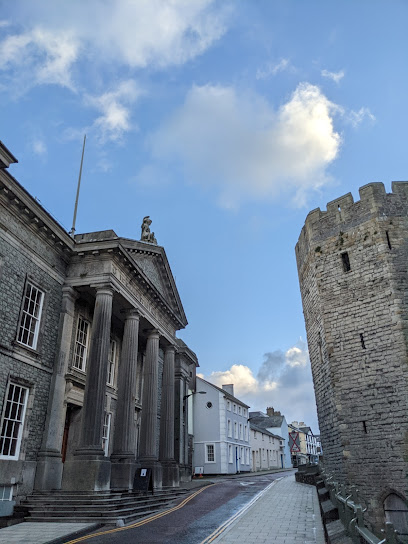
Caernarfon War Memorial
0.2 km
A dignified stone pillar in Castle Square honoring Caernarfon’s fallen heroes from the World Wars and beyond.
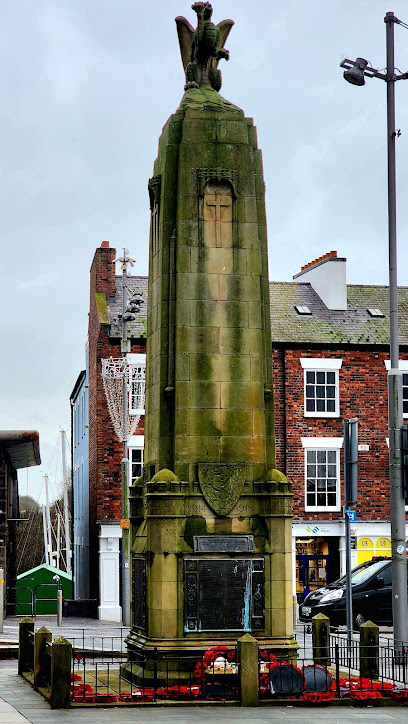
Pont Yr Aber
0.3 km
A scenic swing bridge linking Caernarfon Castle with woodland paths, offering iconic views and a touch of maritime theatre as boats pass beneath.
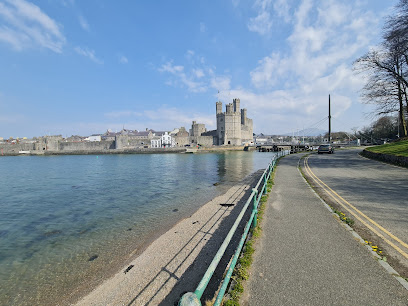
South African War Memorial
0.4 km
A wheel-headed Celtic cross honouring 173 Caernarfonshire soldiers lost in the Boer War, unveiled in 1904.
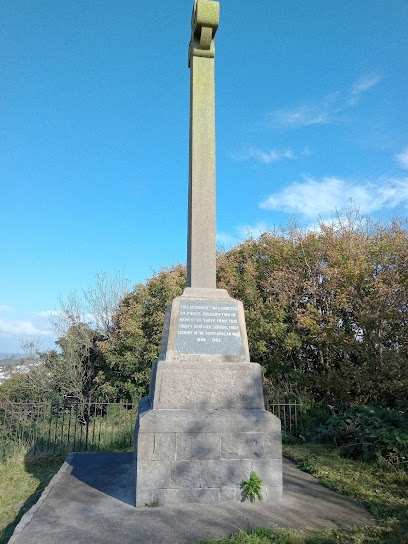
Caernarfon Tower
0.6 km
Explore Caernarfon Tower, a medieval fortress sentinel offering breathtaking views and rich Welsh history in a UNESCO World Heritage setting.
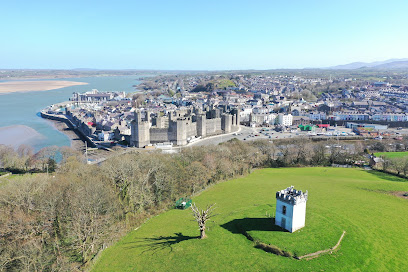
Bryn Gwyn Standing Stones
4.4 km
Discover the towering Neolithic Bryn Gwyn Standing Stones, ancient sentinels of Anglesey’s prehistoric past and ritual heritage.
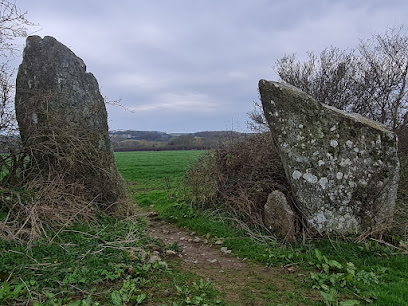
Caer Leb (Prehistoric Castle Enclosure)
4.6 km
Explore Caer Leb, a prehistoric fortified enclosure with water-filled ditches that reveal ancient defensive ingenuity on scenic Anglesey.
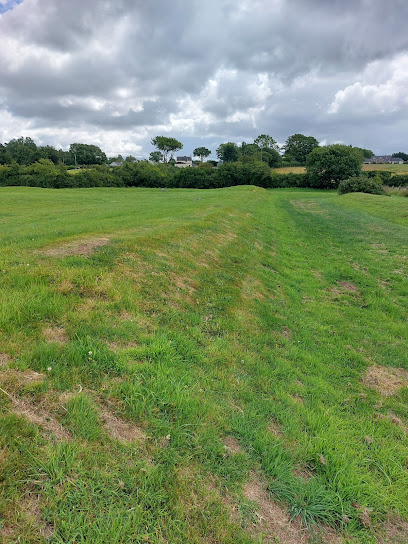
Tafarn Snowdonia Parc
6.2 km
Discover the heart of Welsh culture at Tafarn Snowdonia Parc, where delicious food meets stunning natural beauty in Snowdonia National Park.
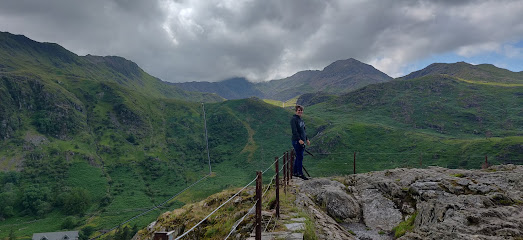
Cadair y Cythraul
8.8 km
Discover the mysterious 'Chair of the Devil' in Llanfairpwllgwyngyll, a historic landmark steeped in Welsh myth and ancient landscape charm.
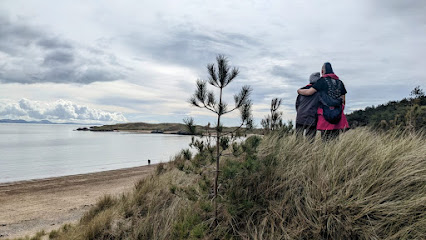
Porth y Clochydd
9.0 km
Explore the historical landmark of Porth y Clochydd in Llanfairpwllgwyngyll, a captivating site steeped in rich Welsh heritage and scenic beauty.

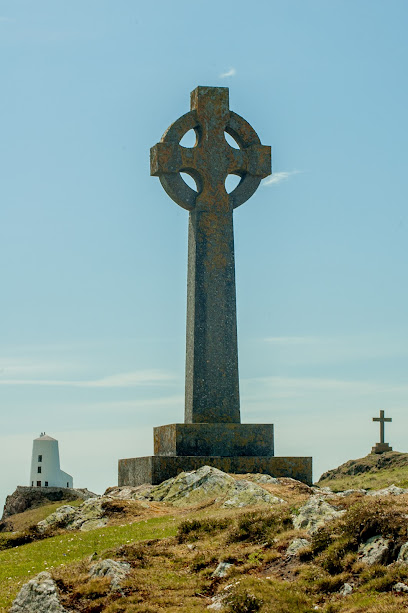
Celtic cross
9.1 km
A serene Celtic Cross memorial honoring Welsh poet Syr John Morris-Jones, set beside historic St. Mary's Church with stunning Menai Strait views.
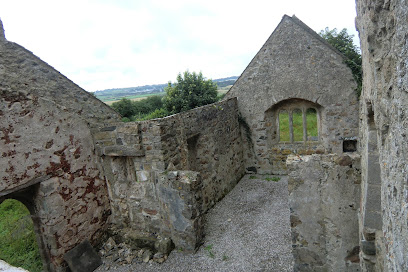
Hen Eglwys Llanfihangel Ysgeifiog
10.6 km
Explore the evocative ruins of Hen Eglwys Llanfihangel Ysgeifiog, a medieval Welsh church steeped in history and nestled in tranquil Anglesey countryside.
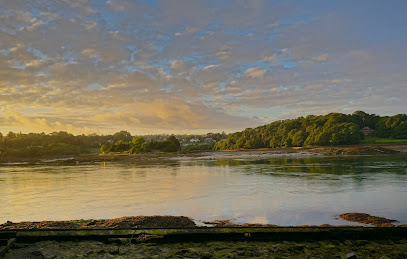
Ynys yr Eglwys
11.5 km
Discover the serene charm and rich heritage of Ynys yr Eglwys, a peaceful island gem beside the iconic Menai Suspension Bridge.
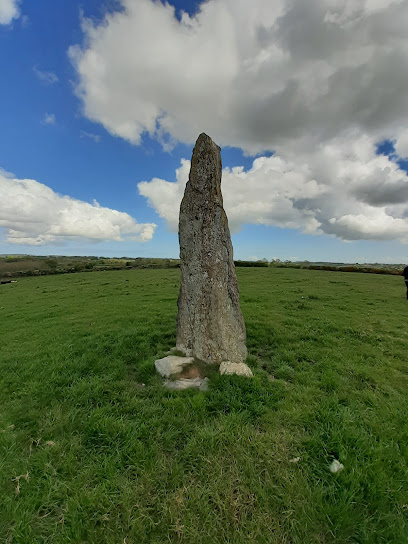
Tŷ-Gwyn Menhir
13.3 km
Discover the ancient Tŷ-Gwyn Menhir near Menai Bridge, a prehistoric standing stone steeped in druidic mystery and Welsh heritage.
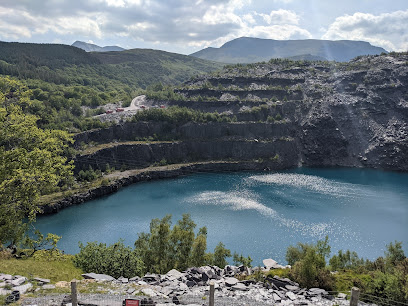
Zip World Penrhyn Quarry
14.5 km
Experience the thrill of Zip World Penrhyn Quarry – the ultimate adventure park in Snowdonia with breathtaking views and exhilarating activities.
Unmissable attractions to see

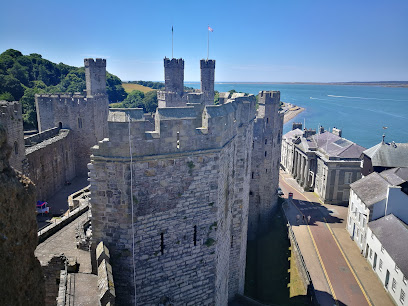
Caernarfon Castle Walls
0.0 km
Walk the nearly complete medieval walls of Caernarfon, a fortress town’s historic shield with panoramic views and rich Welsh heritage.
Historic Tours Wales
0.1 km
Explore Caernarfon’s rich history with passionate local guides on immersive walking tours that reveal hidden stories beyond the castle walls.
Bath Tower
0.2 km
Sleep in a 13th-century tower within Caernarfon's castle walls—where medieval history meets modern comfort.
Caernarfon Walks - Guided Tours
0.2 km
Discover Caernarfon’s rich history and hidden stories on expert-led walking tours through its medieval streets and iconic castle walls.
Caernarfon Waterfront
0.2 km
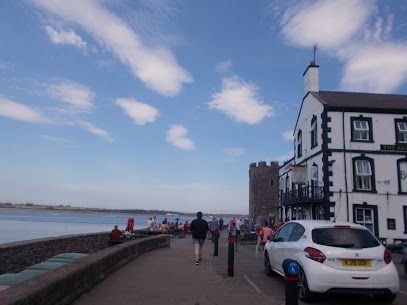
Historic Caernarfon Waterfront: Where medieval heritage meets vibrant maritime charm on the Menai Strait.
Sir Hugh Owen
0.2 km
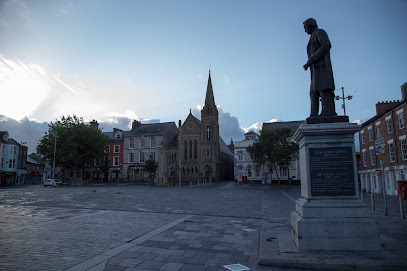
Celebrate the legacy of Sir Hugh Owen, a pioneer of Welsh education, with his statue in the historic heart of Caernarfon’s Castle Square.
Royal Welch Fusiliers Museum
0.2 km
Explore centuries of Welsh military history within the majestic towers of Caernarfon Castle, a UNESCO World Heritage Site.
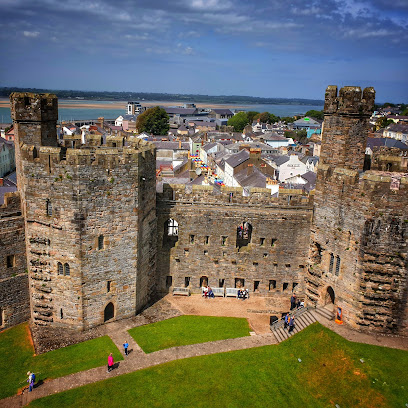
Hanging Tower
0.2 km
A haunting medieval tower in Caernarfon where justice was once served by execution, steeped in history and ghostly legend.
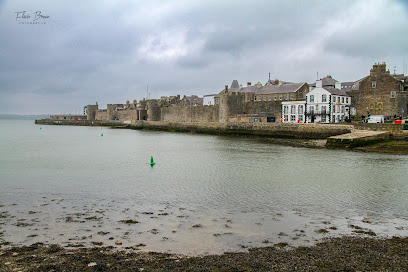
Caernarfon Castle
0.2 km
Discover the grandeur of Caernarfon Castle, a UNESCO World Heritage Site rich in history and stunning medieval architecture, perfect for your Welsh getaway.
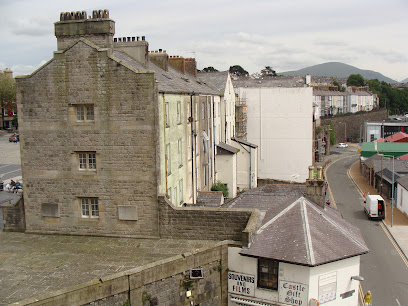
The Fun Centre
0.3 km
North Wales's largest indoor adventure play centre, blending historic charm with thrilling slides, mazes, and safe toddler zones for family fun all year round.
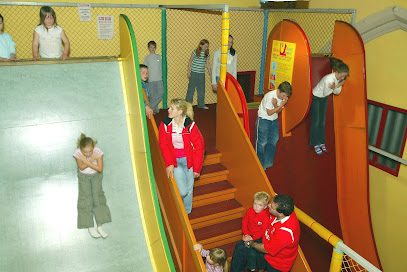
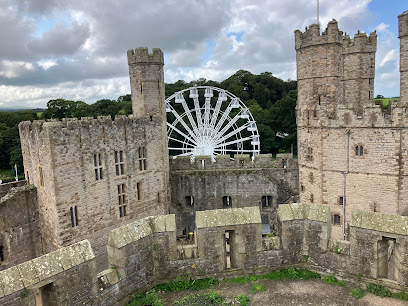
Big Wheel, Caernarfon Castle
0.3 km
Experience breathtaking panoramic views from the Big Wheel beside historic Caernarfon Castle, blending medieval heritage with modern leisure.
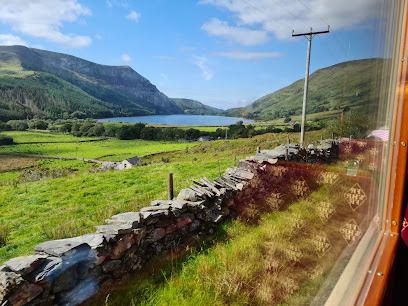
Welsh Highland Railway - Caernarfon
0.4 km
Historic steam journeys begin beneath Caernarfon Castle, winding through Snowdonia’s breathtaking landscapes on the UK’s longest heritage railway.
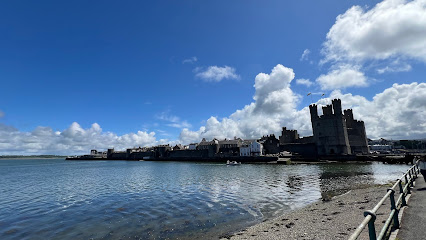
Aber Foreshore
0.8 km
A scenic coastal walk with iconic views of Caernarfon Castle and the Menai Strait, perfect for a peaceful stroll or a quiet moment by the water.
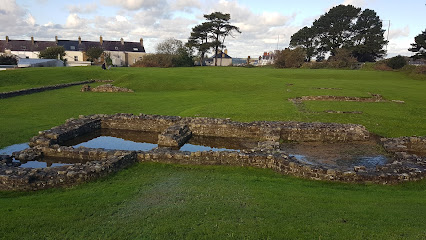
Caer Rufeinig Segontium / Segontium Roman Fort
0.8 km
Explore the ancient Roman military outpost of Segontium, where history and legend meet amidst scenic Welsh landscapes.
Foel Farm Park
2.0 km
Discover a charming working farm with animal encounters, scenic views, and family fun on the beautiful Isle of Anglesey.
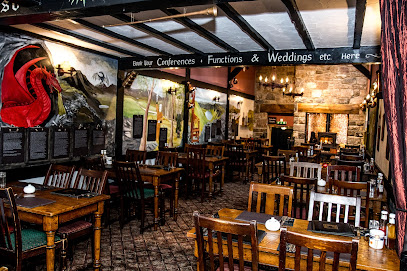
Essential places to dine

Black Boy Inn Four & Six Restaurant & Bar
0.0 km
Discover authentic Welsh cuisine at Black Boy Inn Four & Six Restaurant & Bar in Caernarfon, where tradition meets modern dining.
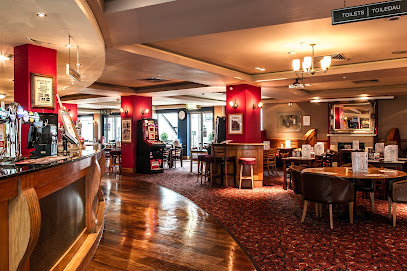
Tafarn Y Porth - JD Wetherspoon
0.0 km
A lively, historic pub in central Caernarfon offering great value meals, local ales, and a welcoming atmosphere near the town’s ancient East Gate.
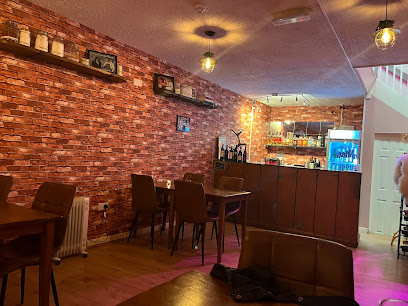
Sheeps and Leeks
0.1 km
An intimate fine dining experience in Caernarfon celebrating Welsh produce through expertly crafted tasting menus in a cozy historic setting.
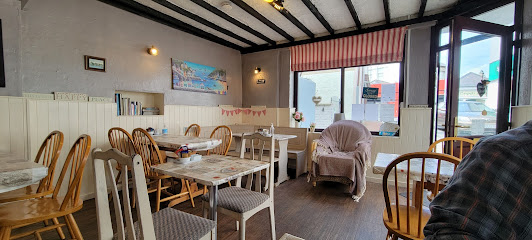
Lizzy's Caernarfon
0.1 km
A cozy, woman-owned café near Caernarfon Castle serving fresh, home-cooked British dishes with warm Welsh hospitality.
Four Alls
0.1 km
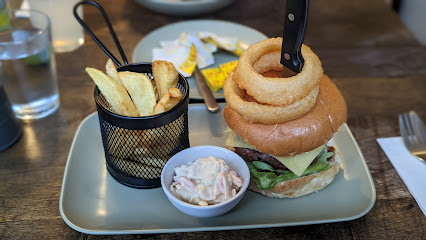
Historic charm meets delicious fare at The Four Alls, Caernarfon’s beloved pub and restaurant for great food, drinks, and community spirit.
Tân Woodfired Pizza
0.1 km
Savor authentic wood-fired pizzas in a cozy Caernarfon setting, blending traditional flavors with local charm every evening.
Wal Restaurant
0.1 km
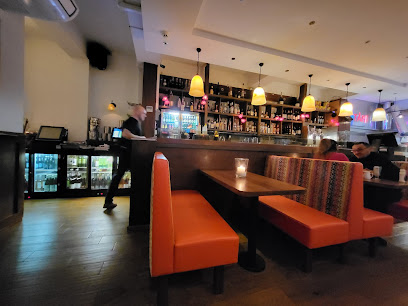
Experience the warm hospitality and diverse flavors of Welsh, British, and Italian cuisine at Wal Restaurant in the heart of Caernarfon.
Ouzo & Olive
0.1 km
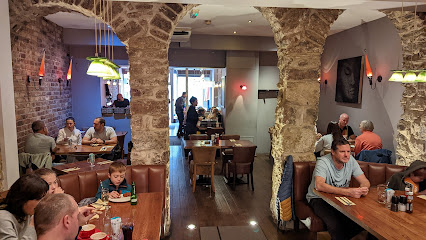
Discover authentic Greek tapas and warm hospitality in the historic heart of Caernarfon at Ouzo & Olive.
The Market Hall Brew Pub
0.1 km
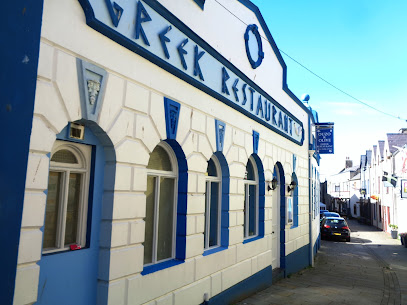
Discover the essence of Welsh hospitality at The Market Hall Brew Pub in Caernarfon – where local brews meet delicious bites.
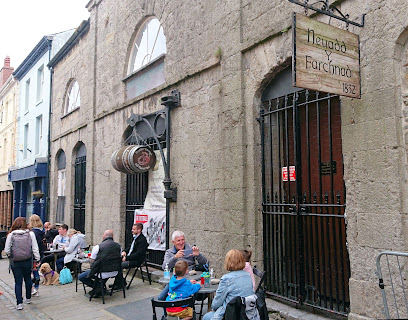
Osteria
0.1 km
Experience authentic Tuscan cuisine in a cozy, welcoming Italian restaurant nestled in the heart of Caernarfon.
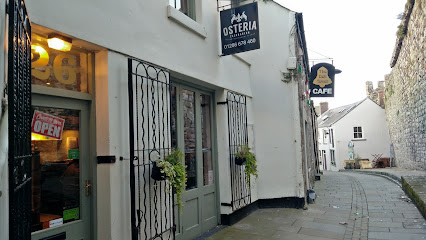
Caernarfon Tandoori Restaurants
0.1 km
Authentic Indian flavors and tandoori specialties served in a spacious, friendly setting in the heart of Caernarfon.
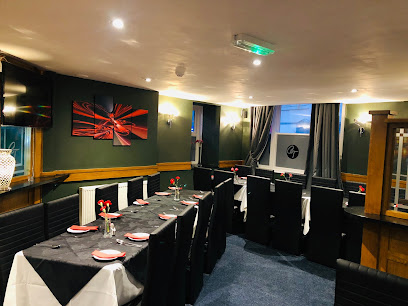
Caffi Maes
0.2 km
A friendly, three-storey café on Caernarfon’s Castle Square, serving hearty breakfasts, local dishes, and excellent coffee in a relaxed, pet-friendly setting.
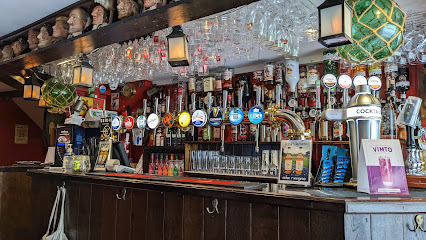
Y Gegin Fach
0.2 km
Family-run cafe in Caernarfon serving hearty Welsh classics and homemade British dishes in a warm, welcoming atmosphere.
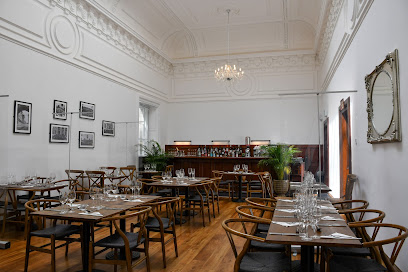
The Old Courthouse, Caernarfon
0.2 km
Historic neo-classical courthouse turned elegant bistro with stunning views of Caernarfon Castle and a modern British menu.
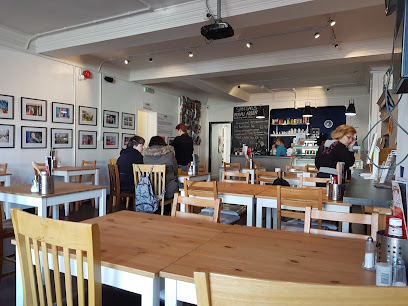
Caffi Gisda
0.2 km
Ethical café in Caernarfon serving fresh local fare with a heart for community and kindness in a cozy, welcoming setting.
Markets, malls and hidden boutiques

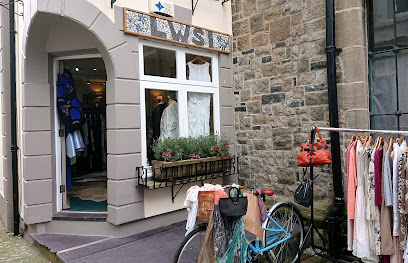
Lwsi
0.0 km
Discover unique sustainable fashion treasures in Caernarfon’s charming secondhand boutique nestled within medieval town walls.
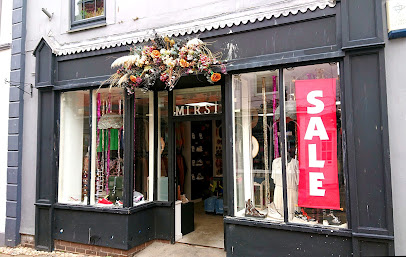
Mirsi
0.1 km
Discover stylish, affordable women's fashion in the heart of historic Caernarfon at Mirsi Boutique on High Street.
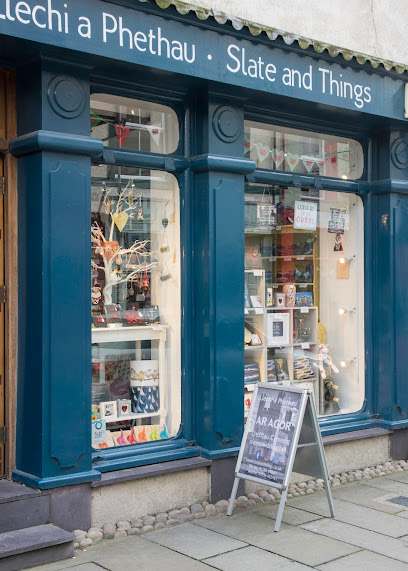
Slate and Things
0.1 km
Discover authentic Welsh slate crafts and unique souvenirs in the heart of historic Caernarfon at Slate and Things.
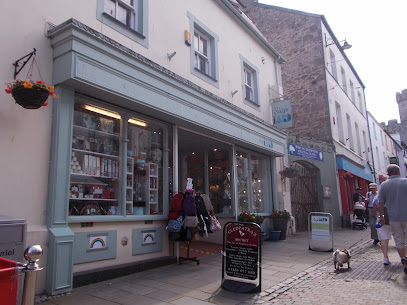
Siop iard Caernarfon
0.1 km
Discover handcrafted Welsh jewellery and crafts at Siop Iard Caernarfon, a unique boutique celebrating local artistry and heritage.
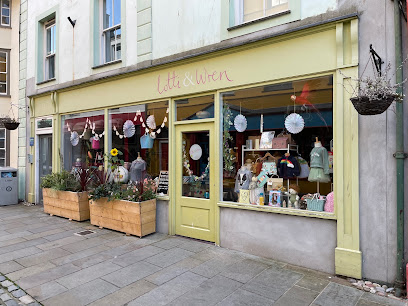
Lotti & Wren
0.1 km
Discover unique independent design treasures and handcrafted gifts in the heart of historic Caernarfon at Lotti & Wren.
Siop Siafins
0.1 km
A charming gift shop in Caernarfon offering authentic Welsh crafts, souvenirs, and locally made treasures in the heart of historic North Wales.
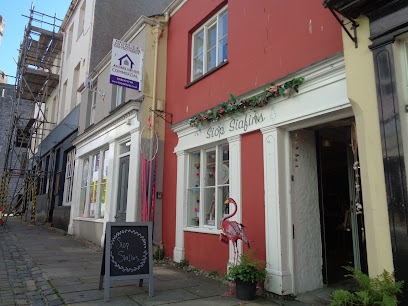
YLP Fabric & Wool Shop
0.1 km
Discover Caernarfon’s premier fabric and wool shop, a creative hub for knitters, quilters, and embroidery lovers alike.
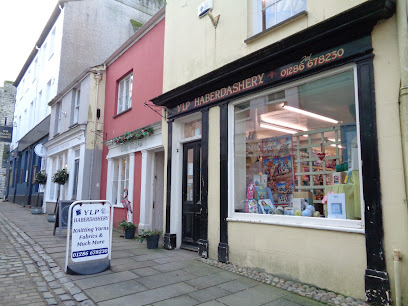
Tin of Sea
0.1 km
Discover unique home décor, gifts, and furnishings blending historic charm with modern style in Caernarfon’s Tin of Sea.
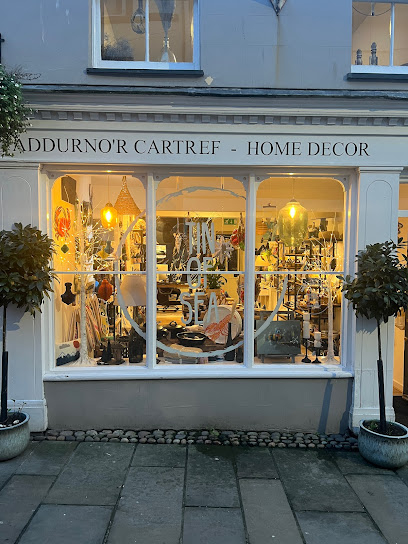
Siop Y Ddraig
0.2 km
Discover authentic Welsh gifts and souvenirs in a charming shop steeped in local culture at Caernarfon’s Siop Y Ddraig.
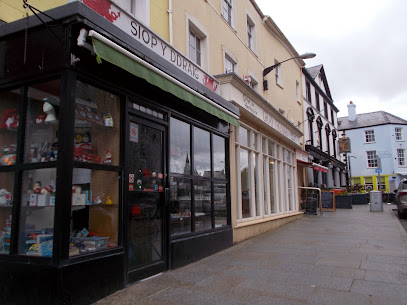
Craftcentre Cymru
0.2 km
Discover authentic Welsh handmade crafts and unique gifts in the heart of historic Caernarfon, opposite the iconic castle.
Na Nôg
0.2 km
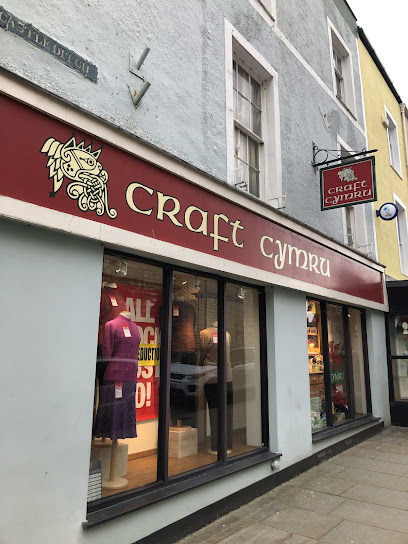
Discover authentic Welsh culture through music, crafts, and unique gifts at Na Nôg, Caernarfon’s beloved boutique in Castle Square.
Peacocks
0.2 km
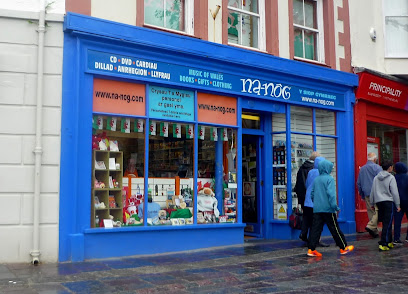
Affordable fashion for men, women, and children in Caernarfon’s Caolfan shopping center.

Castle Gift Shop
0.2 km
Explore the charm of Wales at Castle Gift Shop, your destination for unique souvenirs and local crafts in Caernarfon.
Cei Llechi: Artisan Shopping Village
0.3 km
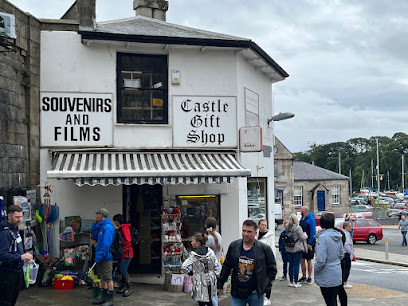
A vibrant artisan village in Caernarfon blending heritage slate quay buildings with local crafts, food, and culture by the harbour.
The Original Factory Shop (Caernarfon)
0.3 km
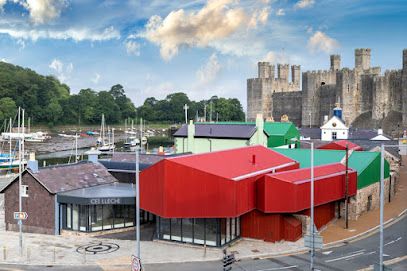
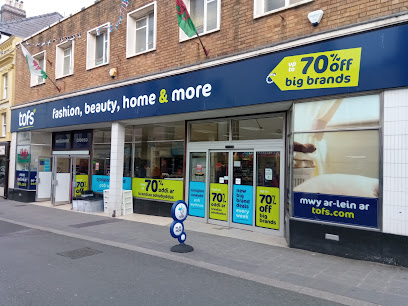
Discover unbeatable bargains on fashion, beauty, and homeware at The Original Factory Shop in Caernarfon’s vibrant Pool Street.
Essential bars & hidden hideouts

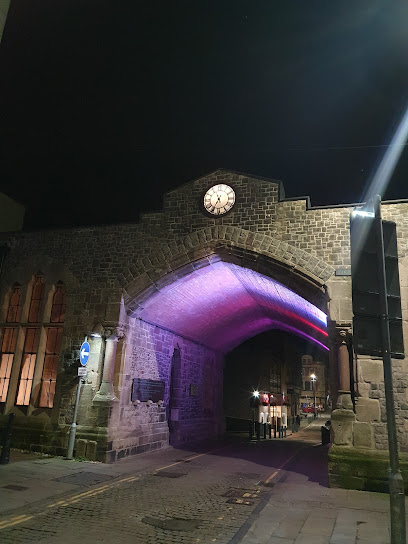
The hole in the wall
0.1 km
Authentic Welsh pub with historic charm, lively events, and welcoming locals in the heart of Caernarfon.
Market Hall
0.1 km
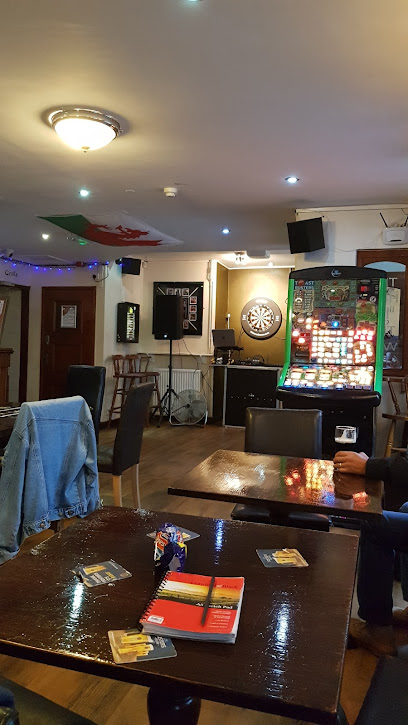
Historic Market Hall in Caernarfon offering excellent pints, authentic kebabs and curries, plus lively open mic nights in a vibrant local setting.
Ship & Castle
0.1 km
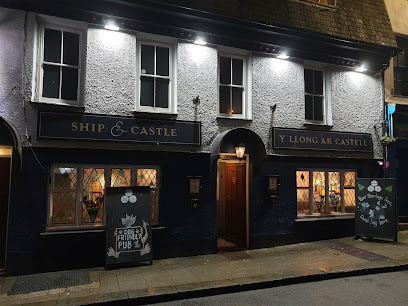
A lively and welcoming pub in Caernarfon, where friendly locals and traditional charm create the perfect spot to relax and socialize.
The Crown Y Goron
0.1 km
A cozy, family-friendly Welsh pub in Caernarfon offering local ales, home-cooked meals, and a warm, inviting atmosphere seven days a week.
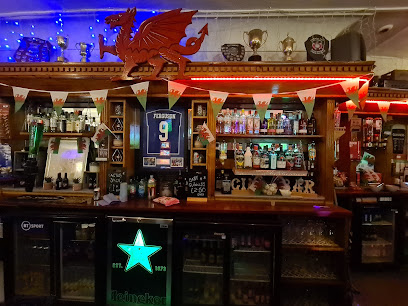
Tŷ Glyndŵr Bunkhouse & Su's Cocktail Bar
0.1 km
Cozy Georgian hostel with a lively cocktail bar, local flavors, and live music just steps from Caernarfon Castle in the heart of North Wales.
Bar Bach
0.1 km
Discover Bar Bach, Wales’ tiniest bar in Caernarfon, where local brews and cozy charm create an unforgettable intimate pub experience.
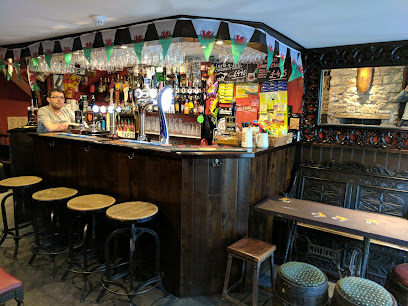
Palace Vaults
0.2 km
A cosy, historic pub opposite Caernarfon Castle offering hearty fare, live music, and a welcoming atmosphere in the heart of Gwynedd.
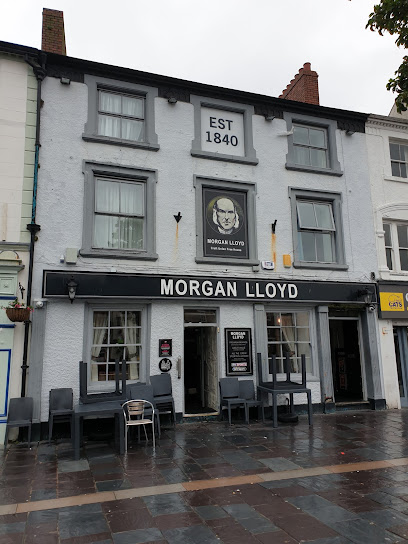
The Morgan Lloyd
0.2 km
A traditional Welsh pub in Caernarfon offering good beer, friendly service, and a lively local atmosphere near the historic castle.
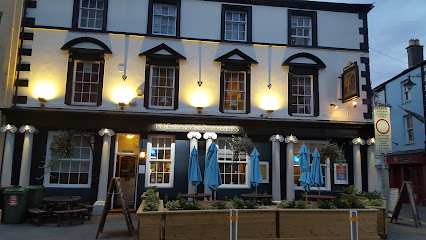
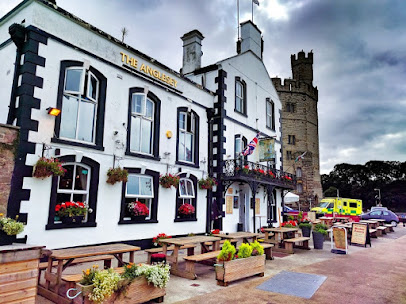
Anglesey Arms
0.3 km
Historic harbourfront pub and inn in Caernarfon offering cozy rooms, hearty Welsh fare, and stunning views of Menai Strait and Caernarfon Castle.
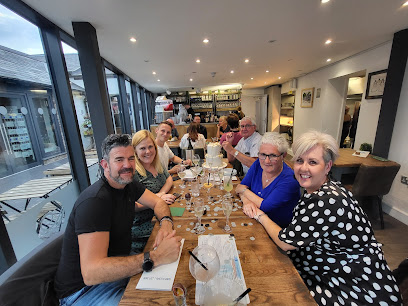
La Marina Cei
0.3 km
Experience the vibrant social heart of Caernarfon at La Marina Cei, where lively bar vibes and welcoming atmosphere meet.
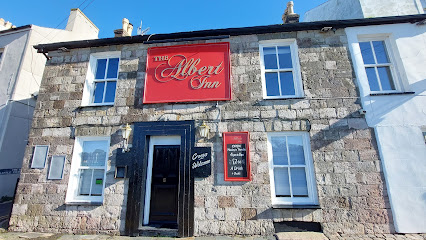
Albert Inn
0.3 km
A cozy, family-friendly pub in Caernarfon serving homemade British classics with warm local hospitality.
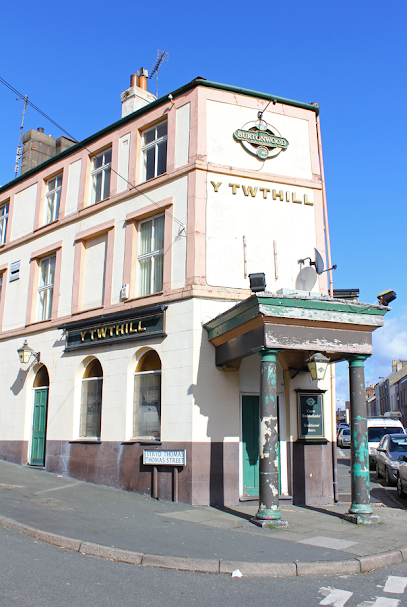
Twthill Vaults
0.3 km
A cozy, traditional Welsh pub in Caernarfon offering local ales, hearty food, and a welcoming community atmosphere every day from noon till late.
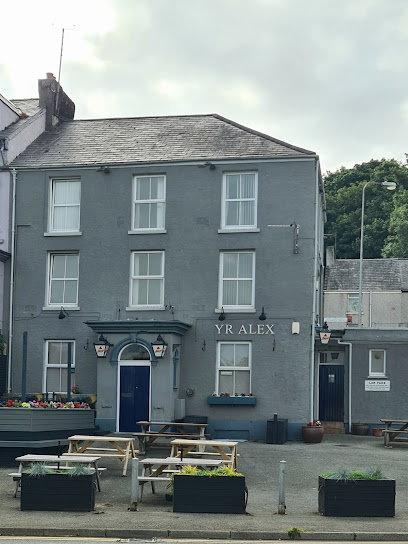
Yr Alex
0.4 km
Experience authentic Welsh hospitality and local brews in the cozy, welcoming atmosphere of Yr Alex, Caernarfon’s beloved traditional pub.
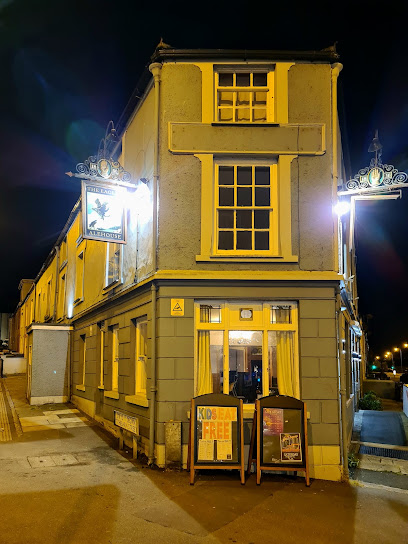
The Eagles
0.5 km
A cozy and friendly Caernarfon pub offering local brews, hearty meals, live music, and a warm Welsh welcome.
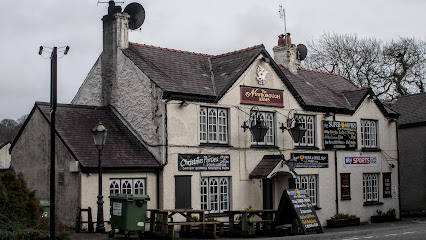
The Newborough Arms
3.0 km
A warm, family-friendly pub in Bontnewydd offering hearty Welsh fare, a lively bar, and a spacious beer garden with play area.
Nightclubs & after hour spots

Wellman's Sports & Social Club
12.4 km
Llangefni’s vibrant social hub with lively entertainment, spacious dance floor, and a welcoming community atmosphere.
Academi
13.5 km
Bangor’s beloved student nightclub, offering vibrant music, a welcoming atmosphere, and a central role in university social life.
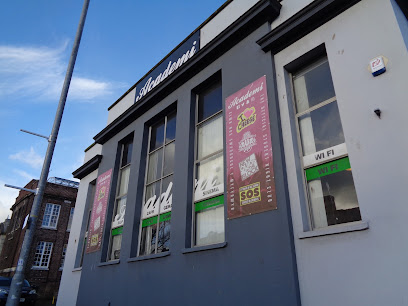
Trilogy Nightclub
14.1 km
Experience Bangor’s vibrant nightlife at Trilogy Nightclub, where diverse music rooms and lively weekend parties create unforgettable nights.
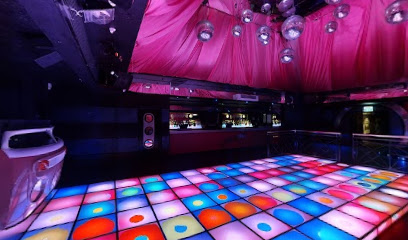
Clwb Llyn Bach
25.7 km
Discover the lively spirit of Clwb Llyn Bach, a top pub in Porthmadog offering great drinks, vibrant events, and a friendly atmosphere.
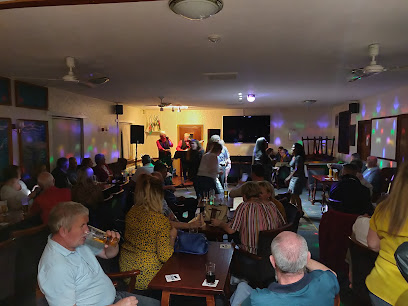
The Cove
26.6 km
Experience the vibrant nightlife at The Cove in Hafan Y Mor, North Wales, where music, dancing, and unforgettable memories await.

Black Rock Beach Club
26.7 km
Experience the ultimate beachside retreat at Black Rock Beach Club with delicious grilled dishes and breathtaking coastal views.
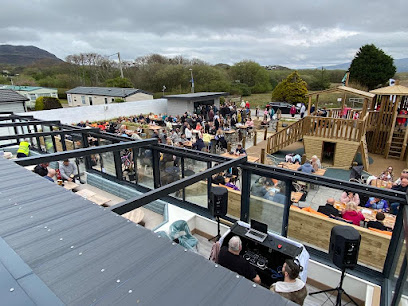
Vics Boogie-Nights
27.2 km
Experience the vibrant nightlife at Vic's Boogie-Nights, Abererch's premier bar for music, dancing, and unforgettable memories.

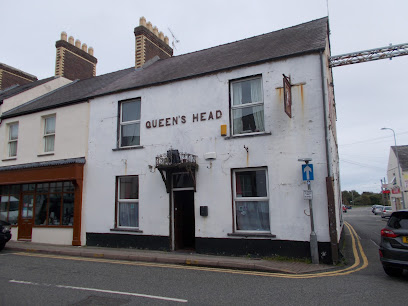
The Queens Head
30.2 km
Experience the heart of Amlwch at The Queens Head, a welcoming pub with local ales and hearty meals in a cozy atmosphere.
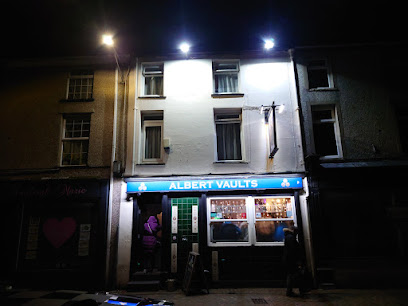
Albert Vaults
30.5 km
Experience authentic Welsh hospitality at Albert Vaults, a charming pub in Anglesey with a vibrant atmosphere and exceptional drinks.
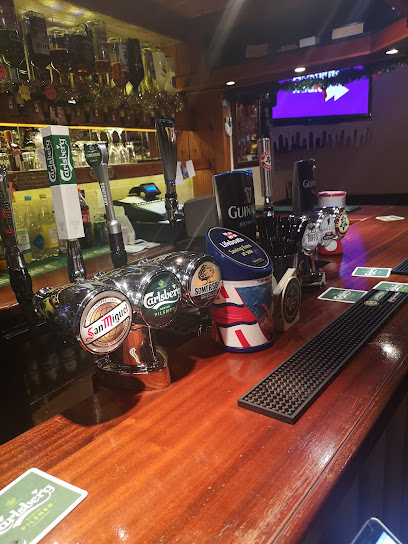
The Buffs
30.5 km
A welcoming social club in Holyhead offering lively nights, friendly faces, and a true taste of local nightlife on Cambria Street.
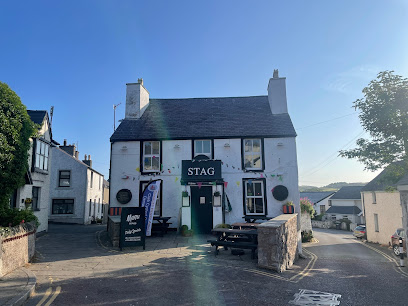
Stag Inn
32.4 km
Experience the charm of Anglesey at The Stag Inn, where delicious meals and a cozy atmosphere await you.
Club 147
36.0 km
Llandudno’s energetic nightclub and sports bar offering electronic beats, pool, and a lively social scene in the town centre.

Broadway Boulevard
36.5 km
Llandudno’s largest nightclub, Broadway Boulevard pulses with vibrant music, themed events, and a lively party atmosphere in the heart of town.

New Horizons
44.0 km
Experience vibrant nightlife and lively music at New Horizons, Dyffryn Ardudwy’s welcoming nightclub with spaces for all ages.

The Club Barmouth
48.8 km
Experience vibrant Saturday nights at The Club Barmouth, where stylish vibes meet lively music by the scenic Welsh coast.
For the vibe & atmosphere seeker
- Historic
- Scenic
- Unique
- Tranquil
For the design and aesthetic lover
- Rustic Designs
- Vintage Styles
For the architecture buff
- Historic
- Landmarks
- Heritage Neighborhoods
For the view chaser and sunset hunter
- Iconic Views
- Panoramas
- Waterfront
For the social media creator & influencer
- Instagrammable
- Photo Spots
- Architectural Shots
For the eco-conscious traveler
- Protected Area
- Locally Managed
- Leave-No-Trace Critical
For the kind of experience you’re after
- Cultural Heritage
- Photowalk
- Myth & Legends
- Day Trip
For how adventurous you want the journey to be
- Easy Access
Location Audience
- Family Friendly
- Senior Friendly
- Child Friendly
- Wheelchair Access
- Pet Friendly
- Solo Friendly
- Couple Friendly


