

2 Willow Road, London Travel Guide
Free Guide: A preserved 1939 modernist home in Hampstead, where Goldfinger’s original interiors, bespoke furniture, and art collection reveal domestic design at close range.


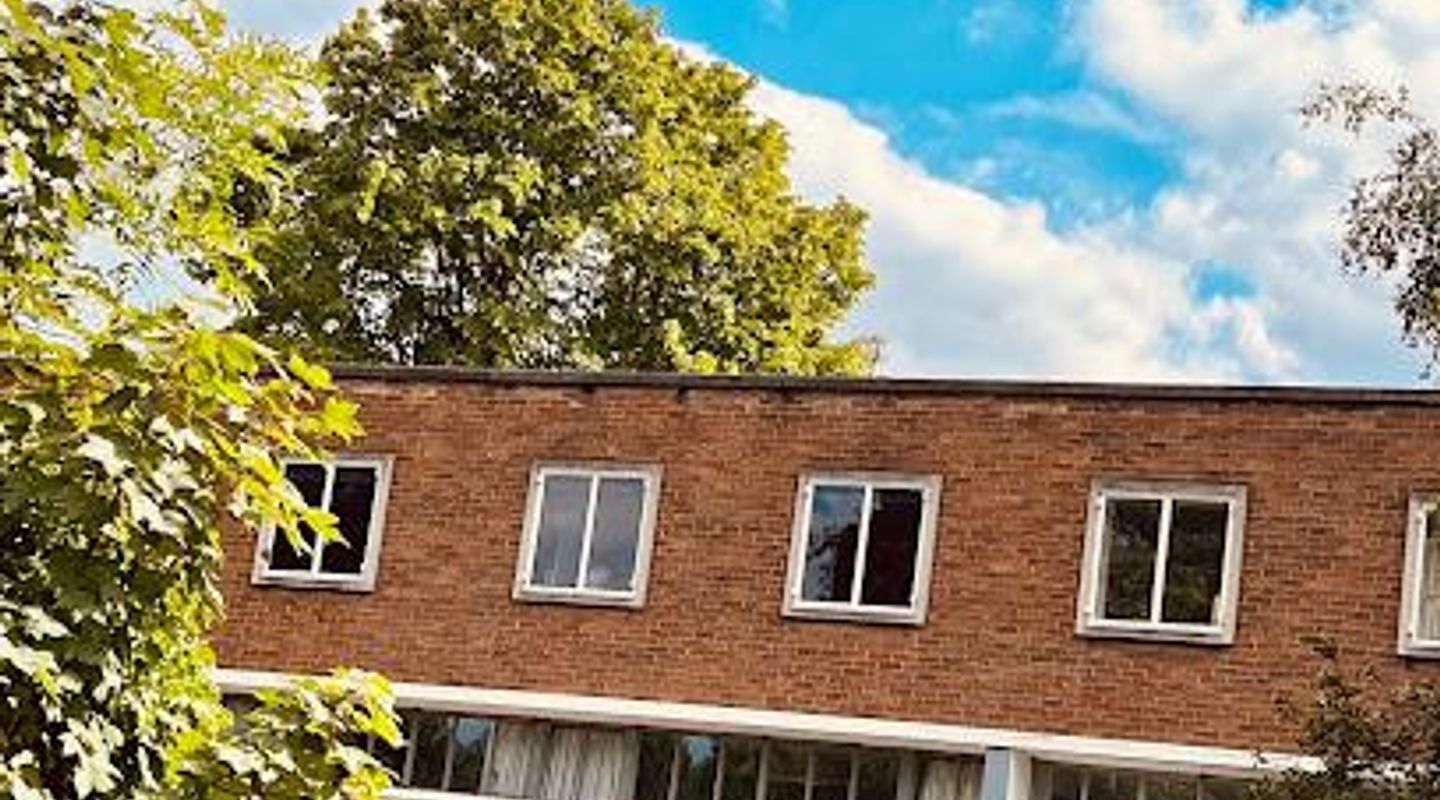
A brief summary of 2 Willow Road
A preserved 1939 modernist home in Hampstead, where Goldfinger’s original interiors, bespoke furniture, and art collection reveal domestic design at close range.
2 Willow Road is a compact National Trust house museum in Hampstead, built in 1939 for architect Ernő Goldfinger. The draw is not scale but precision: preserved rooms, original fittings, bespoke furniture, and a modern art collection arranged in a domestic setting. Visits are usually guided and pre-booked, so the experience feels measured and intimate rather than free-flowing.
On-site amenities
 Seating areas
 Sheltered areas
 Information boards
- Address
- 2 Willow Rd London
- Phone
- Website
Getting there
Public transport
Walking
Taxi or rideshare
Driving
Discover more about 2 Willow Road
What it is
2 Willow Road is the former home of architect Ernő Goldfinger, completed in 1939 and now preserved as a house museum. It stands in a quiet Hampstead terrace, with the street frontage giving little away about the carefully planned interior behind it. This is an architectural visit first and a museum second: the value lies in the original domestic layout, the built-in details, and the way the house presents early Modernism at human scale.
What you see inside
The visit is usually structured around a guided tour, with limited self-guided access at set times. That format suits the house well. Rooms are compact, and the experience is close-up rather than expansive: furniture designed for the house, original finishes, objects placed with restraint, and a modern art collection that reflects the owners’ taste and period. You move through the rooms at a steady pace, listening for details about how the house worked as a family home and as a statement of interwar design.
Atmosphere and setting
The mood is quiet, specialist, and domestic. There are no broad grounds or dramatic vistas to break the focus; the setting is an urban residential street, with leafy Hampstead streets and Hampstead Heath nearby. That makes the house feel more rooted in its neighbourhood than in a museum district. The surrounding area is useful for extending the visit with a walk, but the property itself is about interiors, proportion, and the discipline of modern design.
Why travellers come
Travellers come here for a specific kind of London experience: a preserved modernist house that still feels like a home. It appeals to architecture fans, design-minded visitors, and anyone interested in 20th-century domestic life. The visit is short, controlled, and detailed, so it works best when you want substance rather than spectacle. It is less suitable if you are looking for large galleries, outdoor space, or an open-ended museum visit.
Practical expectations
Access is easiest by public transport, with a short walk from nearby stations. The house is not built for casual drop-ins, and pre-booked entry is part of the experience. Facilities are limited, so plan ahead rather than expecting a full visitor complex. The layout can be awkward for wheelchair users, and the original domestic scale means narrow passages and small rooms. In return, you get one of London’s clearest examples of early Modernist living, presented with unusual clarity and little distraction.
Evendo Review Centre
 Google
Guest reviews
Best time to go
Quietest: Jan, Feb & Dec
Busy times are Evendo estimates for a typical year, to help you plan. Actual crowds vary with events, school holidays and the weather.
Explore 2 Willow Road on the map
A handpicked selection of must-see spots near 2 Willow Road, mapped for you.
Get your free copy of our complete guide to 2 Willow Road, delivered straight to you.
Everything on this page, from opening hours and how to get there to Eve’s tips and the best time to go, in one PDF you can read offline, print or share.
Already have an account? Sign in
Your 2 Willow Road guide is ready.
We'll send it to · Not you? Sign out

Getting your guide ready…
We are putting together a fresh copy of the 2 Willow Road guide. This can take up to a minute.
This can take a few moments. If your browser asks, choose Allow so the download can start. You'll find the guide in your Downloads folder.
Nothing happened? Download it again
Sorry, the guide is taking longer than usual. Please try again in a minute, or get it by email instead.
Unlock the best of 2 Willow Road
Skip-the-line tickets, guided tours with entry, and walking tours of the area, booked in a few clicks.


Other nearby places you may find interesting
The closest places of the same kind, if this one is not quite what you had in mind.
-
-
-
-
-


Swipe for more places
More to explore near 2 Willow Road

 Best experiences near 2 Willow Road
 Best hotels near 2 Willow Road
 Best landmarks near 2 Willow Road
 Best attractions near 2 Willow Road
 Best shops near 2 Willow Road
 Best restaurants near 2 Willow Road
 Best bars near 2 Willow Road
Do you manage this location?
Take control to get all the benefits, like improved information, better appearance, and stronger visibility across AI-powered discovery.
Explore more

Explore more of London
Explore London: A city of iconic landmarks, rich history, vibrant culture, and endless attractions that cater to every taste, making it a must-visit destination.
Explore London
Explore more of United Kingdom
Discover the United Kingdom: A blend of rich history, stunning landscapes, and vibrant cities, offering a unique travel experience for every visitor.
Explore United Kingdom
