
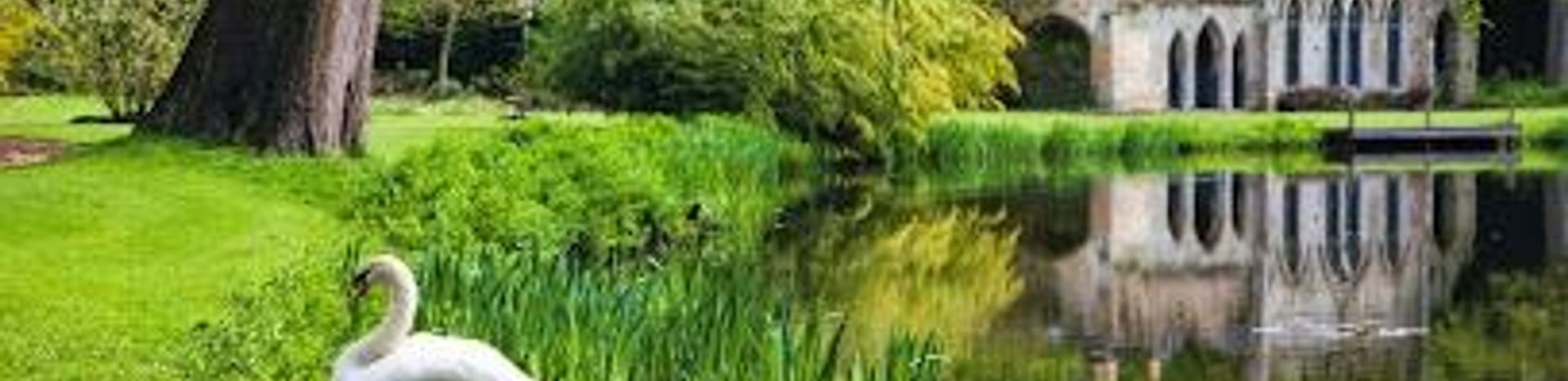
Frogmore House and Gardens: A Royal Retreat Steeped in History
A tranquil 17th-century royal retreat with historic gardens, elegant interiors, and the resting place of Queen Victoria and Prince Albert.
Frogmore House, a serene 17th-century English country house nestled in Windsor’s Home Park, has long served as a royal retreat. Surrounded by 35 acres of picturesque gardens, it offers glimpses into royal life with elegant interiors, rare botanical collections, and the Royal Mausoleum where Queen Victoria and Prince Albert rest. Open only a few days annually, it remains a tranquil haven rich with history and natural beauty.
A brief summary to Frogmore House and Gardens
- Home Park, Frogmore Dr, Windsor, Windsor, SL4 2JG, GB
- +443031237305
- Visit website
- Duration: 1 to 3 hours
- Mid ranged
-
 Outdoor
- Mobile reception: 4 out of 5
Local tips
- Check the official website for limited public opening dates, usually in June and August, as access is highly restricted.
- Advance booking is essential, especially for guided tours of the house, which offer rich insights into royal history.
- Photography is permitted in the gardens but strictly prohibited inside the house.
- Bring a picnic to enjoy in the beautifully landscaped gardens on warm days.

For the on-the-go comforts that matter to you
- Restrooms
- Drink Options
- Food Options
- Seating Areas
- Information Boards
Getting There
-
Train and Bus
From London Paddington, take a direct train to Windsor & Eton Central (approx. 55-70 minutes). From Windsor town center, local buses or a 20-minute walk through Windsor Great Park lead to Frogmore House. Bus services run regularly but check schedules for seasonal variations. Train fares range from £15 to £30 return.
-
Car
Driving from central Windsor to Frogmore House takes about 10-15 minutes via local roads. Limited parking is available near Home Park; parking restrictions apply during open days. Use of a sat-nav is advised. No parking fees typically apply, but access may be restricted during events.
-
Walking
For those staying near Windsor Castle, a scenic 30-40 minute walk through Home Park offers an accessible and pleasant route to Frogmore House. Terrain is mostly flat with paved paths, suitable for most visitors.
Frogmore House and Gardens location weather suitability
-
 Any Weather
-
 Mild Temperatures
-
 Rain / Wet Weather
-
 Clear Skies
Discover more about Frogmore House and Gardens
Origins and Architectural Heritage
Frogmore House was constructed between 1680 and 1684 by architect Hugh May for tenants closely connected to the royal court. It became Crown property in the 16th century and was purchased by King George III in 1792 for Queen Charlotte, who transformed it into a country retreat. The house exemplifies 17th-century English country architecture, later enlarged by James Wyatt in the 1790s. Its interiors reflect royal tastes through centuries, including rooms decorated with botanical paintings by Mary Moser, highlighting Queen Charlotte’s passion for botany.Royal Connections and Personal Histories
The house has been home to many notable royals, including Queen Victoria’s mother, the Duchess of Kent, and later King George V and Queen Mary. Queen Victoria favored Frogmore as a peaceful sanctuary away from court life, often hosting private family events. The estate also holds deep familial significance, serving as the final resting place for Queen Victoria and Prince Albert in the Royal Mausoleum, as well as the Duke and Duchess of Windsor in the Royal Burial Ground.Gardens: Landscape and Legacy
The 35-acre gardens surrounding Frogmore House were designed in the picturesque style popular in the late 18th century, featuring winding lakes, wooded mounds, glades, and bridges. Queen Charlotte initiated the planting of rare and unusual trees, including Spanish chestnuts and laburnums, creating a botanical haven. The gardens are home to tranquil ponds frequented by a resident heron and include historic structures like Queen Victoria’s Tea House and an 18th-century Gothic ruin designed by James Wyatt.Modern Use and Public Access
Today, Frogmore House remains a private royal residence used for entertaining and special events, including the wedding reception of Prince Harry and Meghan Markle in 2018. Public access is extremely limited, with only a few Charity Open Days each year, generally in June and August, when visitors can explore the gardens and, on select days, the house via guided tours. Photography is allowed in the gardens but not inside the house. Advance booking is essential due to limited capacity.Atmosphere and Visitor Experience
Visitors to Frogmore experience a tranquil and intimate setting that contrasts with the grandeur of nearby Windsor Castle. The gardens offer peaceful walks with scenic views, while the house interiors provide a glimpse into royal domestic life, featuring exquisite furnishings and art. The presence of the Royal Mausoleum adds a solemn and historic dimension to the grounds. The estate’s name derives from the marshy land attracting many frogs, adding a charming natural element to this royal sanctuary.Preservation and Cultural Importance
Frogmore House is a Grade I listed building, recognized for its architectural and historical significance. Managed by the Crown Estate, the property is carefully preserved to maintain its heritage and natural beauty. Its role as a royal retreat and burial site underscores its importance in British cultural heritage, symbolizing centuries of royal family history, tradition, and private life away from public scrutiny.Iconic landmarks you can’t miss

Harry Greenwood Blue Plaque
1.0 km
Discover the legacy of WWI hero Lt Col Harry Greenwood at his birthplace marked by a blue plaque in historic Windsor.
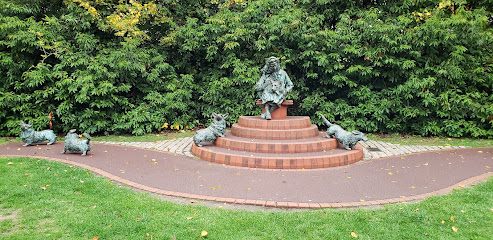
The Windsor Lady (The Queen and her Corgis)
1.1 km
Celebrate Queen Elizabeth II’s enduring love for her iconic corgis at Windsor’s charming historical landmark, The Windsor Lady.
King Edward III Tower
1.2 km
Explore the majestic King Edward III Tower, a stunning medieval landmark within Windsor Castle offering rich history and scenic Thames views.
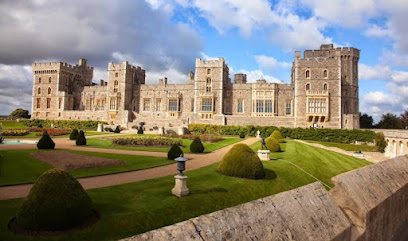
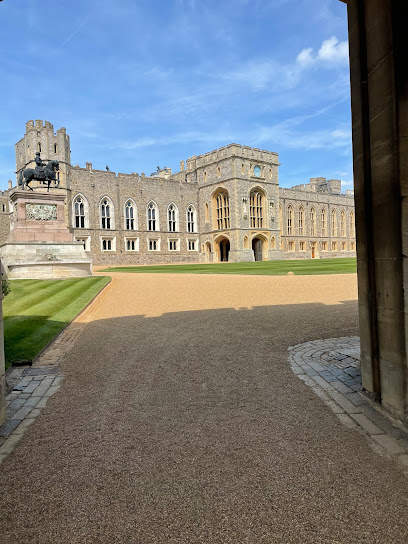
Windsor Castle Quadrangle
1.2 km
The ceremonial heart of Windsor Castle where royal pageantry, Gothic architecture, and 700 years of monarchy converge.
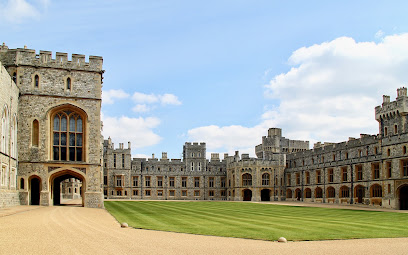
Mary Delany and Fanny Burney blue plaque
1.2 km
A commemorative plaque honoring Mary Delany’s botanical artistry and Frances Burney’s literary legacy at Windsor Castle’s historic wall.
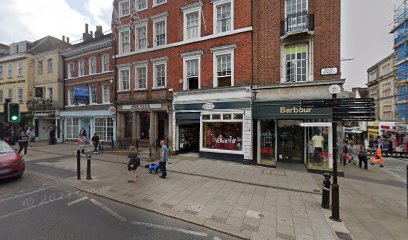
H. G. Wells White Plaque
1.3 km
Discover the H. G. Wells White Plaque on Windsor’s High Street, marking the early footsteps of a legendary science fiction pioneer.
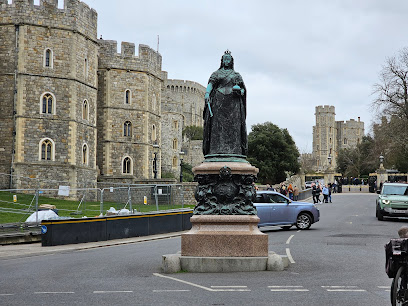
Queen Victoria Statue
1.3 km
A majestic bronze tribute to Queen Victoria’s Golden Jubilee, standing proudly at Windsor Castle’s entrance, celebrating Victorian royal heritage.
The Curfew Tower
1.4 km
Explore the medieval Curfew Tower, a historic bell tower and fortress sentinel within Windsor Castle’s ancient walls.
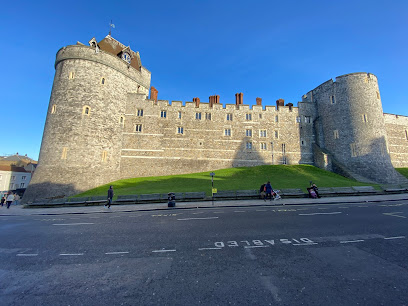
Bronze Plaque № 10828
1.5 km
A subtle yet significant bronze plaque marking Windsor’s rich historical heritage on Thames Street.
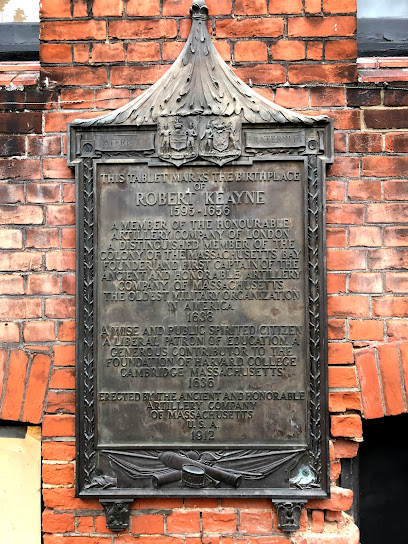
Windsor Martyrs' Memorial
1.5 km
A solemn tribute in Windsor honoring Protestant martyrs who bravely faced persecution during England's Reformation.
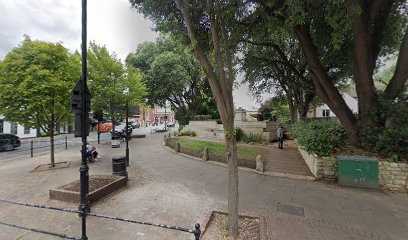
Sydney Camm Memorial
2.0 km
A full-size Hawker Hurricane replica honouring the Windsor-born designer who shaped aviation history.
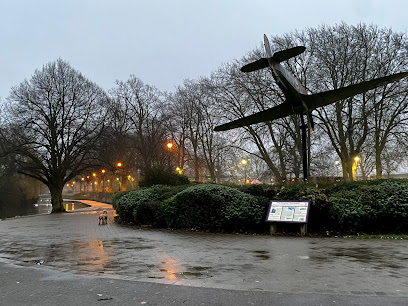
Burning Bush
2.3 km
A striking Gothic iron lamp embodying Eton College’s royal heritage and scholastic tradition on the historic High Street.
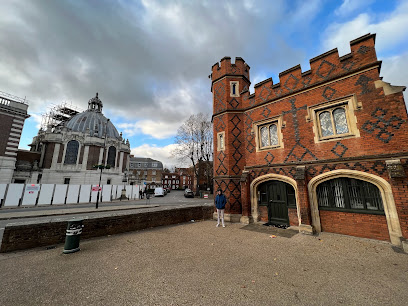
King George III & His Horse Statue
3.4 km
Majestic bronze statue of King George III atop Snow Hill, crowned by stunning views along Windsor Great Park’s historic Long Walk.
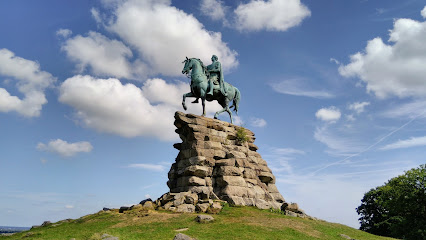
Magna Carta
3.9 km
Discover the birthplace of modern liberty where King John sealed the Magna Carta, shaping constitutional law and individual rights forever.
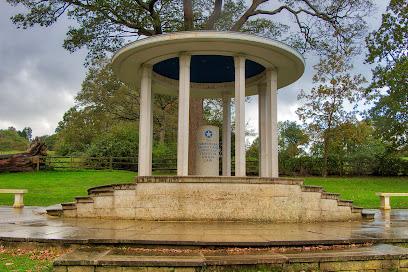
LEGOLAND® Windsor Resort
4.0 km
Explore LEGOLAND® Windsor Resort, the UK's premier family theme park, filled with thrilling rides, creative attractions, and LEGO magic waiting for you.
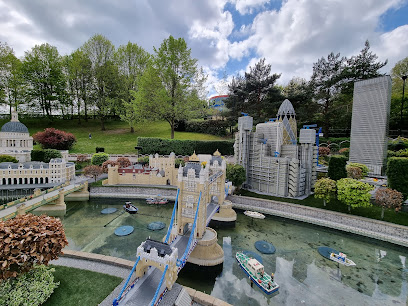
Unmissable attractions to see

The Gothic Ruins
0.2 km
Explore the evocative Gothic Ruins nestled in the tranquil, historic gardens of Windsor’s royal Frogmore Estate.

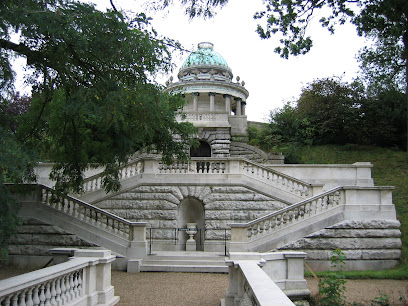
Duchess of Kent Mausoleum
0.2 km
A serene royal memorial nestled in the tranquil gardens of Frogmore Estate, honoring Queen Victoria’s mother with Victorian elegance.
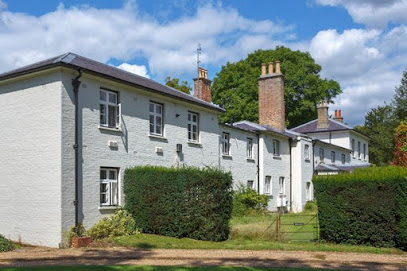
Frogmore Cottage
0.3 km
Historic royal retreat nestled in Windsor’s Frogmore Estate, blending serene gardens with centuries of British monarchy heritage.
The Windsor Castle
0.8 km
Explore Windsor Castle, the world's oldest inhabited castle, blending royal history, stunning architecture, and British tradition in a majestic palace setting.
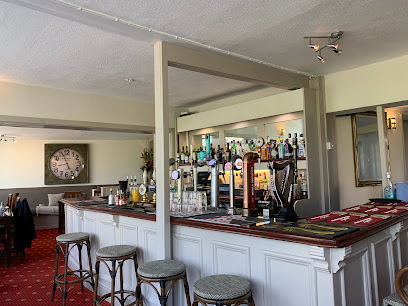
Albert Bridge
0.8 km
Explore the stunning Victorian architecture and picturesque views at Albert Bridge, a charming landmark in Windsor along the scenic River Thames.
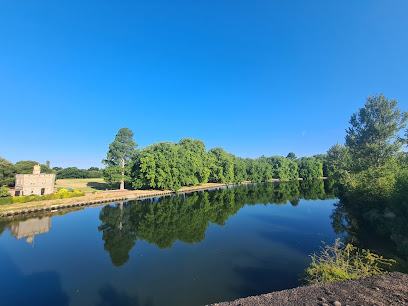
The Long Walk
0.8 km
A majestic 2.65-mile tree-lined ceremonial avenue connecting Windsor Castle to the Copper Horse, steeped in royal history and natural splendor.
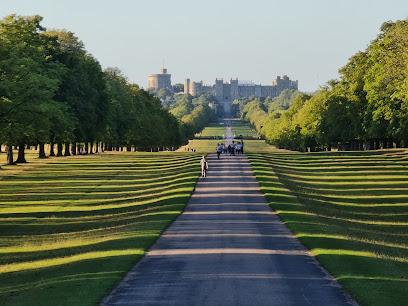
WMServices
0.9 km
Discover the charm of WMServices in Windsor, a must-visit tourist attraction rich in culture and history, perfect for all travelers.
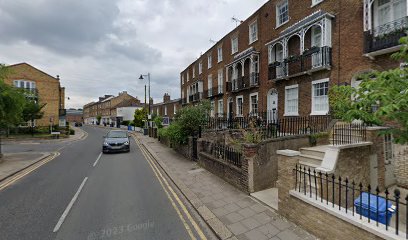
Soldier's Statue
1.1 km
Explore Windsor's Soldier's Statue, a historic landmark honoring the courage of soldiers amidst the beauty of the city.
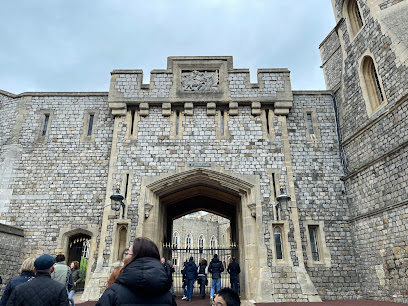
Ancient well
1.1 km
Discover Windsor’s Ancient Well: a tranquil historic landmark nestled near the royal castle, rich with centuries of local heritage and timeless charm.
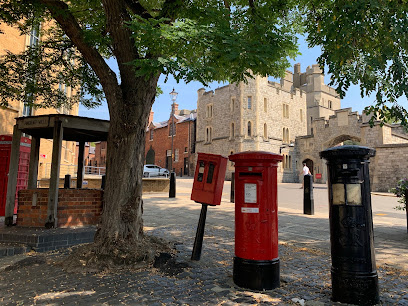
Bachelor's Acre
1.2 km
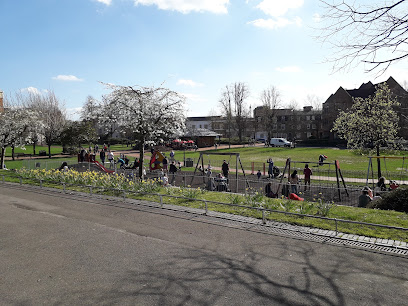
Royal tribute meets family fun in Windsor's cherished town-centre park.
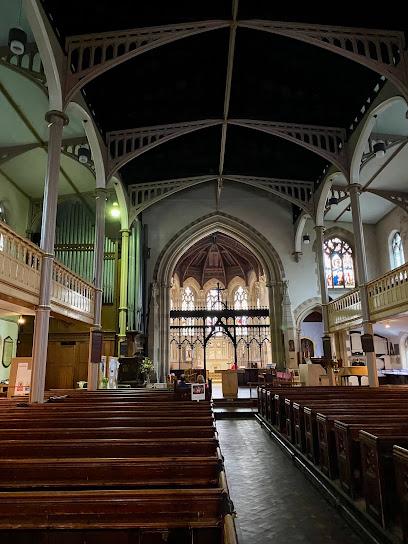
Windsor Parish Church of St John the Baptist
1.2 km
Historic Gothic Revival church in Windsor with rich heritage, artistic treasures, and a welcoming spiritual community near Windsor Castle.
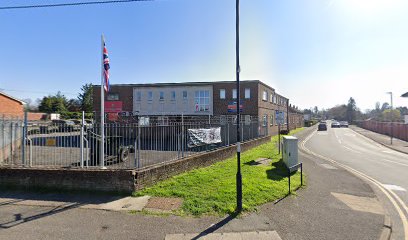
Berkshire Yeomanry
1.2 km
Two centuries of Berkshire's volunteer military heritage, from cavalry to signals.
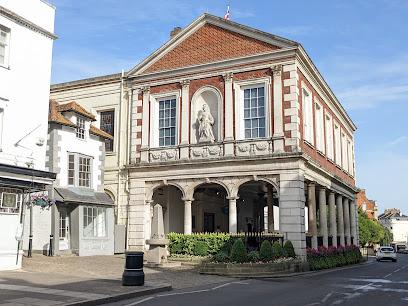
Windsor Guildhall
1.2 km
Historic 17th-century Guildhall in Windsor offering regal wedding ceremonies with royal portraits and elegant event spaces for up to 100 guests.
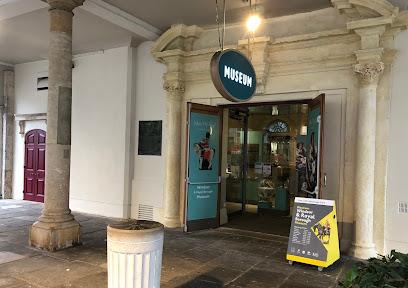
Windsor & Royal Borough Museum
1.2 km
Explore Windsor’s rich heritage through thousands of artifacts and stories within the historic Guildhall’s welcoming museum.
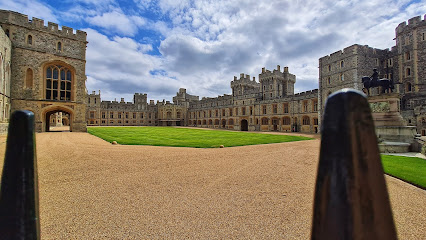
The State Apartments
1.2 km
Explore the opulent State Apartments at Windsor Castle, a stunning showcase of British royal history and architectural grandeur.
Essential places to dine

À la Russe
1.1 km
Experience authentic French cuisine and elegant dining just steps from Windsor Castle at À la Russe, a cherished culinary gem on High Street.
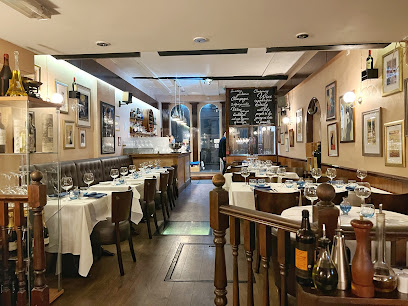
Meat At The Parish
1.2 km
A vibrant steakhouse and cocktail bar in Windsor offering expertly dry-aged steaks and a cozy, contemporary atmosphere near Windsor Castle.
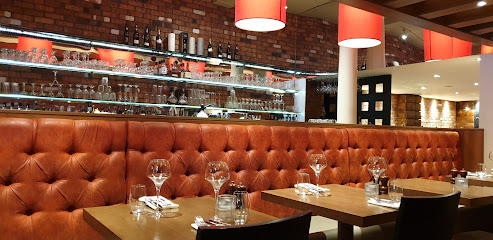
Long Walk Grill
1.2 km
Cozy Mediterranean dining with stone-baked pizzas and fresh seafood in the heart of historic Windsor’s High Street.
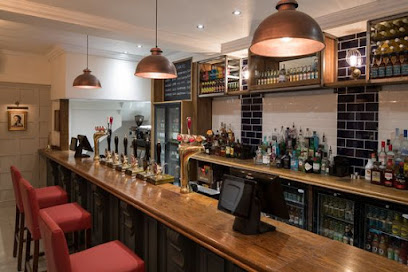
The Queen Charlotte
1.2 km
A welcoming British pub near Windsor Castle, offering hearty roasts, local ales, and cozy charm in the heart of Windsor.
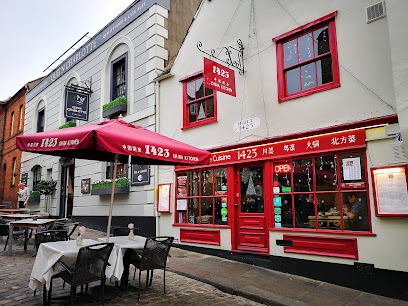
1423 China Kitchen
1.2 km
Experience authentic Chinese flavors in a historic Windsor setting, blending centuries-old heritage with vibrant Cantonese, Sichuan, and Shanghainese cuisine.
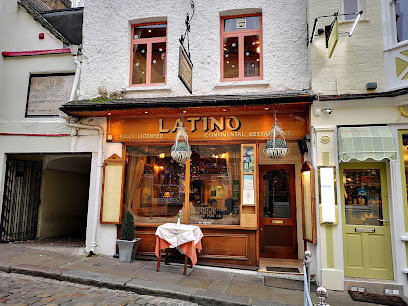
Latino
1.2 km
Experience authentic Latin American flavors in a vibrant, spotless setting at the heart of Windsor’s lively dining scene.
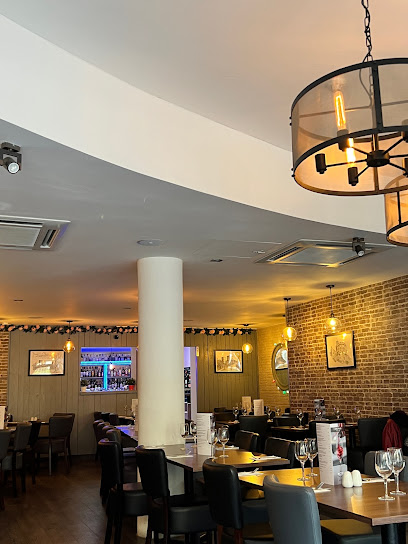
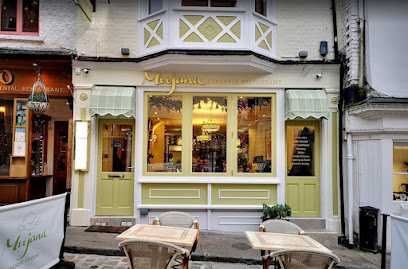
Maison Meejana
1.2 km
Discover authentic Lebanese cuisine in a cozy Windsor setting, blending traditional flavors with modern hospitality near Windsor Castle.
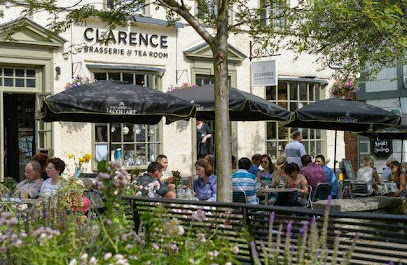
Clarence Brasserie & Tea Room
1.2 km
A cozy blend of Italian flavors and traditional English tea near Windsor Castle, perfect for relaxed dining and classic afternoon tea.
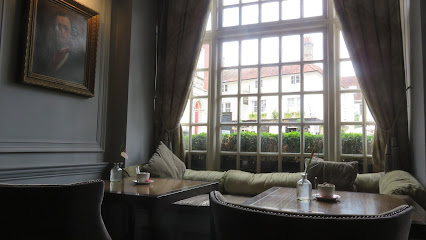
Eighteen
1.2 km
Elegant dining on Windsor’s High Street, blending classic charm with modern culinary excellence and warm hospitality.
Leaf At The Castle
1.2 km
Elegant British dining with a botanical touch, steps from Windsor Castle, featuring seasonal menus and a celebrated Royal afternoon tea.
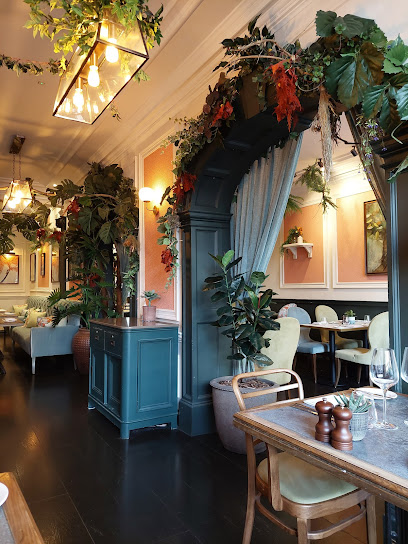
Plate at No. 6
1.2 km
An intimate Windsor tapas restaurant serving vibrant Mediterranean small plates in a stylish, open-kitchen setting with al fresco views of Windsor Castle.
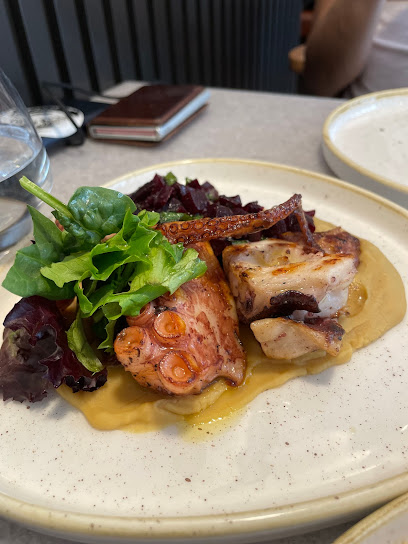
Bluegrass BBQ
1.3 km
Authentic American barbecue flavors served in a lively Windsor setting near the iconic castle.
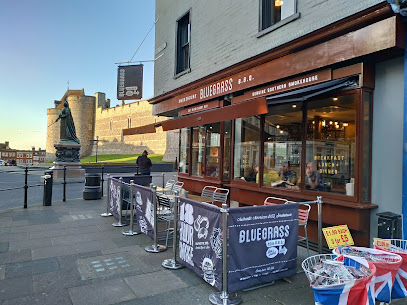
K Kitchen
1.3 km
Discover authentic Korean cuisine with fresh flavors and warm hospitality in Windsor’s charming K Kitchen.
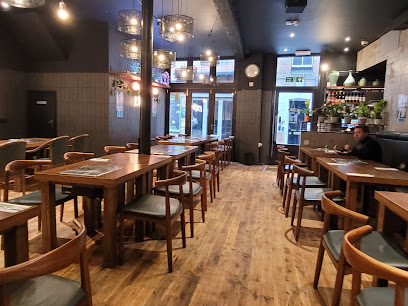
Duck & Dim Sum Chinese Restaurant
1.3 km
Authentic Chinese flavors with aromatic crispy duck and delicate dim sum in the heart of Windsor’s vibrant dining scene.
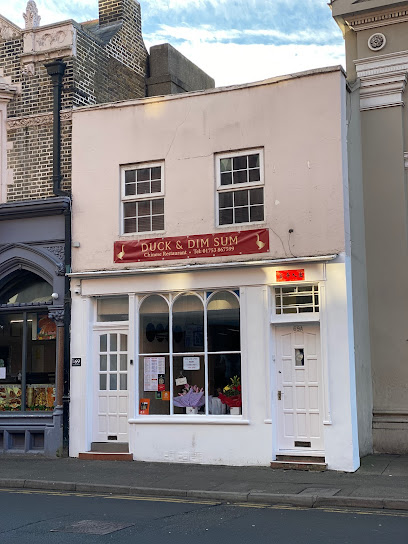
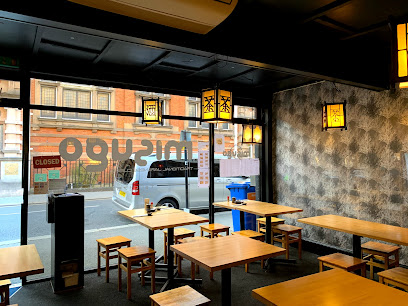
Misugo Japanese Windsor
1.3 km
Authentic Japanese flavors and fresh sushi crafted with passion in a warm, family-run setting in Windsor.
Markets, malls and hidden boutiques

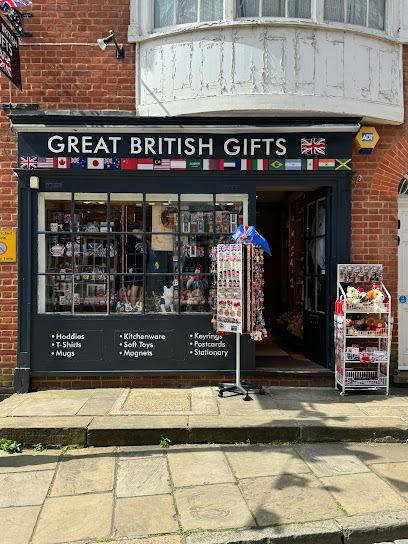
Great British Gifts
1.2 km
Discover authentic British souvenirs and artisan treasures just steps from Windsor Castle at Great British Gifts.
Windsor Gifts & Souvenirs
1.2 km
Discover charming and affordable keepsakes at Windsor Gifts & Souvenirs, your perfect stop for memorable treasures near Windsor Castle.
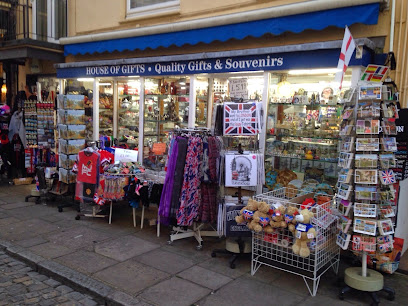
House Of Gifts
1.3 km
Discover charming Windsor souvenirs and gifts at House Of Gifts, your friendly stop near the castle for memorable keepsakes and affordable treasures.
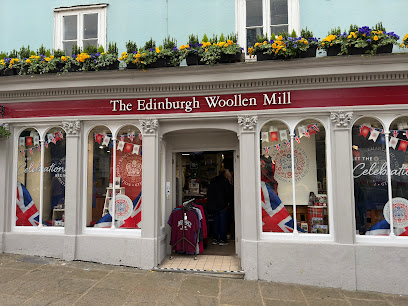
The Edinburgh Woollen Mill
1.3 km
Discover timeless Scottish knitwear and classic styles at The Edinburgh Woollen Mill in Windsor’s historic Castle Hill.
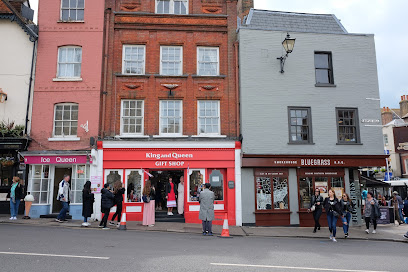
King & Queen Gift Shop
1.3 km
Discover royal-themed gifts and charming souvenirs steps from Windsor Castle at the King & Queen Gift Shop.
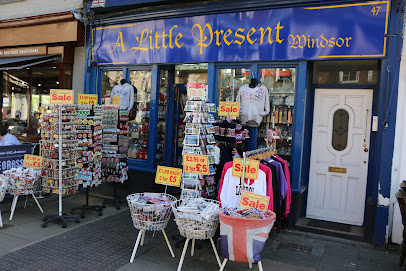
A Little Present
1.3 km
Explore 'A Little Present' in Windsor - your destination for unique gifts, handcrafted souvenirs, and local treasures to cherish forever.
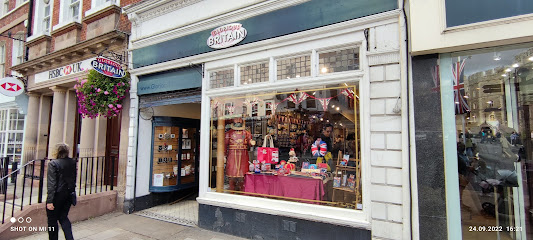
Glorious Britain
1.3 km
Discover authentic British souvenirs and gifts in the heart of historic Windsor at Glorious Britain gift shop.
Indelibly Windsor
1.3 km
Discover Windsor’s culture and heritage through unique gifts and expert visitor services at Indelibly Windsor on High Street.
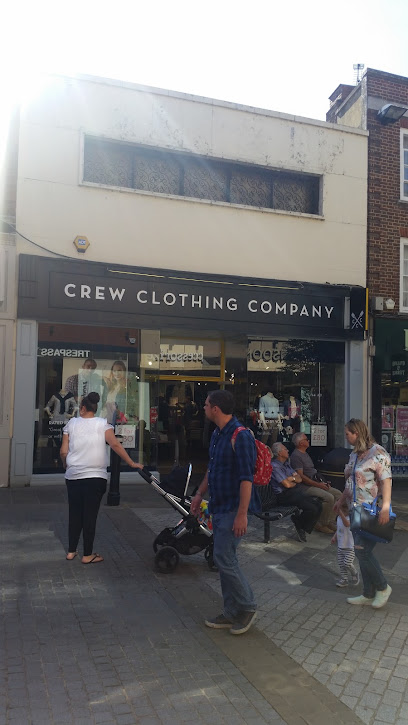
Crew Clothing
1.3 km
Classic British smart casual wear in the heart of historic Windsor, blending timeless style with quality craftsmanship.
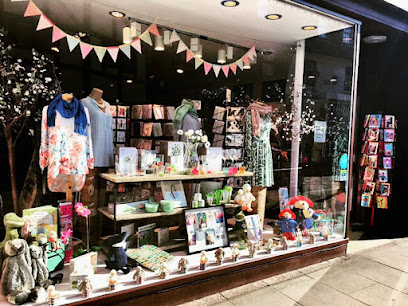
huttons
1.3 km
Discover unique gifts and homeware at Huttons, a charming family-run independent store in the heart of historic Windsor.
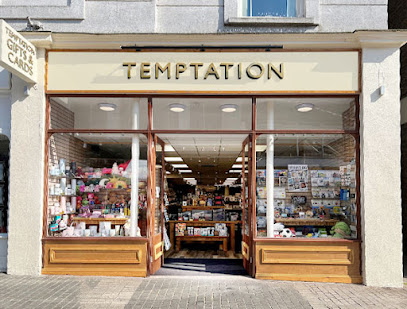
Temptation Gifts
1.3 km
Discover unique gifts and over 1,000 greeting cards in Windsor’s welcoming and ever-changing Temptation Gifts store on Peascod Street.
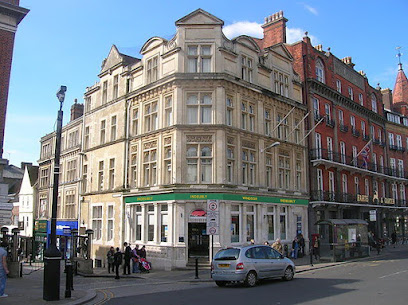
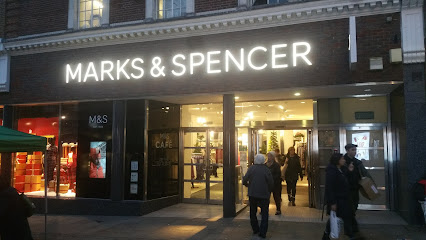
Marks and Spencer
1.3 km
A reliable Marks & Spencer department store in central Windsor, offering fashion, homeware and a well-stocked food hall on Peascod Street.
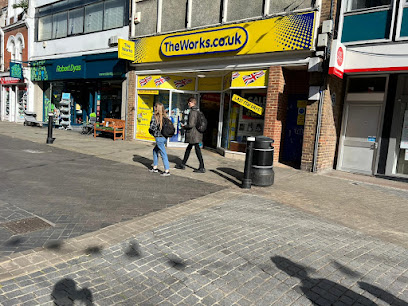
The Works
1.4 km
Affordable books, crafts, toys, and stationery in the heart of Windsor’s vibrant shopping district.
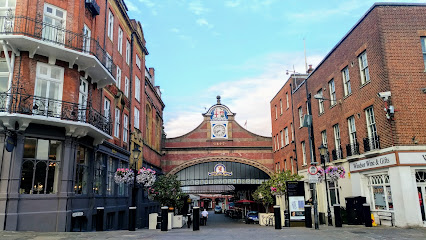
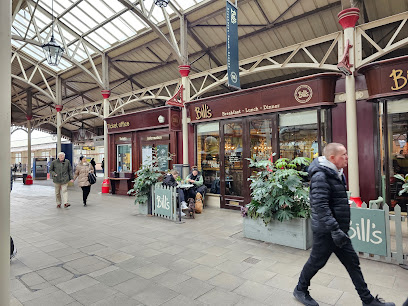
Windsor Royal Station
1.4 km
Independent shopping in a Victorian railway arch at the heart of historic Windsor.
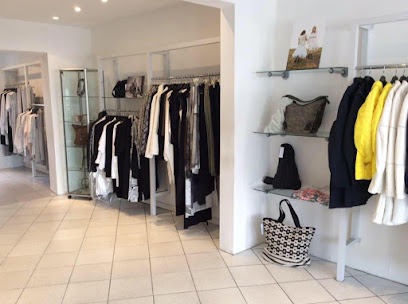
Roz Clarke
1.4 km
Discover chic elegance and personalized style at Roz Clarke, Windsor’s premier boutique for women’s fashion, accessories, and expert styling advice.
Essential bars & hidden hideouts

The Two Brewers
1.0 km
Historic 18th-century pub near Windsor Castle offering classic British ales, cozy ambiance, and a charming floral exterior.
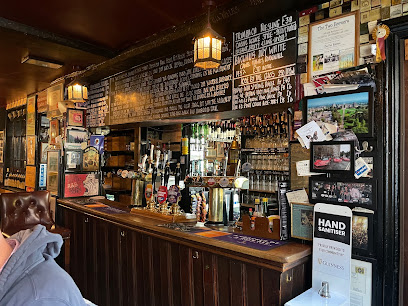
The Corner House
1.0 km
A lively two-floor pub and sports bar in Windsor, offering great drinks, live sports on HD screens, and versatile event spaces.
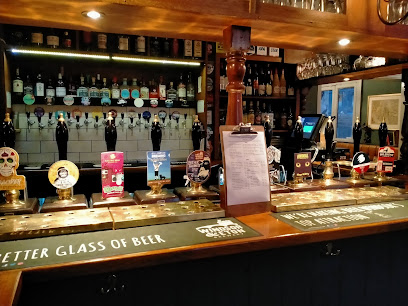
The Acre
1.2 km
A lively Windsor bar with engaging karaoke, live music, and a welcoming atmosphere for locals and visitors alike.
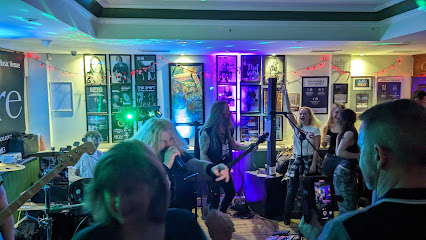
The Prince Harry
1.2 km
Historic pub steps from Windsor Castle, serving traditional British fare and real ales in a charming, centuries-old setting.
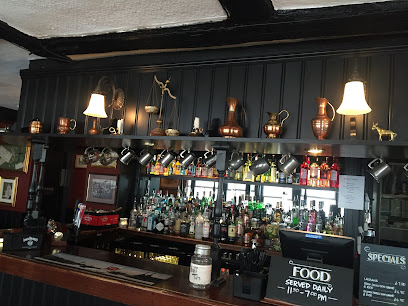
The Cobbles
1.2 km
Cozy cocktail bar in a historic 17th-century building opposite Windsor Castle, blending heritage charm with exceptional drinks and warm service.
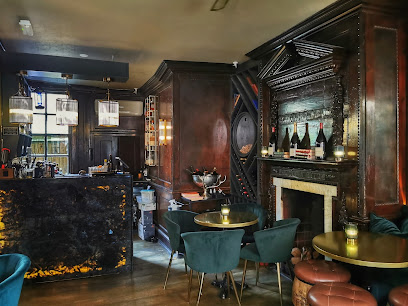
The Shambles
1.3 km
Discover Windsor’s award-winning bar housed in a charmingly tilted historic building, famed for creative cocktails and warm hospitality.
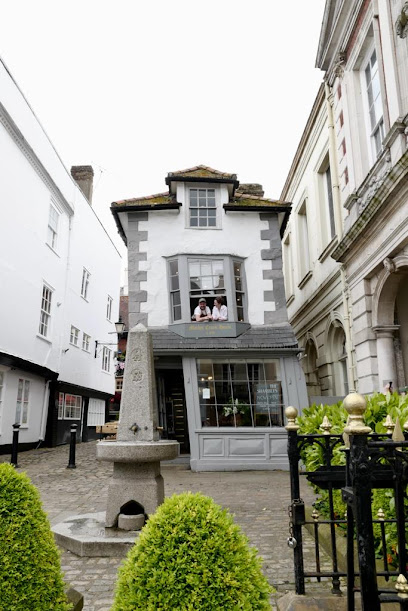
The Carpenters Arms
1.3 km
Historic pub in Windsor serving classic British fare and cask ales in a welcoming, artisan-inspired setting near Windsor Castle.
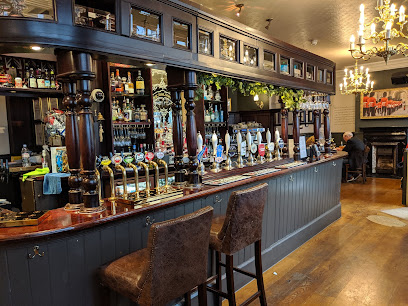
The Horse & Groom
1.3 km
Historic and welcoming English pub opposite Windsor Castle, offering hearty food, local ales, and cosy accommodation in the heart of Windsor.
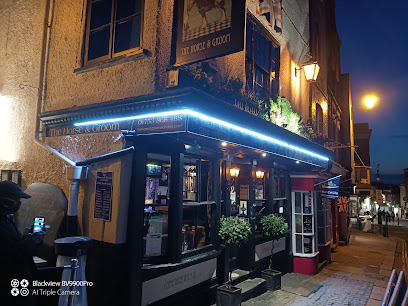
The Sinner Bar
1.3 km
A stylish cocktail bar in Windsor offering vibrant nightlife, expertly crafted drinks, and an intimate, seductive atmosphere.
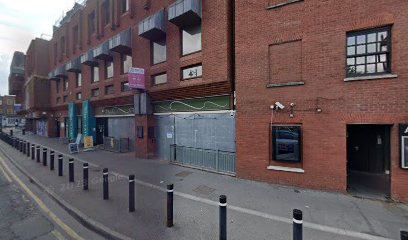
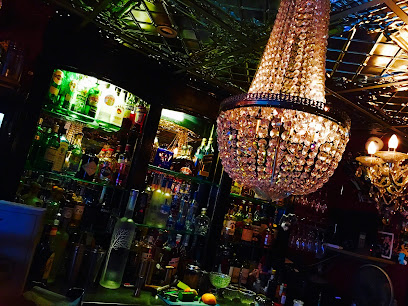
No5 St Leonards Road
1.4 km
Elegant cocktails, sparkling chandeliers, and a welcoming atmosphere combine at No5 St Leonards Road, Windsor’s premier cocktail bar.
The Queen Victoria
1.4 km
Step into The Queen Victoria for an authentic 18th-century English pub experience with hearty food, real ales, and a welcoming, dog-friendly atmosphere in Windsor.
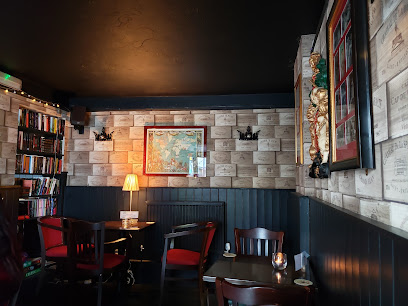
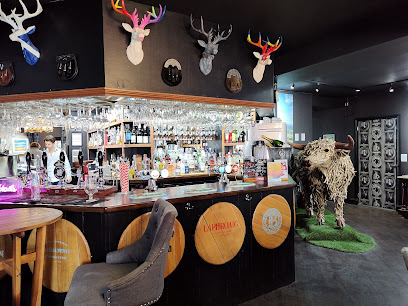
The Piper Art Bar
1.4 km
Discover a vibrant Scottish-themed bar and contemporary art space in the heart of Windsor, offering an extensive whisky selection and eclectic ambiance.
The King & Castle - JD Wetherspoon
1.4 km
A spacious, friendly JD Wetherspoon pub in Windsor offering affordable drinks and classic British fare near the historic Windsor Castle.
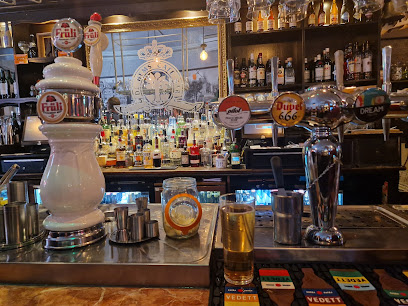
All Bar One Windsor
1.5 km
A stylish wine bar near Windsor Castle offering vibrant vibes, crafted cocktails, and shared plates in a historic yet modern setting.
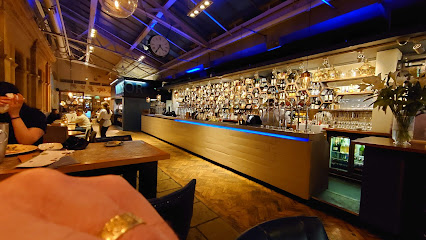
The Royal Windsor
1.5 km
Lively pub with stunning Windsor Castle views, artisan drinks, traditional British dishes, and a large beer garden for all occasions.
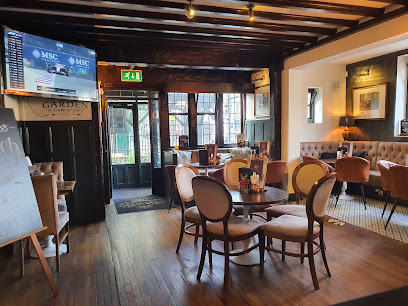
Nightclubs & after hour spots

Labyrinth Nightclub Windsor
1.4 km
Experience Windsor’s vibrant nightlife with live DJs, multiple bars, and an electrifying atmosphere at Labyrinth Nightclub.
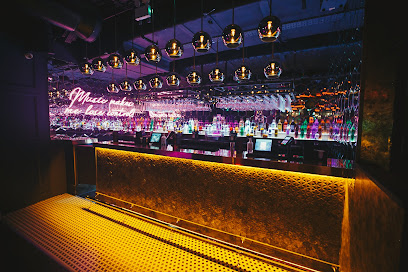
The Scotch
1.4 km
Windsor’s iconic Victorian arch nightclub blending historic charm with eclectic music and circus-themed nightlife.
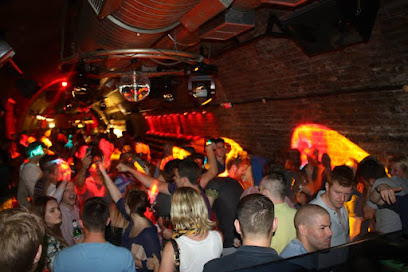
The Boom
1.4 km
Historic arches meet vibrant beats at The Boom, Windsor’s energetic nightclub and bar for unforgettable nights.
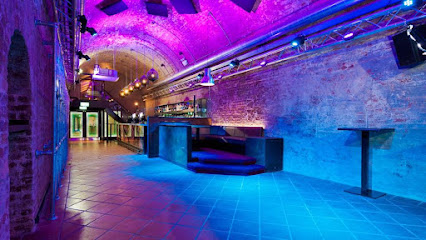
Pink Gentleman's Club.
1.4 km
Sophisticated adult entertainment with exclusive VIP rooms and topless pole shows in the heart of Windsor’s nightlife scene.
The Binfield Club
14.4 km
Historic social club in Binfield offering vibrant nightlife, live music, sports, and community events in a welcoming atmosphere.
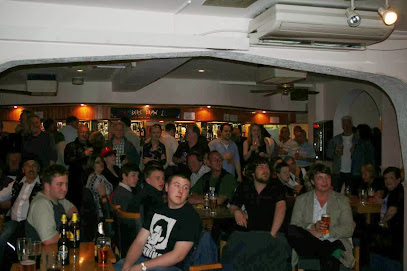
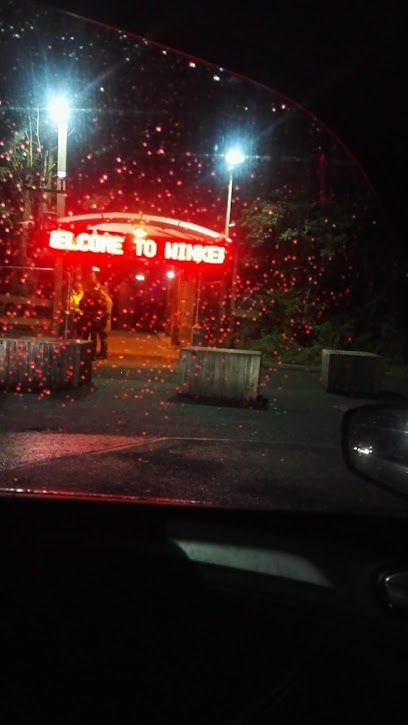
Winkers Nightclub
15.4 km
A lively, budget-friendly nightclub in Gerrards Cross offering energetic music and a casual local vibe for weekend partygoers.
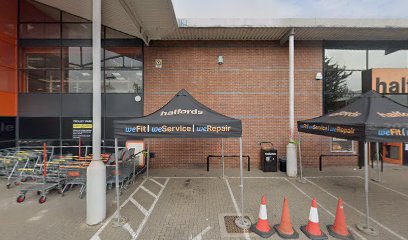
Diligence
18.0 km
Experience the vibrant nightlife and dynamic music scene at Diligence, High Wycombe’s energetic nightclub on London Road.
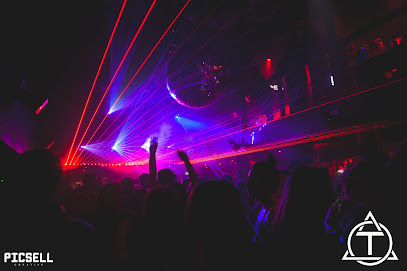
Trilogy Nightclub High Wycombe
20.3 km
A lively multi-room nightclub in High Wycombe offering dynamic music, vibrant crowds, and late-night fun on Paul’s Row.
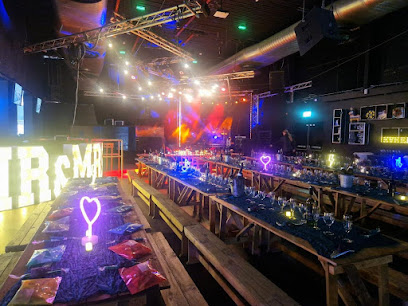
The Venue, Bucks
20.3 km
Experience High Wycombe’s vibrant nightlife at The Venue, Bucks – a lively nightclub with great music, friendly staff, and a welcoming atmosphere.
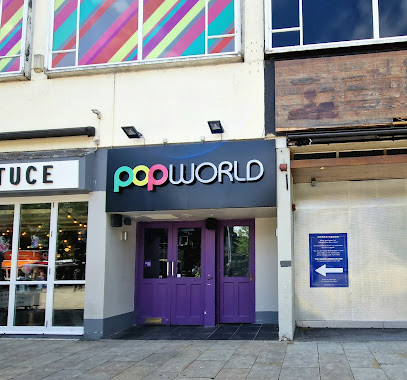
Popworld Watford
24.4 km
A vibrant late-night hotspot in Watford playing all your favorite 90s and 2000s pop classics with fun cocktails and a lively dancefloor.
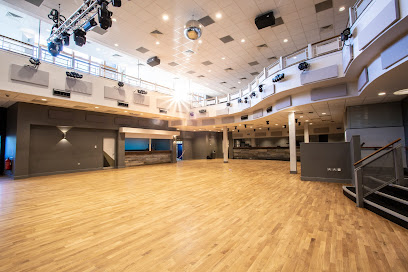
3sixty
24.4 km
Experience vibrant student nightlife and live events at 3sixty, the University of Reading’s premier nightclub and entertainment venue.
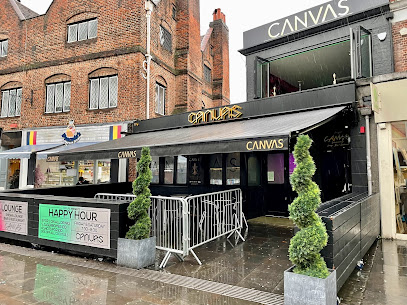
Canvas Bar & Nightclub
24.4 km
Experience vibrant nights of music, dancing, and cocktails at Canvas Bar & Nightclub in the heart of Watford’s High Street.
Lost In Disco
25.4 km
An intimate West London disco night celebrating 1970s–80s funk, soul and floor-filling classics with DJs, guest singers and a glittering dancefloor.
Le Fez
26.2 km
Experience Putney’s premier Moroccan-inspired nightclub with lush lounges, vibrant dancefloors, and unforgettable late-night entertainment.
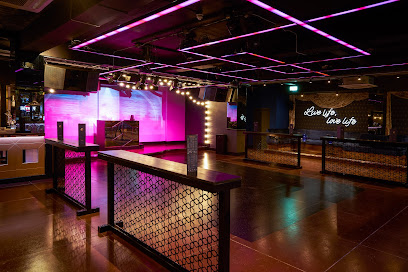
Q Club
26.2 km
Experience Reading’s energetic nightlife at Q Club, a lively nightclub and bar offering music, drinks, and late-night fun on Friar Street.
For the vibe & atmosphere seeker
- Tranquil
- Scenic
- Relaxing
- Unique
- Historic
For the design and aesthetic lover
- Vintage Styles
- Rustic Designs
For the architecture buff
- Historic
- Landmarks
- Parks & Gardens
- Heritage Neighborhoods
For the view chaser and sunset hunter
- Iconic Views
- Panoramas
- Sunset Spots
For the social media creator & influencer
- Instagrammable
- Photo Spots
- Aesthetic Corners
For the eco-conscious traveler
- Protected Area
- Locally Managed
- Public-Transport Accessible
- Leave-No-Trace Critical
For the kind of experience you’re after
- Cultural Heritage
- Photowalk
- Day Trip
- Weekend Getaway
- Myth & Legends
For how adventurous you want the journey to be
- Easy Access
Location Audience
- Family Friendly
- Senior Friendly
- Child Friendly
- Couple Friendly
- Solo Friendly


