

Primrose Hill, London Travel Guide
A grassy London hill with a famous skyline view, Primrose Hill is best for short walks, sunset watching, and open-air pauses above the city.
Primrose Hill is a compact grassy rise just north of Regent’s Park, known for one of London’s clearest skyline views. The walk to the top is short but exposed, and the reward is a broad sweep across the city that draws photographers, picnickers, and locals at sunset. It feels calm on weekdays, busier and more social in good weather.
A brief summary to Primrose Hill
- Primrose Hill Rd, London, NW1 4NR, GB
- Click to display
- Click to display
- Duration: 0.5 to 3 hours
- Free
-
 Outdoor
- Mobile reception: 4 out of 5
- Monday 6 am-10 pm
- Tuesday 6 am-10 pm
- Wednesday 6 am-10 pm
- Thursday 6 am-10 pm
- Friday 6 am-10 pm
- Saturday 6 am-10 pm
- Sunday 6 am-10 pm

Know before you go
Hi, I'm Eve. Here are a few practical things to know before exploring Primrose Hill.
- Go for clear weather if the skyline matters; haze and low cloud can flatten the view.
- Expect a short uphill walk and grass underfoot at the top, which can be slippery after rain.
- Sunset is the busiest time, so arrive earlier if you want space to sit.
Other nearby places you may find interesting
The closest places of the same kind, if this one is not quite what you had in mind.

Explore Primrose Hill on the Map
A handpicked selection of must-see spots near Primrose Hill, mapped for you.
Unlock the Best of Primrose Hill
Buy tickets
-
No tickets available
Book tours with entry


Getting There
-
Public Transport
The most practical approach is by Tube to Chalk Farm, then a short uphill walk to the hill.
-
Public Transport
Camden Town, Regent’s Park, St John’s Wood, and Great Portland Street can also work, depending on your starting point.
-
Bus
Several bus routes serve the wider Primrose Hill and Chalk Farm area, making surface transport a workable option.
-
Taxi / Ride-hailing
Useful for nearby drop-off, but not essential; local streets are residential and parking is limited.
For the on-the-go comforts that matter to you
-
 Restrooms
-
 Drink Options
-
 Food Options
-
 Seating Areas
-
 Trash Bins
-
 Information Boards
Discover more about Primrose Hill
What it is
Primrose Hill is a public park built around a rounded grassy hill in north-central London, immediately north of Regent’s Park. Its main draw is the summit viewpoint, where the city opens out in a long, unobstructed line of rooftops, towers, and distant landmarks. This is not a landscaped garden with formal paths and displays; it is a straightforward urban green space whose value lies in elevation, openness, and the view itself.The hill is part of the Royal Parks estate and has long been used for public recreation. It was opened to the public in the 19th century, and its history reaches back much further, with links to royal hunting land. Today it functions as a classic London pause point: a place to climb, sit on the grass, and look across the city rather than spend a full day on activities.Atmosphere and setting
The setting is simple and effective: open grass slopes, a compact summit, and a wide skyline beyond. The park feels airy and lightly built, with very little to interrupt the view. On clear days the scene is crisp and expansive; on hazier days the city softens into layers of grey and blue. Because the summit is relatively small, people gather in the same few spots, which gives the top a social, sometimes crowded feel even though the park itself is modest in scale.The mood changes with the weather and time of day. Early mornings are quiet, with joggers, dog walkers, and a few locals crossing the grass. By late afternoon and sunset, the hill becomes a meeting point for photographers, couples, families, and groups of friends. It is relaxed rather than polished, and the experience depends more on light, visibility, and crowd levels than on any built attraction.What visitors actually do
Most visits follow a clear pattern: you approach from the surrounding streets or from Regent’s Park, walk up the slope, and stop at the summit to take in the view. Many people stay only long enough for a few photos and a short rest; others bring snacks or a picnic and remain for an hour or two. The grass is the seating, so comfort depends on the weather and how dry the ground is.The hill works well as a short stop between neighbourhood walks. It fits neatly into a larger London day, especially if you are already in Camden, Regent’s Park, or the Primrose Hill area. It is less suited to structured sightseeing than to a slow, open-air break with a strong visual payoff.Practical expectations
Access is straightforward by public transport, but the final approach is uphill and the summit terrain is grass and slope rather than level paving. That makes the site easy for most visitors, yet physically demanding for some mobility profiles. The park is free to enter, and costs are usually limited to transport or an optional café stop nearby.Facilities are basic. Expect limited shelter, informal seating on the grass, and nearby toilets and refreshments in the wider area rather than a full visitor complex. The hill is best in clear, mild weather, when the skyline is sharp and the grass is comfortable. Wind, rain, and winter cold reduce the appeal quickly, and the exposed top can feel brisk even on otherwise pleasant days. Primrose Hill is at its best when the city view is clear and the pace is unhurried.












Your all‑in‑one travel companion app
Explore expert travel guides, compare and book tours, experiences, hotels, and more—all from the palm of your hand. Download now for seamless trip planning wherever your wanderlust takes you.


Explore More of London
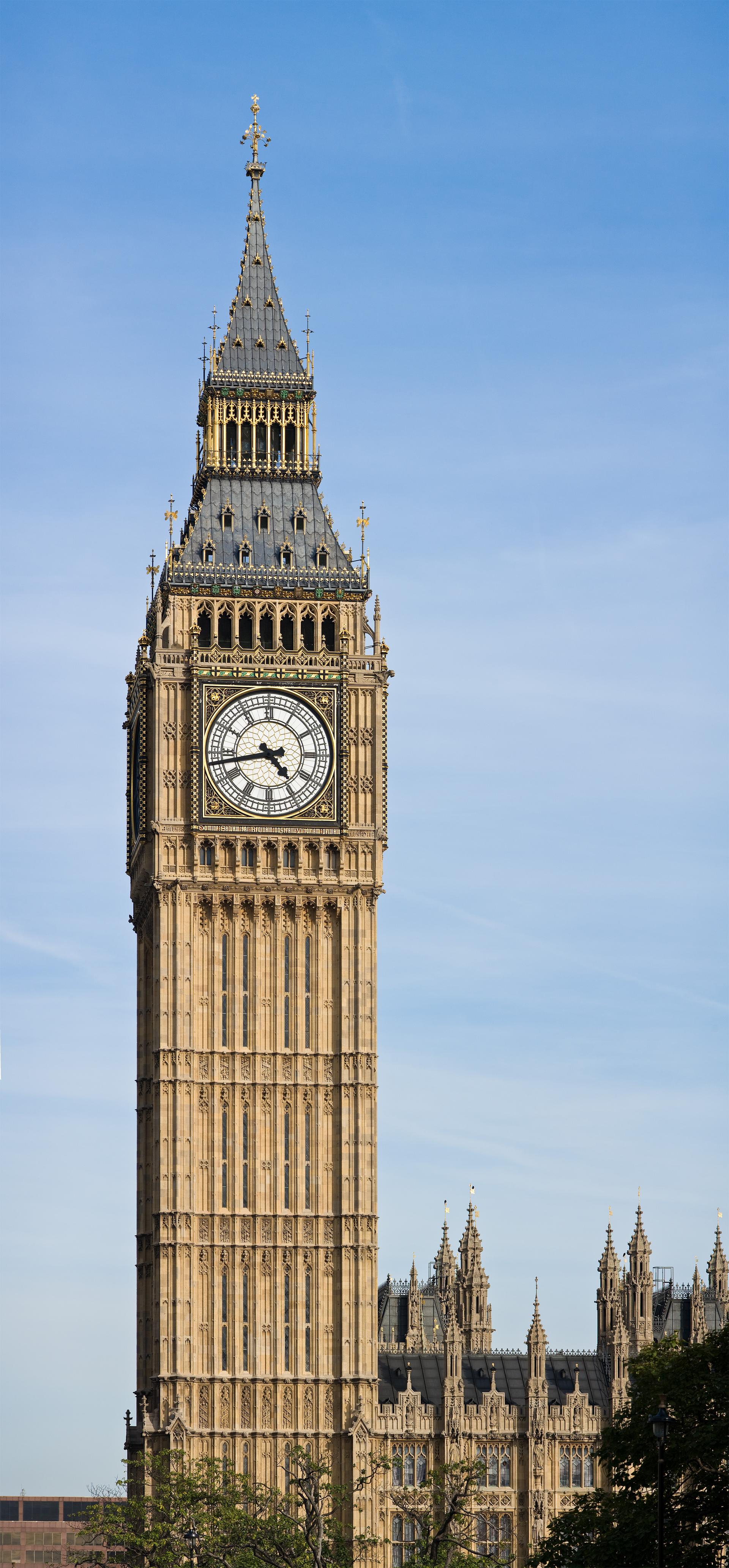
Looking beyond Primrose Hill? Discover London for broader travel guides, local hot-spots, and regional highlights.
Explore London
A railway-arch beer hall in Kentish Town where Camden Town Brewery pours fresh pints, serves casual food and runs tastings and tours.
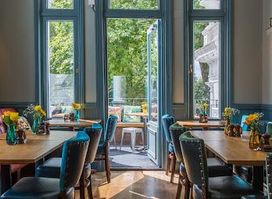
Experience the heart of London at The Queens, a vibrant pub in Primrose Hill offering delicious food, craft drinks, and a welcoming atmosphere.
