
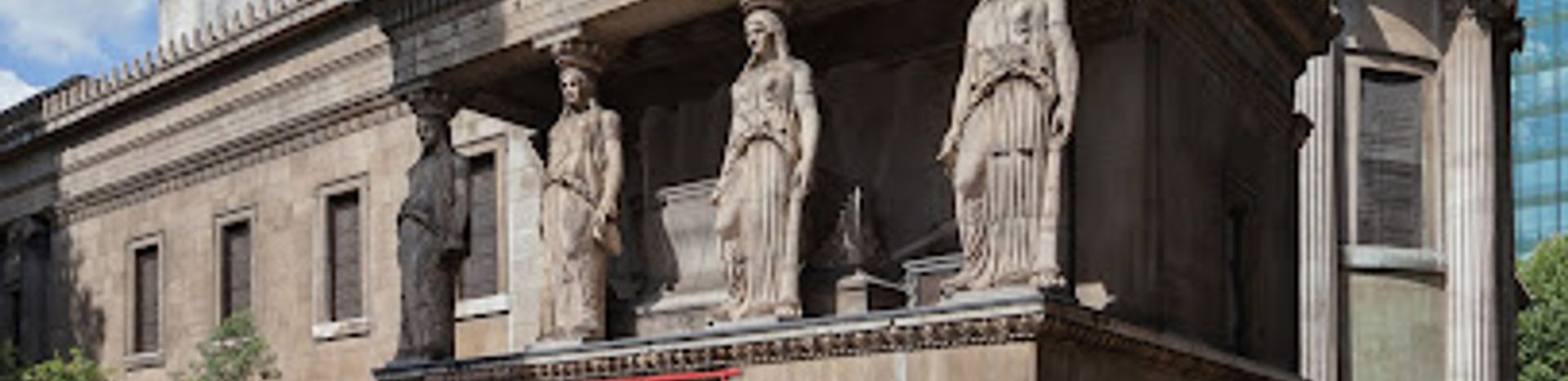
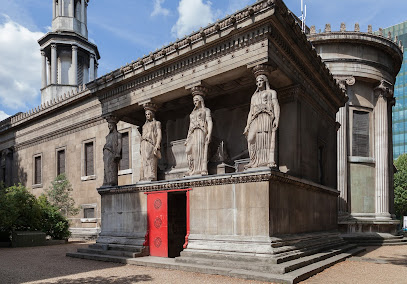
St Pancras New Church: London’s Greek Revival Masterpiece
A majestic Greek Revival church in London, blending ancient Athenian design with rich history and vibrant community life.
St Pancras New Church, located on Euston Road in London, is a striking example of Greek Revival architecture built between 1819 and 1822. Inspired by ancient Athens, it features Ionic columns, terracotta caryatids modeled after the Erechtheum, and a tower influenced by the Tower of the Winds. This Grade I listed Anglican church offers rich historical significance, architectural grandeur, and serves as a vibrant cultural venue today.
A brief summary to St Pancras New Church
- Euston Rd., London, NW1 2BA, GB
- +442073881461
- Visit website
- Duration: 0.5 to 2 hours
- Free
-
 Indoor
- Mobile reception: 5 out of 5
Local tips
- Visit during weekday mornings for quieter exploration and to appreciate the architectural details without crowds.
- Take time to explore the crypt art gallery, which hosts contemporary exhibitions in a historic setting.
- Look closely at the caryatids on the porticos; their funerary symbols differ from the originals in Athens.
- Attend a Sunday service to experience the church’s spiritual atmosphere and hear its historic organ.

For the on-the-go comforts that matter to you
- Restrooms
- Drink Options
- Food Options
- Seating Areas
- Information Boards
Getting There
-
London Underground
Take the Northern or Victoria Line to King’s Cross St Pancras station, then walk approximately 10 minutes along Euston Road to reach the church. The journey typically takes 20-30 minutes from central London. Tube fares range from £2.50 to £5 depending on travel zones and ticket type.
-
Bus
Several bus routes, including routes 10, 30, and 73, stop near Euston Road. From central London, expect a 25-40 minute journey depending on traffic. Single bus fares are around £1.75 using an Oyster card or contactless payment.
-
Taxi or Rideshare
A taxi or rideshare from central London to St Pancras New Church typically takes 15-25 minutes, depending on traffic, with fares ranging from £10 to £20. Note that congestion charges may apply during peak hours.
-
Walking
If you are staying nearby in Bloomsbury or King’s Cross, walking to the church is a pleasant option, taking about 15-20 minutes on mostly flat urban terrain. The route is accessible and suitable for wheelchairs and strollers.
St Pancras New Church location weather suitability
-
 Any Weather
-
 Rain / Wet Weather
-
 Clear Skies
-
 Mild Temperatures
Discover more about St Pancras New Church
Architectural Inspiration Rooted in Ancient Greece
St Pancras New Church stands as a remarkable testament to Greek Revival architecture in London. Designed by William Inwood and his son Henry William Inwood, the church was constructed from 1819 to 1822 to serve a rapidly growing parish. Its design draws heavily from iconic Athenian monuments, notably the Erechtheum on the Acropolis and the Tower of the Winds. The church’s façade features six fluted Ionic columns supporting a grand portico, with intricate terracotta decoration including capitals and external ornamentation. The two porticos at the east end, especially the north-facing one on Euston Road, showcase the famous caryatids—female figures modeled on the originals from Athens but uniquely carrying symbols of mortality such as upturned torches and funerary urns. The octagonal west tower, unlike its Athenian inspiration, adds a distinctive London character to the structure.Historical Context and Construction Significance
The church was built to replace the ancient St Pancras Old Church, which had fallen into disrepair as London expanded during the early 19th century. The foundation stone was laid by the Duke of York in 1819, inscribed in Greek with a blessing for the gospel’s light to illuminate the dark temples of heathenism. With a seating capacity of 2,500, it was the most expensive church constructed in London since the rebuilding of St Paul’s Cathedral, costing approximately £76,679. Its construction was funded largely by increased local rates and loans, reflecting the ambition to create a monumental place of worship for the well-to-do parishioners of the time.Artistic Features and Craftsmanship
One of the church’s most remarkable artistic features is the set of terracotta caryatids sculpted by John Charles Felix Rossi. These statues were built in sections around cast iron columns, demonstrating advanced craftsmanship for the period. The church’s exterior is primarily brick faced with Portland stone, while the portico and tower are entirely stone. Internally, the apse is dominated by six Ionic columns made from imitation marble. Originally fitted with clear glass windows, Victorian-era stained glass by Clayton & Bell was later added, enriching the interior’s atmosphere. The high pulpit is crafted from the historic Fairlop Oak, connecting the church to local natural heritage.Role Through Time and Present-Day Use
Since its consecration in 1822, St Pancras New Church has remained an active Anglican place of worship. It also serves as a cultural hub, hosting music performances and art exhibitions in its crypt, which was formerly a burial vault with over 500 interments before London banned church burials in the mid-19th century. The crypt’s use as an air raid shelter during both world wars adds to the church’s layered history. Today, Reverend Anne Stevens leads the parish, maintaining its spiritual mission while embracing its role as a community and cultural venue.Preservation and Heritage Status
St Pancras New Church holds a Grade I listing from English Heritage, recognizing its architectural and historic importance. Despite surviving damage during the Blitz, including harm to its roof and windows, the church’s terracotta caryatids have been preserved with only minor damage. Ongoing conservation efforts address structural challenges such as corroding metal cramps within the statues. The church’s prominent location on Euston Road and its distinctive Greek Revival style make it a landmark in London’s architectural heritage.The Church’s Place in London’s Urban Fabric
The church’s construction coincided with the development of the New Road (now Euston Road), which spurred urban growth in Bloomsbury and St Pancras. Its grand design reflected the aspirations of a growing and affluent parish, standing as a symbol of cultural refinement amidst rapid industrial expansion. The original parish was vast, stretching from Oxford Street to Highgate, and the church’s size and capacity were designed to meet the needs of this expanding community. Today, it remains a striking architectural and spiritual beacon in central London, bridging ancient Greek inspiration with British ecclesiastical tradition.Iconic landmarks you can’t miss

St Pancras New Church
0.0 km
A majestic Greek Revival church in London, blending ancient Athenian design with rich history and vibrant community life.
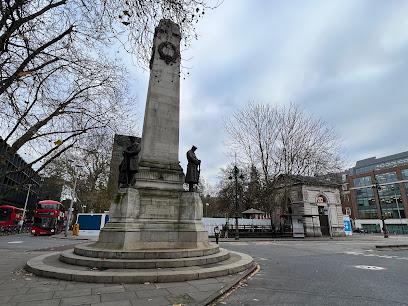
Euston War Memorial
0.2 km
A solemn 13-meter obelisk and bronze statues honor London’s railway workers who sacrificed their lives in World War I.
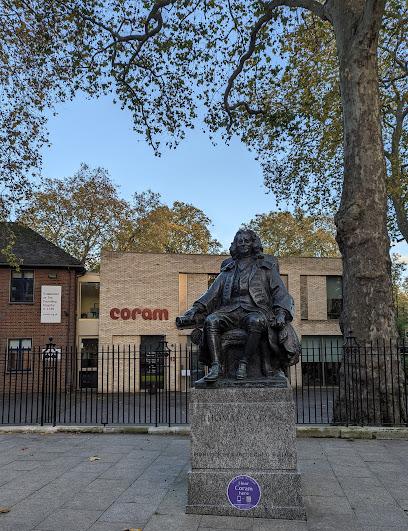
Statue of Thomas Coram
0.6 km
A seated bronze tribute to the philanthropist who saved thousands of abandoned children from London's streets.
Sicilian Avenue
1.1 km
Discover Sicilian Avenue, a serene Edwardian pedestrian street in London blending Italianate architecture with charming shops and tranquil ambiance.
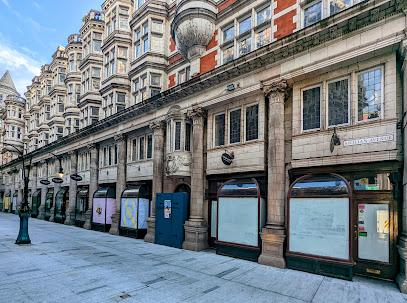
Hasdan
1.1 km
Discover the vibrant heart of London at Hasdan, where shopping, culture, and history meet on Tottenham Court Road.
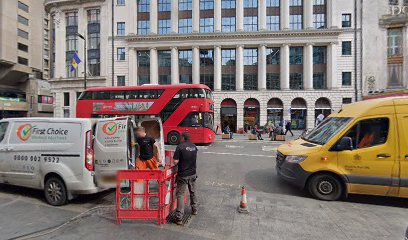
190 High Holborn
1.3 km
A modern office landmark in central London, blending contemporary design with strategic connectivity near historic Holborn.
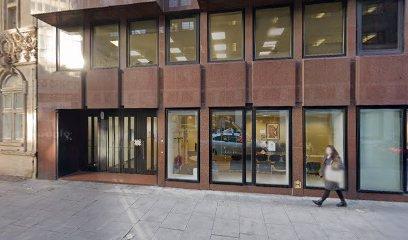
1 Soho Place
1.3 km
Explore 1 Soho Place: A vibrant business park in London's Soho, surrounded by eclectic eateries, shops, and cultural landmarks.
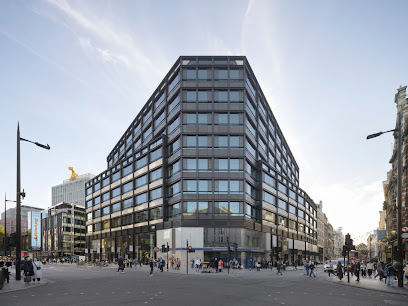
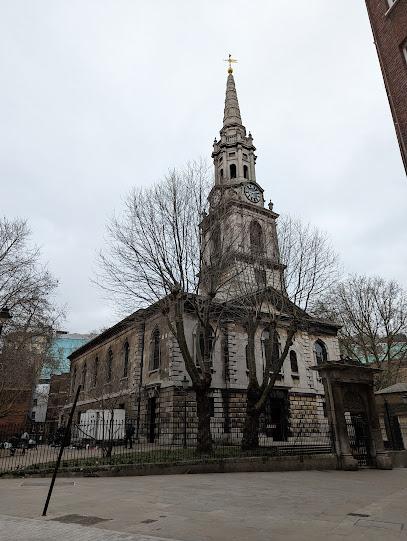
St Giles in the Fields
1.3 km
Medieval leper hospital turned Palladian masterpiece—nearly 1000 years of London's sacred and troubled history
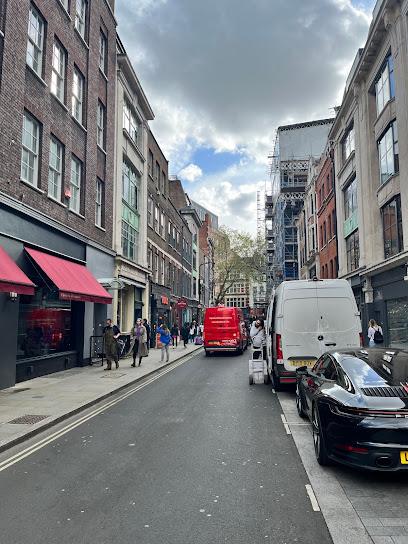
Denmark St
1.3 km
Britain's legendary Tin Pan Alley where rock and roll history was written in every studio, café, and guitar shop.
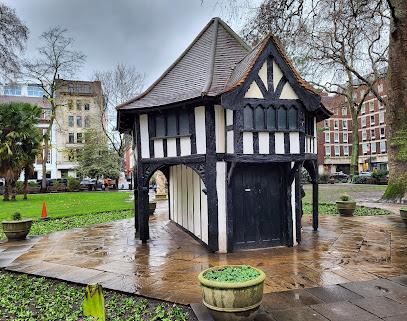
Soho Square
1.3 km
Historic Georgian square where aristocrats, scientists, and artists shaped London's cultural legacy
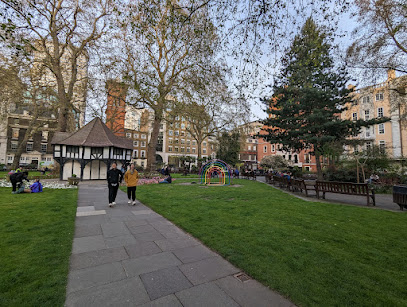
Soho Square Gardens
1.3 km
Explore the calming beauty of Soho Square Gardens, a lush park in the heart of London, perfect for relaxation and socializing.
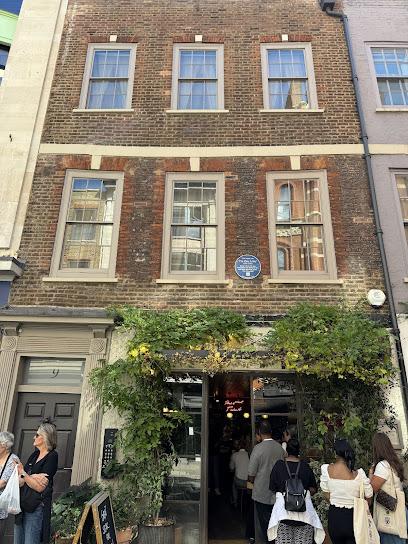
Plaque: Tin Pan Alley & La Giaconda cafe
1.3 km
Discover the legendary Tin Pan Alley and La Giaconda Cafe at 9 Denmark Street, the historic heart of London’s music scene and creative spirit.
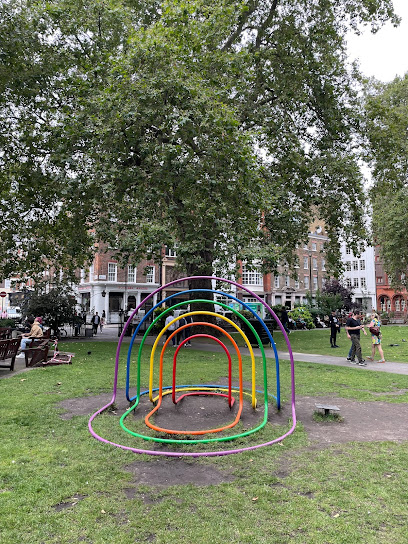
#O hello sunshine Public Art Sculpture
1.4 km
Discover the vibrant O Hello Sunshine sculpture in London, a historical landmark that embodies creativity and community spirit amidst the city's artistic landscape.
Caithness House
1.4 km
Experience the vibrant residential life of London at Caithness House, a modern flat complex perfect for tourists seeking comfort and convenience.
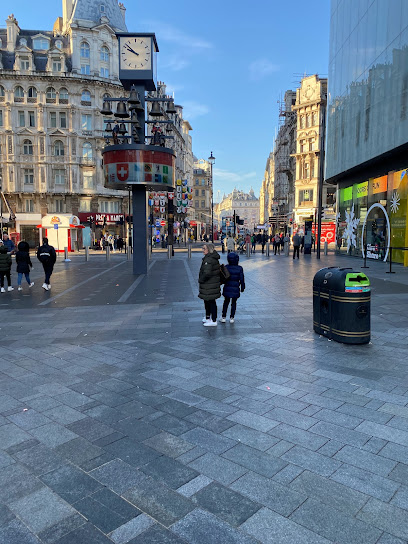
covent Garden ,
1.4 km
Explore Covent Garden's vibrant atmosphere filled with shopping, dining, and entertainment in the heart of London.
Unmissable attractions to see

Elizabeth Garrett Anderson Gallery
0.1 km
Explore the legacy of Britain’s first female doctor through interactive exhibits in a beautifully restored historic hospital gallery in London.
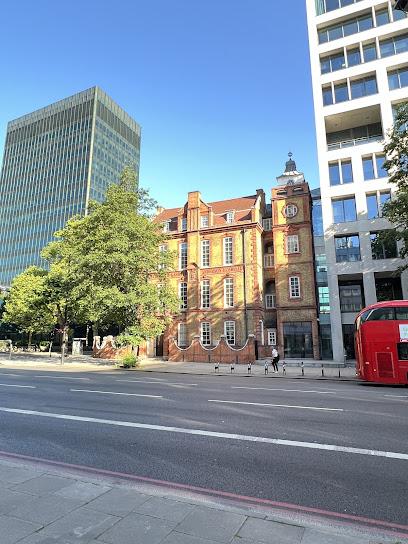
Euston Square Gardens
0.2 km
A serene Victorian-era garden oasis nestled beside London’s bustling Euston Road and transport hub.
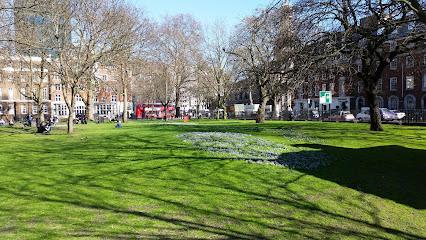
Tavistock Square
0.3 km
A tranquil Georgian square in Bloomsbury, rich in literary history and peace memorials, embodying resilience and reflection in central London.

Gordon Sq
0.3 km
Tranquil Bloomsbury garden square steeped in literary history and academic heritage in central London.
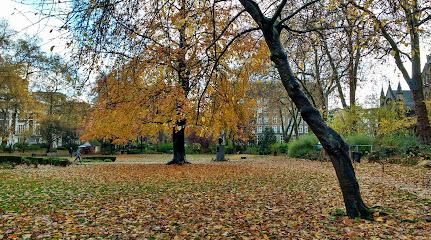
The British Library
0.3 km
Explore the UK’s national library, a vast cultural treasure trove with iconic manuscripts, exhibitions, and welcoming spaces in central London.

University College London
0.4 km
Explore UCL's historic Bloomsbury campus, a beacon of innovation and inclusivity at the heart of London’s cultural and academic life.
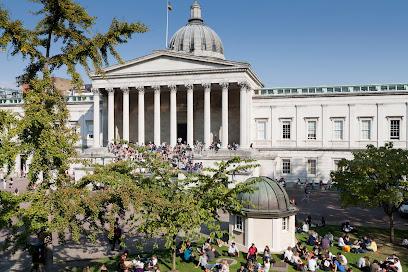
The Brunswick Centre
0.5 km
A Grade II listed modernist residential and shopping complex blending architecture, community, and culture in Bloomsbury, London.
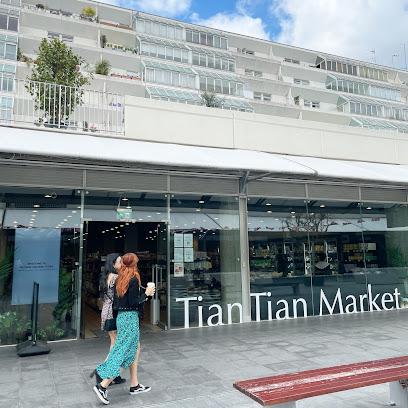
Torrington Square
0.5 km
A tranquil university-owned garden square in Bloomsbury blending historic heritage with academic vibrancy and green respite.
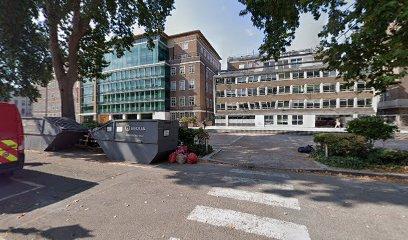
Curzon Bloomsbury
0.6 km
Discover world-class arthouse cinema and documentary premieres at Curzon Bloomsbury, nestled in the iconic Brunswick Centre.
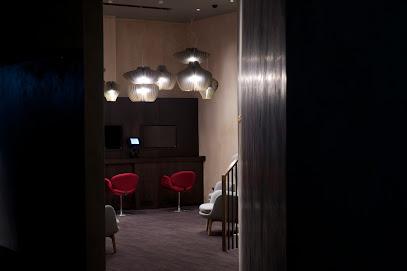
Foundling Museum
0.6 km
Explore the Foundling Museum, where art, music, and history unite to tell the story of Britain’s first children’s charity and its enduring legacy.
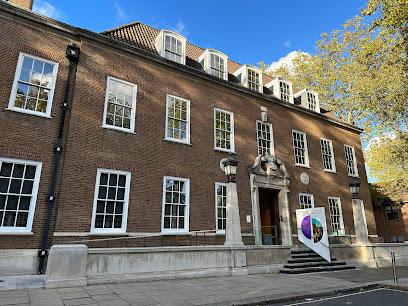
Brunswick Square Gardens
0.6 km
Historic Bloomsbury garden where literary giants walked beneath ancient plane trees and bohemian dreams took root.
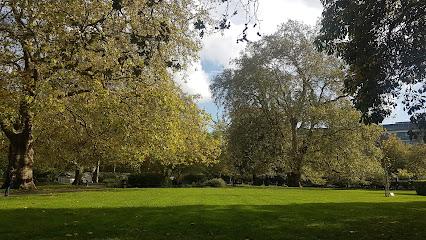
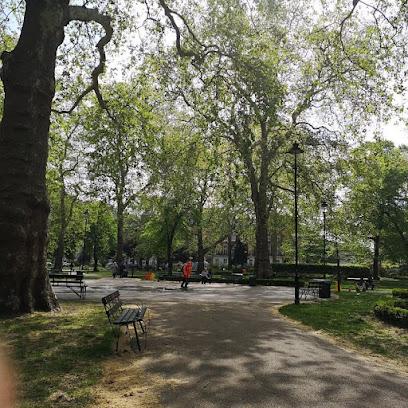
Russell Sq
0.7 km
A peaceful Georgian garden square in Bloomsbury, blending historic charm with serene green spaces in central London.
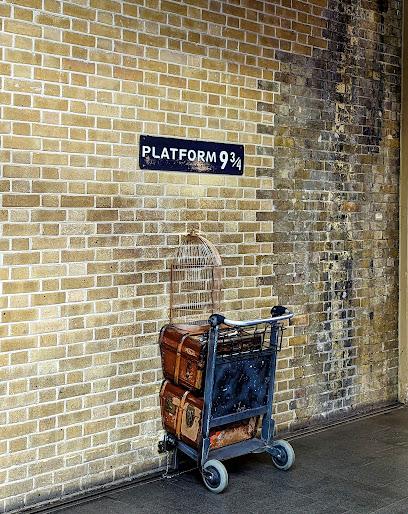
Platform 9¾ at King's Cross Station
0.7 km
Step through the magical wall at King's Cross to the iconic Platform 9¾, a must-see for Harry Potter fans and photo enthusiasts alike.
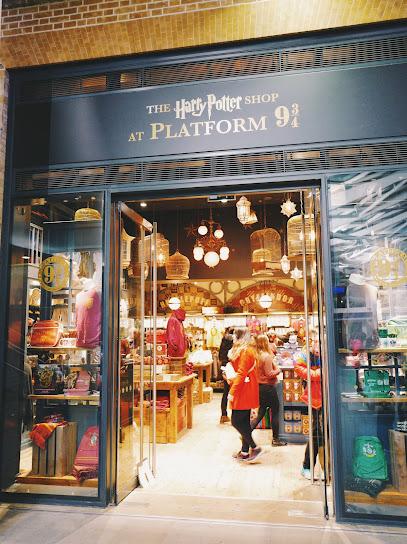
The Harry Potter Shop at Platform 9 ¾
0.7 km
Step into the wizarding world at King's Cross with magical merchandise and the iconic Platform 9 ¾ photo experience.
The Parcel Yard, King's Cross
0.7 km
Experience the heart of London at The Parcel Yard, a historic pub in King's Cross with a delightful menu and a vibrant atmosphere perfect for tourists.
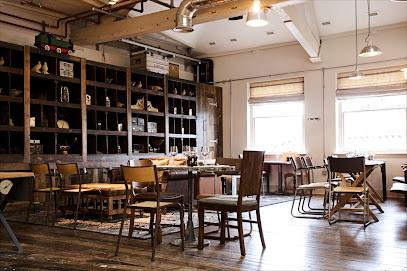
Essential places to dine

The Ninth
1.0 km
Michelin-starred modern French cuisine with Mediterranean flair in Fitzrovia’s chic and relaxed dining hotspot.
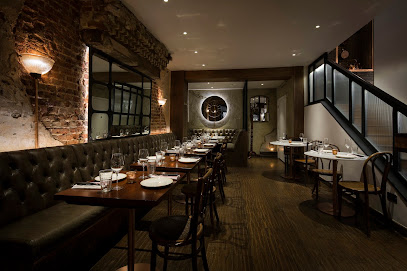
Frida Camden
1.1 km
Authentic Mexican cuisine with vibrant flavors and a lively atmosphere in the heart of Camden, London.
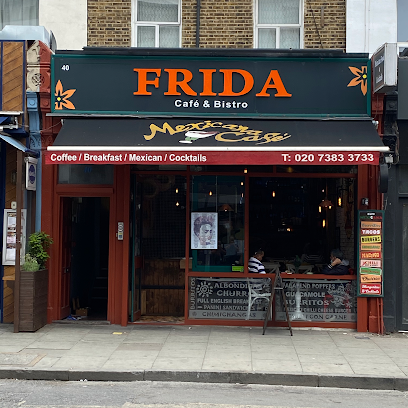
Alexander The Great Restaurant
1.2 km
Experience authentic Greek hospitality and generous Mediterranean flavors in the heart of Camden’s vibrant dining scene.
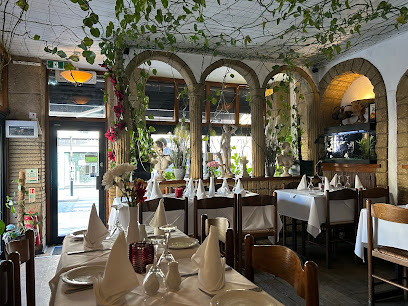
Portland
1.2 km
Michelin-starred modern European dining in Fitzrovia, blending seasonal British ingredients with refined, creative flavors in an intimate setting.
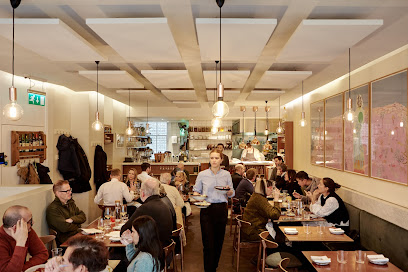
Il Sugo
1.4 km
A cozy family-run Italian restaurant in Camden serving hearty, authentic dishes with generous portions and warm hospitality.
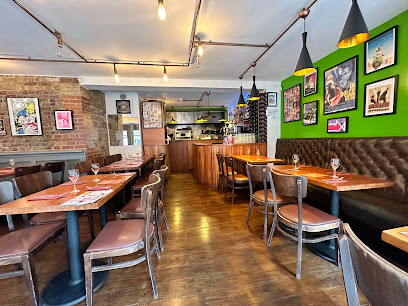
Noble Rot Soho
1.4 km
A Soho gem blending historic charm with modern European cuisine and an exceptional, accessible wine list in a cozy, clubby setting.
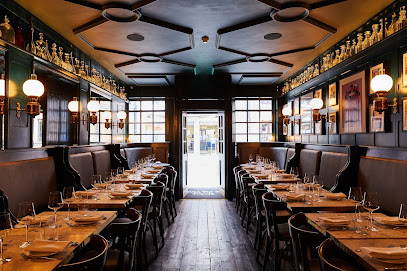
Daphne Restaurant
1.4 km
Authentic Greek-Cypriot dining in Camden with warm hospitality, cozy ambiance, and generously portioned traditional dishes.
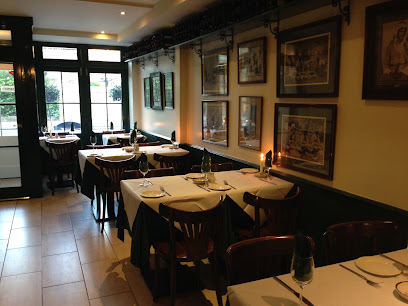
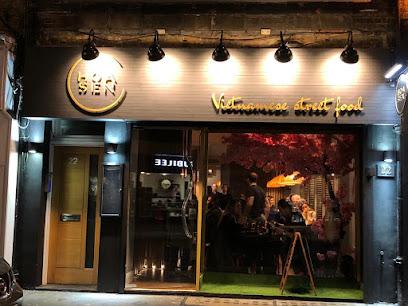
Hoa Sen Vietnamese Street Food Restaurant
1.4 km
Authentic Vietnamese street food in the heart of Covent Garden, blending vibrant flavors with a lively, cozy atmosphere.
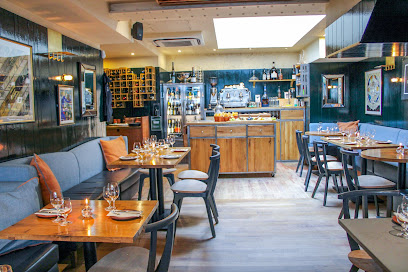
Sussex Bar & Restaurant
1.4 km
A vibrant Soho bistro blending Sussex countryside flavors with London’s energy, featuring seasonal British dishes and curated wines.
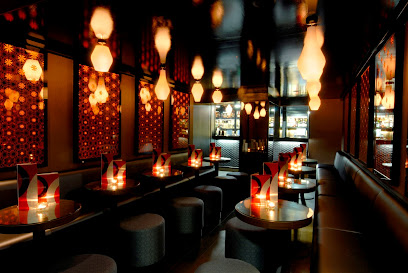
Inamo
1.5 km
Experience futuristic Asian fusion dining with interactive tables and vibrant sharing plates in the heart of London’s Covent Garden.
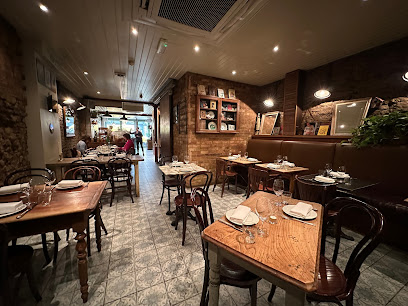
Blanchette
1.5 km
Cozy Soho French bistro serving modern small plates, charcuterie, and exquisite cheese and honey pairings in a Parisian-inspired setting.
Circus
1.5 km
Experience Covent Garden’s vibrant Asian fusion dinner theatre where culinary artistry meets captivating live performances.
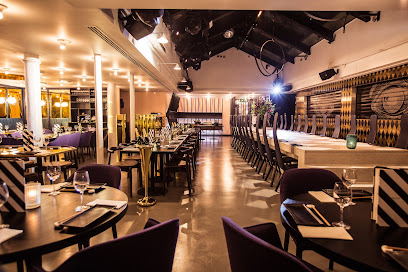
Quo Vadis
1.5 km
An iconic Soho dining destination blending refined modern British cuisine with elegant historical charm and a lively, convivial atmosphere.
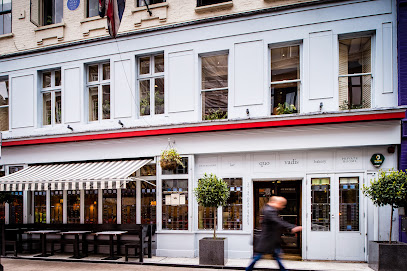
Flesh & Buns Covent Garden
1.5 km
Lively Japanese izakaya in Covent Garden famed for its signature bao buns, vibrant atmosphere, and innovative pan-Asian small plates.
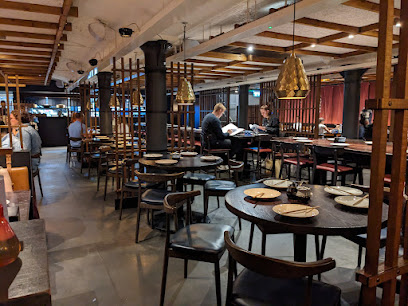
Margot
1.5 km
Sophisticated Italian dining with classic charm and an extensive wine list in the heart of Covent Garden, London.
Markets, malls and hidden boutiques

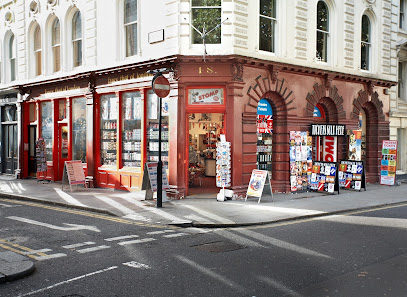
Fancy That of London
1.0 km
Discover unique London souvenirs and charming keepsakes in a warm, inviting shop just opposite the British Museum on Great Russell Street.
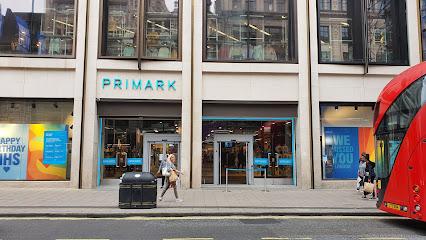
Primark
1.2 km
Discover unbeatable fashion and homeware bargains across multiple floors at Primark Oxford Street, London’s premier budget shopping destination.
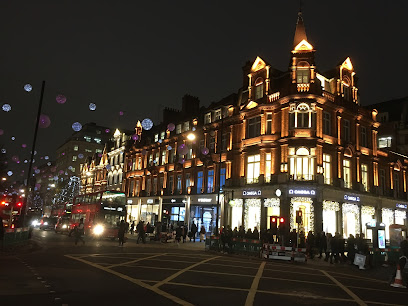
Oxford Street Gift Shop
1.2 km
A lively and colorful gift shop on Oxford Street offering quintessential London souvenirs with a vibrant atmosphere and a hint of retail adventure.
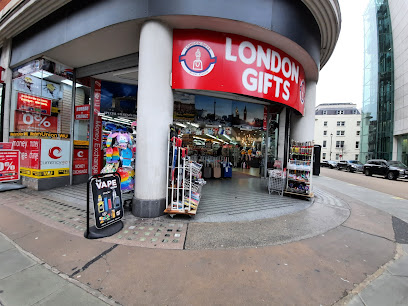
Souvenir Shop
1.3 km
Discover authentic British souvenirs in the heart of London’s iconic Oxford Street.
Radha's Boutique
1.3 km
A small, curated Soho boutique offering tactile womenswear and accessories with friendly, personalised service in the heart of central London.
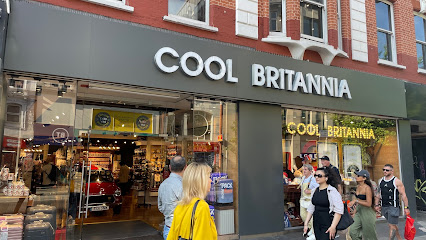
Cool Britannia Oxford Street
1.4 km
Discover authentic British souvenirs and capture timeless memories in the heart of London at Cool Britannia Oxford Street.
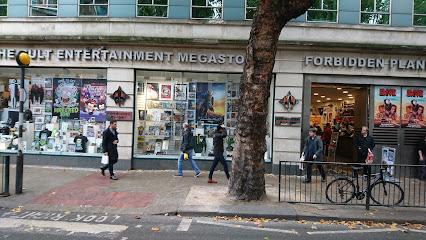
Forbidden Planet London Megastore
1.4 km
London’s ultimate destination for comics, collectibles, and cult pop culture treasures in the heart of the West End.
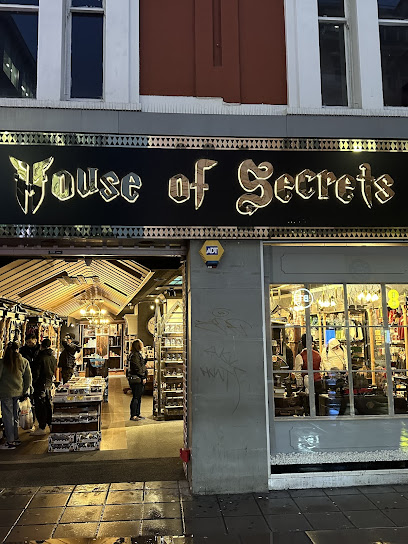
House of secrets
1.4 km
Step into House of Secrets on Oxford Street and discover a magical world of Harry Potter collectibles and enchanting souvenirs in the heart of London.
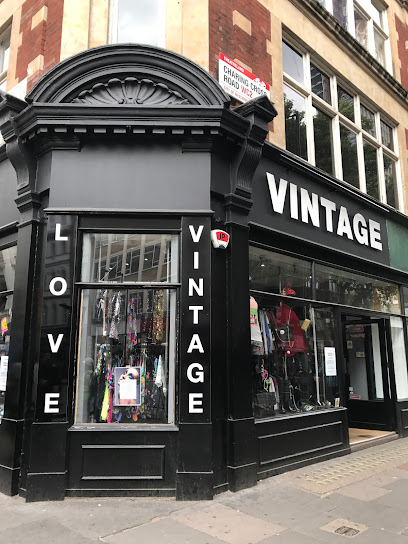
Goldsmith Vintage
1.4 km
Iconic Soho vintage shop since 1990: two floors of handpicked retro dresses, blazers, bags & accessories from decades past, with sales from £10.95.
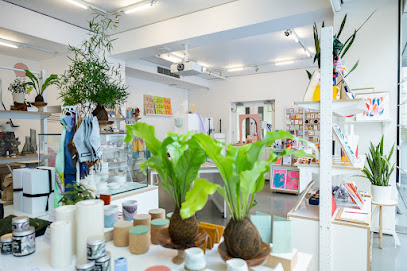
not just a shop
1.4 km
Discover unique, handcrafted art and design by UAL’s students and alumni at this creative retail hub in central London.
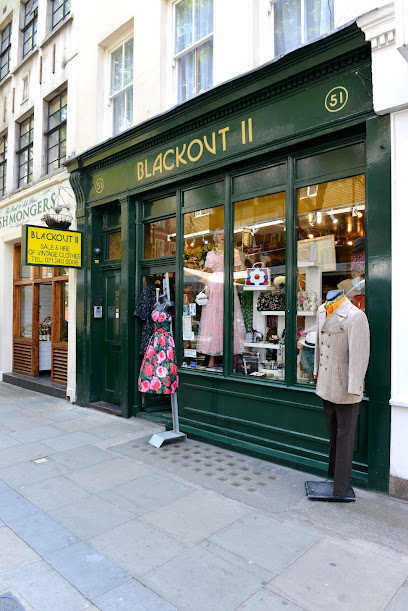
Blackout II - Vintage Clothing London
1.4 km
Discover timeless vintage fashion treasures from the 1920s to the 1980s in Covent Garden’s iconic Blackout II boutique.
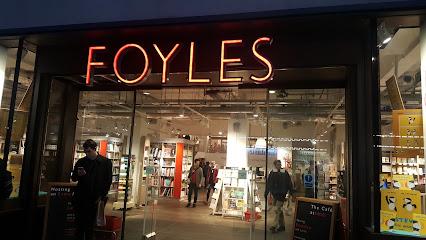
Foyles
1.4 km
London's legendary independent bookshop where literary heritage meets contemporary retail excellence.
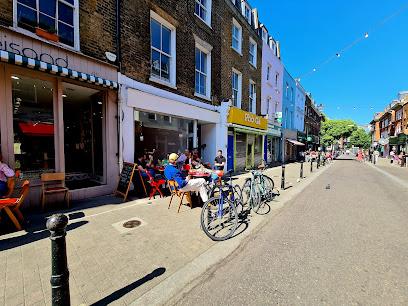
Exmouth Market
1.4 km
Discover Exmouth Market, London’s vibrant street of eclectic eateries, lively bars, and independent shops in the heart of Clerkenwell.
Pop Boutique
1.4 km
Discover authentic vintage fashion treasures from the 50s to 90s in a colorful, retro boutique at London’s vibrant Seven Dials.
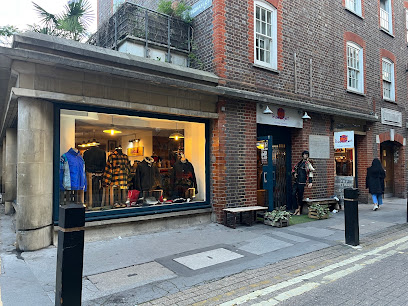
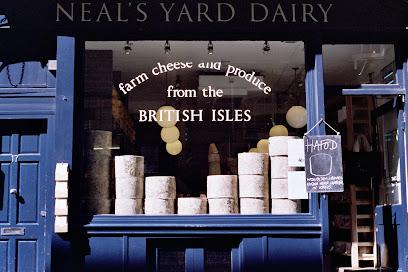
Neal's Yard Dairy (Covent Garden Shop)
1.5 km
Discover the finest British and Irish farmhouse cheeses matured to perfection in the heart of Covent Garden’s vibrant Neal’s Yard.
Essential bars & hidden hideouts

Cosy Cocktail Bar
0.3 km
A stylish speakeasy in King's Cross offering expertly crafted cocktails in a warm, intimate setting perfect for evenings and private events.
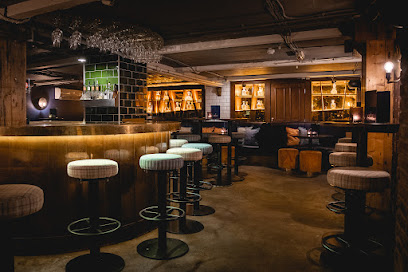
Fitz's Russell Sq.
0.6 km
Discover Fitz's Russell Square, a glamorous cocktail bar blending Victorian elegance with modern British cuisine in the heart of Bloomsbury.
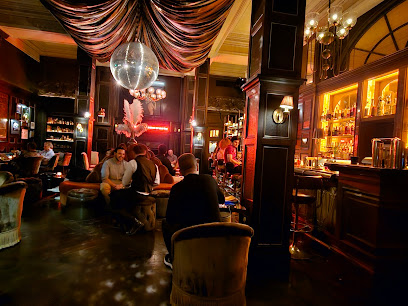
Simmons Bar | Kings Cross
0.8 km
A quirky, retro-inspired cocktail bar in Kings Cross with lively music, creative drinks, and unbeatable happy hour deals.
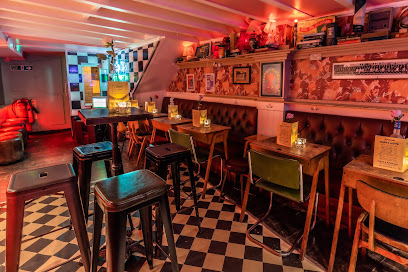
The Duke
1.1 km
A classic Bloomsbury pub offering warm hospitality, traditional drinks, and hearty British fare in a cozy setting.
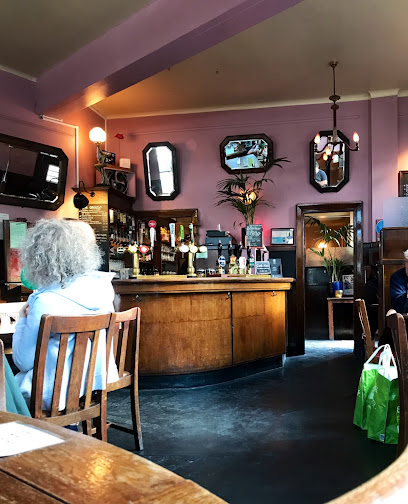
Spiritland
1.1 km
Immerse yourself in exceptional sound, creative cocktails, and a vibrant music culture at Spiritland King's Cross.
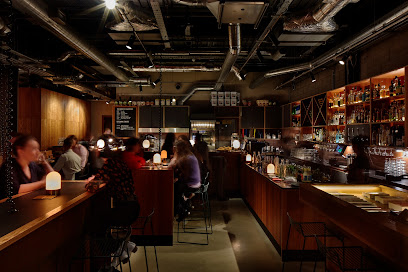
The Coral Room
1.1 km
Experience 1920s-inspired glamour and expertly crafted cocktails in the vibrant coral-hued heart of Bloomsbury Hotel.
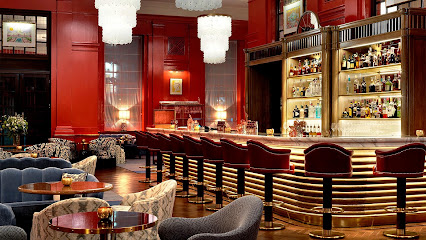
Be At One - Camden
1.2 km
Ignite your night with 100+ cocktails, 2-for-1 happy hours, and Camden's fiercest bartenders shaking up classics and wild inventions.
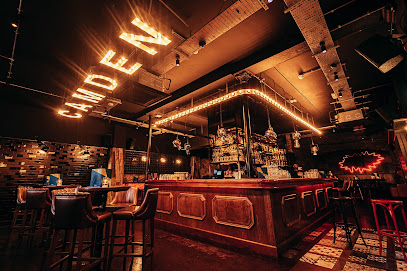
The Black Horse - Pub & Cocktail Bar
1.2 km
Experience the perfect blend of traditional pub charm and stylish cocktails in the heart of Soho’s vibrant nightlife.
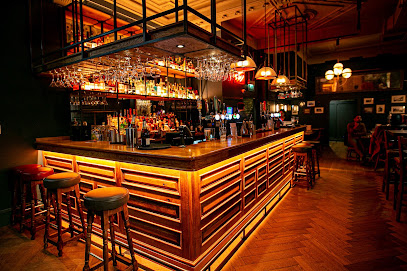
Punch Room
1.2 km
An exclusive Fitzrovia cocktail bar where historic punch traditions meet innovative craft mixology in a cozy, club-like setting.
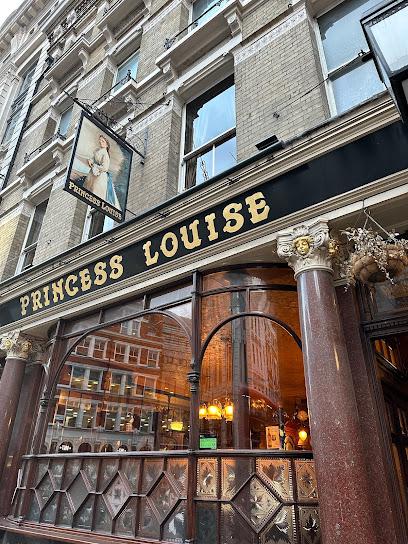
Princess Louise
1.2 km
Step into the Princess Louise, a stunning Victorian gin palace in Holborn, where opulent interiors and rich history blend in a timeless London pub experience.
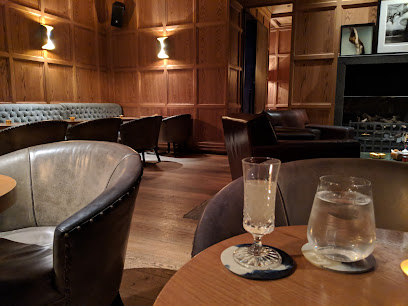
Camden Head
1.4 km
A Victorian‑charm pub on Camden High Street — hearty plates, rotating ales and comedy‑night energy that turns lively after dark.
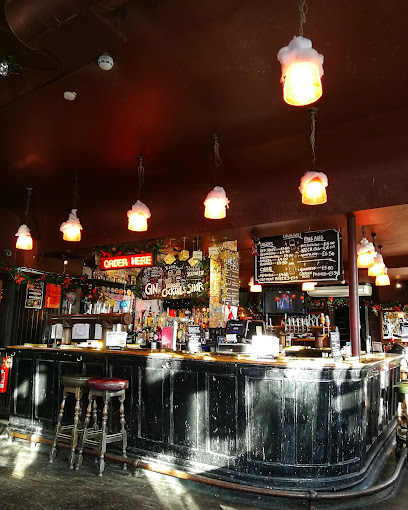
NQ64 Soho
1.4 km
Dive into a neon-lit world of retro arcade games and themed cocktails in the heart of Soho’s vibrant nightlife scene.
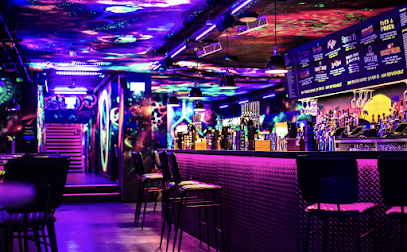
The Nellie Dean
1.4 km
A classic Soho pub blending traditional charm with lively local spirit and renowned for hearty pies and well-kept ales.
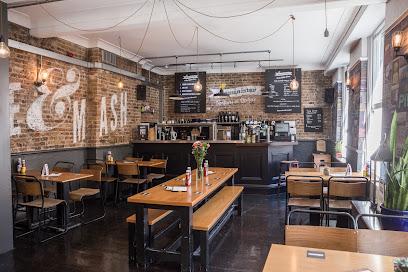
The Little Scarlet Door
1.4 km
Step through the scarlet door to a playful Soho loft bar alive with inventive cocktails, secret rooms, and a lively house party vibe.
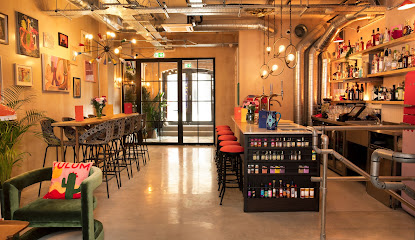
Thirst Bar Soho
1.4 km
Compact Soho cocktail bar by day, pulsing DJ‑led club by night—cheap cocktails, leather booths and a lively basement scene.
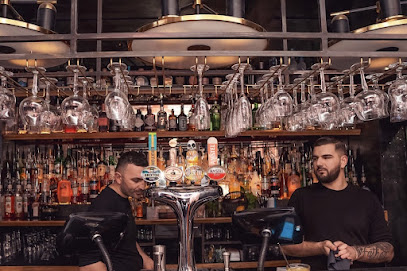
Nightclubs & after hour spots

Max's Other Flat
1.1 km
Discover a vibrant nightlife experience at Max's Other Flat, a must-visit nightclub in London offering electrifying music and unforgettable moments.
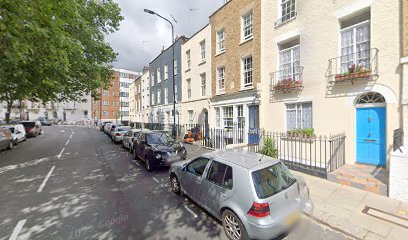
101 Nightclub London
1.4 km
Soho's raw Saturday night pulse: intimate beats, crowded floors, and unfiltered London club energy on Wardour Street.
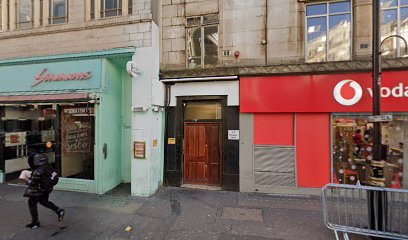
Bordello London
1.4 km
Dive into Soho's seductive basement beats at Bordello London, where Wardour Street's nightlife legacy ignites late-night frenzy on weekends.
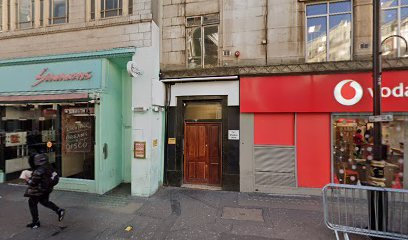
Bunga Bunga Covent Garden
1.4 km
A neon-soaked, pizza-and-karaoke supper club under Drury Lane — 90s nostalgia, stage shows and shareable Italian feasts.
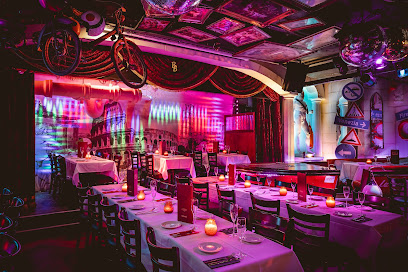
The Roxy
1.4 km
Soho's unbeatable happy hour cocktail bar by day, pulsing nightclub with live music and DJ nights till 3am—affordable vibes in London's nightlife heart.
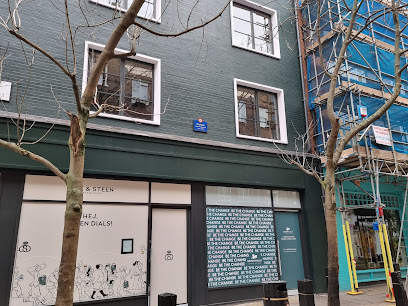
La Capannina Club
1.4 km
Discover Soho's discreet gentlemen's club: seductive stage shows, cosy vibes, and late-night allure in London's nightlife heart.
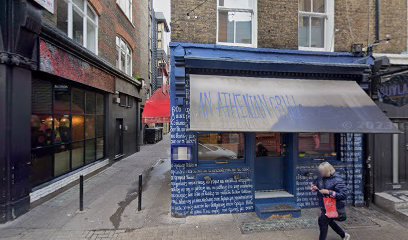
St Moritz Club
1.5 km
Soho's retro basement nightclub: 1960s vibes meet modern beats in an intimate, wood-paneled haven beneath a Swiss chalet restaurant.
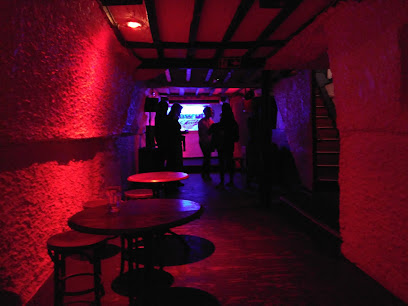
Carwash Nightclub
1.5 km
Experience Europe’s longest-running disco club in London’s West End, where retro beats, vibrant crowds, and themed parties create unforgettable nights.
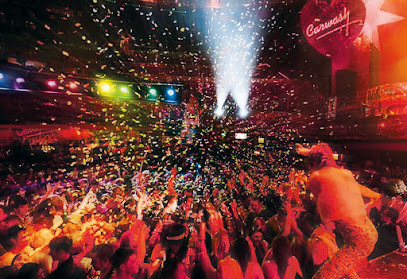
Club49Soho
1.5 km
Soho's stylish cocktail haven with DJ-fueled dancefloor energy, blending upscale drinks and classy nightlife vibes until 3am.
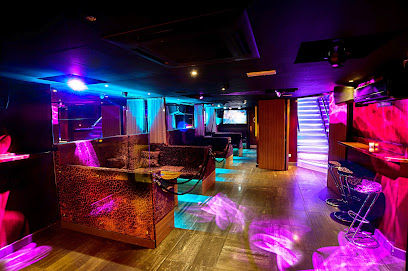
Club Swizzle
1.5 km
Dive into acrobatic cabaret mayhem at the Roundhouse: Swizzle Boys flip chairs, Reuben Kaye slays with wit, and the bar becomes your front-row thrill ride in Camden's hottest 2018 spectacle.
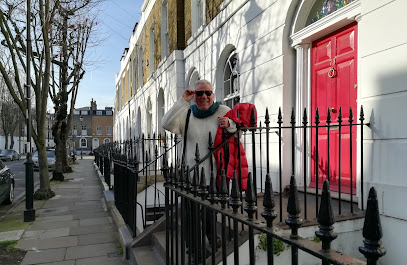
Comedy Carnival Covent Garden
1.5 km
London's premier stand-up comedy venue showcasing bold, award-winning international comedians in vibrant Covent Garden.

Soul City
1.6 km
A Saturday-night Camden basement party celebrating soul, disco and funk with DJ-led, record-minded sets in The Jazz Cafe’s atmospheric room.
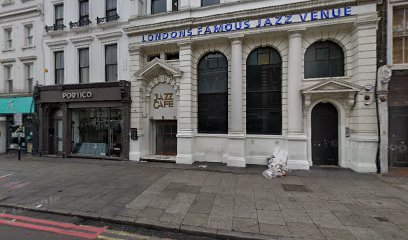
Sunset night club
1.6 km
Dive into Soho's electric nightlife at Sunset Night Club, where thumping beats, craft cocktails, and dawn-chasing energy define unforgettable nights in London's vibrant core.
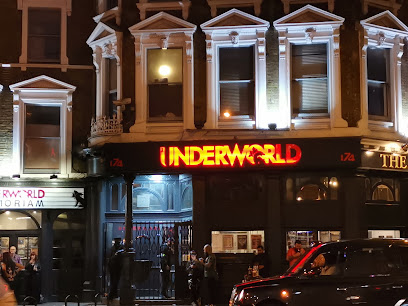
The Underworld
1.6 km
Dive into Camden's throbbing heart of rock and metal at this legendary basement club, where intimate gigs unleash mosh pits and unforgettable riffs.
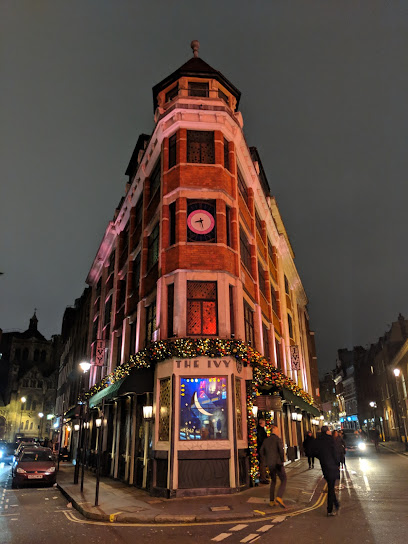
The Ivy Club
1.6 km
Art-Deco‑tinged members’ club above The Ivy — piano bars, discreet private dining and polished West End glamour.
For the vibe & atmosphere seeker
- Tranquil
- Scenic
- Unique
- Relaxing
For the design and aesthetic lover
- Vintage Styles
- Art Deco Styles
For the architecture buff
- Historic
- Landmarks
- Sacred Sites
For the view chaser and sunset hunter
- Iconic Views
For the social media creator & influencer
- Instagrammable
- Photo Spots
- Architectural Shots
For the eco-conscious traveler
- Public-Transport Accessible
- Locally Managed
For the kind of experience you’re after
- Cultural Heritage
- Photowalk
- Day Trip
- Weekend Getaway
For how adventurous you want the journey to be
- Easy Access
Location Audience
- Family Friendly
- LGBT Friendly
- Senior Friendly
- Child Friendly
- Teen Friendly
- Wheelchair Access
- Pet Friendly
- Solo Friendly
- Couple Friendly
- Solo Female Friendly
- Vegetarian Friendly
- Vegan Friendly


