

The Albert Memorial: A Victorian Gothic Masterpiece in Kensington Gardens
A breathtaking Victorian Gothic monument in Kensington Gardens, honoring Prince Albert’s legacy with intricate sculptures and gilded grandeur.
The Albert Memorial in Kensington Gardens, London, is a grand Victorian Gothic Revival monument dedicated to Prince Albert, Queen Victoria’s husband. Unveiled in 1872 and designed by Sir George Gilbert Scott, it features a gilded statue of Albert beneath an ornate canopy, surrounded by nearly 200 allegorical sculptures representing the arts, sciences, and continents. Situated opposite the Royal Albert Hall, it stands as a poignant tribute to Albert’s legacy and Victorian Britain’s cultural aspirations.
A brief summary to The Albert Memorial
- Kensington Gardens, London, W2 2UH, GB
- +442072982000
- Visit website
- Duration: 0.5 to 1.5 hours
- Free
-
 Outdoor
- Mobile reception: 4 out of 5
- Monday 6 am-9 pm
- Tuesday 6 am-9 pm
- Wednesday 6 am-9 pm
- Thursday 6 am-9 pm
- Friday 6 am-9 pm
- Saturday 6 am-9 pm
- Sunday 6 am-9 pm
Local tips
- Visit during daylight hours to fully appreciate the intricate details and vibrant mosaics of the memorial.
- Combine your visit with a tour of the nearby Royal Albert Hall and other Albertopolis institutions for a rich cultural experience.
- Look closely at the Frieze of Parnassus and allegorical sculptures to understand the Victorian values and Prince Albert’s interests.
- Bring a camera for stunning photos, especially capturing the gilded statue against the sky and the memorial’s Gothic spire.

For the on-the-go comforts that matter to you
- Restrooms
- Drink Options
- Food Options
- Seating Areas
- Information Boards
Getting There
-
London Underground
Take the District or Circle Line to South Kensington station, approximately a 10-15 minute walk through Kensington Gardens to the memorial. The station is wheelchair accessible. No additional fare beyond standard London Underground pricing applies.
-
Bus
Several bus routes serve the area, including routes 9, 10, 52, and 452, stopping near Kensington Gardens. Travel time varies from 20 to 35 minutes from central London. Buses are accessible, but service frequency may vary on weekends and evenings. Standard London bus fares apply.
-
Taxi or Rideshare
A taxi or rideshare from central London takes approximately 15-25 minutes depending on traffic. This option offers door-to-door convenience but can be affected by congestion charges and peak-hour traffic. Typical fares range from £10 to £20.
The Albert Memorial location weather suitability
-
 Any Weather
-
 Clear Skies
-
 Mild Temperatures
-
 Rain / Wet Weather
Discover more about The Albert Memorial
A Monument Born of Grief and Grandeur
Commissioned by Queen Victoria after the death of her husband Prince Albert in 1861, the Albert Memorial was unveiled in 1872 as a lavish tribute to his memory. Designed by renowned Gothic Revival architect Sir George Gilbert Scott, the memorial embodies the Victorian era’s artistic sensibilities and cultural ambitions. Its construction, funded by public subscription and parliamentary grants, took over a decade, reflecting the importance placed on commemorating Albert’s influence on British society.Architectural Splendor and Symbolic Richness
The memorial’s centerpiece is a 14-foot gilded bronze statue of Prince Albert seated beneath an ornate Gothic canopy soaring to 176 feet. The canopy is richly decorated with mosaics and intricate stonework, while the monument’s base features the Frieze of Parnassus, depicting celebrated painters, poets, sculptors, musicians, and architects—an homage to Albert’s patronage of the arts. Surrounding the statue are marble figures representing the four continents—Europe, Asia, Africa, and America—symbolizing the global reach of the British Empire during Albert’s time.Celebrating Arts, Sciences, and Industry
The memorial also honors the disciplines Prince Albert championed. Allegorical sculptures of manufacture, commerce, agriculture, and engineering adorn the structure, alongside figures representing the useful arts and sciences such as chemistry, astronomy, medicine, and philosophy. These elements collectively celebrate Albert’s role in advancing the Great Exhibition of 1851 and his broader contributions to education, industry, and culture.Context Within Albertopolis and Cultural Legacy
Located in Kensington Gardens, the memorial faces the Royal Albert Hall, another monument dedicated to Prince Albert’s memory. This placement anchors the memorial within the cultural district known as Albertopolis, home to institutions like the Natural History Museum and the Science Museum, all inspired by Albert’s vision. The memorial stands not only as a personal tribute but also as a symbol of Victorian Britain’s confidence and global influence.Restoration and Preservation Efforts
By the late 20th century, the memorial had deteriorated due to pollution and weathering. A major restoration project cleaned, repaired, and re-gilded the statue of Albert, restoring its original brilliance. Notably, the statue had been painted black for decades, likely due to atmospheric damage rather than wartime camouflage. Today, the memorial remains a striking landmark, preserved as a testament to Victorian craftsmanship and royal devotion.An Immersive Experience for Visitors
Visitors to the Albert Memorial are greeted by a feast of visual detail and symbolism. The intricate carvings, gilded surfaces, and allegorical sculptures invite close inspection and reflection on Victorian ideals and Prince Albert’s enduring legacy. Situated within the tranquil greenery of Kensington Gardens, the memorial offers a contemplative space amidst London’s bustling cultural heart.Iconic landmarks you can’t miss

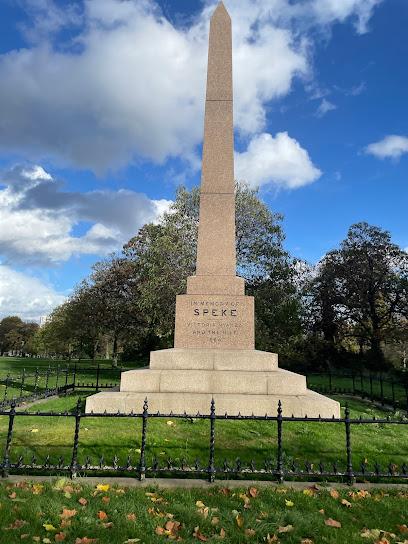
Speke Monument
0.7 km
A Victorian obelisk in Kensington Gardens honouring explorer John Hanning Speke, who identified Lake Victoria as the source of the Nile.
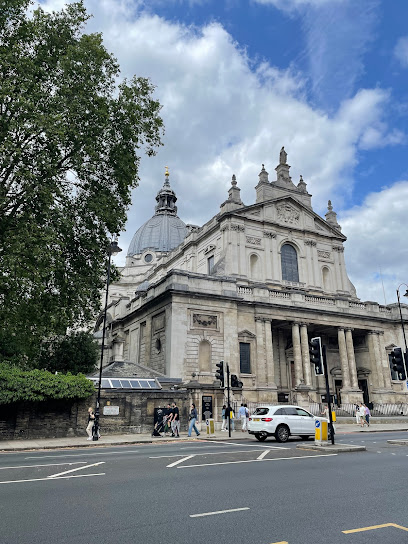
Empire House
0.9 km
Historic Edwardian landmark in South Kensington offering luxurious apartments near London’s premier cultural and shopping districts.
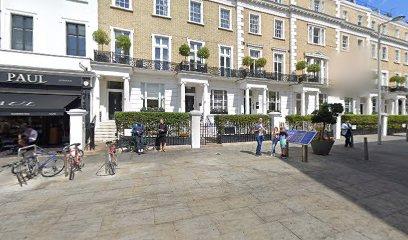
Norwegian War Memorial
0.9 km
A solemn granite tribute in Hyde Park honoring British-Norwegian friendship and support during World War II.

37 Thurloe St
0.9 km
Historic Victorian townhouse in South Kensington's cultural heart, steps from world-class museums and the Underground.
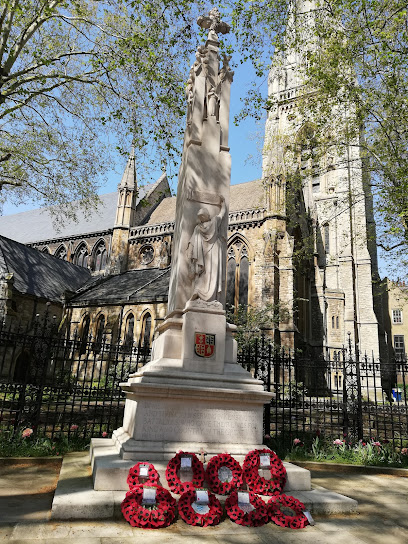
Kensington War Memorial
0.9 km
A solemn gothic cross memorial honoring Kensington’s fallen soldiers, set beside the historic St Mary Abbots Church.
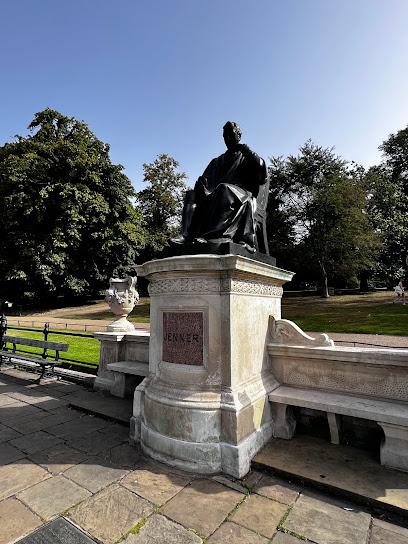
Edward Jenner Memorial
0.9 km
Victorian marble tribute to the physician who conquered smallpox and invented vaccination.
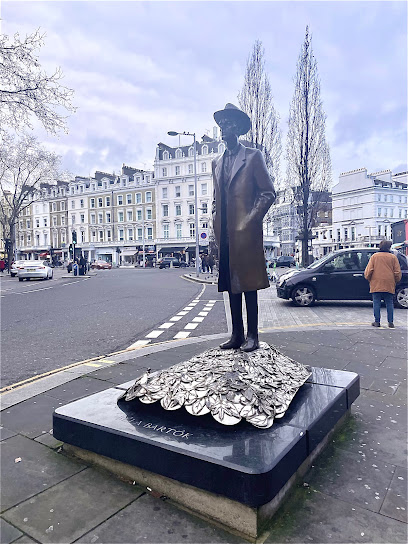
Béla Bartók Memorial
1.0 km
Celebrate the legacy of Béla Bartók, the Hungarian composer and ethnomusicologist, through this evocative bronze memorial in London’s South Kensington.
The Old Police House
1.1 km
Historic police station and visitor hub nestled in the heart of Hyde Park, blending heritage with the tranquility of London’s iconic green space.
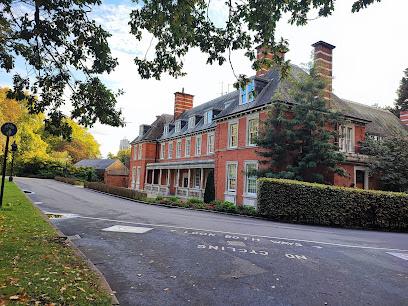
142 Cromwell Rd
1.1 km
Historic Victorian office building in prestigious South Kensington, steps from world-class museums and transport hubs.

Sussex Gardens
1.2 km
A serene Victorian garden oasis nestled in the historic Tyburnia district, blending lush greenery with elegant architecture in central London.
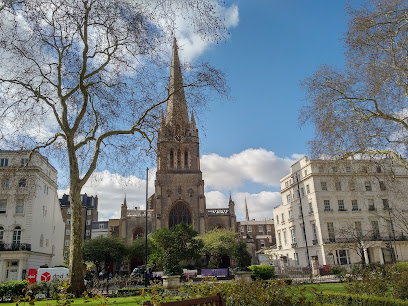
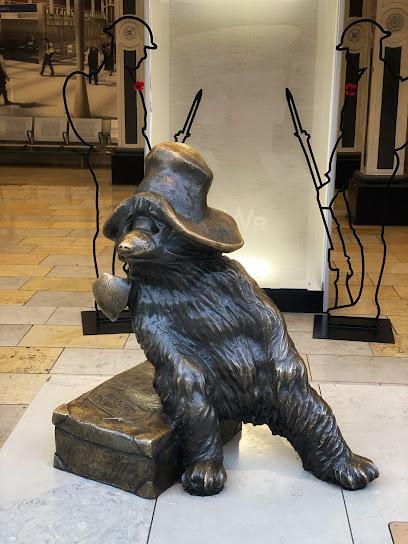
Paddington Bear Statue
1.6 km
Visit the charming Paddington Bear Statue in London, a delightful tribute to the beloved character that captures the hearts of tourists and locals alike.
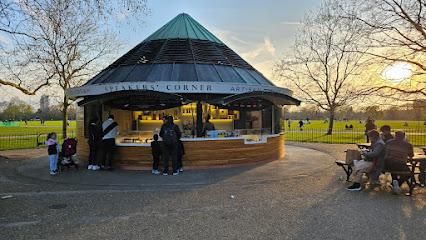
Speakers' Corner
1.6 km
Historic Speakers' Corner in Hyde Park: London's iconic open-air forum for free speech and public debate since the 19th century.
Space Apart Hotel
1.7 km
Modern serviced apartments in historic Kensington Gardens Square, offering stylish comfort and easy access to London’s top attractions.

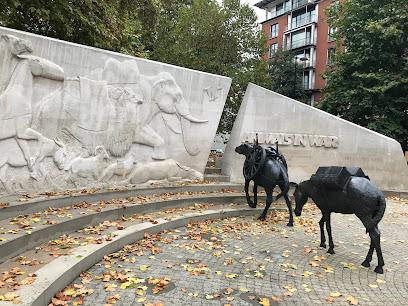
Animals In War Memorial
1.7 km
A poignant tribute in central London to the animals that served and died in wars alongside British and Allied forces, from horses and mules to dogs and pigeons.
2 Eastbourne Terrace
1.7 km
Explore the architectural beauty of 2 Eastbourne Terrace, a stunning landmark in London showcasing the city's rich history and modern charm.
Unmissable attractions to see

Royal Albert Hall
0.2 km
Experience the grandeur and timeless cultural legacy of London’s iconic Royal Albert Hall, a world-famous venue for music and the arts.
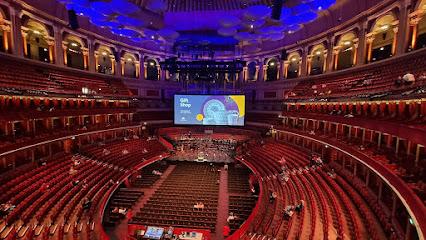
Imperial Cinema
0.3 km
A cozy, student-centered cinema blending academic culture and entertainment in the heart of South Kensington.
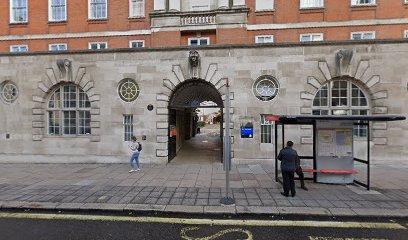
Serpentine Gallery
0.3 km
Discover cutting-edge contemporary art and architecture in the heart of Kensington Gardens, London’s iconic cultural oasis.
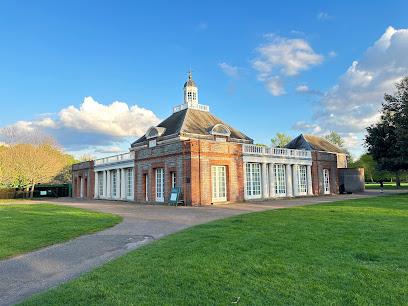
Queen's Tower
0.4 km
Discover the Queen's Tower, a stunning historical landmark in South Kensington, showcasing Victorian architecture and rich cultural heritage.
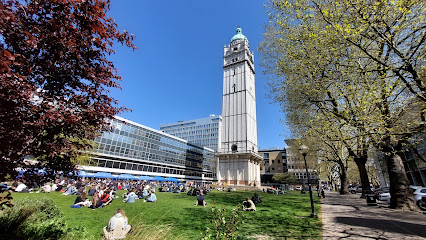
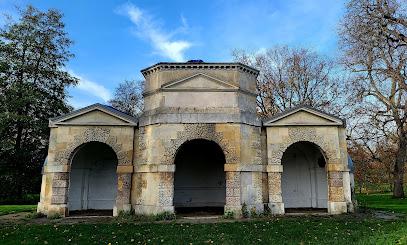
Queen Caroline's Temple
0.5 km
An elegant 18th-century neoclassical summerhouse in Kensington Gardens, celebrating Queen Caroline’s artistic and landscape legacy.
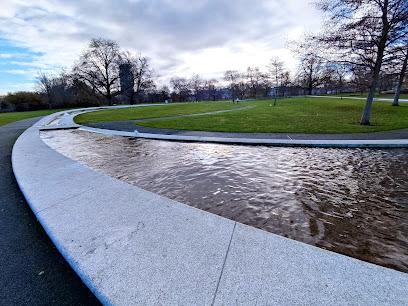
Diana, Princess of Wales Memorial Fountain
0.5 km
A serene, interactive water memorial in Hyde Park honoring Princess Diana’s life and legacy through innovative design and tranquil reflection.
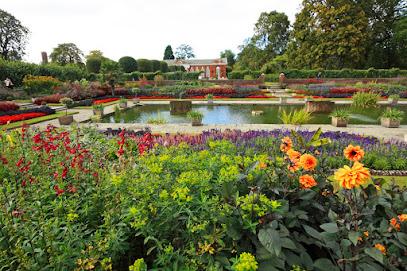
Kensington Gardens
0.5 km
Explore Kensington Gardens, a royal London oasis blending historic grandeur, iconic landmarks, and family-friendly adventures across 265 acres of green space.
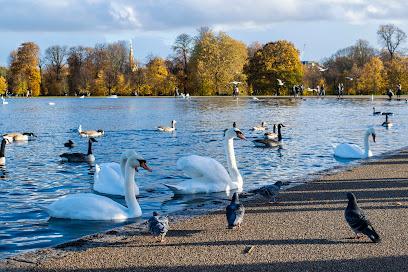
Round Pond
0.6 km
Historic ornamental lake in Kensington Gardens, home to model yachts and diverse wildlife, set against the iconic backdrop of Kensington Palace.
Science Museum
0.6 km
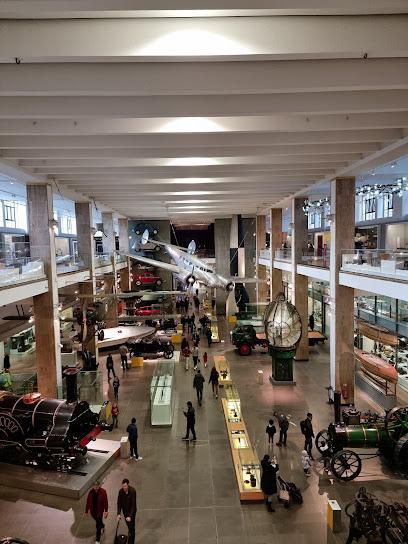
Explore London’s iconic Science Museum with interactive exhibits, live demos, and iconic artifacts celebrating scientific achievement.
Natural History Museum
0.6 km
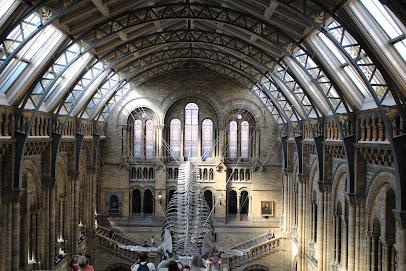
Explore 4.5 billion years of Earth’s history through iconic fossils, dazzling exhibits, and tranquil gardens at London’s Natural History Museum.
Queen Victoria Statue
0.7 km
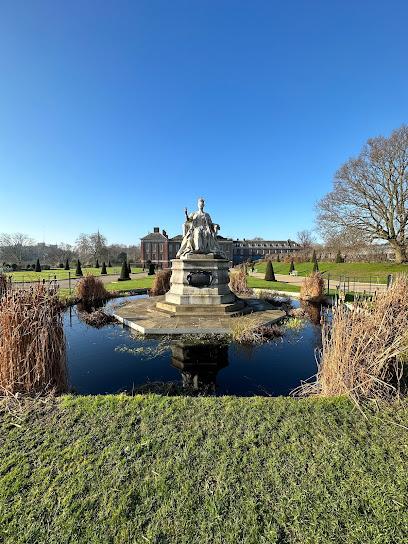
A majestic marble statue of Queen Victoria by her daughter, marking the birthplace and childhood home of one of Britain’s most iconic monarchs.
Victoria and Albert Museum
0.7 km
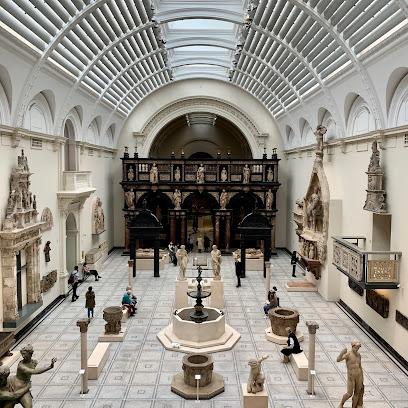
Explore centuries of art, design, and fashion at London’s iconic Victoria and Albert Museum, where creativity meets history in a stunning Victorian setting.
Kensington Palace
0.7 km
Discover centuries of royal history and serene gardens at Kensington Palace, a majestic London landmark and former home to British monarchs.
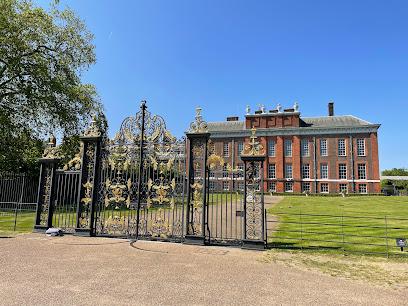
The Hole in the Wall
0.8 km
A timeless, authentic London pub near Waterloo station, famed for its hearty ales, no-frills charm, and welcoming local atmosphere.
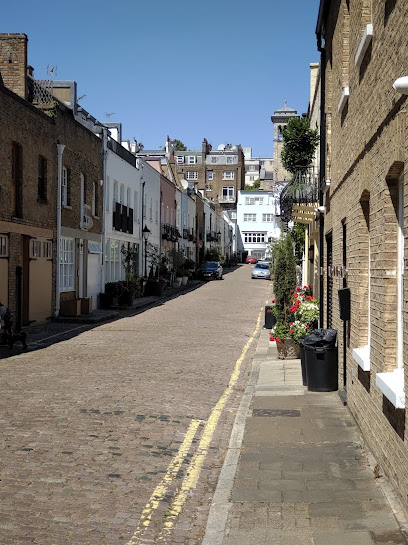
Kensington Palace Green
0.8 km
A peaceful royal garden oasis beside Kensington Palace, blending lush greenery with centuries of British history in central London.

Essential places to dine

Spaghetti House Italian Restaurant Kensington High Street
0.7 km
Authentic Italian flavors and cozy charm await at Spaghetti House on Kensington High Street, perfect for casual dining in central London.
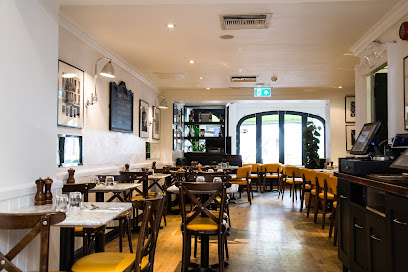
Prezzo Italian Restaurant London Kensington
0.8 km
Cozy Italian dining in the heart of Kensington with classic pasta, pizza, and family-friendly options in a stylish, relaxed setting.
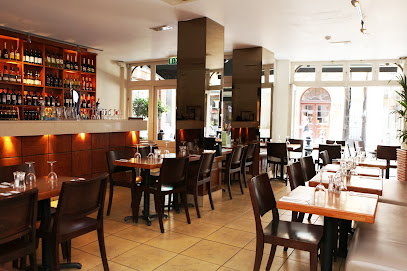
Zuaya London
0.8 km
Discover modern Latin American cuisine with vibrant flavors, stylish ambiance, and exceptional cocktails in the heart of Kensington.
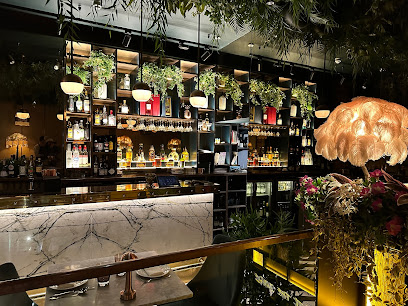
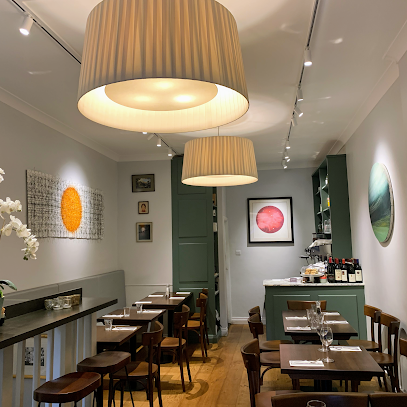
Grato
0.8 km
Cozy Italian dining with handmade pasta and warm hospitality in the tranquil heart of Kensington Square, London.
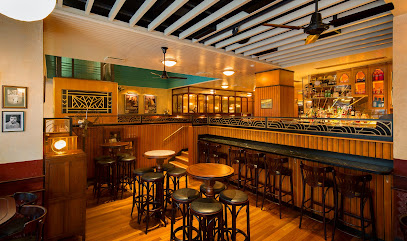
Dishoom Kensington
0.9 km
Experience the vibrant flavours and Art Deco charm of Bombay’s iconic Irani cafés at Dishoom Kensington, London’s stylish Indian dining destination.
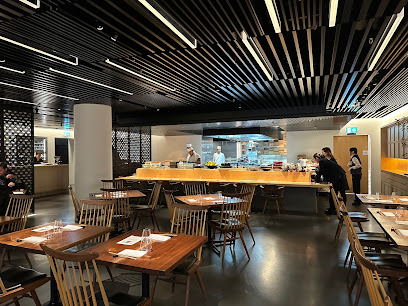
Akira Restaurant at Japan House London
1.0 km
Experience authentic Japanese elegance and exquisite omakase dining in the heart of Kensington at Akira Restaurant, Japan House London.
The Ivy Kensington Brasserie
1.0 km
Classic British brasserie charm meets lively Kensington atmosphere in this elegant all-day dining hotspot on High Street.
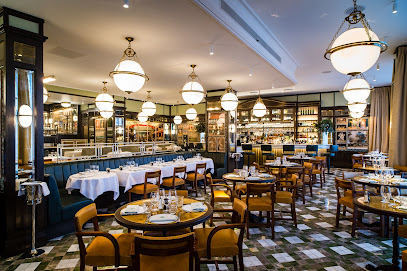
Alexandrie Restaurant
1.1 km
Experience authentic Egyptian flavors and elegant dining in the heart of Kensington with Alexandrie’s refined Mediterranean cuisine.
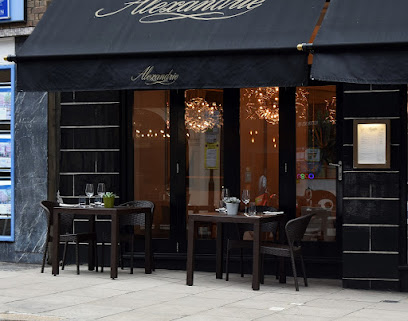
Town House Kensington
1.1 km
Elegant modern British dining with global influences in the heart of South Kensington, offering all-day meals and refined ambiance.
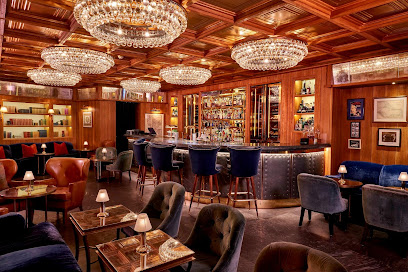
Dinner by Heston Blumenthal
1.2 km
Experience two Michelin-starred historic British cuisine reimagined with modern artistry at Dinner by Heston Blumenthal in the heart of Knightsbridge.
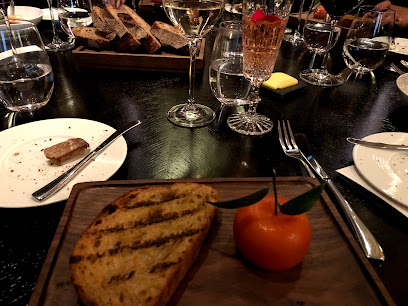
The Shed
1.3 km
A rustic, family-run gem in Notting Hill serving sustainable, farm-to-table British cuisine with a warm, unpretentious atmosphere.
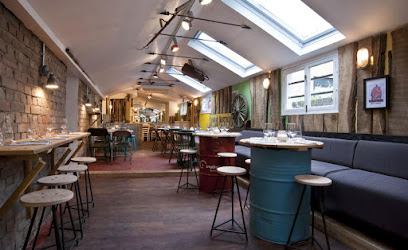
The Grenadier
1.6 km
Discover The Grenadier, a historic and haunted London pub steeped in military legacy and timeless charm in the heart of Belgravia.
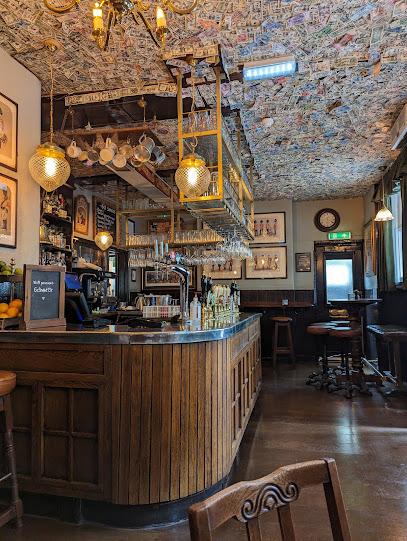
Il Portico
1.6 km
Authentic Northern Italian dining with family warmth and timeless charm in the heart of Kensington.
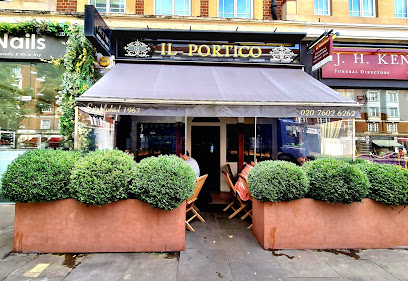
Rabbit
1.7 km
A rustic yet refined modern British bistro on King's Road, celebrating sustainable farm-to-fork dining in the heart of Chelsea.
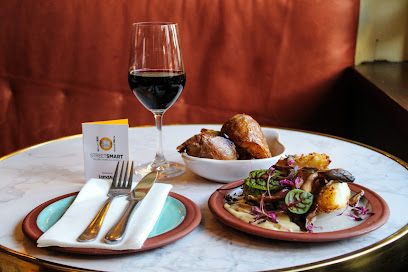
Cocotte Notting Hill
1.8 km
Experience authentic French rotisserie chicken in a cozy, farm-to-table setting on vibrant Westbourne Grove, Notting Hill.
Markets, malls and hidden boutiques

Science Museum Shop
0.6 km
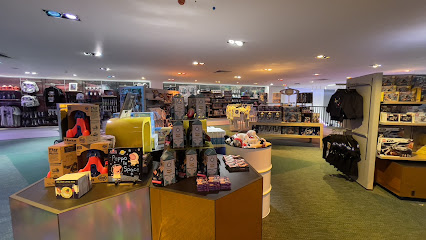
Ignite curiosity with science-inspired gifts, gadgets, and toys at this inventive shop inside London's Science Museum – perfect for all ages.
The Natural History Museum Shop
0.7 km
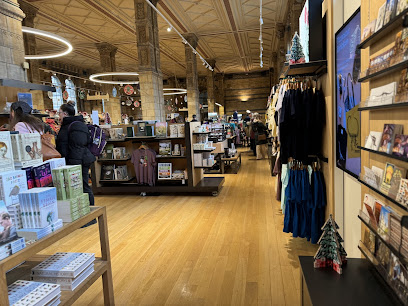
Discover nature’s wonders through unique gifts and souvenirs at the Natural History Museum Shop in London’s iconic museum.
Kensington Palace Shop
0.8 km
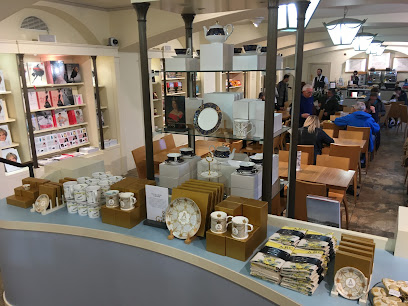
Discover regal treasures at Kensington Palace Shop: fine china, jewellery, and exclusive souvenirs inspired by centuries of royal elegance in London's premier palace grounds.
V&A Shop
0.8 km
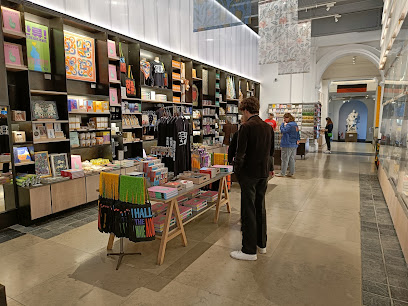
Discover art-inspired gifts and unique keepsakes at the V&A Shop, nestled within London’s renowned Victoria and Albert Museum.
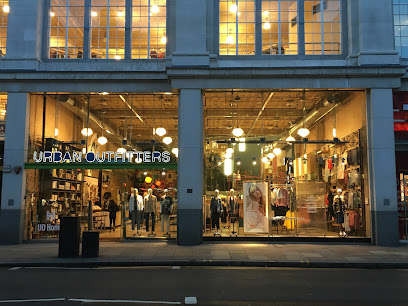
Urban Outfitters
0.8 km
Trendy threads and eclectic home vibes on London's iconic Kensington High Street – Urban Outfitters delivers boho-chic shopping with a creative edge.
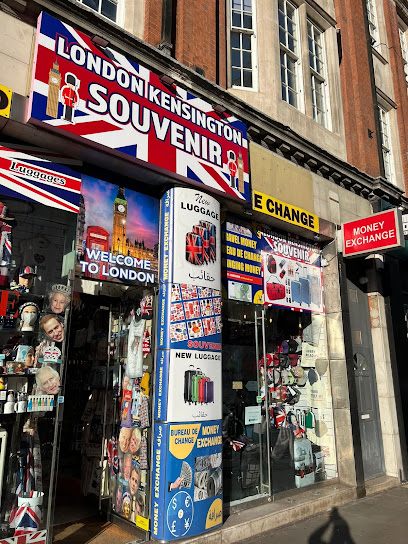
London Souvenir Kensington
0.9 km
Kensington High Street's go-to for authentic London souvenirs: red buses, royal trinkets, and Union Jack delights in a shopper's paradise.
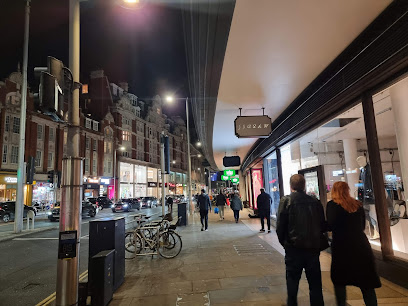
Jigsaw
0.9 km
Refined British womenswear on Kensington High Street, where timeless tailoring meets contemporary elegance in a stylish boutique haven.
Good
1.0 km
Discover timeless designer vintage at Good, where Kensington Church Street's charm meets sustainable high fashion in a curated second-hand paradise.

The London Shop
1.3 km
Friendly and affordable gift shop in vibrant Queensway, London, open daily with a welcoming atmosphere and great souvenirs.
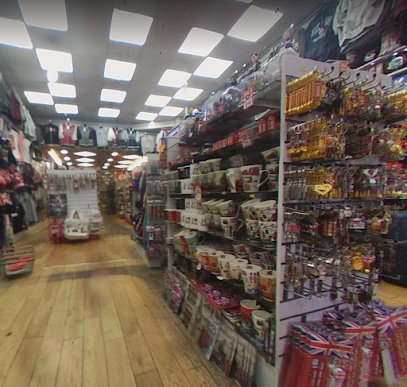
Oxfam Shop - Kensington High Street
1.4 km
Unearth ethical treasures on Kensington High Street at this vibrant Oxfam shop, where second-hand style funds global change amid London's posh shopping scene.
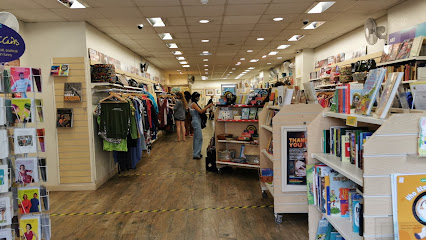
Notting hill store
1.5 km
Explore Notting Hill's local convenience store, your one-stop shop for groceries, unique souvenirs, and reliable luggage storage.
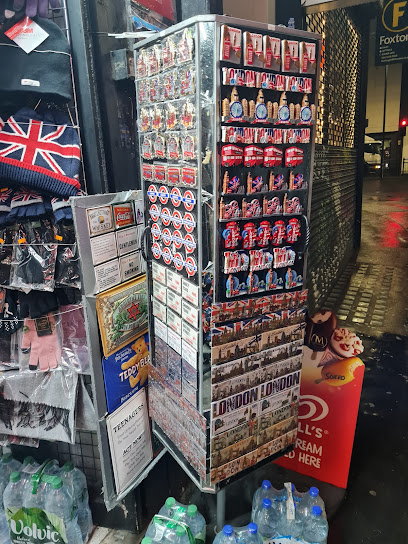
the Design Museum Shop
1.6 km
Curated gifts, books and design objects from the Design Museum’s High Street, Atrium and Exhibition shops—where form, craft and everyday use meet.
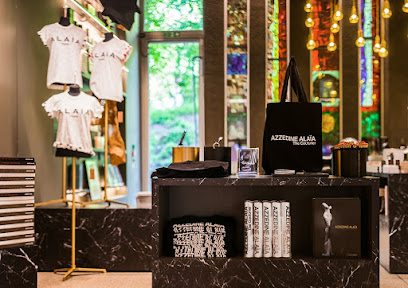
the Design Museum Shop - High Street Shop
1.6 km
Curated design haven on Kensington High Street: books, homewares, and innovative gifts celebrating creativity from the Design Museum.
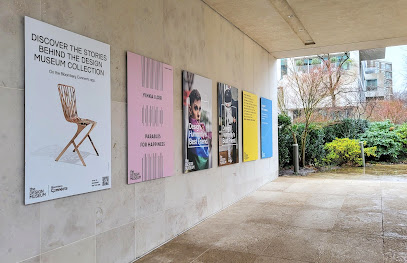
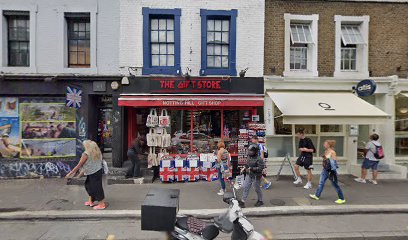
The gift store
1.6 km
Discover quirky handmade crafts and Notting Hill treasures at this vibrant Pembridge Road gem, where every shelf holds a unique story from London's creative heart.
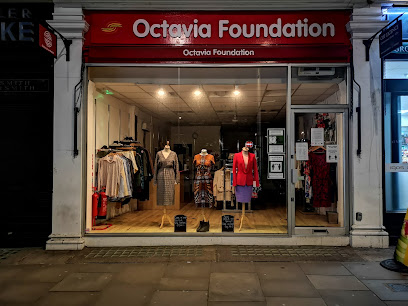
Octavia Foundation - Kensington
1.6 km
Discover designer bargains and vintage treasures at this Kensington High Street charity shop, funding life-changing support for local communities in true Octavia Hill spirit.
Essential bars & hidden hideouts

Bar 190
0.3 km
Experience London’s legendary rock ’n’ roll cocktail bar with classic Victorian charm and expertly crafted drinks at Bar 190.
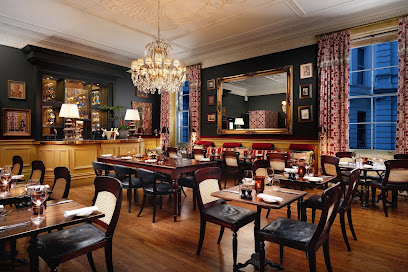
Stables Bar
0.6 km
Elegant Kensington cocktail haven in a former stable, blending equestrian heritage with inventive mixology and cosy conservatory vibes opposite lush gardens.
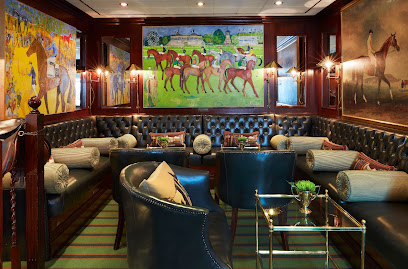
AMARO BAR - London
0.7 km
Elegant Kensington cocktail bar blending Savoy mastery with inventive twists, vintage rarities, and intimate speakeasy charm on High Street.
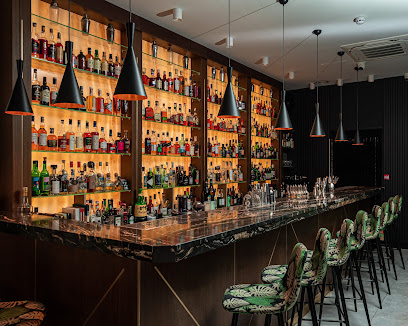
Piano Kensington
0.7 km
Live piano requests, cocktails and casual late-night bites in the Royal Garden Hotel — a music-led, relaxed Kensington night out.
The Builders Arms
0.8 km
A classic Kensington pub with cosy period character, modern British comfort food and a lively, neighbourhood atmosphere.
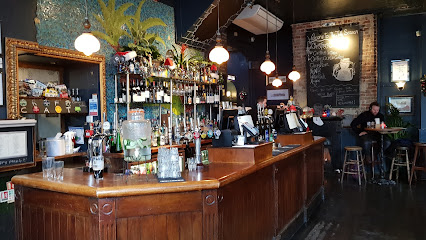
High Spirit Cocktail Bar
0.9 km
A friendly, compact cocktail bar on Kensington High Street serving well-made classics and creative seasonal drinks in a warm, music-led setting.
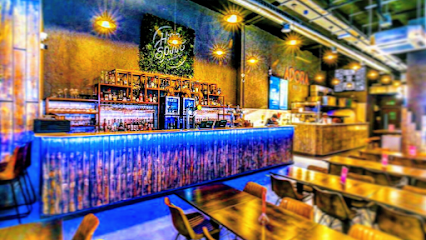
Prince of Wales
0.9 km
A cosy Kensington pub of warm wood, classic pints and a surprising Thai menu tucked behind a Victorian façade.
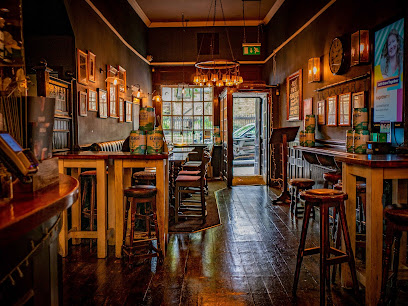
K Bar
1.1 km
Sophisticated South Kensington cocktail haven blending innovative mixology, gem-inspired elixirs, and plush club-like elegance for unforgettable evenings.
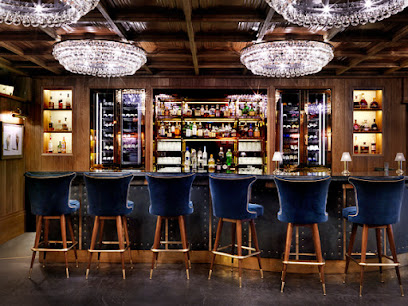
The Hereford Arms, South Kensington
1.1 km
Victorian South Kensington pub pouring Fuller's ales, serving refined classics like cod and cottage pie amid Hitchcock charm and Ripper lore.
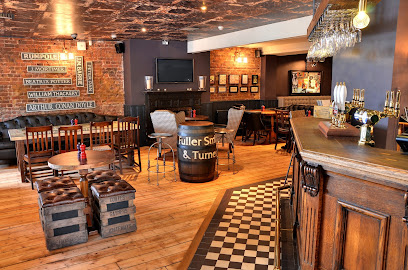
The Owl and Monkey Cocktail Bar
1.1 km
A stylish South Kensington cocktail bar blending tropical design, sustainable mixology, and warm hospitality for memorable nights.
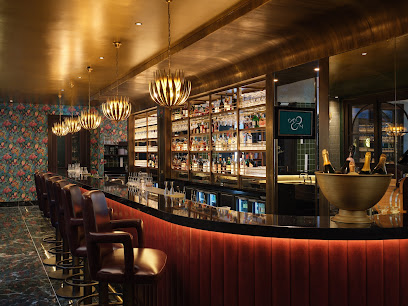
The Churchill Arms, Kensington
1.3 km
London's floral-festooned pub icon: Churchill memorabilia, pioneering Thai eats, and blooming facades since 1750 in vibrant Kensington.
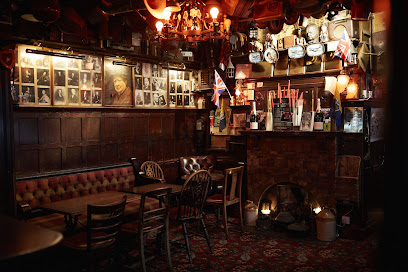
The Victoria, Paddington
1.3 km
Step into The Victoria, Paddington, a historic Victorian pub blending timeless charm, rich heritage, and refined British dining in a warm, inviting setting.
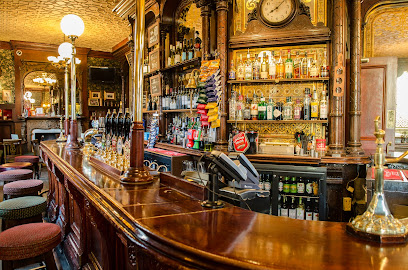
The Dickens Tavern
1.5 km
Classic British pub with hearty fare and ales, nestled in Paddington’s vibrant heart near London Paddington Station.
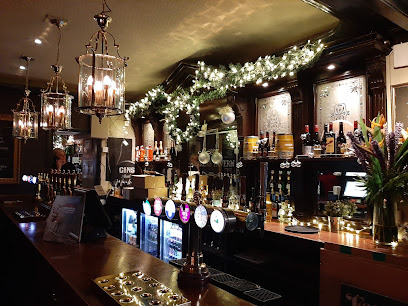
The Henderson Bar & Kitchen
1.5 km
Notting Hill's carnival-inspired bar serving twisted British classics from breakfast to cocktails on a sunny terrace—honoring Russ Henderson's legacy.
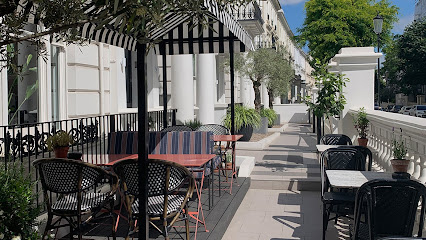
Evans & Peel Detective Agency
1.6 km
Step into a secret 1920s detective office for immersive cocktails, live jazz, and a playful mystery-solving speakeasy experience in London’s Earl’s Court.
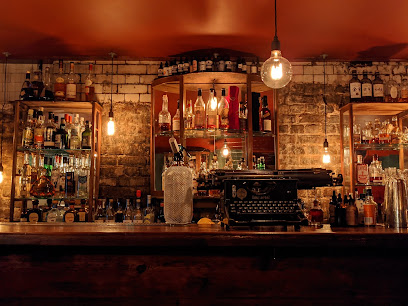
Nightclubs & after hour spots

Metric
0.2 km
A compact, collegiate nightclub beneath Imperial College’s Beit Quadrangle — lively student nights, intimate dancefloor and a campus-centred party vibe.
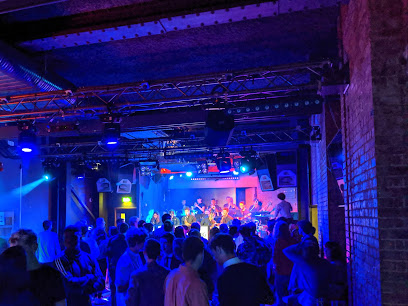
Dolce Night Club , London
0.9 km
Elite VIP nightclub in South Kensington blending luxurious design, R&B beats, and high-end cocktails for unforgettable weekend revelry.
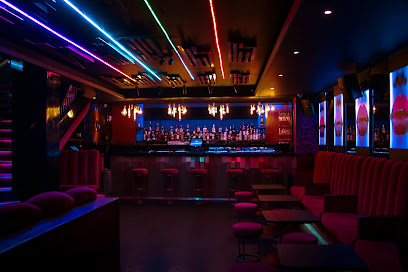
B London
1.1 km
Dive into South Kensington's electric nightlife at B London, where sophisticated beats and stylish crowds fuel unforgettable nights from 9pm till dawn.
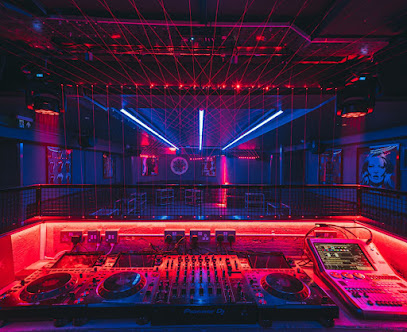
Privilege Entertainment Ltd
1.1 km
Discover the pulsating nightlife at Privilege Entertainment Ltd, London's premier entertainment agency and nightclub, where unforgettable experiences await.

Notting Hill Arts Club
1.4 km
West London's sweaty basement cradle of music legends since '97—coffee by day, live gigs and club nights till 2am in an intimate den of funk, jazz, and raw talent.
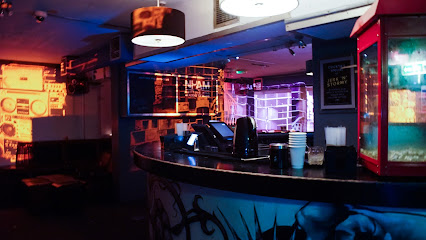
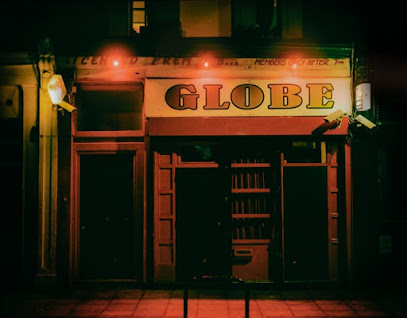
The Globe
2.2 km
Traditional London pub by day, lively late‑night bar and club by night—large, hireable rooms and a warm, characterful interior.
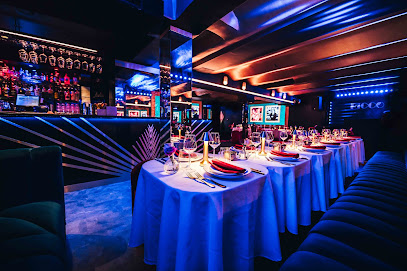
Ricco London
2.3 km
A plush, performance‑led lounge in Kensington Olympia where cocktails, Mediterranean sharers and cabaret create theatrical late‑night nights.
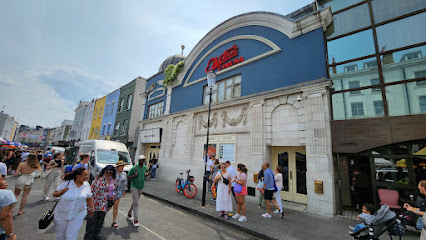
The Duke of Wellington
2.4 km
Historic Young's pub on Portobello Road: Victorian screens, market views, British roasts, and Notting Hill legends in every pint.
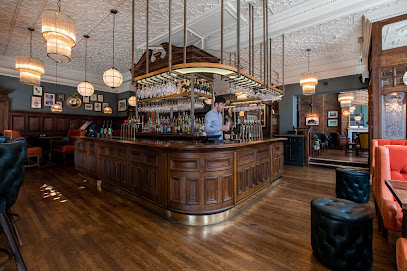
Electric House
2.4 km
Experience the vibrant social scene at Electric House, a chic social club in Notting Hill, London, blending style, comfort, and culinary delights.
LUXX CLUB LONDON
2.5 km
Experience Mayfair’s premier luxury nightclub with dazzling lights, top DJs, and exclusive VIP vibes at LUXX CLUB LONDON.
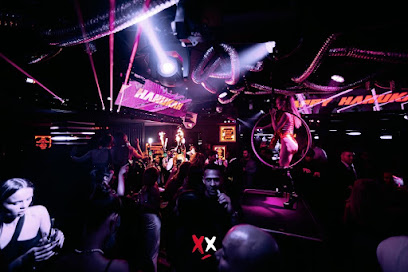
Carwash Nightclub
2.6 km
Europe's longest-running disco since 1989: sequins, funk beats, and joyful dancing in Mayfair's retro heart. Join the glitter-fueled party!
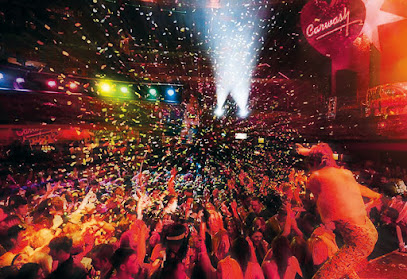
Tabu London
2.6 km
Escape Mayfair's polish for Tokyo's neon-lit Shinjuku alleys at Tabu London—retro gaming vibes, caged dancers, hip-hop beats, and upscale bites fuel epic nights.
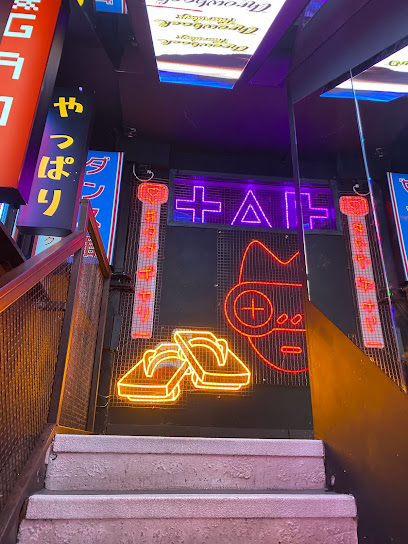
Subteranian
2.8 km
A compact underground club on Acklam Road delivering dense, DJ-led electronic nights with an intimate, bass-heavy atmosphere.
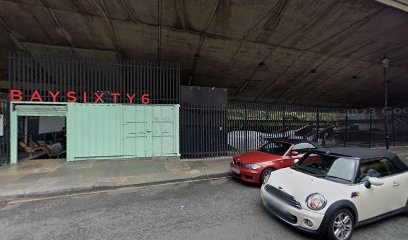
The Cuckoo Club
2.9 km
Exclusive Mayfair nightclub and restaurant blending glamorous design, contemporary cuisine, and vibrant nightlife in London’s upscale scene.
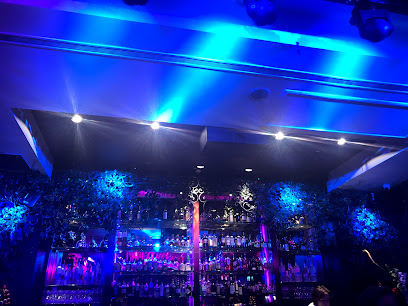
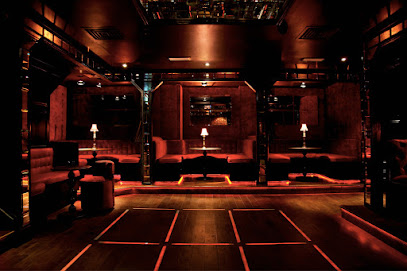
The Scotch of St James
2.9 km
Legendary Mayfair speakeasy where 60s rock stars jammed and today's elite dance till dawn in velvet-clad intimacy.
For the vibe & atmosphere seeker
- Scenic
- Relaxing
- Tranquil
- Unique
For the design and aesthetic lover
- Victorian Gothic Revival
For the architecture buff
- Historic
- Landmarks
- Art & Design
- Parks & Gardens
For the view chaser and sunset hunter
- Iconic Views
- Panoramas
- Sunset Spots
For the social media creator & influencer
- Instagrammable
- Photo Spots
- Selfie Spots
- Architectural Shots
For the eco-conscious traveler
- Public-Transport Accessible
- Leave-No-Trace Critical
- Locally Managed
For the kind of experience you’re after
- Cultural Heritage
- Photowalk
- Day Trip
- Weekend Getaway
For how adventurous you want the journey to be
- Easy Access
Location Audience
- Family Friendly
- Senior Friendly
- Child Friendly
- Teen Friendly
- Wheelchair Access
- Solo Friendly
- Couple Friendly
- Vegetarian Friendly
- Vegan Friendly


