

Rochester Cathedral, London Travel Guide
Free Guide: A major Norman cathedral in Rochester’s historic precinct, where medieval stone, the crypt, and a working worship space shape a focused city visit.


A brief summary of Rochester Cathedral
A major Norman cathedral in Rochester’s historic precinct, where medieval stone, the crypt, and a working worship space shape a focused city visit.
Rochester Cathedral is one of England’s oldest Christian sites, with a history stretching back to AD 604. Set in the historic precinct near the castle and High Street, it combines a vast medieval nave, a Norman west front, and the oldest surviving crypt in the building. Visitors come for quiet interior time, guided tours, worship, and a compact but rewarding heritage stop.
On-site amenities
 Restrooms
 Drink options
 Food options
 Seating areas
 Sheltered areas
 Trash bins
 Information boards
 Visitor centre
Opening hours
- Mon–Sat10 am–4 pm
- Sun1 pm–3 pm
Opening hours as listed on the venue’s Google Business Profile. Hours can change for services and special events, so check with the venue before you go.
- Address
- Garth House Rochester The Precinct
- Phone
- Website
Getting there
Train
Car
Coach
Discover more about Rochester Cathedral
What it is
Rochester Cathedral is a working Anglican cathedral and one of Kent’s most important historic monuments. Founded in AD 604, it is England’s second oldest cathedral by foundation date and the mother church of the Diocese of Rochester. The present building is largely medieval, with major Norman and Gothic phases, and its most striking exterior feature is the west front, which gives the cathedral a heavy, fortress-like presence in the city centre.
What the visit feels like
The experience is calm and measured rather than theatrical. You step from the streets of Rochester into a large stone interior where the scale is impressive but not overwhelming. The nave, chapels, and crypt create a layered sequence of spaces, and the oldest parts of the building are especially atmospheric. Light is subdued, the acoustics are soft, and the building encourages slow looking rather than rushing through. Visitors usually spend time reading the architecture, pausing for reflection, or joining a guided tour that explains the cathedral’s long religious and civic role.
Why people come
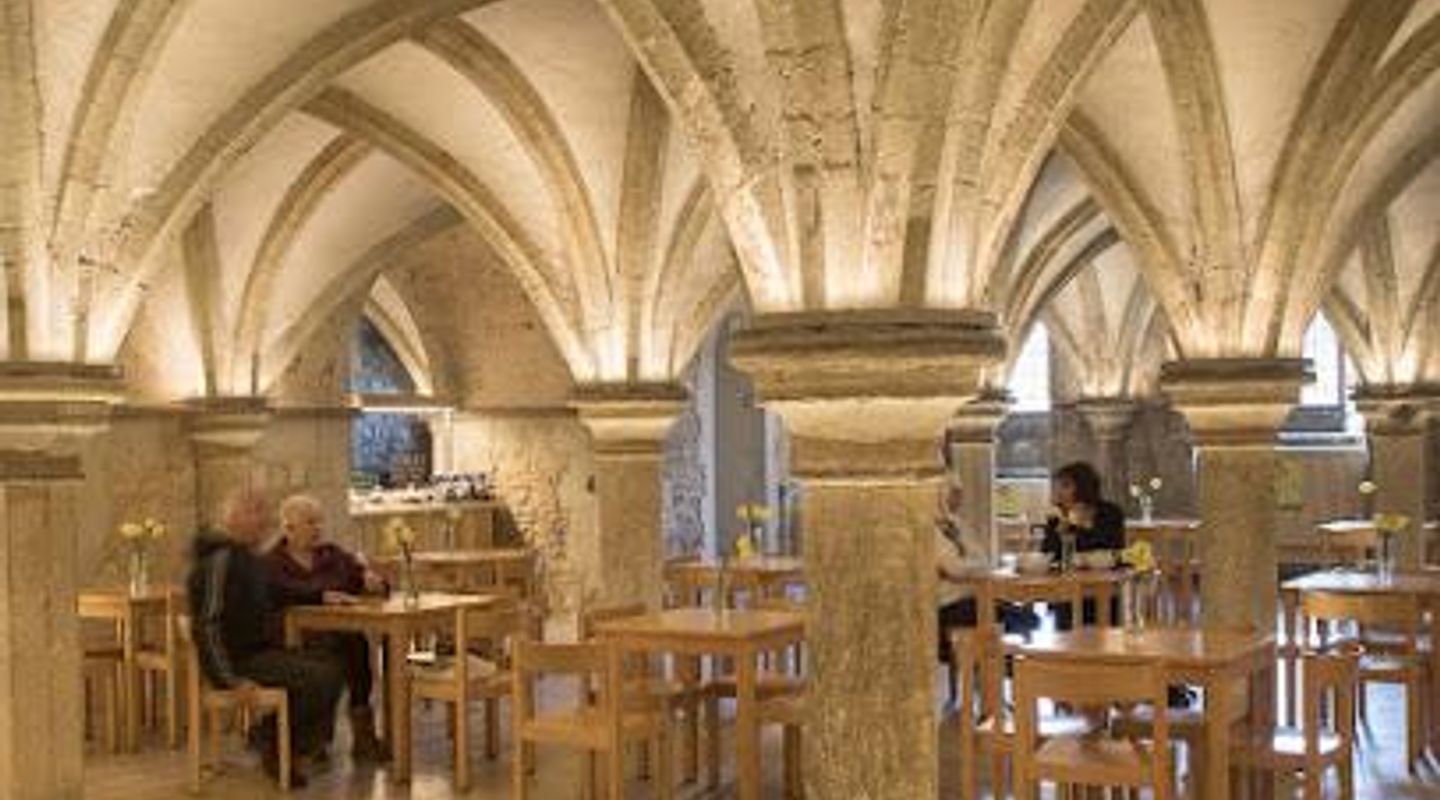
Travellers visit for the medieval fabric, the Norman west front, the crypt, and the cathedral’s literary and historical associations, including its links with Charles Dickens. It is also a practical stop for those exploring Rochester’s wider heritage area, since the cathedral sits close to the castle, the High Street, and the river-facing historic streets. The site works well as a half-day cultural outing, but many visitors stay for an hour or two, combining the interior with the crypt café and shop.
Practical expectations
This is a city-centre attraction with easy rail access and no need for a hike. The cathedral is generally straightforward to reach on foot from Rochester station, and public transport is the best option if you want to avoid parking complications. Inside, access is good for a medieval building, with level entry to parts of the nave, but uneven floors and low lighting remain part of the experience. Facilities include toilets, accessible toilets, a café in the crypt, a shop, and visitor information. It is a reliable wet-weather choice and stays relevant year-round, though it feels busiest around midday, on weekends, and during services or events.
Evendo Review Centre
 Google
Guest reviews
Best time to go
Quietest: Jan, Feb & Nov · before 12pm or from 3pm
Busy times are Evendo estimates for a typical year, to help you plan. Actual crowds vary with events, school holidays and the weather.
Explore Rochester Cathedral on the map
A handpicked selection of must-see spots near Rochester Cathedral, mapped for you.
Get your free copy of our complete guide to Rochester Cathedral, delivered straight to you.
Everything on this page, from opening hours and how to get there to Eve’s tips and the best time to go, in one PDF you can read offline, print or share.
Already have an account? Sign in
Your Rochester Cathedral guide is ready.
We'll send it to · Not you? Sign out

Getting your guide ready…
We are putting together a fresh copy of the Rochester Cathedral guide. This can take up to a minute.
This can take a few moments. If your browser asks, choose Allow so the download can start. You'll find the guide in your Downloads folder.
Nothing happened? Download it again
Sorry, the guide is taking longer than usual. Please try again in a minute, or get it by email instead.
Unlock the best of Rochester Cathedral
Skip-the-line tickets, guided tours with entry, and walking tours of the area, booked in a few clicks.


Other nearby places you may find interesting
The closest places of the same kind, if this one is not quite what you had in mind.
-
-
-
-
-


Swipe for more places
More to explore near Rochester Cathedral

 Best experiences near Rochester Cathedral
 Best hotels near Rochester Cathedral
 Best landmarks near Rochester Cathedral
 Best attractions near Rochester Cathedral
 Best shops near Rochester Cathedral
 Best restaurants near Rochester Cathedral
 Best bars near Rochester Cathedral
Do you manage this location?
Take control to get all the benefits, like improved information, better appearance, and stronger visibility across AI-powered discovery.
Explore more

Explore more of London
Explore London: A city of iconic landmarks, rich history, vibrant culture, and endless attractions that cater to every taste, making it a must-visit destination.
Explore London
Explore more of United Kingdom
Discover the United Kingdom: A blend of rich history, stunning landscapes, and vibrant cities, offering a unique travel experience for every visitor.
Explore United Kingdom
