
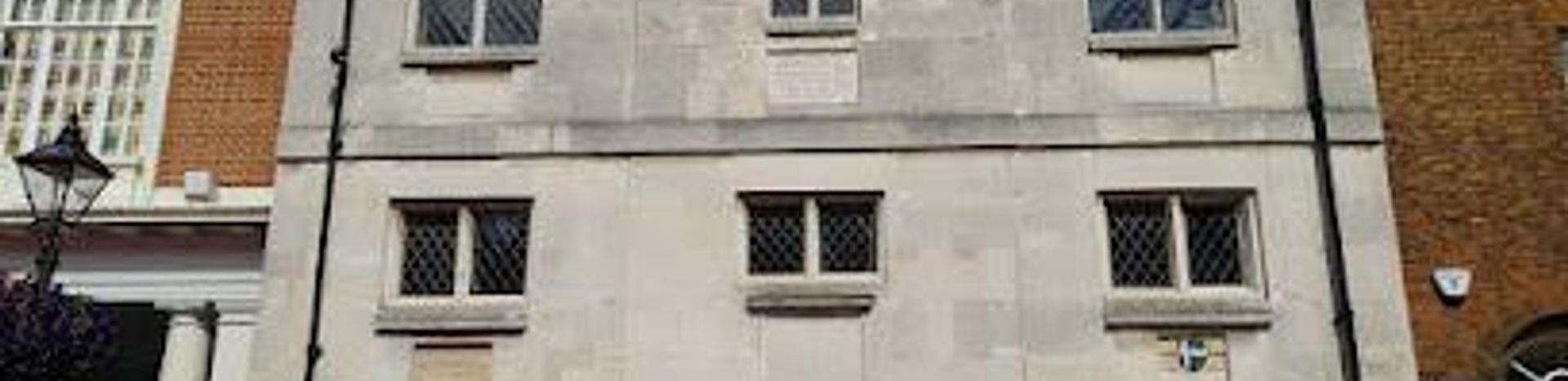
Six Poor Travellers House, Rochester
Step into Tudor philanthropy and Dickensian charm at Rochester’s historic Six Poor Travellers House, a timeless sanctuary for travellers since 1579.
The Six Poor Travellers House in Rochester is a historic Tudor-era charity house founded in 1579 by Elizabethan MP Richard Watts. It provided free lodging and sustenance for six impoverished travellers each night for over 350 years, closing in 1940. Immortalized by Charles Dickens in his Christmas story 'The Seven Poor Travellers,' this Grade I listed building features original Tudor architecture, a museum on the ground floor, and a tranquil herb garden in its courtyard.
A brief summary to Six Poor Traveller House
- 97 High St, Rochester, The Precinct, ME1 1LX, GB
- +441634849861
- Visit website
- Duration: 0.5 to 2 hours
- Budget
-
 Mixed
Mixed
- Mobile reception: 4 out of 5
Local tips
- Visit during warmer months to enjoy the fragrant herb garden in full bloom, enhancing the sensory experience.
- Check ahead for museum opening times as the site undergoes periodic maintenance and may have restricted access.
- Explore the ground floor museum to see original Tudor rooms and artefacts that tell the story of the charity’s long history.
- Combine your visit with a walk around Rochester’s historic High Street to soak up the Dickensian atmosphere.

For the on-the-go comforts that matter to you
- Restrooms
- Information Boards
- Seating Areas
Getting There
-
Train and Walk
From Rochester railway station, a 15-20 minute walk along the High Street leads to the Six Poor Travellers House. The route is mostly flat but includes cobbled streets, so comfortable footwear is recommended. No additional cost beyond train fare.
-
Bus
Local bus services connect Rochester town centre with stops near High Street. Bus journeys typically take 10-15 minutes from Medway towns. Tickets cost approximately £2-£4. Check schedules for frequency and accessibility.
-
Car
Driving to Rochester is straightforward via A2 or M2. Parking is available in nearby public car parks within a 5-10 minute walk. Charges vary but expect around £5-£10 for a few hours. The High Street is pedestrianized, so parking outside is restricted.
Six Poor Traveller House location weather suitability
-
 Any Weather
-
 Clear Skies
-
 Mild Temperatures
-
 Rain / Wet Weather
Discover more about Six Poor Traveller House
Origins of a Tudor Charity
The Six Poor Travellers House traces its origins to the will of Richard Watts, a 16th-century dockyard victualler and local MP, who died in 1579. His bequest funded the construction of six rooms within the existing Rochester almshouse to provide free lodging and a small stipend to impoverished travellers passing through the city. This act of philanthropy was deeply rooted in Tudor social welfare ideals and the Poor Law Act of 1576, which mandated that those with less than four pence were considered vagrants. Watts' charity aimed to prevent such hardship by offering shelter and four pence to each traveller, ensuring their dignity and safety for one night unless illness required longer care.Architecture and Setting
The building itself is a fine example of Tudor architecture, constructed primarily of dressed ashlar stone. Over the centuries, it was expanded and adapted, with additions in 1587 and 1845, while retaining its historic character. The house’s six small bedrooms, each equipped with a chimney and simple furnishings, remain evocative of the era. The ground floor has been converted into a museum space where visitors can explore artefacts, interpretive displays, and the original travellers’ rooms. The adjoining courtyard features a beautifully maintained herb garden, historically a physic garden, which adds a sensory dimension with its aromatic plants and tranquil atmosphere.Literary Legacy and Cultural Impact
The Six Poor Travellers House gained literary fame through Charles Dickens, who visited in 1854 and immortalized it in his Christmas short story "The Seven Poor Travellers," casting himself as the seventh traveller. This connection has cemented the house’s cultural significance and is celebrated annually during Rochester’s Dickensian Christmas Festival, where the charity’s spirit is honored with a ceremonial turkey distribution to the needy. The house stands as a symbol of enduring charity and community care, bridging Tudor philanthropy with Victorian literary heritage.Historical Roles Beyond Charity
Beyond its primary function as an almshouse for travellers, the building served multiple social roles. In the 17th century, parts of it were used as a House of Correction for minor and later more serious offences, reflecting the evolving civic needs of Rochester. The charity also extended its care to poor children of the city from 1615 onwards. The house’s operation ceased in 1940 due to wartime restrictions on casual wayfarers, marking the end of over 350 years of continuous service.Modern Preservation and Visitor Experience
Today, the Six Poor Travellers House is managed by Richard Watts Charities and is a Grade I listed building. The upper floors continue to provide accommodation for elderly residents, while the ground floor operates as a museum, although it is currently closed for essential maintenance. Visitors can experience the atmospheric Tudor rooms, learn about the charity’s history, and enjoy the peaceful herb garden. The house’s restricted access due to its historic fabric means it is not suitable for wheelchairs or pushchairs, preserving its authenticity.Atmosphere and Surroundings
Situated on Rochester’s historic High Street within The Precinct, the house is surrounded by cobbled streets and quaint shops that evoke the charm of a bygone era. The gentle hum of bees in the herb garden and the scent of lavender create a serene environment, inviting reflection on the legacy of kindness and community embedded in the building’s walls. The Six Poor Travellers House remains a poignant reminder of social care through the centuries and a unique cultural landmark in Kent.Iconic landmarks you can’t miss

Falklands Island Monument
16.1 km
A solemn tribute in Grays honoring merchant seafarers who sacrificed their lives in the 1982 Falklands War.
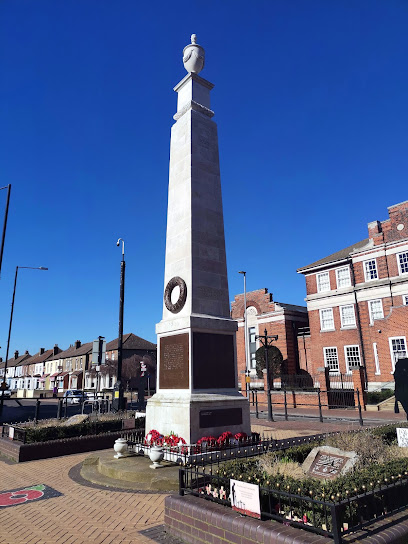
Laindon War Memorial
21.4 km
A solemn tribute in Basildon honoring Laindon's wartime heroes, blending history with community remembrance.
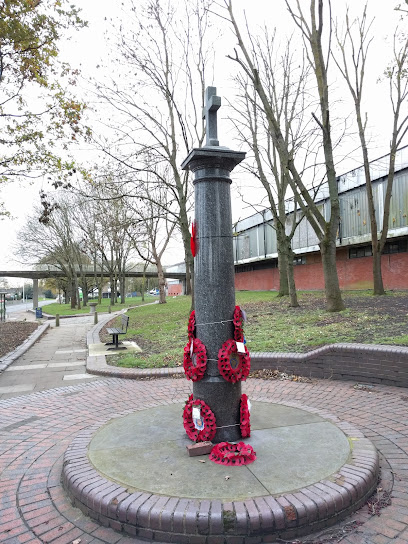
Southchurch Hall
22.7 km
Explore the historical elegance and serene gardens of Southchurch Hall, a captivating museum in Southend-on-Sea that reveals the region's rich heritage.
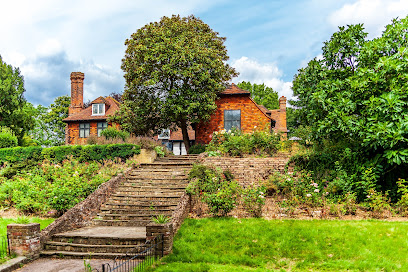
Prittlewell Priory
23.0 km
Discover the rich history and tranquil beauty of Prittlewell Priory, a captivating museum and former monastery in Southend-on-Sea.
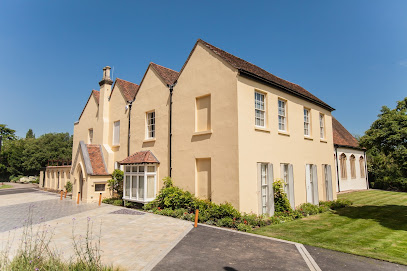
Prittlewell royal Anglo-Saxon burial
23.2 km
Explore the earliest princely Anglo-Saxon burial in England, revealing a royal Christian tomb rich with ancient treasures and history.
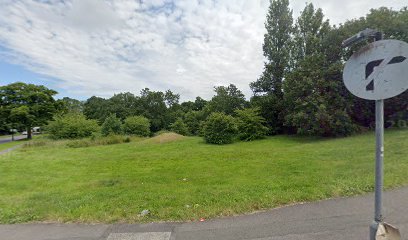
National Trust - Rayleigh Mount
23.2 km
Explore the historic Rayleigh Mount Castle in Essex, offering stunning views, rich heritage, and a perfect day out amidst beautiful landscapes.
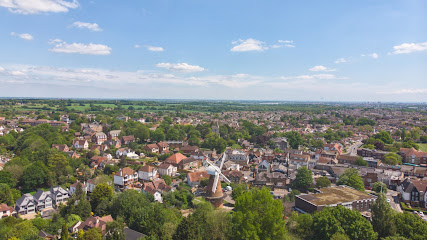
Rayleigh Windmill
23.3 km
Experience the enchanting history and scenic beauty at Rayleigh Windmill, a heritage gem perfect for families and history buffs alike.
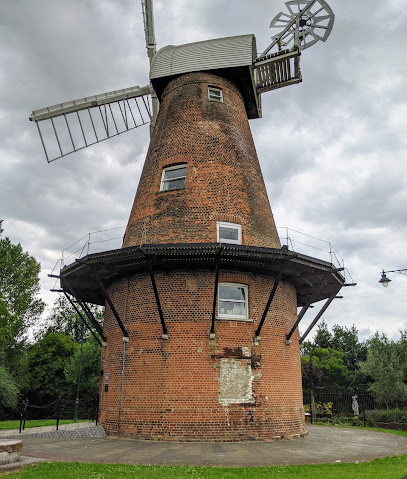
Barleylands Farm Park
24.0 km
Experience the charm of Barleylands Farm Park, where family fun meets educational adventures in the heart of the countryside.
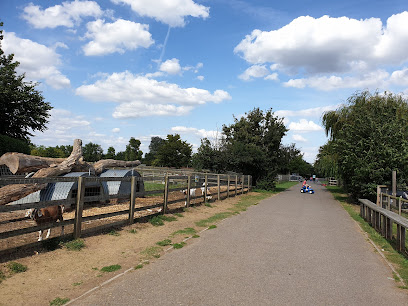
Hopefield Animal Sanctuary
30.4 km
Explore Hopefield Animal Sanctuary in Brentwood, a nurturing haven for rescued animals and a must-visit for nature-loving tourists seeking compassion and education.
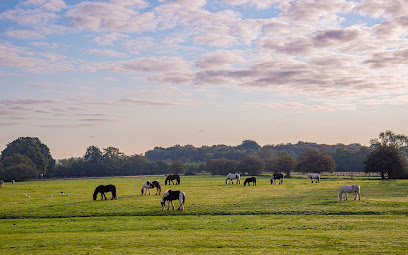
Havering Museum Ltd
30.8 km
Discover the fascinating history and vibrant culture of Romford at Havering Museum Ltd, a must-visit destination for every traveler.
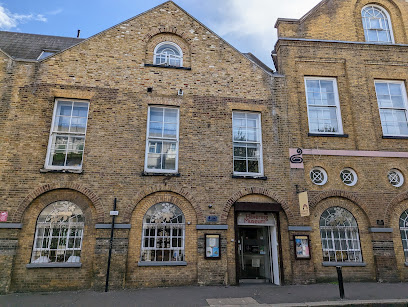
RHS Garden Hyde Hall
31.3 km
Explore the enchanting RHS Garden Hyde Hall, a botanical paradise filled with stunning landscapes, diverse plant life, and delightful cafes.
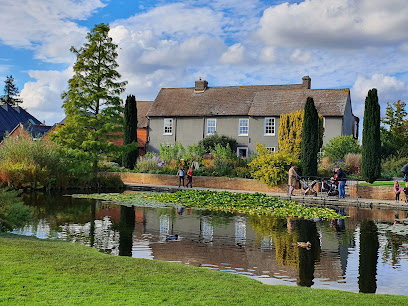
Ingatestone Hall
31.4 km
Experience the grandeur of Ingatestone Hall, a historic Tudor mansion offering a glimpse into England's rich heritage and architectural beauty.
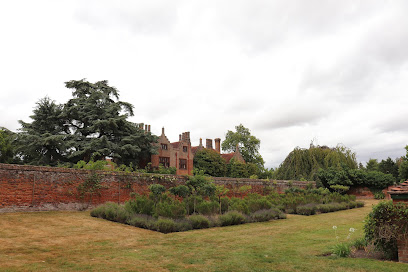
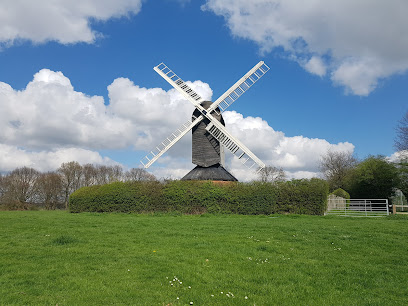
Mountnessing Windmill
31.5 km
Explore the unique charm of Mountnessing Windmill, a historic attraction offering captivating views and a glimpse into England's milling heritage.
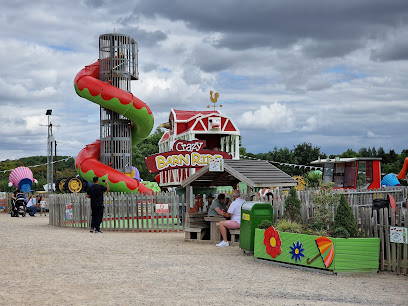
Old MacDonald's Farm & Fun Park
32.3 km
Experience family fun and educational adventures at Old MacDonald's Farm & Fun Park in Brentwood, where animals and amusement come together.
Great Baddow Chain Home Radar Tower
35.4 km
The only complete Chain Home radar tower in the UK, a towering symbol of WWII air defence and Cold War innovation in Great Baddow.
Unmissable attractions to see

Rochester Cathedral
0.1 km
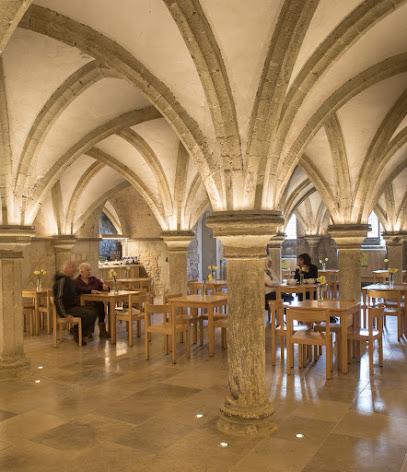
Explore Rochester Cathedral, England’s second oldest cathedral, a Norman and Gothic masterpiece with 1,400 years of history, art, and spiritual heritage.
Eastgate House
0.2 km
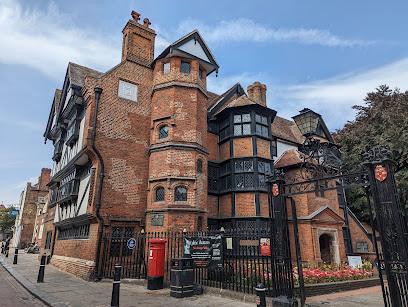
Discover Eastgate House, a beautifully restored Tudor townhouse in Rochester with rich history and Charles Dickens’ iconic writing chalet in its tranquil gardens.
Rochester Castle
0.2 km
Explore one of England’s finest Norman castles with towering keeps, epic siege history, and stunning views over the River Medway.

Guildhall Museum
0.3 km
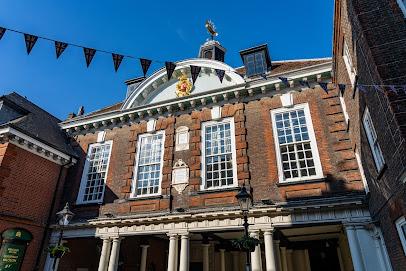
Explore Medway’s rich history in a stunning 17th-century Guildhall with immersive exhibits from Roman times to Dickensian England.
Restoration House
0.3 km
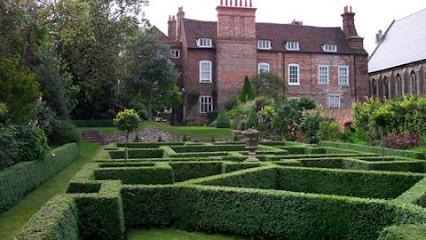
Explore Restoration House, an exquisite Elizabethan mansion in Rochester that hosted King Charles II and inspired Dickens’ Satis House, with stunning gardens and rich history.
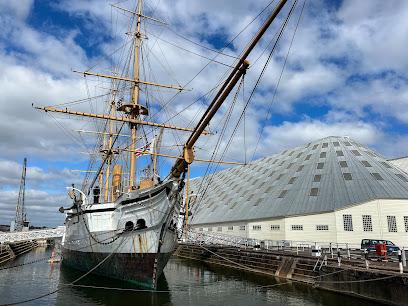
The Historic Dockyard Chatham
1.9 km
Step aboard history at The Historic Dockyard Chatham, where centuries of British naval heritage come alive across 80 acres of ships, galleries, and craftsmanship.
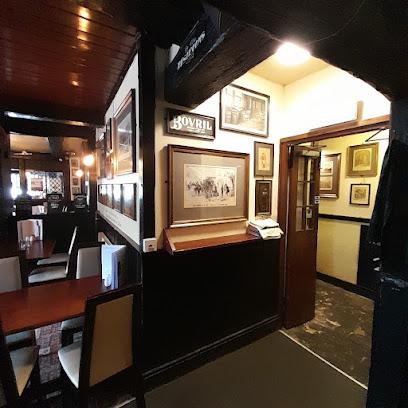
The Leather Bottle
7.4 km
Historic 17th-century pub in Cobham, beloved by Charles Dickens, offering seasonal local cuisine, a cocktail lounge, and expansive gardens.
St Mary Magdalene Church, Cobham
7.4 km
Discover Cobham’s medieval gem, St Mary Magdalene Church, famed for its stunning architecture and England’s finest collection of medieval brasses.

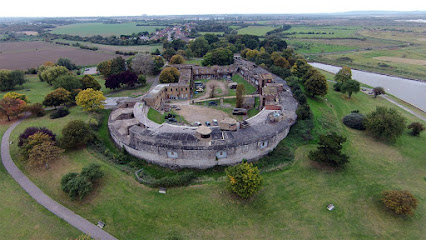
Coalhouse Fort Park
9.8 km
Explore a Victorian riverside fortress steeped in history, surrounded by tranquil parkland and sweeping Thames views.
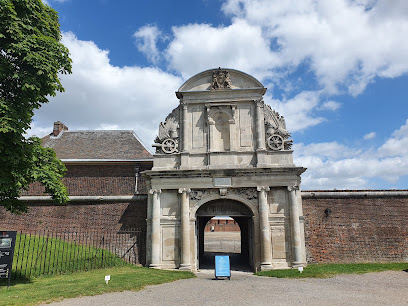
Tilbury Fort
11.5 km
Explore Tilbury Fort, a stunning 16th-century riverside fortress guarding London with star-shaped bastions, rich history, and scenic Thames views.
Canvey Wick
15.1 km
Discover Canvey Wick, a unique brownfield nature reserve in Essex, famed for its rare insects and vibrant habitats born from industrial past.
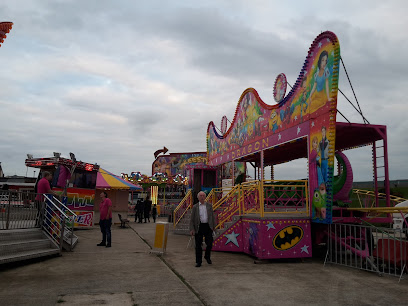
Fantasy Island
15.1 km
A vibrant seaside amusement park on Canvey Island offering thrilling rides, family fun, and scenic waterfront views.
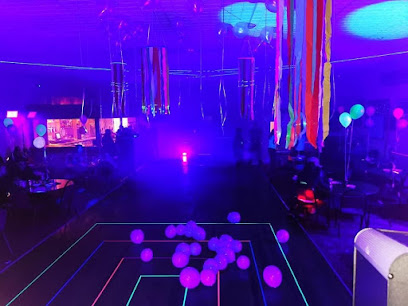
Funky Friday Over 30's Night
16.5 km
A monthly nostalgic dance party for over 30s featuring 80s and 90s classics at Greenhithe’s welcoming Royal British Legion.
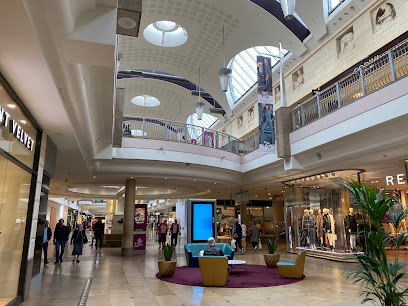
Bluewater Shopping Centre
17.1 km
Kent’s premier shopping and leisure destination with over 300 stores, diverse dining, and unique entertainment in a stunning natural setting.
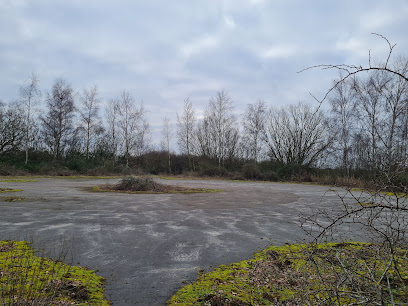
Brands Hatch
17.7 km
Experience the thrill and history of Brands Hatch, Kent’s iconic motor racing circuit with legendary corners and world-class events.

Essential places to dine

La Quinta Restaurant & Venue Hire - Benfleet Essex
19.8 km
Experience superb dining, lively entertainment, and warm hospitality at La Quinta, Benfleet’s premier restaurant and event venue.
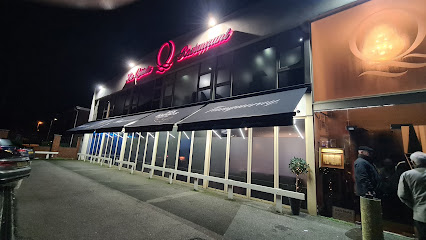
The Dining Room
20.0 km
Cozy British and European dining with fresh, local ingredients and friendly service in the heart of Leigh-on-Sea.
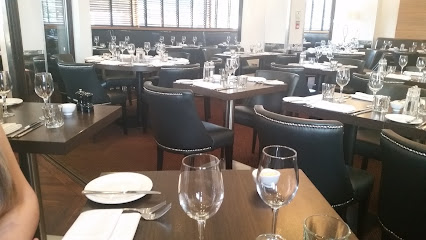
Aspera
20.1 km
Experience authentic Mediterranean flavors with fresh, locally sourced ingredients in a stylish and welcoming setting in Benfleet.
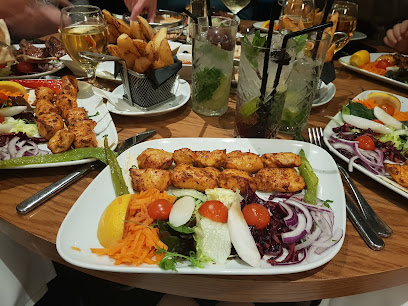
Leigh Bistro Restaurant
20.1 km
Charming family-run bistro serving fresh contemporary European cuisine in the vibrant heart of Leigh-on-Sea.
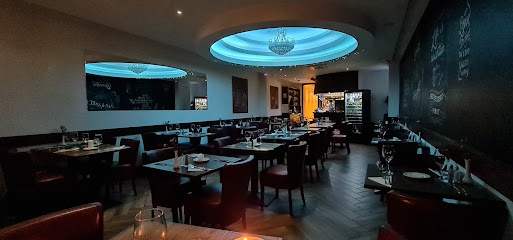
Toulouse Restaurant
20.6 km
Modern European dining with fresh local flavors and stunning estuary views on Westcliff-on-Sea’s Western Esplanade.
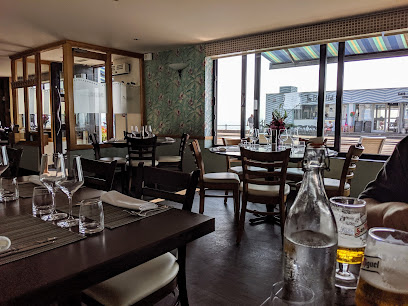
Oyster Creek Kitchen
20.8 km
Fresh seafood and coastal charm on the Westcliff waterfront, where attentive service meets seaside sophistication.
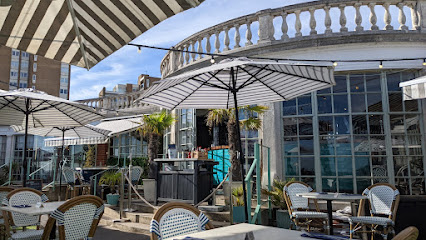
Padrino Italian Restaurant & Pizzeria
20.9 km
Classic Italian dining with warm hospitality and flavorful pizzas in the heart of Westcliff-on-Sea.
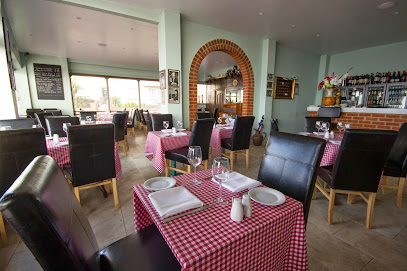
Prowse Restaurant
20.9 km
Authentic Turkish flavors and warm hospitality meet seaside charm at Prowse Restaurant in Westcliff-on-Sea.
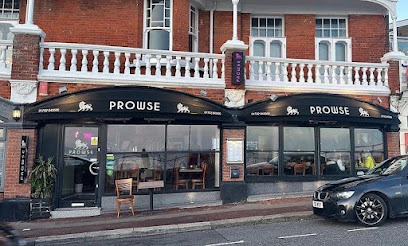
Piccolo
20.9 km
Experience authentic Italian flavors and lively dining by Southend’s beautiful seafront at Piccolo, a beloved Westcliff-on-Sea restaurant.
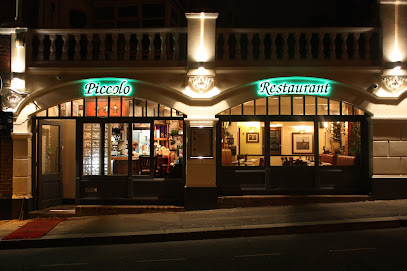
Great Tides Restaurant & Bar
21.2 km
Modern European dining with stunning sea views and a vibrant bar atmosphere on Westcliff Parade, Westcliff-on-Sea.
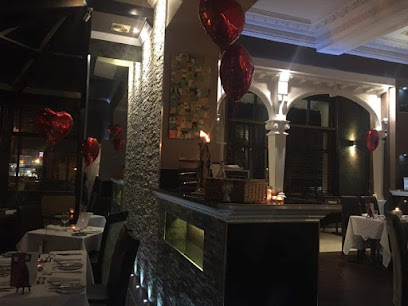
Il Mondo Southend
21.6 km
Experience authentic Italian flavors and warm hospitality in the heart of Westcliff-on-Sea at Il Mondo Southend.
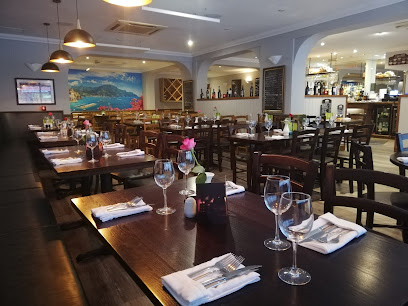
Aurum Restaurant
21.6 km
Refined modern British dining with stunning estuary views at Southend’s boutique Seven Hotel.
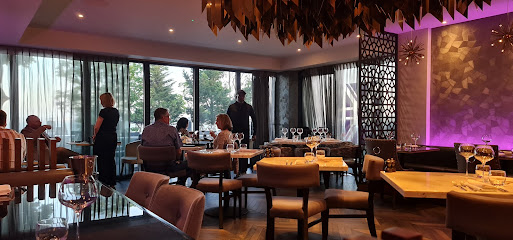
La Petite Petanque
21.6 km
Experience authentic French cuisine in a charming garden pavilion overlooking Southend’s bowling green, blending relaxed vibes with classic flavors.
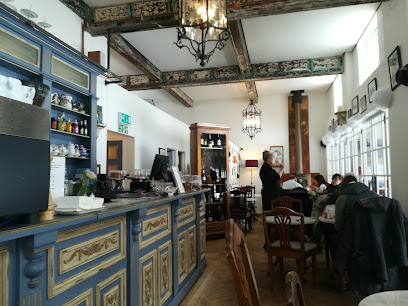
San Fairie Ann
21.7 km
Eclectic Modern European dining with vibrant live music and unique events in the heart of Southend-on-Sea.
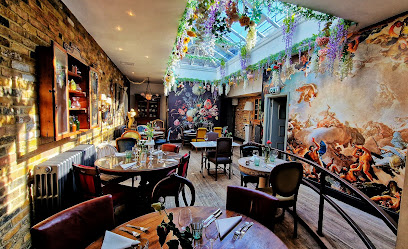
The Royal Hotel
21.7 km
Historic charm meets modern dining with stunning estuary views at Southend’s iconic Royal Hotel.
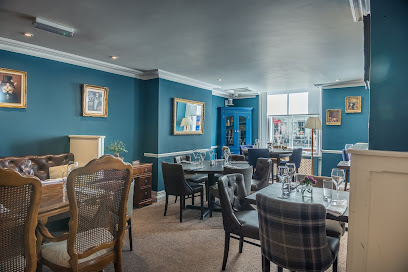
Markets, malls and hidden boutiques

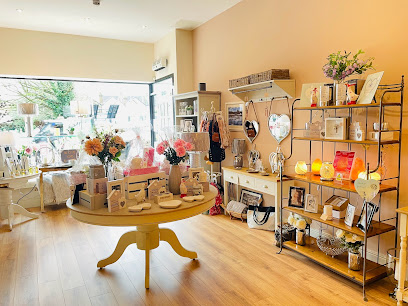
Gifts for All Home Decor
19.7 km
Discover unique, stylish home decor and gifts at Gifts for All Home Decor, Hadleigh’s charming boutique with quality and affordability.
Latham Street
19.9 km
Discover sustainable vintage fashion reimagined with style and care at Latham Street in the heart of Leigh-on-Sea.

Store Thirty3
20.0 km
A charming gift shop on Elm Road offering unique local treasures in the heart of Leigh-on-Sea’s vibrant coastal town.
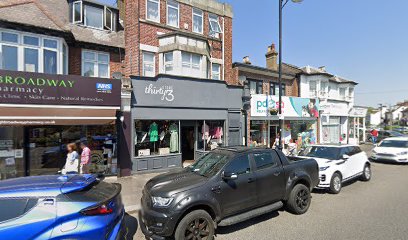
A Touch Too Wild
20.1 km
Elegant bespoke ladies' couture and formal wear boutique in the charming seaside town of Leigh-on-Sea.
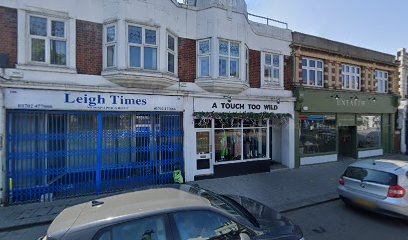
La Luna Boutique
20.4 km
Discover unique bohemian fashion with a vintage rock ’n’ roll edge at La Luna Boutique in Leigh-on-Sea.
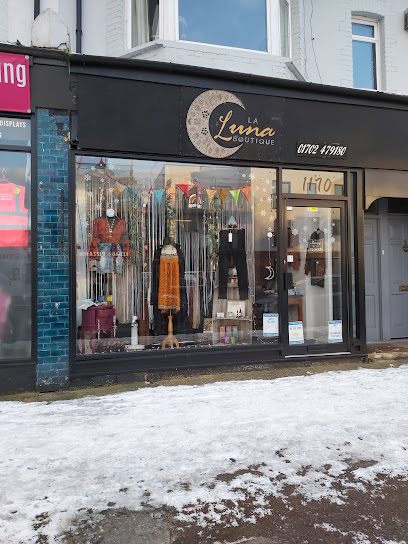
Eliza Boutique
21.2 km
Discover timeless style and personalized service at Eliza Boutique, Westcliff-on-Sea’s independent ladies’ fashion destination.
Argosy Toys & Gifts
21.5 km
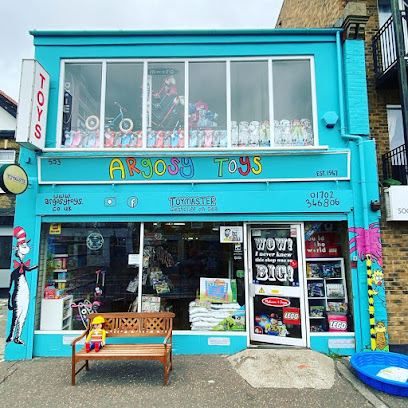
Discover a treasure trove of toys and gifts at Argosy Toys, a cherished independent shop in Westcliff-on-Sea since 1947.
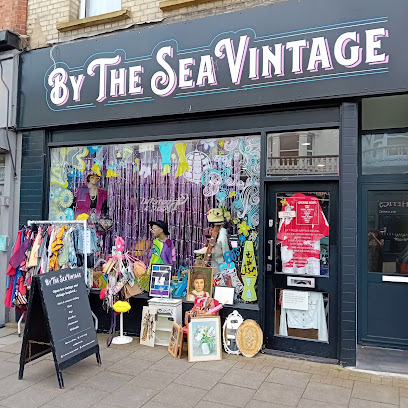
By the Sea Vintage
21.7 km
Discover curated retro fashion and unique vintage treasures in the heart of Southend-on-Sea’s vibrant Alexandra Street.
Linked UK Clothing Limited
21.7 km
Discover authentic luxury fashion with curated unworn and pre-owned designer pieces at Linked UK Clothing Limited in Southend-on-Sea.

Books-on-Sea
21.7 km
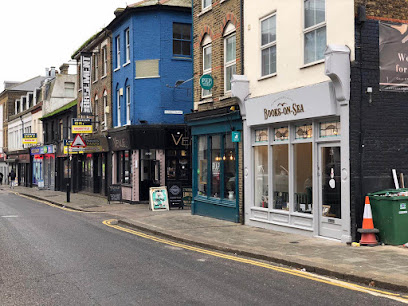
Rare and secondhand literary treasures in the heart of Southend-on-Sea's town centre.
Santas Surprise Letter
21.8 km
Discover festive magic and unique personalized Santa letters at Santas Surprise Letter, Southend-on-Sea’s charming holiday gift shop.
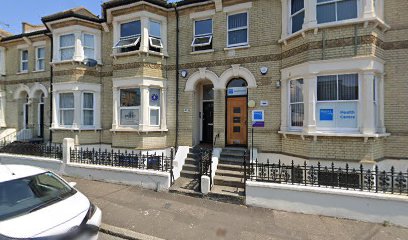
ideal gift shop
21.9 km
Discover unique and thoughtful gifts in the heart of Westcliff-on-Sea’s welcoming Ideal Gift Shop on London Road.
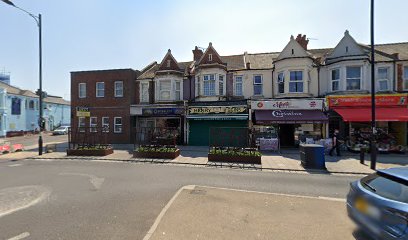
Africa Crafts Centre
22.0 km
Discover authentic African crafts and vibrant textiles in Southend-on-Sea’s beloved cultural gift shop.
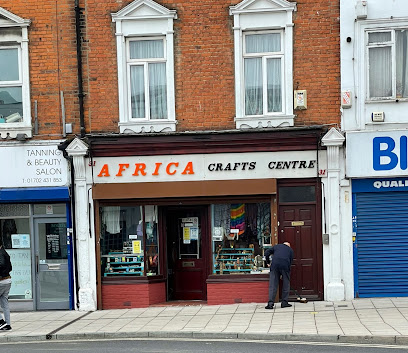
Southend Rock & Gifts
22.0 km
Discover charming seaside souvenirs and unique gifts at Southend Rock & Gifts, nestled on the vibrant Marine Parade.
The Happy Sole
22.0 km
Discover the charm of Westcliff-on-Sea at The Happy Sole, your go-to shop for unique gifts and local treasures.

Essential bars & hidden hideouts

The Cocktail Kitchen
19.8 km
A lively cocktail bar and tapas spot in Leigh-on-Sea, famed for creative drinks, generous small plates, and a welcoming atmosphere.
Ten Green Bottles
20.0 km
A cozy, quirky bar tucked away in Leigh-on-Sea’s Rectory Grove, offering great drinks, live music, and a friendly vibe.
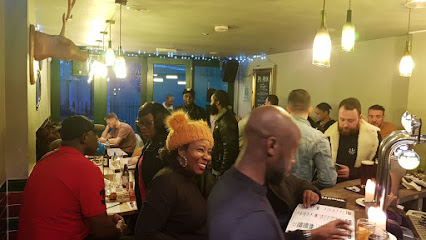
Peggy’s Music Bar Ltd
20.8 km
Experience vibrant music nights and a welcoming vibe at Peggy’s Music Bar, Leigh-on-Sea’s hotspot for DJs and social fun.
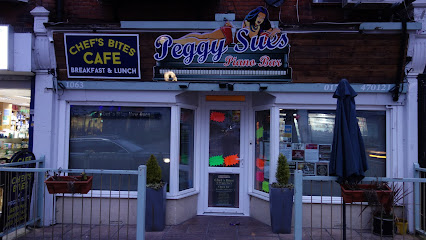
View Bar
21.5 km
Friendly seaside bar with great views, well-priced drinks, and a welcoming atmosphere on Southend’s Clifftown Parade.
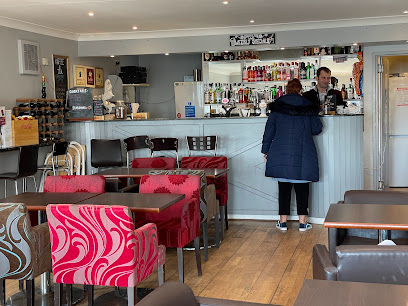
The Trading Room Bar & Kitchen
21.5 km
A vibrant pub and kitchen in Westcliff-on-Sea offering hearty roasts, live music, and a welcoming atmosphere for all.
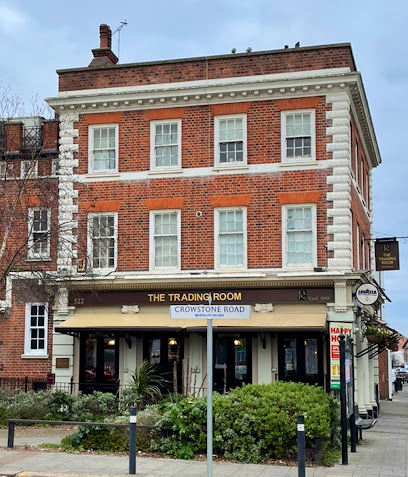
The Cliff
21.6 km
A lively, inclusive LGBT+ pub in Southend-on-Sea offering great cocktails, karaoke nights, and a welcoming atmosphere for all.
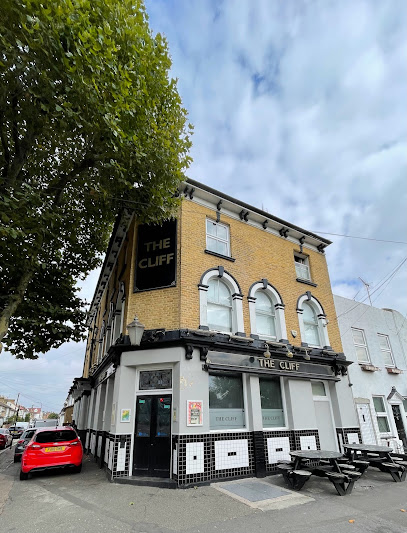
The Alex
21.6 km
A lively and welcoming pub in Southend-on-Sea offering great vegan options, casual British fare, and a vibrant social scene.
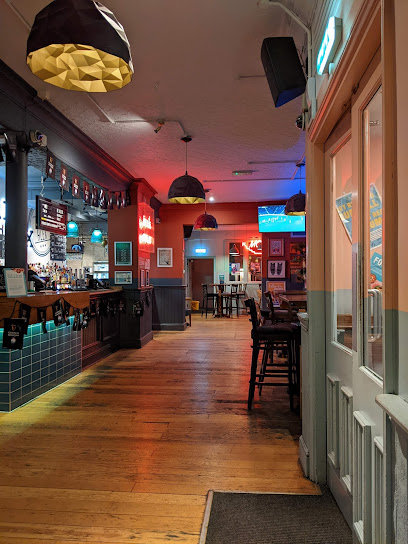
The N & M Club
21.6 km
Historic social club on Southend’s cliff top offering live entertainment, real ales, great food, and stunning sea views in a welcoming atmosphere.
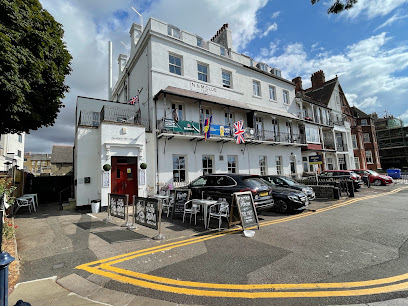
Legbas - Private Hire Speakeasy Bar
21.7 km
An exclusive, vintage-inspired speakeasy bar in Southend-on-Sea’s Royal Hotel basement, perfect for private celebrations and crafted cocktails.
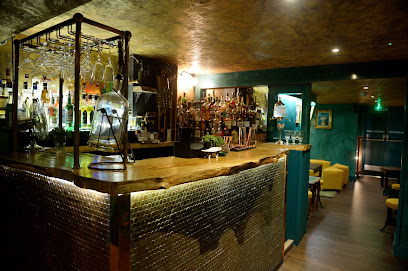
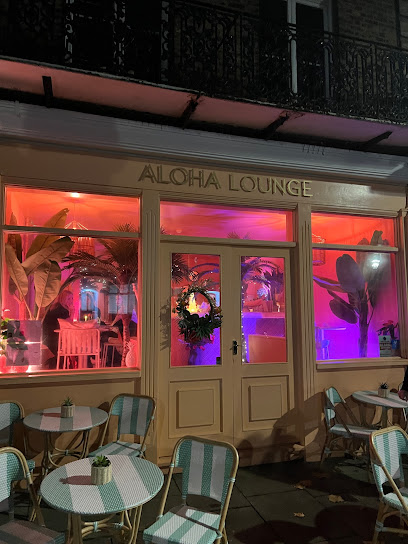
Aloha Lounge
21.7 km
Experience a vibrant tropical oasis in Southend-on-Sea with exceptional cocktails, island-inspired cuisine, and warm, welcoming vibes at Aloha Lounge.
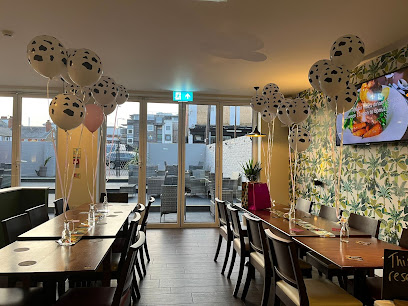
The Terrace Bar & Restaurant
21.7 km
Modern grill and cocktail bar with lively entertainment and a spacious terrace near Southend’s iconic seafront.
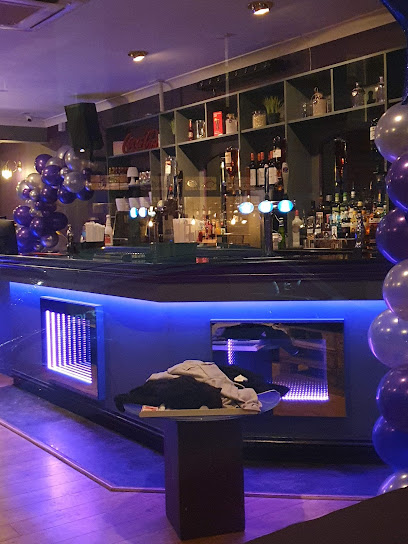
Infinity Showbar
21.8 km
A vibrant hub for karaoke, drag shows, and late-night parties in Southend-on-Sea’s lively Alexandra Street nightlife district.
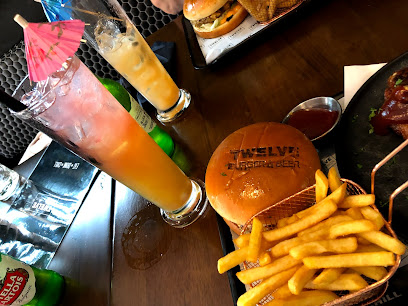
Twelve Brunch & Cocktails
21.8 km
A lively hotspot in Southend-on-Sea where brunch delights meet expertly crafted cocktails in a trendy, vibrant setting.
The Prim and Proper Cocktail Bar
21.8 km
Basildon’s premier mobile cocktail bar delivering expert mixology and stylish service to your private events and celebrations.

The Hush Bar
21.8 km
A lively and affordable bar in Southend-on-Sea with a welcoming vibe and vibrant music scene for all-night socializing.
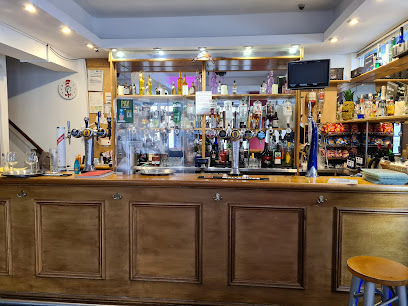
Nightclubs & after hour spots

The Loft Basildon
20.3 km
Experience Basildon’s vibrant dance scene with energetic music nights, friendly staff, and a lively atmosphere at The Loft Basildon.
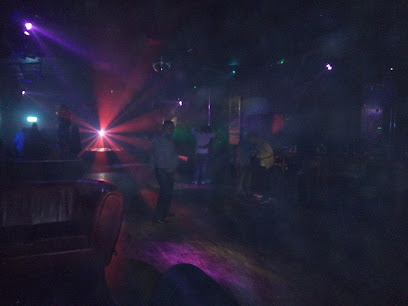
The Moonraker Club
20.9 km
A vibrant, intimate nightclub in Westcliff-on-Sea with top DJs, a powerful sound system, and a lively social scene for unforgettable nights out.
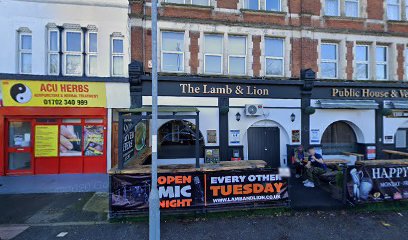
Air & Breathe Nightclub
21.1 km
Vibrant dual-zone nightclub in Dartford blending youthful energy with plush exclusivity for over 25s.

Sunrooms2
21.7 km
Experience Southend-on-Sea’s dynamic nightlife at Sunrooms², where live music and DJ-driven parties keep the energy alive until the early hours.

Foundation
21.8 km
Vibrant nightclub and bar in Southend-on-Sea offering lively music, crafted cocktails, and a welcoming atmosphere for memorable nights out.
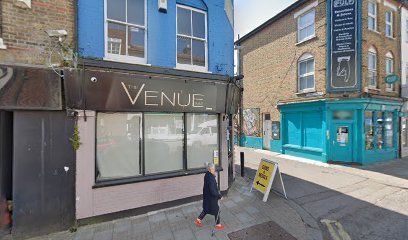
MYST Club
21.8 km
Experience the vibrant pulse of Southend-on-Sea’s nightlife at MYST Club, where music, dancing, and social energy converge.
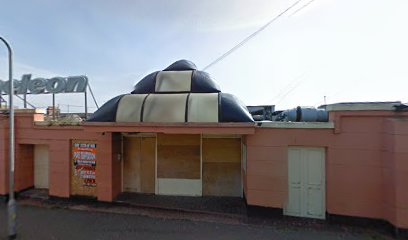
MooMoo Clubrooms Southend
22.1 km
Experience Southend’s vibrant nightlife at MooMoo Clubrooms, where themed rooms and lively beats create unforgettable party nights.
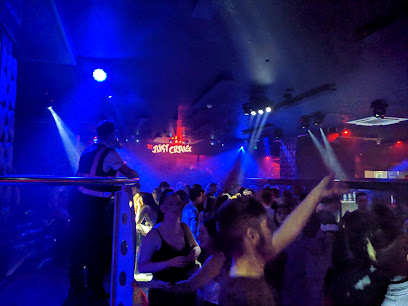
Just Vibez
22.3 km
Experience vibrant nightlife and non-stop dancing at Just Vibez, Southend-on-Sea’s energetic nightclub hotspot.
The Lounge Jazz Club
24.2 km
Experience intimate jazz and soul performances in a cozy, elegant venue near Southend Airport with fine drinks and a lively atmosphere.
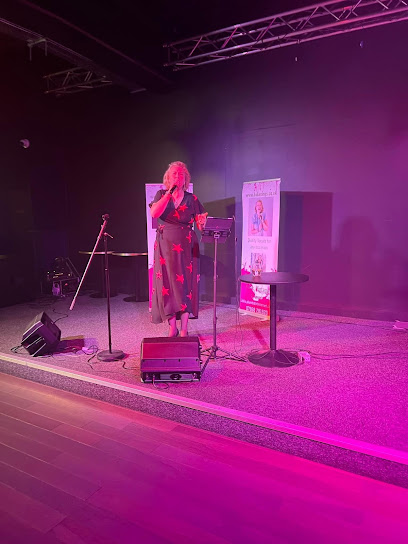
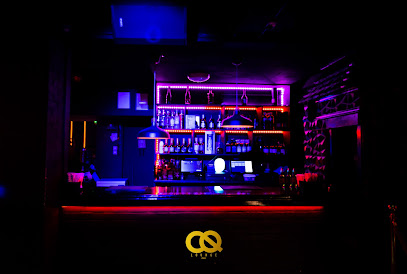
CQ LOUNGE
34.0 km
South London's Afrobeats epicenter: dance, shisha, cocktails, and culture until 5am in Woolwich's vibrant CQ Lounge.
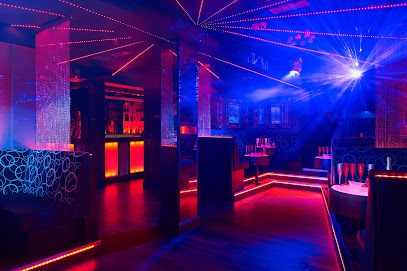
LA Lounge
36.1 km
London's top Afrobeats nightclub in Docklands: ethnic sophistication, VIP vibes, cocktails, and late-night dances until 4am on weekends.
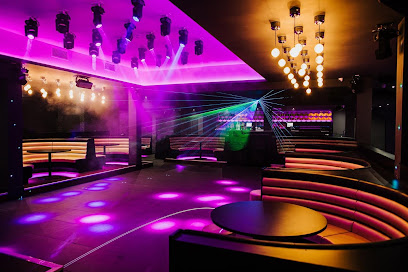
Faces NightClub
36.8 km
A stylish, vibrant nightclub in Gants Hill with immersive sound, dynamic visuals, and a versatile space for unforgettable nights and events.
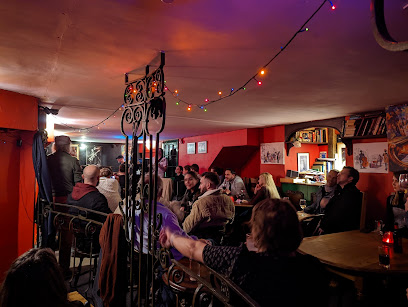
Oliver's Jazz Bar
37.0 km
Experience the soulful rhythms and vibrant atmosphere at Oliver's Jazz Bar, where great music meets delightful drinks in the heart of London.
American Express Invites Lounge
37.0 km
A backstage‑inspired, Cardmember-only lounge at The O2 with distinct seating zones, crafted drinks and a complimentary welcome drink on event nights.
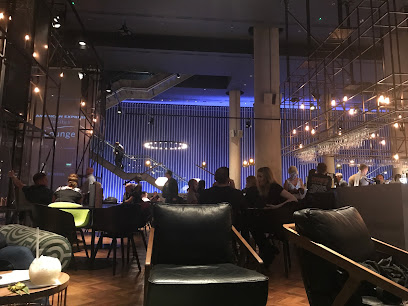
(Admin Office) The Mobile Nightclub
37.3 km
Discover the joy of nightlife on the move with The Mobile Nightclub in London, where the party comes to you!

For the vibe & atmosphere seeker
- Tranquil
- Scenic
- Historic
- Unique
- Relaxing
For the design and aesthetic lover
- Vintage Styles
- Rustic Designs
For the architecture buff
- Historic
- Landmarks
For the view chaser and sunset hunter
- Iconic Views
For the social media creator & influencer
- Instagrammable
- Photo Spots
For the eco-conscious traveler
- Locally Managed
- Public-Transport Accessible
For the kind of experience you’re after
- Cultural Heritage
- Myth & Legends
- Photowalk
- Day Trip
- Weekend Getaway
For how adventurous you want the journey to be
- Easy Access
Location Audience
- Family Friendly
- Senior Friendly
- Child Friendly
- Teen Friendly
- Solo Friendly
- Couple Friendly
- Vegetarian Friendly
- Vegan Friendly


