

Canvey Wick Travel Guide
Free Guide: Discover Canvey Wick, a unique brownfield nature reserve in Essex, famed for its rare insects and vibrant habitats born from industrial past.


A brief summary of Canvey Wick
Discover Canvey Wick, a unique brownfield nature reserve in Essex, famed for its rare insects and vibrant habitats born from industrial past.
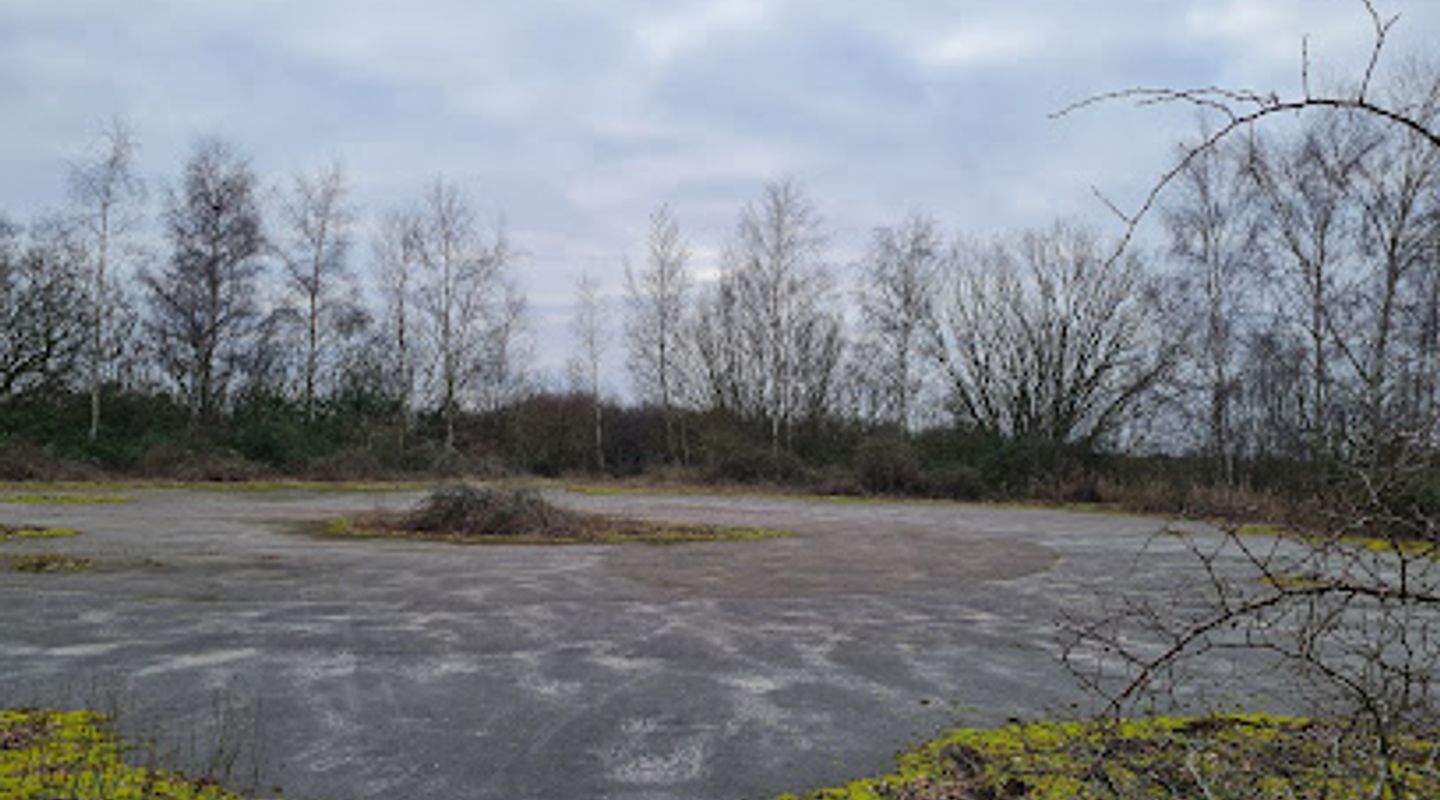
Canvey Wick is a 93-hectare Site of Special Scientific Interest on Canvey Island, Essex, renowned for its exceptional biodiversity, especially rare and endangered invertebrates. Once earmarked for an oil refinery, the site’s unique post-industrial landscape has evolved into a mosaic of habitats including dry grasslands, wetlands, and scrub, supporting over 2,000 species. Managed by the RSPB and Buglife on behalf of The Land Trust, it offers a rare glimpse into brownfield nature conservation and ongoing habitat restoration.
On-site amenities
 Restrooms
 Seating areas
 Information boards
Opening hours
- Every dayOpen 24 hours
Opening hours as listed on the venue’s Google Business Profile. Hours can change for services and special events, so check with the venue before you go.
- Address
- 276 Northwick Rd, Canvey Island SS8 0PT
- Website
Getting there
Train and Bus
Car
Cycling
Discover more about Canvey Wick
A Remarkable Transformation from Industry to Nature
Canvey Wick’s story begins in the early 1970s when it was slated for a massive oil refinery development. The site’s grazing marshes were covered with 2-3 metres of dredged river material—sand, silt, gravel, and shells—to prepare for industrial construction. However, the refinery was never completed due to the 1973 oil crisis, leaving behind a complex, disturbed landscape. Over the decades, this abandoned industrial site naturally regenerated into a unique habitat mosaic, defying expectations for post-industrial land.
Ecological Richness and Invertebrate Diversity
Today, Canvey Wick is celebrated as one of the UK’s richest sites for rare invertebrates, earning the nickname "brownfield rainforest." It harbors over 2,000 invertebrate species, including at least 30 on the UK’s red list of endangered species such as the Canvey Island ground beetle, shrill carder bee, and scarce emerald damselfly. The site's habitats range from herb-rich dry grasslands and bare gravel banks to brackish wetlands and scrubby edges, creating ideal conditions for this extraordinary biodiversity.
Conservation Milestones and Management
In 2005, Canvey Wick was designated a Site of Special Scientific Interest (SSSI)—the first brownfield site recognized specifically for its invertebrates. The Land Trust owns the land, with the Royal Society for the Protection of Birds (RSPB) and Buglife managing the nature reserve. Since 2016, the site has expanded with adjoining land transferred from Morrisons, linking Canvey Wick to neighboring reserves and enabling large-scale habitat restoration. A three-year restoration project completed in 2025 has focused on maintaining the open habitat mosaic vital for the site’s rare species.
The Visitor Experience and Natural Setting
Visitors to Canvey Wick encounter a strikingly diverse landscape shaped by its industrial past and natural reclamation. The reserve features a network of old roads and paths winding through flower-rich grasslands, wetlands, and scrub. Seasonal highlights include spectacular orchid blooms in summer and early spring bee activity. The site’s varied terrain and habitats provide excellent opportunities for wildlife observation, especially for insect enthusiasts and photographers.
Community Engagement and Future Prospects
Canvey Wick is more than a nature reserve; it is a community asset championed by local residents and conservation groups. Educational programs, volunteer opportunities, and ongoing surveys engage visitors and locals alike in protecting this unique ecosystem. The Land Trust’s endowment ensures long-term management, while partnerships with RSPB and Buglife continue to enhance biodiversity and public access. The site stands as a pioneering example of brownfield habitat conservation and ecological resilience.
Legacy of a Brownfield Sanctuary
From industrial ambition to ecological sanctuary, Canvey Wick challenges traditional notions of wildlife habitats. Its rich invertebrate populations and complex habitats demonstrate the conservation value of post-industrial landscapes. As a Site of Special Scientific Interest and a flagship nature reserve, Canvey Wick offers vital lessons in habitat restoration and biodiversity preservation, securing its place as a treasured natural heritage site on Canvey Island.
Evendo Review Centre
 Google
Guest reviews
Best time to go
Quietest: Jan, Feb & Dec · before 6am or at 9pm
Busy times are Evendo estimates for a typical year, to help you plan. Actual crowds vary with events, school holidays and the weather.
Explore Canvey Wick on the map
A handpicked selection of must-see spots near Canvey Wick, mapped for you.
Get your free copy of our complete guide to Canvey Wick, delivered straight to you.
Everything on this page, from opening hours and how to get there to Eve’s tips and the best time to go, in one PDF you can read offline, print or share.
Already have an account? Sign in
Your Canvey Wick guide is ready.
We'll send it to · Not you? Sign out

Getting your guide ready…
We are putting together a fresh copy of the Canvey Wick guide. This can take up to a minute.
This can take a few moments. If your browser asks, choose Allow so the download can start. You'll find the guide in your Downloads folder.
Nothing happened? Download it again
Sorry, the guide is taking longer than usual. Please try again in a minute, or get it by email instead.
Other nearby places you may find interesting
The closest places of the same kind, if this one is not quite what you had in mind.
-
Adventure Island Experience thrilling rides and family fun at Southend’s free-entry seafront theme park with over 40 attractions and stunning pier views.
-
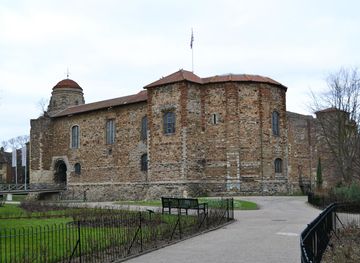
 Colchester Castle
Explore Europe's largest Norman keep and uncover 2,500 years of history with interactive exhibits and stunning views at Colchester Castle.
Colchester Castle
Explore Europe's largest Norman keep and uncover 2,500 years of history with interactive exhibits and stunning views at Colchester Castle.
-
Hadleigh Castle Explore the romantic ruins of Hadleigh Castle with stunning views over the Thames Estuary and Essex marshes in a peaceful historic setting.
-
Audley End House and Gardens Explore one of England’s grandest Jacobean houses set in Capability Brown’s landscaped gardens with Victorian stables and immersive historic service wings.
-
Southend Pier and Railway Explore Southend Pier, the world’s longest pleasure pier, where historic charm meets scenic estuary views and vibrant seaside attractions.
Swipe for more places
More to explore near Canvey Wick

 Best experiences near Canvey Wick
 Best hotels near Canvey Wick
 Best landmarks near Canvey Wick
 Best attractions near Canvey Wick
 Best shops near Canvey Wick
 Best restaurants near Canvey Wick
 Best bars near Canvey Wick
Do you manage this location?
Take control to get all the benefits, like improved information, better appearance, and stronger visibility across AI-powered discovery.
Explore more
Explore more of Essex
Discover the charm of Essex, a county where historic towns, scenic countryside, and vibrant coastal resorts come together for an unforgettable English getaway.
Explore Essex
Explore more of United Kingdom
Discover the United Kingdom: A blend of rich history, stunning landscapes, and vibrant cities, offering a unique travel experience for every visitor.
Explore United Kingdom
