

Montagu Square
Exclusive Georgian square where literary patronage meets rock and roll history in the heart of Marylebone.
Montagu Square is a prestigious Georgian garden square in Marylebone, London, built between 1810 and 1815 as part of the Portman Estate. Named after Elizabeth Montagu, an 18th-century literary patron and social reformer, the square features elegant red-brick townhouses arranged around a tranquil private garden dominated by plane trees planted in 1817. The square gained cultural prominence in the 1960s as home to several Beatles members and rock icons, most notably at No. 34, where John Lennon and Yoko Ono lived during the recording of The White Album. Today it remains one of London's most exclusive residential addresses and a significant landmark in both architectural and music history.
A brief summary to Montagu Square
- London, GB
- Duration: 0.5 to 2 hours
- Free
-
 Outdoor
- Mobile reception: 5 out of 5
Local tips
- The private garden is accessible only to residents and their guests; however, the exterior of the square and the Blue Plaque at No. 34 can be viewed from the public pavements surrounding the square.
- Visit on a weekday morning to avoid crowds and to better appreciate the architectural details of the Georgian townhouses and the mature plane trees in the garden.
- The square is located in one of London's most expensive residential neighbourhoods; properties here command prices in the millions of pounds and represent some of the capital's most sought-after addresses.
- Combine your visit with nearby attractions including Marble Arch, Baker Street, and the Portman Estate's other Georgian squares such as Bryanston Square to the west.
- Photography of the Blue Plaque at No. 34 is popular among Beatles fans and music historians; early morning or late afternoon light provides the best conditions for photographs.

For the on-the-go comforts that matter to you
- Seating Areas
- Drink Options
- Food Options
Getting There
-
Underground (Tube)
Marble Arch station (Central, Elizabeth lines) is approximately 550 metres south of Montagu Square, a walk of about 7–8 minutes. Baker Street station (Circle, District, Hammersmith & City, Jubilee, Metropolitan lines) is approximately 400 metres southeast, a walk of about 5–6 minutes. Both stations provide excellent connections across London's transport network.
-
Bus
Multiple bus routes serve the area surrounding Montagu Square, including routes 2, 13, 15, 23, 30, 74, 82, 113, 139, and 159. Journey times from central London vary between 15–30 minutes depending on traffic conditions and starting point. Bus stops are located on Edgware Road and Marylebone High Street, both within 2–3 minutes' walk of the square.
-
Taxi or Ride-Share
Taxis and ride-share services (Uber, Bolt) are readily available throughout London and can deliver you directly to Montagu Square. Journey times from central London typically range from 10–20 minutes depending on traffic. Fares vary but expect to pay £12–25 from central locations such as Piccadilly or Oxford Street.
-
Walking
Montagu Square is accessible on foot from Marble Arch (approximately 10 minutes), Baker Street (approximately 8 minutes), or Oxford Street (approximately 12 minutes). The surrounding streets are level and well-paved, making walking a pleasant option in fair weather. The square sits between Edgware Road to the west and Marylebone High Street to the east.
Montagu Square location weather suitability
-
 Any Weather
-
 Mild Temperatures
Discover more about Montagu Square
A Georgian Masterpiece Named for a Literary Visionary
Montagu Square stands as one of London's most distinguished residential squares, built between 1810 and 1815 as an integral part of the Portman Estate development in Marylebone. The square was named after Elizabeth Montagu, an 18th-century social reformer, patron of the arts, and celebrated hostess whose literary salon at Hill Street in Mayfair attracted luminaries such as Edmund Burke and Sir Joshua Reynolds. The square's builder, David Porter, who had begun his career as a chimney sweep, named this elegant development after his former benefactor. Architect Joseph T. Parkinson designed the square with characteristic Georgian restraint—a uniform regiment of brown brick townhouses with elegant red stone dressings, long sash windows reflecting generous ceiling heights, and cast-iron balconies adorning the first floors. The square measures approximately 250 metres by 46 metres and remains oriented on a north-northwest to south-southeast axis.The Garden at the Heart of Marylebone Elegance
The private garden at the centre of Montagu Square represents one of London's most tranquil urban green spaces. Laid out around 1800 and redesigned by John Nash, the garden is dominated by magnificent plane trees planted in 1817 to commemorate the Battle of Waterloo. These mature trees create a shaded, peaceful sanctuary that contrasts sharply with the bustling streets of central London surrounding the square. The garden remains accessible only to residents and their guests, preserving its exclusive character. The square's layout and planting scheme reflect the refined tastes of early 19th-century London society, with the garden serving as both a practical amenity and a symbol of the neighbourhood's elevated status. Westminster's only remaining purely residential square, Montagu Square has maintained its residential character for over two centuries, with residents having restored the cast-iron railings that were removed during the Second World War.Rock and Roll History at Number 34
Montagu Square achieved international cultural significance during the 1960s when it became home to some of rock music's most iconic figures. In 1965, Ringo Starr leased the ground floor and basement flat at No. 34, shortly before his marriage to Maureen Cox. Though the Starrs relocated to Surrey in July 1965, Ringo retained the lease and rented the property to The Fool, a Dutch design collective employed by Apple Records. In December 1966, Paul McCartney moved into the flat and established a small demo studio in the basement with electronics technician Ian Somerville, where he began work on Eleanor Rigby and experimented with avant-garde tape loops. Jimi Hendrix and his girlfriend Kathy Etchingham occupied the flat from December 1966, during which time Hendrix composed The Wind Cries Mary following a domestic dispute. The song's creation at this address has become part of rock music legend.The White Album Era and the Drug Raid
In 1968, following the breakdown of his marriage to Cynthia Powell, John Lennon and Yoko Ono moved into No. 34 Montagu Square during the height of The Beatles' recording sessions for The White Album. On the ground floor bedroom, the couple created the famous naked self-portrait that would grace the cover of their experimental album Two Virgins. The flat became a focal point of creative activity and personal significance for Lennon during a turbulent period in the band's history. On 22 August 1968, Ringo Starr visited the flat to inform John that he was quitting The Beatles—a moment of profound consequence for the band's future. However, the couple's residence at Montagu Square was cut short by a dramatic intervention. On 18 October 1968, Scotland Yard's Drug Squad, led by the notorious Sergeant Norman Pilcher, raided the premises. Both John and the pregnant Yoko were arrested on charges of hashish possession. Lennon pleaded guilty to absolve Yoko, who faced potential deportation. The incident had tragic consequences; Yoko miscarried days after the raid. The couple vacated the flat shortly thereafter, and neighbours obtained an injunction against Ringo Starr forbidding anyone but his family to reside there and prohibiting music or instruments. Ringo eventually sold the lease on 28 February 1969.Architectural Distinction and Listed Status
Montagu Square's architectural integrity has been carefully preserved through statutory protection. Save for Nos. 27 to 29, the long sides of the square feature Grade II listed residential buildings, with the entire square forming a coherent Georgian composition. The townhouses display characteristic features of the period: recessed sash windows beneath flat gauged arches on upper floors, plat bands finishing ground-floor stuccowork, crowning stucco cornices, and continuous cast-iron geometric patterned balconies. In 1987, No. 34 Montagu Square was granted Grade II Listed status in recognition of its architectural and historical significance. The square's architectural homogeneity and careful maintenance have ensured that it remains one of London's finest examples of early 19th-century residential planning and design.Literary and Cultural Legacy
Beyond its rock and roll associations, Montagu Square has been home to numerous notable figures in literature and culture. Anthony Trollope, the prolific 19th-century author famous for his Barchester novels, resided at No. 39 from 1873. Ted Hughes lived at No. 13 in December 1962 during his separation from Sylvia Plath. Lady Hester Lucy Stanhope, the British socialite, adventurer and traveller, also made her home here. The square's residents have included Henry Grissell, a renowned 19th-century foundryman of ornate ironworks, and Robert "Romeo" Coates, an eccentric early 19th-century figure. In 2010, following a ten-year campaign, Yoko Ono unveiled a Blue Plaque at No. 34 Montagu Square commemorating John Lennon's residence and his creative work during the recording of The White Album. This plaque has become a pilgrimage site for music historians and Beatles enthusiasts from around the world.Iconic landmarks you can’t miss

Former EMI House (Beatles album cover photo)
0.4 km
Where The Beatles' iconic Please Please Me album cover was photographed in 1963.
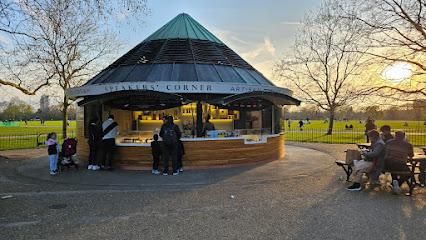
Speakers' Corner
0.7 km
Historic Speakers' Corner in Hyde Park: London's iconic open-air forum for free speech and public debate since the 19th century.
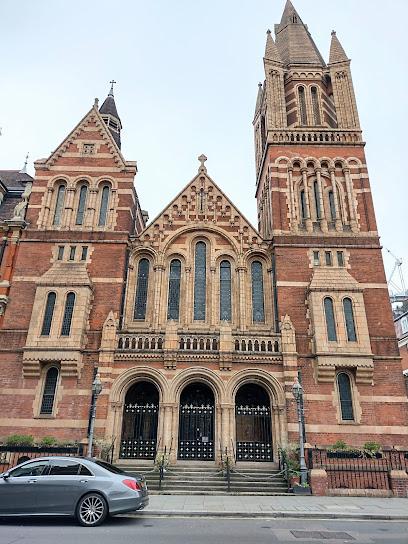
Ukrainian Catholic Cathedral
0.7 km
A historic London landmark blending Alfred Waterhouse’s architecture with vibrant Ukrainian Catholic tradition in the heart of Mayfair.
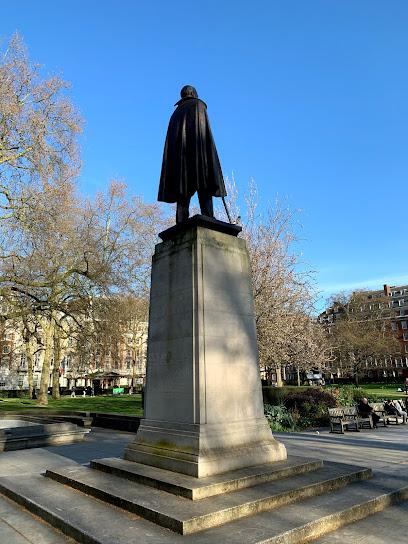
Roosevelt Memorial
0.8 km
A dignified tribute to Franklin D. Roosevelt in the historic heart of London’s Grosvenor Square, symbolizing enduring Anglo-American friendship.
The Paddington Partnership
0.8 km
Experience the vibrant community and rich culture of Paddington through the initiatives of The Paddington Partnership, a hub for local engagement and development.
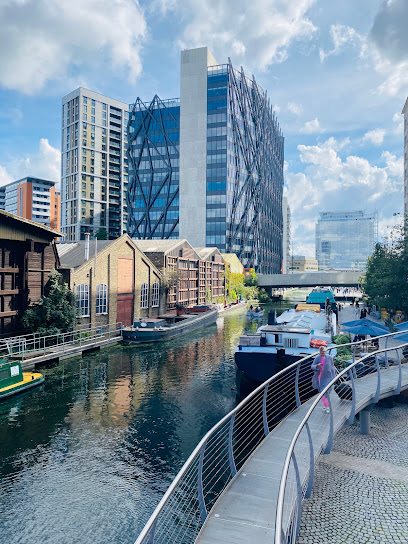
38 Grosvenor Sq
0.9 km
Historic mid-19th-century Italianate residence in London’s prestigious Grosvenor Square, a symbol of aristocratic and diplomatic heritage.
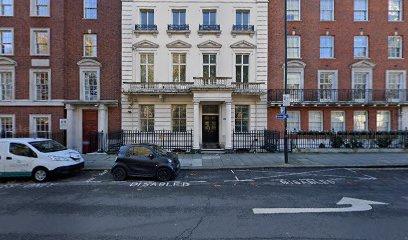
The Old Police House
1.1 km
Historic police station and visitor hub nestled in the heart of Hyde Park, blending heritage with the tranquility of London’s iconic green space.
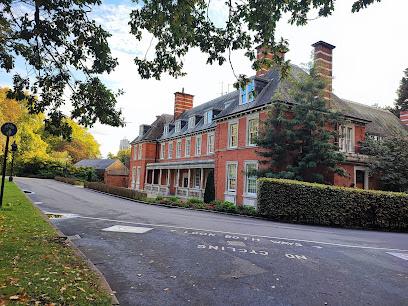
Sussex Gardens
1.2 km
A serene Victorian garden oasis nestled in the historic Tyburnia district, blending lush greenery with elegant architecture in central London.
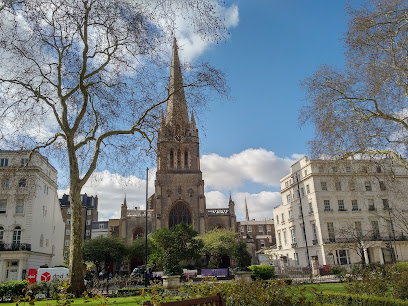
Norwegian War Memorial
1.3 km
A solemn granite tribute in Hyde Park honoring British-Norwegian friendship and support during World War II.

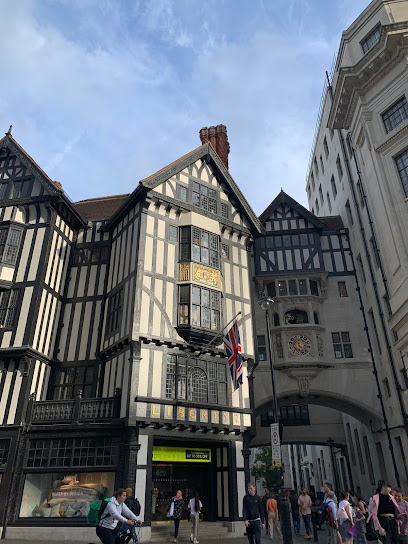
Liberty’s clock
1.3 km
Discover the charm of Liberty's Clock, an iconic landmark in Carnaby, London, embodying the city’s rich heritage and architectural beauty.
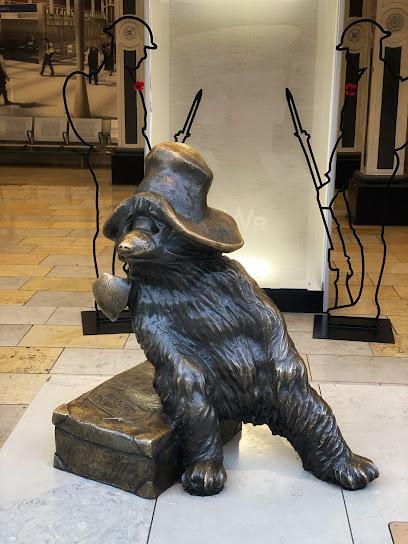
Paddington Bear Statue
1.3 km
Visit the charming Paddington Bear Statue in London, a delightful tribute to the beloved character that captures the hearts of tourists and locals alike.
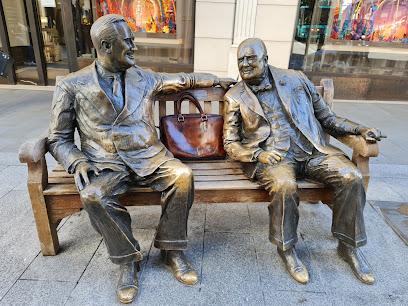
Allies (Churchill & Roosevelt)
1.3 km
A life-size bronze sculpture on New Bond Street celebrating Churchill and Roosevelt’s historic wartime alliance and enduring friendship.
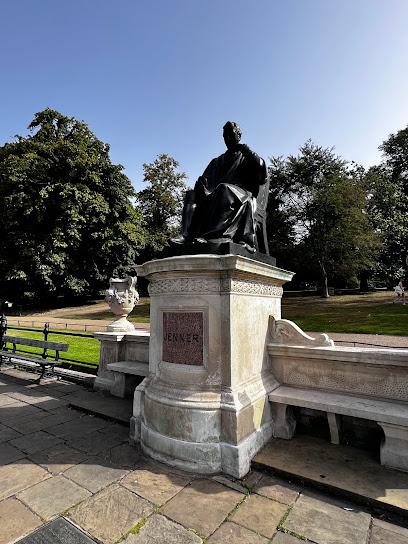
Edward Jenner Memorial
1.3 km
Victorian marble tribute to the physician who conquered smallpox and invented vaccination.
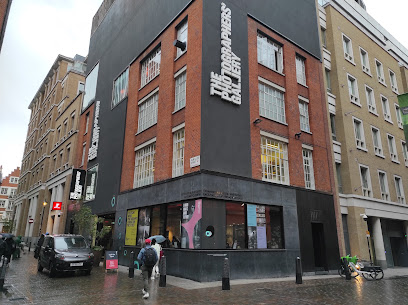
The Photographers' Gallery
1.4 km
Explore the captivating world of photography at The Photographers' Gallery, London's premier destination for stunning exhibitions and engaging workshops.
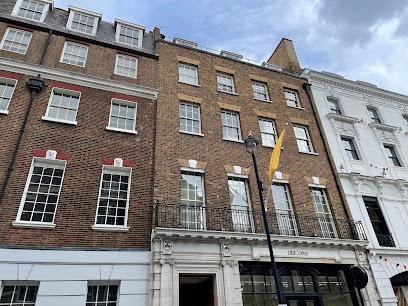
Savile Row
1.4 km
Explore the elegance of Savile Row, London's renowned street for bespoke tailoring and luxury fashion, where craftsmanship meets tradition.
Unmissable attractions to see

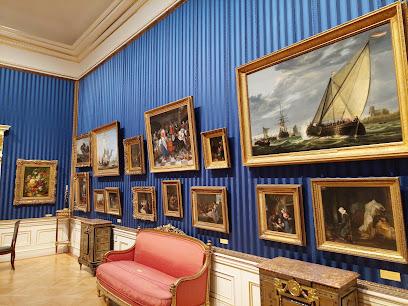
The Wallace Collection
0.4 km
Discover timeless masterpieces and aristocratic elegance in the heart of London at the Wallace Collection, a free museum of art and history.
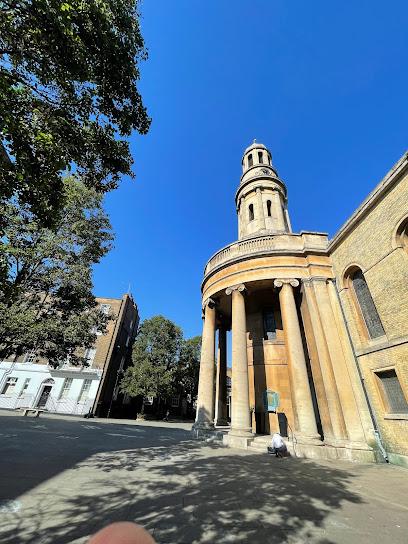
St Mary's Church, Bryanston Square
0.4 km
Discover the architectural beauty and serene atmosphere of St Mary's Church in Bryanston Square, a must-visit historical landmark in London.
Frameless Immersive Art Experience
0.4 km
Step inside iconic artworks at Frameless, London’s immersive art experience where technology and creativity unite to mesmerize and inspire.

Moco Museum London
0.4 km
Immersive modern and contemporary art experience featuring iconic masters and digital innovations at London's vibrant Marble Arch.
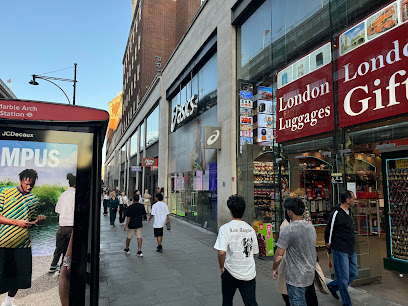
London Gifts
0.4 km
A lively London-themed gift shop on Oxford Street offering quick souvenirs with a vibrant but sometimes challenging shopping experience.
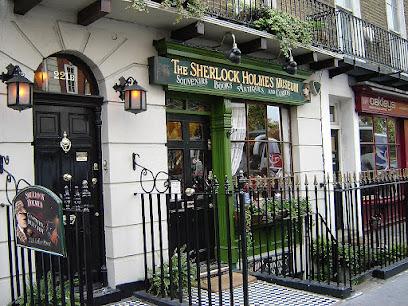
Baker St
0.4 km
Step into Victorian London at the world's first literary character museum, where Sherlock Holmes' iconic address comes alive.
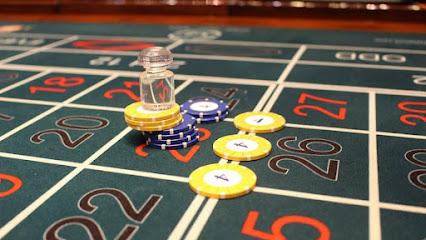
Grosvenor Casino, The Victoria
0.5 km
Experience premier gaming, fine dining, and vibrant social scenes at London’s iconic Grosvenor Casino The Victoria on Edgware Road.
Selfridges
0.5 km
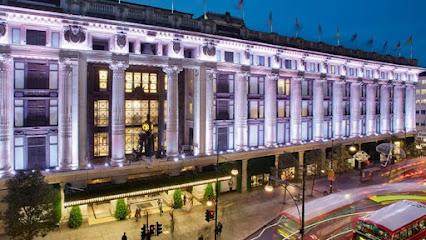
Discover Selfridges London, a historic Oxford Street icon blending luxury shopping, innovative experiences, and cultural heritage across six vibrant floors.
Mercato Mayfair
0.6 km
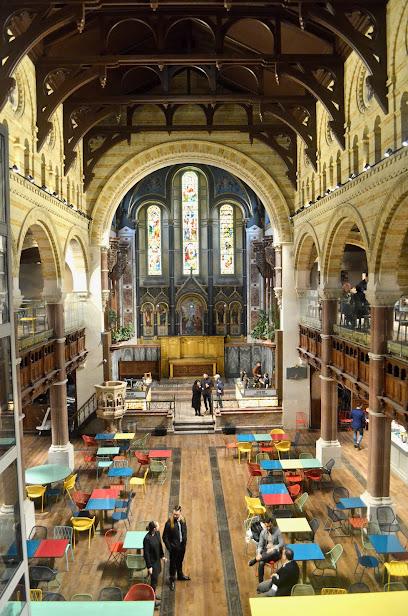
Discover a vibrant, sustainable food hall set within the historic St. Mark's Church, blending global flavors with Gothic grandeur in Mayfair.
University of Westminster Marylebone Hall
0.6 km
Modern student living in central London, opposite Madame Tussaud’s and close to Regent’s Park and the vibrant West End.
The Wonderpass
0.6 km
Discover The Wonderpass, a vibrant and artistic pedestrian underpass at Baker Street that turns a simple crossing into a captivating cultural journey.
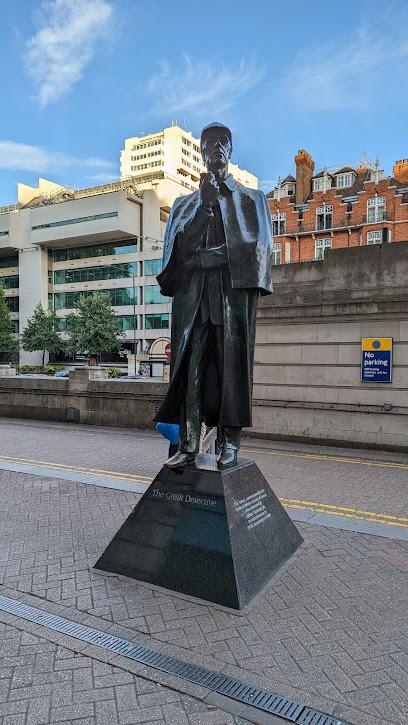
Sherlock Holmes Statue
0.6 km
Iconic bronze statue near Baker Street celebrating Sherlock Holmes, London’s legendary fictional detective and literary icon.
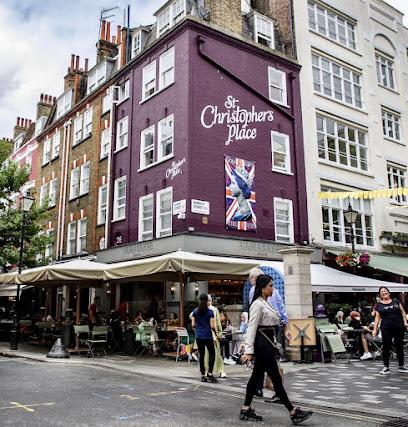
St Christopher's Place
0.6 km
A charming pedestrianised enclave of boutique shops and global dining, tucked just off Oxford Street in central London.
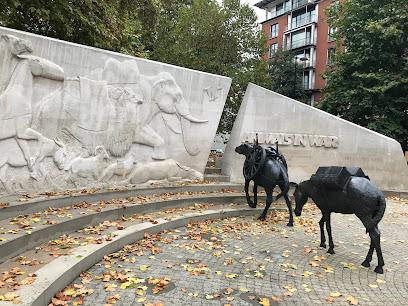
Animals In War Memorial
0.7 km
Explore the Animals In War Memorial in London, a moving tribute honoring the bravery of animals in military service throughout history.
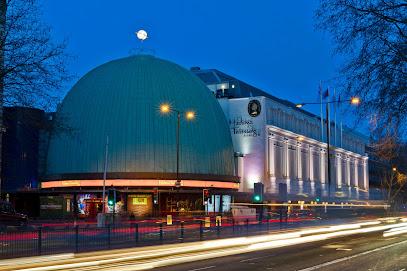
Madame Tussauds London
0.7 km
Step into the world of fame and history with over 150 lifelike celebrity figures and immersive experiences at Madame Tussauds London.
Essential places to dine

Apricity Restaurant
0.6 km
Sustainable fine dining in Mayfair blending seasonal British produce with innovative, low-waste culinary artistry.
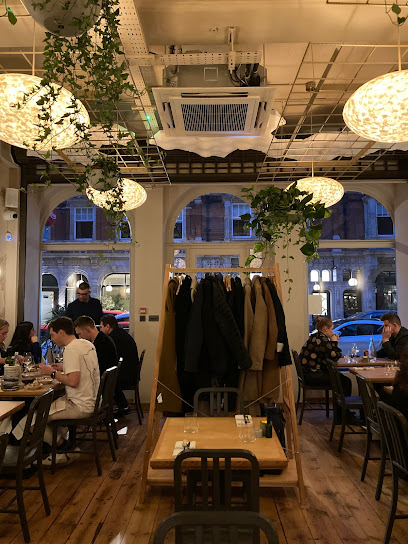
Portland
1.1 km
Michelin-starred modern European dining in Fitzrovia, blending seasonal British ingredients with refined, creative flavors in an intimate setting.
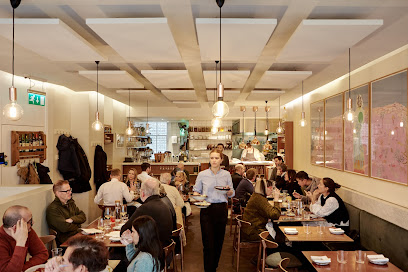
Little Social
1.2 km
Stylish Mayfair bistro offering refined modern British small plates with an intimate atmosphere and excellent wine selection.
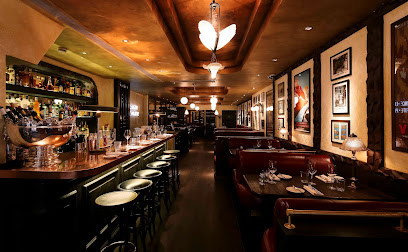
sketch
1.3 km
An iconic Mayfair venue blending avant-garde art, Michelin-starred dining, and whimsical design for an unforgettable London experience.
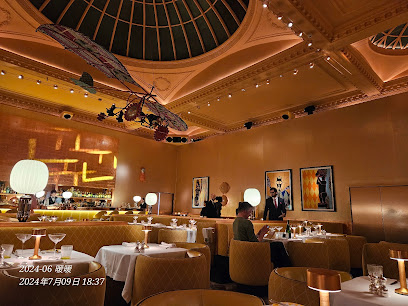
Starbucks Coffee
1.4 km
A vibrant Starbucks café in Carnaby offering expertly crafted coffee, fresh food, and a lively urban atmosphere in central London.
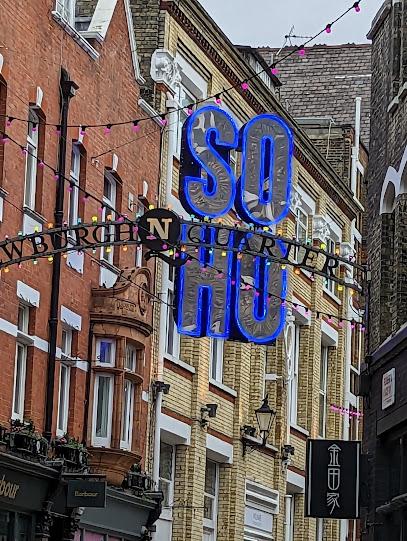
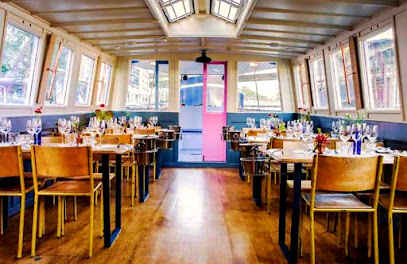
London Shell Co. - The Prince Regent
1.5 km
Savor exceptional British seafood aboard a charming canal barge cruising the historic Regent's Canal in Central London.
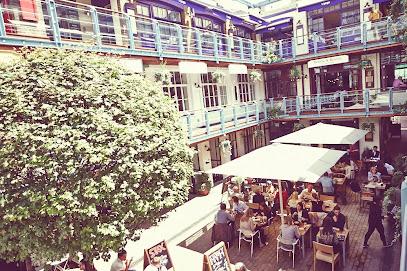
Kingly Court
1.5 km
Discover a world of flavors in London’s vibrant Kingly Court, where global cuisine meets Soho’s lively spirit.
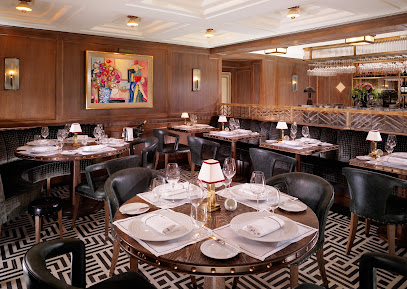
Ormer Mayfair Restaurant
1.5 km
Michelin-starred modern British dining in an elegant 1930s-style Mayfair setting, offering inventive tasting menus and impeccable service.
NOPI
1.5 km
Experience vibrant Mediterranean and Middle Eastern flavors in Soho at NOPI, Ottolenghi’s innovative restaurant known for shareable, seasonal dishes.
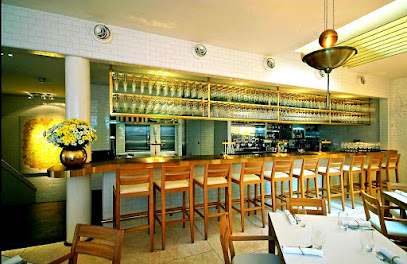
HIDE
1.6 km
Discover refined Modern European cuisine with panoramic Green Park views at HIDE, a Michelin-starred gem blending innovation and elegance in Mayfair.
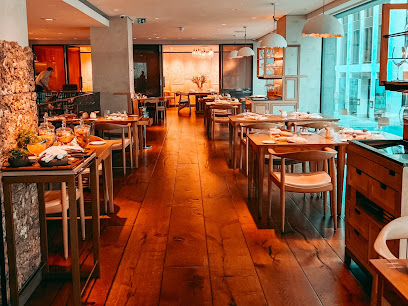
Social Eating House
1.6 km
Modern European dining in Soho with creative British flair, relaxed elegance, and an intimate chef’s counter experience.
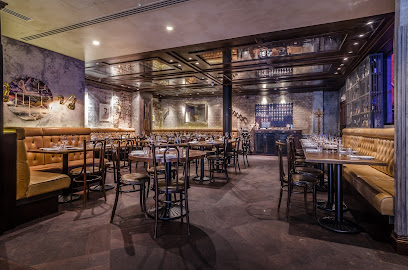
Bob Bob Ricard Soho
1.6 km
Experience glamorous British & French dining in Soho with iconic booths and a unique ‘Press for Champagne’ button at every table.
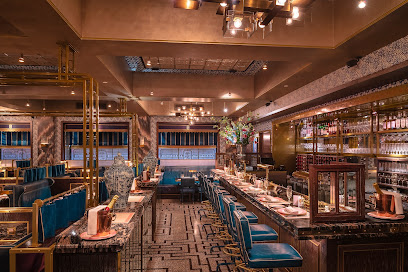
Blanchette
1.6 km
Cozy Soho French bistro serving modern small plates, charcuterie, and exquisite cheese and honey pairings in a Parisian-inspired setting.
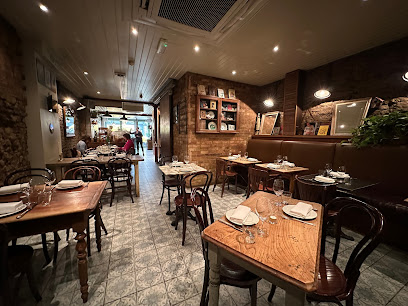
Andrew Edmunds Restaurant
1.6 km
A romantic Soho townhouse serving refined Franco-Mediterranean dishes with an acclaimed wine list in an intimate, candlelit setting.
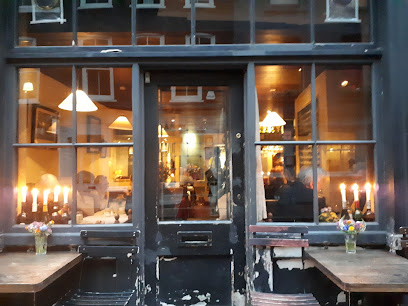
The Ninth
1.7 km
Michelin-starred modern French cuisine with Mediterranean flair in Fitzrovia’s chic and relaxed dining hotspot.
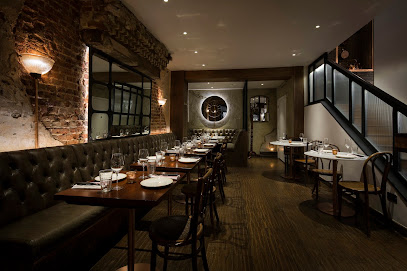
Markets, malls and hidden boutiques

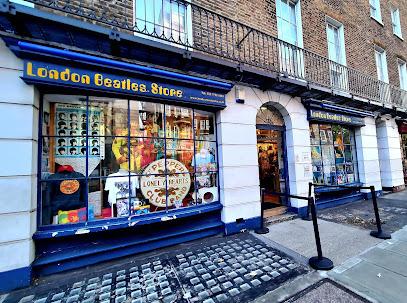
London Beatles Store
0.7 km
A vibrant Beatles memorabilia haven on Baker Street celebrating the timeless legacy of the Fab Four.
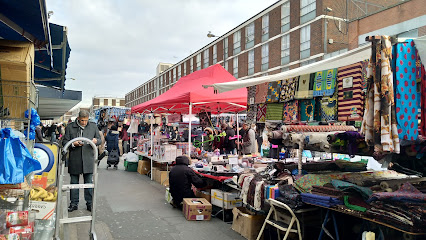
Church Street Market
1.1 km
A bustling multicultural market in Westminster offering fresh produce, antiques, street food, and vibrant local culture from Monday to Saturday.
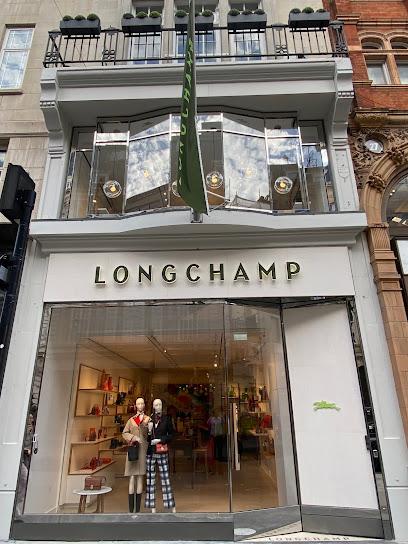
LONGCHAMP
1.2 km
Discover French luxury and craftsmanship at Longchamp’s elegant Bond Street boutique in London’s exclusive Mayfair district.
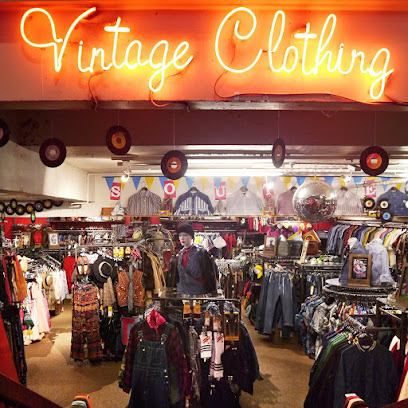
Beyond Retro Soho
1.2 km
Dive into Soho's ultimate vintage vault: two floors of era-spanning fashion, weekly drops, and pop-up vibes for the preloved obsessed.
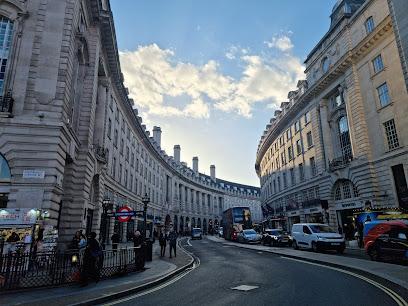
Regent St.
1.3 km
London's elegant mile of style, where Regency architecture meets world-class flagship stores and timeless shopping heritage.
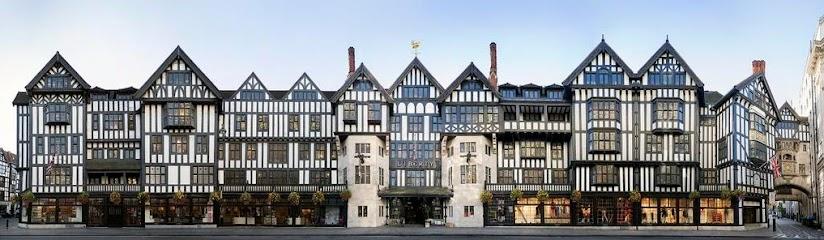
Liberty
1.3 km
Discover Liberty London, a Tudor revival icon blending heritage craftsmanship, luxurious fabrics, and timeless design in the heart of London’s West End.
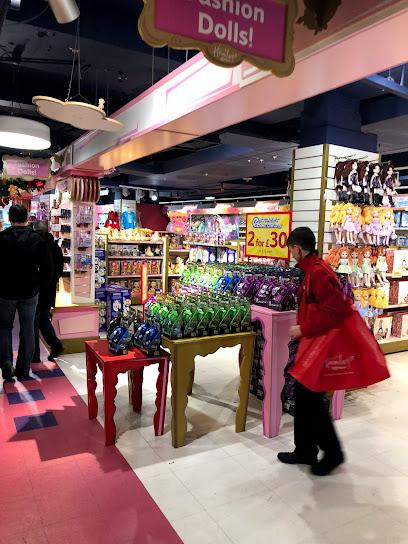
Hamleys
1.4 km
Seven floors of toy wonder in London's most iconic toy shop since 1760.
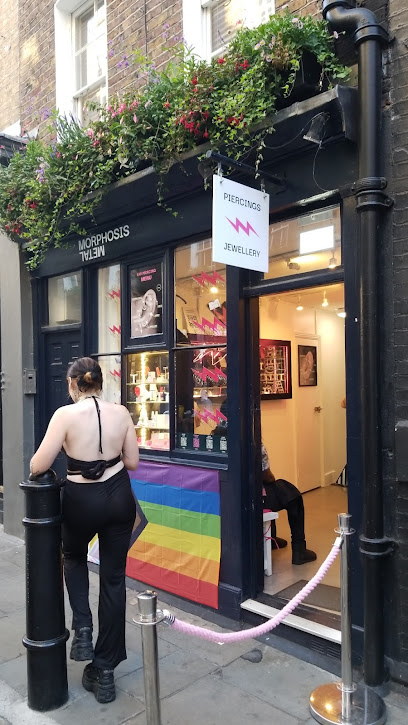
Canvas Collection
1.4 km
Discover handmade ceramics, jewelry, and accessories in Carnaby's artistic gift haven—unique treasures from London's creative makers.
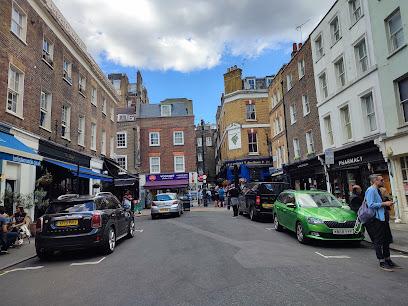
Shepherd Market
1.4 km
A Georgian village hidden in Mayfair's heart, where independent shops, art galleries and historic pubs preserve timeless London charm.
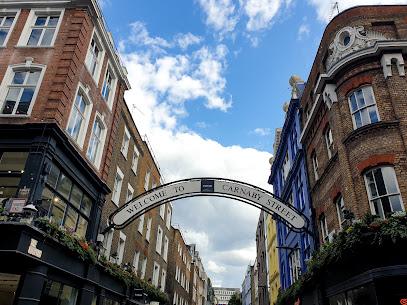
Carnaby St
1.4 km
London's iconic fashion hub where 1960s counterculture meets contemporary style across 14 vibrant streets.
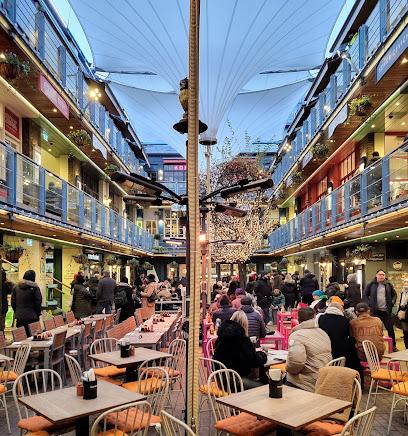
Kingly Ct
1.5 km
A vibrant three-storey courtyard in Soho offering eclectic global dining and unique shops in a lively, relaxed atmosphere.
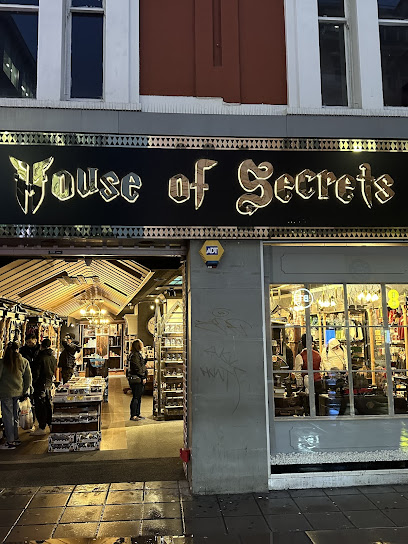
House of secrets
1.5 km
Step into House of Secrets on Oxford Street and discover a magical world of Harry Potter collectibles and enchanting souvenirs in the heart of London.
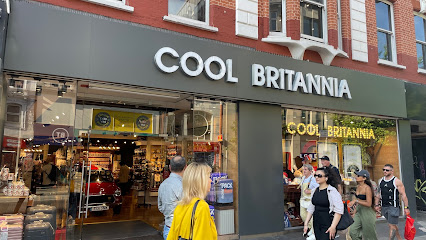
Cool Britannia Oxford Street
1.5 km
Discover authentic British souvenirs and capture timeless memories in the heart of London at Cool Britannia Oxford Street.
Charbonnel et Walker
1.5 km
Britain’s first luxury chocolatier since 1875, nestled in Mayfair’s Royal Arcade – where tradition, truffles and royal patronage meet in every exquisite box.
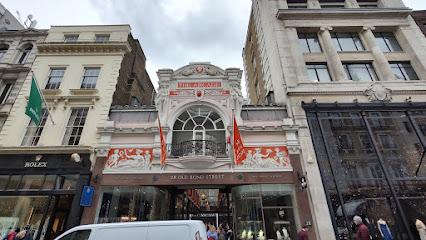
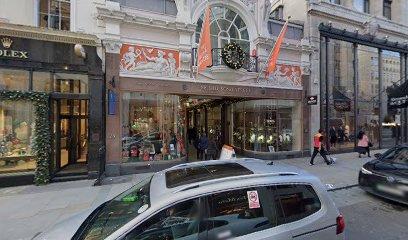
28 The Royal Arcade
1.5 km
Step into London's oldest Victorian shopping arcade, where historic charm meets luxury boutiques in the heart of Mayfair.
Essential bars & hidden hideouts

The Churchill Bar & Terrace
0.2 km
Sophisticated cocktail bar and terrace in central London, blending classic British charm with modern elegance and a vibrant social scene.
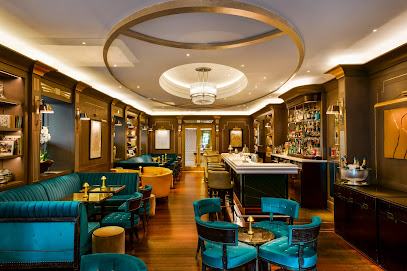
Purl London
0.3 km
Discover Purl London, a speakeasy-style cocktail bar in Marylebone offering expertly crafted drinks in a cozy vintage setting.
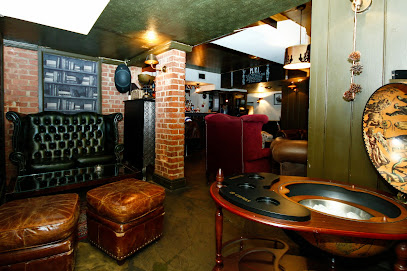
The Victoria, Paddington
1.0 km
Step into The Victoria, Paddington, a historic Victorian pub blending timeless charm, rich heritage, and refined British dining in a warm, inviting setting.
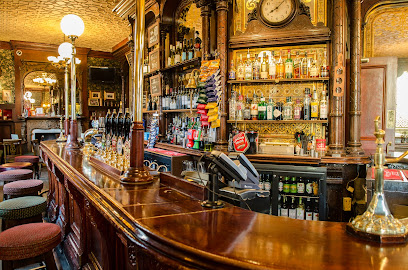
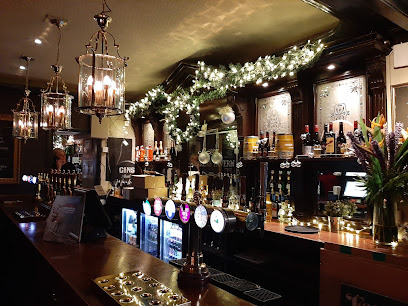
The Dickens Tavern
1.1 km
Classic British pub with hearty fare and ales, nestled in Paddington’s vibrant heart near London Paddington Station.
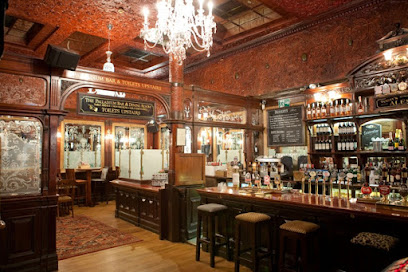
The Argyll Arms
1.2 km
Step into The Argyll Arms, a Victorian-era pub gem in Soho blending historic charm, real ales, and hearty British fare near Oxford Circus.
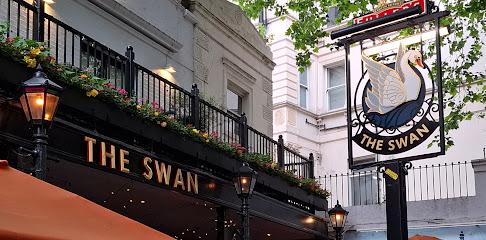
The Swan, Hyde Park
1.4 km
Historic coaching inn turned vibrant pub overlooking Hyde Park, blending rich London heritage with classic British dining and lively social scenes.
Cahoots London
1.5 km
Step into a 1940s London underground tube station and enjoy creative cocktails in a vibrant, theatrical vintage setting.
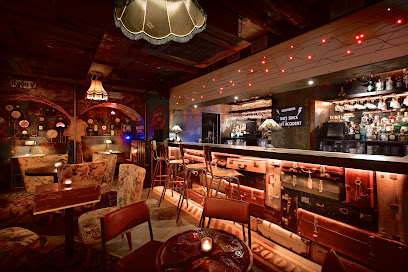
Disrepute - Soho
1.5 km
Descend into Soho's glamorous underworld at Disrepute, where 1960s scandal meets masterful cocktails in velvet-clad vaults—Soho's seductive late-night escape.
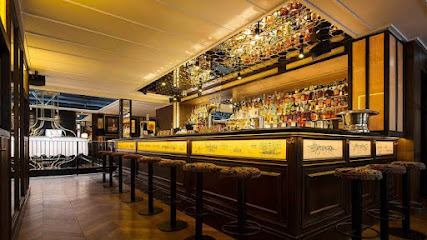
The Cocktail Club - Cocktail Bar in Fitzrovia
1.5 km
A vibrant, punk-inspired basement bar in Fitzrovia serving inventive cocktails and lively nights with flair and fun.
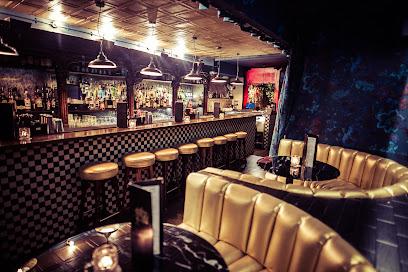
NQ64 Soho
1.5 km
Dive into a neon-lit world of retro arcade games and themed cocktails in the heart of Soho’s vibrant nightlife scene.
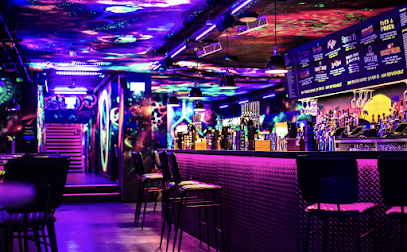
Punch Room
1.6 km
An exclusive Fitzrovia cocktail bar where historic punch traditions meet innovative craft mixology in a cozy, club-like setting.
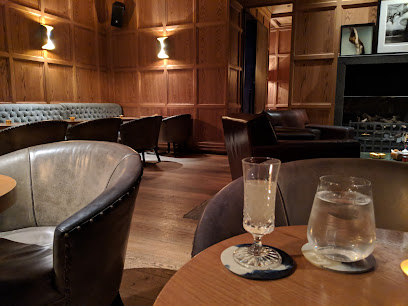
Below
1.6 km
Discover Below at HIDE, a hidden Mayfair cocktail bar offering expertly crafted seasonal drinks and rare spirits beneath a Michelin-starred restaurant.
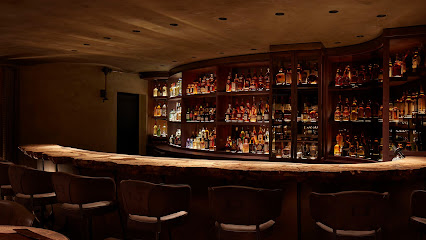
Basement Sate
1.7 km
Discover Soho’s chic basement bar where decadent desserts meet expertly crafted cocktails in an intimate, stylish setting.
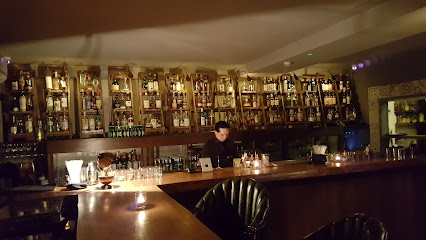
Duke of Argyll
1.8 km
Step into the Duke of Argyll for authentic Victorian pub charm, affordable ales, and a warm Soho atmosphere in central London.
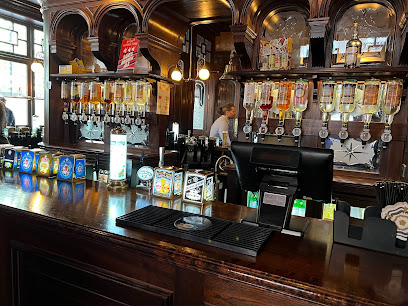
The Nellie Dean
1.8 km
A classic Soho pub blending traditional charm with lively local spirit and renowned for hearty pies and well-kept ales.
Nightclubs & after hour spots

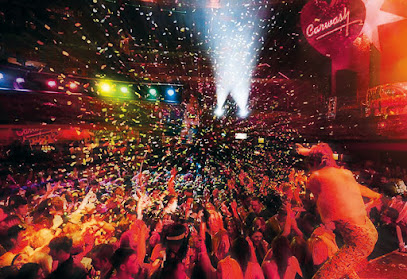
Carwash Nightclub
1.0 km
Europe's longest-running disco since 1989: sequins, funk beats, and joyful dancing in Mayfair's retro heart. Join the glitter-fueled party!
Privilege Entertainment Ltd
1.3 km
Discover the pulsating nightlife at Privilege Entertainment Ltd, London's premier entertainment agency and nightclub, where unforgettable experiences await.

LUXX CLUB LONDON
1.4 km
Experience Mayfair’s premier luxury nightclub with dazzling lights, top DJs, and exclusive VIP vibes at LUXX CLUB LONDON.
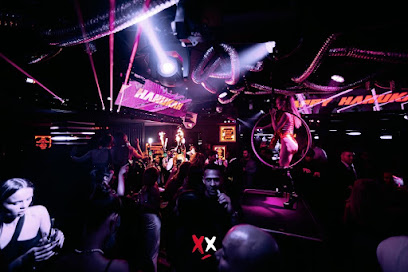
Bordello London
1.6 km
Dive into Soho's seductive basement beats at Bordello London, where Wardour Street's nightlife legacy ignites late-night frenzy on weekends.
101 Nightclub London
1.6 km
Soho's raw Saturday night pulse: intimate beats, crowded floors, and unfiltered London club energy on Wardour Street.
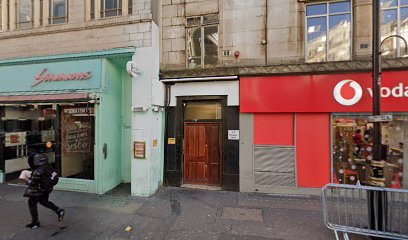
Sunset night club
1.6 km
Dive into Soho's electric nightlife at Sunset Night Club, where thumping beats, craft cocktails, and dawn-chasing energy define unforgettable nights in London's vibrant core.
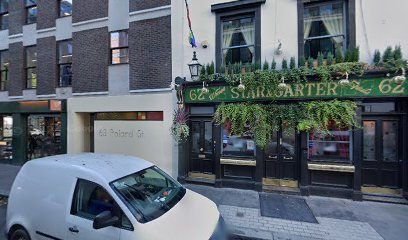
Tabu London
1.6 km
Escape Mayfair's polish for Tokyo's neon-lit Shinjuku alleys at Tabu London—retro gaming vibes, caged dancers, hip-hop beats, and upscale bites fuel epic nights.
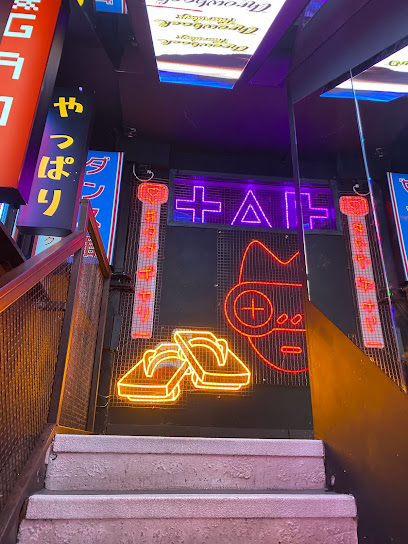
The Cuckoo Club
1.7 km
Exclusive Mayfair nightclub and restaurant blending glamorous design, contemporary cuisine, and vibrant nightlife in London’s upscale scene.
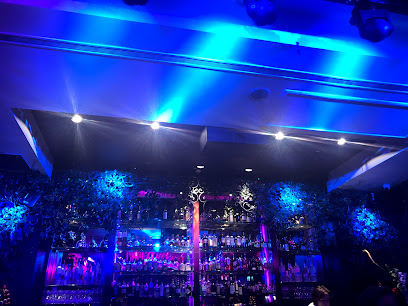
St Moritz Club
1.7 km
Soho's retro basement nightclub: 1960s vibes meet modern beats in an intimate, wood-paneled haven beneath a Swiss chalet restaurant.
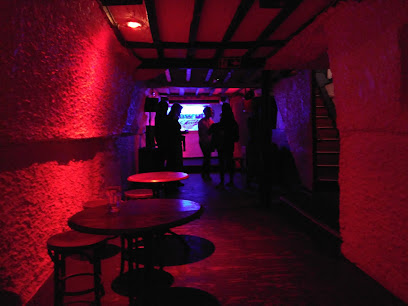
The Box Soho
1.8 km
A clandestine Soho cabaret where decadent staging, provocative shows and high‑end cocktails collide in an intense late‑night theatre.
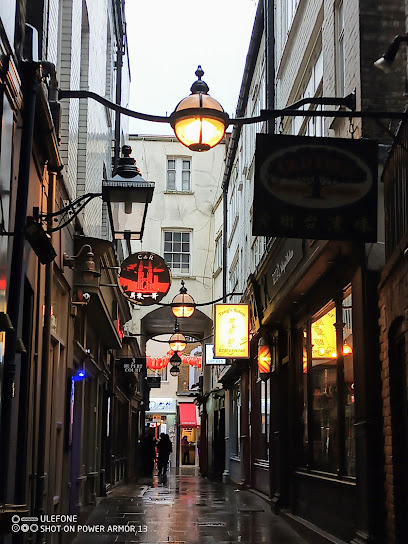
Versity Camp Nightclub
1.8 km
Dive into Soho's beating heart at Versity Camp Nightclub, where thumping bass, inventive cocktails, and an electric crowd fuel unforgettable nights until dawn.
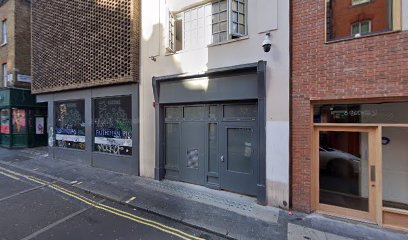
Sophisticats Soho
1.8 km
An intimate, late‑night Soho gentlemen’s club on Brewer Street offering staged performances, VIP seating and an upmarket, discreet atmosphere.
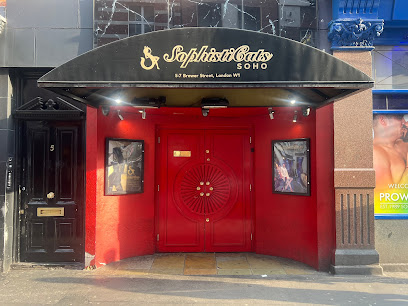
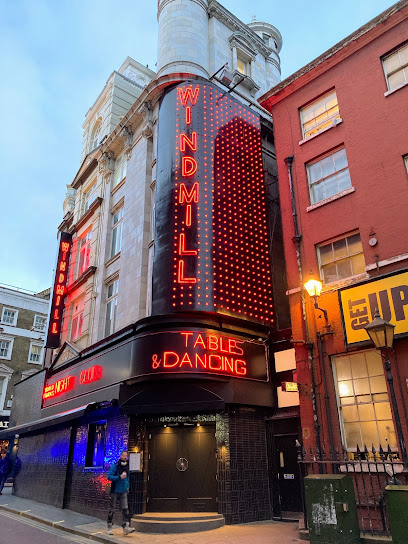
The Windmill Soho | Restaurant, Cabaret & Nightclub in Soho, London
1.8 km
Soho's legendary cabaret den revived: burlesque bites, theatrical feasts, and all-night beats in a historic hotspot of hedonism.
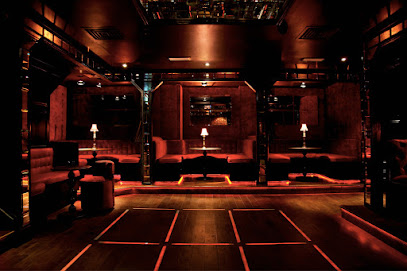
The Scotch of St James
1.8 km
Legendary Mayfair speakeasy where 60s rock stars jammed and today's elite dance till dawn in velvet-clad intimacy.
La Capannina Club
1.9 km
Discover Soho's discreet gentlemen's club: seductive stage shows, cosy vibes, and late-night allure in London's nightlife heart.
For the vibe & atmosphere seeker
- Romantic
- Scenic
- Unique
- Tranquil
For the design and aesthetic lover
- Minimalist Designs
- Vintage Styles
- Modern Designs
For the architecture buff
- Historic
- Landmarks
- Heritage Neighborhoods
For the view chaser and sunset hunter
- Iconic Views
- Panoramas
For the social media creator & influencer
- Instagrammable
- Photo Spots
- Architectural Shots
For the eco-conscious traveler
- Protected Area
- Locally Managed
For the kind of experience you’re after
- Cultural Heritage
- Photowalk
- Myth & Legends
For how adventurous you want the journey to be
- Easy Access
Location Audience
- Family Friendly
- Solo Friendly
- Couple Friendly
- Senior Friendly
- Teen Friendly


