
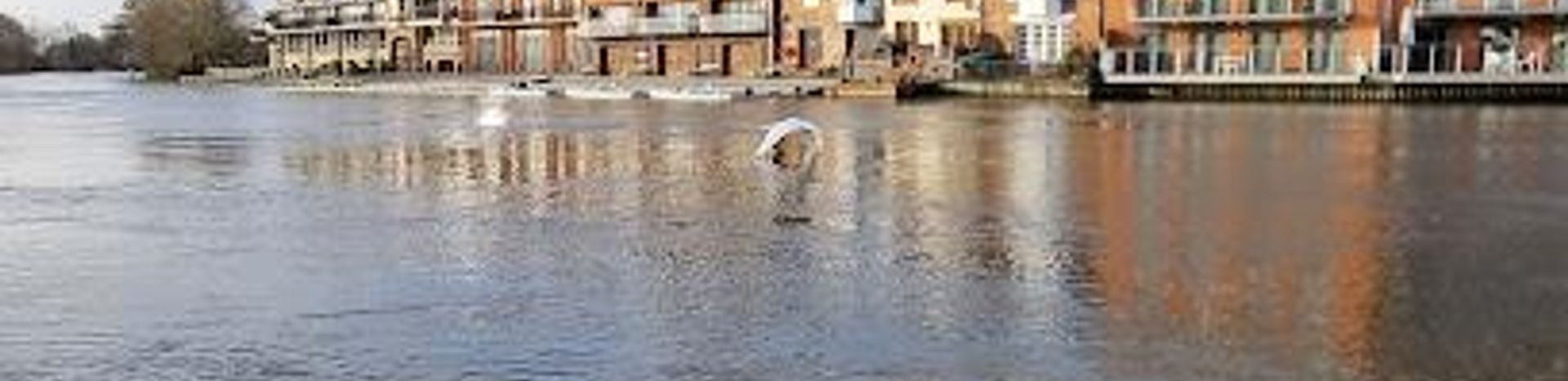
Windsor Eton Bridge
A neoclassical Thames crossing linking Windsor and Eton with two centuries of riverside heritage.
Windsor Eton Bridge is a historic pedestrian crossing spanning the River Thames between Windsor and Eton, England. Originally constructed in the early 19th century and rebuilt in 1824, this neoclassical structure features elegant cast iron arches and has served as a vital link between the two towns for nearly two centuries. After closure to vehicular traffic in 1970 due to structural concerns, the bridge was restored and now welcomes pedestrians seeking views of the river and access to both riverside communities.
A brief summary to Windsor Eton Bridge UK
- Windsor Rd, Slough, Eton, SL1 2EJ, GB
- Duration: 0.25 to 1.5 hours
- Free
-
 Outdoor
- Mobile reception: 4 out of 5
Local tips
- Visit during late afternoon or early evening when sunlight illuminates the cast iron arches, creating striking shadows and reflections in the water below—ideal for photography.
- Combine your bridge crossing with a walk along the Thames Path on either side; the Windsor bank offers riverside pubs and gardens, while the Eton side provides access to the historic town and college grounds.
- The bridge is pedestrian-only with no vehicle access, making it a peaceful crossing; allow time to pause mid-span and observe river traffic, swans, and waterfowl.
- Check local weather forecasts before visiting; the bridge offers no shelter, and wind can be strong across the open water, particularly in autumn and winter months.
- The bridge connects to both Windsor town centre and Eton High Street; plan a longer visit to explore shops, museums, and historic architecture on both sides of the Thames.

For the on-the-go comforts that matter to you
- Seating Areas
- Information Boards
Getting There
-
Train
From London Waterloo, take a South Western Railway train to Windsor & Eton Central station (approximately 50–60 minutes). From the station, walk south toward the river (approximately 10 minutes) to reach the bridge on the Windsor side. Trains run regularly throughout the day; off-peak fares start around £8–12 return, peak fares £12–18 return.
-
Bus
From central London, take a Green Line or First Bus service to Windsor town centre (approximately 60–90 minutes depending on traffic and starting point). Services run hourly or more frequently during peak times. Once in Windsor, walk to the riverside (approximately 5–10 minutes) to access the bridge. Fares typically range from £5–10 return.
-
Car
Drive to Windsor town centre and use one of the public car parks (Peascod Street, Bacchante Meadows, or Thames Street car parks charge approximately £1.50–3 per hour, with daily maximums around £10–15). From the car park, walk to the riverside (5–15 minutes depending on which car park). The bridge itself is pedestrian-only with no vehicle access.
-
Walking from Eton
If arriving in Eton via train to Eton Wick or Datchet, or from Eton High Street, the bridge is accessible via a 10–20 minute walk depending on your starting point. Follow signs toward the riverside or ask locals for directions to the bridge. The approach is relatively flat and straightforward, suitable for most fitness levels.
Windsor Eton Bridge UK location weather suitability
-
 Any Weather
-
 Clear Skies
-
 Mild Temperatures
Discover more about Windsor Eton Bridge UK
A Bridge Spanning Centuries of History
Windsor Eton Bridge represents one of England's most enduring connections across the River Thames. The earliest documented evidence of a bridge at this location dates to 1172, when the King's tax collector recorded tolls collected from vessels passing beneath it. Over the subsequent centuries, the structure underwent numerous repairs and rebuilds, reflecting both the wear of continuous use and the evolving engineering standards of its time. By the early 18th century, the bridge had deteriorated so severely that authorities feared carts and coaches might collapse through the decaying timbers, prompting urgent intervention.The 1824 Reconstruction and Neoclassical Design
The bridge that stands today largely dates from 1824, when a comprehensive reconstruction was completed at considerable expense. Designed by architect Charles Hollis and constructed by Richard Williams, the new bridge cost £15,000—a substantial sum for the period. The structure showcases neoclassical design principles, featuring elegant cast iron arches that span gracefully across the water. The bridge's architectural refinement reflects the confidence and prosperity of the Georgian era, and its proportions and detailing have made it an iconic landmark in the Thames Valley landscape. The opening ceremony on 1 June 1824 was a formal affair, with local dignitaries processing from the Swan Inn to witness the presentation of a silver key to the toll gate.The Toll Controversy and Public Access
For much of the 19th century, the bridge operated under a toll system designed to fund its maintenance. However, by the 1890s, a legal dispute emerged over whether tolls should continue. The Parliamentary Act authorizing toll collection had expired in 1872, yet the Corporation of Windsor continued collecting approximately £500 annually. After a three-year legal battle culminating in rulings by the High Court of Appeal and House of Lords in 1898, the tolls were abolished. The removal of the tollgates became a cause for celebration, with crowds gathering to mark the bridge's transition to free public access.Closure and Pedestrianisation
Nearly 150 years after its 1824 reconstruction, structural inspections revealed significant cracks in the cast iron arches. In 1969, Berkshire County Council's survey identified deterioration that required immediate action. Initially, traffic was restricted to a single lane controlled by traffic lights, but further assessments determined that more comprehensive measures were necessary. The bridge closed to vehicular traffic on 10 April 1970, and buses were rerouted around Windsor. A public inquiry held at Windsor Guildhall in December 1971 debated the bridge's future, with Windsor and Berkshire authorities advocating for pedestrianisation to reduce town centre congestion, while Eton and Buckinghamshire representatives expressed concerns about economic impact. The decision ultimately favored pedestrian use, transforming the bridge into an exclusively foot traffic crossing.Engineering Heritage and Modern Significance
The bridge's cast iron construction represents Victorian engineering excellence, and its survival through two centuries of use testifies to the durability of well-designed structures. The elegant arches remain visible from both the Windsor and Eton riverbanks, offering photographers and visitors compelling views of the Thames. Today, the bridge serves as both a functional connection between the two historic towns and a tangible link to centuries of local history, from medieval times through the industrial era to the present day.Iconic landmarks you can’t miss

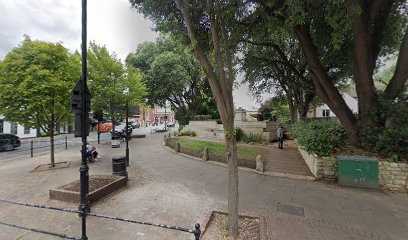
Windsor Martyrs' Memorial
0.1 km
A solemn tribute in Windsor honoring Protestant martyrs who bravely faced persecution during England's Reformation.
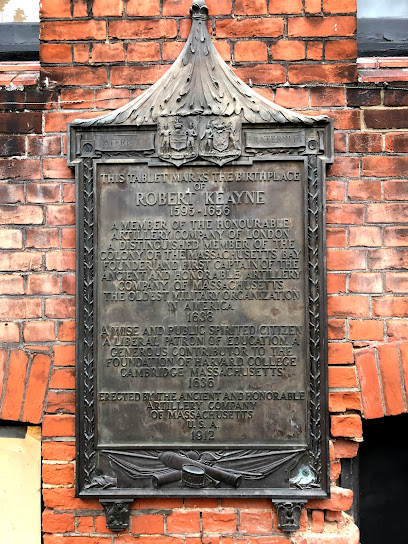
Bronze Plaque № 10828
0.2 km
A subtle yet significant bronze plaque marking Windsor’s rich historical heritage on Thames Street.
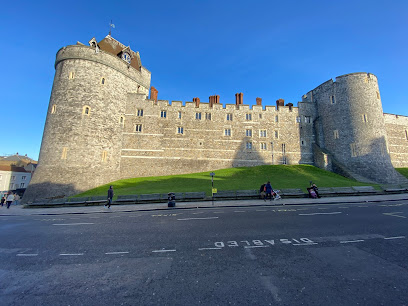
The Curfew Tower
0.3 km
Explore the medieval Curfew Tower, a historic bell tower and fortress sentinel within Windsor Castle’s ancient walls.
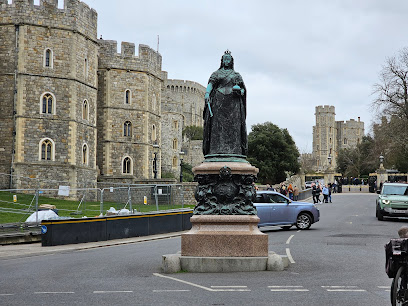
Queen Victoria Statue
0.4 km
A majestic bronze tribute to Queen Victoria’s Golden Jubilee, standing proudly at Windsor Castle’s entrance, celebrating Victorian royal heritage.
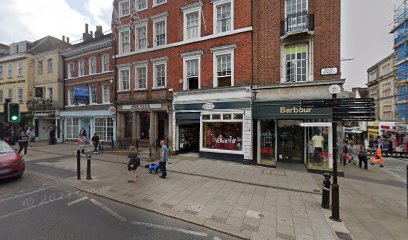
H. G. Wells White Plaque
0.4 km
Discover the H. G. Wells White Plaque on Windsor’s High Street, marking the early footsteps of a legendary science fiction pioneer.
Mary Delany and Fanny Burney blue plaque
0.4 km
A commemorative plaque honoring Mary Delany’s botanical artistry and Frances Burney’s literary legacy at Windsor Castle’s historic wall.
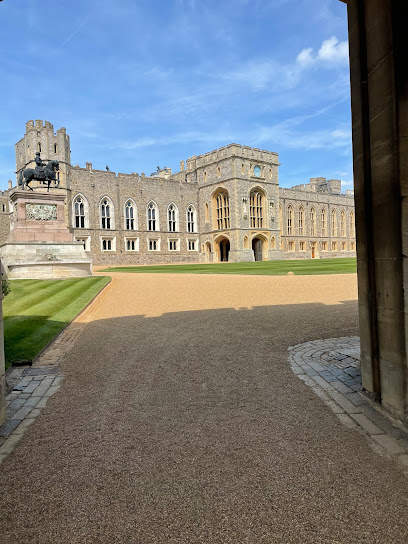
King Edward III Tower
0.4 km
Explore the majestic King Edward III Tower, a stunning medieval landmark within Windsor Castle offering rich history and scenic Thames views.
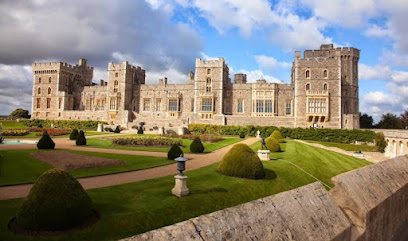
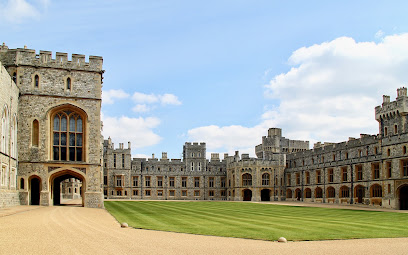
Windsor Castle Quadrangle
0.4 km
The ceremonial heart of Windsor Castle where royal pageantry, Gothic architecture, and 700 years of monarchy converge.
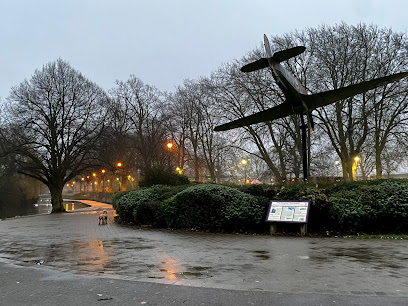
Sydney Camm Memorial
0.6 km
A full-size Hawker Hurricane replica honouring the Windsor-born designer who shaped aviation history.
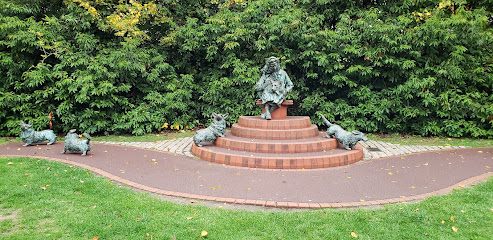
The Windsor Lady (The Queen and her Corgis)
0.6 km
Celebrate Queen Elizabeth II’s enduring love for her iconic corgis at Windsor’s charming historical landmark, The Windsor Lady.
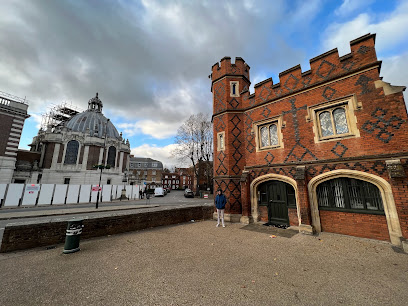
Burning Bush
0.7 km
A striking Gothic iron lamp embodying Eton College’s royal heritage and scholastic tradition on the historic High Street.
Harry Greenwood Blue Plaque
0.8 km
Discover the legacy of WWI hero Lt Col Harry Greenwood at his birthplace marked by a blue plaque in historic Windsor.
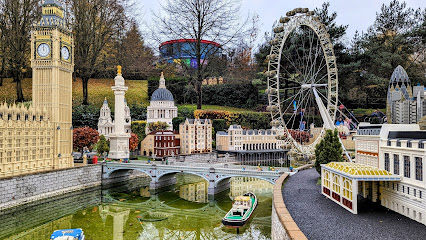
Miniland
3.8 km
Explore Miniland at LEGOLAND® Windsor, where famous landmarks are reimagined in stunning LEGO detail, offering a family-friendly adventure for all ages.
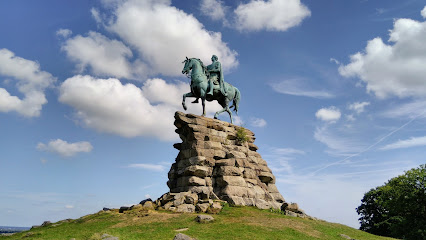
King George III & His Horse Statue
4.5 km
Majestic bronze statue of King George III atop Snow Hill, crowned by stunning views along Windsor Great Park’s historic Long Walk.
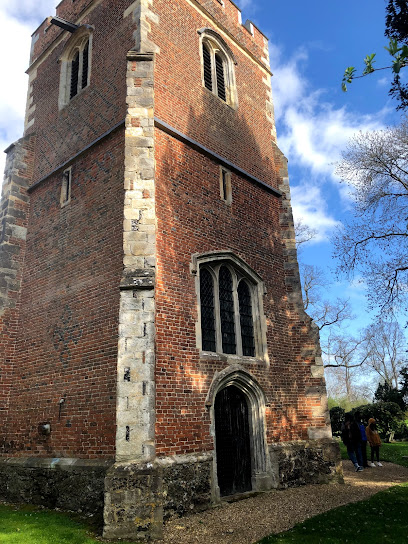
Dorney Court
4.6 km
Explore the enchanting Dorney Court, a historical landmark with stunning gardens and rich heritage, perfect for an unforgettable day out.
Unmissable attractions to see

Sculpture
0.0 km
Explore Eton's iconic sculpture, a stunning emblem of art and history nestled by the River Thames, enriching your journey through Windsor.

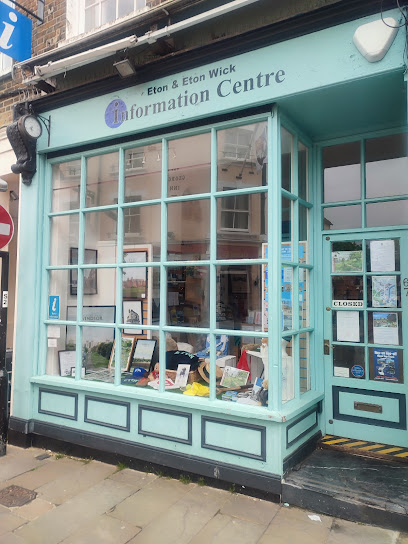
Eton & Eton wick information centre
0.0 km
Your friendly gateway to Eton’s heritage, local art, and visitor services on High Street near Windsor Bridge.
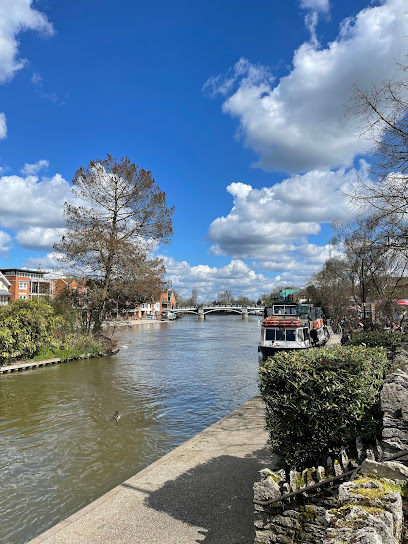
Windsor Riverside Walk
0.2 km
A scenic riverside promenade with views of Windsor Castle, connecting Alexandra Gardens, Eton, and the town centre for a peaceful, picturesque stroll.
Shami's Corner
0.2 km
Discover the charm of Shami's Corner in Windsor, where scenic views meet delightful local flavors in a warm, inviting atmosphere.
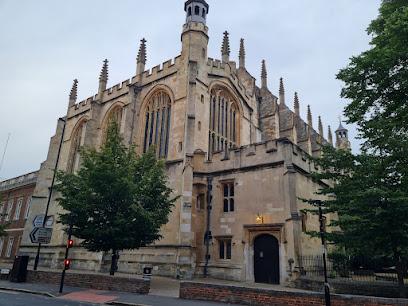
Eton
0.2 km
Explore Eton College, a historic and prestigious boarding school founded in 1440 near Windsor, renowned for its royal ties and medieval architecture.
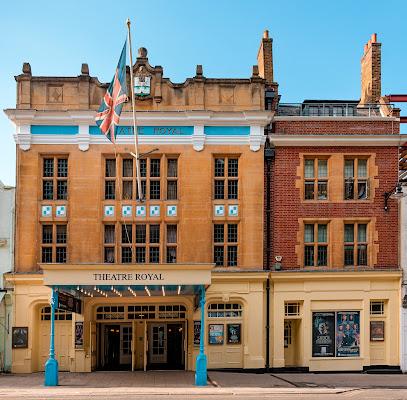
Theatre Royal Windsor
0.2 km
A historic Georgian theatre in the heart of Windsor, staging classic drama, pantomime, and new work in an intimate, ornate auditorium.
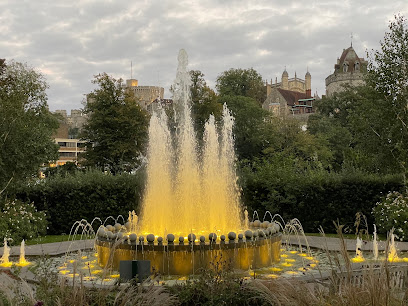
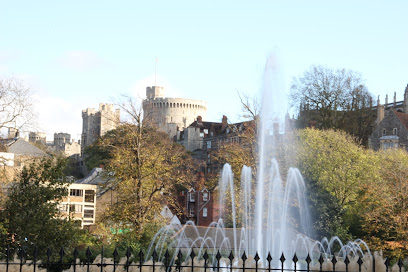
Diamond Jubilee Water Fountains
0.2 km
A regal water spectacle near Windsor Castle celebrating Queen Elizabeth II’s Diamond Jubilee with 60 jets forming a crown in tranquil riverside gardens.
Royal Windsor Maze
0.3 km
Explore the enchanting Royal Windsor Maze, a unique brick labyrinth featuring a mosaic of Windsor Castle's Round Tower at its centre.
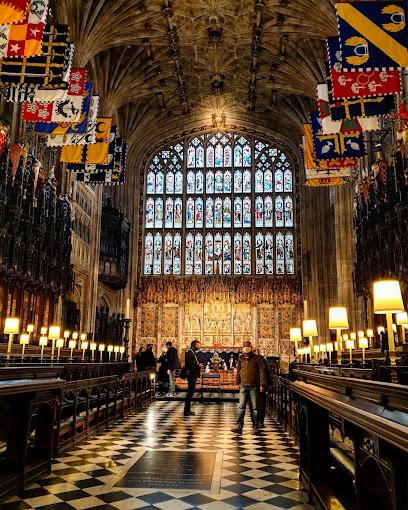
St George's Chapel
0.3 km
Discover the majestic St George's Chapel at Windsor Castle, a Gothic masterpiece and royal sanctuary steeped in centuries of British history.
Windsor Wheel
0.3 km
A gentle 110-foot observation wheel offering serene panoramic views of Windsor, the Thames Valley, and historic landmarks.
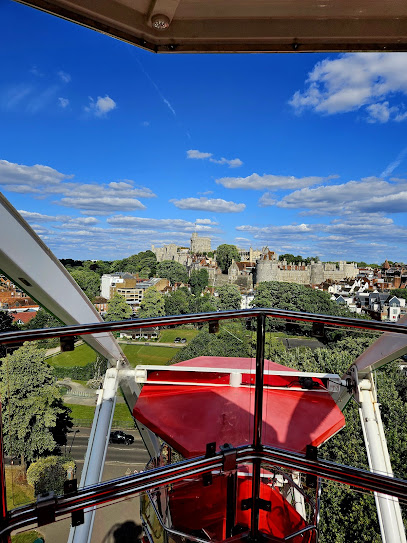
Windsor Castle
0.4 km
Explore Windsor Castle, the historic royal residence, and uncover centuries of British history within its majestic walls and beautiful gardens.
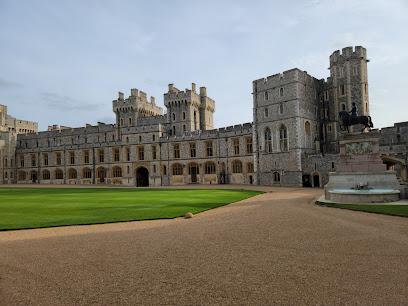
Queen Elizabeth II: Windsor memorial drinking fountain
0.4 km
A regal and sustainable tribute to Queen Elizabeth II offering free drinking water in the historic heart of Windsor.
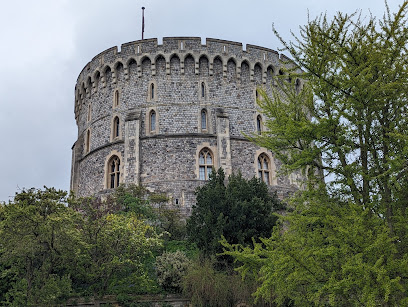
Escape Experience
0.4 km
Dive into thrilling, family-friendly escape rooms in Windsor with immersive themes and challenging puzzles for all skill levels.
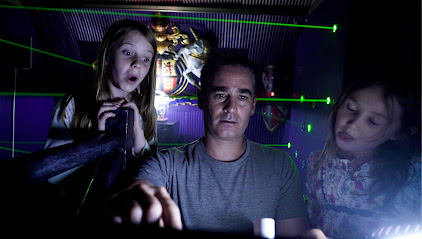
FUZZY BEAR Cocktails & Comedy
0.4 km
Experience vibrant comedy nights and creative cocktails in a unique railway arch venue in the heart of Windsor’s nightlife.
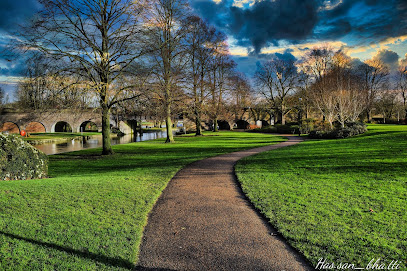
Alexandra Gardens
0.4 km
A scenic riverside oasis in Windsor offering stunning castle views, vibrant community events, and peaceful green spaces for all seasons.
Essential places to dine

Côte Windsor
0.0 km
Classic French brasserie dining with stunning riverside views of Windsor Castle in a lively, modern setting.
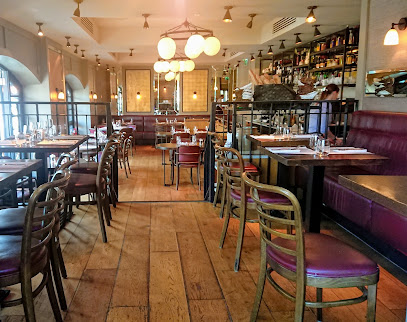
The Brasserie at Sir Christopher Wren
0.1 km
Modern European dining with riverside views and friendly service in the heart of historic Windsor.
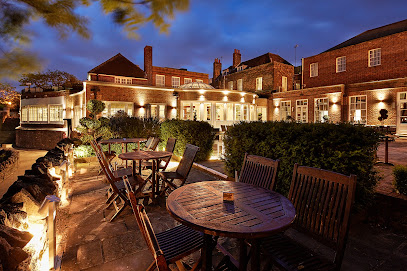
Gilbey's Bar, Restaurant & Townhouse
0.1 km
Elegant modern British dining and boutique lodging in the heart of historic Eton, just steps from Windsor Castle.
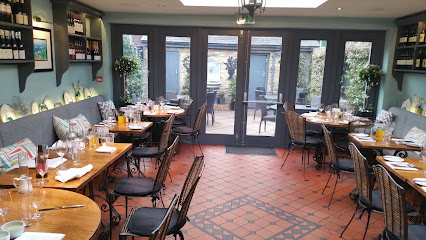
Browns Windsor
0.1 km
Classic British brasserie charm with contemporary dining on Windsor’s scenic Promenade.
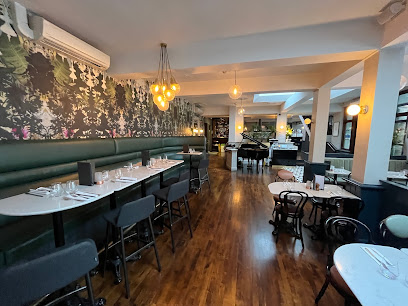
Lebanese Nights
0.2 km
Experience authentic Lebanese cuisine and warm hospitality in the heart of Windsor’s vibrant dining scene.
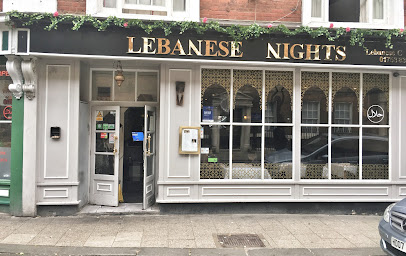
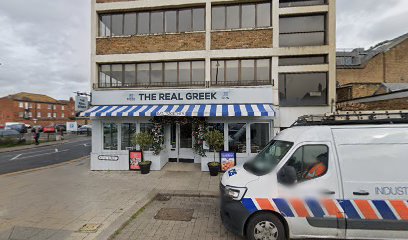
The Real Greek - Windsor
0.2 km
Experience authentic Greek flavors and vibrant Mediterranean hospitality at The Real Greek - Windsor, nestled by the scenic Thames.
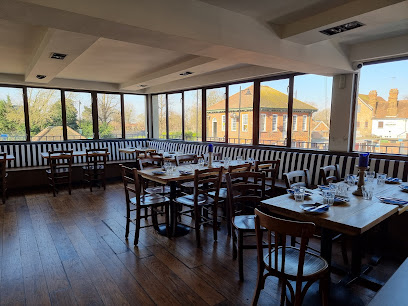
The Boatman
0.2 km
Windsor’s charming riverside gastropub offering classic British fare, scenic Thames views, and a relaxing atmosphere by the water.
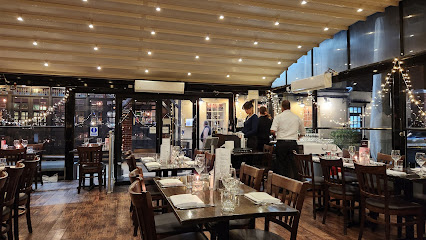
Thai Square Windsor
0.2 km
Upscale Thai dining with authentic flavors and elegant ambiance opposite Windsor Castle on Thames Street.
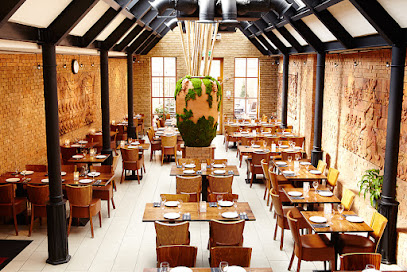
Giggling Squid - Windsor
0.2 km
Experience vibrant Thai flavors and lively ambiance at Giggling Squid, Windsor’s go-to spot for authentic and adventurous Thai dining.
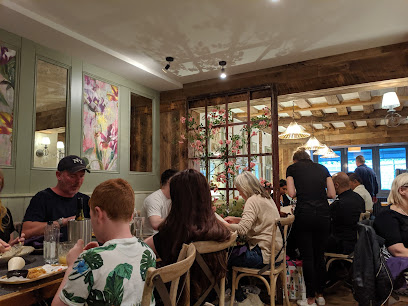
Zizzi - Windsor
0.2 km
Enjoy fresh Italian classics and warm hospitality opposite Windsor Castle in a vibrant, welcoming setting.
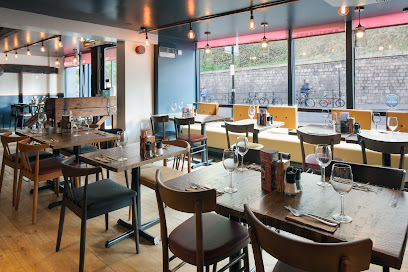
Prezzo Italian Restaurant Windsor
0.2 km
Authentic Italian dining in Windsor’s historic heart, offering wood-fired pizzas, fresh pastas, and a family-friendly atmosphere.
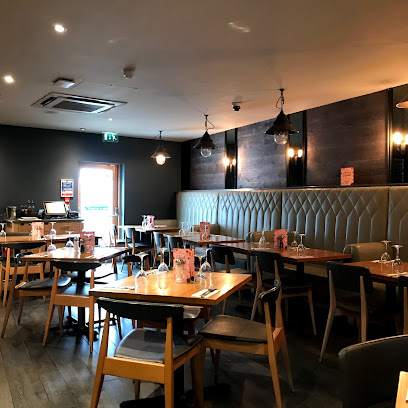
Honest Burgers Windsor
0.2 km
Savor freshly made British burgers and rosemary chips just steps from Windsor Castle in a lively, locally inspired setting.
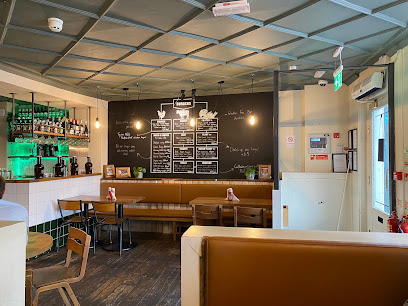
Nando's Windsor
0.3 km
Flame-grilled PERi-PERi chicken in the heart of Windsor – bold flavours, casual dining, and a relaxed vibe on Thames Street.
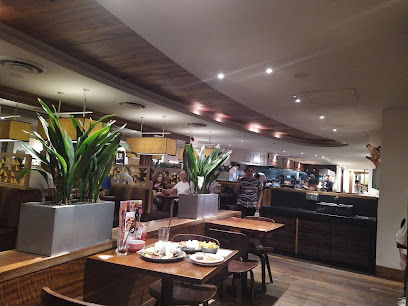
The Duchess of Cambridge Pub
0.3 km
Classic British comfort food and warm hospitality in a historic Windsor pub with a cozy, inviting atmosphere.
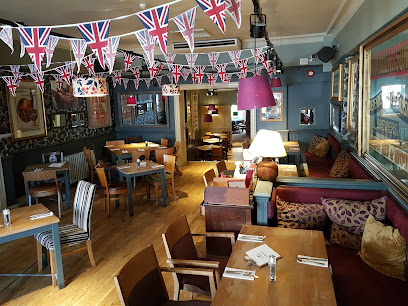
Bill's Windsor Restaurant
0.3 km
Cozy British dining with legendary pancakes and fresh, hearty meals in the heart of Windsor Royal Station.
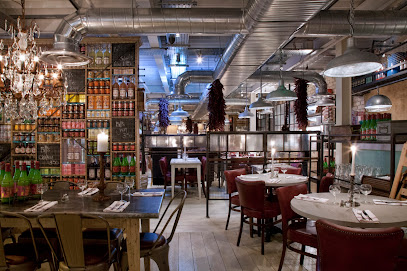
Markets, malls and hidden boutiques

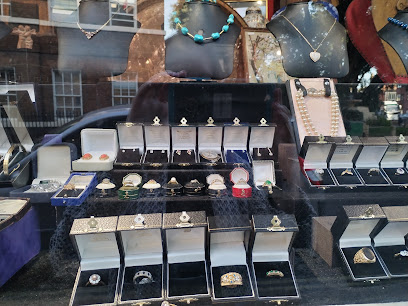
Wellington 1895 Antiques Windsor
0.2 km
Centuries of curated treasures in Windsor's most distinguished antique shop.
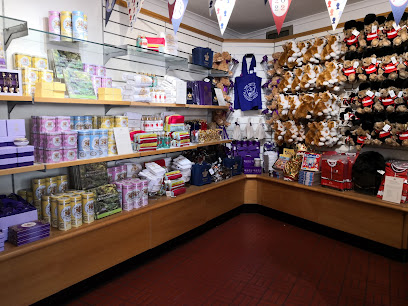
Middle Ward Shop
0.2 km
Royal souvenirs and gifts within Windsor Castle's historic Middle Ward.
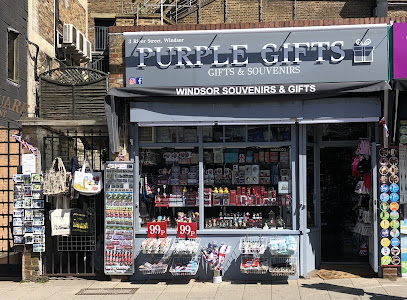
Purple Gifts
0.2 km
Discover unique souvenirs and handcrafted treasures that capture the charm and creativity of Windsor at Purple Gifts.
A P Souvenirs & Gifts
0.3 km
Discover charming Windsor souvenirs and gifts at A P Souvenirs & Gifts, your convenient stop near Windsor Castle for memorable keepsakes.
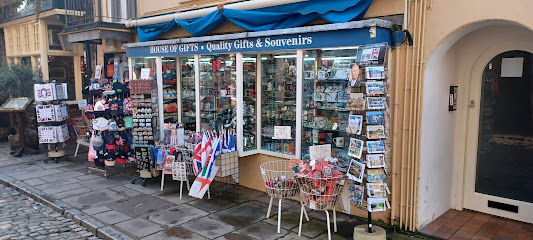
Gifts Box
0.3 km
Discover unique souvenirs and local crafts at Gifts Box, the charming gift shop in Windsor, perfect for your memorable keepsakes.
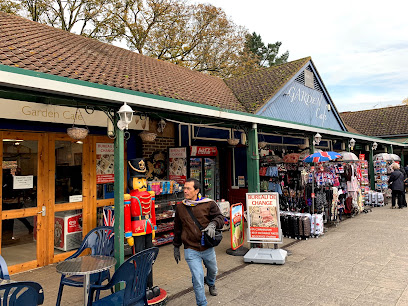
Windsor Wine & Gifts
0.3 km
Discover unique wines and charming gifts in the heart of Windsor, steps from the iconic Windsor Castle and the scenic Thames.
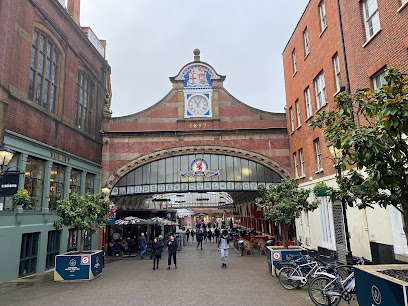
Windsor Royal Station
0.3 km
Independent shopping in a Victorian railway arch at the heart of historic Windsor.
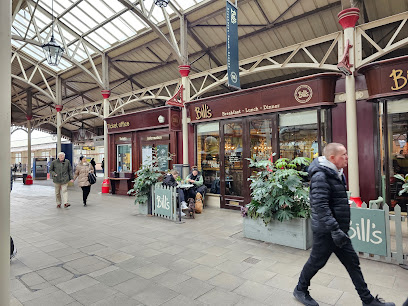
Jigsaw
0.4 km
Discover timeless style and quality craftsmanship at Jigsaw, Windsor's boutique for elegant ladies' fashion and unique statement pieces.
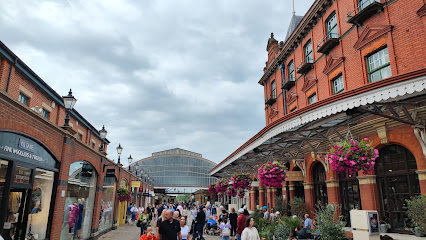
Windsor Yards
0.4 km
A vibrant shopping destination blending modern retail with Windsor’s historic charm and community spirit.
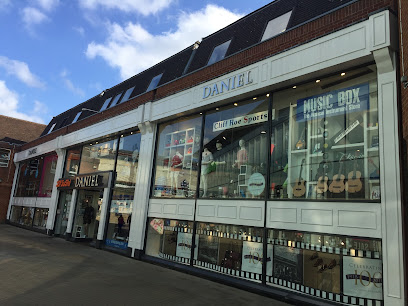
Whistles
0.4 km
Upscale ladies’ fashion boutique set within the historic charm of Windsor Royal Station, blending contemporary style with Victorian elegance.
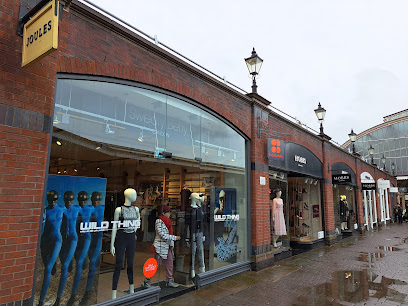
Indelibly Windsor
0.4 km
Discover Windsor’s culture and heritage through unique gifts and expert visitor services at Indelibly Windsor on High Street.
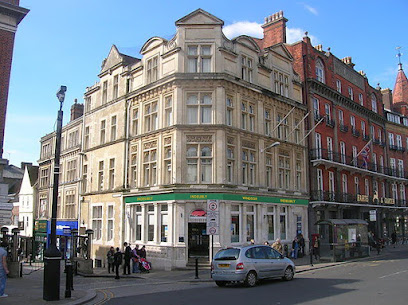
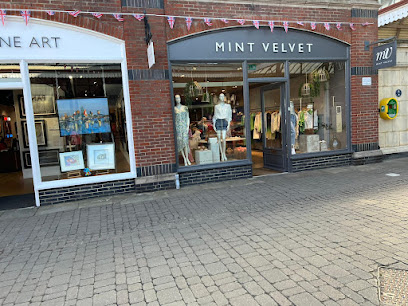
Mint Velvet Windsor
0.4 km
Discover relaxed glamour and timeless women's fashion at Mint Velvet Windsor, your stylish boutique in Windsor Royal Shopping Centre.
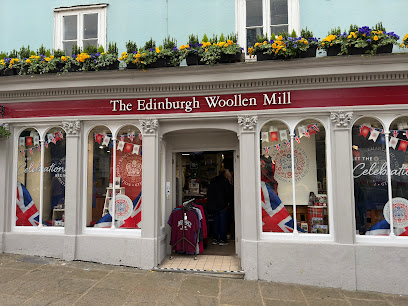
The Edinburgh Woollen Mill
0.4 km
Discover timeless Scottish knitwear and classic styles at The Edinburgh Woollen Mill in Windsor’s historic Castle Hill.
Piara
0.4 km
Explore Windsor's charm at Piara Gift Shop, where unique gifts and local treasures await every visitor.
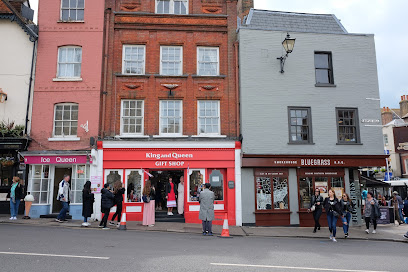
King & Queen Gift Shop
0.4 km
Discover royal-themed gifts and charming souvenirs steps from Windsor Castle at the King & Queen Gift Shop.
Essential bars & hidden hideouts

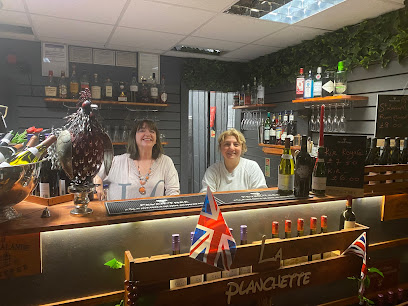
La planchette
0.1 km
Discover Windsor’s charming French wine bar with exquisite wines, artisanal pairings, and riverside ambiance on Thames Avenue.
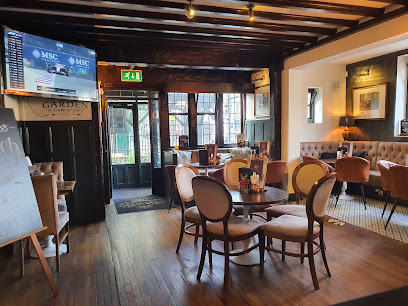
The Royal Windsor
0.2 km
Lively pub with stunning Windsor Castle views, artisan drinks, traditional British dishes, and a large beer garden for all occasions.
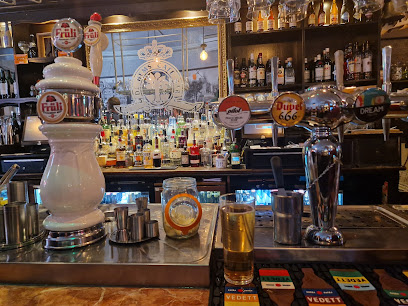
The King & Castle - JD Wetherspoon
0.3 km
A spacious, friendly JD Wetherspoon pub in Windsor offering affordable drinks and classic British fare near the historic Windsor Castle.
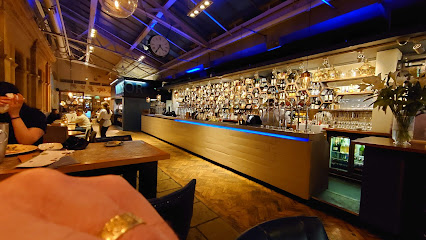
All Bar One Windsor
0.3 km
A stylish wine bar near Windsor Castle offering vibrant vibes, crafted cocktails, and shared plates in a historic yet modern setting.
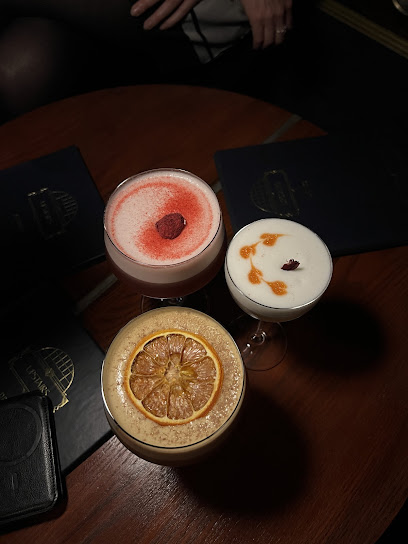
Upstairs Windsor
0.4 km
A refined cocktail bar in Windsor offering expertly crafted drinks and a grown-up atmosphere for stylish weekend nights.
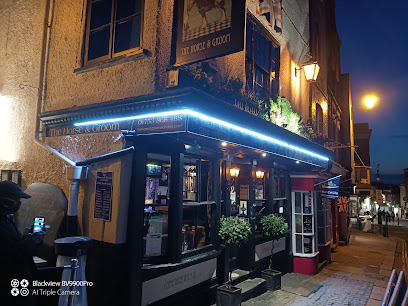
The Horse & Groom
0.4 km
Historic and welcoming English pub opposite Windsor Castle, offering hearty food, local ales, and cosy accommodation in the heart of Windsor.
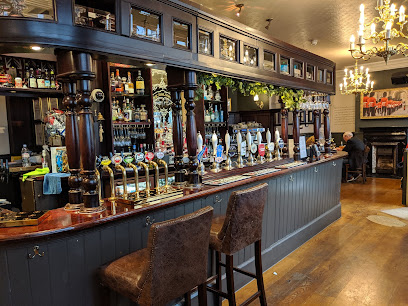
The Carpenters Arms
0.4 km
Historic pub in Windsor serving classic British fare and cask ales in a welcoming, artisan-inspired setting near Windsor Castle.
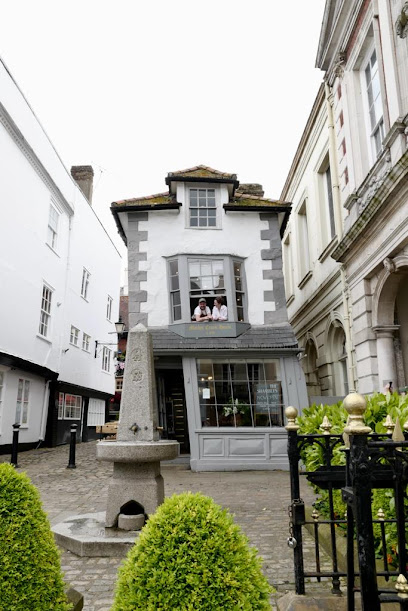
The Shambles
0.4 km
Discover Windsor’s award-winning bar housed in a charmingly tilted historic building, famed for creative cocktails and warm hospitality.
The Cobbles
0.4 km
Cozy cocktail bar in a historic 17th-century building opposite Windsor Castle, blending heritage charm with exceptional drinks and warm service.
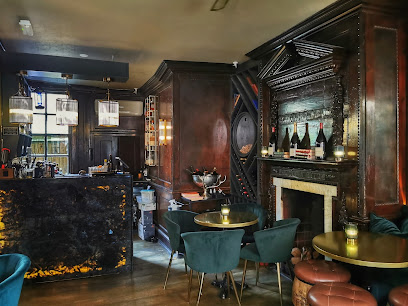
The Prince Harry
0.4 km
Historic pub steps from Windsor Castle, serving traditional British fare and real ales in a charming, centuries-old setting.
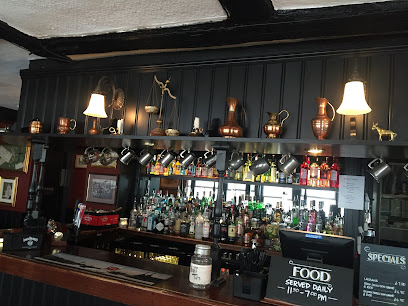
The Piper Art Bar
0.6 km
Discover a vibrant Scottish-themed bar and contemporary art space in the heart of Windsor, offering an extensive whisky selection and eclectic ambiance.
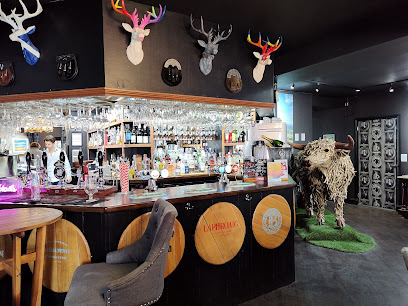
The Sinner Bar
0.6 km
A stylish cocktail bar in Windsor offering vibrant nightlife, expertly crafted drinks, and an intimate, seductive atmosphere.
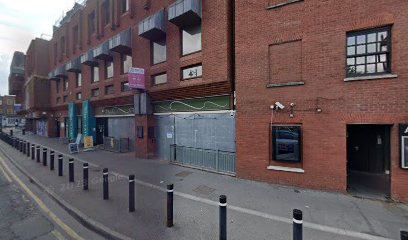
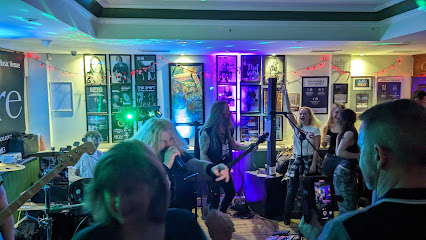
The Acre
0.6 km
A lively Windsor bar with engaging karaoke, live music, and a welcoming atmosphere for locals and visitors alike.
The Corner House
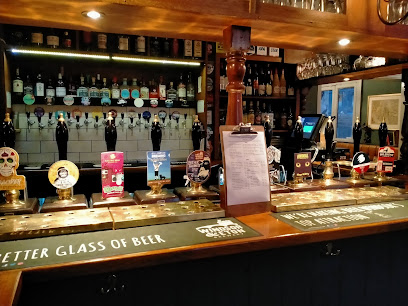
0.7 km
A lively two-floor pub and sports bar in Windsor, offering great drinks, live sports on HD screens, and versatile event spaces.
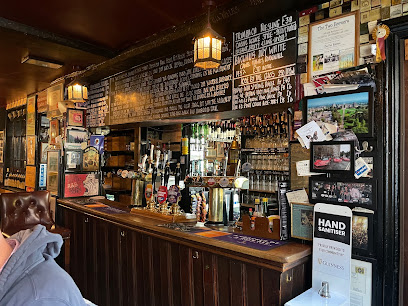
The Two Brewers
0.7 km
Historic 18th-century pub near Windsor Castle offering classic British ales, cozy ambiance, and a charming floral exterior.
Nightclubs & after hour spots

The Scotch
0.4 km
Windsor’s iconic Victorian arch nightclub blending historic charm with eclectic music and circus-themed nightlife.
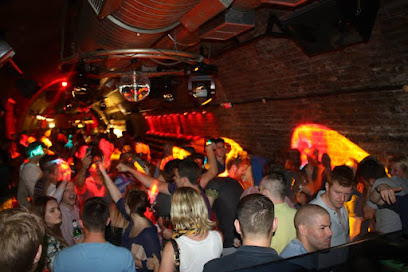
Labyrinth Nightclub Windsor
0.4 km
Experience Windsor’s vibrant nightlife with live DJs, multiple bars, and an electrifying atmosphere at Labyrinth Nightclub.
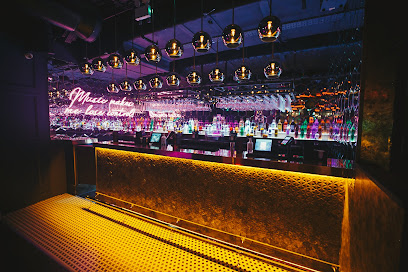
The Boom
0.4 km
Historic arches meet vibrant beats at The Boom, Windsor’s energetic nightclub and bar for unforgettable nights.
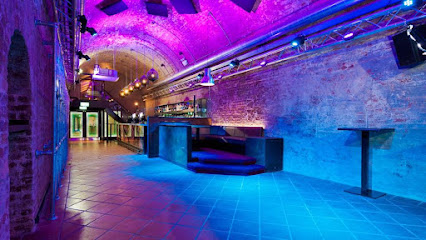
Pink Gentleman's Club.
0.6 km
Sophisticated adult entertainment with exclusive VIP rooms and topless pole shows in the heart of Windsor’s nightlife scene.
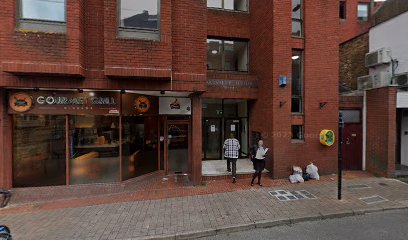
The Binfield Club
14.0 km
Historic social club in Binfield offering vibrant nightlife, live music, sports, and community events in a welcoming atmosphere.
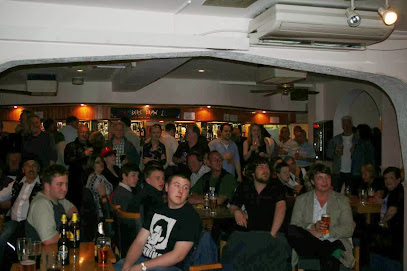
Winkers Nightclub
14.4 km
A lively, budget-friendly nightclub in Gerrards Cross offering energetic music and a casual local vibe for weekend partygoers.
Diligence
16.4 km
Experience the vibrant nightlife and dynamic music scene at Diligence, High Wycombe’s energetic nightclub on London Road.
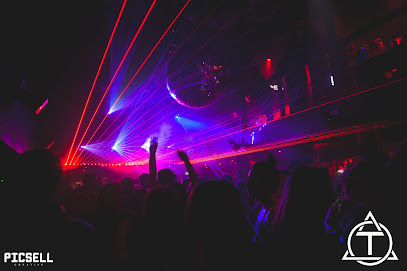
Trilogy Nightclub High Wycombe
18.7 km
A lively multi-room nightclub in High Wycombe offering dynamic music, vibrant crowds, and late-night fun on Paul’s Row.
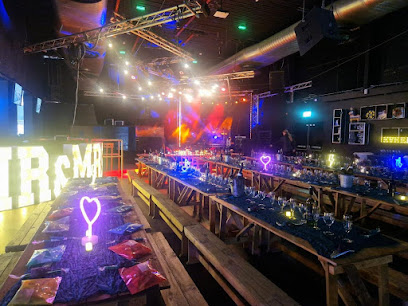
The Venue, Bucks
18.7 km
Experience High Wycombe’s vibrant nightlife at The Venue, Bucks – a lively nightclub with great music, friendly staff, and a welcoming atmosphere.
3sixty
23.7 km
Experience vibrant student nightlife and live events at 3sixty, the University of Reading’s premier nightclub and entertainment venue.
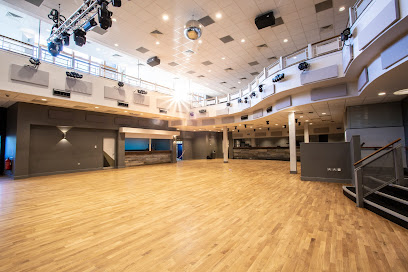
Popworld Watford
23.9 km
A vibrant late-night hotspot in Watford playing all your favorite 90s and 2000s pop classics with fun cocktails and a lively dancefloor.
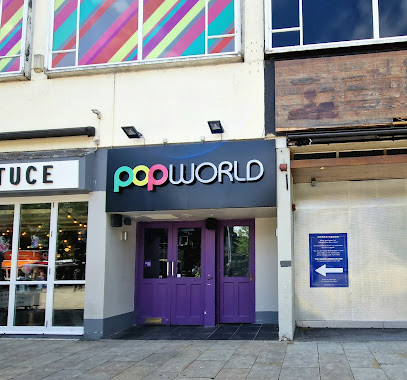
Canvas Bar & Nightclub
23.9 km
Experience vibrant nights of music, dancing, and cocktails at Canvas Bar & Nightclub in the heart of Watford’s High Street.
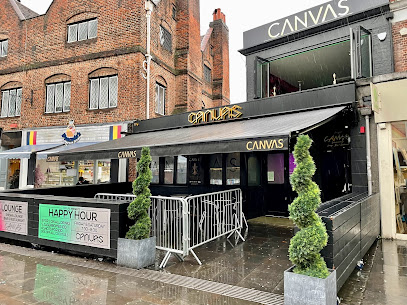
Q Club
25.4 km
Experience Reading’s energetic nightlife at Q Club, a lively nightclub and bar offering music, drinks, and late-night fun on Friar Street.
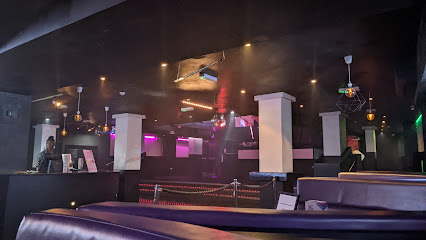
Gun Street Garden
25.5 km
Experience Reading’s vibrant nightlife in an urban jungle-themed club with diverse music, rooftop bar, and VIP lounges.
Reading Lola Lo
25.5 km
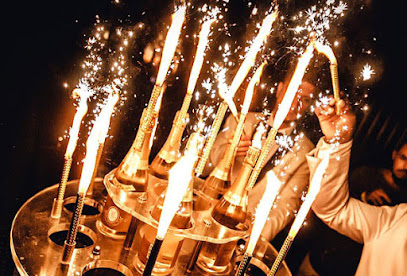
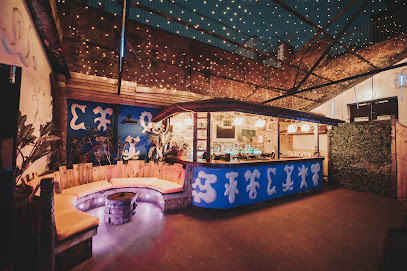
Experience Reading’s premier tiki-themed nightclub with vibrant cocktails, lively music, and a unique Polynesian atmosphere on Friar Street.
For the vibe & atmosphere seeker
- Scenic
- Romantic
- Tranquil
- Unique
For the design and aesthetic lover
- Minimalist Designs
- Vintage Styles
For the architecture buff
- Historic
- Landmarks
- Viewpoints
For the view chaser and sunset hunter
- Iconic Views
- Waterfront
- Panoramas
For the social media creator & influencer
- Instagrammable
- Photo Spots
- Architectural Shots
For the eco-conscious traveler
- Car-Free Access
- Public-Transport Accessible
- Low Impact
For the kind of experience you’re after
- Cultural Heritage
- Photowalk
- Day Trip
For how adventurous you want the journey to be
- Easy Access
Location Audience
- Family Friendly
- Senior Friendly
- Solo Friendly
- Couple Friendly
- Wheelchair Access


