
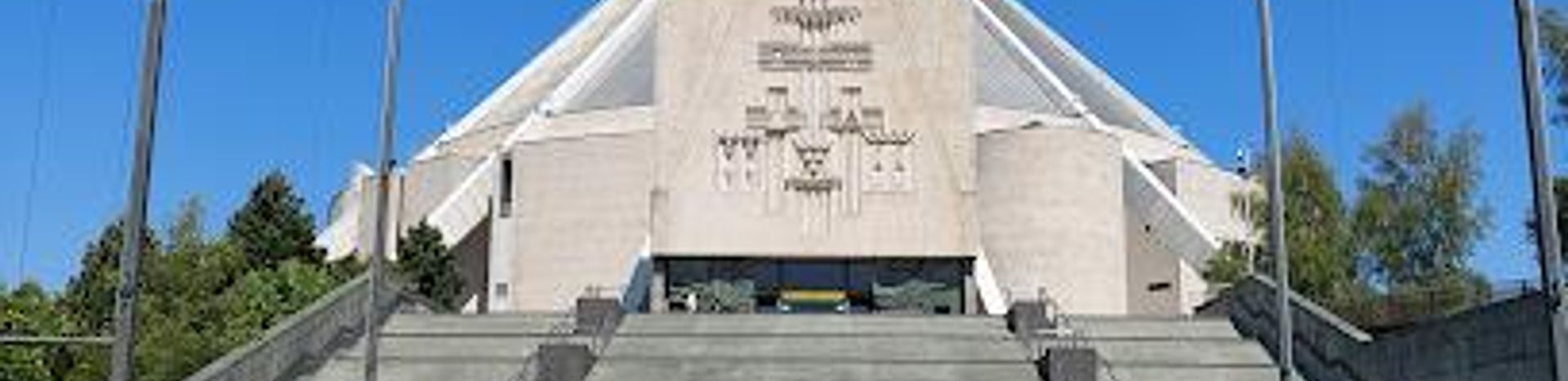
Liverpool Metropolitan Cathedral of Christ the King
Discover Liverpool’s iconic modern Catholic cathedral with its stunning circular design, vibrant stained glass lantern, and rich spiritual heritage.
Liverpool Metropolitan Cathedral, also known as the Metropolitan Cathedral of Christ the King, is a striking modern Catholic cathedral in Liverpool, England. Completed in 1967 and designed by Sir Frederick Gibberd, it features a unique circular plan with the altar at its center, a conical shape, and a towering lantern of stained glass known as the Crown of Glass. The cathedral integrates the crypt from an earlier abandoned design and offers a spiritual, architectural, and cultural landmark in the city.
A brief summary to Liverpool Metropolitan Cathedral
- Cathedral House, Mount Pleasant, Liverpool, L3 5TQ, GB
- +441517099222
- Visit website
- Duration: 1 to 3 hours
- Free
-
 Outdoor
- Mobile reception: 4 out of 5
- Monday 7:30 am-6 pm
- Tuesday 7:30 am-6 pm
- Wednesday 7:30 am-6 pm
- Thursday 7:30 am-6 pm
- Friday 7:30 am-6 pm
- Saturday 7:30 am-6 pm
- Sunday 7:30 am-6 pm
Local tips
- Visit during daylight hours to fully appreciate the vibrant colors of the stained glass lantern illuminating the interior.
- Explore the crypt below the cathedral to see the original Lutyens design and learn about the cathedral’s history.
- Join a free guided tour to gain deeper insight into the architecture, art, and community life of the cathedral.
- Attend one of the cathedral’s music concerts or special events for a unique cultural experience.
- Take time to sit quietly inside the cathedral and enjoy the peaceful atmosphere created by the filtered natural light.

For the on-the-go comforts that matter to you
- Restrooms
- Drink Options
- Food Options
- Seating Areas
- Information Boards
- Visitor Center
Getting There
-
Bus
Take local bus services 17, 86, or 86A from Liverpool city center to the Mount Pleasant stop, approximately a 10-15 minute journey. Services run frequently during the day. A single ticket costs around £2.50. The stop is a short walk uphill to the cathedral entrance.
-
Taxi
A taxi ride from Liverpool Lime Street Station to the cathedral takes about 10 minutes depending on traffic. Expect fares between £6 and £10. Taxis are widely available at the station and in the city center.
-
Walking
From Liverpool city center, walking to the cathedral takes approximately 20-25 minutes. The route involves some uphill sections and stairs at the entrance, so moderate fitness is recommended. The walk offers views of the city’s architecture along the way.
-
Car
Visitors driving to the cathedral can use the on-site underground car park, open during cathedral hours. Parking is limited and charges apply, typically around £3-£5 for a few hours. Disabled parking spaces are available and clearly marked.
Liverpool Metropolitan Cathedral location weather suitability
-
 Any Weather
-
 Rain / Wet Weather
-
 Clear Skies
-
 Mild Temperatures
Discover more about Liverpool Metropolitan Cathedral
A Bold Architectural Vision Rooted in History
Liverpool Metropolitan Cathedral is the fourth and current attempt by the Catholic Church in Liverpool to build a mother church for the diocese. The original grand design by Sir Edwin Lutyens, begun in 1928, was halted by World War II and never completed beyond its crypt due to prohibitive costs. In 1960, a worldwide competition sought a new design that could be built economically and quickly. Sir Frederick Gibberd’s winning design was realized between 1962 and 1967, embodying the liturgical reforms of the Second Vatican Council by placing the altar at the center of a circular plan, fostering a communal worship experience.Distinctive Circular Form and Structural Innovation
The cathedral’s circular footprint measures 59 meters in diameter and is crowned by a conical roof supported by 16 boomerang-shaped concrete ribs. These ribs carry the weight of the massive lantern tower, the Crown of Glass, which soars approximately 22.5 meters high. This lantern is composed of 1,120 square meters of stained glass panels designed by John Piper and Patrick Reyntiens, using the innovative dalle de verre technique. The abstract glass design represents the Holy Trinity with vibrant shards of blue, green, red, and yellow, bathing the interior in colored light.Interior Space Designed for Participation and Reflection
Inside, the altar crafted from white marble sourced in Skopje, North Macedonia, stands at the heart of the space, surrounded by concentric seating that ensures every congregant has a clear view. The floor’s grey and white marble pattern, designed by David Atkins, complements the circular layout. Around the perimeter are thirteen chapels, each with distinct designs and artworks by prominent artists such as Elisabeth Frink, Margaret Traherne, and Ceri Richards. The interior atmosphere is one of light, openness, and spiritual focus, enhanced by the filtered colors from the stained glass lantern.The Historic Crypt and Its Multifaceted Role
Beneath the cathedral lies the crypt, part of Lutyens’ original vision, constructed from brick and granite. This space serves multiple purposes, including hosting the annual Liverpool Beer Festival and providing a tranquil exam venue for university students. The crypt also houses a treasury and offers visitors a glimpse into the cathedral’s layered history, with informative displays about Catholicism’s role in Liverpool.A Living Cathedral with Community and Cultural Significance
More than a building, the Liverpool Metropolitan Cathedral functions as a vibrant spiritual hub. It welcomes visitors from all faiths and backgrounds, offering prayer, reflection, guided tours, concerts, and special events year-round. Its open-door policy and inclusive design reflect its role as the beating heart of Liverpool’s Catholic community and a landmark of modern religious architecture.Architectural Challenges and Conservation Efforts
Built rapidly and economically, the cathedral experienced structural issues such as leaks and material degradation. During the 1990s, repairs replaced the original mosaic tiles with more durable glass-reinforced plastic and upgraded the lantern’s aluminium covering to stainless steel. These efforts have preserved the building’s striking appearance and ensured its continued use as a place of worship and public interest.Iconic landmarks you can’t miss

The Christmace Truce Memorial Statue - St Luke's Church
0.5 km
A powerful tribute to the 1914 Christmas Truce, set within Liverpool’s evocative Bombed Out Church, symbolizing peace and unity amid war.
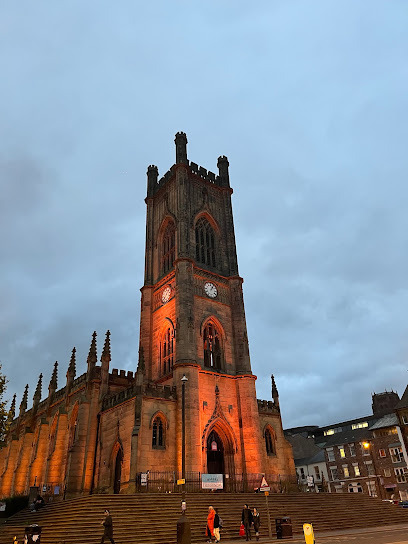
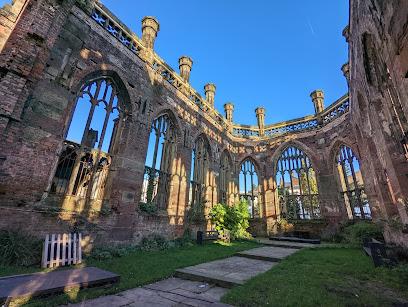
St Luke’s Bombed Out Church
0.6 km
A roofless Gothic memorial where wartime tragedy transformed into cultural renaissance and timeless celebration.
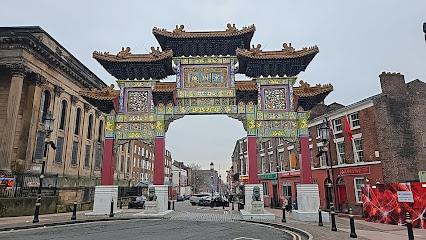
Chinese Arch
0.8 km
Europe’s tallest Chinese ceremonial arch, a vibrant gateway to Liverpool’s historic Chinatown and symbol of enduring cultural ties with Shanghai.
Huskisson Memorial
0.9 km
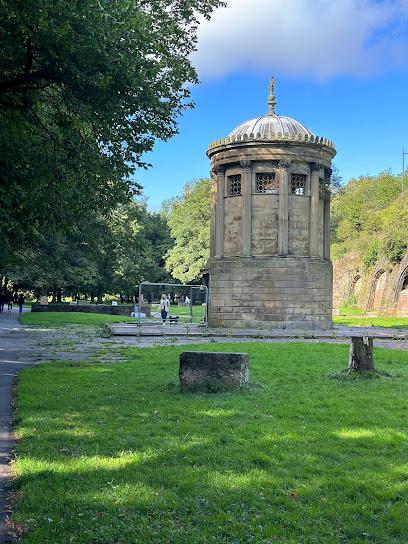
A solemn mausoleum in Liverpool honoring William Huskisson, the first prominent victim of a railway accident and a figure of complex historical legacy.
Wolstenholme Square
0.9 km
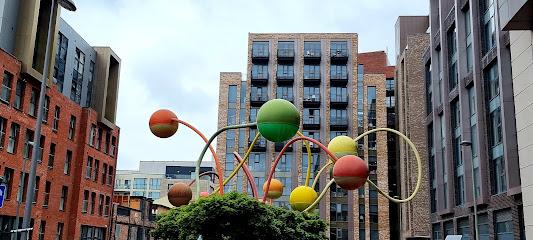
A historic Georgian square reborn through art and regeneration, crowned by a vibrant public sculpture.
World Museum
1.0 km
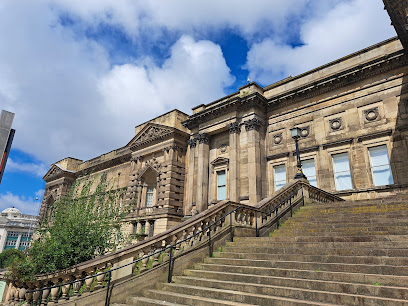
Explore the World Museum in Liverpool, where history, science, and culture come alive through engaging exhibits and interactive experiences for all ages.
The Bluecoat
1.0 km
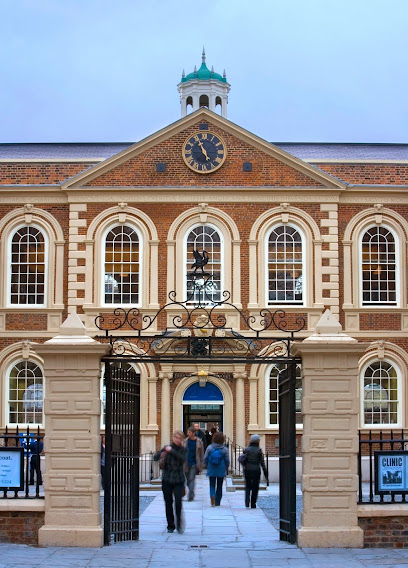
Experience the vibrant art scene at The Bluecoat, Liverpool's oldest art center, showcasing contemporary exhibitions and cultural events.
Hillsborough Memorial
1.0 km
Explore the Hillsborough Memorial in Liverpool, a poignant tribute to resilience and remembrance dedicated to the 96 victims of the Hillsborough disaster.
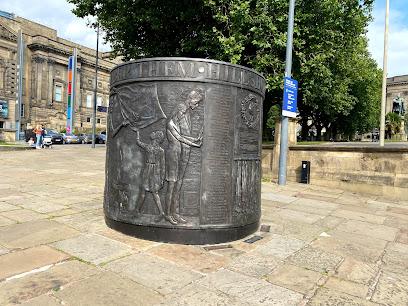
Coopers Building
1.1 km
Discover Coopers Building, a striking early 20th-century landmark that enriches Liverpool’s historic Church Street with timeless architectural charm.
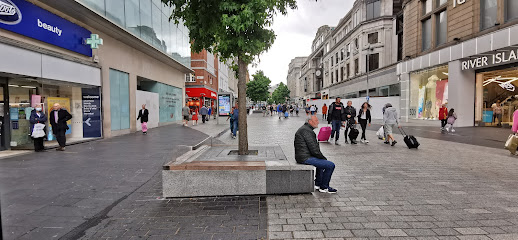
Eleanor Rigby Statue
1.2 km
Discover the Eleanor Rigby Statue in Liverpool, a heartfelt tribute to music's timeless themes of love and loneliness amidst the city's vibrant culture.
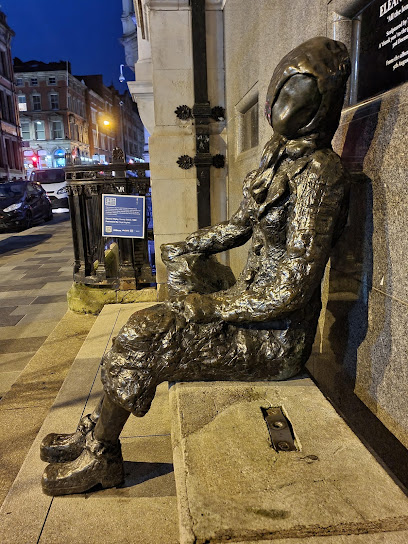
Nordic Church and Cultural Centre
1.2 km
Discover the beauty and cultural richness of the Gustav Adolf Scandinavian Church in Liverpool, a serene hub celebrating Nordic traditions.
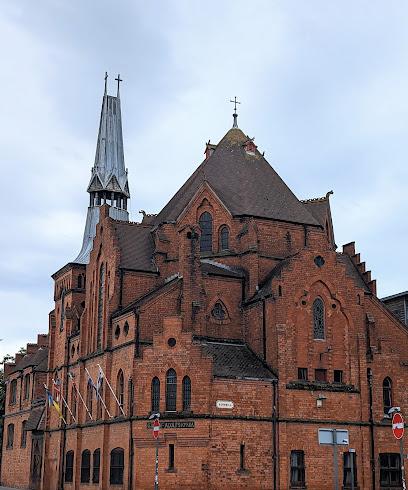
Liverpool Beatles Museum
1.2 km
Explore the largest authentic Beatles collection in Liverpool’s historic Mathew Street, celebrating the band’s legendary journey and legacy.
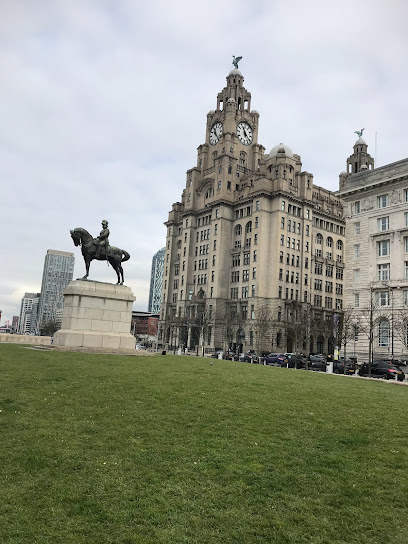
Shiverpool
1.2 km
Explore Liverpool's haunted history with Shiverpool's thrilling ghost tours, where every step unveils chilling tales of the city's spectral past.
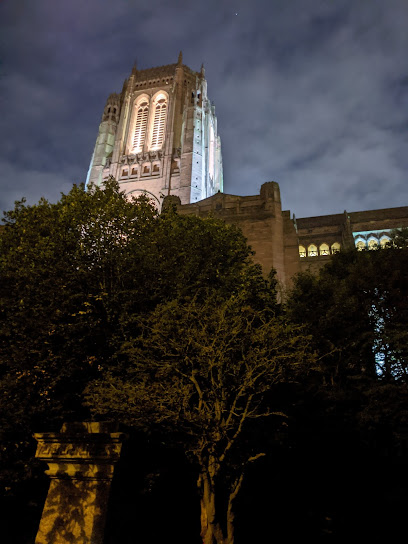
Cilla Black
1.3 km
Celebrate Liverpool’s beloved entertainer with the life-size bronze statue of Cilla Black on iconic Mathew Street, near the legendary Cavern Club.
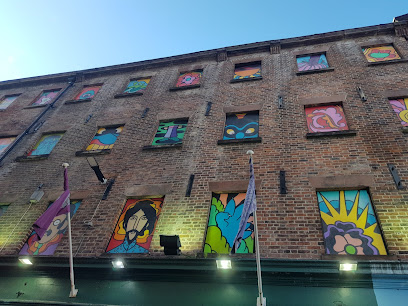
For All Liverpool's Liver Birds (Wings) by Paul Curtis
1.3 km
Explore the vibrant artwork 'For All Liverpool's Liver Birds (Wings)' by Paul Curtis, a celebration of Liverpool's maritime heritage and cultural identity.
Unmissable attractions to see

Knowledge Quarter
0.2 km
Liverpool’s dynamic Knowledge Quarter: a vibrant innovation district blending science, culture, historic landmarks, and lively student life in the city centre.

Victoria Gallery & Museum
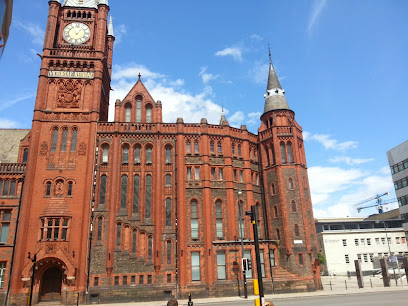
0.2 km
Explore Liverpool’s iconic redbrick university gallery blending historic art, science collections, and architectural grandeur in a vibrant cultural hub.
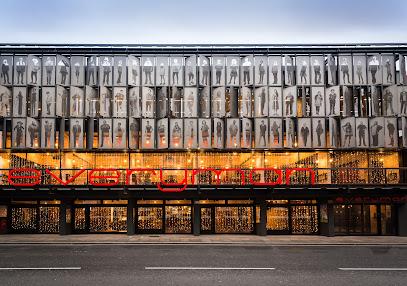
Everyman Theatre
0.2 km
Liverpool’s Everyman Theatre: Where bohemian heritage meets innovative theatre in an intimate, iconic setting on Hope Street.
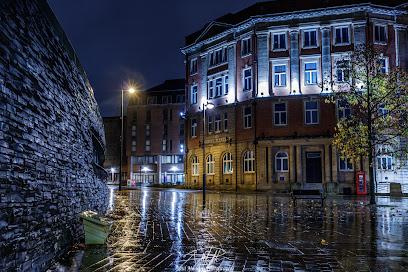
Mount Pleasant
0.3 km
A historic city-centre street blending Victorian architecture, academic life and civic institutions in the heart of Liverpool.
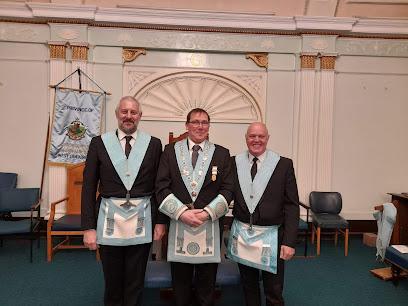
Liverpool Masonic Hall
0.3 km
Historic Liverpool Masonic Hall on Hope Street: A majestic hub of Freemasonry and culture blending tradition with vibrant community life.
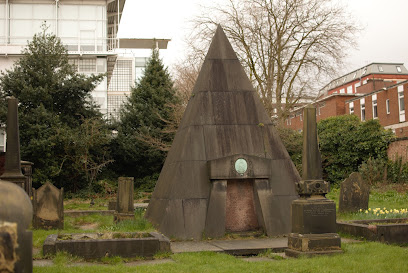
William MacKenzie's Tomb
0.4 km
A towering granite pyramid on Rodney Street, this tomb blends Victorian grandeur with ghostly legends of a gambler’s eternal wager.
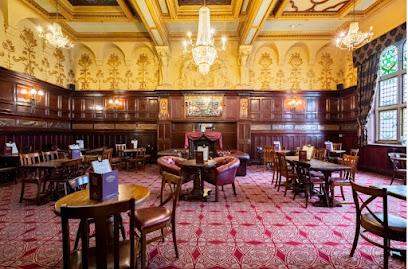
The Philharmonic Dining Rooms
0.4 km
Historic Grade I-listed pub on Hope Street offering classic British dishes, exquisite Victorian-Baroque interiors, and a warm Liverpool welcome.
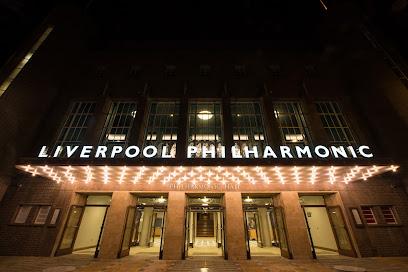
Royal Liverpool Philharmonic
0.4 km
Experience world-class music and stunning Art Deco elegance at Liverpool’s iconic Royal Philharmonic Hall on Hope Street.
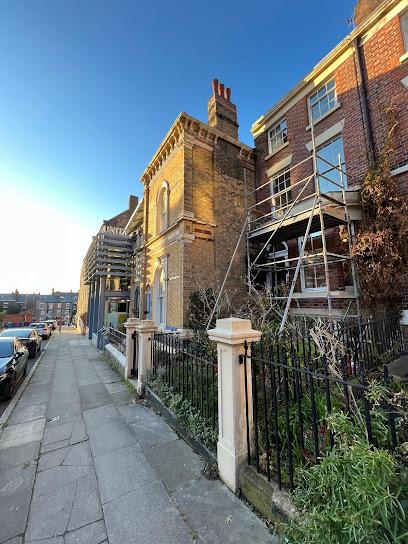
Unity Theatre
0.5 km
Historic and vibrant political theatre in Liverpool offering intimate performances and a strong community spirit since 1936.
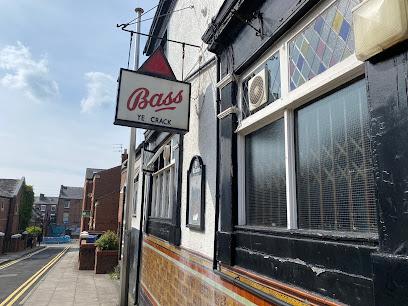
Ye Cracke
0.5 km
Historic Liverpool pub famed for its Beatles connections, cozy multi-room layout, and traditional cask ales in the heart of the Georgian Quarter.
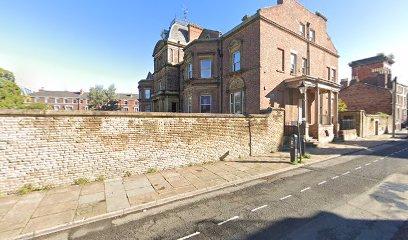
Blackburne House
0.6 km
Historic Georgian landmark in Liverpool, pioneering girls’ education and women’s empowerment since 1844.
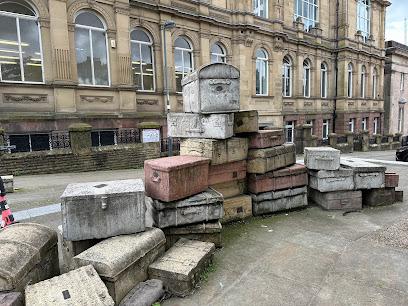
"A Case History" by John King
0.6 km
Stacked concrete suitcases honoring Liverpool's legendary citizens on Hope Street's historic Georgian pavements.
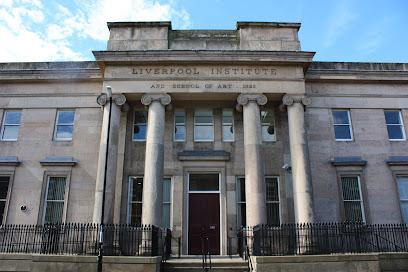
Liverpool Institute for Performing Arts
0.6 km
A historic Grade II listed performing arts university in Liverpool, founded by Paul McCartney, blending rich heritage with cutting-edge creative education.
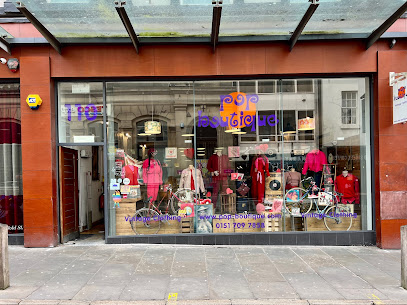
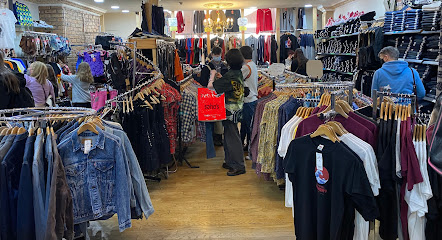
Pop Boutique
0.6 km
Discover timeless style and sustainable fashion at Pop Boutique, Liverpool’s vintage clothing gem on Bold Street.
Soho's Liverpool
0.7 km
A multi-level Bold Street bar with retro flair — cocktails, DJs and a lively city-centre scene.
Essential places to dine

Roski Restaurant
0.4 km
An intimate Modern British dining experience in Liverpool, blending MasterChef-winning creativity with seasonal elegance and warm hospitality.
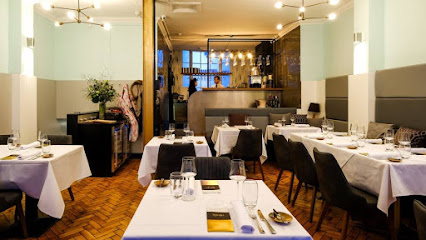
The Art School Restaurant
0.4 km
Elegant fine dining in a stunning Victorian setting near Hope Street, blending local ingredients with artistic culinary flair.
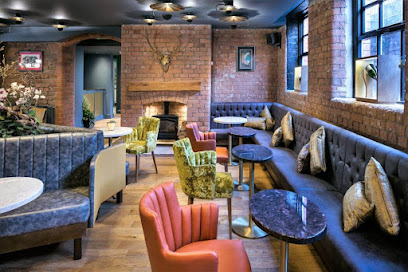
The London Carriage Works
0.5 km
Historic elegance meets refined British cuisine in Liverpool’s boutique Hope Street Hotel dining gem.
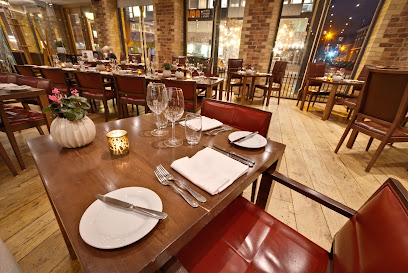
The Quarter
0.5 km
Vibrant Mediterranean dining with fresh Italian flavours in Liverpool’s historic Georgian Quarter, open daily till late.
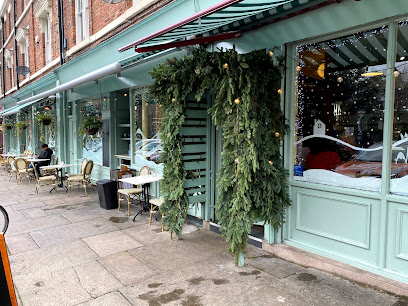
Maray Bold Street
0.6 km
Discover vibrant Mediterranean and Middle Eastern small plates with bold flavours and plant-based options in the heart of Liverpool’s Bold Street.
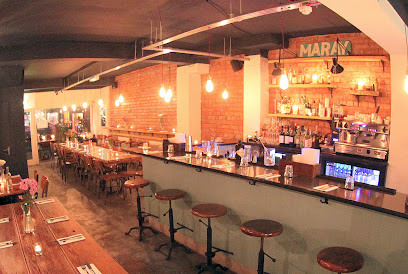
The Italian Club
0.6 km
Experience authentic Italian flavors and warm hospitality in the heart of Liverpool’s Bold Street at The Italian Club.
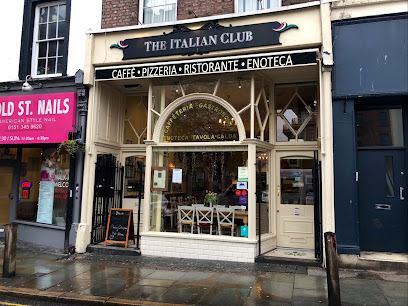
Mowgli Street Food Bold Street
0.6 km
Experience authentic Indian street food bursting with bold flavors in a lively Liverpool setting on Bold Street.
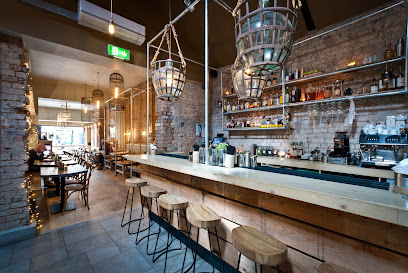
Cowshed Liverpool
0.7 km
A cozy, intimate steakhouse in Liverpool’s city centre, serving expertly cooked beef with attentive service and a unique historic setting.
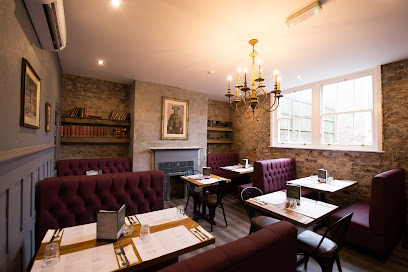
Shiraz Palace
0.7 km
Lively Mediterranean bistro in Liverpool famed for generous grilled meats, vibrant breakfasts, and a welcoming atmosphere.
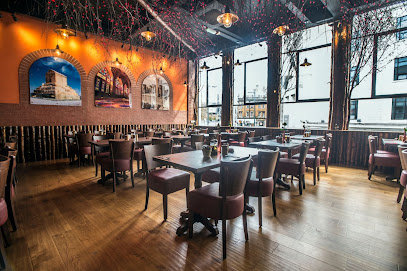
Greek Taverna Bold Street
0.7 km
Experience authentic Greek cuisine and vibrant Mediterranean hospitality in the heart of Liverpool’s Bold Street.
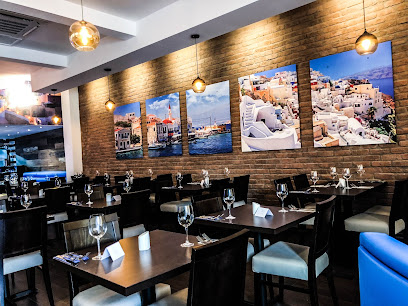
La Finca Eivissa
0.7 km
Experience the vibrant spirit of Ibiza with fusion tapas, cocktails, and live DJs in the heart of Liverpool city centre.
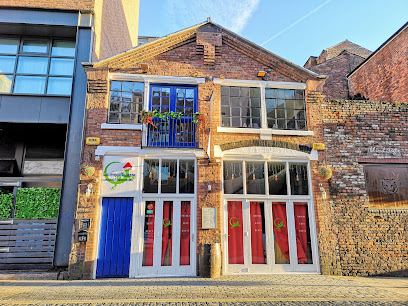
Chamber 36 City Centre
0.7 km
Discover vibrant Pan-Asian flavors and crafted cocktails in a serene, stylish setting at Liverpool’s Chamber 36 City Centre.
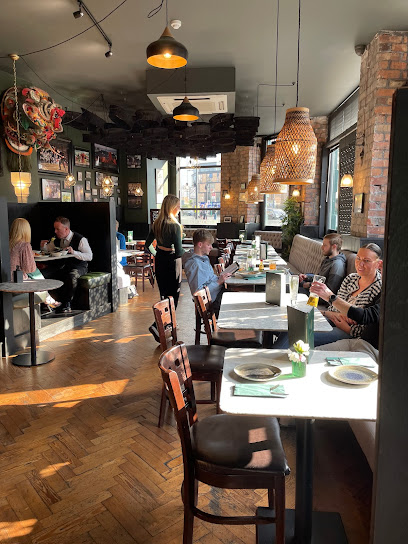
Alma De Cuba
0.8 km
Experience vibrant Cuban culture and cuisine in Liverpool’s stunning former St Peters Church, blending historic charm with lively dining and entertainment.
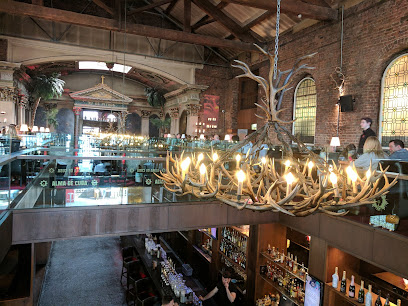
Wreck Bistro
0.8 km
A warm, inventive British bistro in Liverpool’s Ropewalks, blending seasonal ingredients with creative flair in a relaxed, inviting setting.
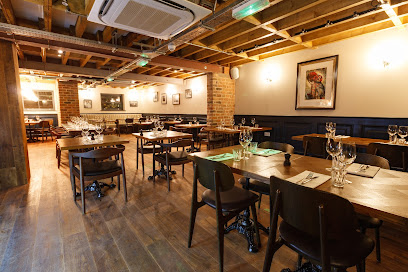
Almost Famous Liverpool
0.8 km
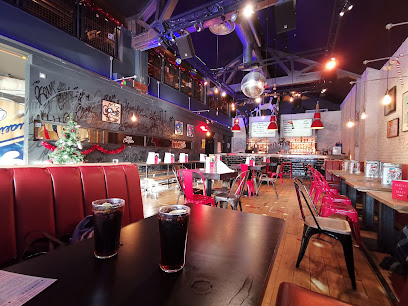
Big, messy burgers and loud, fun vibes in a graffiti-covered diner on Liverpool’s Parr Street.
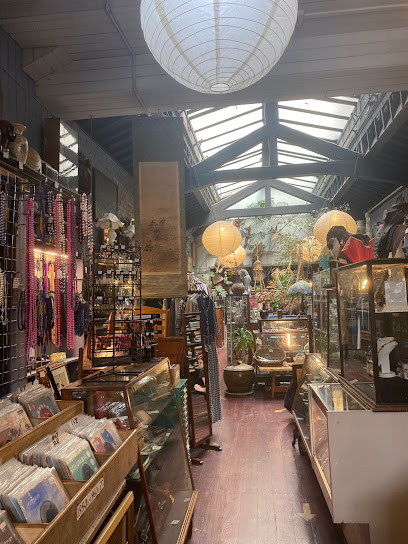
Markets, malls and hidden boutiques

69A
0.5 km
Discover unique antiques and vintage treasures in Liverpool’s vibrant Renshaw Street at 69A, where history meets style.
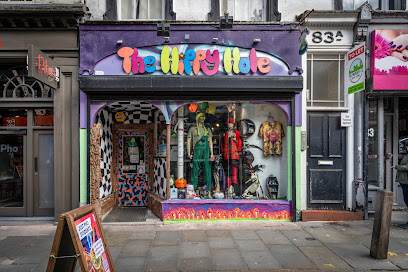
The Hippy Hole
0.6 km
Discover handmade tie-dye fashion and bohemian treasures bursting with color and spirit on Liverpool’s vibrant Bold Street.
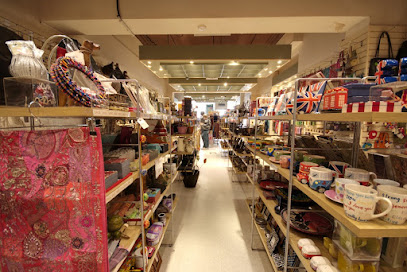
Shared Earth
0.6 km
Discover unique, sustainable gifts at Shared Earth, Liverpool’s hub for fair trade treasures and ethical craftsmanship.
Utility Gift Store
0.7 km
Quirky gifts and unique designs on Liverpool's Bold Street – your indie haven for Moomin magic, scented candles, and cards that say it best. Dog-friendly delight.
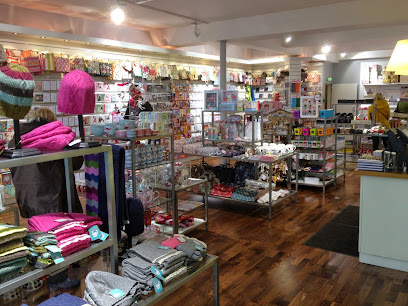
Resurrection
0.7 km
Liverpool's legendary streetwear haven: vintage roots, branded edge, tattoos, barber, records, and café vibes on bohemian Bold Street.
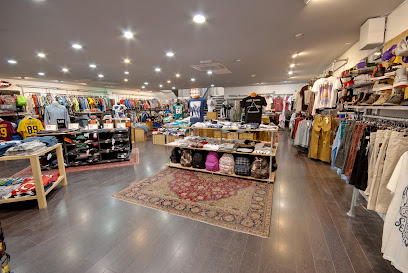
COW Liverpool
0.7 km
A compact Bold Street vintage haven where curated retro clothes, approachable staff and frequent one-off finds reward close, unhurried browsing.
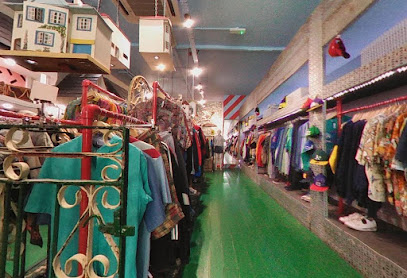
Beat That
0.8 km
Unearth retro gems at Beat That, Liverpool's quirky vintage haven on Concert Street, blending punk edge with timeless thrift treasures in the Ropewalks buzz.
Bleu Prints
0.8 km
Stylish clothing boutique in Liverpool's vibrant L1, curating unique apparel and accessories for fashion-forward urban explorers.
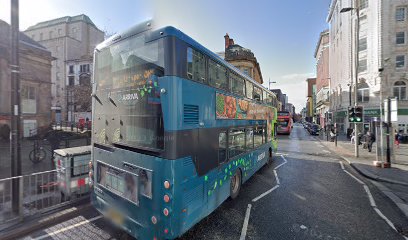
Liverpool Cathedral Shop
0.8 km
Discover unique gifts and spiritual treasures at Liverpool Cathedral Shop, supporting heritage and community within Britain’s largest cathedral.
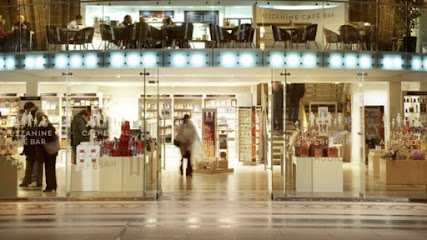
F&G Discounts
0.8 km
Explore unique gifts and souvenirs at F&G Discounts, the ultimate gift shop in St. John's Precinct, Liverpool.
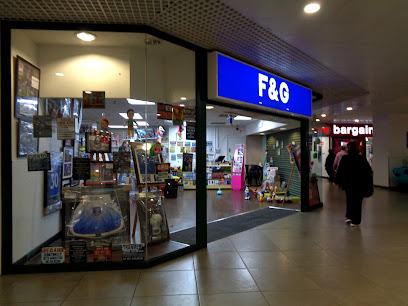
Rebellious Fashion
0.9 km
Discover trendy, affordable women's fashion in Liverpool’s vibrant Houghton Street boutique with extended weekday hours and a youthful style vibe.
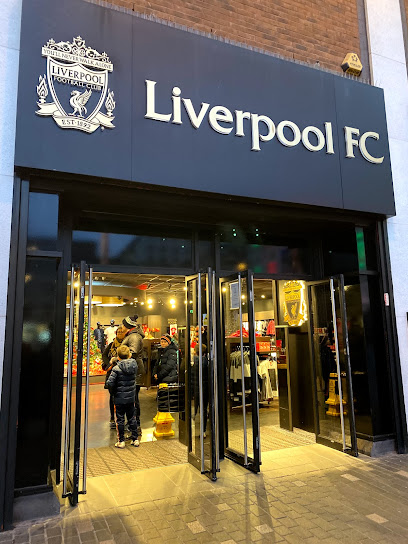
LFC Official Club Store
1.0 km
Discover authentic Liverpool FC merchandise and immerse yourself in the club’s vibrant spirit at the heart of Liverpool city centre.
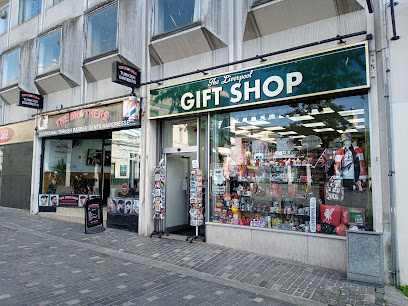
The Liverpool Gift Shop
1.0 km
Discover authentic Liverpool souvenirs and memorabilia in the heart of Williamson Square, open daily for all fans and visitors.
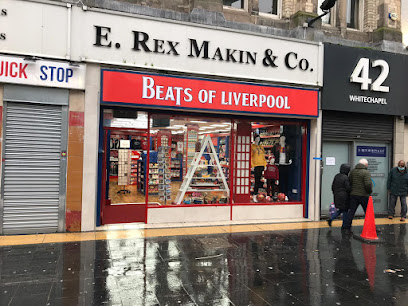
Beats of Liverpool
1.1 km
Discover authentic Liverpool memorabilia and Beatles-inspired souvenirs in the heart of the city’s historic Whitechapel district.
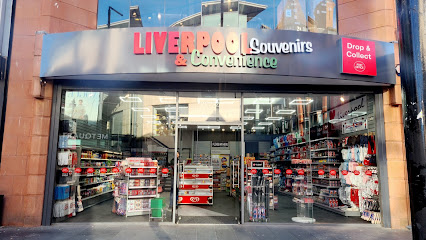
Liverpool Souvenirs and Gifts
1.1 km
Discover unique Liverpool keepsakes and exceptional service at this friendly souvenir shop in the heart of the city.
Essential bars & hidden hideouts

The Font
0.2 km
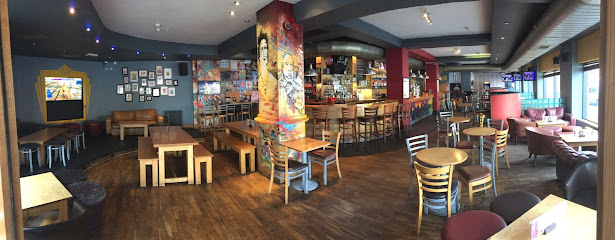
A lively Liverpool bar famed for cheap cocktails, homemade burgers, and a welcoming atmosphere since 2001.
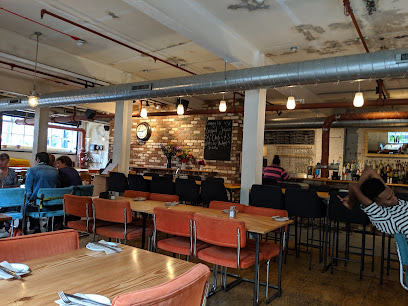
The Pen Factory
0.2 km
Industrial-chic bistro bar on Liverpool’s Hope Street with seasonal small plates, lively atmosphere, and a popular beer garden.
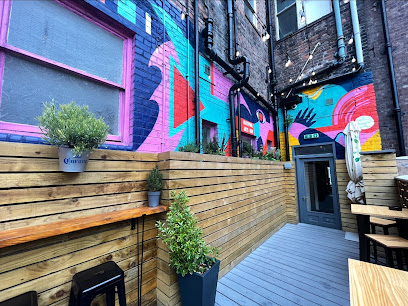
Liverpool Arts Bar
0.3 km
A vibrant creative hub in a historic Masonic Hall, blending local art, live performances, and crafted drinks on Liverpool’s iconic Hope Street.
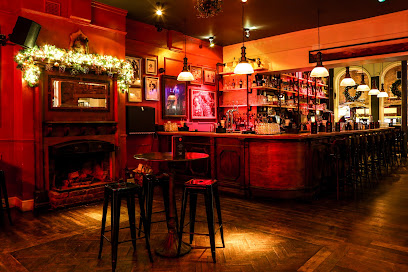
Red Door
0.7 km
A lively cocktail bar on Berry Street offering expertly crafted drinks, vibrant music, and a buzzing rooftop atmosphere in the heart of Liverpool.
The Oracle
0.7 km
Liverpool's secret speakeasy where cocktails meet close-up magic—buzz in for illusions, tarot, and vintage vibes that defy reality.
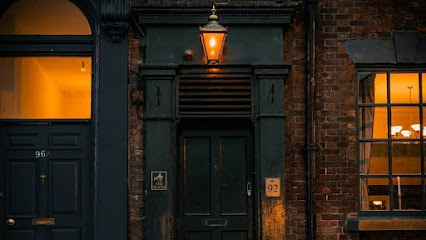
Salt Dog Slim's
0.7 km
Liverpool's dive bar legend: world beers, fiery cocktails, chili dogs, and secret speakeasy vibes on Seel Street.
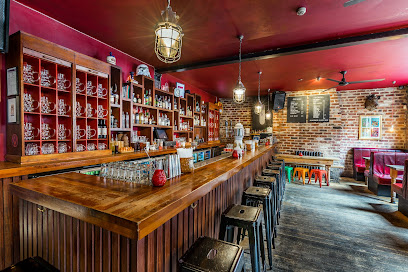
Bar Bodega
0.7 km
Liverpool's underground disco den: Ibizan house beats in a brick cellar nightclub, pulsing late into the night with cocktails and private party vibes.
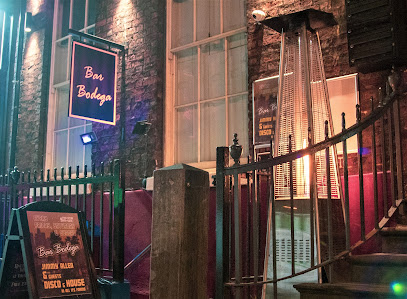
Berry and Rye
0.7 km
Knock to uncover Liverpool's speakeasy soul: jazz-infused cocktails, whiskey whispers, and Prohibition magic behind Berry Street's black door.
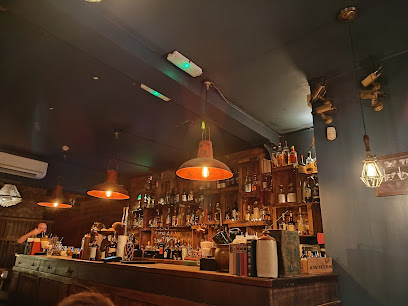
MOLOKO
0.7 km
A music-led cocktail bar in the Old Stables with a beer garden, late DJs and an over-25s disco energy for evening socialising.
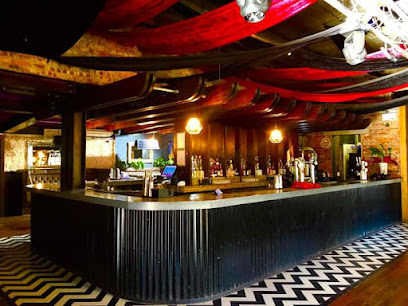
Soho Bar Liverpool
0.8 km
Liverpool's neon-charged party hub in Concert Square: cocktails by day, club beats by night, perfect for epic nights out.
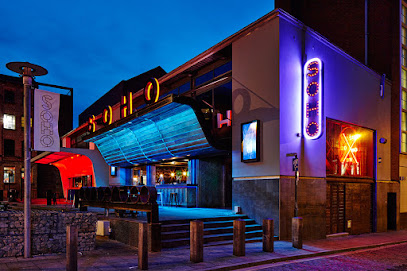
The Lime Kiln - JD Wetherspoon
0.8 km
Affordable ales and hearty meals in a historic warehouse pub at the pulse of Liverpool's nightlife district—daytime calm meets evening energy.
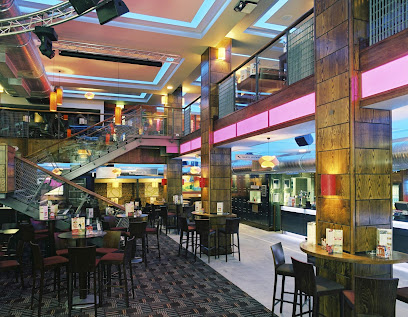
Motel Bar
0.9 km
A moody, music-first Fleet Street dive bar famous for band-backed karaoke and late-night crowds in Liverpool city centre.
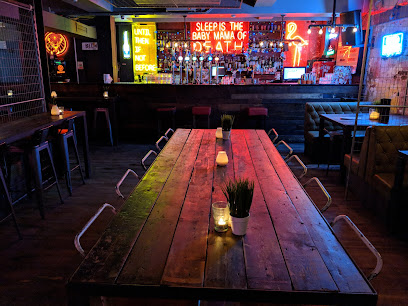
Be At One - Liverpool
0.9 km
Liverpool's cocktail epicenter: 100+ mixes, 2-for-1 happy hours, and masterclass shakes in a chic Seel Street hotspot.
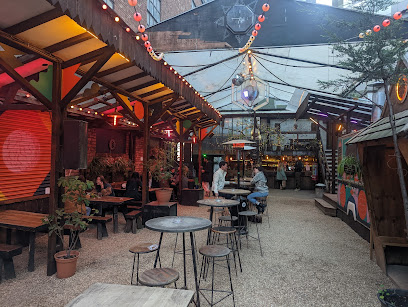
Kazimier Garden
0.9 km
Liverpool's original garden bar: quirky outdoor oasis with craft brews, live gigs, and fairy-lit magic in the heart of Ropewalks.
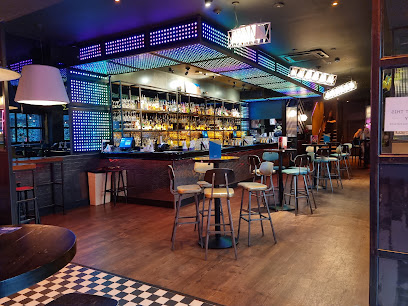
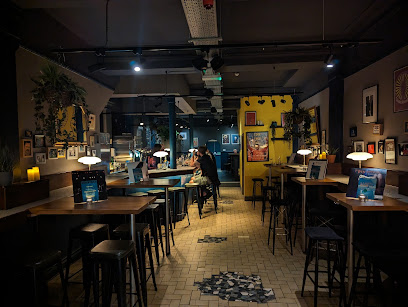
Present Company
0.9 km
Intimate Liverpool cocktail bar blending expert drinks, music culture, and warm hospitality in a stylish, relaxed setting.
Nightclubs & after hour spots

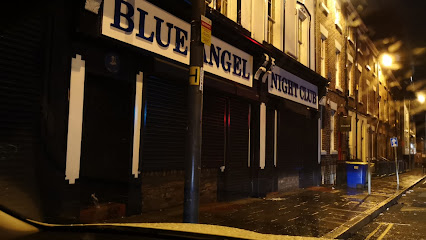
The Blue Angel Nightclub
0.7 km
Liverpool's dingy dive for 60s rock legends, dirt-cheap drinks, and sweaty throwback dances—where The Beatles once rocked and students still rage till dawn.
Pure Nightlounge
0.7 km
Liverpool’s boutique R&B nightspot with VIP booths, tight dancefloor energy and a late-night, fashion-forward vibe.
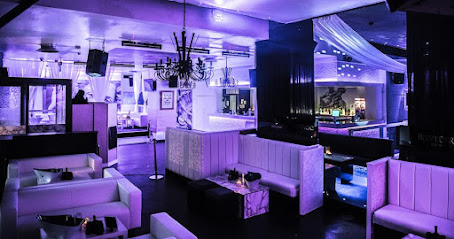
Ink Bar Liverpool
0.7 km
Liverpool's premier R&B and house nightclub, where stylish cocktails, thumping beats, and luxury vibes fuel unforgettable nights on Wood Street.
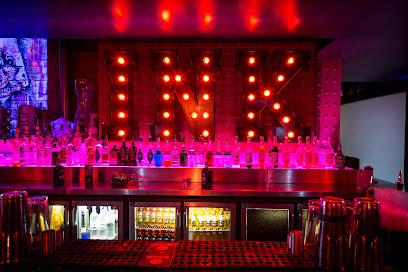
Cool It
0.7 km
A multi-level, student-friendly nightclub on Seel Street offering loud DJ nights, bargain entry and packed late‑night dancefloors.
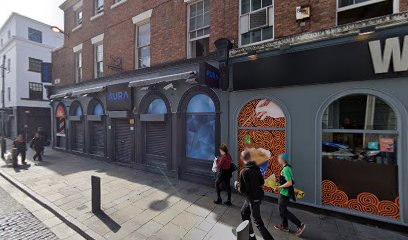
Aura
0.7 km
Dive into Liverpool's pulsating beats at Aura Nightclub, where Afrobeats and R&B fuel intimate, high-energy nights in Ropewalks' vibrant core.
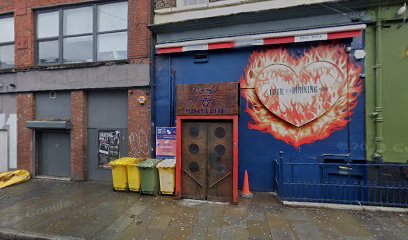
Heebie Jeebies
0.7 km
Liverpool's eclectic nightlife heart: multi-level bar, live music basement, courtyard hangs, and anthemic nights until dawn on Seel Street.
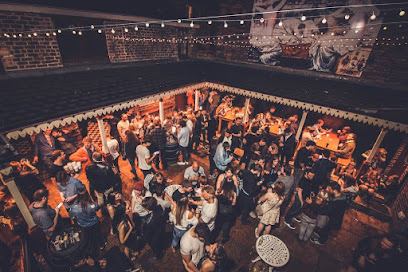
EBGBS
0.7 km
Liverpool's gritty basement nightclub where live indie gigs, craft cocktails, and underground vibes fuel epic nights until 4am in the heart of Seel Street.
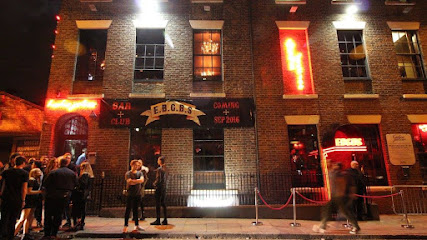
BrooklynMixer
0.8 km
Liverpool's original R&B haven on Seel Street: three floors of hip-hop beats, craft cocktails, leather lounges, and private party vibes from dusk till dawn.
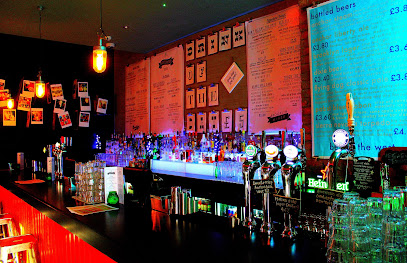
Baa Bar Liverpool
0.8 km
Two floors of house and R&B beats, £2 shooters, and courtyard vibes in Liverpool's nightlife epicenter—perfect for students and party-hoppers alike.
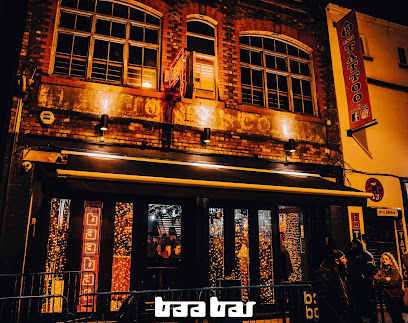
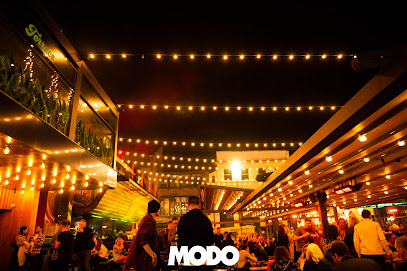
Modo, Liverpool
0.8 km
Liverpool's Concert Square legend: multi-room nightclub with cocktails, sports screens, heated terrace, and epic party spaces for every vibe.
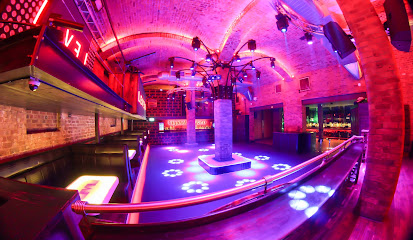
LEVEL Nightclub Liverpool
0.8 km
Liverpool’s expansive multi-floor nightclub offering diverse music, VIP areas, and a buzzing party atmosphere in the heart of Ropewalks.
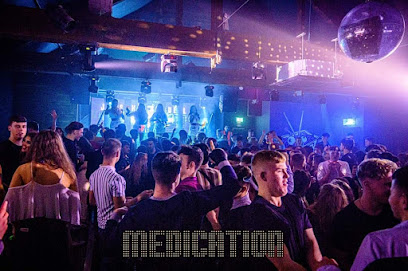
ELECTRIK WAREHOUSE
0.9 km
Liverpool's multi-floor warehouse nightclub: three dance floors of dance, RnB, indie, and chart hits in quirky industrial surrounds, open Thu-Sat till 4am.
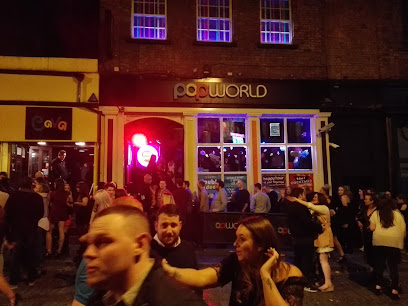
Popworld - Liverpool
0.9 km
Liverpool's ultimate cheesy pop haven: 90s bangers, cheap drinks, and dance-'til-dawn vibes in the heart of Ropewalks.
Stanley St Gaay Quarter LGBT Bars And Clubs
1.3 km
Discover the vibrant Stanley Street Gay Quarter in Liverpool, a hub of LGBT nightlife with diverse bars, clubs, and a welcoming atmosphere.
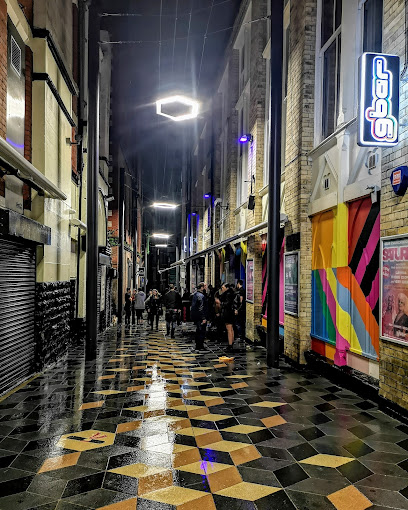
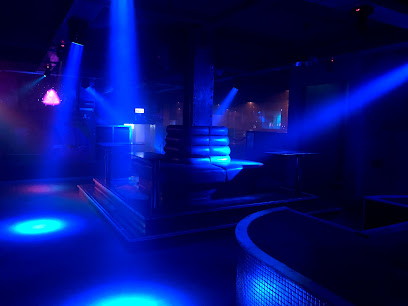
Heaven Nightclub Liverpool
1.3 km
Experience the lively atmosphere and inclusive spirit at Heaven Nightclub in Liverpool, a top destination for nightlife enthusiasts.
For the vibe & atmosphere seeker
- Tranquil
- Scenic
- Unique
- Relaxing
For the design and aesthetic lover
- Modern Designs
- Minimalist Designs
For the architecture buff
- Historic
- Landmarks
- Sacred Sites
For the view chaser and sunset hunter
- Iconic Views
- Sunrise Spots
- Sunset Spots
For the social media creator & influencer
- Instagrammable
- Photo Spots
- Architectural Shots
For the eco-conscious traveler
- Public-Transport Accessible
- Locally Managed
For the kind of experience you’re after
- Cultural Heritage
- Spiritual / Energy Spot
- Photowalk
- Day Trip
For how adventurous you want the journey to be
- Easy Access
Location Audience
- Family Friendly
- LGBT Friendly
- Senior Friendly
- Child Friendly
- Teen Friendly
- Wheelchair Access
- Pet Friendly
- Solo Friendly
- Couple Friendly
- Solo Female Friendly
- Vegetarian Friendly
- Vegan Friendly


