Ordsall Hall, Manchester Travel Guide
Discover Ordsall Hall, a stunning Tudor manor in Salford where history, architecture, and culture come alive in a captivating urban oasis.
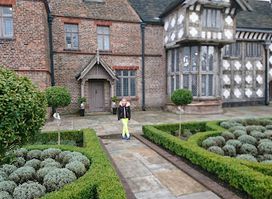
Ordsall Hall is a Grade I listed Tudor manor house in Salford, England, with origins dating back to the 14th century. Once the seat of the Radclyffe family for over 300 years, it offers visitors a unique glimpse into Tudor life through its beautifully preserved Great Hall, Star Chamber, and period rooms. Surrounded by restored gardens and historic features, the Hall serves as a museum and cultural venue, showcasing centuries of architectural evolution and local history.
A brief summary to Ordsall Hall
- 322 Ordsall Ln, Salford, M5 3AN, GB
- Click to display
- Click to display
- Duration: 1 to 3 hours
- Free
-
 Outdoor
- Mobile reception: 4 out of 5
- Monday 10 am-4 pm
- Tuesday 10 am-4 pm
- Wednesday 10 am-4 pm
- Thursday 10 am-4 pm
- Sunday 11:30 am-4 pm

Know before you go
Hi, I'm Eve. Here are a few practical things to know before exploring Ordsall Hall.
- Visit the Great Hall and Star Chamber to experience authentic Tudor architecture and historical interiors.
- Explore the gardens, including the Tudor knot garden and herb garden, for a peaceful outdoor experience.
- Check the schedule for temporary exhibitions and special events to enrich your visit.
- Use public transport like the tram to Exchange Quay or bus 33 for convenient access, especially if you prefer to avoid parking.
Do you manage this location?
Take control to get all the benefits, like improved information, better appearance, and stronger visibility across AI-powered discovery. Learn more about listing your business on Evendo
Activate your presenceOther nearby places you may find interesting
The closest places of the same kind, if this one is not quite what you had in mind.



Explore Ordsall Hall on the Map
A handpicked selection of must-see spots near Ordsall Hall, mapped for you.
Unlock the Best of Ordsall Hall
Buy tickets
-
No tickets available
Book tours with entry
-
No tours available
Book tours without entry

Getting There
-
Tram
Take the Metrolink tram to Exchange Quay station, then enjoy a 13-minute walk to Ordsall Hall. Trams run frequently from Manchester city center, with tickets costing approximately £3-£5.
-
Bus
Bus number 33 from Chinatown stops on Oldfield Road, about a 15-minute walk from the Hall. Services run regularly during the day, with fares around £2-£3.
-
Walking
A scenic 40-minute walk from Manchester Piccadilly Station to Ordsall Hall takes you through urban neighborhoods. The route is mostly flat and accessible but may involve busy streets.
-
Car
Onsite parking is available approximately 100 meters from the Hall entrance, including five blue badge bays. Parking may be limited, so plan accordingly. Charges vary depending on local regulations.
For the on-the-go comforts that matter to you
-
 Restrooms
-
 Drink Options
-
 Food Options
-
 Seating Areas
-
 Information Boards
-
 Visitor Center
Discover more about Ordsall Hall
Ancient Roots and Noble Legacy
Ordsall Hall first appeared in written records in 1177 as 'Ordeshala', evolving through the centuries into a significant manor house. The Radclyffe family acquired the estate in the mid-1300s, establishing their seat here for more than three centuries. Key developments include the construction of the Star Chamber in the 1360s and the impressive Great Hall built in 1512 by Sir Alexander Radclyffe, featuring an elaborate timber roof and a central hearth marked by a hexagon on the floor. The Hall's architecture reflects Tudor and Stuart styles, with later additions such as a brick west wing constructed in 1639.Architectural Highlights and Interior Features
The Great Hall stands as one of the largest and most decorative timber-framed halls in the North West of England. It boasts distinctive church-style windows and a roof structure that showcases the craftsmanship of its builders. The Star Chamber, the oldest part of the Hall, was historically used for business, meetings, and court petitions. The kitchen, dating from the 1630s, is set as if preparing for a Tudor wedding feast, complete with authentic Tudor furniture and interactive exhibits that bring the era to life. The Oriel Window, carved with a grapevine motif, and painted beams in the Great Chamber symbolize unity and fertility, adding layers of meaning to the Hall’s design.Evolution Through Time and Changing Uses
Over the centuries, Ordsall Hall has adapted to many roles beyond a noble residence. By the late 19th century, industrialization engulfed the once rural estate, and the Hall became a Working Men’s Club for nearby mill workers, featuring a gymnasium, billiards, and a bowling green. In the early 20th century, it was converted into a clergy training school, with significant restoration led by architect Alfred Darbyshire, including rebuilding the south front. During World War II, the Hall served various wartime functions, including as a radio station and bomber detection center.Restoration and Modern-Day Experience
Purchased by Salford City Council in 1959, Ordsall Hall underwent extensive restoration to preserve its historical fabric. After a major refurbishment completed in 2011, the Hall reopened as a museum and cultural venue, offering free access to visitors. Exhibitions explore the lives of its past occupants, including the Radclyffe family and Pre-Raphaelite artist Frederic Shields, who lived and worked there in the 1870s. The surrounding gardens have been restored to reflect historical planting styles, featuring a Tudor knot garden, herb garden, and a World War One allotment.A Cultural and Educational Hub
Today, Ordsall Hall serves as a vibrant center for heritage and education. Its interactive displays, films, and hands-on activities engage visitors of all ages, revealing the social history and architectural significance of the Hall. The venue also hosts temporary exhibitions and special events, enriching the cultural landscape of Salford. The Hall’s location within an urban setting contrasts its tranquil atmosphere, offering a peaceful retreat amidst the city bustle.Significance and Preservation
As a Grade I listed building, Ordsall Hall is recognized for its exceptional architectural and historical value. The careful stewardship by Salford City Council and heritage organizations ensures the Hall remains a treasured landmark, preserving the legacy of the Radclyffe family and the region’s Tudor past. Its blend of medieval, Tudor, and later architectural elements, combined with its rich narrative, makes Ordsall Hall a unique window into England’s history.












Your all‑in‑one travel companion app
Explore expert travel guides, compare and book tours, experiences, hotels, and more—all from the palm of your hand. Download now for seamless trip planning wherever your wanderlust takes you.


Explore More of Manchester
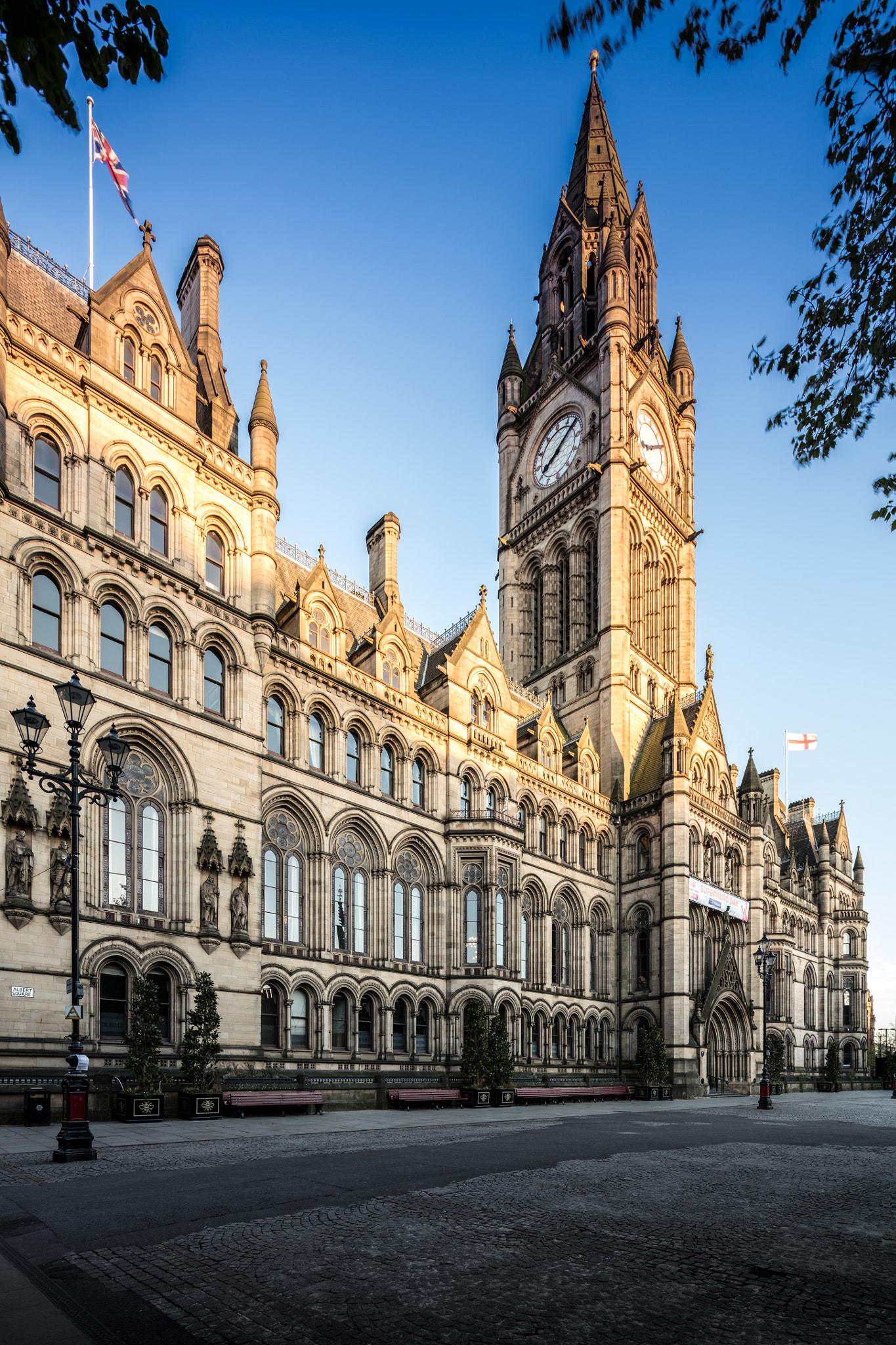
Looking beyond Ordsall Hall? Discover Manchester for broader travel guides, local hot-spots, and regional highlights.
Explore Manchester