

Castlefield Historical Zone: Manchester’s Roman and Industrial Heritage Hub
Explore Castlefield, Manchester’s vibrant urban heritage park where Roman ruins meet industrial canals and lively cultural scenes converge.
Castlefield in Manchester is a unique urban heritage park centered on the remains of the Roman fort Mamucium and the world’s first industrial canal network. This historic area showcases reconstructed Roman ruins, Victorian canals, railway viaducts, and converted warehouses, blending ancient history with industrial revolution legacy in a vibrant waterside setting. Once a strategic Roman military site, Castlefield evolved into a transport hub pivotal to Manchester’s growth and now thrives as a lively cultural and leisure destination.
A brief summary to Castlefield historical zone
- Manchester, M3 4LB, GB
- Visit website
- Duration: 1 to 3 hours
- Budget
-
 Outdoor
- Mobile reception: 5 out of 5
Local tips
- Visit the reconstructed Roman fort and walk along the original defensive walls to experience Manchester’s ancient roots.
- Explore the Museum of Science and Industry housed in Liverpool Road station for insights into Manchester’s industrial past.
- Enjoy a stroll along the canals and viaducts, especially around sunset, to capture picturesque waterside views.
- Check the schedule for live music and events at Castlefield Bowl, an iconic outdoor venue within the area.

For the on-the-go comforts that matter to you
- Restrooms
- Drink Options
- Food Options
- Seating Areas
- Trash Bins
- Information Boards
- Visitor Center
Getting There
-
Train
From Manchester Piccadilly or Manchester Victoria stations, take a 10-15 minute train to Deansgate station, then walk 5 minutes to Castlefield. Trains run frequently with fares around £2-£4.
-
Tram
Use the Manchester Metrolink tram service to Deansgate-Castlefield stop, located adjacent to the area. Trams run every 6-12 minutes, with tickets costing approximately £2-£3.
-
Bus
Bus service 33 stops on Liverpool Road near Castlefield, with journey times from central Manchester around 15-20 minutes. Single fares are about £2-£3. Note that buses may be less frequent on weekends.
-
Walking
Castlefield is within a 15-20 minute walk from Manchester city centre via mostly flat, paved paths and cobbled streets. Suitable for most visitors, though some cobbles may be uneven.
Castlefield historical zone location weather suitability
-
 Any Weather
-
 Rain / Wet Weather
-
 Clear Skies
-
 Mild Temperatures
Discover more about Castlefield historical zone
Ancient Foundations at the Heart of Manchester
Castlefield’s story begins with the Roman fort Mamucium, established around AD 79 by General Agricola’s forces to secure the north-west frontier of Roman Britain. Positioned strategically on a sandstone bluff at the confluence of the Rivers Irwell and Medlock, the fort guarded key Roman roads linking Chester and York. Over centuries, the fort was rebuilt from timber to stone, supporting a bustling vicus village that housed soldiers, their families, and merchants. Though largely abandoned by the 4th century, archaeological excavations have revealed granaries, gates, and defensive ditches, some of which have been reconstructed for public viewing, preserving Castlefield’s ancient legacy.Industrial Revolution’s Waterways and Railways
Castlefield’s significance surged again in the 18th and 19th centuries as the terminus of the Bridgewater Canal, Britain’s first true industrial canal, opened in 1761 to transport coal from Worsley mines to Manchester. This canal network expanded with the Rochdale Canal joining here, making Castlefield the hub of a vast inland waterway system. The advent of railways soon followed, with the world’s first passenger railway station opening at Liverpool Road in 1830. Multiple railway viaducts, some with castellated piers honoring the Roman fort, crisscross the area, reflecting Castlefield’s pivotal role in the transport revolution that fueled Manchester’s rapid industrial growth.Transformation into an Urban Heritage Park
By the 20th century, canal and rail transport declined, leaving Castlefield somewhat neglected. However, in 1982 it became the United Kingdom’s first Urban Heritage Park, sparking extensive regeneration. Public investment restored historic buildings, waterways, and viaducts, while parts of the Roman fort were reconstructed on their original foundations. The Greater Manchester Museum of Science and Industry, housed in the former Liverpool Road station complex, anchors the area’s cultural revival. Today, Castlefield blends its rich history with modern leisure, featuring green spaces, waterside walks, and vibrant bars and restaurants housed in refurbished warehouses.A Living Cultural and Social Hub
Castlefield is not only a historic site but also a lively neighborhood. The restored canals and viaducts provide scenic backdrops for events, outdoor concerts at Castlefield Bowl, and community activities like yoga. The area’s cobbled streets and moored boats create a charming atmosphere where visitors can enjoy a mix of heritage and contemporary urban life. Nearby cultural venues such as HOME showcase Manchester’s thriving arts scene, while numerous eateries and pubs offer diverse dining experiences. Castlefield’s seamless blend of past and present makes it a unique destination for both history enthusiasts and city explorers.Architectural and Natural Highlights
The architectural fabric of Castlefield reflects its layered history—from Roman stonework and reconstructed fortifications to Victorian industrial warehouses and railway viaducts. The canals, lined with towpaths and green spaces, offer tranquil spots amid the urban setting. The River Medlock and Rochdale Canal add to the waterside charm, while the nearby Bridgewater Hall basin recalls the area’s canal heritage. This combination of historic architecture and natural waterways creates a distinctive environment that invites exploration and reflection on Manchester’s evolution.Preserving Heritage Amid Urban Renewal
Castlefield’s designation as a conservation area and urban heritage park underscores the commitment to preserving its archaeological and industrial significance. Scheduled Ancient Monument status protects the Roman fort remains, while ongoing efforts maintain the canals and viaducts. The area exemplifies successful urban regeneration that respects heritage while fostering economic vitality and community engagement. Castlefield stands as a testament to Manchester’s origins and its transformation into a modern metropolis, offering visitors a rich, immersive experience of history and culture.Iconic landmarks you can’t miss

Castlefield historical zone
0.0 km
Explore Castlefield, Manchester’s vibrant urban heritage park where Roman ruins meet industrial canals and lively cultural scenes converge.
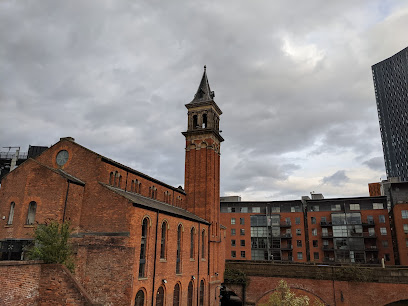
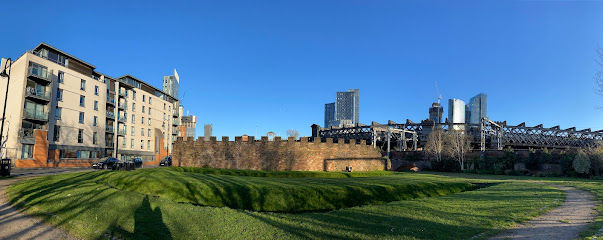
Remains of eastern wall of the Roman fort
0.1 km
Explore the evocative remains of Mamucium’s eastern wall, a cornerstone of Manchester’s Roman heritage and ancient military might.
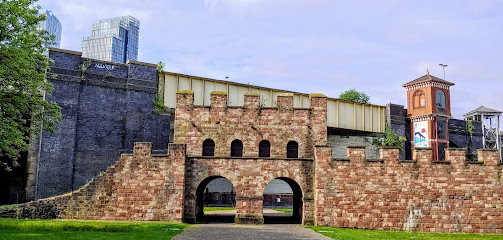
Rochdale Canal Lock 92
0.2 km
Final lock on the historic Rochdale Canal, linking Manchester’s waterways and embodying two centuries of industrial heritage.
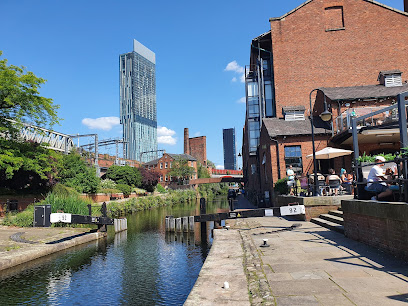
Reconstruction of Mamucium Roman Fort Wall
0.2 km
Explore Manchester’s Roman roots at Mamucium, a reconstructed fort showcasing ancient military might and early urban life.
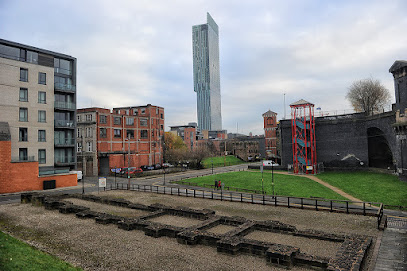
Roman Gardens
0.2 km
Discover Manchester’s Roman past through tranquil gardens featuring reconstructed fortifications and ancient pathways in the heart of Castlefield.
Bahnhof Manchester
0.4 km
Manchester Piccadilly Station – Historic gateway and bustling hub connecting Manchester to the UK and beyond.
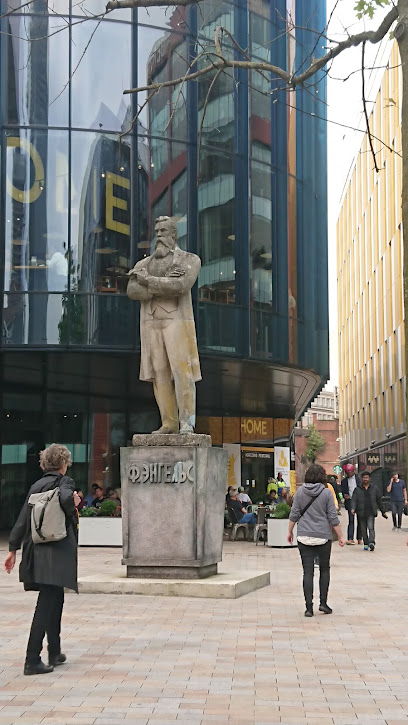
Friedrich Engels Statue
0.4 km
A bold Soviet-era statue honoring Friedrich Engels stands proudly in Manchester, bridging industrial history with modern radical spirit.
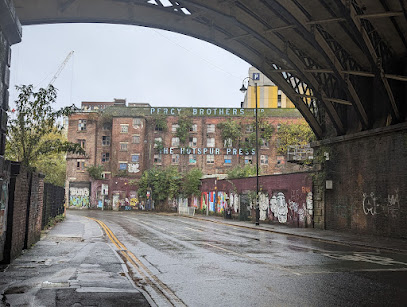
Hotspur House
0.6 km
Historic Hotspur House blends Manchester’s industrial past with bold modern redevelopment, preserving heritage amid vibrant urban renewal.
Peterloo Massacre Monument
0.6 km
A powerful stone memorial in Manchester honoring the victims of the 1819 Peterloo Massacre and the fight for democracy.
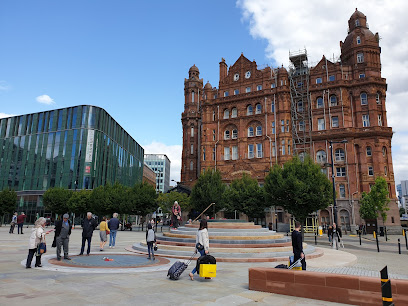
Free Trade Hall
0.6 km
Historic landmark on the Peterloo Massacre site, blending Victorian architecture with a rich legacy of music and political activism.
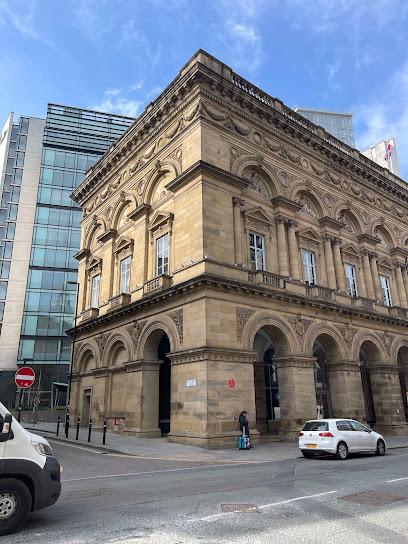
Canada House, Manchester
0.7 km
Discover Canada House, a majestic Grade II listed cotton warehouse in Manchester, embodying the city’s rich industrial heritage and architectural splendor.
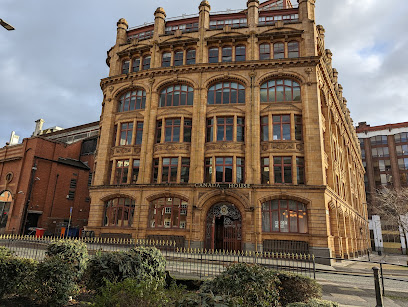
Historic England
0.7 km
Explore the rich heritage of England at Historic England in Manchester, where history meets preservation and community engagement.
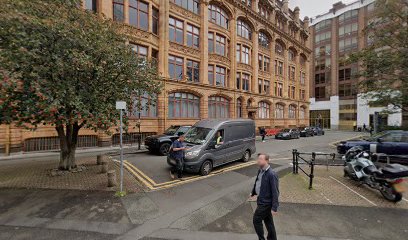
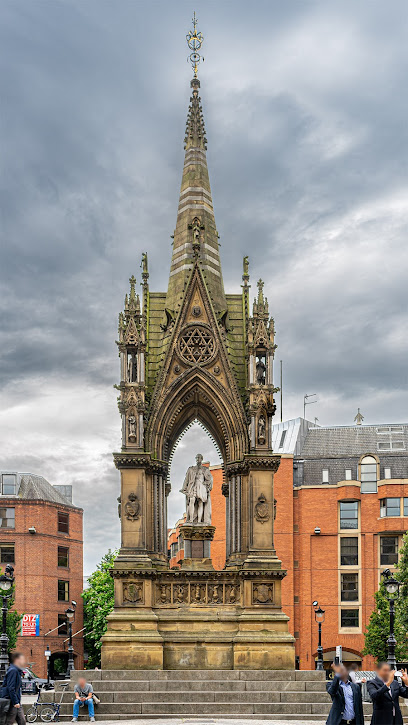
Albert Memorial
0.8 km
A grand Victorian Gothic monument in Albert Square celebrating Prince Albert’s legacy through art, science, and culture.
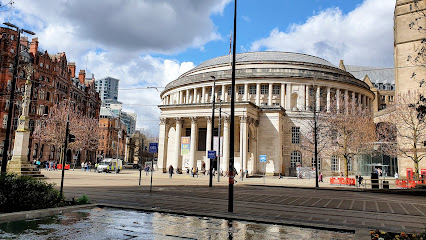
St. Peter's Square
0.8 km
Manchester’s historic St Peter's Square blends rich heritage, iconic architecture, and vibrant urban life at the heart of the city centre.
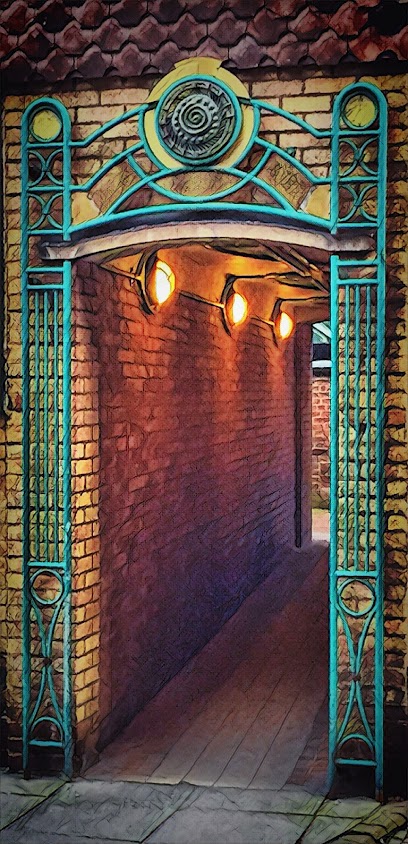
Mulberry Passage
0.8 km
Discover Mulberry Passage, a hidden Manchester alleyway celebrating John Dalton’s atomic theory through captivating art and historic charm.
Unmissable attractions to see

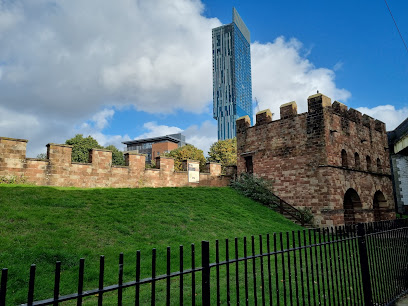
Mamucium Roman Fort Reconstruction
0.1 km
Explore the reconstructed Roman fort of Mamucium, a vital northern frontier garrison that shaped Manchester’s ancient roots.
Castlefield Urban Heritage Park
0.1 km
Explore Manchester’s historic heart where Roman ruins, scenic canals, and vibrant culture converge in the UK’s first Urban Heritage Park.
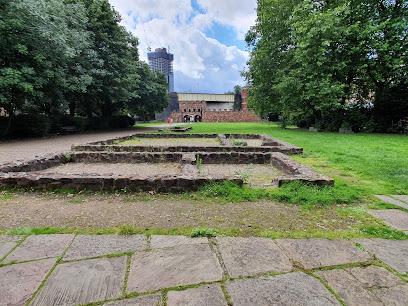
Castlefield National Trust railway walk
0.1 km
Discover a historic Victorian railway viaduct transformed into a vibrant elevated garden blending industrial heritage with nature in Manchester’s oldest district.
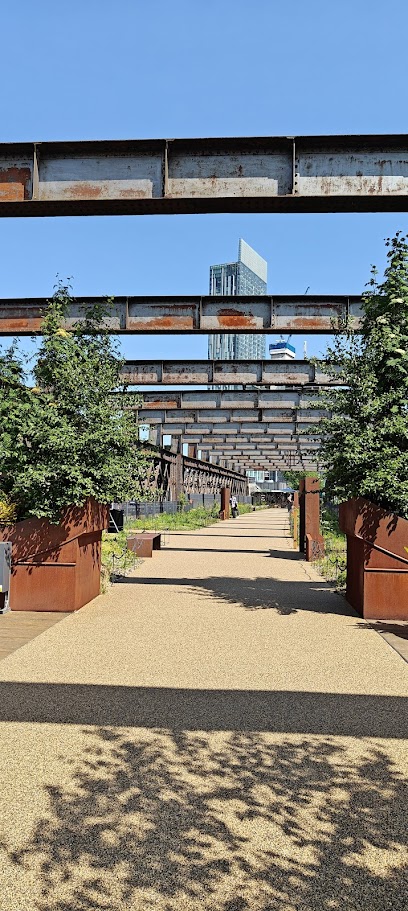
National Trust - Castlefield Viaduct
0.2 km
A Victorian railway viaduct reborn as a lush elevated sky garden blending Manchester’s industrial heritage with vibrant urban nature.
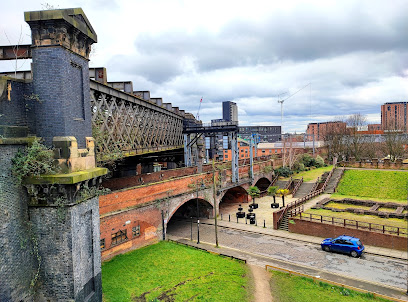
Upper Campfield Market Hall
0.2 km
Historic Victorian market hall in Manchester’s Castlefield, now a vibrant artisan market and creative hub blending heritage with modern innovation.
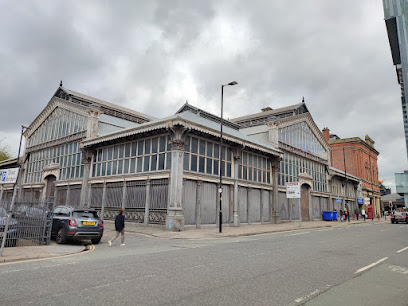
Beetham Tower
0.2 km
Manchester’s tallest skyscraper outside London, Beetham Tower combines luxury living, stunning views, and bold modern architecture in the heart of the city.
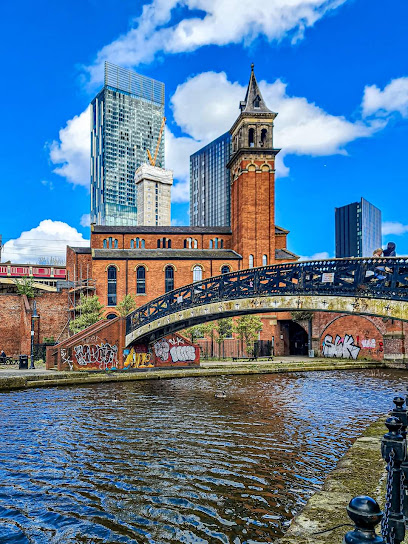
Science and Industry Museum
0.3 km
Explore 250 years of innovation and industrial heritage at Manchester’s historic Science and Industry Museum, housed in the world’s oldest passenger railway station.
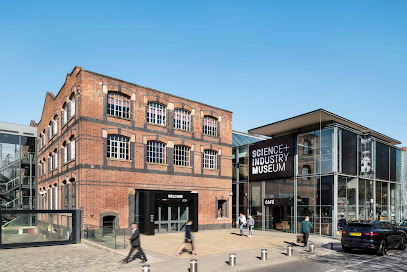
Saint John's Gardens
0.4 km
A serene urban oasis in Manchester preserving historic churchyard remnants and offering peaceful green space near Deansgate.
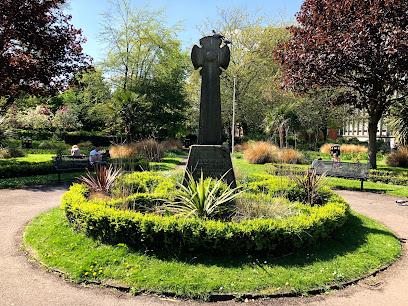
The Crystal Maze LIVE Experience
0.4 km
Dive into the ultimate immersive adventure inspired by the iconic 90s TV show, where teamwork and fun collide in Manchester’s thrilling Crystal Maze LIVE Experience.
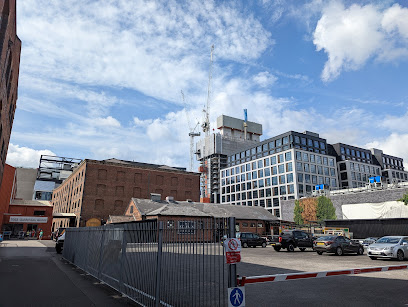
Great Northern
0.4 km
A lively blend of historic charm and modern entertainment in Manchester’s premier shopping and leisure plaza.
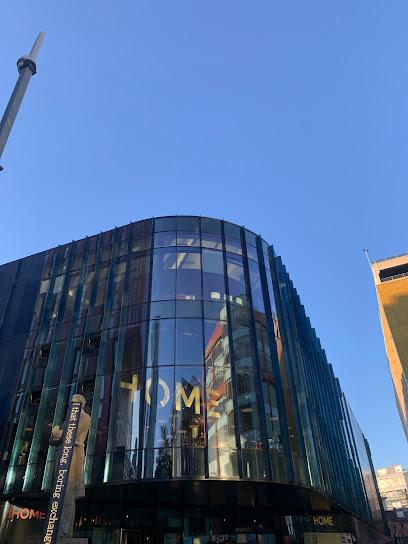
HOME Manchester
0.4 km
HOME Manchester: Where contemporary theatre, film, and art converge in a vibrant cultural hub.
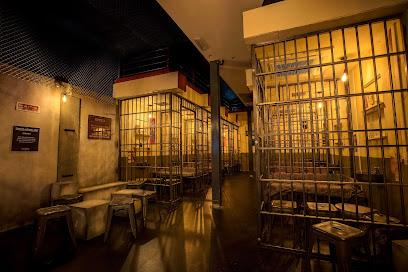
Alcotraz Manchester: Cell Block Three-Four
0.5 km
Discover the thrilling cocktail experience at Alcotraz Manchester, where immersive storytelling meets masterful mixology in a unique prison-themed bar.
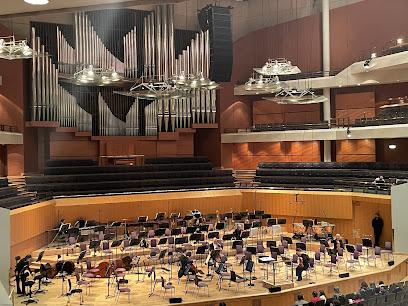
The Bridgewater Hall
0.5 km
Manchester’s premier concert hall offering world-class acoustics, diverse performances, and accessible facilities in a striking modern setting.
Opera House Manchester
0.5 km
A historic Edwardian theatre in Manchester offering world-class musicals, opera, and vibrant cultural performances in an elegant setting.
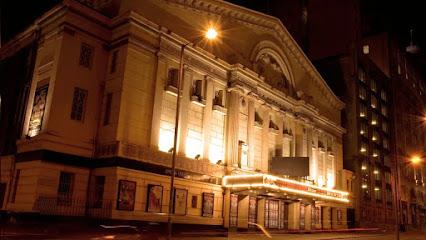
Sightseeing Manchester
0.5 km
Manchester’s iconic concert hall blending architectural beauty and world-class music in the heart of the city.
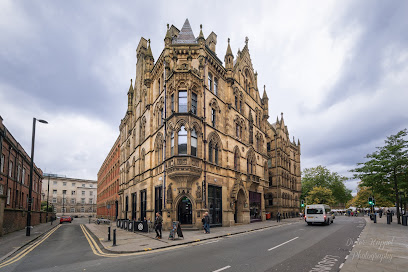
Essential places to dine

Dom's Italia
0.1 km
Experience authentic Italian flavors and warm hospitality in the heart of Manchester at Dom's Italia, where tradition meets vibrant city dining.
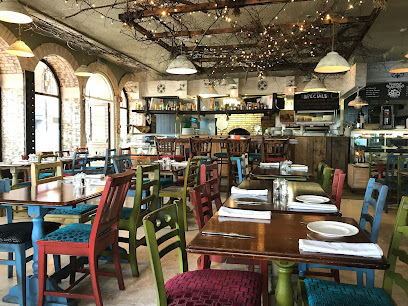
Dukes 92
0.1 km
A vibrant Manchester hotspot blending generous dining, lively music, and versatile event spaces in a stylish city centre setting.
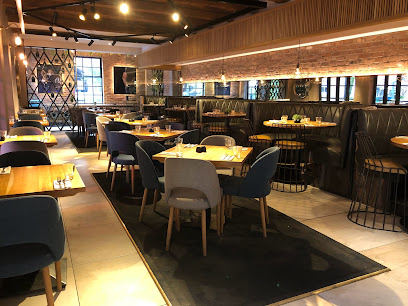
Albert's Shed Restaurant Manchester
0.2 km
Modern European dining with generous portions and lively canal-side ambiance in Manchester’s historic Castlefield district.
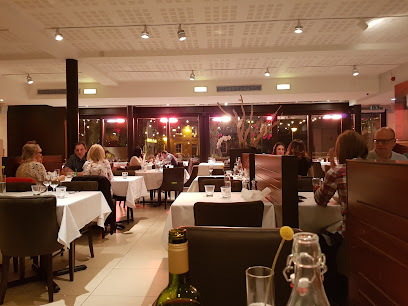
Italiana Fifty Five Liverpool Road
0.2 km
Experience authentic Italian flavors and cozy charm with freshly made pasta and unique flambéed dishes in the heart of Manchester.
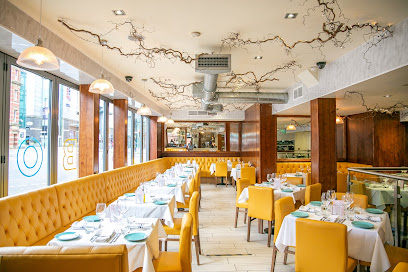
Podium
0.2 km
Sophisticated Modern British dining with inventive flavors and sleek modernist style in Manchester’s iconic Hilton Deansgate.
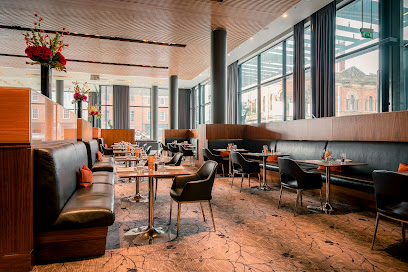
Don Marco
0.2 km
Contemporary Italian dining with warm service and fresh flavors in Manchester’s lively Campfield Arcade.
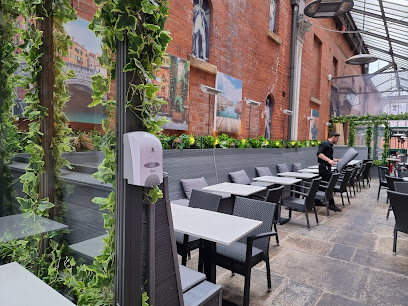
Dimitri's - Tapas Meze Bar & Restaurant
0.2 km
Authentic Greek tapas and meze in Manchester’s lively Deansgate district, perfect for sharing and savoring Mediterranean flavors.
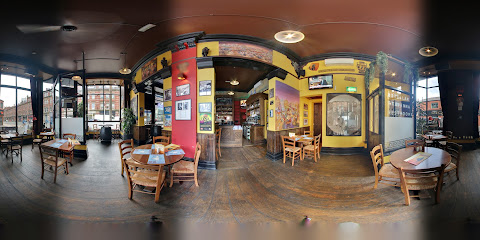
Evuna Deansgate
0.3 km
Authentic Spanish tapas and award-winning wines in the heart of Manchester’s vibrant Deansgate district.
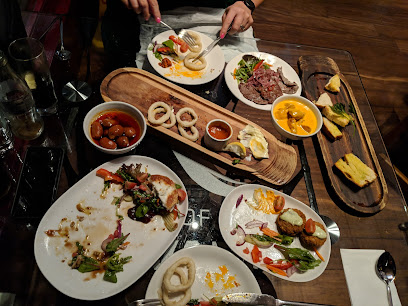
Another hand
0.3 km
An intimate modern British restaurant in Manchester’s Deansgate Mews, celebrated for inventive seasonal dishes and natural wines.
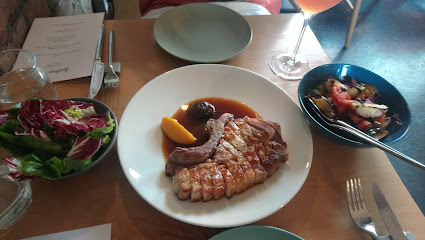
James Martin Manchester
0.5 km
Experience refined modern British cuisine in an elegant casino setting, where seasonal ingredients and expert service create a memorable Manchester dining destination.
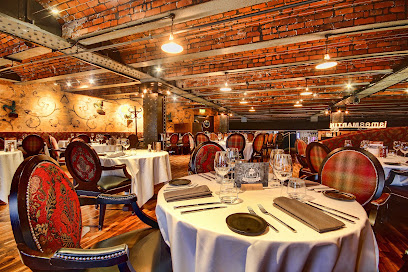
Italiana Fifty Five Great Northern
0.5 km
Experience authentic Italian flavors and warm hospitality in Manchester’s stylish Great Northern Warehouse setting.
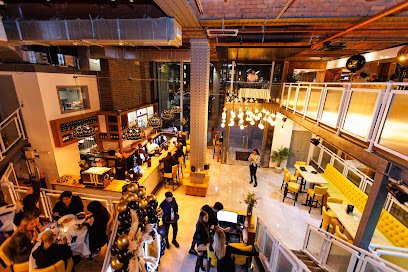
Almost Famous GN
0.5 km
A lively Manchester burger bar serving bold, indulgent American-style burgers with loaded fries in a vibrant, casual setting.
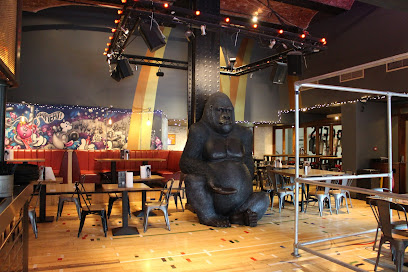
WOOD Manchester by Simon Wood
0.5 km
Experience Simon Wood’s innovative fine dining and artisan pairings in a stylish yet relaxed Manchester setting.
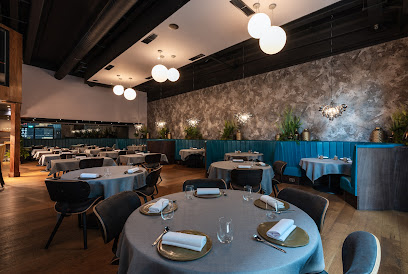
20 Stories
0.5 km
Experience Manchester’s skyline from 20 Stories, a glamorous rooftop restaurant blending Modern European cuisine with stunning city views.
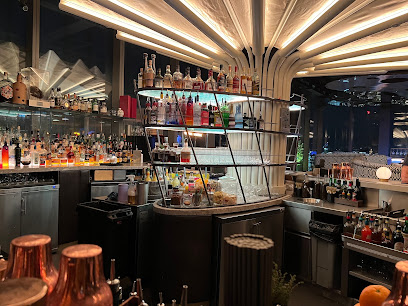
The Banyan Tree
0.5 km
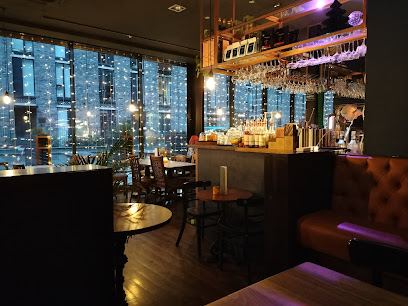
Bohemian bistro in Castlefield serving fusion bites, brunch, cocktails, and live events amid murals and canal vibes—Manchester's go-to for eclectic dining.
Markets, malls and hidden boutiques

Science and Industry Museum Shop
0.2 km
Discover science-infused souvenirs in the heart of Manchester's industrial birthplace, where history meets hands-on innovation at the Science and Industry Museum Shop.
Branded Like A Boss
0.2 km
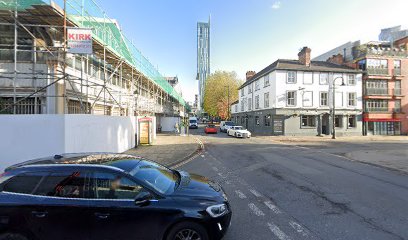
Discover Manchester's spirited souvenirs and artisan crafts at this vibrant Owen Street gift shop, blending trendy flair with local soul.
ItsFetch
0.2 km
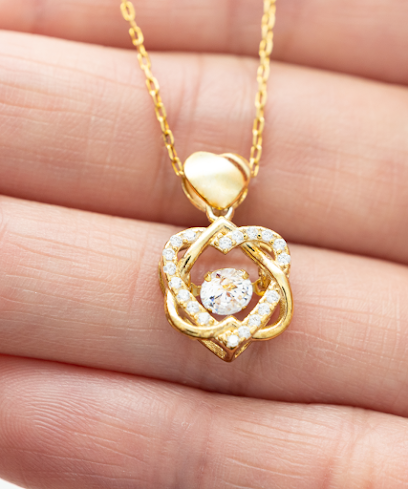
Unleash your fashion potential at ItsFetch, a stylish accessories shop in Manchester, featuring unique pieces for every trendsetter.
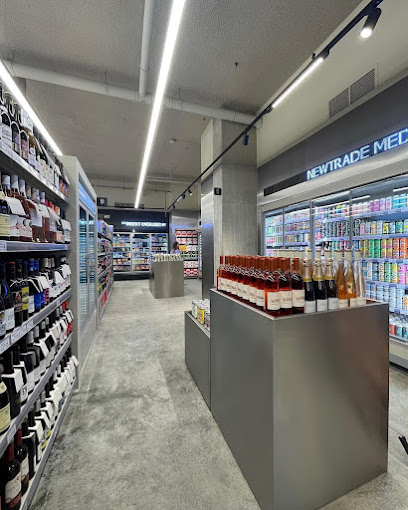
Deansgate Square General Store
0.2 km
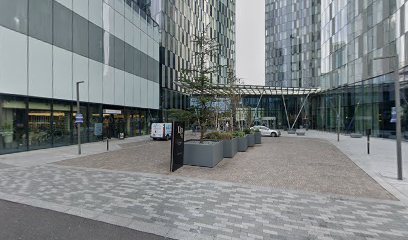
Futuristic cornershop at Deansgate Square's base: craft coffee, local brews, zero-waste refills, and artisanal bites amid Manchester's iconic towers.
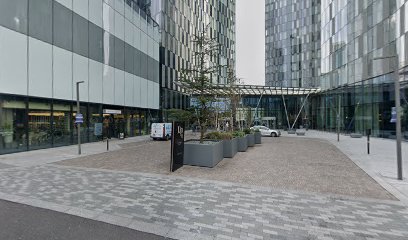
Curvilicious Clothing
0.2 km
Empowering plus-size style in Manchester's beating heart: Curvilicious Clothing celebrates curves with trendy, authentic fashion on Owen Street.
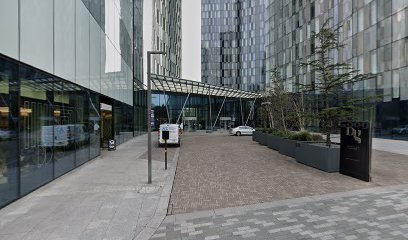
INFINITE RUNNING
0.3 km
Elevate your run with Infinite Running's premium gear: sleek half tights, breathable singlets, and weather-ready layers for Manchester's relentless athletes.
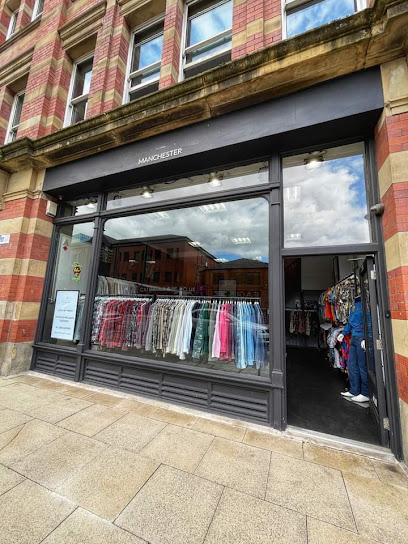
Catch my Thrift
0.3 km
Sustainable designer vintage at £25 and under – Manchester's thrift haven for slow fashion lovers in the city centre.
TVSeriesJackets
0.3 km
Explore TVSeriesJackets in Manchester, where iconic TV show jackets come to life, blending style with your favorite characters' adventures.
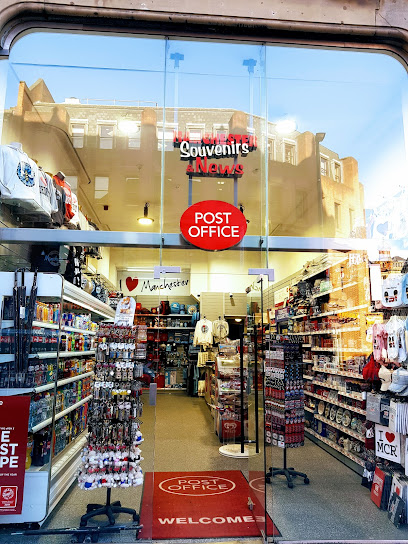
Manchester Souvenirs Gifts & Presents Geek Elf Elux Bars Luggage storage locker
0.8 km
Authentic Manchester souvenirs and gifts with local charm, plus convenient luggage storage in the heart of Deansgate.
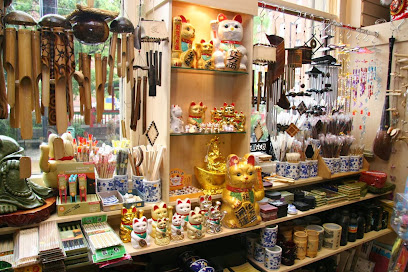
T.La Art & Craft Gallery
1.0 km
A vibrant Chinese art and craft gallery in Manchester’s Chinatown, showcasing handcrafted treasures and cultural heritage in a warm, welcoming space.
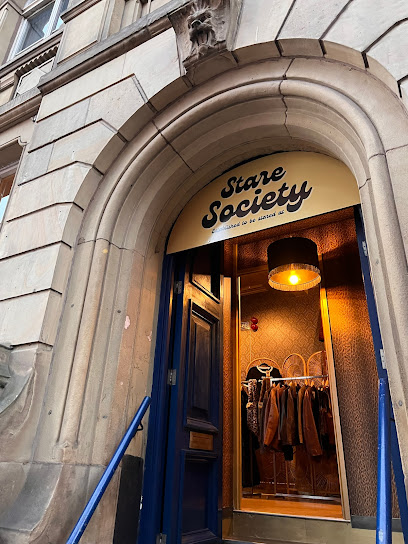
Stare Society
1.0 km
Discover curated vintage clothing and unique home furniture in Manchester’s stylish Stare Society boutique.
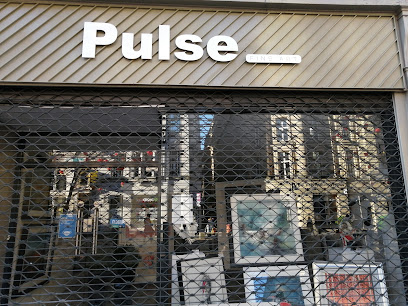
Pulse
1.0 km
Discover unique local treasures and artistic gifts in the heart of Manchester’s historic St Anne’s Square at Pulse.
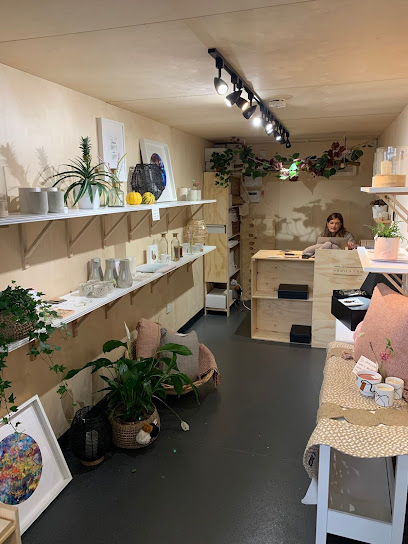
SHMYLS - Thoughtfully Made
1.1 km
Discover thoughtfully crafted jewelry and homewares at SHMYLS, a unique gift shop nestled in Manchester’s vibrant Hatch complex.
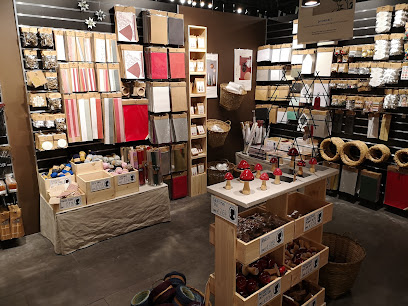
Søstrene Grene
1.1 km
Discover Danish-inspired creativity and cozy home treasures in the heart of Manchester’s vibrant city centre.
Rams Gift World
1.2 km
Discover unique gifts and local crafts at Rams Gift World, Manchester’s vibrant and eclectic souvenir shop on Market Street.

Essential bars & hidden hideouts

Atlas Bar
0.1 km
Discover Manchester’s iconic gin bar with 570+ gins, award-winning service, and a year-round heated terrace in the heart of Deansgate.
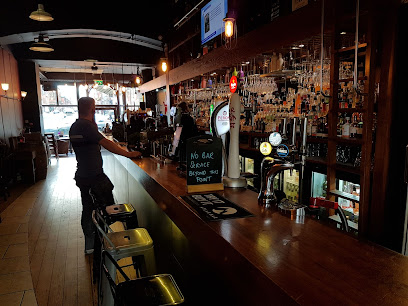
The Deansgate
0.2 km
Historic Deansgate pub revived with cask ales, hearty eats, rooftop terraces, and Manchester buzz—perfect pit stop since the 18th century.
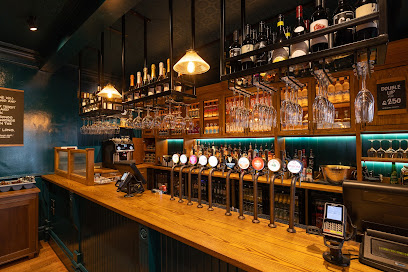
Lock 91
0.2 km
Historic charm meets inventive cocktails in Manchester’s vibrant Lock 91, a versatile bar and events venue beneath the city’s Metrolink station.
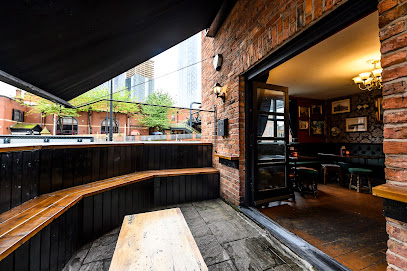
cask
0.2 km
Authentic Manchester pub pouring cask ales amid Castlefield's historic canals and warehouses—timeless brews in a revolutionary setting.
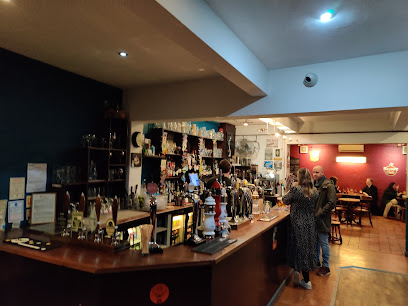
Barça - Canal-side Bar, Castlefield - Manchester
0.2 km
Canal terraces, stylish drinks, and Castlefield vibes—Manchester's waterside bar for every occasion.
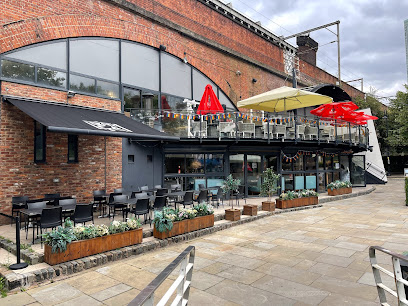
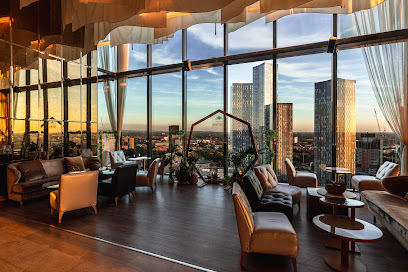
Cloud 23
0.2 km
Experience Manchester’s skyline from the stylish 23rd-floor cocktail bar with innovative drinks and panoramic city views.
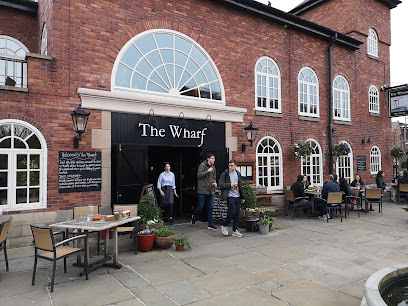
The Wharf
0.2 km
Cosy canalside pub in Manchester's Castlefield, where real fires, craft ales, hearty roasts, and patio views create an unmissable waterside retreat for all.
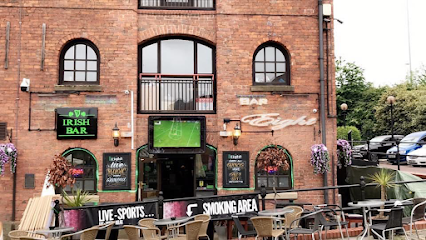
Bar Eight
0.2 km
Lively Irish pub on Manchester's Castle Quay, blending sports screens, hearty grub, and canalside cheer for unforgettable nights out.
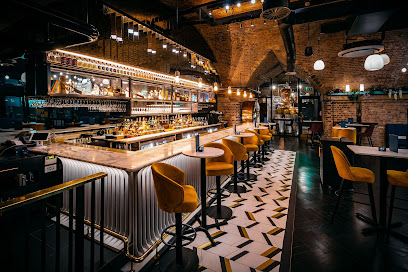
Three Little Words
0.4 km
A stylish gin distillery and cocktail bar under historic arches, blending craft cocktails, seasonal food, and immersive experiences in Manchester’s heart.
The Britons Protection
0.4 km
Historic Manchester pub famed for its vast whisky selection, traditional charm, lively atmosphere, and welcoming community spirit.
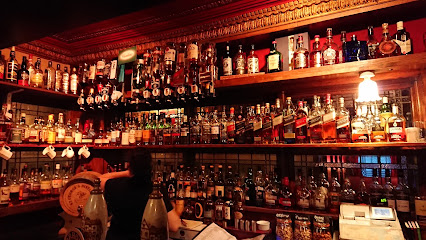
The Blues Kitchen Manchester
0.5 km
Experience authentic Southern barbecue, soulful live music, and vibrant vibes in the heart of Manchester’s Spinningfields.
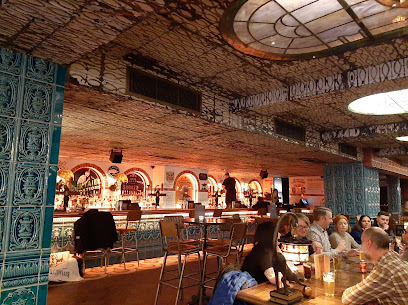
The Alchemist Spinningfields
0.6 km
Innovative cocktails and contemporary dining in Manchester’s vibrant Spinningfields district, blending theatrical flair with a lively social scene.
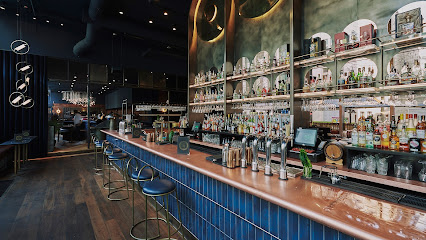
Speak In Code
0.6 km
Discover Speak In Code, Manchester’s innovative cocktail bar blending artisanal mixology, sustainable practices, and a uniquely immersive atmosphere.
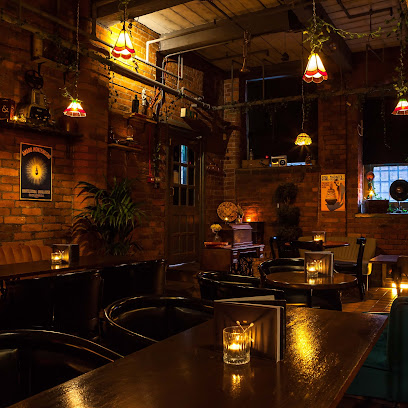
Gorilla
0.7 km
Manchester's ultimate hybrid haunt: brunch by day, beats by night in a funky bar-club fusion with live gigs and roasts.
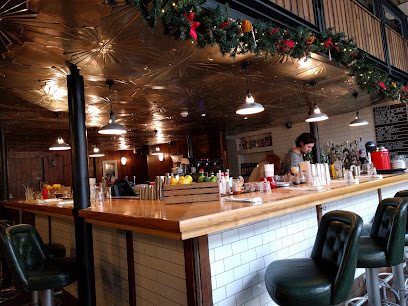
Slug & Lettuce - Albert Square Manchester
0.7 km
Vibrant cocktail bar and restaurant in Manchester’s Albert Square, perfect for lively brunches, evening drinks, and social celebrations.
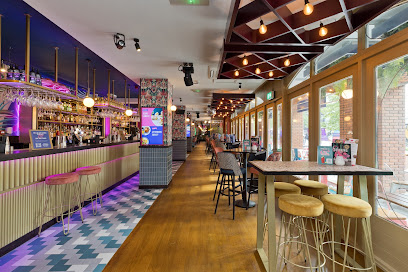
Nightclubs & after hour spots

Ark Manchester
0.2 km
Multi-room beats and canal-side cocktails fuel Manchester's electric Deansgate Locks nightlife at Ark—dance, drink, repeat till dawn.
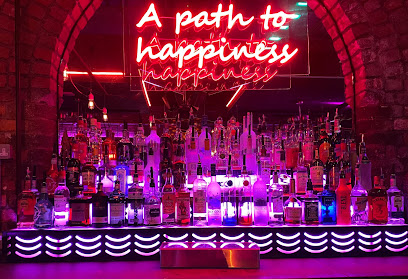
Popworld Manchester
0.2 km
Dance to cheesy pop anthems amid neon lights and poptail cocktails in Manchester's ultimate throwback nightclub.
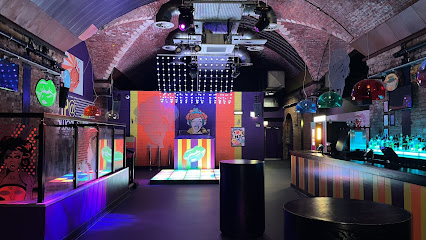
Royal Vida Night Club
0.4 km
Dive into Manchester's underground pulse at Royal Vida, where Castlefield's industrial shadows host thumping beats and endless nights from 11pm to 4am.

Bliss Club Manchester
0.4 km
Experience Manchester’s authentic late-night vibe at Bliss Club, where music and local energy blend into a spirited urban nightlife hub.

History Nightclub
0.4 km
Experience Manchester’s lively hip hop and house beats at History Nightclub, a large, energetic venue open late into the night.

42's
0.5 km
Manchester’s iconic indie nightclub blending rich musical heritage with a lively, inclusive nightlife experience.
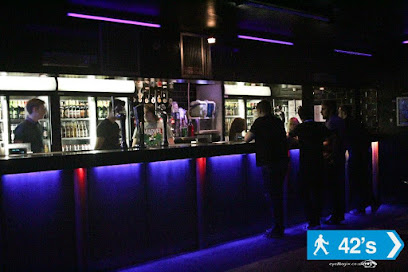
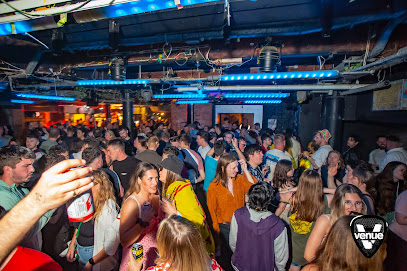
Venue Nightclub
0.6 km
Manchester's underground indie haven: cheap drinks, packed dance floors, and anthems till dawn in Deansgate's electric night scene.
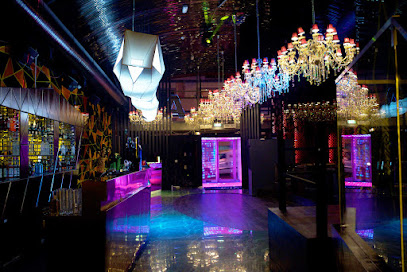
Viva Manchester
0.7 km
Compact stage-driven nightclub on Whitworth Street West — theatrical themed nights, DJ sets and group-friendly table service.
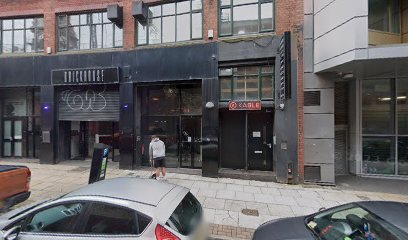
Kable
0.8 km
A compact, late‑night basement club on New Wakefield Street, favoured for punchy electronic nights and close‑up DJ sessions.
Club Liv Manchester
0.8 km
Experience Manchester’s vibrant nightlife with exclusive VIP vibes, world-class Pan-Asian dining, and a stylish rooftop terrace at Club Liv.
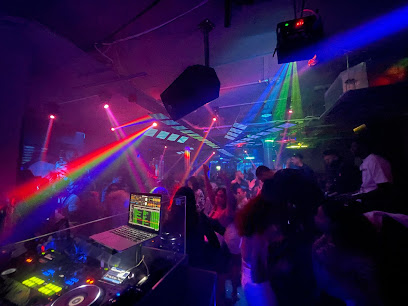
Satans Hollow
1.0 km
Manchester's infernal punk-rock abyss: demonic decor, dirt-cheap drinks, and mosh-pit mayhem for metalheads and rebels.
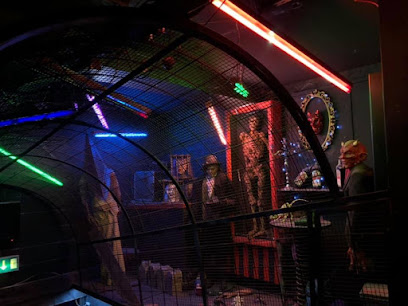
Club Tropicana
1.1 km
Dive into 1980s glamour at Manchester's premier gay nightclub, where drag, DJs, cocktails, and retro beats fuel the Gay Village's electric nightlife.
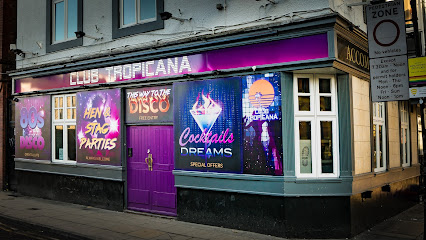
The Cockatoo Club
1.2 km
Discover the electrifying nightlife at The Cockatoo Club in Manchester, where vibrant cabaret performances meet an unforgettable atmosphere.
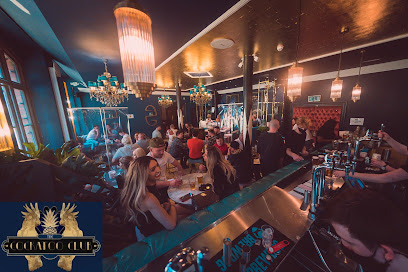
Bijou Club
1.4 km
Manchester's hidden riverside gem: celebrity vibes, secret garden terrace, and LED-lit beats in an exclusive Deansgate nightclub.
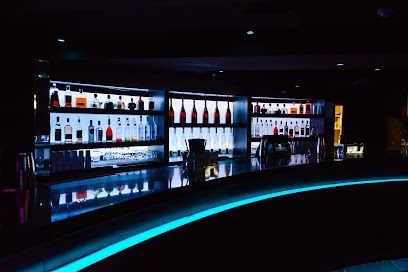
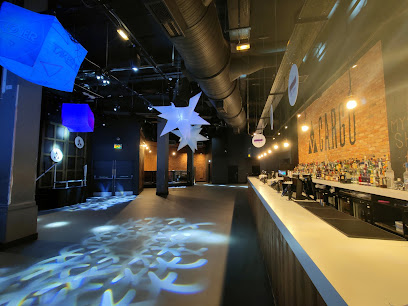
Cargo
1.4 km
Manchester's Printworks powerhouse: light-up dance floors, bottomless brunches, and non-stop beats until dawn in the city's nightlife epicenter.
For the vibe & atmosphere seeker
- Historic
- Tranquil
- Scenic
- Lively
- Unique
For the design and aesthetic lover
- Vintage Styles
- Industrial Designs
For the architecture buff
- Historic
- Landmarks
- Parks & Gardens
- Heritage Neighborhoods
For the view chaser and sunset hunter
- Iconic Views
- Panoramas
- Waterfront
- Sunset Spots
For the social media creator & influencer
- Instagrammable
- Photo Spots
- Selfie Spots
- Architectural Shots
For the eco-conscious traveler
- Protected Area
- Car-Free Access
- Public-Transport Accessible
- Leave-No-Trace Critical
- Locally Managed
For the kind of experience you’re after
- Cultural Heritage
- Photowalk
- Day Trip
- Weekend Getaway
- Festival / Event Nearby
For how adventurous you want the journey to be
- Easy Access
Location Audience
- Family Friendly
- Senior Friendly
- Child Friendly
- Teen Friendly
- Wheelchair Access
- Pet Friendly
- Solo Friendly
- Couple Friendly
- Vegetarian Friendly
- Vegan Friendly


