
People's History Museum
Britain's national museum of democracy, celebrating radical stories of people fighting for a fairer world.
The People's History Museum is Britain's national museum of democracy, housed in a striking riverside building in Manchester's Spinningfields district. Its expansive collection spans over 200 years of British political history, featuring banners, posters, political cartoons, badges, and artifacts from trade unions, activist groups, and political parties across the spectrum. The museum celebrates radical stories of people fighting for social change and fairer societies, with rotating exhibitions exploring themes from elections and LGBTQ+ rights to refugee struggles. Free entry with suggested donations supports this vital cultural institution.
A brief summary to People's History Museum
- Left Bank, Manchester, M3 3ER, GB
- +441618389190
- Visit website
- Duration: 1.5 to 3 hours
- Free
-
 Indoor
- Mobile reception: 5 out of 5
- Monday 10 am-5 pm
- Wednesday 10 am-5 pm
- Thursday 10 am-5 pm
- Friday 10 am-5 pm
- Saturday 10 am-5 pm
- Sunday 10 am-5 pm
Local tips
- Visit between 3 pm and 5 pm on Mondays, Wednesdays, or Thursdays for quieter galleries, or arrive between 10 am and 12 pm on Sunday mornings. Friday afternoons from 2 pm to 5 pm offer dedicated quiet time.
- The café, Gather, does not accept cash—bring a card or mobile payment. A picnic area is available if you prefer to bring your own food and drink.
- Ask staff about the conservation studio viewing window in Gallery Two to see behind-the-scenes preservation work in action.
- Attend a Radical Lates event on the second Thursday of each month for extended hours until 8 pm and special programming including discussions and performances.
- Browse the online shop before or after your visit to support the museum; all purchases help preserve and inspire ideas worth fighting for.

For the on-the-go comforts that matter to you
- Restrooms
- Drink Options
- Drinking Water
- Food Options
- Seating Areas
- Picnic Areas
- Trash Bins
- Information Boards
- Visitor Center
Getting There
-
Walking from Manchester City Centre
The museum is easily accessible on foot from Manchester's central shopping and business districts. From Exchange Square or St Peter's Square, allow 9–10 minutes of walking through the city centre to reach Left Bank. The route is flat, well-signposted, and passes through busy commercial areas with good visibility and street lighting.
-
Bus Service
Multiple bus routes serve the Spinningfields area and stop near the museum or within a short walk. Services run regularly throughout the day from Manchester's city centre and surrounding neighbourhoods. Journey times from central Manchester are typically 5–15 minutes depending on traffic and your starting point. Single fares cost approximately £1.75–£2.50 GBP.
-
Train or Tram
Manchester Piccadilly or Manchester Oxford Road railway stations are approximately 15–20 minutes' walk from the museum. Alternatively, the Metrolink tram system connects to nearby stops; from St Peter's Square or Market Street tram stops, the museum is a 5–10 minute walk. Tram fares from the city centre are approximately £1.75–£2.50 GBP.
-
Parking
Several car parks operate in Manchester's city centre near the museum, including multi-storey facilities within 5–10 minutes' walk of Left Bank. Parking costs vary by location and duration, typically ranging from £2–£6 GBP per hour or £8–£15 GBP for all-day parking. On-street parking is limited in Spinningfields.
People's History Museum location weather suitability
-
 Any Weather
Discover more about People's History Museum
A Museum Born from Activism and Relocated to Manchester
The People's History Museum traces its origins to the 1960s when activists from the Trade Union Labour and Co-operative History Society began collecting campaign materials and historical documents. This grassroots initiative evolved into the National Museum of Labour History, established in 1975 in Tower Hamlets, London. Facing relocation pressures in the late 1980s, the museum found a new home in Manchester—a city with deep roots in political activism and social movements. The institution reopened in 1990 under its original name, then rebranded as the People's History Museum in 2002, reflecting its broadened scope beyond labour history to encompass democracy itself.Collections Spanning Two Centuries of Political Struggle
The museum's collection represents an extraordinary archive of British political expression. Visitors encounter historic silk banners carried by trade unionists in demonstrations, colourful campaign posters from across the political spectrum, political cartoons, badges, and photographs documenting pivotal moments in the fight for rights and representation. Notable items include a desk once used by Thomas Paine, the Enlightenment philosopher, and puppets from the satirical television programme Spitting Image. Rather than presenting a single political viewpoint, the museum deliberately includes materials from both left and right-wing movements, grounding its narrative in the universal human struggle for dignity, fairness, and democratic participation. This inclusive approach ensures visitors encounter authentic stories of diverse communities—from suffragettes to trade unionists, from LGBTQ+ activists to refugee advocates.Architecture and Riverside Setting
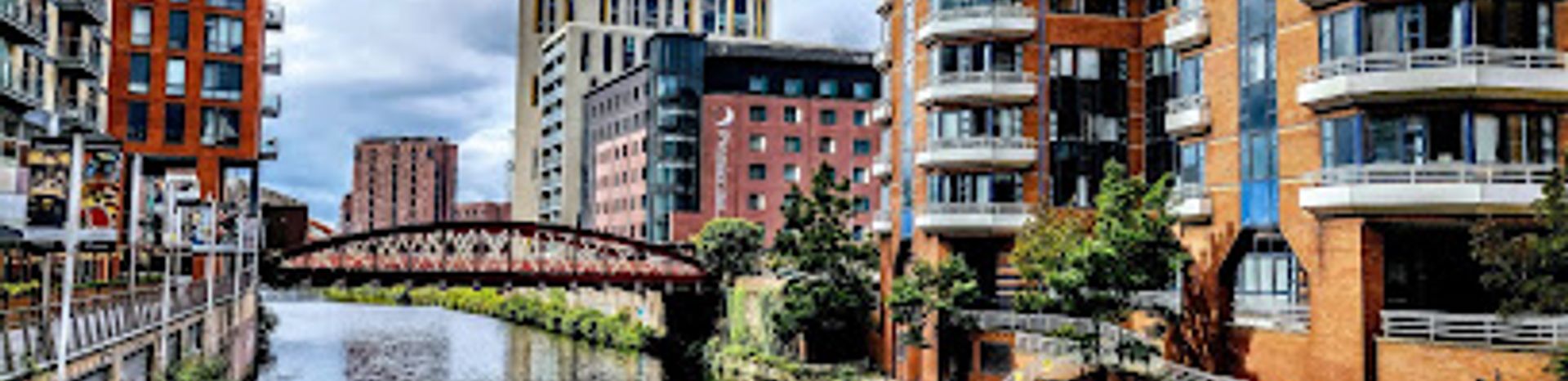
The museum occupies a distinctive site on the corner of Left Bank and Bridge Street, alongside the River Irwell in Spinningfields. The building ingeniously combines a historic pump house with a modern extension clad in weathered Cor-Ten steel, creating a visual dialogue between industrial heritage and contemporary design. This architectural choice mirrors the museum's mission: honouring the past while remaining engaged with present-day struggles for justice. The riverside location provides a contemplative setting, and the building's design facilitates accessible, welcoming spaces for all visitors. Large windows frame views of the Irwell, and the open layout encourages exploration of both permanent galleries and rotating exhibition spaces.Exhibitions and Thematic Explorations
Beyond the main galleries, the museum maintains dedicated exhibition spaces that rotate focus to specific themes and contemporary issues. Past exhibitions have examined elections, LGBTQ+ rights movements, and the experiences of refugees and asylum seekers. These rotating displays ensure the museum remains a living institution, connecting historical struggles to current debates about democracy, representation, and social justice. The museum also hosts Radical Lates events on the second Thursday of each month, extending opening hours until 8 pm and creating evening spaces for discussion, performance, and community engagement.Visitor Experience and Accessibility
The museum is explicitly designed to welcome all visitors. Family-friendly throughout, it offers hands-on interactives, activities, and sensory tools borrowed from access stations. A dedicated Quiet Room provides respite for those needing a break, and staff are trained to support visitors with varying access needs. The café, Gather, serves brunch, lunch, and afternoon refreshments, while a picnic area accommodates visitors bringing their own food. The shop stocks books, gifts, and souvenirs inspired by the collection, with all purchases supporting the museum's mission. Recommended visit duration is 90 minutes, though many visitors spend considerably longer engaging with the galleries and exhibitions.Iconic landmarks you can’t miss

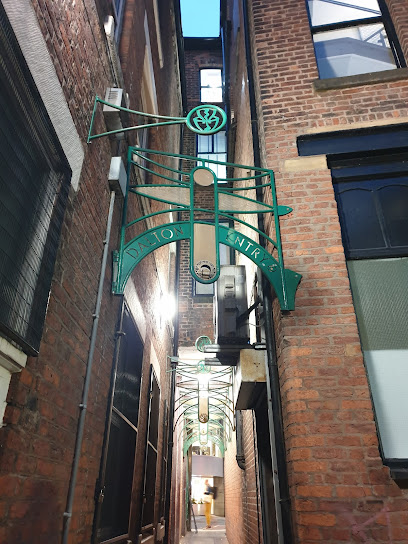
Dalton Entry
0.5 km
Discover Dalton Entry, a hidden Manchester alley honoring John Dalton’s atomic theory and scientific legacy through art and history.
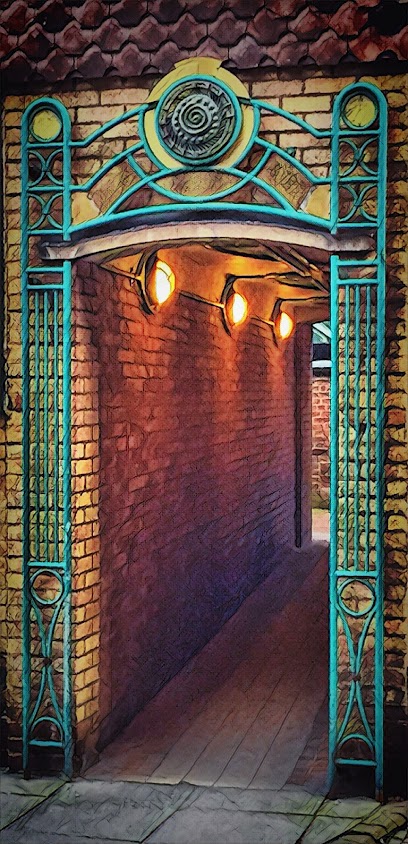
Mulberry Passage
0.5 km
Discover Mulberry Passage, a hidden Manchester alleyway celebrating John Dalton’s atomic theory through captivating art and historic charm.
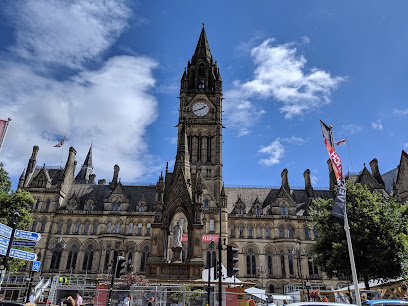
John Bright Statue
0.5 km
A marble tribute in Albert Square honoring John Bright’s legacy as a champion of free trade and social reform in Victorian Manchester.
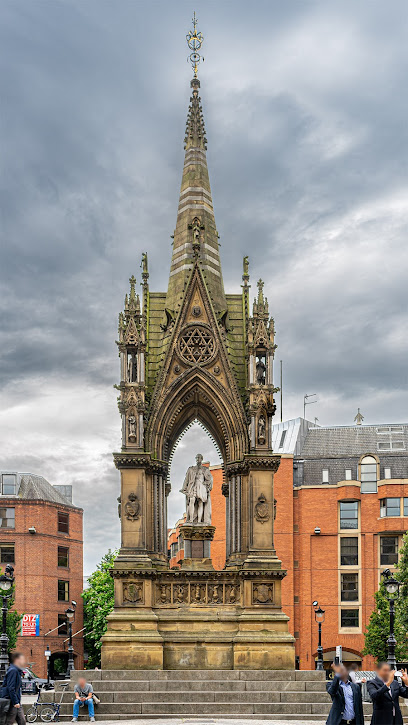
Albert Memorial
0.6 km
A grand Victorian Gothic monument in Albert Square celebrating Prince Albert’s legacy through art, science, and culture.
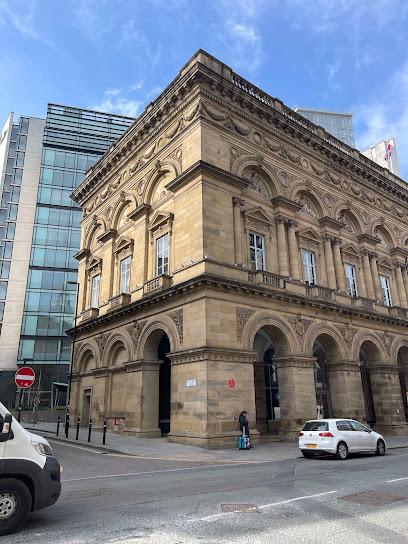
Free Trade Hall
0.6 km
Historic landmark on the Peterloo Massacre site, blending Victorian architecture with a rich legacy of music and political activism.
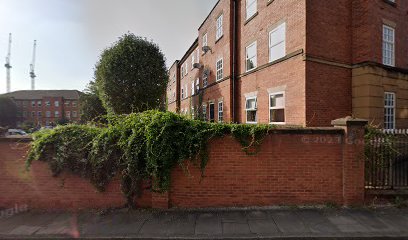
Bahnhof Manchester
0.6 km
Manchester Piccadilly Station – Historic gateway and bustling hub connecting Manchester to the UK and beyond.
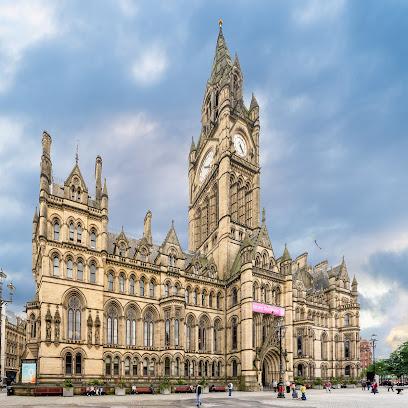
Manchester City Council
0.6 km
Manchester City Council’s majestic Town Hall in Albert Square: a Victorian Neo-Gothic masterpiece and symbol of civic heritage.
Roman Gardens
0.7 km
Discover Manchester’s Roman past through tranquil gardens featuring reconstructed fortifications and ancient pathways in the heart of Castlefield.
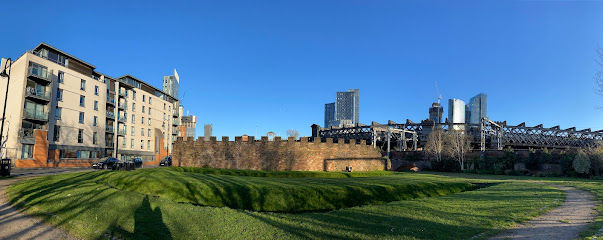
Reconstruction of Mamucium Roman Fort Wall
0.7 km
Explore Manchester’s Roman roots at Mamucium, a reconstructed fort showcasing ancient military might and early urban life.
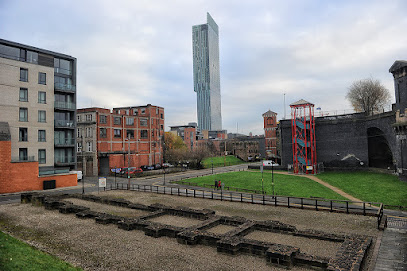
The Undamaged Red Post Box
0.7 km
A resilient symbol of hope standing where devastation once reigned on Manchester's Corporation Street.
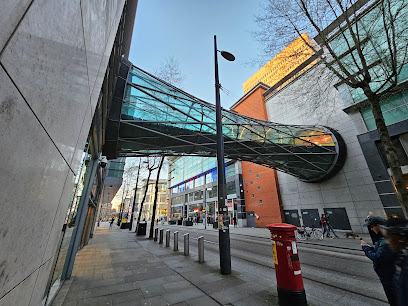
St. Peter's Square
0.7 km
Manchester’s historic St Peter's Square blends rich heritage, iconic architecture, and vibrant urban life at the heart of the city centre.
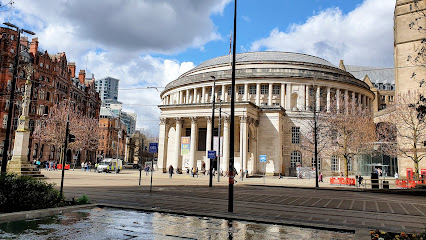
Peterloo Massacre Monument
0.7 km
A powerful stone memorial in Manchester honoring the victims of the 1819 Peterloo Massacre and the fight for democracy.
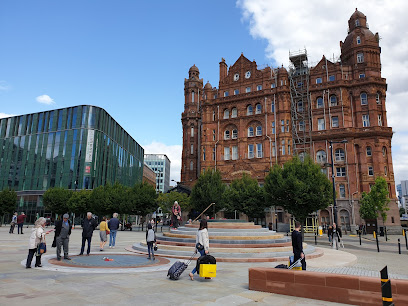
Remains of eastern wall of the Roman fort
0.7 km
Explore the evocative remains of Mamucium’s eastern wall, a cornerstone of Manchester’s Roman heritage and ancient military might.
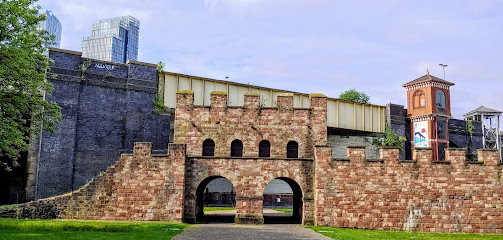
Rochdale Canal Lock 92
0.8 km
Final lock on the historic Rochdale Canal, linking Manchester’s waterways and embodying two centuries of industrial heritage.
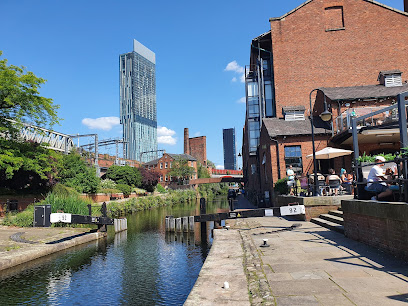
Castlefield historical zone
0.8 km
Explore Castlefield, Manchester’s vibrant urban heritage park where Roman ruins meet industrial canals and lively cultural scenes converge.
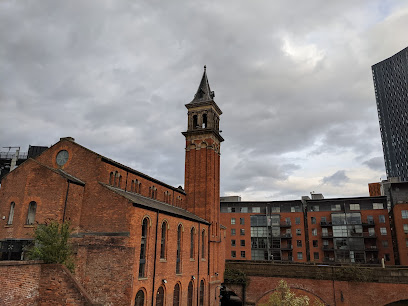
Unmissable attractions to see

Mural - Peterloo.
0.0 km
A vivid street art mural in Manchester commemorating the 1819 Peterloo Massacre and the enduring fight for democracy.
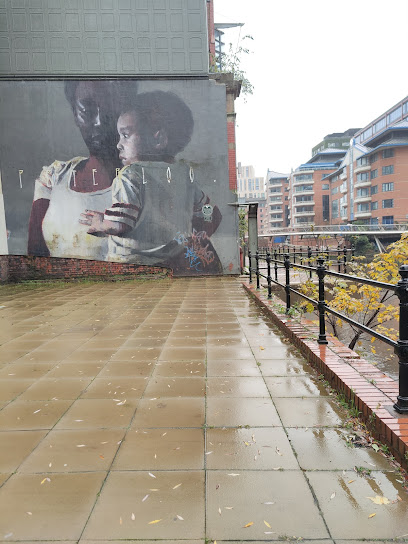
John Rylands Research Institute and Library
0.3 km
A neo-Gothic architectural gem housing one of the UK’s largest rare book collections and a vibrant research institute in the heart of Manchester.

Opera House Manchester
0.3 km
A historic Edwardian theatre in Manchester offering world-class musicals, opera, and vibrant cultural performances in an elegant setting.
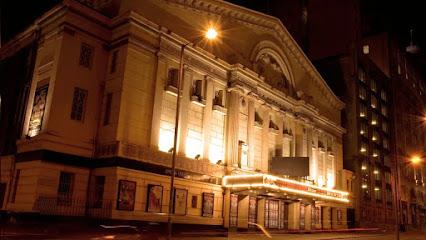
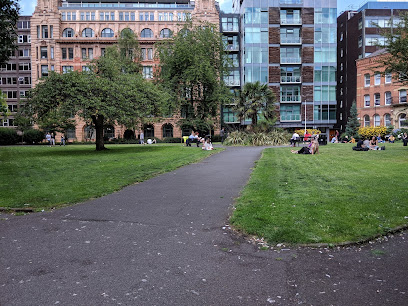
Parsonage Gardens
0.3 km
A peaceful garden oasis in central Manchester, rich with history and quiet reflection amid the city’s vibrant heart.
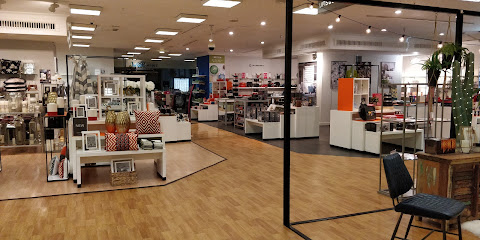
House of Fraser
0.3 km
Discover luxury shopping and historic charm at House of Fraser Manchester, a premier department store on Deansgate.
Saint John's Gardens
0.4 km
A serene urban oasis in Manchester preserving historic churchyard remnants and offering peaceful green space near Deansgate.
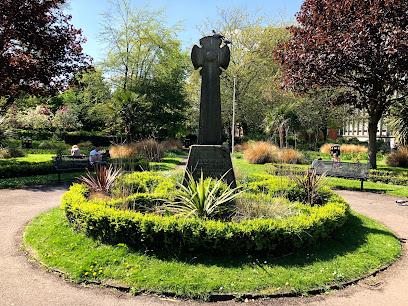
Islington Park
0.4 km
A peaceful urban park in Salford blending natural beauty, fitness facilities, and rich historical roots in a welcoming community setting.
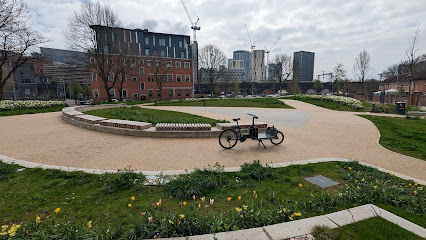
Abraham Lincoln Statue
0.4 km
A powerful bronze tribute in Manchester honoring Abraham Lincoln and the city’s courageous support for abolition during the American Civil War.
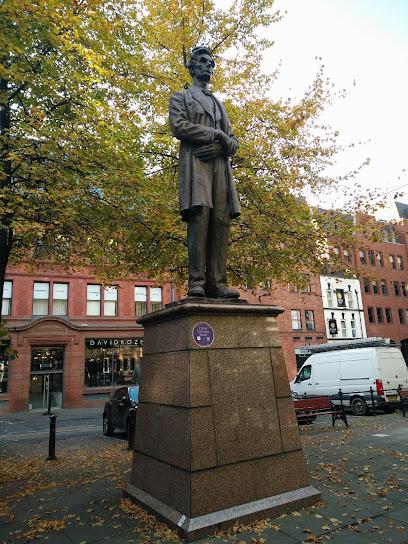
Once Upon a Smile
0.4 km
A dedicated Greater Manchester charity base providing child-centred bereavement support, counselling and creative memory-making programmes in a compassionate, private setting.
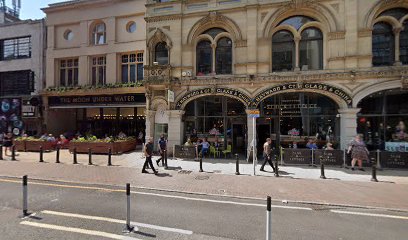
St Mary's RC Church
0.5 km
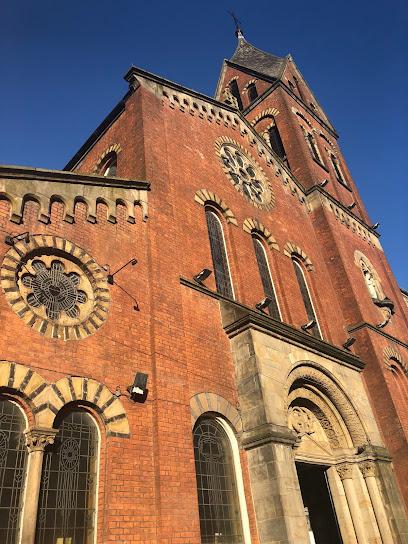
Discover St Mary's RC Church, Manchester's historic 'Hidden Gem' blending Victorian artistry and deep Catholic heritage since 1794.
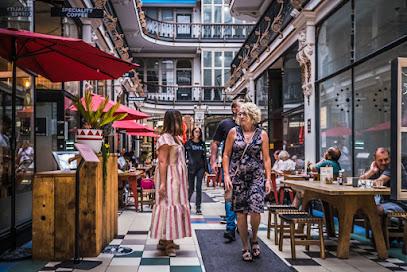
Barton Arcade
0.5 km
Step into Barton Arcade, a Victorian marvel of glass and iron, where historic elegance meets boutique shopping in the heart of Manchester.
The Crystal Maze LIVE Experience
0.5 km
Dive into the ultimate immersive adventure inspired by the iconic 90s TV show, where teamwork and fun collide in Manchester’s thrilling Crystal Maze LIVE Experience.
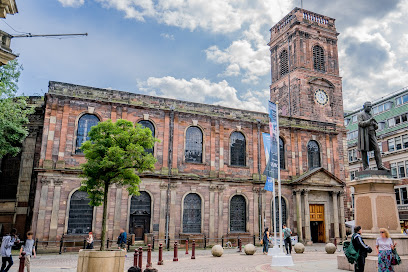
Saint Ann's Church
0.5 km
Discover St Ann's Church, Manchester’s neo-classical gem and historic city centre landmark, blending 18th-century elegance with vibrant cultural heritage.
Albert Hall, Manchester
0.5 km
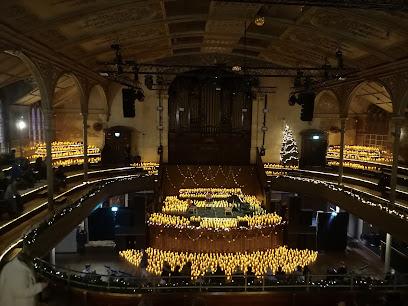
Historic Wesleyan chapel turned iconic music venue with stunning stained glass and vaulted ceilings in Manchester’s vibrant city centre.
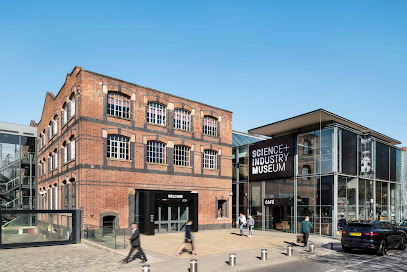
Science and Industry Museum
0.5 km
Explore 250 years of innovation and industrial heritage at Manchester’s historic Science and Industry Museum, housed in the world’s oldest passenger railway station.
Essential places to dine

Masons
0.2 km
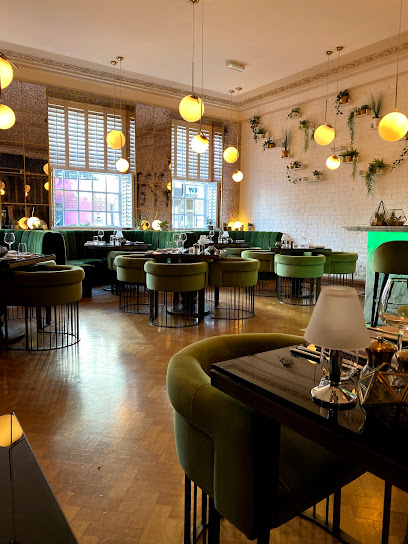
Elegant Modern British dining with art deco charm and a refreshingly simple menu philosophy.
Tattu Manchester
0.2 km
Modern Chinese cuisine and theatrical design in Manchester's Spinningfields district.
Bill's Spinningfields Restaurant
0.2 km
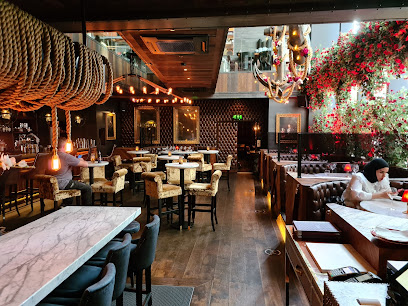
Cozy British dining with eclectic charm and seasonal flavors in Manchester’s lively Spinningfields district.
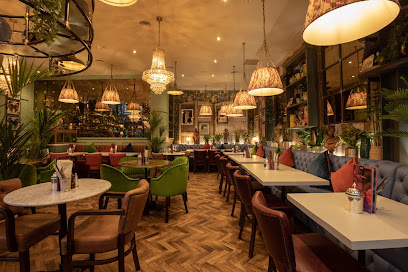
20 Stories
0.3 km
Experience Manchester’s skyline from 20 Stories, a glamorous rooftop restaurant blending Modern European cuisine with stunning city views.
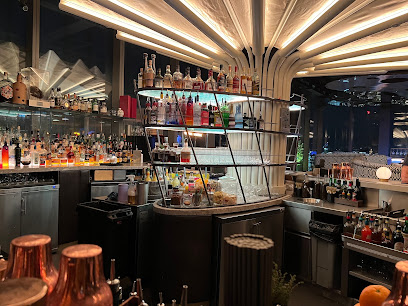
San Carlo - Manchester
0.3 km
Experience authentic regional Italian cuisine in a stylish, celebrity-frequented Manchester hotspot known for elegance and vibrant atmosphere.
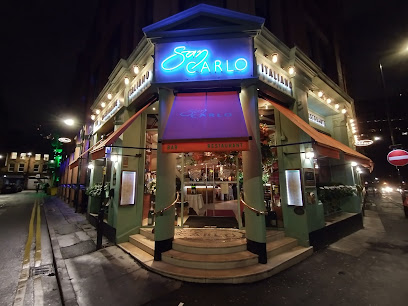
Australasia
0.3 km
Stylish Pan-Asian dining in Manchester’s Spinningfields with vibrant flavors, chic design, and a lively atmosphere for special occasions.
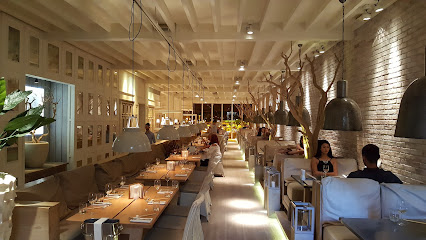
Hawksmoor Manchester
0.4 km
Experience exquisite British steaks and seafood in a historic Victorian courthouse with impeccable service and elegant private dining.
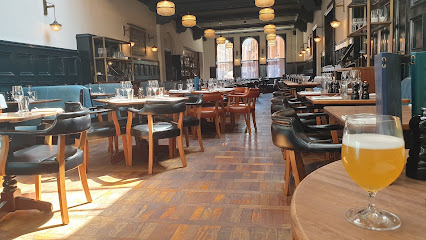
Gaucho Manchester
0.4 km
Experience premium Argentine steaks and elegant dining in a spectacular historic church setting in the heart of Manchester.
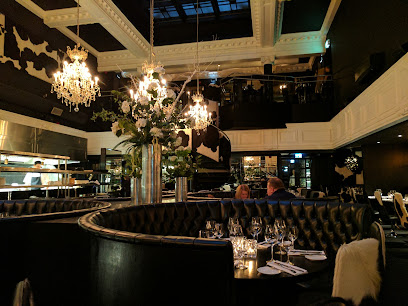
Gusto Italian
0.4 km
Experience elegant Italian dining in Manchester’s historic Elliot House, where 1920s charm meets fresh, contemporary cuisine.
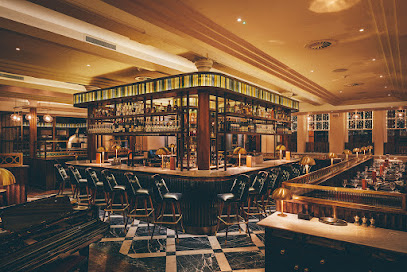
Climat
0.4 km
Sophisticated rooftop dining in Manchester with panoramic views, a Burgundy-focused wine cellar, and inventive seasonal sharing plates.
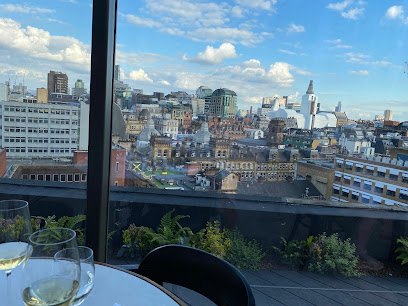
El Gato Negro Tapas Manchester
0.5 km
Stylish Spanish tapas in a historic Manchester townhouse with a vibrant bar, open kitchen dining, and a stunning rooftop terrace.
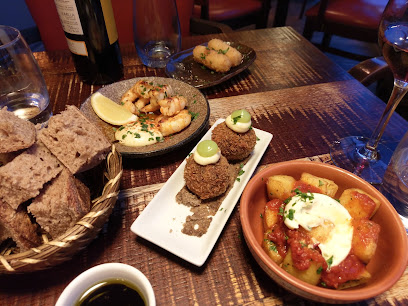
Italiana Fifty Five Great Northern
0.5 km
Experience authentic Italian flavors and warm hospitality in Manchester’s stylish Great Northern Warehouse setting.
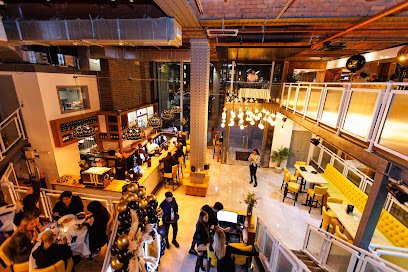
Albert's Schloss - Manchester
0.5 km
A lively Bavarian-inspired beer hall in Manchester blending hearty food, live music, and vibrant nightlife in a unique social setting.
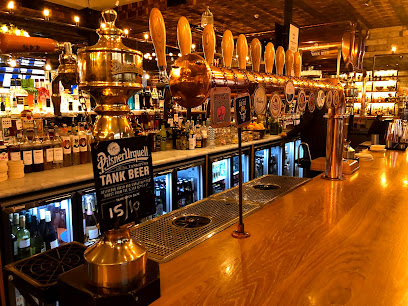
Almost Famous GN
0.5 km
A lively Manchester burger bar serving bold, indulgent American-style burgers with loaded fries in a vibrant, casual setting.
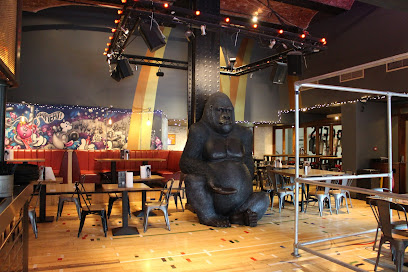
Annies
0.5 km
Experience hearty British classics and warm hospitality in the stylish, cozy setting of Annie's on Old Bank Street, Manchester.
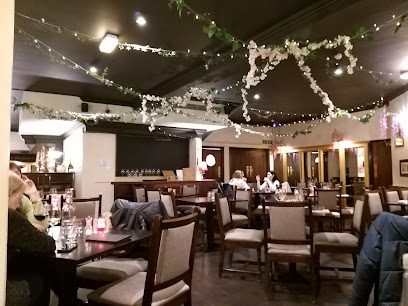
Markets, malls and hidden boutiques

Manchester Souvenirs Gifts & Presents Geek Elf Elux Bars Luggage storage locker
0.3 km
Authentic Manchester souvenirs and gifts with local charm, plus convenient luggage storage in the heart of Deansgate.
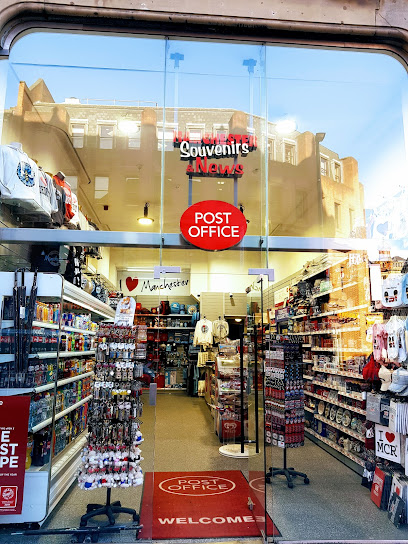
Pulse
0.5 km
Discover unique local treasures and artistic gifts in the heart of Manchester’s historic St Anne’s Square at Pulse.
Science and Industry Museum Shop
0.6 km
Discover science-infused souvenirs in the heart of Manchester's industrial birthplace, where history meets hands-on innovation at the Science and Industry Museum Shop.
TVSeriesJackets
0.6 km
Explore TVSeriesJackets in Manchester, where iconic TV show jackets come to life, blending style with your favorite characters' adventures.
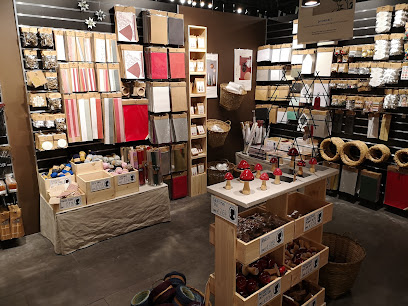
Søstrene Grene
0.6 km
Discover Danish-inspired creativity and cozy home treasures in the heart of Manchester’s vibrant city centre.
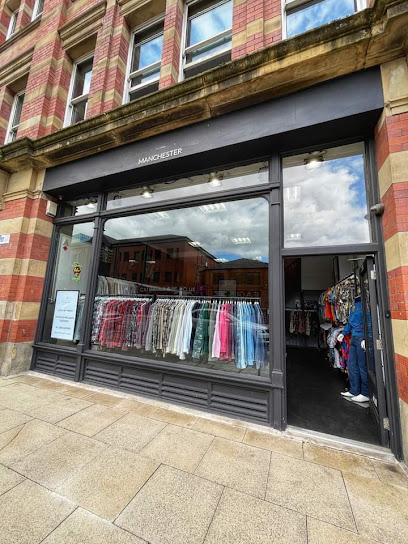
Catch my Thrift
0.6 km
Sustainable designer vintage at £25 and under – Manchester's thrift haven for slow fashion lovers in the city centre.
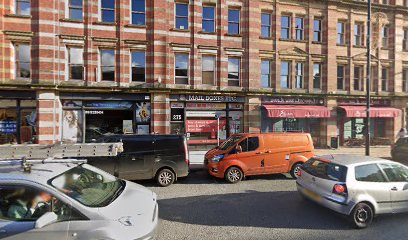
Rams Gift World
0.7 km
Discover unique gifts and local crafts at Rams Gift World, Manchester’s vibrant and eclectic souvenir shop on Market Street.
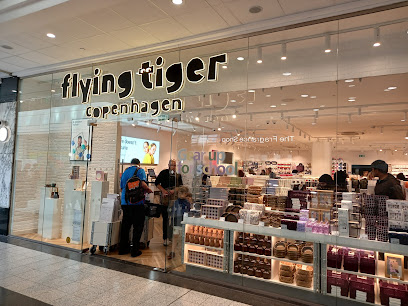
Flying Tiger Copenhagen
0.7 km
Discover playful Danish design and quirky everyday essentials at Flying Tiger Copenhagen in Manchester Arndale’s vibrant Market Street.
Menkind
0.8 km
Discover quirky gadgets and unique gifts at Menkind, Manchester Arndale’s vibrant destination for fun and innovative presents.
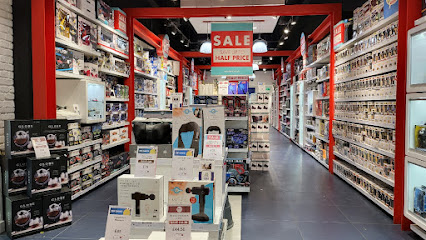
T.La Art & Craft Gallery
0.9 km
A vibrant Chinese art and craft gallery in Manchester’s Chinatown, showcasing handcrafted treasures and cultural heritage in a warm, welcoming space.
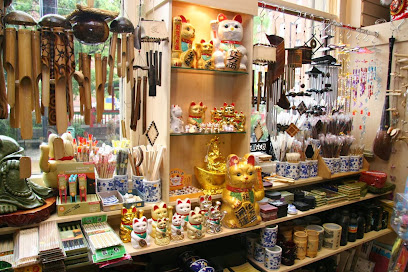
Amazonas Gifts
0.9 km
Discover unique gifts and souvenirs at Amazonas Gifts, nestled in the heart of Manchester Markets Piccadilly.
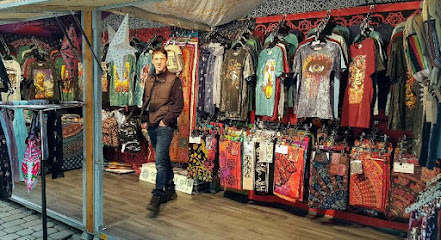
Hoot
0.9 km
Discover magical gifts and Harry Potter treasures at Hoot, a charming boutique nestled in Manchester Arndale’s vibrant shopping heart.
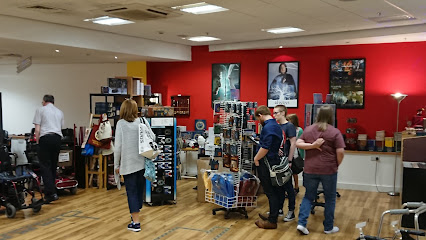
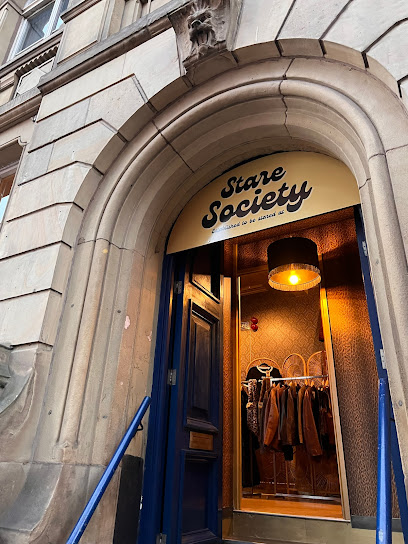
Stare Society
1.0 km
Discover curated vintage clothing and unique home furniture in Manchester’s stylish Stare Society boutique.
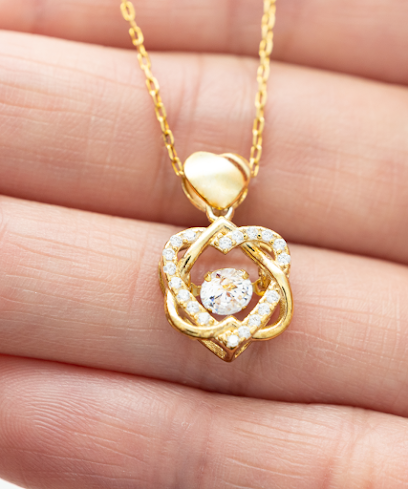
Branded Like A Boss
1.0 km
Discover Manchester's spirited souvenirs and artisan crafts at this vibrant Owen Street gift shop, blending trendy flair with local soul.
ItsFetch
1.0 km
Unleash your fashion potential at ItsFetch, a stylish accessories shop in Manchester, featuring unique pieces for every trendsetter.
Essential bars & hidden hideouts

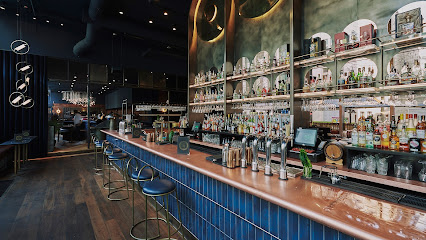
The Alchemist Spinningfields
0.2 km
Innovative cocktails and contemporary dining in Manchester’s vibrant Spinningfields district, blending theatrical flair with a lively social scene.
MOJO
0.2 km
Eclectic cocktail bar in Manchester’s heart, blending creative drinks with a lively, urban nightlife vibe.
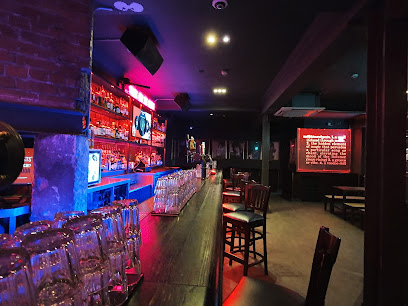
The Gas Lamp
0.2 km
Discover Manchester’s atmospheric basement pub with a rich history, exceptional craft beers, and a cozy, characterful vibe beneath Bridge Street.
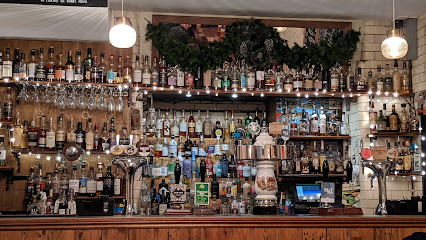
Arcane
0.4 km
Discover Arcane, a cozy Victorian-inspired cocktail bar in Manchester’s city centre, blending inventive drinks with a relaxed, intimate atmosphere.
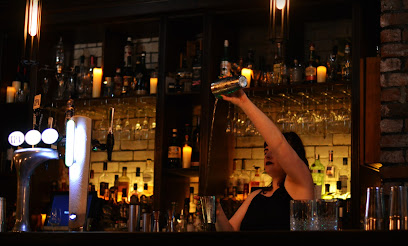
The Blues Kitchen Manchester
0.4 km
Experience authentic Southern barbecue, soulful live music, and vibrant vibes in the heart of Manchester’s Spinningfields.
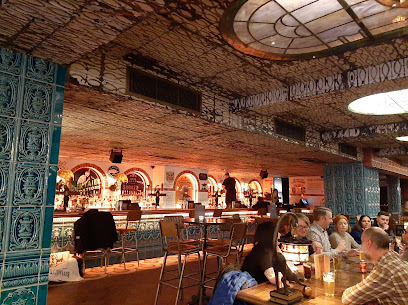
Be At One - Manchester
0.4 km
Lively cocktail bar on Deansgate with 100+ drinks, private hire rooms, and unbeatable happy hour deals in the heart of Manchester nightlife.
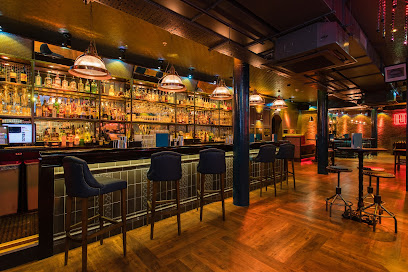
Speak In Code
0.4 km
Discover Speak In Code, Manchester’s innovative cocktail bar blending artisanal mixology, sustainable practices, and a uniquely immersive atmosphere.
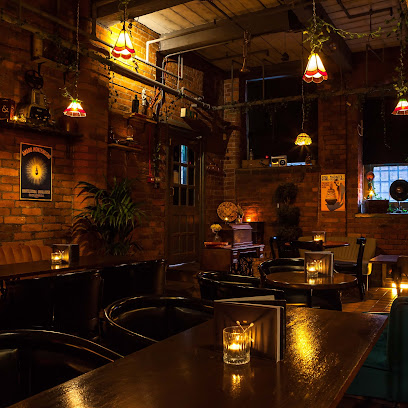
Slug & Lettuce - Albert Square Manchester
0.5 km
Vibrant cocktail bar and restaurant in Manchester’s Albert Square, perfect for lively brunches, evening drinks, and social celebrations.
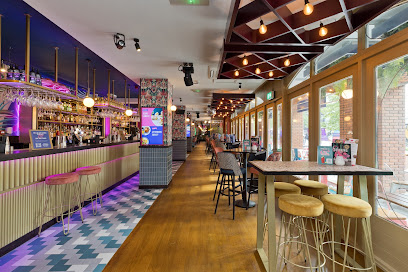
Corbieres Bar
0.5 km
Discover Corbieres Bar, Manchester’s cozy underground spot famed for its eclectic jukebox, vegan-friendly pizzas, and welcoming vibe.
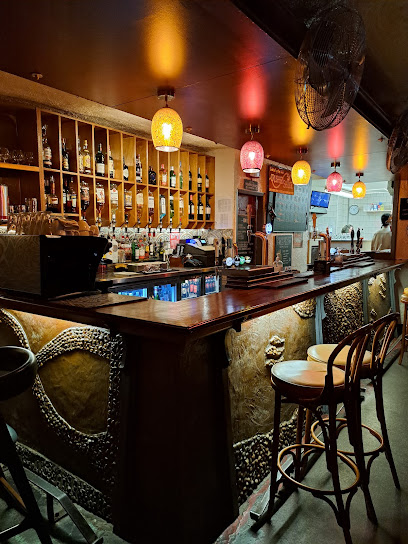
Salt Dog Slim's Manchester
0.5 km
Dive into Salt Dog Slim's Manchester for bold cocktails, American-style hot dogs, and a vibrant nightlife experience in the heart of the city.
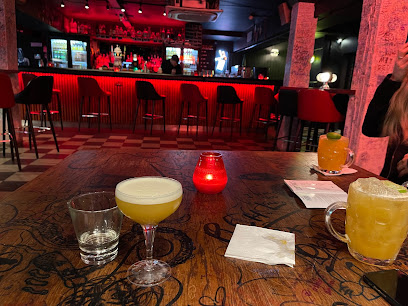
cask
0.6 km
Authentic Manchester pub pouring cask ales amid Castlefield's historic canals and warehouses—timeless brews in a revolutionary setting.
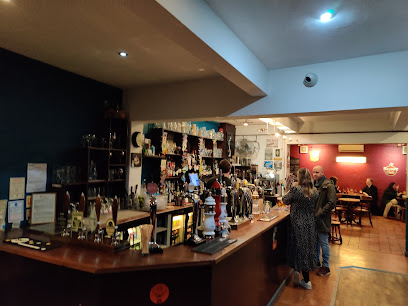
Three Little Words
0.6 km
A stylish gin distillery and cocktail bar under historic arches, blending craft cocktails, seasonal food, and immersive experiences in Manchester’s heart.
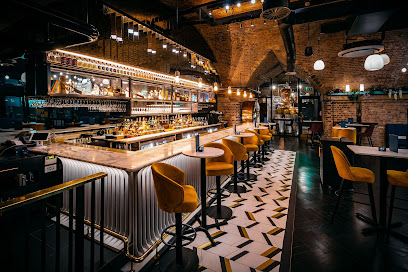
Cloud 23
0.7 km
Experience Manchester’s skyline from the stylish 23rd-floor cocktail bar with innovative drinks and panoramic city views.
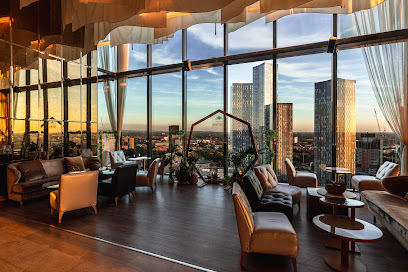
All Bar One Manchester
0.7 km
Stylish wine bar on Manchester’s King Street offering Mediterranean-inspired dishes and a lively, modern atmosphere for casual dining and drinks.
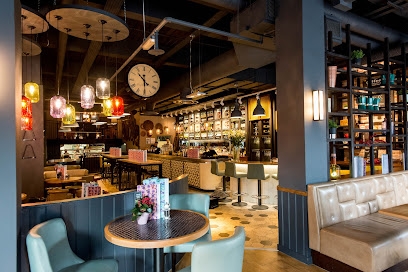
The Old Wellington
0.7 km
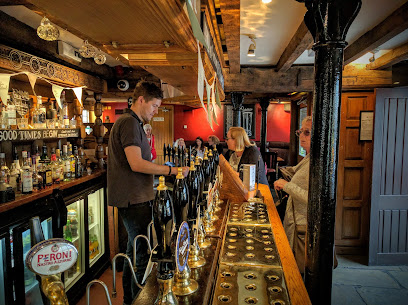
Step into The Old Wellington, a historic Manchester pub blending centuries-old charm with hearty ales and classic British fare in the city centre.
Nightclubs & after hour spots

Club Liv Manchester
0.3 km
Experience Manchester’s vibrant nightlife with exclusive VIP vibes, world-class Pan-Asian dining, and a stylish rooftop terrace at Club Liv.
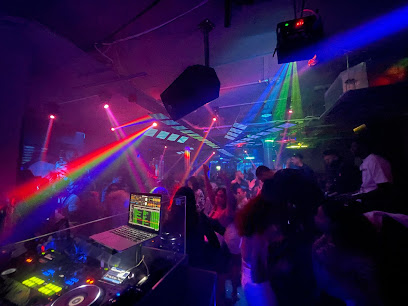
42's
0.4 km
Manchester’s iconic indie nightclub blending rich musical heritage with a lively, inclusive nightlife experience.
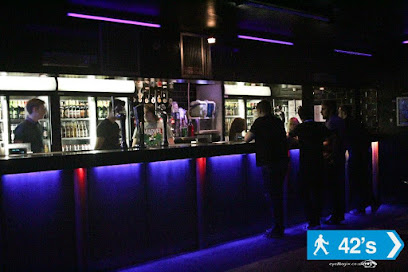
History Nightclub
0.4 km
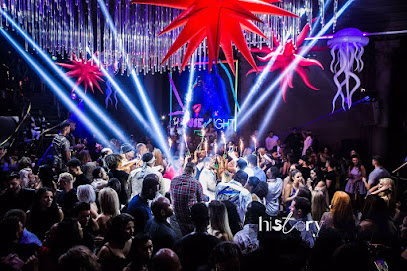
Experience Manchester’s lively hip hop and house beats at History Nightclub, a large, energetic venue open late into the night.
Venue Nightclub
0.4 km
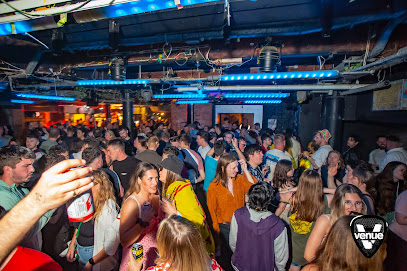
Manchester's underground indie haven: cheap drinks, packed dance floors, and anthems till dawn in Deansgate's electric night scene.
Royal Vida Night Club
0.5 km
Dive into Manchester's underground pulse at Royal Vida, where Castlefield's industrial shadows host thumping beats and endless nights from 11pm to 4am.

Bijou Club
0.7 km
Manchester's hidden riverside gem: celebrity vibes, secret garden terrace, and LED-lit beats in an exclusive Deansgate nightclub.
Ark Manchester
0.8 km
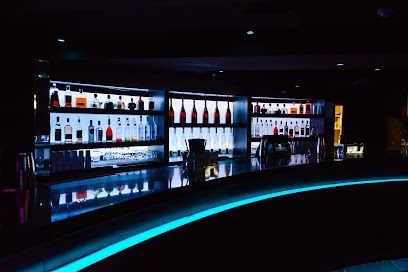
Multi-room beats and canal-side cocktails fuel Manchester's electric Deansgate Locks nightlife at Ark—dance, drink, repeat till dawn.
Popworld Manchester
0.8 km
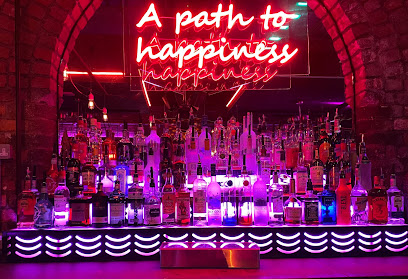
Dance to cheesy pop anthems amid neon lights and poptail cocktails in Manchester's ultimate throwback nightclub.
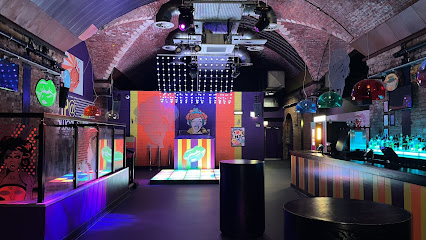
Bliss Club Manchester
0.8 km
Experience Manchester’s authentic late-night vibe at Bliss Club, where music and local energy blend into a spirited urban nightlife hub.

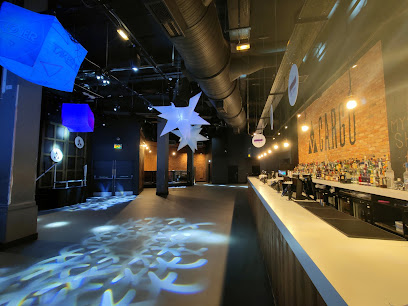
Cargo
0.9 km
Manchester's Printworks powerhouse: light-up dance floors, bottomless brunches, and non-stop beats until dawn in the city's nightlife epicenter.
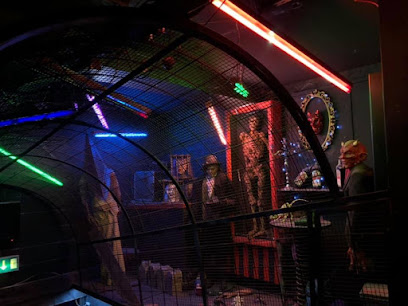
Satans Hollow
1.0 km
Manchester's infernal punk-rock abyss: demonic decor, dirt-cheap drinks, and mosh-pit mayhem for metalheads and rebels.
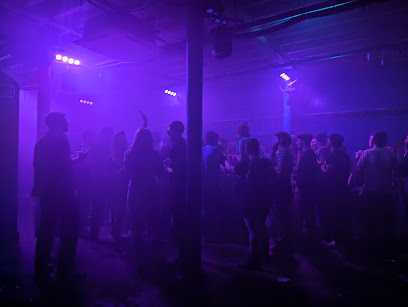
Hidden at Downtex Mill
1.0 km
Manchester's raw warehouse nightclub in a historic mill: underground beats, industrial grit, and all-night raves in Cheetham Hill's creative heart.
Viva Manchester
1.0 km
Compact stage-driven nightclub on Whitworth Street West — theatrical themed nights, DJ sets and group-friendly table service.
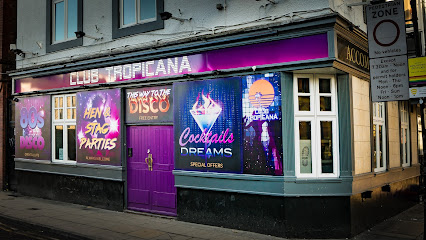
Club Tropicana
1.2 km
Dive into 1980s glamour at Manchester's premier gay nightclub, where drag, DJs, cocktails, and retro beats fuel the Gay Village's electric nightlife.
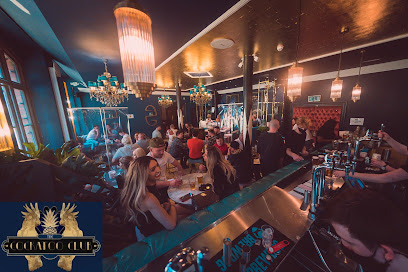
The Cockatoo Club
1.2 km
Discover the electrifying nightlife at The Cockatoo Club in Manchester, where vibrant cabaret performances meet an unforgettable atmosphere.
For the vibe & atmosphere seeker
- Unique
- Lively
- Entertaining
- Casual
For the design and aesthetic lover
- Industrial Designs
- Modern Designs
- Vintage Styles
For the architecture buff
- Historic
- Modern
- Landmarks
- Art & Design
For the view chaser and sunset hunter
- Waterfront
For the social media creator & influencer
- Instagrammable
- Photo Spots
- Architectural Shots
For the eco-conscious traveler
- Public-Transport Accessible
- Locally Managed
For the kind of experience you’re after
- Cultural Heritage
- Myth & Legends
- Day Trip
For how adventurous you want the journey to be
- Easy Access
Location Audience
- Family Friendly
- LGBT Friendly
- Senior Friendly
- Child Friendly
- Teen Friendly
- Wheelchair Access
- Solo Friendly
- Couple Friendly
- Solo Female Friendly


