
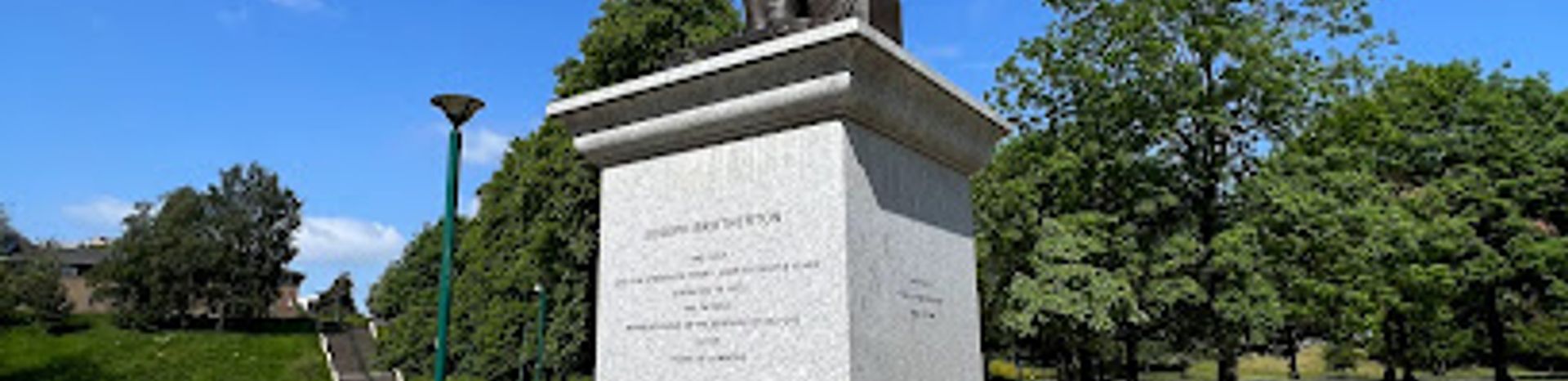
Statue of Joseph Brotherton in Peel Park, Salford
Honoring Salford’s first MP and social reformer, the Statue of Joseph Brotherton stands proudly in historic Peel Park.
The Statue of Joseph Brotherton stands in Peel Park, Salford, commemorating the borough's first Member of Parliament and a pioneering advocate for public parks, museums, and social reform. Created by sculptor Matthew Noble and erected in 1858, the statue honors Brotherton’s legacy as a reformer, vegetarianism promoter, and champion of education and public amenities.
A brief summary to Statue of Joseph Brotherton
- University Rd, Salford, M5 4GZ, GB
- Visit website
- Duration: 0.5 to 2 hours
- Free
-
 Outdoor
- Mobile reception: 4 out of 5
- Monday 12 am-12 am
- Tuesday 12 am-12 am
- Wednesday 12 am-12 am
- Thursday 12 am-12 am
- Friday 12 am-12 am
- Saturday 12 am-12 am
- Sunday 12 am-12 am
Local tips
- Visit Peel Park to enjoy the statue along with beautifully maintained gardens and other historic monuments.
- Take time to read Brotherton’s motto on the statue’s pedestal to understand his philosophy.
- Explore nearby Salford Art Gallery and Museum to learn more about the local history Brotherton helped shape.
- Combine your visit with a walk along the River Irwell to see the broader landscape Brotherton influenced.

For the on-the-go comforts that matter to you
- Restrooms
- Seating Areas
- Information Boards
Getting There
-
Bus
Take local bus services from Manchester city center to Salford, with routes stopping near University Road. The journey typically takes 20 to 30 minutes. Buses run frequently during the day, with single fares costing around £2.50. Note that service frequency may reduce on weekends.
-
Tram and Walk
Use the Metrolink tram network to Salford Central or Deansgate-Castlefield stations, then walk approximately 15 minutes through flat urban terrain to Peel Park. The tram ride from central Manchester takes about 10 to 15 minutes, with tickets priced around £3.00.
-
Car
Driving to Peel Park is possible via University Road. Allow 15 to 25 minutes from central Manchester depending on traffic. Limited on-street parking is available nearby, but spaces can be scarce during peak times. Parking fees apply in designated areas.
Statue of Joseph Brotherton location weather suitability
-
 Any Weather
-
 Rain / Wet Weather
-
 Clear Skies
-
 Mild Temperatures
Discover more about Statue of Joseph Brotherton
A Tribute to Salford’s Founding Father
The statue of Joseph Brotherton, prominently located in Peel Park, Salford, pays homage to a remarkable figure in the city's history. Brotherton (1783–1857) was Salford’s first Member of Parliament and a key advocate for social reform during the 19th century. His efforts helped establish Salford as a pioneer in providing public amenities such as parks, museums, and libraries. The statue was sculpted by Matthew Noble and erected in 1858, shortly after Brotherton’s death, symbolizing the deep respect and admiration he earned from the community.Joseph Brotherton’s Life and Legacy
Born near Chesterfield, Brotherton moved to Manchester as a child and later became a successful cotton mill owner before dedicating himself fully to public service and ministry. As a minister of the Bible Christian Church, he was a committed vegetarian and teetotaler, reflecting his progressive values. Politically, he was a liberal reformer who campaigned against the death penalty, slavery, and for factory reform, free education, and public libraries. His leadership was instrumental in Salford becoming the first municipal authority in Britain to establish a public library, museum, and art gallery.Peel Park: The Setting of the Statue
Peel Park itself is a historic green space in Salford, created in the 19th century as part of the movement to provide urban workers with access to public parks. The park features several statues and ornamental features, with Brotherton’s statue recently relocated back to this site after previously standing on the banks of the River Irwell. The park’s well-maintained grounds and tranquil atmosphere complement the statue, inviting visitors to reflect on Brotherton’s vision of accessible public spaces for all.Artistic and Historical Significance
The statue is a fine example of Victorian sculpture, crafted by Matthew Noble, a prolific sculptor of the era. It captures Brotherton’s dignified presence and includes his personal motto: “My riches consist not in the extent of my possessions but in the fewness of my wants.” This inscription encapsulates his modesty and dedication to public welfare. The statue contributes to the park’s heritage collection, alongside other important figures commemorated in Salford’s civic history.Brotherton’s Broader Impact
Beyond local politics, Brotherton was a national figure in the peace movement and social reform. He chaired the Manchester and Salford Peace Society and was involved in early vegetarian and temperance movements. His advocacy for public museums and libraries influenced legislation such as the Museums Act of 1845 and the Public Libraries Act of 1850, setting precedents for cultural access across the UK.Visiting the Statue Today
Today, the statue stands as a focal point within Peel Park, accessible year-round and surrounded by the park’s scenic paths and gardens. It serves as a reminder of Salford’s rich heritage of social progress and community spirit. The statue’s presence enriches the park’s atmosphere, offering both historical insight and a peaceful place for contemplation.Iconic landmarks you can’t miss

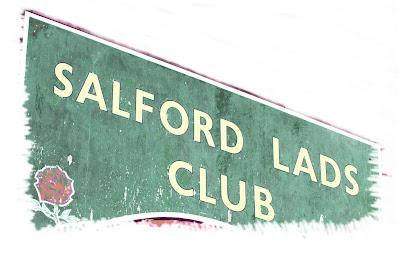
Salford Lads Club
1.3 km
A Victorian youth sanctuary where music history, social purpose, and community spirit converge.
Bahnhof Manchester
1.5 km
Manchester Piccadilly Station – Historic gateway and bustling hub connecting Manchester to the UK and beyond.
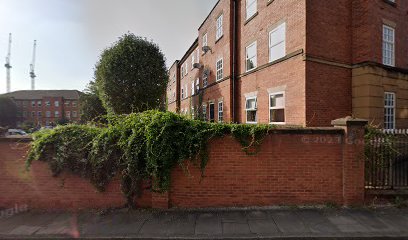
Roman Gardens
1.7 km
Discover Manchester’s Roman past through tranquil gardens featuring reconstructed fortifications and ancient pathways in the heart of Castlefield.
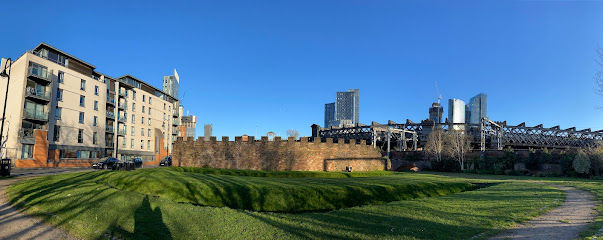
Reconstruction of Mamucium Roman Fort Wall
1.7 km
Explore Manchester’s Roman roots at Mamucium, a reconstructed fort showcasing ancient military might and early urban life.
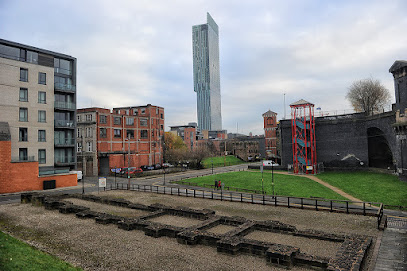
Rochdale Canal Lock 92
1.8 km
Final lock on the historic Rochdale Canal, linking Manchester’s waterways and embodying two centuries of industrial heritage.
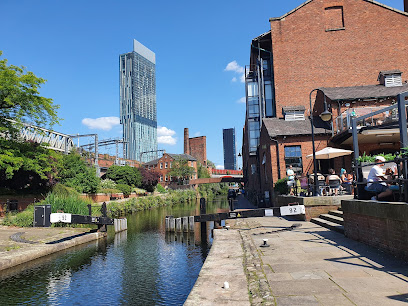
Dalton Entry
1.8 km
Discover Dalton Entry, a hidden Manchester alley honoring John Dalton’s atomic theory and scientific legacy through art and history.
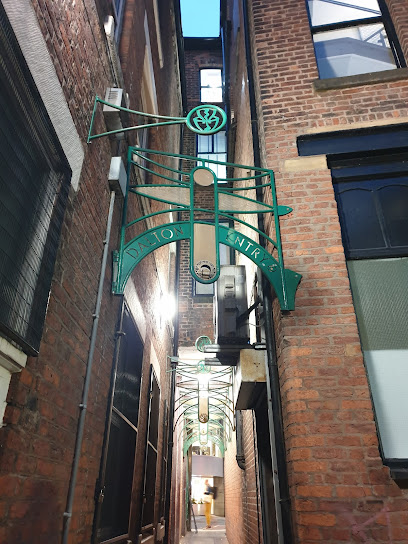
Remains of eastern wall of the Roman fort
1.8 km
Explore the evocative remains of Mamucium’s eastern wall, a cornerstone of Manchester’s Roman heritage and ancient military might.
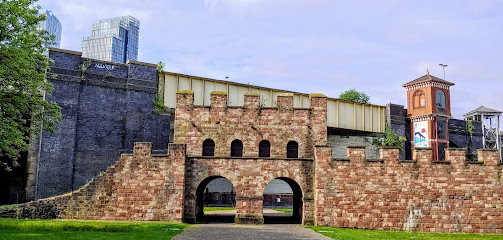
Mulberry Passage
1.8 km
Discover Mulberry Passage, a hidden Manchester alleyway celebrating John Dalton’s atomic theory through captivating art and historic charm.
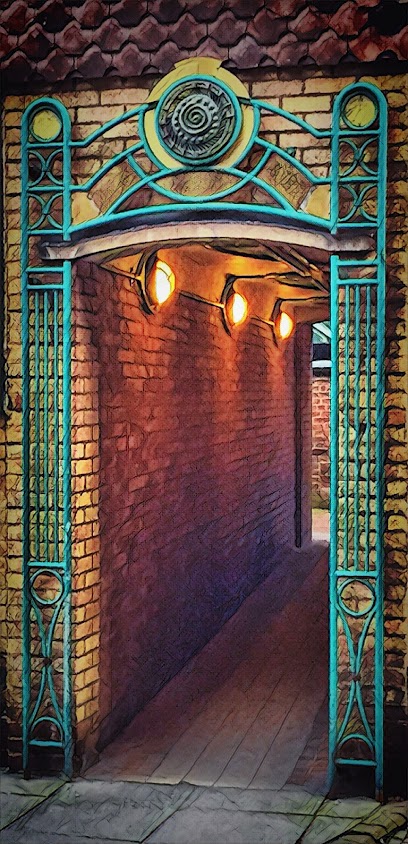
The Undamaged Red Post Box
1.9 km
A resilient symbol of hope standing where devastation once reigned on Manchester's Corporation Street.
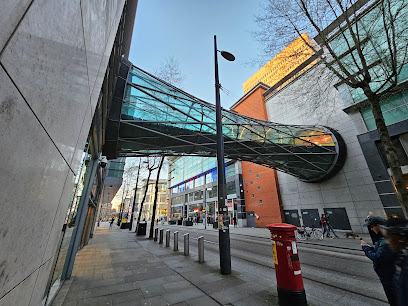
Castlefield historical zone
1.9 km
Explore Castlefield, Manchester’s vibrant urban heritage park where Roman ruins meet industrial canals and lively cultural scenes converge.
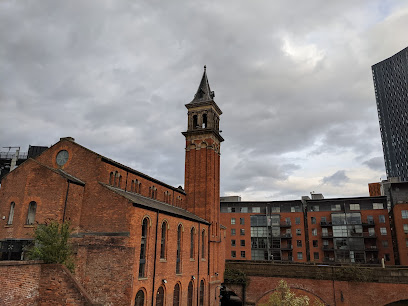
John Bright Statue
1.9 km
A marble tribute in Albert Square honoring John Bright’s legacy as a champion of free trade and social reform in Victorian Manchester.
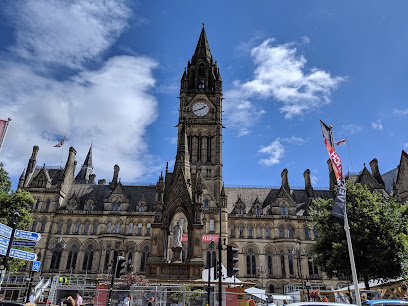
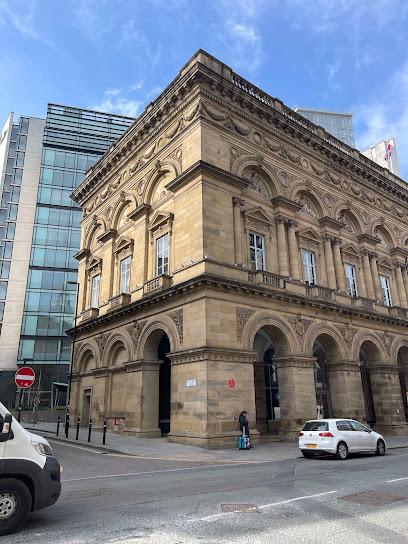
Free Trade Hall
1.9 km
Historic landmark on the Peterloo Massacre site, blending Victorian architecture with a rich legacy of music and political activism.
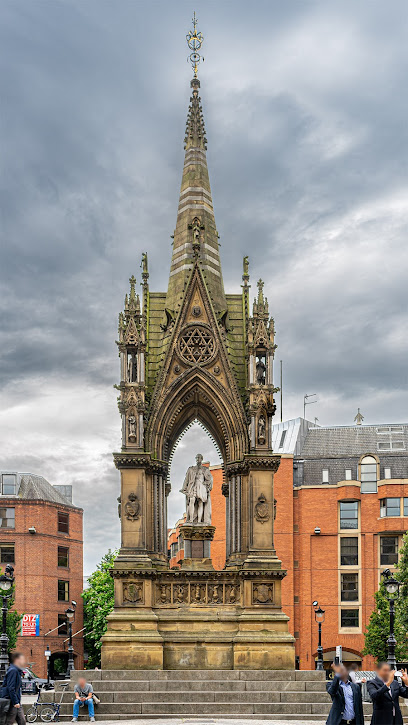
Albert Memorial
1.9 km
A grand Victorian Gothic monument in Albert Square celebrating Prince Albert’s legacy through art, science, and culture.
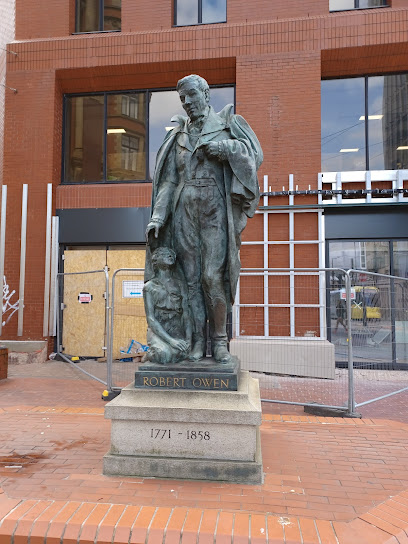
Robert Owen Statue
2.0 km
Honoring Robert Owen, pioneer of social reform and the co-operative movement, through a striking statue in Manchester’s city heart.
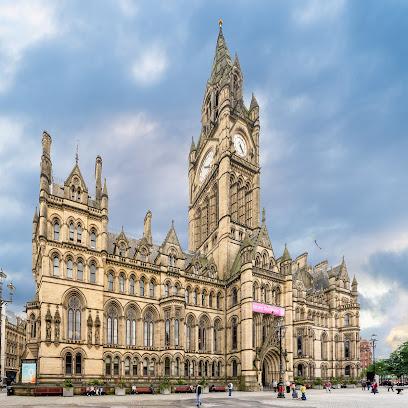
Manchester City Council
2.0 km
Manchester City Council’s majestic Town Hall in Albert Square: a Victorian Neo-Gothic masterpiece and symbol of civic heritage.
Unmissable attractions to see

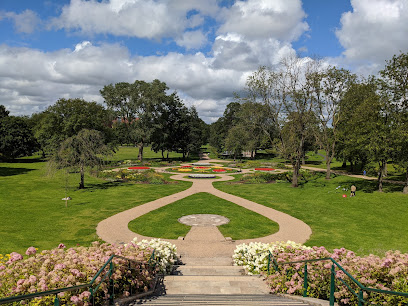
Peel Park
0.0 km
Historic Victorian park in Salford offering riverside walks, family fun, and rich cultural heritage beside the River Irwell.
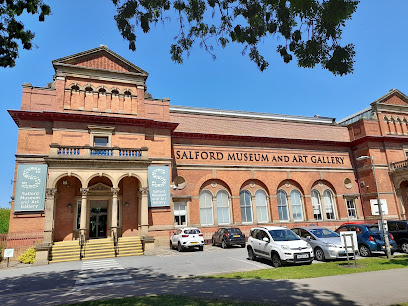
Salford Museum & Art Gallery
0.3 km
Explore Victorian life and vibrant art collections in Salford’s historic museum nestled within scenic Peel Park.
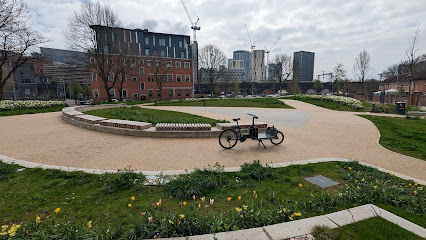
Islington Park
1.0 km
A peaceful urban park in Salford blending natural beauty, fitness facilities, and rich historical roots in a welcoming community setting.
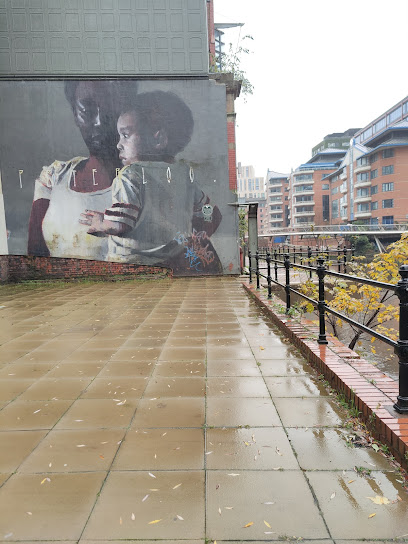
Mural - Peterloo.
1.4 km
A vivid street art mural in Manchester commemorating the 1819 Peterloo Massacre and the enduring fight for democracy.
People's History Museum
1.4 km
Britain's national museum of democracy, celebrating radical stories of people fighting for a fairer world.
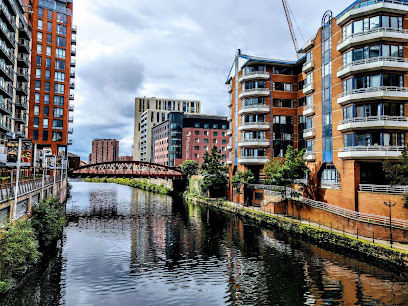
Albert Park
1.4 km
Historic Albert Park in Salford blends Victorian charm with modern sports facilities and vibrant community spirit in a lush urban setting.
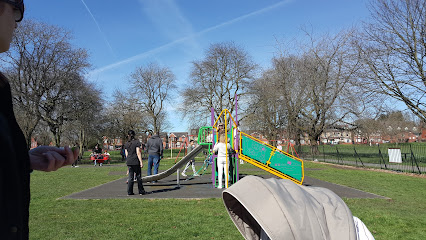
The Crystal Maze LIVE Experience
1.5 km
Dive into the ultimate immersive adventure inspired by the iconic 90s TV show, where teamwork and fun collide in Manchester’s thrilling Crystal Maze LIVE Experience.
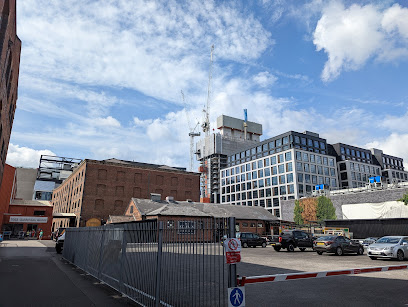
Parsonage Gardens
1.6 km
A peaceful garden oasis in central Manchester, rich with history and quiet reflection amid the city’s vibrant heart.
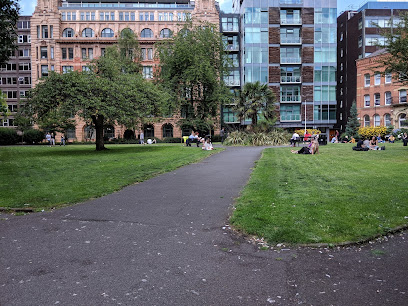
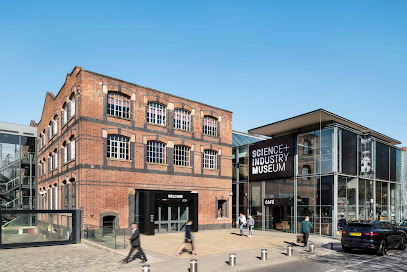
Science and Industry Museum
1.6 km
Explore 250 years of innovation and industrial heritage at Manchester’s historic Science and Industry Museum, housed in the world’s oldest passenger railway station.
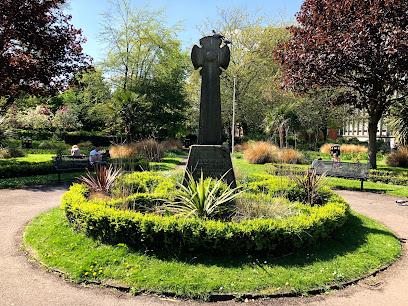
Saint John's Gardens
1.6 km
A serene urban oasis in Manchester preserving historic churchyard remnants and offering peaceful green space near Deansgate.
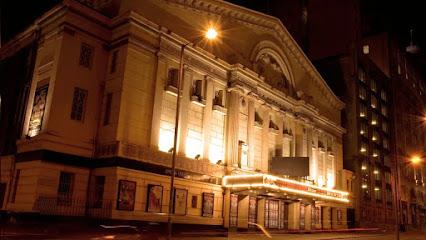
Opera House Manchester
1.6 km
A historic Edwardian theatre in Manchester offering world-class musicals, opera, and vibrant cultural performances in an elegant setting.
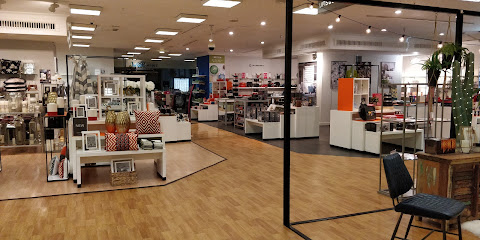
House of Fraser
1.7 km
Discover luxury shopping and historic charm at House of Fraser Manchester, a premier department store on Deansgate.
Once Upon a Smile
1.7 km
A dedicated Greater Manchester charity base providing child-centred bereavement support, counselling and creative memory-making programmes in a compassionate, private setting.
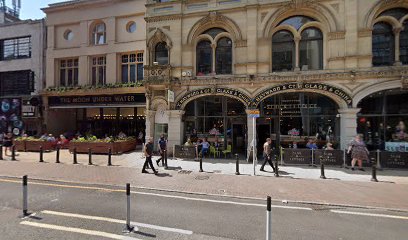
John Rylands Research Institute and Library
1.7 km
A neo-Gothic architectural gem housing one of the UK’s largest rare book collections and a vibrant research institute in the heart of Manchester.

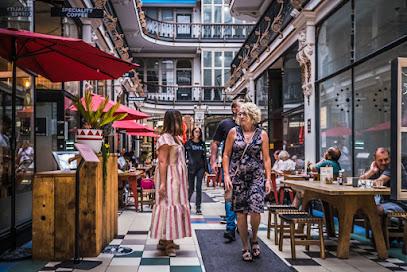
Barton Arcade
1.7 km
Step into Barton Arcade, a Victorian marvel of glass and iron, where historic elegance meets boutique shopping in the heart of Manchester.
Essential places to dine

Tattu Manchester
1.5 km
Modern Chinese cuisine and theatrical design in Manchester's Spinningfields district.
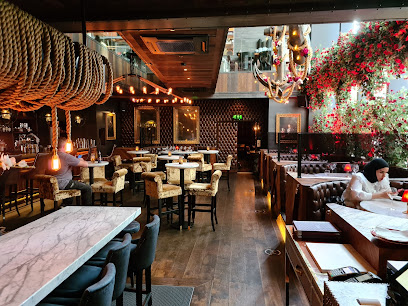
Bill's Spinningfields Restaurant
1.5 km
Cozy British dining with eclectic charm and seasonal flavors in Manchester’s lively Spinningfields district.
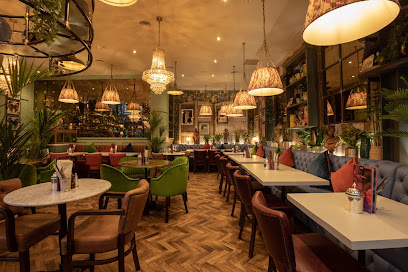
Masons
1.6 km
Elegant Modern British dining with art deco charm and a refreshingly simple menu philosophy.
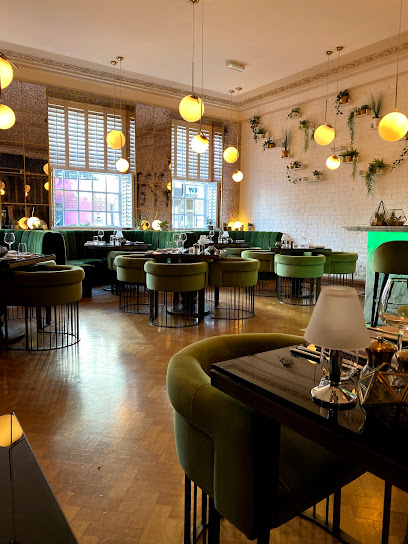
20 Stories
1.6 km
Experience Manchester’s skyline from 20 Stories, a glamorous rooftop restaurant blending Modern European cuisine with stunning city views.
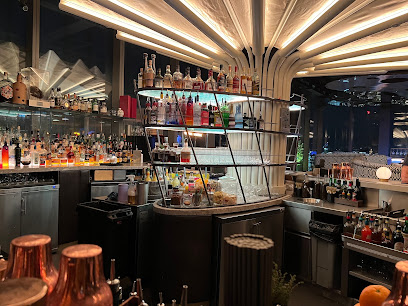
Climat
1.6 km
Sophisticated rooftop dining in Manchester with panoramic views, a Burgundy-focused wine cellar, and inventive seasonal sharing plates.
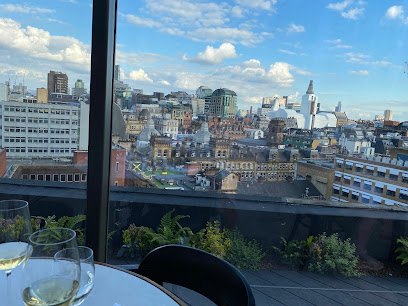
San Carlo - Manchester
1.6 km
Experience authentic regional Italian cuisine in a stylish, celebrity-frequented Manchester hotspot known for elegance and vibrant atmosphere.
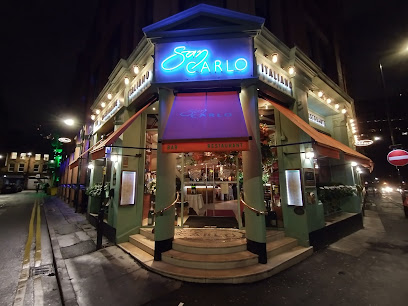
Gaucho Manchester
1.7 km
Experience premium Argentine steaks and elegant dining in a spectacular historic church setting in the heart of Manchester.
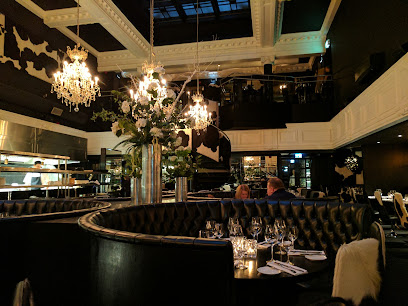
Australasia
1.7 km
Stylish Pan-Asian dining in Manchester’s Spinningfields with vibrant flavors, chic design, and a lively atmosphere for special occasions.
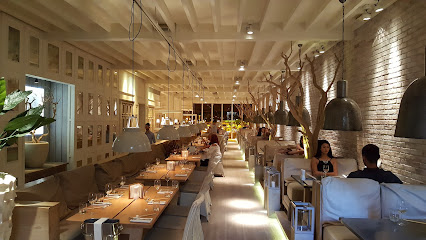
Hawksmoor Manchester
1.7 km
Experience exquisite British steaks and seafood in a historic Victorian courthouse with impeccable service and elegant private dining.
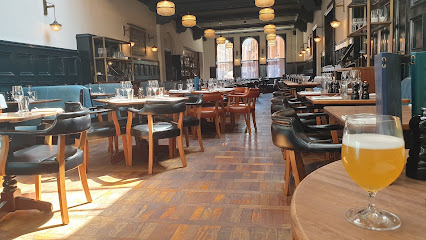
Gusto Italian
1.8 km
Experience elegant Italian dining in Manchester’s historic Elliot House, where 1920s charm meets fresh, contemporary cuisine.
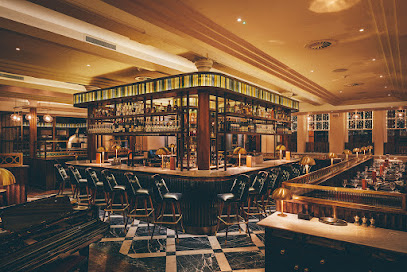
Albert's Shed Restaurant Manchester
1.8 km
Modern European dining with generous portions and lively canal-side ambiance in Manchester’s historic Castlefield district.
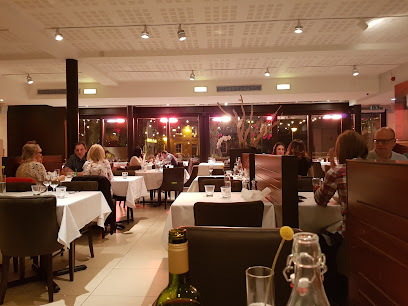
Annies
1.8 km
Experience hearty British classics and warm hospitality in the stylish, cozy setting of Annie's on Old Bank Street, Manchester.
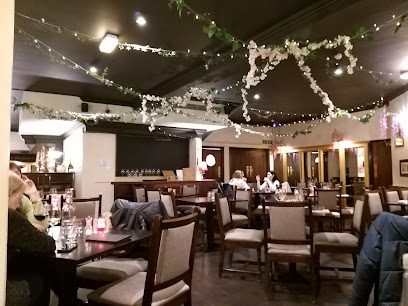
El Gato Negro Tapas Manchester
1.8 km
Stylish Spanish tapas in a historic Manchester townhouse with a vibrant bar, open kitchen dining, and a stunning rooftop terrace.
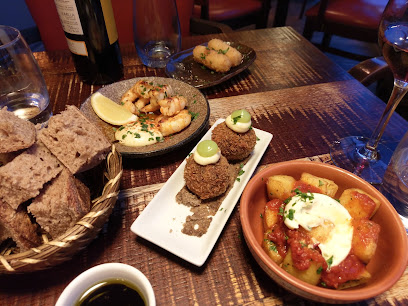
Italiana Fifty Five Great Northern
1.8 km
Experience authentic Italian flavors and warm hospitality in Manchester’s stylish Great Northern Warehouse setting.
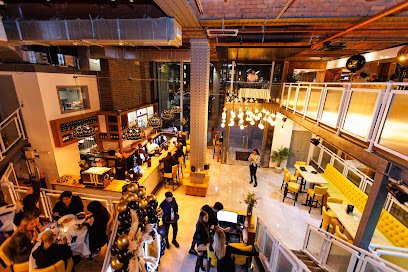
Dukes 92
1.8 km
A vibrant Manchester hotspot blending generous dining, lively music, and versatile event spaces in a stylish city centre setting.
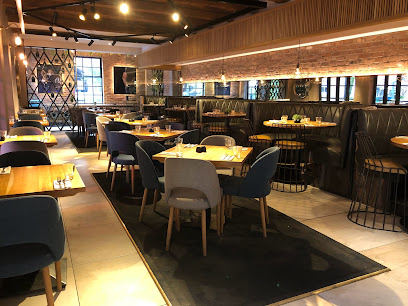
Markets, malls and hidden boutiques

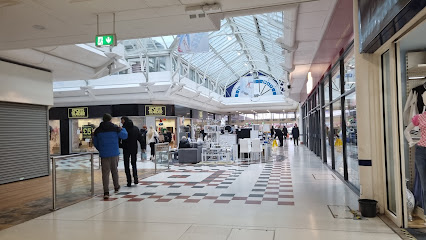
Salford Shopping Centre
1.1 km
Affordable shopping precinct in Salford's Pendleton, with free parking, daily essentials, and community conveniences under one roof.
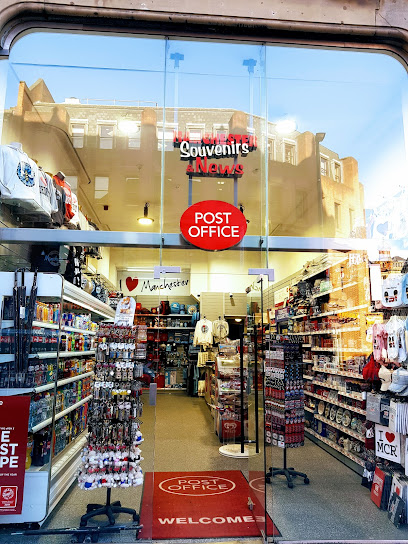
Manchester Souvenirs Gifts & Presents Geek Elf Elux Bars Luggage storage locker
1.7 km
Authentic Manchester souvenirs and gifts with local charm, plus convenient luggage storage in the heart of Deansgate.
Science and Industry Museum Shop
1.7 km
Discover science-infused souvenirs in the heart of Manchester's industrial birthplace, where history meets hands-on innovation at the Science and Industry Museum Shop.
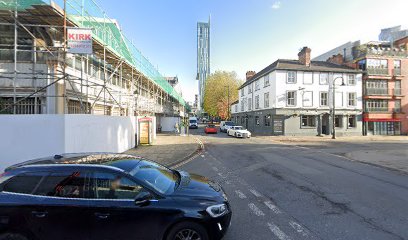
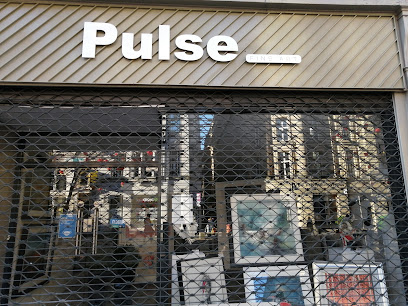
Pulse
1.8 km
Discover unique local treasures and artistic gifts in the heart of Manchester’s historic St Anne’s Square at Pulse.
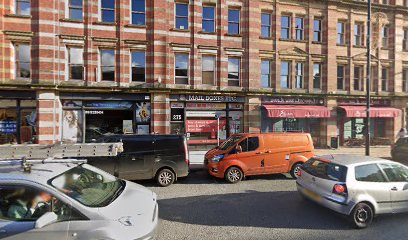
TVSeriesJackets
1.8 km
Explore TVSeriesJackets in Manchester, where iconic TV show jackets come to life, blending style with your favorite characters' adventures.
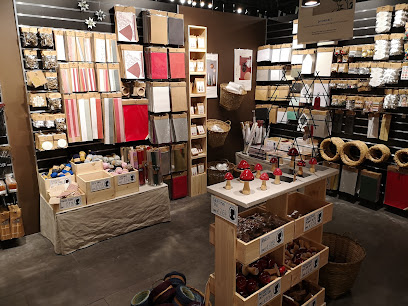
Søstrene Grene
1.9 km
Discover Danish-inspired creativity and cozy home treasures in the heart of Manchester’s vibrant city centre.
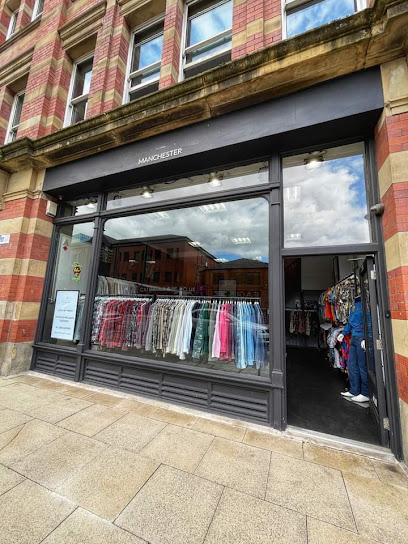
Catch my Thrift
1.9 km
Sustainable designer vintage at £25 and under – Manchester's thrift haven for slow fashion lovers in the city centre.
Rams Gift World
1.9 km
Discover unique gifts and local crafts at Rams Gift World, Manchester’s vibrant and eclectic souvenir shop on Market Street.
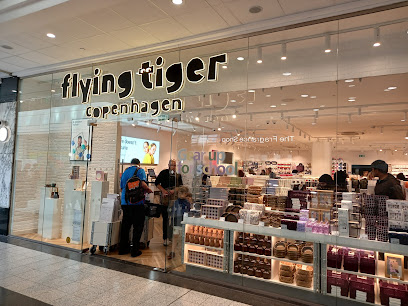
Flying Tiger Copenhagen
2.0 km
Discover playful Danish design and quirky everyday essentials at Flying Tiger Copenhagen in Manchester Arndale’s vibrant Market Street.
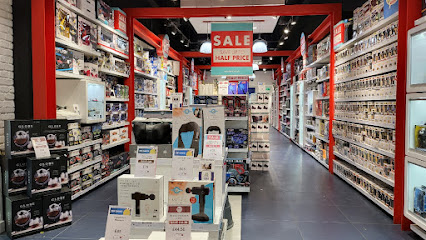
Menkind
2.0 km
Discover quirky gadgets and unique gifts at Menkind, Manchester Arndale’s vibrant destination for fun and innovative presents.
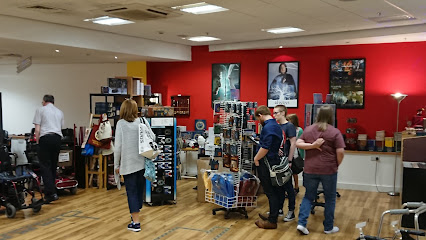
Hoot
2.1 km
Discover magical gifts and Harry Potter treasures at Hoot, a charming boutique nestled in Manchester Arndale’s vibrant shopping heart.
Branded Like A Boss
2.1 km
Discover Manchester's spirited souvenirs and artisan crafts at this vibrant Owen Street gift shop, blending trendy flair with local soul.

ItsFetch
2.1 km
Unleash your fashion potential at ItsFetch, a stylish accessories shop in Manchester, featuring unique pieces for every trendsetter.
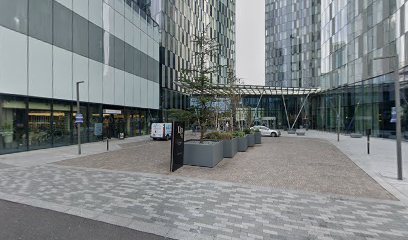
Deansgate Square General Store
2.1 km
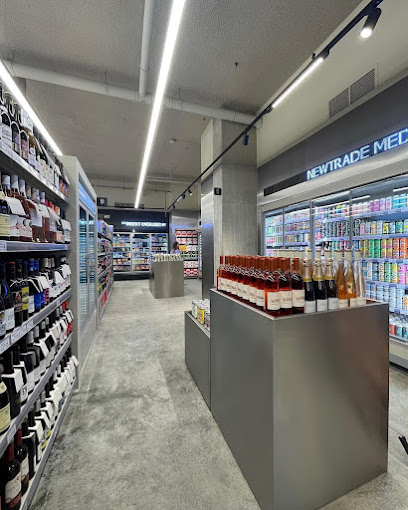
Futuristic cornershop at Deansgate Square's base: craft coffee, local brews, zero-waste refills, and artisanal bites amid Manchester's iconic towers.
Curvilicious Clothing
2.1 km
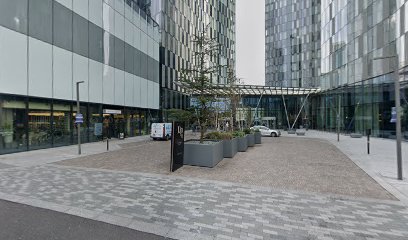
Empowering plus-size style in Manchester's beating heart: Curvilicious Clothing celebrates curves with trendy, authentic fashion on Owen Street.
Essential bars & hidden hideouts

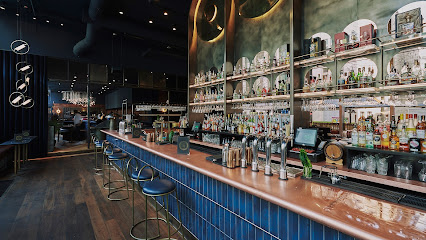
The Alchemist Spinningfields
1.6 km
Innovative cocktails and contemporary dining in Manchester’s vibrant Spinningfields district, blending theatrical flair with a lively social scene.
MOJO
1.6 km
Eclectic cocktail bar in Manchester’s heart, blending creative drinks with a lively, urban nightlife vibe.
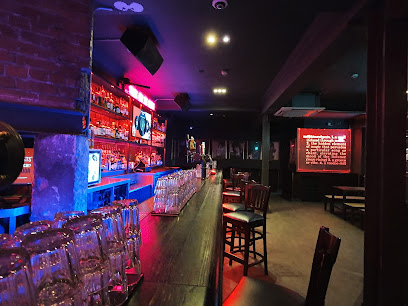
The Gas Lamp
1.6 km
Discover Manchester’s atmospheric basement pub with a rich history, exceptional craft beers, and a cozy, characterful vibe beneath Bridge Street.
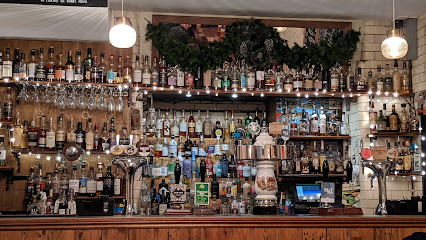
Be At One - Manchester
1.7 km
Lively cocktail bar on Deansgate with 100+ drinks, private hire rooms, and unbeatable happy hour deals in the heart of Manchester nightlife.
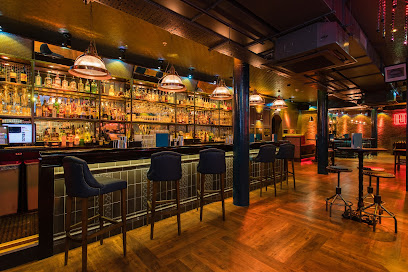
The Blues Kitchen Manchester
1.7 km
Experience authentic Southern barbecue, soulful live music, and vibrant vibes in the heart of Manchester’s Spinningfields.
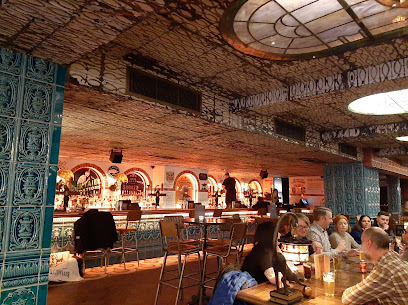
Arcane
1.7 km
Discover Arcane, a cozy Victorian-inspired cocktail bar in Manchester’s city centre, blending inventive drinks with a relaxed, intimate atmosphere.
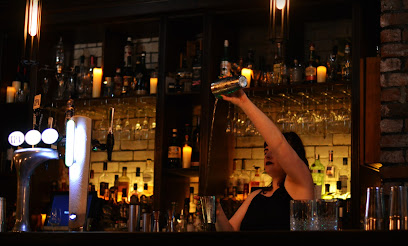
Barça - Canal-side Bar, Castlefield - Manchester
1.7 km
Canal terraces, stylish drinks, and Castlefield vibes—Manchester's waterside bar for every occasion.
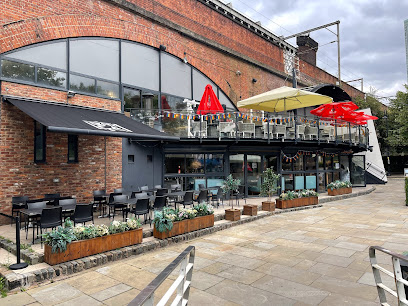
cask
1.8 km
Authentic Manchester pub pouring cask ales amid Castlefield's historic canals and warehouses—timeless brews in a revolutionary setting.
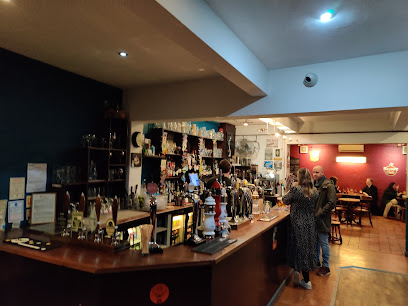
The Old Wellington
1.8 km
Step into The Old Wellington, a historic Manchester pub blending centuries-old charm with hearty ales and classic British fare in the city centre.
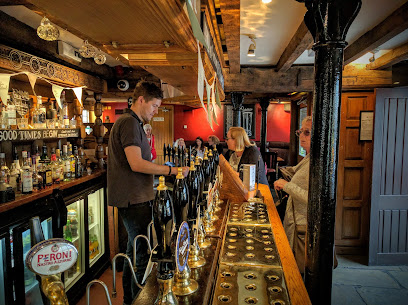
Speak In Code
1.8 km
Discover Speak In Code, Manchester’s innovative cocktail bar blending artisanal mixology, sustainable practices, and a uniquely immersive atmosphere.
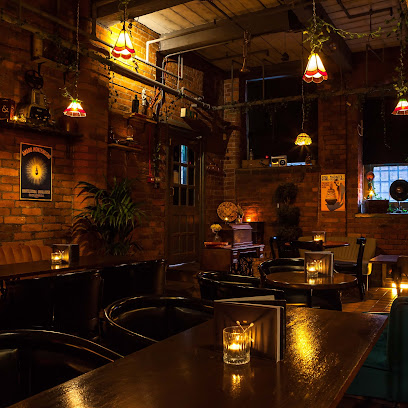
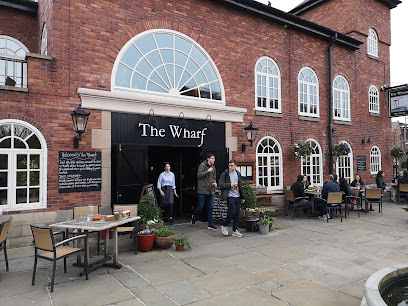
The Wharf
1.8 km
Cosy canalside pub in Manchester's Castlefield, where real fires, craft ales, hearty roasts, and patio views create an unmissable waterside retreat for all.
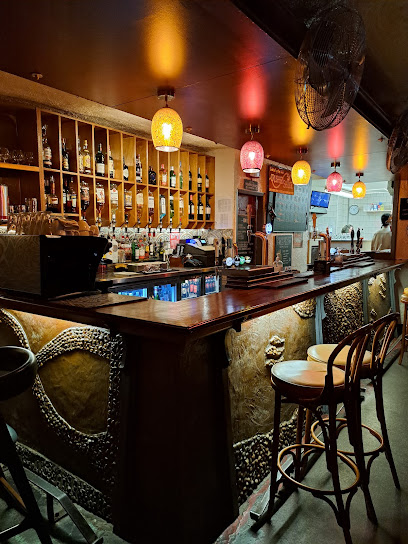
Corbieres Bar
1.8 km
Discover Corbieres Bar, Manchester’s cozy underground spot famed for its eclectic jukebox, vegan-friendly pizzas, and welcoming vibe.
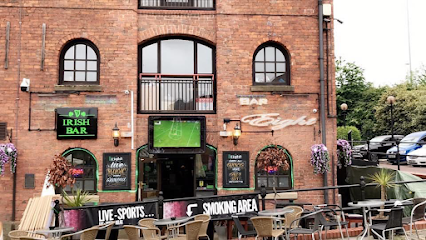
Bar Eight
1.9 km
Lively Irish pub on Manchester's Castle Quay, blending sports screens, hearty grub, and canalside cheer for unforgettable nights out.
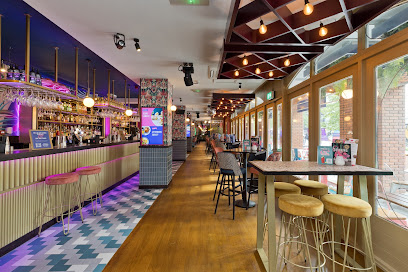
Slug & Lettuce - Albert Square Manchester
1.9 km
Vibrant cocktail bar and restaurant in Manchester’s Albert Square, perfect for lively brunches, evening drinks, and social celebrations.
Reflexion Lounge Manchester Shisha
1.9 km
Luxury glass-fronted shisha lounge on Salford Quays, blending waterfront views, flavorful hookahs, Moroccan teas, and plush VIP vibes for unforgettable evenings.
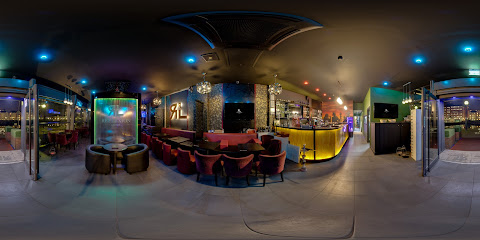
Nightclubs & after hour spots

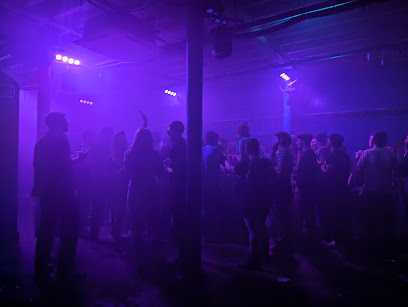
Hidden at Downtex Mill
1.4 km
Manchester's raw warehouse nightclub in a historic mill: underground beats, industrial grit, and all-night raves in Cheetham Hill's creative heart.
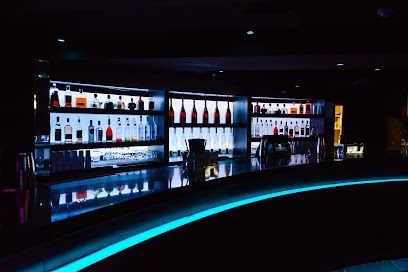
Bijou Club
1.7 km
Manchester's hidden riverside gem: celebrity vibes, secret garden terrace, and LED-lit beats in an exclusive Deansgate nightclub.
Club Liv Manchester
1.7 km
Experience Manchester’s vibrant nightlife with exclusive VIP vibes, world-class Pan-Asian dining, and a stylish rooftop terrace at Club Liv.
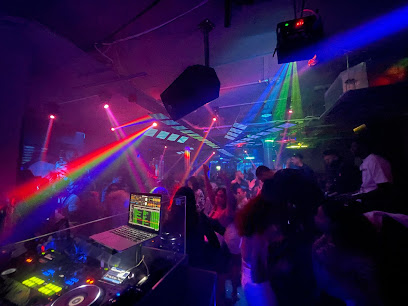
History Nightclub
1.8 km
Experience Manchester’s lively hip hop and house beats at History Nightclub, a large, energetic venue open late into the night.
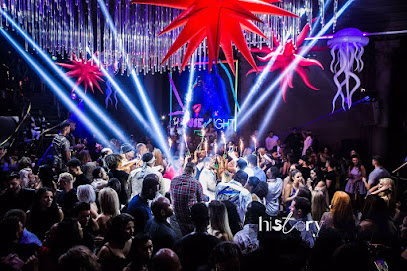
42's
1.8 km
Manchester’s iconic indie nightclub blending rich musical heritage with a lively, inclusive nightlife experience.
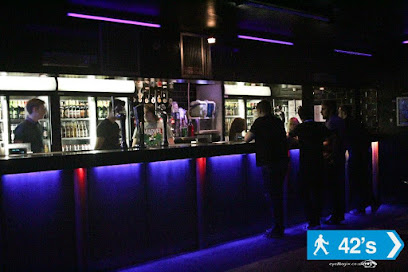
Royal Vida Night Club
1.8 km
Dive into Manchester's underground pulse at Royal Vida, where Castlefield's industrial shadows host thumping beats and endless nights from 11pm to 4am.

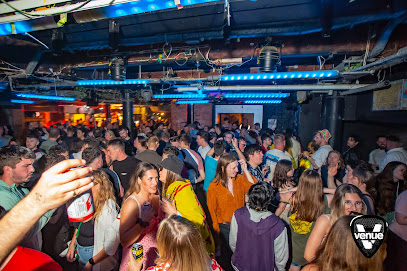
Venue Nightclub
1.8 km
Manchester's underground indie haven: cheap drinks, packed dance floors, and anthems till dawn in Deansgate's electric night scene.
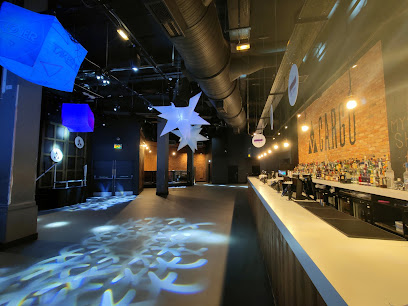
Cargo
2.0 km
Manchester's Printworks powerhouse: light-up dance floors, bottomless brunches, and non-stop beats until dawn in the city's nightlife epicenter.
Ark Manchester
2.0 km
Multi-room beats and canal-side cocktails fuel Manchester's electric Deansgate Locks nightlife at Ark—dance, drink, repeat till dawn.
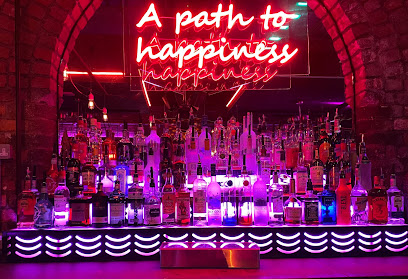
Popworld Manchester
2.0 km
Dance to cheesy pop anthems amid neon lights and poptail cocktails in Manchester's ultimate throwback nightclub.
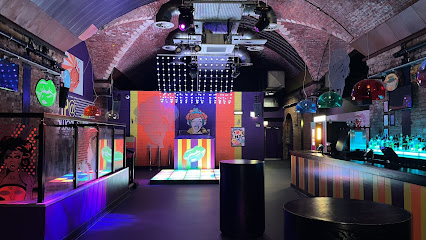
Bliss Club Manchester
2.1 km
Experience Manchester’s authentic late-night vibe at Bliss Club, where music and local energy blend into a spirited urban nightlife hub.

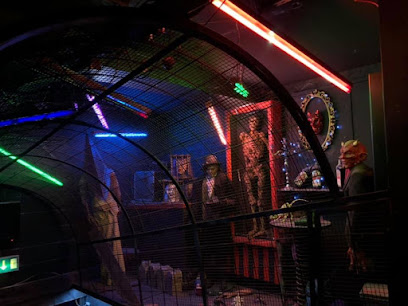
Satans Hollow
2.4 km
Manchester's infernal punk-rock abyss: demonic decor, dirt-cheap drinks, and mosh-pit mayhem for metalheads and rebels.
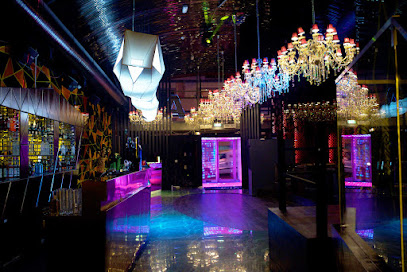
Viva Manchester
2.4 km
Compact stage-driven nightclub on Whitworth Street West — theatrical themed nights, DJ sets and group-friendly table service.
Funkademia
2.4 km
Manchester's longest-running funk and soul night pulses at Mint Lounge in the Northern Quarter—dance to electric disco until dawn in an underground haven.

Mint Lounge
2.5 km
Experience Manchester’s Northern Quarter nightlife at Mint Lounge, a lively club with eclectic music, affordable drinks, and an inclusive vibe.

For the vibe & atmosphere seeker
- Tranquil
- Scenic
- Cultural Heritage
- Relaxing
For the architecture buff
- Historic
- Landmarks
- Parks & Gardens
For the view chaser and sunset hunter
- Iconic Views
- Panoramas
For the social media creator & influencer
- Instagrammable
- Photo Spots
- Selfie Spots
For the eco-conscious traveler
- Public-Transport Accessible
- Locally Managed
For the kind of experience you’re after
- Cultural Heritage
- Photowalk
- Day Trip
- Nature Escape
For how adventurous you want the journey to be
- Easy Access
Location Audience
- Family Friendly
- Senior Friendly
- Child Friendly
- Teen Friendly
- Wheelchair Access
- Pet Friendly
- Solo Friendly
- Couple Friendly


