

Gunnersbury Triangle Nature Reserve: An Urban Wilderness in West London
A serene urban nature reserve in Chiswick offering diverse habitats, rich wildlife, and a peaceful escape just steps from the city.
Gunnersbury Triangle is a 2.57-hectare local nature reserve nestled in Chiswick, West London, bordered by railway lines and urban development. Established in 1985 after a landmark public inquiry halted planned construction, it features diverse habitats including birch woodland, willow carr, ponds, and acid grassland. Managed by the London Wildlife Trust, it offers a tranquil escape with rich biodiversity, educational programs, and volunteer opportunities, all just steps from Chiswick Park Underground station.
A brief summary to Gunnersbury Triangle, London Wildlife Trust
- Bollo Ln, London, Chiswick, W4 5LN, GB
- +442038976153
- Visit website
- Duration: 0.5 to 2 hours
- Free
-
 Outdoor
- Mobile reception: 4 out of 5
- Monday 12 am-12 am
- Tuesday 12 am-12 am
- Wednesday 12 am-12 am
- Thursday 12 am-12 am
- Friday 12 am-12 am
- Saturday 12 am-12 am
- Sunday 12 am-12 am
Local tips
- Visit between April and November for the best wildlife activity and pleasant weather.
- Bring binoculars and a camera to spot birds and capture the reserve’s natural beauty.
- Participate in London Wildlife Trust’s guided walks and volunteer days to deepen your experience.
- Wear sturdy footwear as some paths may be uneven or covered with leaf litter.

For the on-the-go comforts that matter to you
- Information Boards
- Seating Areas
- Trash Bins
Getting There
-
Public Transport
Take the London Underground District Line to Chiswick Park station. The reserve entrance is a short 2-minute walk across Bollo Lane from the station. Frequent service runs daily with fares starting from approximately £2.50.
-
Bus
Several bus routes serve Chiswick High Road, including routes 190 and 267. From the bus stop, it is about a 10-minute walk to the reserve entrance. Buses run every 10-20 minutes with standard London bus fares.
-
Car
Limited street parking is available near Bollo Lane, but spaces are scarce and often restricted. It is recommended to use public transport due to the reserve’s urban location and limited parking options.
-
Walking
If staying nearby in Chiswick, walking to the reserve is pleasant and accessible via paved urban sidewalks. Expect a 15-30 minute walk depending on your starting point, with mostly flat terrain.
Gunnersbury Triangle, London Wildlife Trust location weather suitability
-
 Any Weather
-
 Rain / Wet Weather
-
 Clear Skies
-
 Mild Temperatures
Discover more about Gunnersbury Triangle, London Wildlife Trust
Origins and Conservation Triumph
Gunnersbury Triangle’s story begins in the early 1980s when this patch of abandoned railway land and allotments was threatened by development. Local campaigners, supported by the London Wildlife Trust and the Greater London Council, successfully fought a public inquiry in 1983 to protect the site for its ecological value — a pioneering decision in British conservation history. The land was transferred to Hounslow Council, and after careful habitat restoration and public access improvements, the reserve opened in 1985. Both Hounslow and Ealing boroughs formally designated it a Local Nature Reserve in the late 1980s and early 1990s, securing its future as a green refuge in the city.Ecological Richness in a Compact Space
Despite its modest size of just over 2.5 hectares, Gunnersbury Triangle supports a remarkable variety of habitats and species. The reserve’s core is secondary birch woodland, interspersed with willow carr — a rare wet woodland habitat in London — and acid grassland along the former Acton curve railway track. Ponds and meadows enhance this mosaic, providing shelter and breeding grounds for birds, amphibians, insects, and small mammals. Notable wildlife includes woodpeckers, blackcaps, frogs, and toads. The site’s biodiversity thrives under ongoing management practices such as coppicing, scrub clearance, and invasive species control, designed to preserve its wild character.Visitor Experience and Community Engagement
Visitors enter through a simple wooden gate on Bollo Lane, just yards from Chiswick Park tube station, stepping into a surprisingly tranquil woodland oasis surrounded by urban bustle. Well-maintained footpaths and boardwalks guide exploration through diverse habitats, with informative signage highlighting the reserve’s flora and fauna. The London Wildlife Trust runs regular guided walks, fungus forays, and educational events, fostering community involvement and environmental awareness. Volunteers play a vital role in conservation work, receiving training in skills like hedgelaying and tree pruning. The reserve is a popular spot for schools, families, and nature enthusiasts seeking peaceful encounters with wildlife.Urban Wilderness Amidst City Life
Encircled by railway lines, office buildings, and residential blocks, Gunnersbury Triangle offers a rare glimpse of wilderness within London’s dense urban fabric. The gentle sounds of birdsong and rustling leaves contrast with the distant rumble of trains, creating a unique sensory blend. This juxtaposition underscores the reserve’s significance as a green lung and biodiversity hotspot in West London. While the nearby luxury apartments overlook the reserve, the interior remains a secluded sanctuary where visitors can immerse themselves in nature’s rhythms, far removed from city noise and pace.Conservation Challenges and Future Outlook
Maintaining the delicate balance of habitats in a small urban reserve requires constant vigilance. The London Wildlife Trust continues to monitor ecological health, manage invasive species, and adapt to environmental pressures such as pollution and climate change. Community support remains crucial, with ongoing volunteer programs and educational outreach helping to sustain the reserve’s vitality. Plans for improved visitor facilities and enhanced accessibility aim to welcome more people while safeguarding the reserve’s wild essence. Gunnersbury Triangle stands as a testament to successful urban conservation and the power of local action to protect natural heritage.A Living Classroom and Sanctuary
Beyond its ecological importance, Gunnersbury Triangle serves as an invaluable resource for environmental education and wellbeing. School groups regularly visit to study habitats and wildlife firsthand, while adults participate in workshops and guided nature walks. The reserve’s peaceful atmosphere encourages mindfulness and connection with nature, offering a restorative escape from urban life. Whether you are a keen naturalist, a family seeking outdoor learning, or a city dweller craving quiet green space, Gunnersbury Triangle provides a rich, accessible experience of London’s wild side.Iconic landmarks you can’t miss

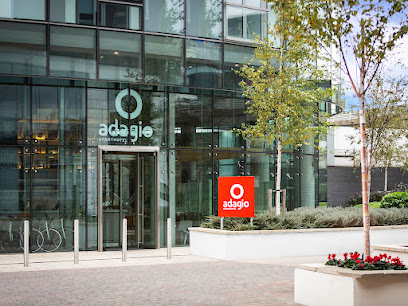
Aparthotel Adagio London Brentford
2.2 km
Modern aparthotel in Brentford offering spacious apartments, fitness facilities, and easy access to Heathrow and central London.
Hammersmith Bridge
3.0 km
Victorian engineering marvel spanning the Thames with a turbulent history of bombs, closures, and remarkable resilience.

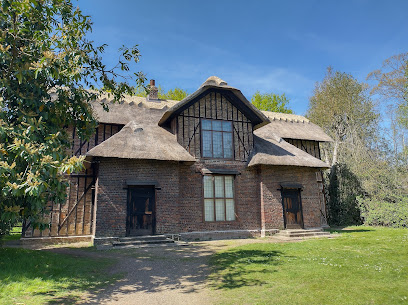
Queen Charlotte's Cottage
3.3 km
Discover the charming 18th-century rustic retreat of Queen Charlotte nestled in Kew Gardens' tranquil woodland and royal heritage.
Mr Mathias Winkler
3.7 km
Discover exceptional healthcare at Mr. Mathias Winkler's practice in London’s Charing Cross Hospital, where patient care meets expertise.

Queen Victoria Monument
4.6 km
A majestic tribute to Queen Victoria, blending imperial grandeur with rich symbolism in the heart of London’s royal landscape.

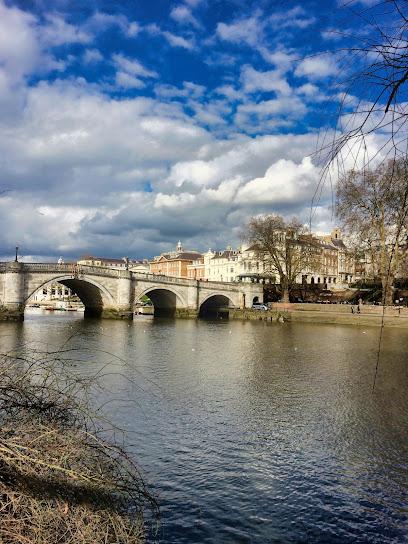
Richmond Bridge
4.8 km
Richmond Bridge, London's oldest Thames crossing, blends 18th-century Palladian elegance with timeless riverside charm.
Howard Staunton Blue Plaque
4.9 km
Commemorating Howard Staunton, 19th-century chess master and organizer of the first international chess tournament, at his London blue plaque.
Richmond Hill - Viewing Point
5.0 km
Britain's only parliamentary-protected view, where the Thames winds through timeless meadowland.

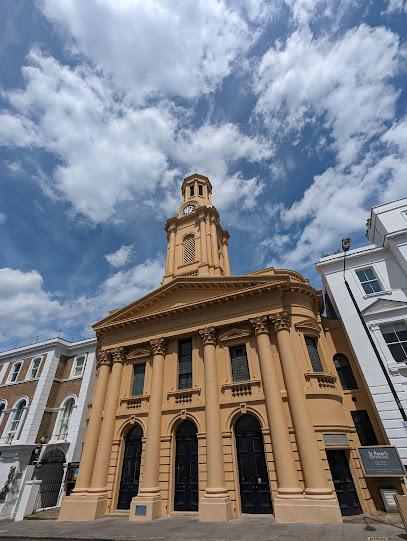
St Peter's Church, Notting Hill
5.2 km
A serene Victorian Anglican church blending classical architecture, rich history, and community spirit in the heart of Notting Hill.
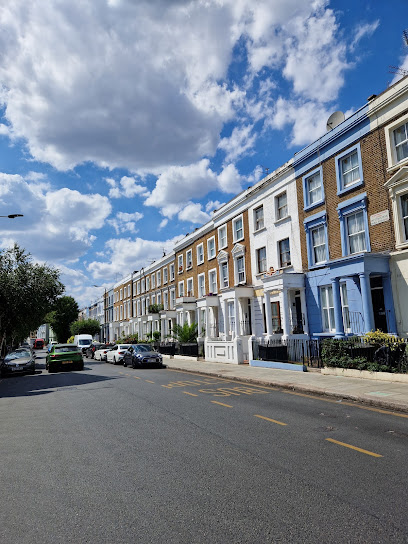
The Castle
5.2 km
Experience the charm of a traditional British pub at The Castle on Portobello Road, offering delicious food and a vibrant atmosphere in the heart of London.
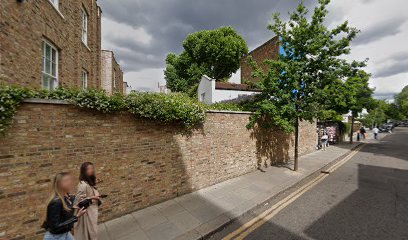
Celebrity's Secret Door
5.3 km
Explore the enchanting Celebrity's Secret Door on Portobello Road, a hidden gem in London that connects you to the city's vibrant celebrity culture.
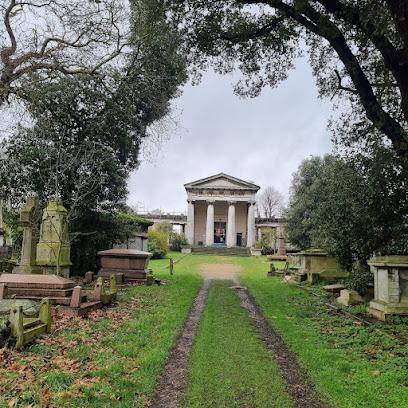
Kensal Green Cemetery
5.3 km
Explore the rich history and serene beauty of Kensal Green Cemetery, one of London's oldest burial grounds, a tranquil escape amidst the city's vibrancy.
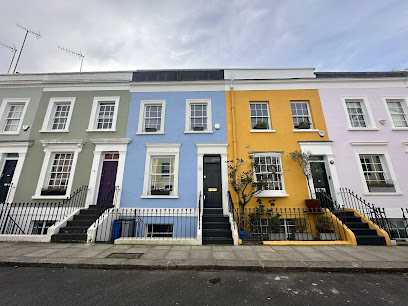
Notting Hill Hillgate Village
5.3 km
Experience the vibrant charm of Notting Hill Hillgate Village, where colorful houses, unique shops, and cultural delights await every traveler.
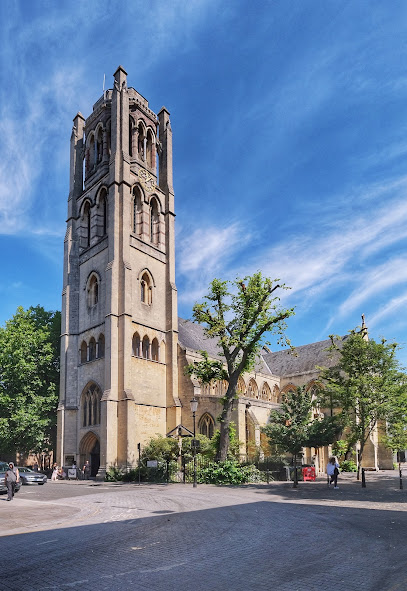
All Saints' Church, Notting Hill
5.3 km
Explore the architectural beauty and serene atmosphere of All Saints' Church, a must-visit Anglican church and cultural hub in Notting Hill, London.
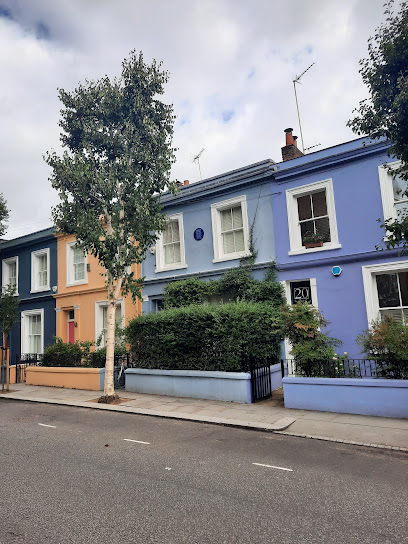
George Orwell Plaque
5.4 km
A literary landmark on vibrant Portobello Road celebrating George Orwell’s enduring legacy in London’s cultural heart.
Unmissable attractions to see

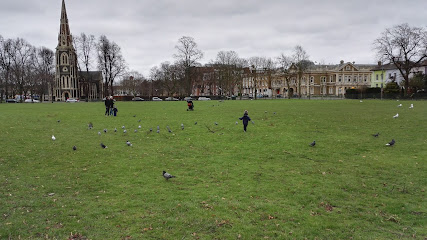
Turnham Green
0.4 km
A historic and beautifully landscaped green oasis at the heart of Chiswick, blending heritage, community, and urban charm.
Christ Church Turnham Green
0.5 km
Historic Gothic revival Anglican church and vibrant community hub nestled on Turnham Green in Chiswick, London.
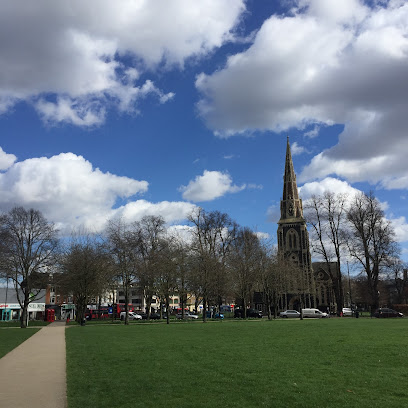
Premium Tours
1.2 km
Discover the best of London with Premium Tours, offering diverse sightseeing experiences and knowledgeable guides to enhance your journey.
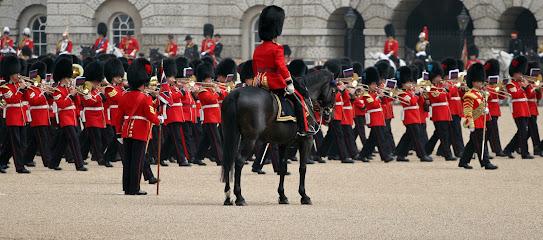
Gunnersbury Park Museum
1.2 km
Discover West London's rich heritage and tranquil green spaces at Gunnersbury Park Museum, where history meets nature.

Hogarth's House
1.4 km
Step into the tranquil 18th-century home of William Hogarth, where art, history, and garden stories blend in Chiswick’s peaceful retreat.
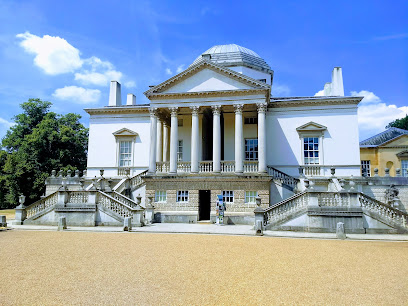
Chiswick House and Gardens
1.4 km
Explore the birthplace of the English Landscape Garden and a stunning 18th-century Palladian villa set in 65 acres of historic, free-to-enter gardens.
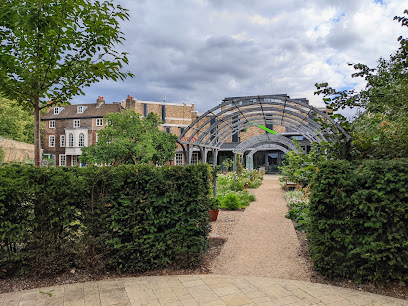
London Museum of Water & Steam
1.5 km
Explore Victorian steam engines and the story of London's water supply at this historic Brentford museum with interactive exhibits and a steam railway.

The National Archives
1.6 km
Explore a millennium of British history through original documents, exhibitions, and tranquil grounds at The National Archives in Kew.
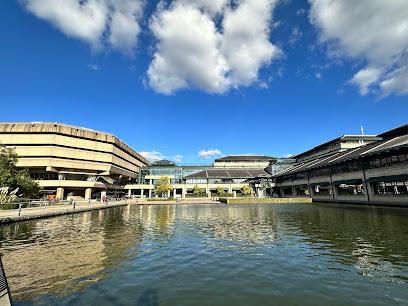
The Musical Museum
1.7 km
Discover the enchanting world of self-playing instruments and live Wurlitzer concerts at Brentford’s Musical Museum.

St Dunstan’s, East Acton
2.3 km
A striking Gothic Revival church with a soaring octagonal spire, embodying Victorian faith and craftsmanship in East Acton.
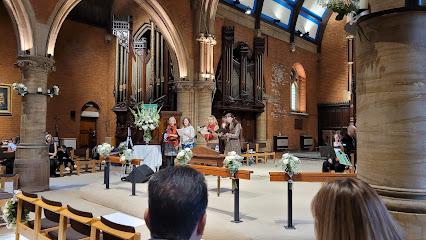
Chiswick Bridge
2.4 km
Discover the charm and scenic beauty of Chiswick Bridge, a historic landmark in London offering stunning views of the Thames River.
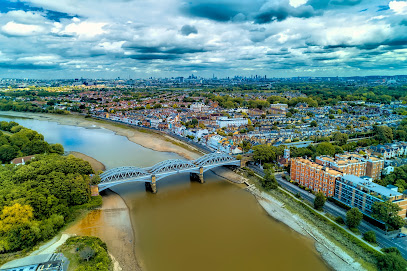
Ealing Common
2.4 km
A historic and spacious green oasis in West London, blending Victorian charm with lively community spirit and cultural events.
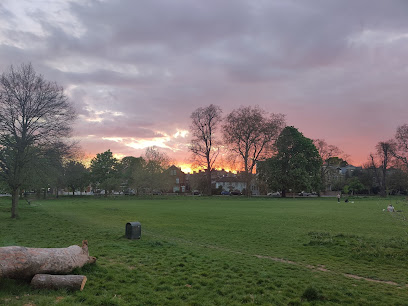
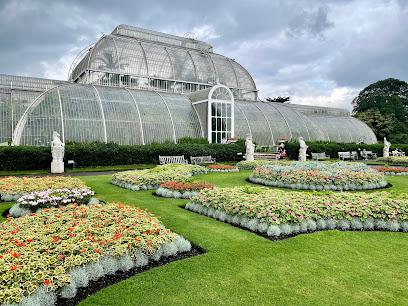
Royal Botanic Gardens, Kew
2.4 km
Explore Kew Gardens, a UNESCO World Heritage site blending historic beauty, botanical diversity, and immersive garden experiences in Richmond, London.
The William Morris Society
2.5 km
Explore the inspiring legacy of William Morris at his historic London home, a hub for art, design, and social activism.

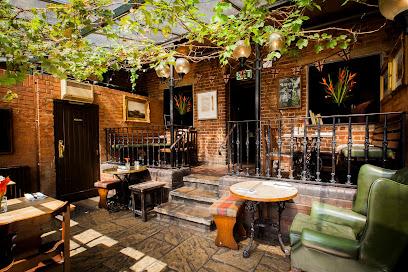
The Dove, Hammersmith
2.5 km
Historic Thameside pub with Britain’s smallest bar, literary legends, royal tales, and scenic riverside views in Hammersmith.
Essential places to dine

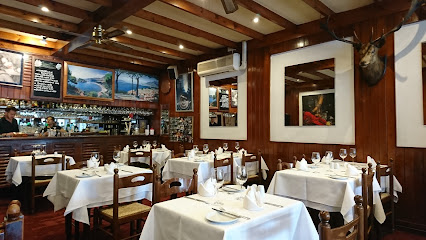
La Rosetta Restaurant
2.9 km
Experience authentic Italian flavors and warm family hospitality at La Rosetta, a beloved Brentford dining destination.
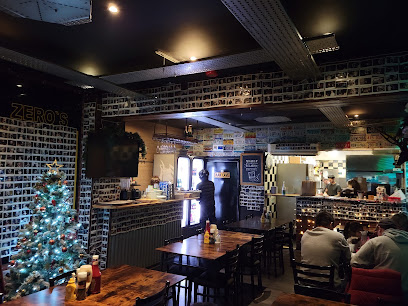
Man vs Food
4.1 km
Bold American flavours and massive portions meet lively challenges in Isleworth’s vibrant Man Vs Food diner.
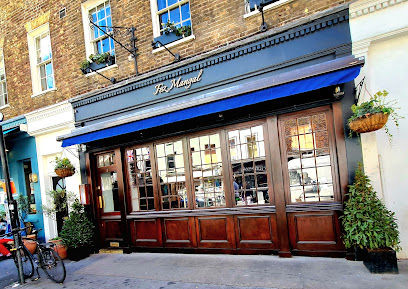
Fez Mangal Ladbroke Grove
5.0 km
Experience authentic Turkish barbecue and vibrant atmosphere at Fez Mangal Ladbroke Grove, a beloved London institution for kebab lovers.
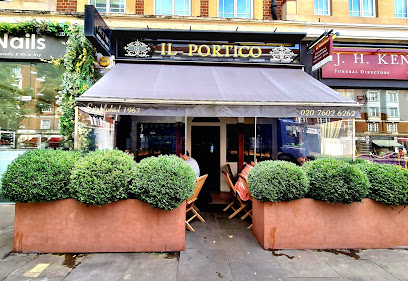
Il Portico
5.0 km
Authentic Northern Italian dining with family warmth and timeless charm in the heart of Kensington.
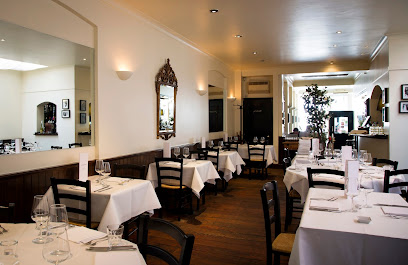
A Cena
5.0 km
Refined Southern Italian dining with generous portions, warm ambience, and a curated cocktail bar in the heart of East Twickenham.
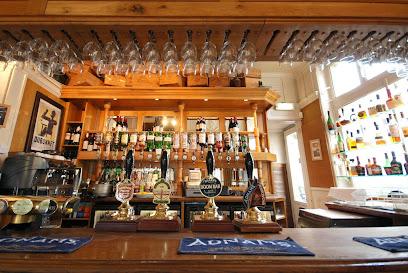
The Ladbroke Arms
5.0 km
A charming gastropub in Notting Hill offering refined British cuisine, standout Sunday roasts, and a welcoming garden terrace.
Osteria Napoletana
5.1 km
Cozy Neapolitan eatery in Notting Hill serving authentic southern Italian classics with warm hospitality and a lively atmosphere.
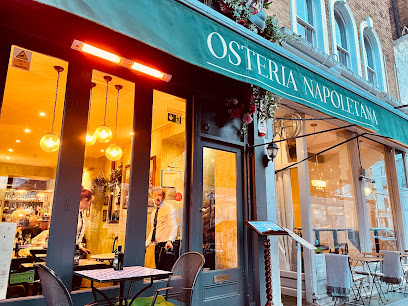
La mia Mamma Notting Hill
5.1 km
Experience authentic Italian regional cuisine prepared by real mammas in a warm, lively Notting Hill trattoria setting.
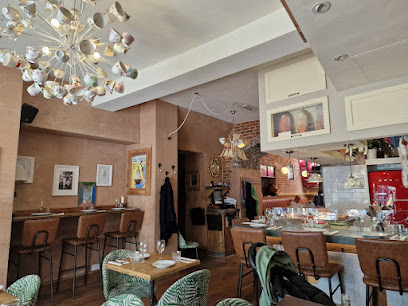
Core by Clare Smyth
5.1 km
Experience three-Michelin-starred modern British cuisine by Clare Smyth in an elegant Notting Hill setting, where sustainability meets culinary artistry.
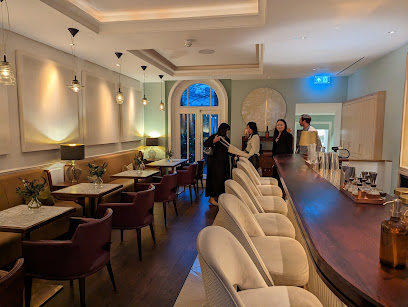
Ci Tua Osteria Romana
5.2 km
Experience authentic Roman cuisine and warm Italian hospitality in the heart of London’s vibrant Portobello Road.
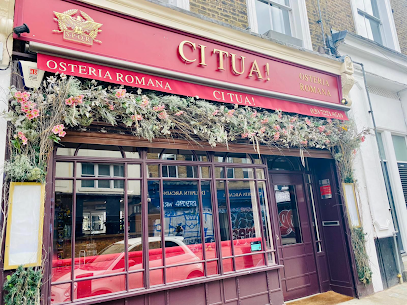
The Petersham Restaurant
5.2 km
Elegant British fine dining with stunning Thames views in Richmond’s historic mid-Victorian setting.
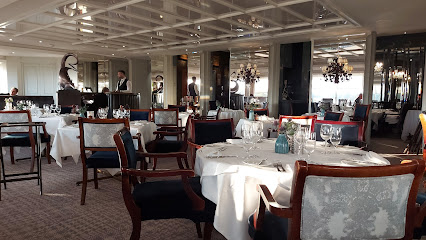
Portobello Garden Arcade Italian Restaurant
5.2 km
Authentic Italian dining in a rustic, cozy setting nestled in the heart of vibrant Notting Hill’s Portobello Road.
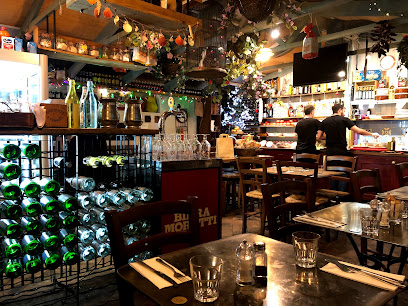
Gold
5.2 km
Stylish modern European dining with wood-roasted seasonal plates and inventive cocktails on iconic Portobello Road in vibrant Notting Hill.
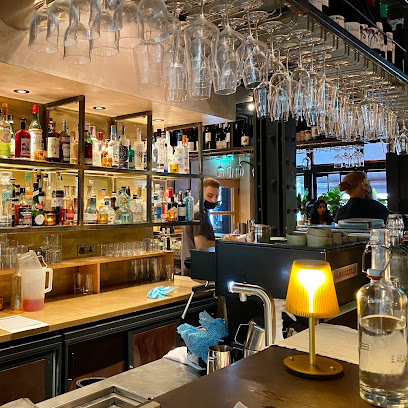
The Sushi Co - Notting Hill
5.2 km
Fresh, flavorful sushi and Asian dishes served late in a casual Portobello Road spot with friendly service and gluten-free options.
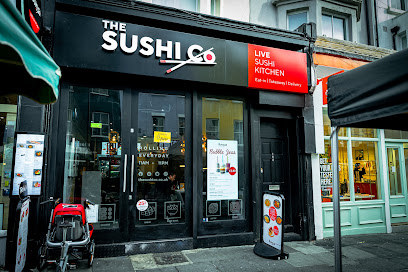
The Ledbury
5.5 km
Experience world-class Modern European fine dining in Notting Hill at The Ledbury, a 3-Michelin-starred culinary gem blending British ingredients with French elegance.
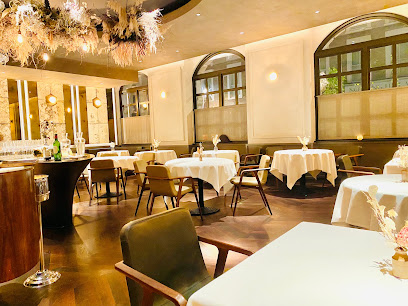
Markets, malls and hidden boutiques

Stuff
3.0 km
Discover stylish women's fashion in a charming West London boutique with a personal touch and curated collections.
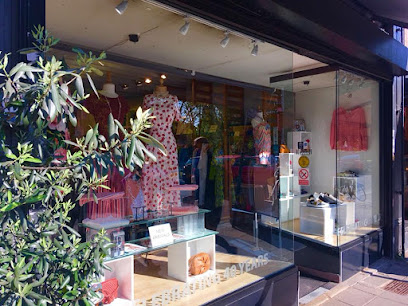
The London Heritage
3.6 km
A boutique heritage hotel in Canary Wharf blending historic elegance with modern luxury and wellness amenities.
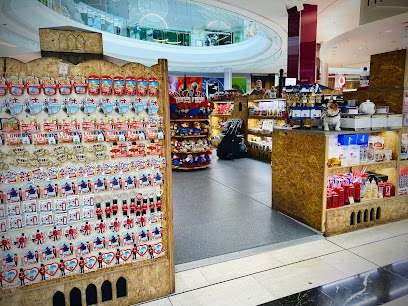
Octavia Foundation - Kensington
4.9 km
Discover designer bargains and vintage treasures at this Kensington High Street charity shop, funding life-changing support for local communities in true Octavia Hill spirit.
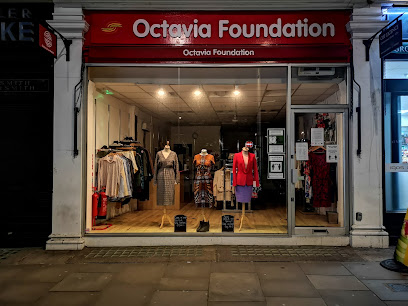
the Design Museum Shop - High Street Shop
4.9 km
Curated design haven on Kensington High Street: books, homewares, and innovative gifts celebrating creativity from the Design Museum.
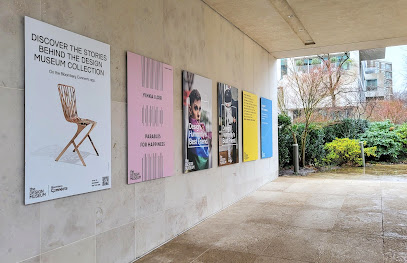
the Design Museum Shop
5.0 km
Curated gifts, books and design objects from the Design Museum’s High Street, Atrium and Exhibition shops—where form, craft and everyday use meet.

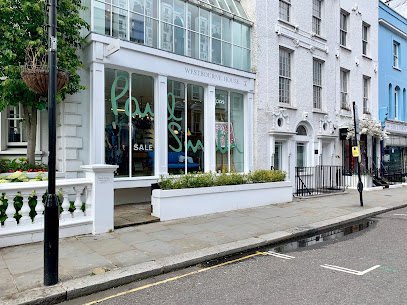
Paul Smith - Notting Hill
5.1 km
Classic British tailoring meets playful innovation at Paul Smith's elegant Notting Hill flagship in historic Westbourne House.
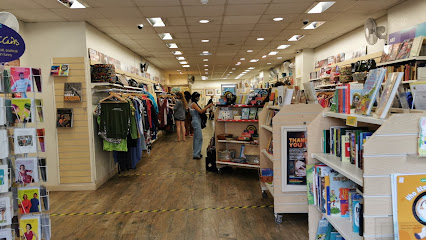
Oxfam Shop - Kensington High Street
5.1 km
Unearth ethical treasures on Kensington High Street at this vibrant Oxfam shop, where second-hand style funds global change amid London's posh shopping scene.
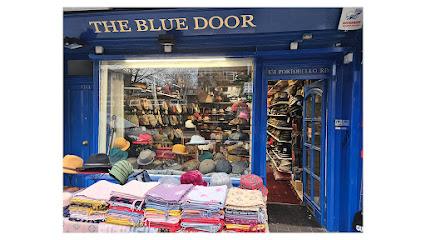
The Blue Door
5.2 km
Discover stylish clothing and unique hats at The Blue Door, a charming boutique nestled in the lively heart of Notting Hill’s Portobello Road.
Hangout Clothing
5.2 km
Discover designer flair on Portobello Road at Hangout Clothing, where trendy threads meet Notting Hill's bohemian buzz in a chic boutique haven.

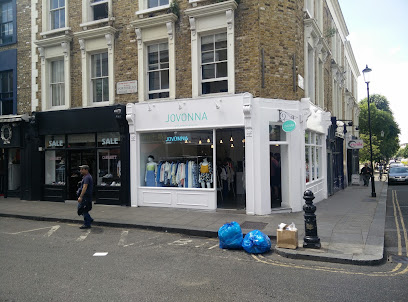
Jovonna Notting Hill Boutique
5.2 km
Discover Jovonna's feminine edge on Portobello Road: classic meets contemporary in Notting Hill's fashion heartbeat.
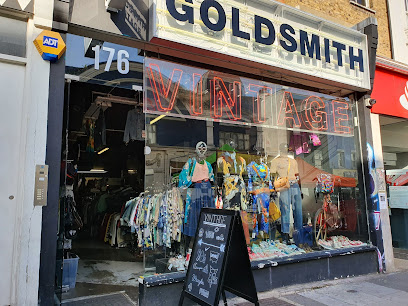
Goldsmith Vintage
5.2 km
Discover chic vintage treasures at Goldsmith Vintage on bustling Portobello Road, where timeless fashion meets Notting Hill's iconic market charm.
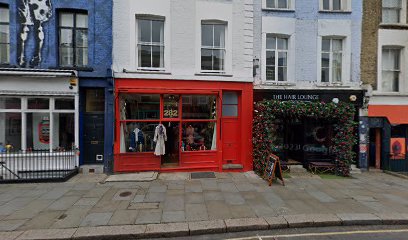
Antique Clothing Shop
5.2 km
Discover timeless threads and retro glamour at this Portobello Road gem, where antique clothing whispers stories from London's stylish past amid market vibrancy.
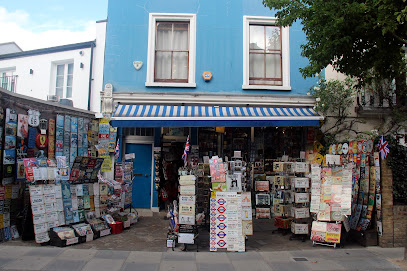
Portobello Gifts Shop London
5.3 km
Retro souvenirs and nostalgic trinkets on Notting Hill's iconic Portobello Road—a treasure hunt for affordable London mementos amid market vibrancy.
RETRO GIFTS RETAIL
5.3 km
Discover nostalgic treasures at Retro Gifts Retail on Portobello Road—retro charms, quirky novelties, and market magic in Notting Hill's vibrant heart.

The gift store
5.4 km
Discover quirky handmade crafts and Notting Hill treasures at this vibrant Pembridge Road gem, where every shelf holds a unique story from London's creative heart.
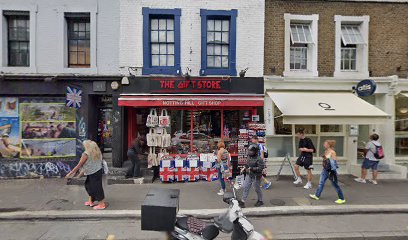
Essential bars & hidden hideouts

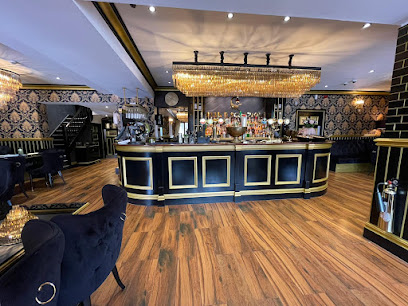
Star & Scorpion
3.6 km
A lively gastropub in West Ealing serving American-inspired dishes, craft cocktails, and featuring private heated cabins with Sky Sports.
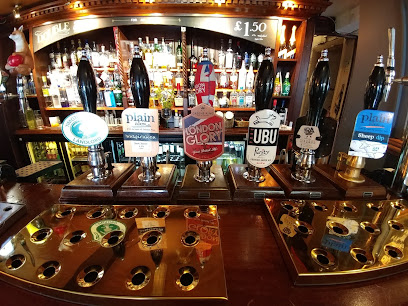
London Apprentice
4.3 km
Historic Georgian riverside pub in Isleworth offering classic ales, scenic Thames views, and lively community events.
The Curtains Up
4.3 km
A cozy West Kensington pub blending hearty British fare, lively theatre, and warm local charm for a memorable experience.

The Elgin
5.0 km
Opulent Notting Hill gastropub with historic charm, seasonal British dishes, gin haven, beer garden buzz, and versatile private event spaces.
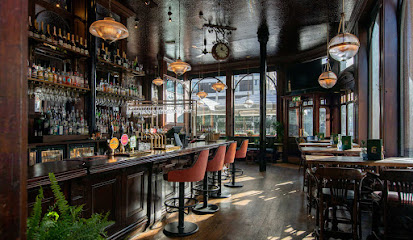
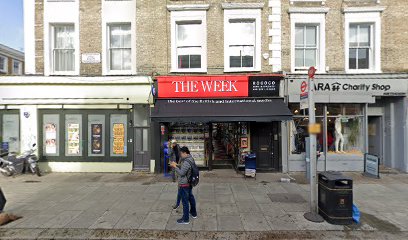
The Week
5.1 km
Cozy Notting Hill bar on Elgin Crescent, blending craft cocktails and warm vibes in West London's chicest corner. Ideal for intimate evenings amid Victorian charm.
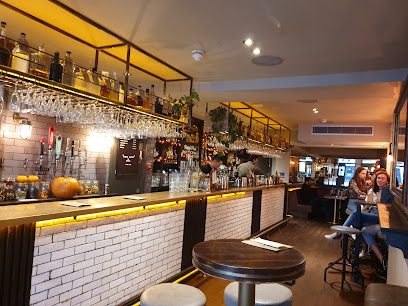
Portobello Star
5.1 km
Gin mastery on Portobello Road: vintage vibes, craft cocktails, and Notting Hill's electric market energy in one cozy retreat.
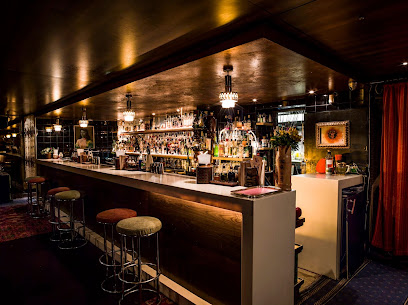
Trailer Happiness
5.1 km
Notting Hill's kitschy tiki basement bar pours rum-heavy daiquiris and tropical twists amid plush, indulgent vibes—prime for rowdy W11 nights.
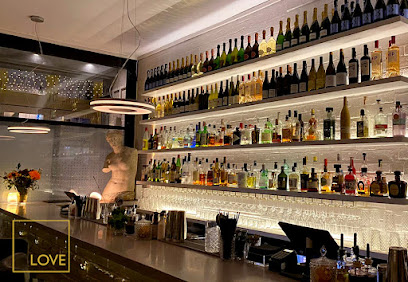
Love
5.2 km
Intimate Portobello Road cocktail bar with polished service, crafted drinks and a warm, late‑night Notting Hill atmosphere.
Naked & Famous Bar
5.2 km
A cozy, retro-styled Notting Hill basement bar focused on tequila and mezcal with bold, handcrafted cocktails.
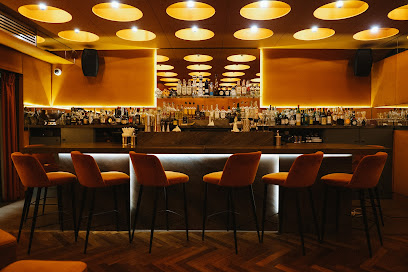
The Earl of Lonsdale
5.2 km
Step into Victorian Notting Hill pub charm at The Earl of Lonsdale, where etched glass, duck-under doors, and Yellow Earl lore create an unmissable Samuel Smith's haven amid Portobello buzz.
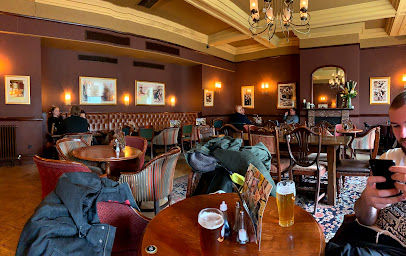
The Pelican
5.3 km
Notting Hill's gastropub gem: robust British plates, craft ales, and sustainable flair in a revived 150-year-old corner boozer.
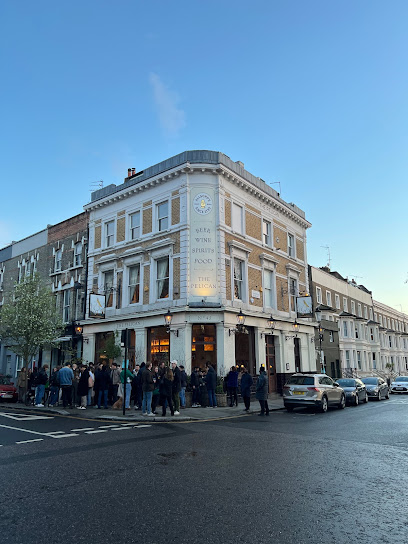
The Little Yellow Door
5.4 km
Notting Hill's quirky flatshare bar where cocktails flow from teacups, games spark laughs, and every night feels like a spontaneous house party in a colorful home.
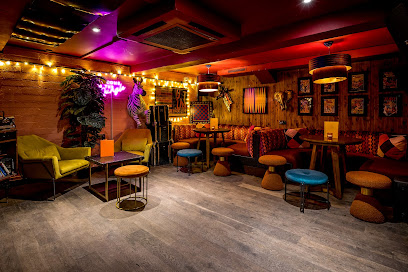
The Sun In Splendour
5.4 km
Historic Notting Hill pub with yellow charm, hearty fare, craft pours, and a secret garden haven on bustling Portobello Road.
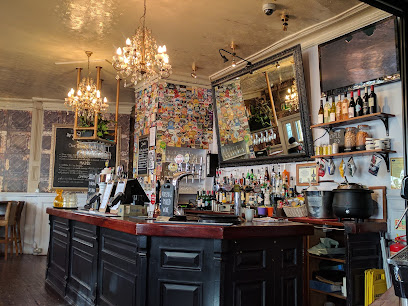
The Henderson Bar & Kitchen
5.4 km
Notting Hill's carnival-inspired bar serving twisted British classics from breakfast to cocktails on a sunny terrace—honoring Russ Henderson's legacy.
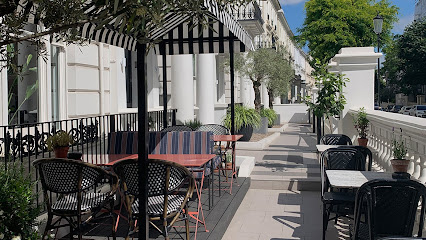
The Churchill Arms, Kensington
5.5 km
London's floral-festooned pub icon: Churchill memorabilia, pioneering Thai eats, and blooming facades since 1750 in vibrant Kensington.
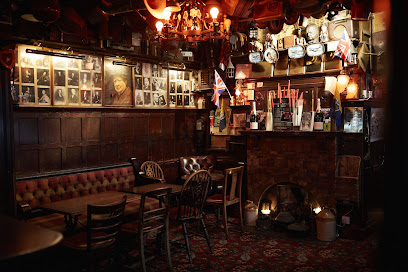
Nightclubs & after hour spots

Lost In Disco
3.0 km
An intimate West London disco night celebrating 1970s–80s funk, soul and floor-filling classics with DJs, guest singers and a glittering dancefloor.
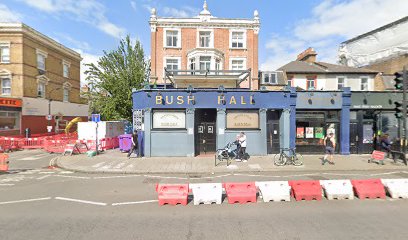
Ricco London
4.2 km
A plush, performance‑led lounge in Kensington Olympia where cocktails, Mediterranean sharers and cabaret create theatrical late‑night nights.
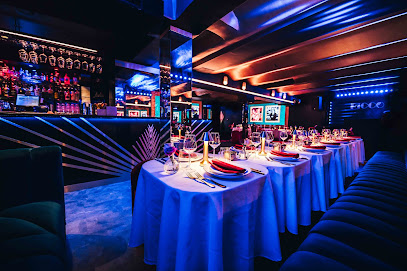
The Duke of Wellington
5.1 km
Historic Young's pub on Portobello Road: Victorian screens, market views, British roasts, and Notting Hill legends in every pint.
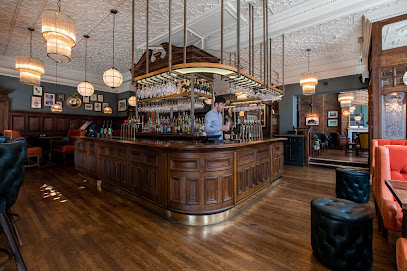
Electric House
5.2 km
Experience the vibrant social scene at Electric House, a chic social club in Notting Hill, London, blending style, comfort, and culinary delights.
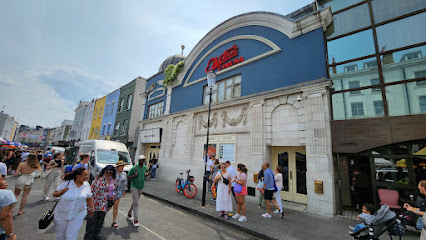
Le Fez
5.3 km
Experience Putney’s premier Moroccan-inspired nightclub with lush lounges, vibrant dancefloors, and unforgettable late-night entertainment.
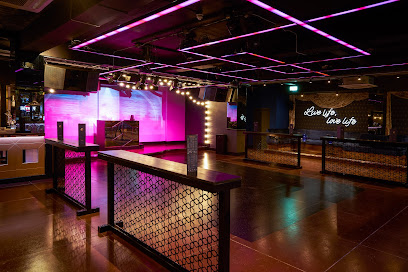
Subteranian
5.4 km
A compact underground club on Acklam Road delivering dense, DJ-led electronic nights with an intimate, bass-heavy atmosphere.
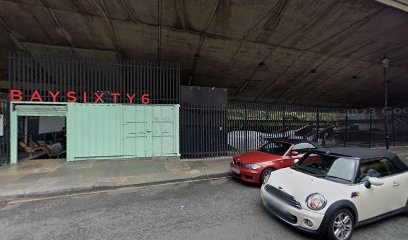
The Globe
5.5 km
Traditional London pub by day, lively late‑night bar and club by night—large, hireable rooms and a warm, characterful interior.
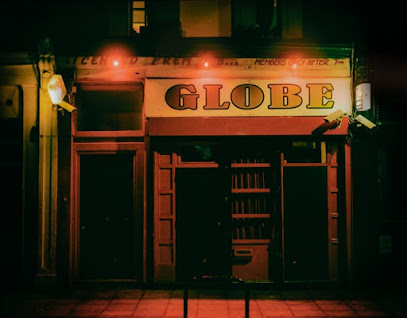
Notting Hill Arts Club
5.6 km
West London's sweaty basement cradle of music legends since '97—coffee by day, live gigs and club nights till 2am in an intimate den of funk, jazz, and raw talent.
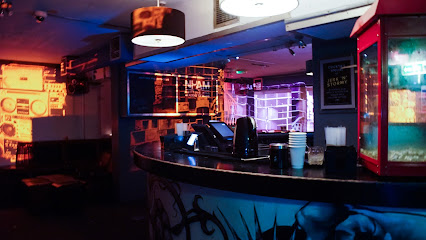
B London
6.5 km
Dive into South Kensington's electric nightlife at B London, where sophisticated beats and stylish crowds fuel unforgettable nights from 9pm till dawn.

Metric
6.5 km
A compact, collegiate nightclub beneath Imperial College’s Beit Quadrangle — lively student nights, intimate dancefloor and a campus-centred party vibe.

Dolce Night Club , London
6.6 km
Elite VIP nightclub in South Kensington blending luxurious design, R&B beats, and high-end cocktails for unforgettable weekend revelry.
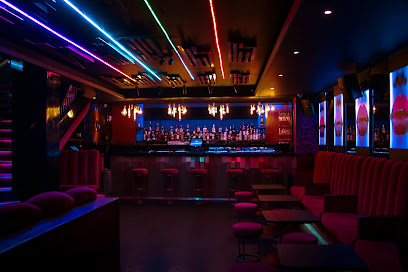
Privilege Entertainment Ltd
6.9 km
Discover the pulsating nightlife at Privilege Entertainment Ltd, London's premier entertainment agency and nightclub, where unforgettable experiences await.

The Clapham Grand
7.9 km
Experience the vibrant nightlife of London at The Clapham Grand, a premier events venue offering live music, comedy, and unforgettable parties.
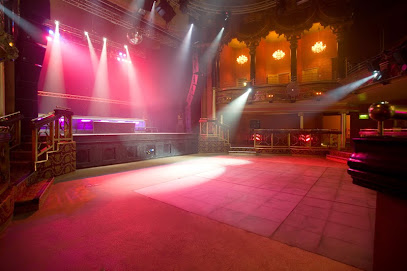
Carwash Nightclub
9.0 km
Europe's longest-running disco since 1989: sequins, funk beats, and joyful dancing in Mayfair's retro heart. Join the glitter-fueled party!
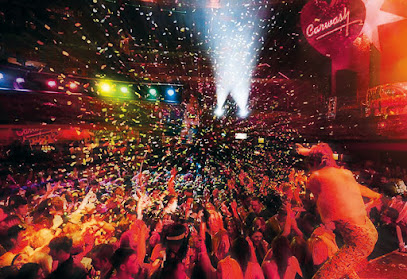
LUXX CLUB LONDON
9.0 km
Experience Mayfair’s premier luxury nightclub with dazzling lights, top DJs, and exclusive VIP vibes at LUXX CLUB LONDON.

For the vibe & atmosphere seeker
- Tranquil
- Relaxing
- Scenic
- Unique
- Casual
For the design and aesthetic lover
- Rustic Designs
For the architecture buff
- Parks & Gardens
- Heritage Neighborhoods
For the view chaser and sunset hunter
- Iconic Views
- Panoramas
For the social media creator & influencer
- Instagrammable
- Photo Spots
- Selfie Spots
For the eco-conscious traveler
- Sustainable
- Eco-Friendly
- Low Impact
- Locally Managed
- Public-Transport Accessible
For the kind of experience you’re after
- Cultural Heritage
- Nature Escape
- Day Trip
- Weekend Getaway
- Photowalk
For how adventurous you want the journey to be
- Easy Access
Location Audience
- Family Friendly
- LGBT Friendly
- Senior Friendly
- Child Friendly
- Teen Friendly
- Wheelchair Access
- Pet Friendly
- Solo Friendly
- Couple Friendly
- Solo Female Friendly
- Vegetarian Friendly
- Vegan Friendly


