Harmondsworth Moor, Middlesex Travel Guide
Discover Harmondsworth Moor, a serene green oasis near Heathrow, blending rich wildlife habitats, historic charm, and tranquil walking trails.
Harmondsworth Moor is a vast, peaceful parkland nestled near Heathrow Airport in West Drayton, offering meadows, rivers, lakes, and woodland paths. Created in 2000 on reclaimed land, it features rich wildlife habitats, historic markers, and scenic walking trails that connect to the ancient village of Harmondsworth. This green oasis blends nature, history, and recreation, making it a serene escape just outside London’s bustle.
A brief summary to Harmondsworth Moor
- 41 Moor Ln, West Drayton, Harmondsworth, UB7 0AP, GB
- Click to display
- Duration: 1 to 4 hours
- Free
-
 Outdoor
- Mobile reception: 4 out of 5

Know before you go
Hi, I'm Eve. Here are a few practical things to know before exploring Harmondsworth Moor.
- Bring water and snacks as there are no food or drink facilities within the moor; nearby Harmondsworth village has cafes.
- Download or print a map of the walking trails before visiting to avoid getting lost among the extensive paths.
- Visit in summer to enjoy vibrant wildflowers like poppies and corn marigolds that color the meadows.
- Look out for historical markers such as the Royal Canadian Air Force memorial and stones from Waterloo Bridge.
- Wear comfortable walking shoes suitable for mixed terrain including meadows, woodland paths, and riverside trails.
Do you manage this location?
Take control to get all the benefits, like improved information, better appearance, and stronger visibility across AI-powered discovery. Learn more about listing your business on Evendo
Activate your presenceOther nearby places you may find interesting
The closest places of the same kind, if this one is not quite what you had in mind.
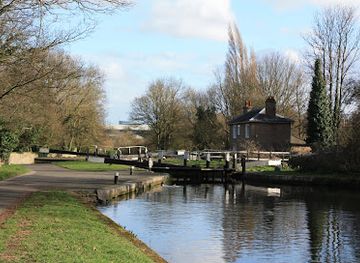

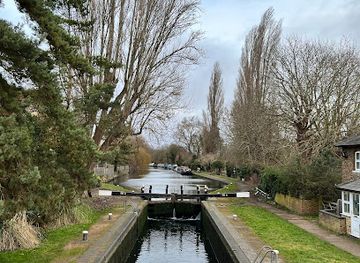
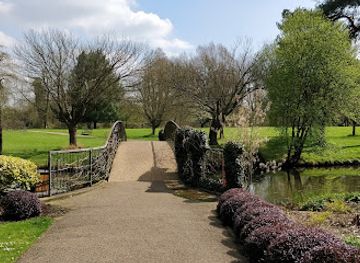

Explore Harmondsworth Moor on the Map
A handpicked selection of must-see spots near Harmondsworth Moor, mapped for you.
Getting There
-
Car
Driving from central London takes approximately 40 to 60 minutes depending on traffic. Free parking is available at the southern end of Harmondsworth Moor off Tramac Lane and Accommodation Lane. Note that parking can be limited on weekends.
-
Train and Bus
Take a train to West Drayton station from London Paddington or Marylebone (journey time 20–30 minutes). From West Drayton, bus services run to Harmondsworth village within 10–15 minutes walk of the moor. Bus frequency varies, so check timetables in advance.
-
Walking
For nearby visitors, walking from Harmondsworth village to the moor is an easy 10 to 15-minute stroll along flat terrain. Paths are well maintained but can be muddy after rain, so suitable footwear is recommended.
For the on-the-go comforts that matter to you
-
 Restrooms
-
 Seating Areas
-
 Trash Bins
-
 Information Boards
Discover more about Harmondsworth Moor
Origins and Landscape Transformation
Harmondsworth Moor was established in 2000 by British Airways on reclaimed land near Heathrow Airport, marking one of the largest new public parks created in London in a century. The site was transformed from former farmland and heathland into a diverse natural habitat through the planting of approximately 70,000 trees and careful landscaping. Today, the parkland encompasses open meadows, rivers, lakes, ponds, and newly planted woodlands, creating a mosaic of environments that support abundant wildlife.Natural Features and Wildlife Habitats
The moor is threaded by three waterways: the natural River Colne and two historic canals—the Wraysbury and the Duke of Northumberland’s Canal—dug in the 16th century to power mills and feed ornamental ponds. These water bodies, along with meadows and woodlands, provide rich habitats for birds, fish, and plant species. Visitors can enjoy peaceful riverside walks, shaded woodland trails, and open fields dotted with wildflowers such as oxeye daisies, poppies, and corn marigolds, especially vibrant in summer months.Historic Connections and Memorials
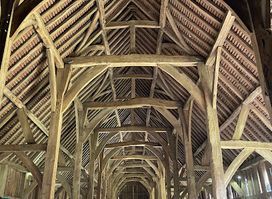
Adjacent to the moor lies the historic village of Harmondsworth, recorded in the Domesday Book and home to medieval landmarks like the Grade I listed Great Barn, known as the “Cathedral of Middlesex.” Within the park, several historical markers pay tribute to the past, including a memorial to a Royal Canadian Air Force bomber crash in 1948. Stones salvaged from the old Waterloo Bridge are scattered throughout the park, adding a tangible link to London’s heritage.Visitor Experience and Recreational Opportunities
Harmondsworth Moor offers a variety of walking and cycling paths, some designated bridleways, winding through its varied landscapes. The terrain is gentle but extensive, making it easy to spend hours exploring without feeling rushed. Benches are placed along well-maintained paths, inviting visitors to pause and absorb the tranquil surroundings. The proximity to Heathrow means occasional glimpses of aircraft overhead contrast with the natural serenity below.Accessibility and Amenities
The park is accessible year-round with free parking available at the southern end off Tramac Lane and Accommodation Lane. While there are no facilities within the moor itself, the nearby village of Harmondsworth offers amenities such as cafes and restrooms. The park’s open design and flat terrain make it suitable for a wide range of visitors, including families and dog walkers, though visitors are advised to bring their own supplies.Integration within the Colne Valley Regional Park
Harmondsworth Moor forms part of the larger Colne Valley Regional Park, a 43-square-mile expanse of green spaces and waterways stretching across west London and surrounding counties. This regional park is renowned for its biodiversity, cultural heritage, and recreational value, providing a vital countryside refuge close to urban areas. Harmondsworth Moor exemplifies the park’s mission to blend conservation with public enjoyment, offering a peaceful retreat that is both natural and historically rich.












Your all‑in‑one travel companion app
Explore expert travel guides, compare and book tours, experiences, hotels, and more—all from the palm of your hand. Download now for seamless trip planning wherever your wanderlust takes you.


Explore More of Middlesex

Looking beyond Harmondsworth Moor? Discover Middlesex for broader travel guides, local hot-spots, and regional highlights.
Explore Middlesex