King John's Palace Travel Guide
Free Guide: Step into medieval England at King John's Palace, a royal residence and charity school with centuries of history in Colnbrook.


A brief summary of King John's Palace
Step into medieval England at King John's Palace, a royal residence and charity school with centuries of history in Colnbrook.
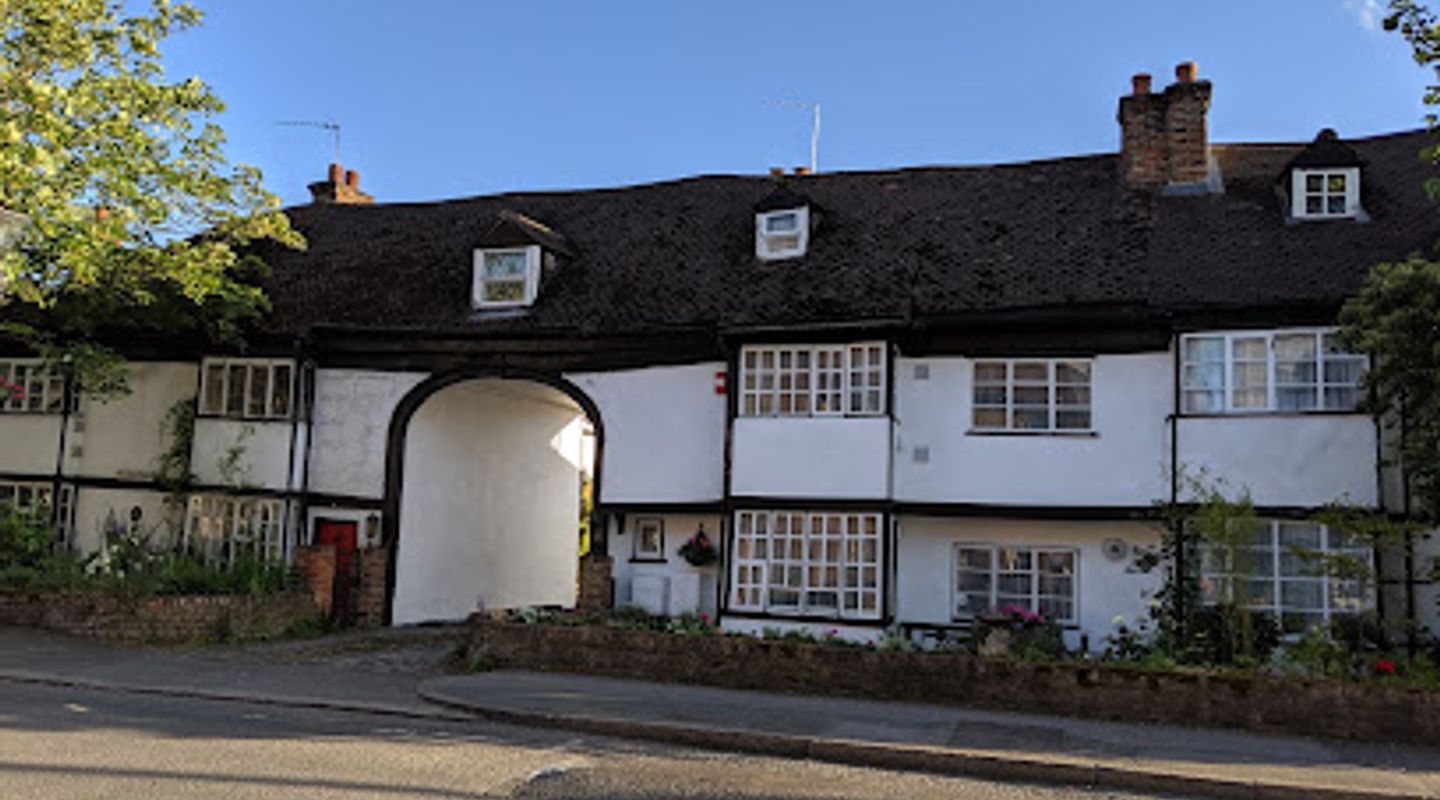
King John's Palace in Colnbrook, Slough, is a Grade II* listed historic building dating back to the 13th century. Once a royal residence linked to King John and visited by Queen Elizabeth I, it later served as a charity school. This medieval timber-framed structure offers a glimpse into England’s royal past and Tudor-era architecture, nestled in a quaint village setting.
On-site amenities
 Restrooms
 Drink options
 Food options
 Seating areas
 Trash bins
 Information boards
- Address
- Post Office, 5 Park St, Colnbrook, Slough SL3 0HS
Getting there
Train and Bus
Car
Taxi or Rideshare
Discover more about King John's Palace
Medieval Origins and Royal Connections
King John's Palace is a remarkable historic landmark in Colnbrook, with origins tracing back to the 13th century. The site is reputed to have been a royal residence, with King John himself believed to have stayed here. The earliest references to the King's Houses date to the reign of Henry II, suggesting the location’s long-standing royal significance. Later, Queen Elizabeth I is also said to have visited the site, adding to its rich royal heritage.
Architectural Significance and Preservation
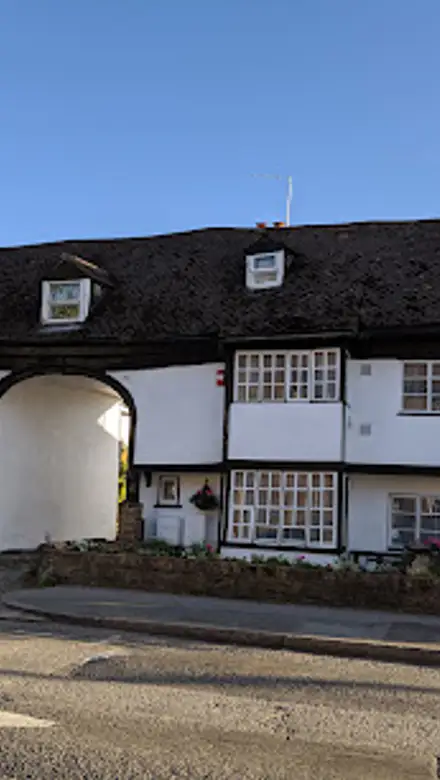
The building is a fine example of medieval timber-framed construction, predating Tudor times. Its Grade II* listing highlights its architectural and historic importance. The structure retains original features characteristic of the period, including exposed wooden beams and traditional thatching. Over centuries, it has been preserved carefully, maintaining its authentic medieval character amidst modern developments.
Role as a Charity School
In addition to its royal past, King John's Palace played an important educational role in the community. From the early 15th century, it housed a charity school providing education for local children, with provisions for eleven pupils. This use reflects the building’s adaptation over time from a royal residence to a community institution, illustrating the evolving social fabric of Colnbrook.
Setting and Surroundings
Situated on Park Street, Colnbrook, the palace sits in a quaint village environment near Slough. The surrounding area retains a peaceful, historic ambiance, with nearby traditional buildings such as the Star & Garter public house. This setting enhances the visitor experience, providing a tangible sense of England’s rural and royal past.
Continuing Legacy and Access
Today, King John's Palace remains a private residence yet stands as a significant piece of England’s medieval heritage. Its protected status ensures ongoing conservation. While not generally open to the public, its exterior can be appreciated by visitors interested in historic architecture and royal history, making it a valued landmark within the local community.
Historical Anecdotes and Cultural Importance
The palace’s association with monarchs like King John and Queen Elizabeth I lends it a storied aura, connecting it to pivotal moments in English history. Its use as a charity school also highlights the building’s role in social welfare during medieval times. These layers of history make King John's Palace a unique cultural asset, embodying centuries of royal, educational, and architectural heritage.
Evendo Review Centre
 Google
Guest reviews
Best time to go
Quietest: Jan, Feb & Dec · before 6am or at 9pm
Busy times are Evendo estimates for a typical year, to help you plan. Actual crowds vary with events, school holidays and the weather.
Explore King John's Palace on the map
A handpicked selection of must-see spots near King John's Palace, mapped for you.
Get your free copy of our complete guide to King John's Palace, delivered straight to you.
Everything on this page, from opening hours and how to get there to Eve’s tips and the best time to go, in one PDF you can read offline, print or share.
Already have an account? Sign in
Your King John's Palace guide is ready.
We'll send it to · Not you? Sign out

Getting your guide ready…
We are putting together a fresh copy of the King John's Palace guide. This can take up to a minute.
This can take a few moments. If your browser asks, choose Allow so the download can start. You'll find the guide in your Downloads folder.
Nothing happened? Download it again
Sorry, the guide is taking longer than usual. Please try again in a minute, or get it by email instead.
Other nearby places you may find interesting
The closest places of the same kind, if this one is not quite what you had in mind.
-
-
-
-
-


Swipe for more places
More to explore near King John's Palace

 Best experiences near King John's Palace
 Best hotels near King John's Palace
 Best landmarks near King John's Palace
 Best attractions near King John's Palace
 Best shops near King John's Palace
 Best restaurants near King John's Palace
 Best bars near King John's Palace
Do you manage this location?
Take control to get all the benefits, like improved information, better appearance, and stronger visibility across AI-powered discovery.
Explore more
Explore more of Surrey
Explore the picturesque landscapes, historic landmarks, and charming villages of Surrey, a quintessential English countryside retreat just a stone's throw from London.
Explore Surrey
Explore more of United Kingdom
Discover the United Kingdom: A blend of rich history, stunning landscapes, and vibrant cities, offering a unique travel experience for every visitor.
Explore United Kingdom