
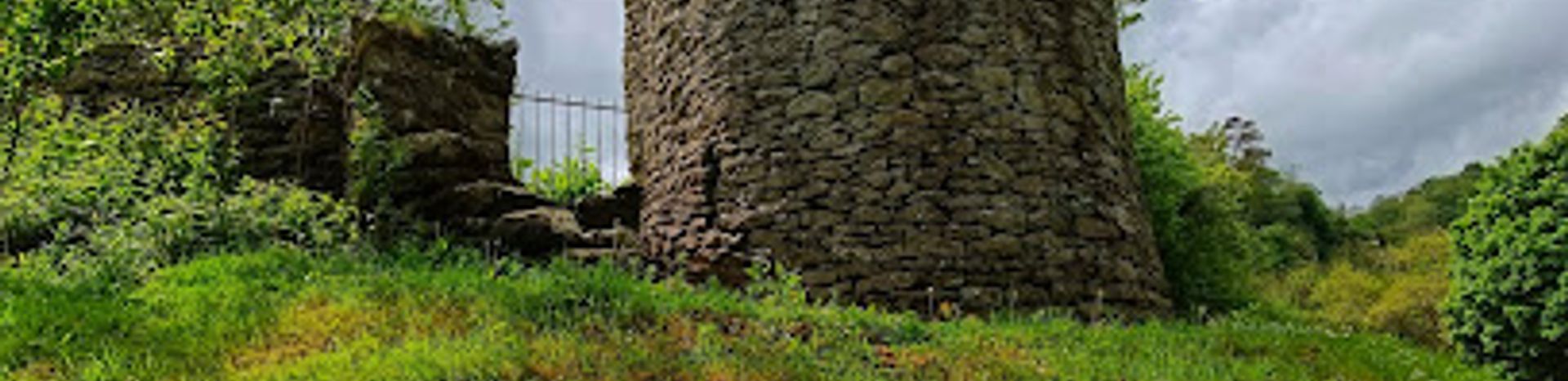
Montgomery Town Walls: Echoes of a Medieval Border Stronghold
Explore the medieval Montgomery Town Walls, a stone sentinel of Welsh-English border history and heritage.
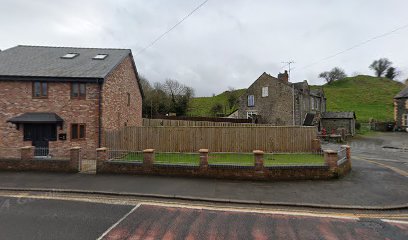
Montgomery Town Walls are the surviving medieval fortifications of the historic market town of Montgomery in Powys, Wales. Built in the early 13th century alongside Montgomery Castle, these stone walls and a reconstructed watchtower stand as enduring symbols of the town’s strategic importance on the Welsh-English border. Visitors can explore the walls, ditch, and tower near Arthurs Gate, experiencing a tangible connection to centuries of history, from Norman times through the English Civil War.
A brief summary to Montgomery Town Walls
- Arthurs Gate, Montgomery, SY15 6QU, GB
- Visit website
- Duration: 0.5 to 1.5 hours
- Free
-
 Outdoor
- Mobile reception: 4 out of 5
- Monday 12 am-12 am
- Tuesday 12 am-12 am
- Wednesday 12 am-12 am
- Thursday 12 am-12 am
- Friday 12 am-12 am
- Saturday 12 am-12 am
- Sunday 12 am-12 am
Local tips
- Visit the walls near Arthurs Gate to see the reconstructed watchtower and defensive ditch up close.
- Combine your visit with a tour of Montgomery Castle and the Old Bell Museum for a full historical experience.
- Wear comfortable shoes as some areas around the walls involve uneven terrain and gentle slopes.
- Look for heritage plaques around town that provide detailed historical context about the walls and the town’s medieval past.

For the on-the-go comforts that matter to you
- Restrooms
- Food Options
- Seating Areas
- Information Boards
Getting There
-
Bus
Take local bus services from Newtown or Welshpool to Montgomery town center, with a journey time of approximately 30 to 45 minutes. Services run several times daily but check schedules in advance; the town center is a short walk from the walls.
-
Car
Driving to Montgomery is straightforward via the A483. There are small public car parks near the town center within a 5-10 minute walk to the walls. Parking is limited on weekends and during events, so plan accordingly. No parking directly at the walls.
-
Walking
If staying in Montgomery, the town walls near Arthurs Gate are accessible by foot via gently sloping residential streets. The walk involves some uneven surfaces but is suitable for most visitors; allow 10-15 minutes from the town square.
Montgomery Town Walls location weather suitability
-
 Any Weather
-
 Rain / Wet Weather
-
 Clear Skies
-
 Mild Temperatures
-
 Windy Conditions
Discover more about Montgomery Town Walls
Medieval Origins and Strategic Significance
Montgomery Town Walls date back to the founding of the town in the 1220s, built soon after Montgomery Castle was established on a commanding rocky outcrop above the town. The walls, originally encompassing the settlement, were part of a defensive scheme authorized by a Royal Charter granted in 1227. This fortification was essential for protecting the town and its valuable market from Welsh raids and asserting English control over the volatile Welsh Marches. The town’s layout, including its walls, streets, and church, still reflects this medieval planning.Architectural Features and Reconstruction
While much of the original walls have been lost over time, a significant section near Arthurs Gate was excavated and sympathetically reconstructed in the 1990s. This includes about 20 meters of stone wall and a watchtower foundation, alongside the defensive ditch that once encircled the town. The surviving structures offer insight into medieval military architecture, showcasing the use of stone for durability and the strategic placement of towers for surveillance and defense.Historical Events and Legacy
The walls witnessed numerous historical episodes, including the Welsh uprising led by Owain Glyndŵr in 1402, during which the town was attacked and largely destroyed, though the castle held firm. The walls were never fully rebuilt after this event, leaving the ditch as a reminder of the original defenses. Later, during the English Civil War in the mid-17th century, Montgomery and its fortifications played a role in the conflict, with the castle surrendering to Parliamentary forces in 1644. The walls, symbolic of the town’s turbulent past, stand as a testament to these centuries of border strife.The Town’s Cultural and Architectural Context
Montgomery itself is a designated Conservation Area, with the medieval walls forming an integral part of its historic fabric. The town features a blend of Georgian, Victorian, and earlier timber-framed buildings, with the walls providing a striking contrast and connection to its medieval roots. Nearby, the Old Bell Museum and St Nicholas Church further enrich the visitor experience by showcasing local history and architecture.Visitor Experience and Surroundings
The walls are accessible near Arthurs Gate, where visitors can walk alongside the stonework and peer into the defensive ditch. The site offers a quiet, reflective atmosphere, enhanced by the surrounding residential area that nestles against the ancient fortifications. Interpretive plaques and nearby heritage trails help contextualize the walls within Montgomery’s broader history, making it a rewarding stop for history enthusiasts and casual visitors alike.Preservation and Significance Today
Montgomery Town Walls are protected as part of the town’s heritage, representing one of the best-preserved examples of medieval town defenses in Wales. Their survival allows a unique glimpse into the military, political, and social history of the Welsh Marches, illustrating the complex relationship between England and Wales during the Middle Ages. The walls continue to be a focal point for local identity and historical education.Iconic landmarks you can’t miss

Ffridd Faldwyn, Montgomery
1.1 km
Explore the vast Iron Age hillfort of Ffridd Faldwyn, commanding the Severn Valley with ancient earthworks and panoramic Welsh landscapes.

Radnorshire Wildlife Trust
39.5 km
Experience the breathtaking beauty of Wales at Radnorshire Wildlife Trust, a paradise for nature enthusiasts and wildlife lovers.
Wenlock Priory
40.1 km
Experience the rich history and serene beauty of Wenlock Priory, a remarkable heritage site in Much Wenlock that enchants every visitor.
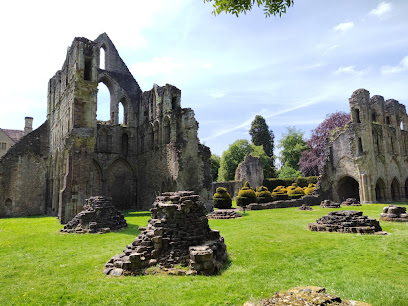
Monkey Puzzle Trees
40.4 km
Striking evergreen Monkey Puzzle Trees on historic Hergest Ridge, a peaceful highlight along Offa’s Dyke Path near Kington.
Chirk Aqueduct
40.7 km
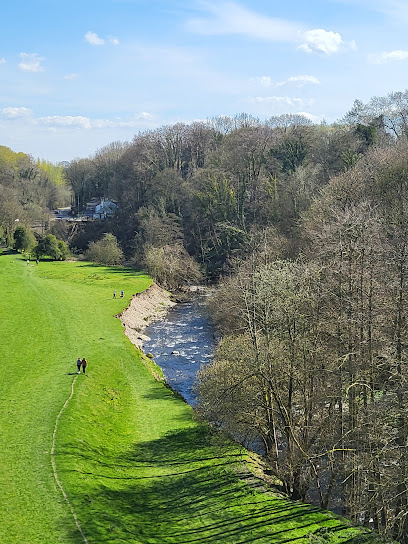
Experience the breathtaking beauty and engineering marvel of Chirk Aqueduct, a historical landmark bridging England and Wales amidst stunning landscapes.
National Trust - Chirk Castle
41.3 km
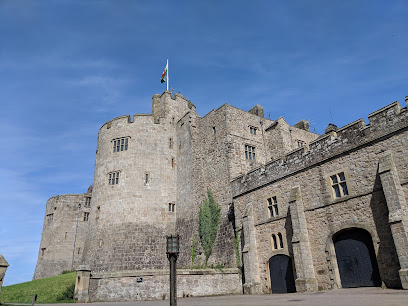
Explore the enchanting Chirk Castle, a historic gem in Wales, surrounded by beautiful gardens and rich heritage.
Buildwas Abbey
42.5 km
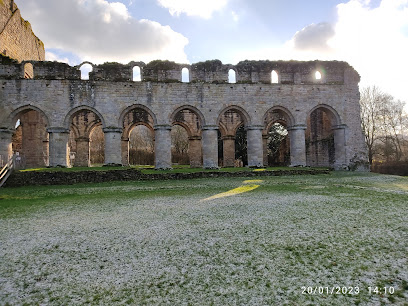
Visit Buildwas Abbey, a stunning historical landmark in Telford, where medieval architecture meets serene natural landscapes.
Moreton Corbet Castle
42.6 km
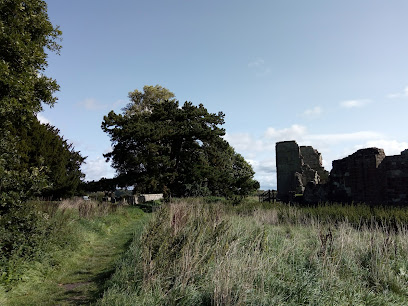
Medieval fortress meets Renaissance ambition in these free, atmospheric Shropshire ruins.
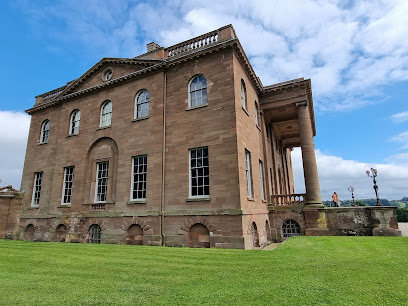
National Trust - Berrington Hall
43.9 km
Explore the timeless beauty of Berrington Hall, a Georgian manor house with stunning gardens, rich history, and captivating architecture in the heart of England.
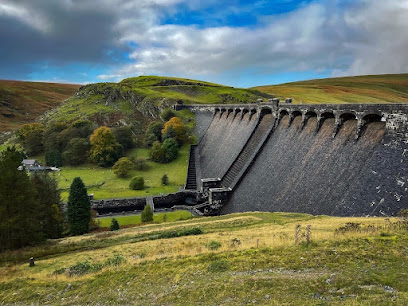
The Elan Valley
43.9 km
Explore the Elan Valley, a historic landmark in Wales, where natural beauty meets rich cultural heritage amidst stunning landscapes and outdoor adventures.
Colwyn Castle
44.5 km
Discover the enchanting Colwyn Castle in Llandrindod Wells, a historical marvel set against stunning Welsh landscapes, perfect for history and nature lovers.

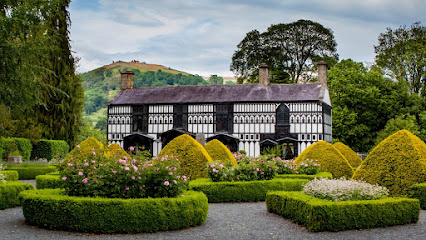
Plas Newydd Historic House & Gardens Llangollen
44.7 km
Discover the charm of Plas Newydd Historic House & Gardens in Llangollen, an enchanting blend of history, stunning gardens, and delightful café experiences.
Tŷ Mawr Country Park
44.8 km
Explore Tŷ Mawr Country Park, a tranquil escape in Wrexham, perfect for nature lovers and adventure seekers alike.
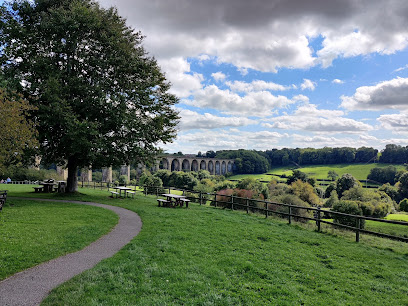
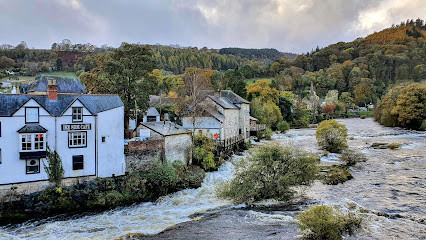
Llangollen Bridge
45.1 km
A medieval stone bridge spanning the River Dee, blending centuries of history with stunning river valley views in the heart of Llangollen.
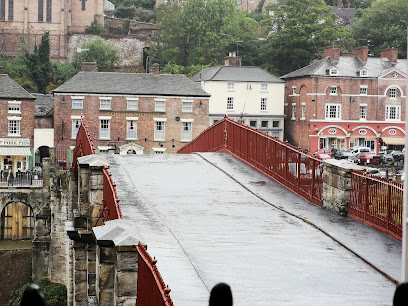
Iron Bridge Tollhouse
45.2 km
Walk the world's first cast-iron bridge, a 1779 engineering triumph and symbol of the Industrial Revolution.
Unmissable attractions to see

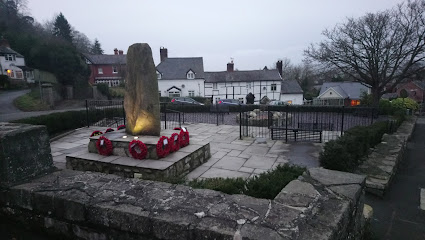
Montgomery War Memorial
0.3 km
Discover the Montgomery War Memorial, where history, sacrifice, and serene beauty converge in a tribute to those who served.
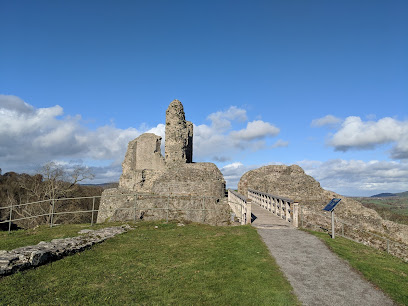
Montgomery Castle
0.3 km
Explore the evocative ruins of Montgomery Castle, a medieval stronghold with panoramic views and centuries of Welsh-English history.
The Old Bell Museum
0.5 km
Step into a 16th-century half-timbered building and explore Montgomery’s rich Welsh heritage through eleven immersive museum rooms.
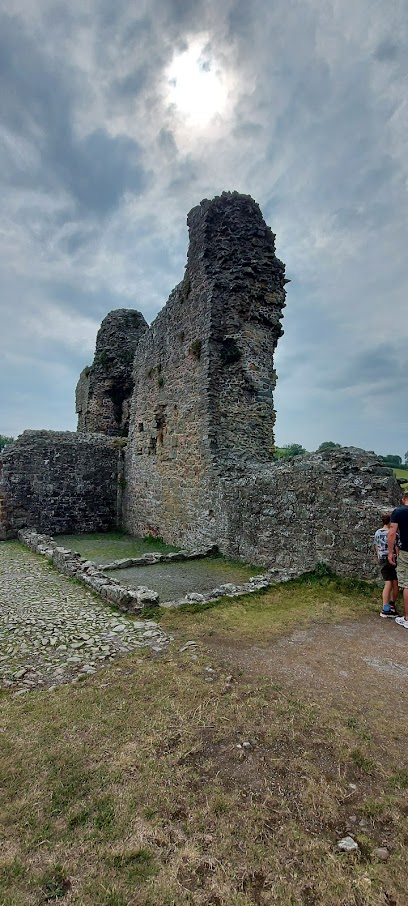
Montgomery Fish Bar
0.6 km
Savor fresh, classic British fish and chips in the heart of historic Montgomery, Wales, at this friendly and beloved local takeaway.
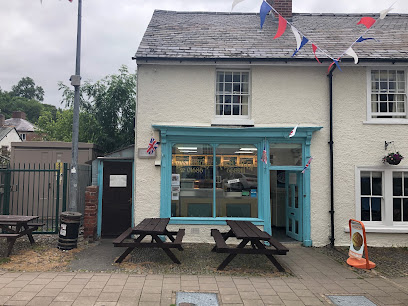
The Crown
0.6 km
Montgomery’s last traditional pub, The Crown offers real ales, a sunny beer garden, and a warm, no-frills village atmosphere.
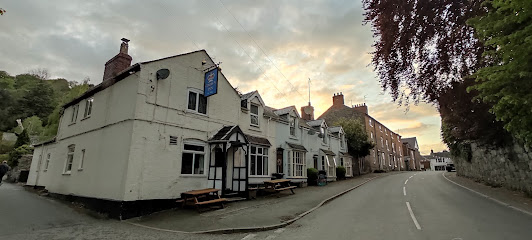
Ffridd Faldwyn Iron Age Hillfort
0.7 km
Explore Ffridd Faldwyn, a vast Iron Age hillfort in Powys, Wales, where ancient earthworks reveal millennia of prehistoric life atop a commanding hill.
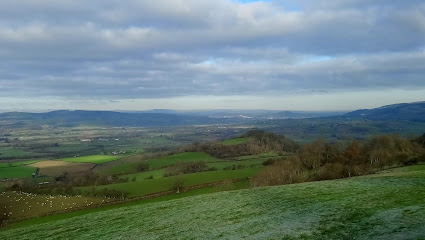
Hen Domen Mound & Bailey Castle
1.4 km
Explore the ancient timber motte and bailey castle mound that marked Norman power on the Welsh borderlands.
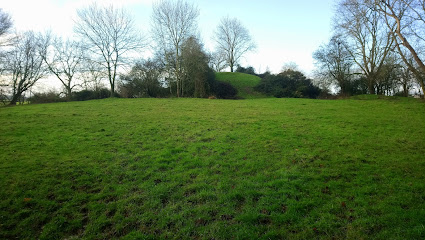
The Nags Head Inn
3.6 km
Historic Grade II listed inn offering five-star comfort, award-winning dining, and scenic Mid Wales charm in Garthmyl.
The Naissance Experience at Glansevern Hall Gardens
4.1 km
Explore over 25 acres of tranquil, naturalistic gardens and historic charm along the River Severn at The Naissance Experience, Glansevern Hall Gardens.
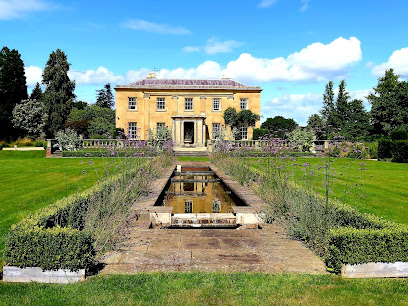
Andrew Logan Museum of Sculpture
5.2 km
A sparkling, interactive museum in Berriew showcasing the flamboyant sculptures and creative genius of Andrew Logan.
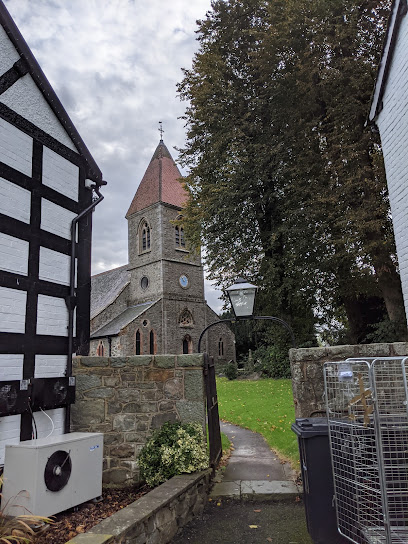
Red House Nature Reserve
5.3 km
A peaceful wildlife haven along the Montgomery Canal, perfect for nature lovers and birdwatchers year-round.
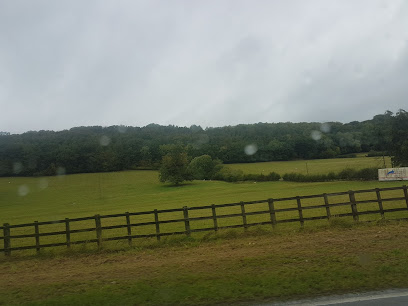
Roundton Hill National Nature Reserve
7.3 km
Explore ancient volcanic landscapes and rare habitats at Roundton Hill, a vibrant nature reserve rich in history, wildlife, and panoramic views.
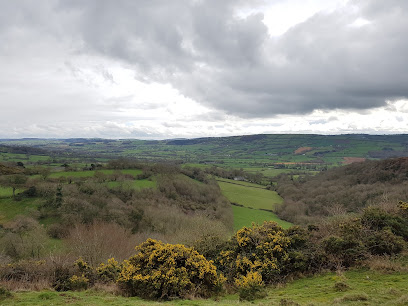
Castell Dolforwyn
7.4 km
Explore the evocative ruins of Castell Dolforwyn, a bold 13th-century Welsh castle perched above the Severn Valley, symbolizing native defiance and stunning views.
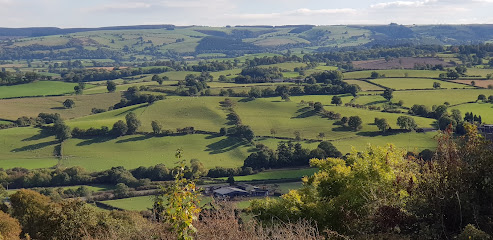
Llyn Coed y Dinas Nature Reserve
8.1 km
An accessible 8-hectare nature reserve near Welshpool offering rich birdlife, tranquil lakeside views, and family-friendly facilities.
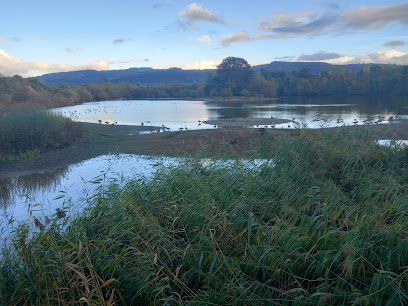
Charlies Stores Coed-Y-Dinas
8.6 km
A vast family-run garden centre and country store in Welshpool offering quality products, dining, and family-friendly amenities all under one roof.
Essential places to dine

The Checkers (restaurant)
0.6 km
A Michelin-starred restaurant in Montgomery blending local Welsh ingredients with refined modern cuisine in a cozy, historic setting.
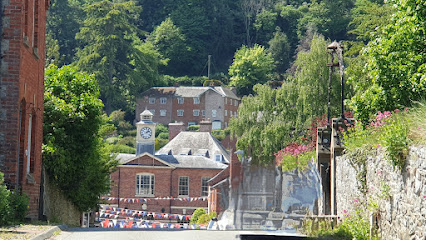
The Dragon Hotel
0.6 km
Historic charm meets local hospitality in Montgomery’s vibrant Market Square at The Dragon Hotel.
Upper Rectory Restaurant & Shepherds Hut Accommodation
5.2 km
A charming family-run restaurant in Berriew offering seasonal garden-to-table dining and unique shepherds hut accommodation in a historic Welsh countryside setting.
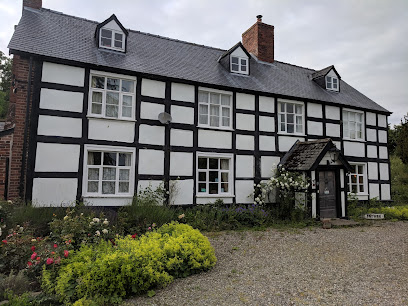
The Horseshoes Inn
5.8 km
Traditional Welsh pub in Berriew offering cozy dining, a beer garden, and holiday apartments in a charming rural setting.
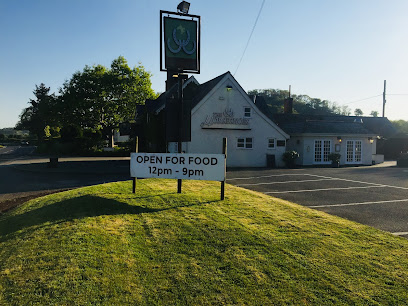
Mellington Hall Country House Hotel
6.1 km
Historic country house hotel offering cozy rooms, excellent food, and stunning rural views near Montgomery in the heart of Welsh countryside.
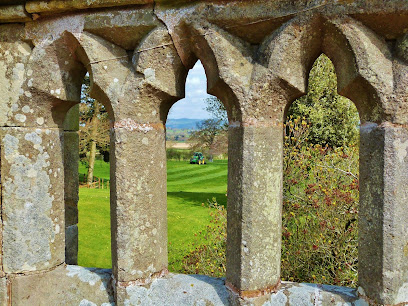
The Abermule Inn
6.6 km
A family-run village pub and restaurant along the River Severn, offering award-winning homemade dishes and a welcoming atmosphere in Mid Wales.
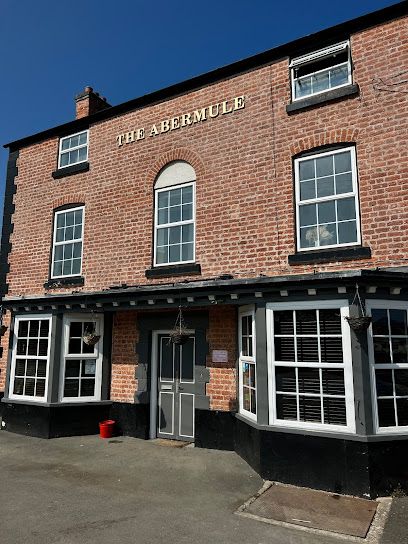
Corn Store
10.5 km
Welshpool’s beloved Cornstore offers world cuisine in a warm, inviting atmosphere with generous portions perfect for couples and families.
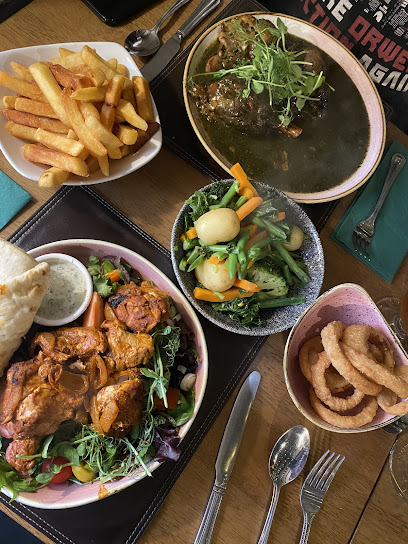
Waggon and Horses
12.1 km
A friendly Newtown pub with a cosy beer garden, diverse menu, and welcoming atmosphere for families, dog owners, and locals alike.

The Green Dragon Inn & Kitchen
12.1 km
A charming Welsh country pub and campsite blending rustic antiques, hearty food, and welcoming hospitality in tranquil Buttington.
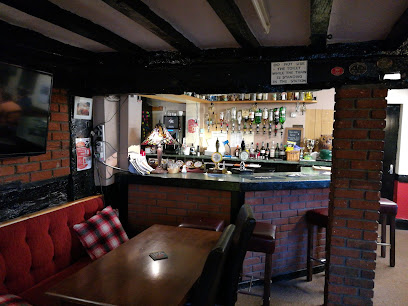
The Granary
12.6 km
Contemporary dining with local flavors and lively entertainment in the heart of Newtown, Powys.
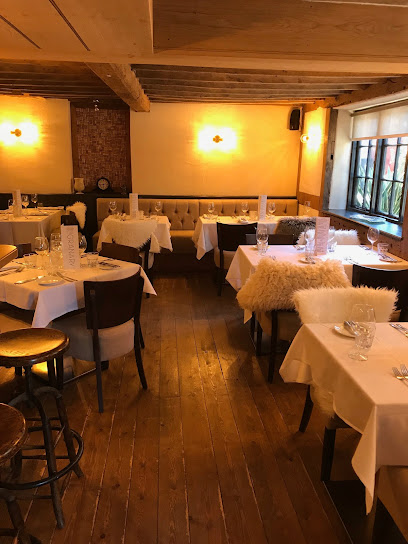
hummingbird lounge
12.7 km
Experience authentic Caribbean cuisine with vibrant flavors and welcoming vibes at Newtown’s beloved Hummingbird Lounge.
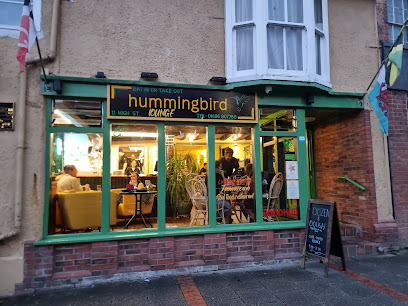
Fabrizio’s
14.3 km
Authentic Italian dining with warm hospitality in the tranquil Welsh village of Buttington near Welshpool.
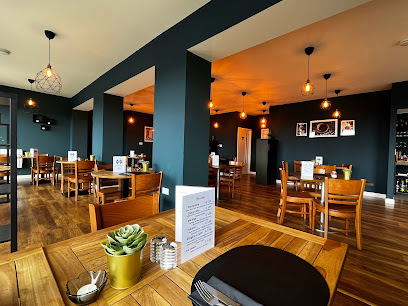
HOGS INN The Breidden
17.3 km
Cozy Welsh pub-restaurant offering hearty local fare, warm hospitality, and lively evenings in scenic Middletown near Welshpool.
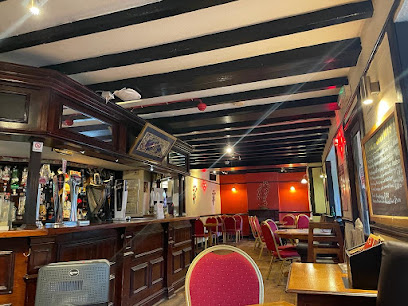
The Yockleton Arms
19.8 km
A cosy, welcoming English pub near Shrewsbury, famed for its delicious Sunday roasts and friendly community atmosphere.
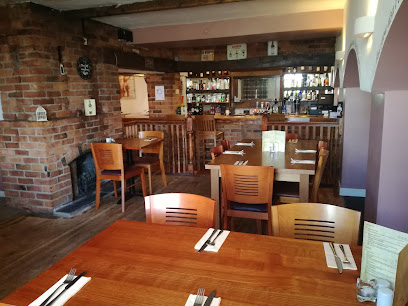
Jo’s at The Lion
21.6 km
A cozy café within the Lion Hotel serving delicious, accommodating meals in the heart of Llandinam, Wales.
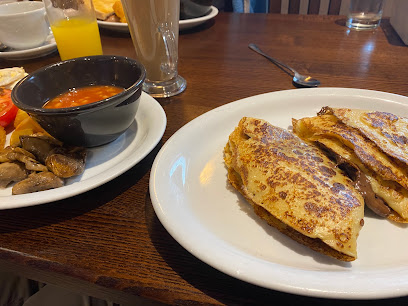
Markets, malls and hidden boutiques

Always & Forever Personalised Gifts
0.1 km
Crafting timeless personalized gifts in Montgomery that celebrate your most cherished moments with exquisite detail and heartfelt meaning.

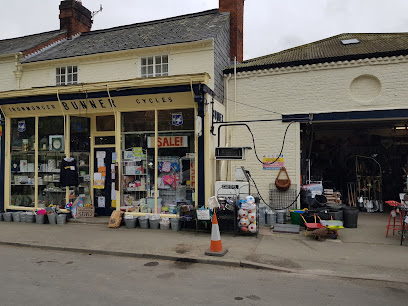
Bunners - R H Bunner & Son Ltd
0.5 km
Discover Bunners, Montgomery’s historic hardware emporium since 1892, offering an unmatched variety of tools, garden machinery, and more under one roof.
The Window Dressers
0.5 km
Bespoke curtain makers in historic Montgomery offering personalized window dressings that blend tradition with style and function.
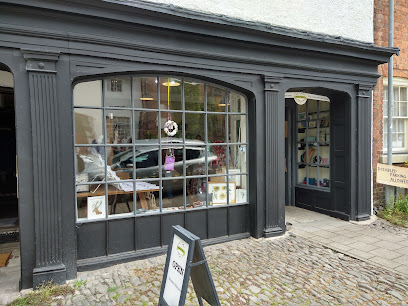
Made In Monty
0.5 km
Discover authentic Welsh crafts and unique gifts in the heart of historic Montgomery at Made In Monty.
P & S Gift Ideas
0.6 km
Explore P & S Gift Ideas, a charming gift shop in Montgomery offering unique souvenirs and local crafts that capture the essence of this beautiful town.
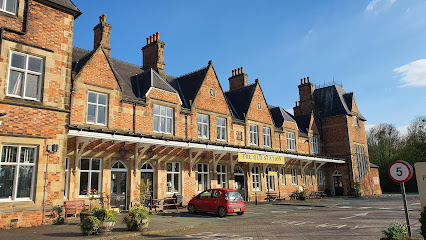
The Old Station
10.2 km
Historic charm meets cozy café and stylish shopping in Welshpool’s beloved Old Station on Severn Road.
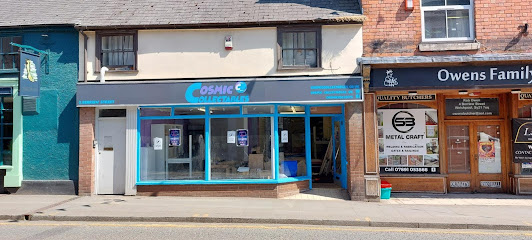
Cosmic Collectables
10.4 km
Discover rare collectible card games and accessories at Cosmic Collectables, Welshpool’s vibrant hub for gamers and collectors.
Gifts of Wales Ltd
10.5 km
Discover authentic Welsh gifts and handcrafted treasures at Gifts of Wales Ltd, a charming shop in the heart of Welshpool.
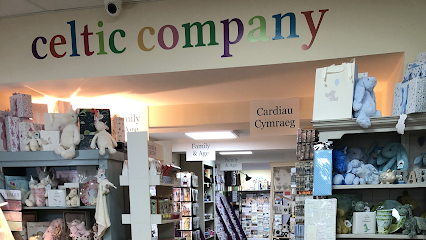
Celtic Company - Gift, Card & Jewellery Shop
10.5 km
Discover unique Welsh gifts, heartfelt cards, and artisan jewellery at The Celtic Company, Welshpool’s award-winning boutique since 1999.
The Owl & Broomstick
10.6 km
Discover whimsical handmade jewellery and unique gifts at The Owl & Broomstick, Welshpool’s quirky boutique in Puzzle Square.
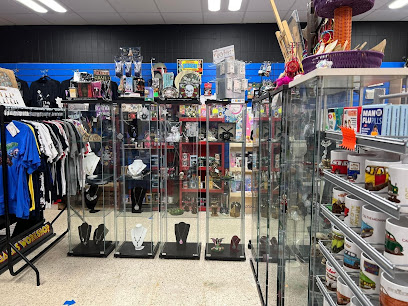
Charlies Stores
11.4 km
A comprehensive homewares and DIY store in Newtown offering tools, garden supplies, and workwear with friendly service and extended hours.

The little welsh gift shop
11.8 km
Discover personalized Welsh gifts and authentic engraved slate treasures in the heart of Mid Wales at The Little Welsh Gift Shop.

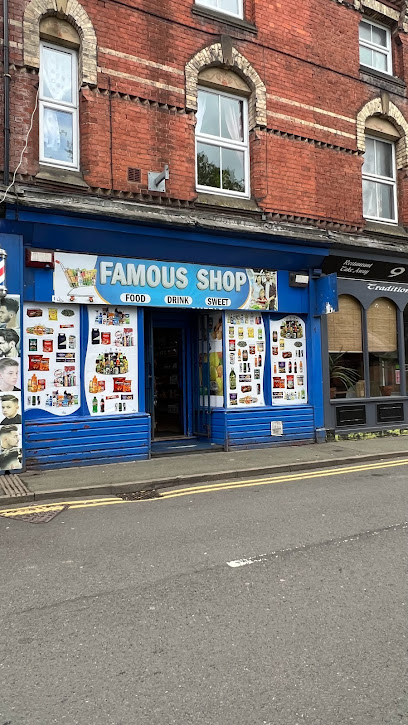
Famous Shop
12.6 km
Explore the charm of Newtown at Famous Shop, where local crafts and unique gifts await every visitor.
No1 High Street
12.7 km
Discover unique local treasures and handcrafted gifts in the heart of Newtown at No1 High Street, a charming and welcoming gift shop.

Empires & Eagles Vintage Collectables & Curiosities
12.8 km
Explore a treasure trove of antiques, unique collectibles, and vintage finds at Empires & Eagles in Bishops Castle, a must-visit for every treasure seeker.
Essential bars & hidden hideouts

The Upper House Inn
3.2 km
A welcoming rural pub in Llandyssil offering classic Welsh hospitality, great value drinks, and hearty local fare in a cozy countryside setting.
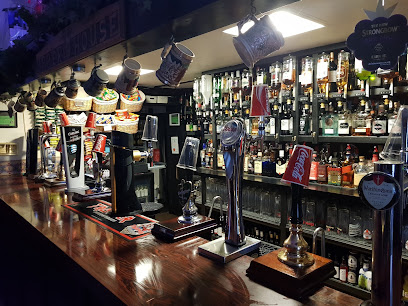
The Lion Hotel
5.3 km
Experience historic Welsh charm and warm hospitality in the heart of Berriew at The Lion Hotel, a cozy 400-year-old inn with modern comforts.
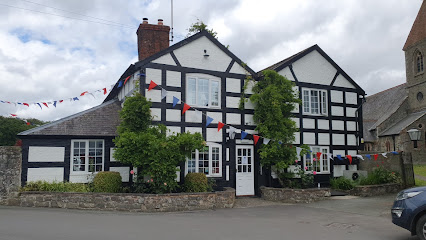
The Sarn
6.5 km
A renovated rural pub in Newtown offering hearty food, friendly service, and a cozy atmosphere with a charming beer garden.
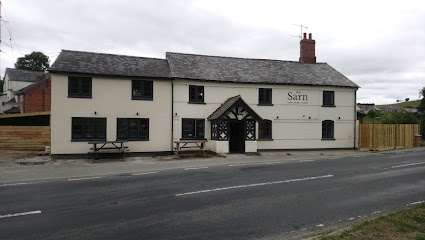
Miners Arms
7.0 km
Rustic country pub on the Welsh-Shropshire border offering authentic ales, hearty fare, and a warm, tranquil atmosphere in the Shropshire Hills.
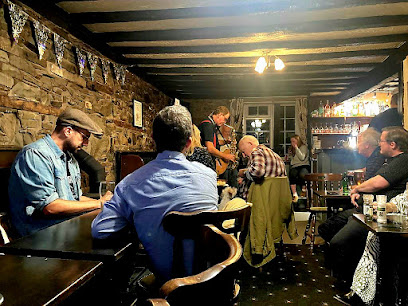
Bull & Heifer
10.2 km
Cozy country pub in Bettws Cedewain serving classic British dishes with warm hospitality and rustic charm.
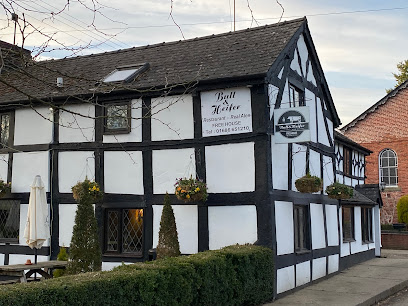
The Kerry Lamb
10.3 km
A cozy pub in Kerry, Powys, serving fresh homemade British classics with a warm, welcoming atmosphere and great value.
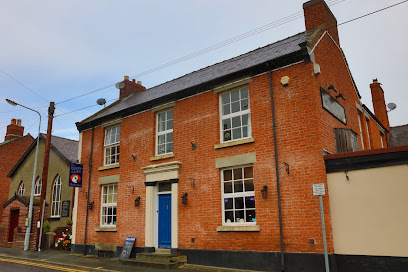
Raven Inn
10.5 km
Welshpool’s welcoming pub with quality food, a lively bar, and a friendly atmosphere in the heart of Raven Square.
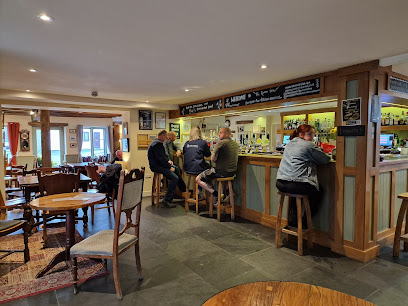
The Railway Tavern
12.5 km
A cozy, welcoming pub in Newtown with great ales, roaring fires, and a lively community spirit all year round.
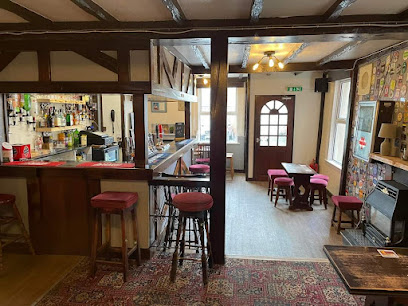
The Sportsman
12.6 km
A lively and welcoming Newtown pub serving quality drinks and hearty fare in a friendly, dog-friendly setting with a charming beer garden.
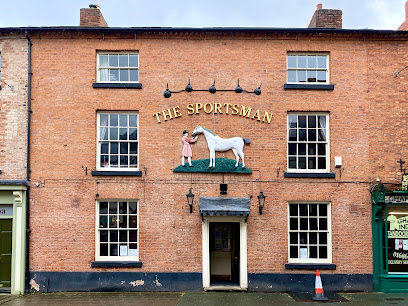
Buck Inn
12.8 km
Historic 17th-century pub in Newtown with lively karaoke, real ales, and a warm, inclusive atmosphere for all.
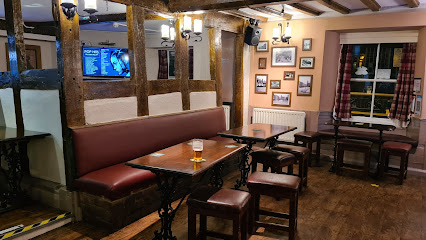
The Three Tuns Inn
12.8 km
Step into centuries of history at The Three Tuns Inn, Bishops Castle’s cozy pub offering local cuisine and exceptional ales in a warm, historic setting.
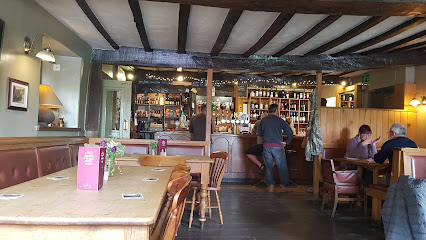
Gwernydd Arms
14.3 km
A welcoming traditional pub in New Mills, offering hearty meals, local ales, and a tranquil patio in the heart of Powys countryside.
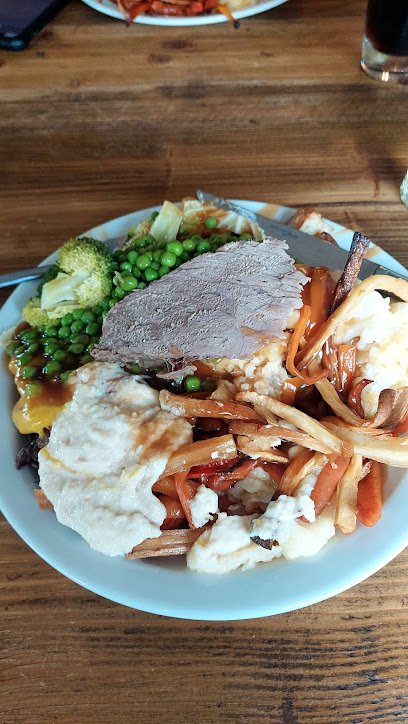
The Kings Head
14.6 km
A traditional Welsh pub in Guilsfield offering hearty meals, friendly service, and a welcoming atmosphere with indoor and outdoor seating.
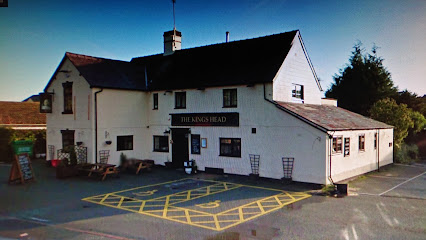
The Red Lion
15.1 km
A beloved traditional Welsh pub in Llanfair Caereinion, offering local ales, hearty meals, and a charming beer garden for a relaxed and authentic experience.
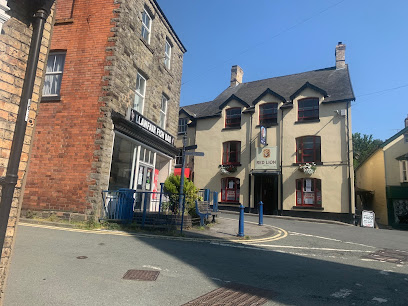
The Radnorshire Arms
17.5 km
Historic 17th-century Welsh pub offering hearty meals, local ales, and warm hospitality in the tranquil Teme Valley near Knighton.
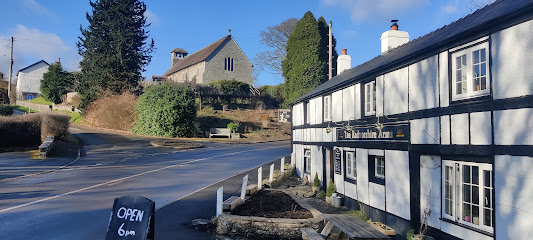
Nightclubs & after hour spots

The Monty Club
12.7 km
A welcoming social and sports club in Newtown with ample space for pool, snooker, darts, and vibrant community events.
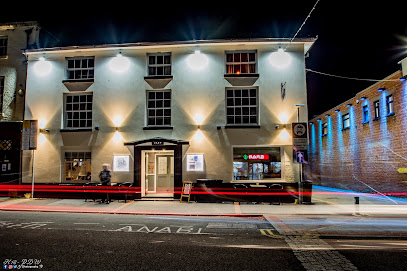
Caersws Village Club
19.8 km
A vibrant village club in Caersws offering lively events, warm community spirit, and a welcoming atmosphere in the heart of rural Wales.
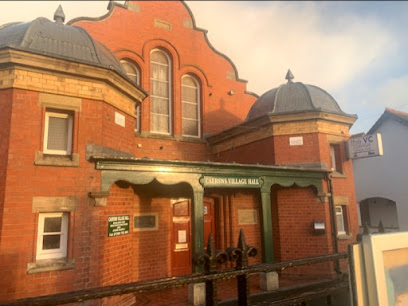
Basement Sessions
29.5 km
Dive into the lively nightlife of Llanidloes at Basement Sessions, where eclectic music and vibrant energy create memorable experiences.
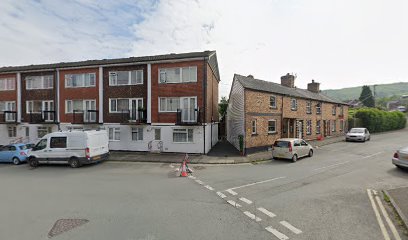
Boutique - Shrewsbury
30.8 km
A vibrant 90s-inspired nightclub in Shrewsbury offering lively nights, stylish booths, and a nostalgic yet modern clubbing experience.
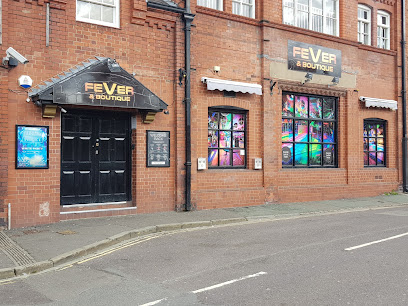
Havana Republic
31.4 km
Experience the vibrant Latin-inspired nightlife of Havana Republic, Shrewsbury’s hotspot for cocktails, music, and late-night fun.
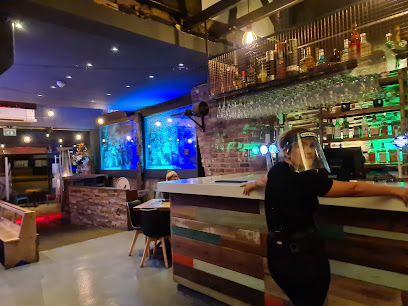
The Buttermarket
31.4 km
Shrewsbury’s iconic Grade II listed venue, The Buttermarket, offers vibrant live music, club nights, and diverse entertainment across three dynamic floors.
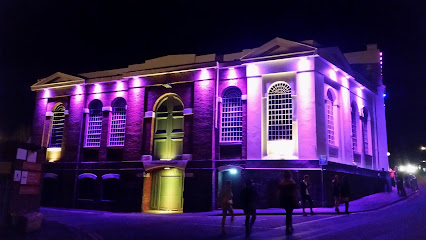
757 Night Club & Laluna events venue
45.1 km
A vibrant nightclub and events venue in Wellington, Telford, blending modern style with lively weekend entertainment.

We Love Oldskool Nights
47.8 km
Experience the vibrant energy of classic 90s and 2000s R’n’B and hip-hop at We Love Oldskool Nights, the ultimate dance club for nostalgic partygoers.

Jac’s Mansion
49.2 km
Experience welcoming, vibrant LGBTQ+ nightlife at Jac’s Mansion, Builth Wells’ iconic gay nightclub with a lively, inclusive atmosphere.
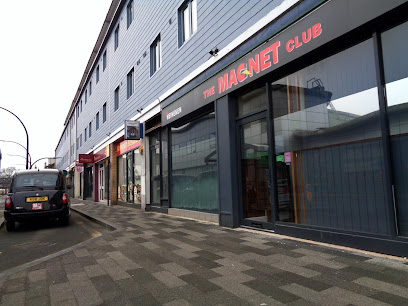
The Magnet Club
54.6 km
Wrexham’s independent venue since 1984, The Magnet Club blends live music, sports, and social games in a welcoming, refurbished space on King Street.
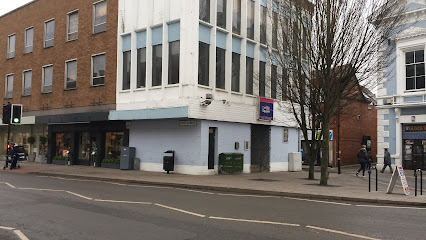
Mainstreet Nightclub
56.5 km
Experience Newport’s vibrant nightlife at Mainstreet Nightclub, where music, dancing, and a lively crowd create unforgettable late-night memories.
Dj Tony B Disco Karaoke & video Roadshow
60.9 km
Dive into a night of music and fun at Dj Tony B Disco Karaoke & Video Roadshow, where every guest gets to shine on stage!
Trilogy Hereford
63.7 km
Experience Hereford’s vibrant nightlife at Trilogy, a dynamic nightclub pulsing with music and energy until the early morning hours.

The Club Barmouth
63.9 km
Experience vibrant Saturday nights at The Club Barmouth, where stylish vibes meet lively music by the scenic Welsh coast.
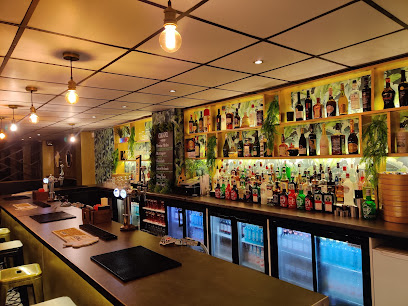
Yokoswnb
65.8 km
A vibrant, budget-friendly nightclub and bar in Aberystwyth, popular with students for its lively atmosphere and central location.

For the vibe & atmosphere seeker
- Tranquil
- Scenic
- Historic
- Unique
For the design and aesthetic lover
- Rustic Designs
- Vintage Styles
For the architecture buff
- Historic
- Landmarks
For the view chaser and sunset hunter
- Iconic Views
For the social media creator & influencer
- Instagrammable
- Photo Spots
For the eco-conscious traveler
- Public-Transport Accessible
- Locally Managed
For the kind of experience you’re after
- Cultural Heritage
- Photowalk
- Day Trip
- Weekend Getaway
For how adventurous you want the journey to be
- Easy Access
Location Audience
- Family Friendly
- Senior Friendly
- Child Friendly
- Solo Friendly
- Couple Friendly


