
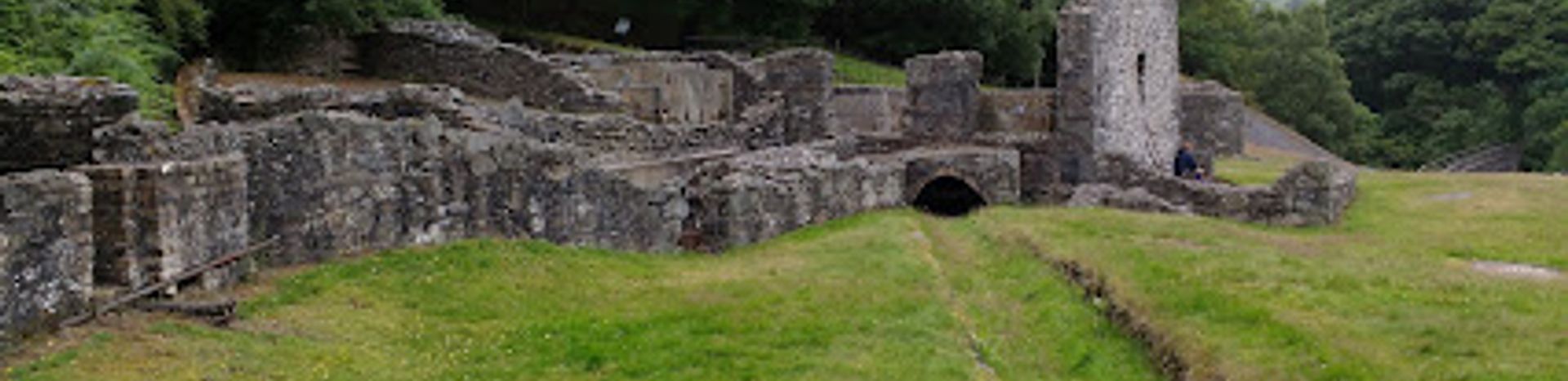
Bryntail Lead Mine Buildings
Industrial heritage preserved in a Welsh valley—where Victorian lead processing meets modern conservation.
Bryntail Lead Mine Buildings stand as a haunting reminder of Wales' industrial past, nestled at the foot of Llyn Clywedog Reservoir near Llanidloes. This 19th-century lead processing site features remarkably preserved structures including crushing houses, ore bins, roasting ovens, and a smithy. Once a bustling hub of extraction and processing, the mine closed in 1884 as the local mining boom ended. Today, visitors can explore the atmospheric remains via a scenic 10-minute downhill walk through woodland, discovering how lead was processed before being transported to the River Severn.
A brief summary to Bryntail Lead Mine Buildings
- Llanidloes, GB
- Duration: 1 to 2.5 hours
- Free
-
 Outdoor
- Mobile reception: 3 out of 5
Local tips
- Wear sturdy footwear with good grip; the stone steps and bridges become slippery when wet, and the terrain is uneven throughout the site.
- Allow extra time to read the informative plaques on each building—they provide essential context for understanding the industrial processes and site layout.
- Visit during daylight hours and check weather conditions before descending; the wooded path can be muddy and visibility is limited on overcast days.
- Bring a camera or sketch pad; the combination of industrial structures and reservoir views creates compelling compositions from multiple angles.
- Keep children under close supervision, particularly near the small brook on the far left of the site and around the exposed drops near wheel pits.

For the on-the-go comforts that matter to you
- Car park
- Information Boards
Getting There
-
Private Vehicle
Drive to the car park at the foot of Clywedog Dam, accessed via the B4518 road approximately 4.8 kilometres northwest of Llanidloes town centre. The journey from Llanidloes takes roughly 10–15 minutes depending on traffic. Parking is available at the site. From the car park, a 10-minute downhill walk through woodland leads to the mine buildings. The route is moderately sloped with stone steps and may be slippery in wet conditions.
-
Bicycle via National Cycle Network
Follow National Cycle Network Route No. 81, which passes near the site. The route covers approximately 5.7 kilometres from Llanidloes to the Clywedog Dam area. Travel time is typically 20–30 minutes depending on fitness and terrain. The final approach to the car park involves a short section on or near the B4518; exercise caution on this busier road section. Secure your bicycle at the car park before descending to the mine buildings.
-
Public Transport and Walking
Contact Traveline Cymru (0800 464 0000) for current bus services connecting Llanidloes to the Clywedog Dam area. Services are limited and may require advance planning. Journey time from Llanidloes town centre is approximately 20–40 minutes depending on the route and service frequency. Once at the dam, follow the same 10-minute downhill woodland walk to reach the mine buildings. This option is weather-dependent and less flexible than private transport.
-
Guided Tour or Heritage Visit
Local heritage organisations and visitor centres in Llanidloes occasionally arrange guided visits to Bryntail. Contact the Llanidloes visitor information centre or check with local tourism websites for scheduled group tours, which typically include transport from town and expert interpretation of the industrial site. Tours usually run during daylight hours and may be seasonal.
Bryntail Lead Mine Buildings location weather suitability
-
 Clear Skies
-
 Mild Temperatures
Discover more about Bryntail Lead Mine Buildings
A Landscape Transformed by Industry
Bryntail Lead Mine Buildings occupy a striking location at the southern end of Llyn Clywedog Reservoir, where the tranquil waters now mask a history of intense industrial activity. During the 19th century, this peaceful valley was transformed into a noisy, smoke-filled processing centre where lead ore was extracted, crushed, roasted, and prepared for shipment. The contrast between the serene landscape visible today and the bustling operations of two centuries ago creates a powerful sense of historical perspective. The site's development reflects the broader story of Welsh mining heritage. Lead extraction in this region reached its peak during the 1800s, when demand for the metal drove intensive operations across Radnorshire. Bryntail became one of the significant processing facilities, employing numerous workers and contributing substantially to the local economy. The construction of Llyn Clywedog Reservoir in the 1960s submerged earlier mining workings, leaving only these 19th-century remains visible today.Structures That Tell a Story
The surviving buildings at Bryntail represent different stages of the lead-processing operation, each with a distinct purpose. Crushing houses reduced raw ore to manageable sizes, while roasting ovens heated the crushed material to extract lead more efficiently. Ore bins stored processed material between stages, and the smithy provided essential metalworking services for maintaining equipment. The mine manager's office, positioned to oversee operations, stands as a reminder of the administrative hierarchy that governed the site. Each structure is marked with informative plaques explaining its historical function, allowing visitors to reconstruct the workflow and understand how the site operated. The architectural remains showcase 19th-century industrial engineering, with stone construction designed to withstand the harsh demands of mining operations. The site's layout, spread across different levels on the valley slope, reflects the natural topography and the practical requirements of processing operations. Small stone slab bridges and steps connect different sections, creating a physical journey through the industrial landscape.The Closure and Legacy
Bryntail's operational life ended in 1884 when the local mining boom collapsed. Economic pressures, declining ore quality, and competition from other regions made continued extraction unprofitable. The sudden cessation of activity left the buildings standing, gradually weathering but remarkably preserved by the dry Welsh climate and the protective valley location. Rather than being demolished or repurposed, the structures remained largely untouched, creating an exceptional time capsule of Victorian industrial practice. Today, Bryntail is managed as a scheduled ancient monument, with careful conservation ensuring that future generations can experience this remarkable heritage site. The preservation of the buildings, combined with interpretive signage and information boards, transforms the location into an open-air museum where industrial archaeology comes alive.Visiting the Remains
Access to Bryntail involves a 10-minute downhill walk from the car park, descending through woodland that provides shelter and shade. The route is undercover of trees, creating an atmospheric approach that gradually reveals the industrial structures. The terrain is moderate, with stone steps and small bridges requiring reasonable fitness and careful footing, particularly in wet conditions. The path is protected from the Clywedog River and dam by fencing, and guardrails mark potentially hazardous areas around wheel pits and exposed drops. The site's diverse layout, with buildings positioned at different elevations, offers multiple perspectives and encourages thorough exploration. Visitors can move between structures, examining architectural details and reading the historical plaques that explain each building's role. The combination of industrial heritage and natural landscape creates a contemplative atmosphere, where the sounds of the reservoir and woodland provide a stark contrast to the imagined noise of the 19th-century operations.Iconic landmarks you can’t miss

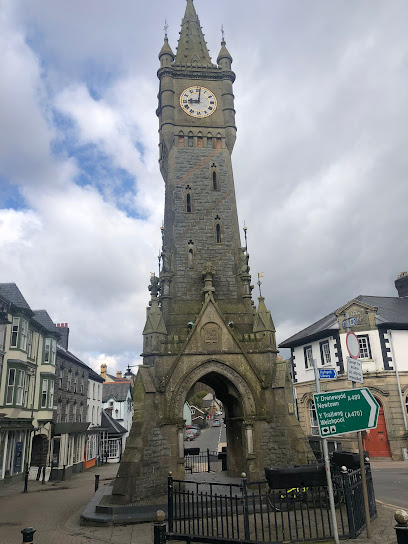
Machynlleth Town Clock
21.8 km
Historic Machynlleth Town Clock, a Victorian landmark symbolizing community pride and Welsh heritage in the heart of Penrallt Street.
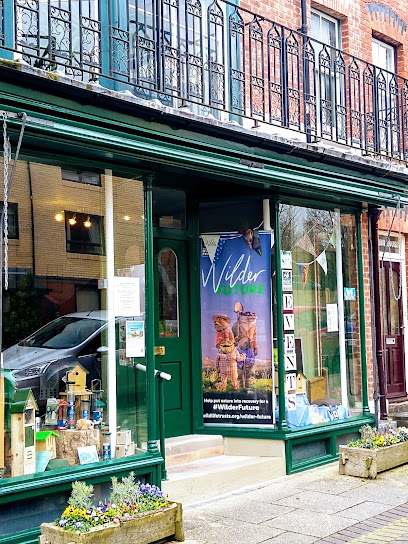
Radnorshire Wildlife Trust
29.4 km
Experience the breathtaking beauty of Wales at Radnorshire Wildlife Trust, a paradise for nature enthusiasts and wildlife lovers.
Brynellen
31.3 km
Explore Bryn Celli Ddu, a 5,000-year-old Neolithic passage tomb on Anglesey, famed for its ancient burial chamber and summer solstice alignment.
Cerig y Penrhyn
31.3 km
Explore the enchanting Cerig y Penrhyn, a historical landmark in Wales that showcases the region's rich cultural heritage and stunning natural beauty.

Ffridd Faldwyn, Montgomery
31.5 km
Explore the vast Iron Age hillfort of Ffridd Faldwyn, commanding the Severn Valley with ancient earthworks and panoramic Welsh landscapes.

Nwy Prydain Beacon
33.0 km
Historic beacon atop Constitution Hill offering panoramic coastal views and a glimpse into Aberystwyth’s industrial heritage.
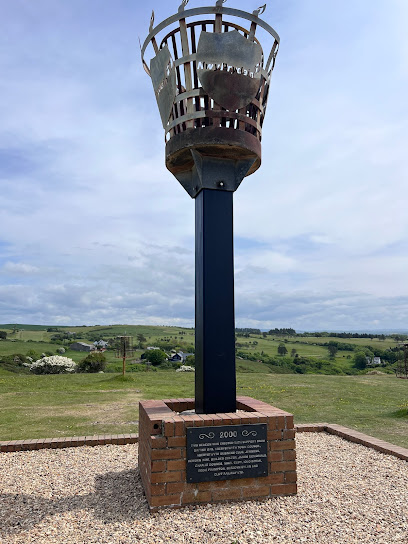
Castle Hotel
33.6 km
Historic charm and cozy comfort converge at Aberystwyth’s Castle Hotel, a welcoming coastal retreat with unique drinks and friendly hospitality.
Talyllyn Railway - Tywyn Wharf Railway Station
35.4 km
Experience the historic Talyllyn Railway in Tywyn, where scenic train journeys and rich heritage create unforgettable moments in stunning Welsh landscapes.
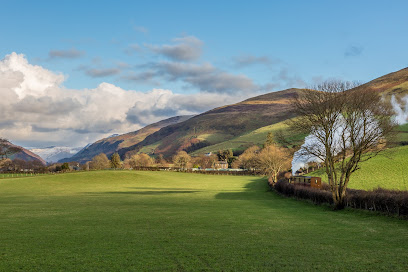
National Trust - Powis Castle and Garden
35.9 km
Explore the rich history and breathtaking gardens of Powis Castle, a majestic National Trust property in the heart of Wales.
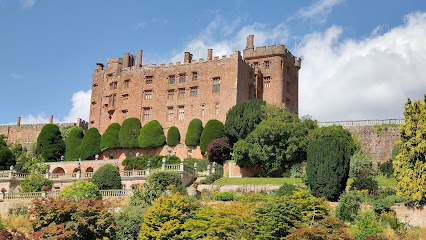
Radnor Forest
36.1 km
Experience the stunning landscapes and tranquility of Radnor Forest, a perfect destination for hiking and nature lovers in the heart of Mid-Wales.
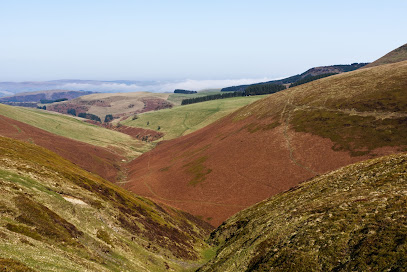
Fforest Glud / Radnor Forest
36.1 km
Explore the serene beauty of Fforest Glud and Radnor Forest, a natural haven in Wales perfect for hiking, wildlife watching, and peaceful retreats.
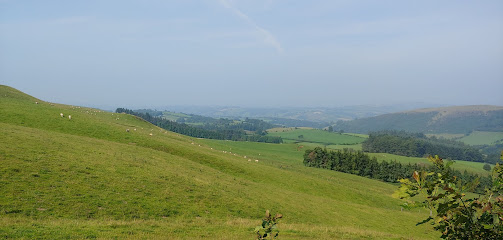
Llywelyn Monument
36.5 km
A solemn granite monument at Cilmeri honors Llywelyn the Last, marking the site where Wales’ final native prince fell in battle, symbolizing a pivotal moment in Welsh history.
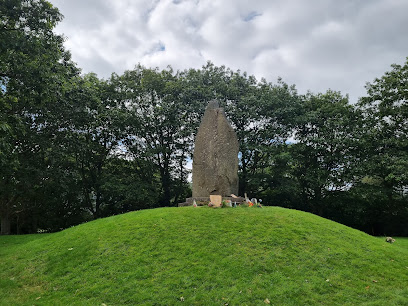
Welshpool Cockpit
37.2 km
Discover Welshpool Cockpit, an 18th-century octagonal historic landmark blending unique architecture with vibrant community heritage in the heart of Welshpool.
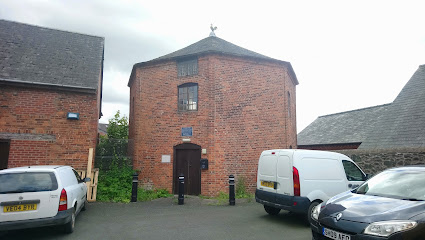
Cymer Abbey
37.9 km
Explore the enchanting ruins of Cymer Abbey, a historic site nestled in the heart of Snowdonia National Park, perfect for history lovers and nature enthusiasts.
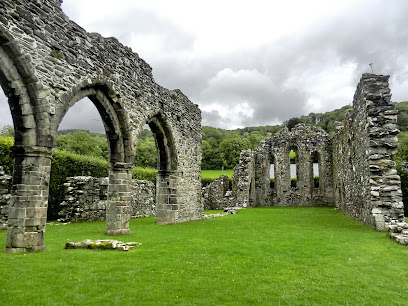
Water Break-Its-Neck
38.0 km
Explore the enchanting Water Break-Its-Neck, a stunning waterfall in Radnor Forest, perfect for hiking, photography, and nature appreciation.
Unmissable attractions to see

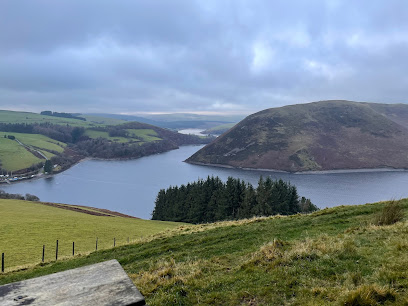
Llyn Clywedog Dam
0.2 km
A towering concrete dam in the Cambrian Mountains, holding back a vast reservoir and offering dramatic views, walking trails, and a peaceful escape into Mid Wales.
River Severn
4.6 km
Discover the serene origins of Britain’s longest river at Llanidloes, where the River Severn begins its majestic journey through Welsh landscapes.
The Store Cupboard
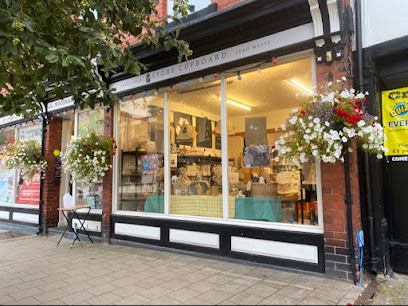
4.6 km
Discover fresh, local organic produce and specialty health foods in the heart of Llanidloes at The Store Cupboard.
Ffrwd Fawr Waterfall
8.2 km
Discover the serene beauty of Ffrwd Fawr Waterfall, a 40-meter cascade nestled in Wales’ lush Pennant Valley.
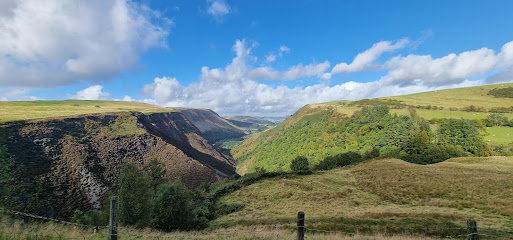
Glaslyn Nature Reserve
11.3 km
Experience the wild beauty and tranquil upland vistas of Glaslyn, the Cambrian Mountains’ largest nature reserve and a haven for heather moorland and rare wildlife.
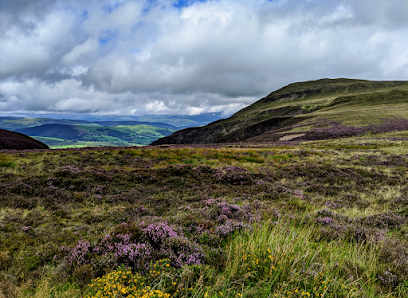
Gilfach Nature Reserve
16.0 km
A rewilded Welsh hill farm where nature has reclaimed the landscape, offering exceptional wildlife viewing and accessible trails through the Cambrian Mountains.
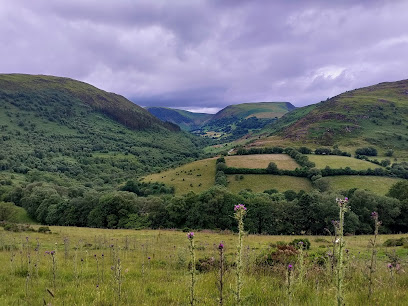
Silver Mountain Experience
19.0 km
Explore 250 years of Welsh mining history and myth in a thrilling underground adventure set in the stunning Cambrian Mountains.
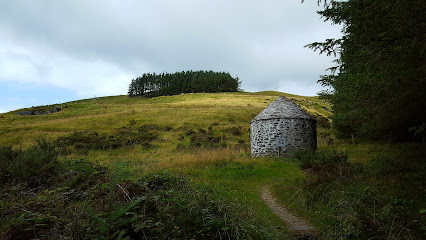
TimeScape Rhayader
19.6 km
Explore Rhayader’s rich heritage and vibrant local creativity at TimeScape Rhayader, a welcoming cultural hub in the heart of town.
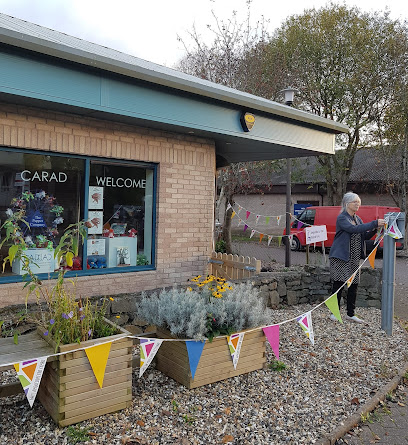
Hafod Estate
19.6 km
A 200-hectare picturesque estate with hidden waterfalls, ancient woodlands, and nine miles of restored historic trails.
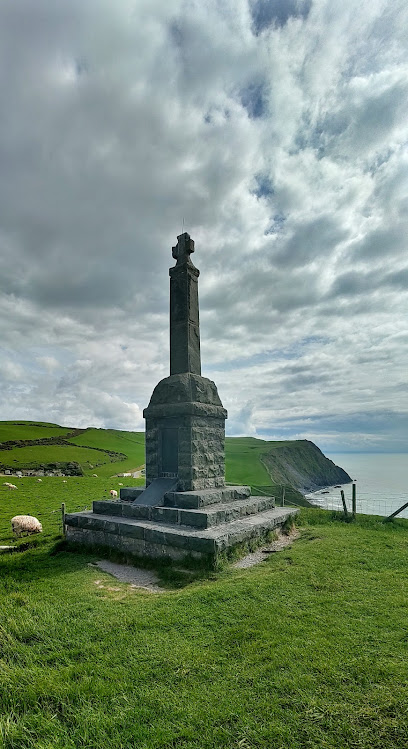
Devil's Bridge Waterfalls
19.7 km
Experience the awe-inspiring triple bridges and cascading 300-foot waterfalls deep in Wales’ enchanting Cambrian Mountains.
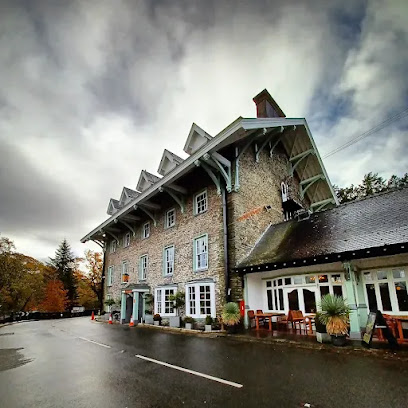
Falconry Experience Wales (Strictly by Appointment only)
19.8 km
Experience the thrill of flying hawks and falcons in the serene Welsh countryside at this exclusive, appointment-only falconry centre.
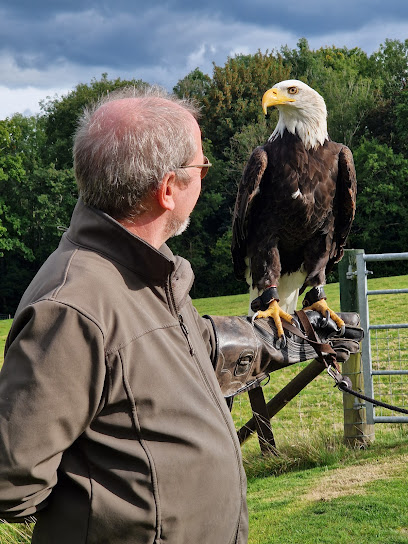
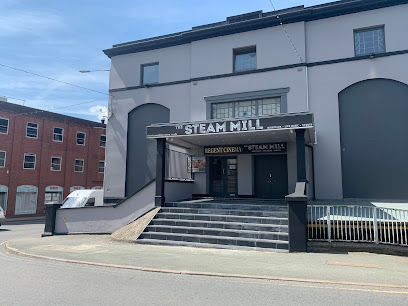
The Steam Mill
19.9 km
Experience Newtown’s vibrant nightlife at The Steam Mill, the town’s lively nightclub and social hotspot in the heart of Broad Street.
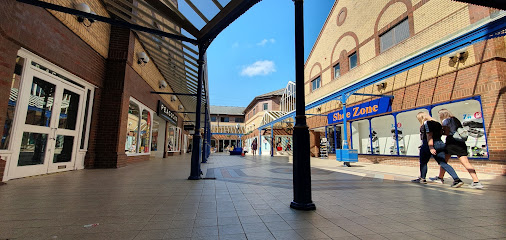
Bear Lanes
20.0 km
A practical town-centre shopping hub in Newtown, Powys, with a mix of national chains and local shops for everyday needs and gifts.
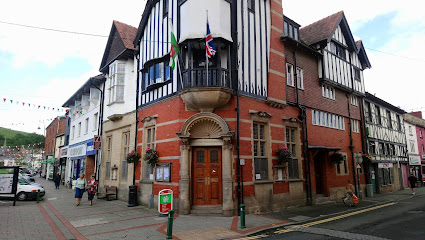
The Robert Owen Museum
20.0 km
Explore the birthplace and legacy of Robert Owen, a pioneer of social reform and the cooperative movement, in Newtown’s historic timber-framed museum.
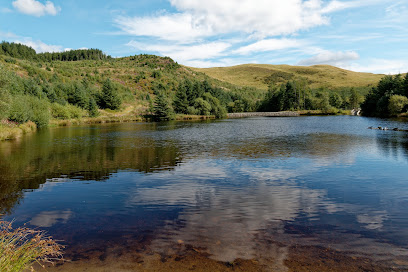
Bwlch Nant yr Arian Forest Visitor Centre
20.2 km
A hilltop forest retreat near Aberystwyth with stunning views, waymarked trails, and daily red kite feeding.
Essential places to dine

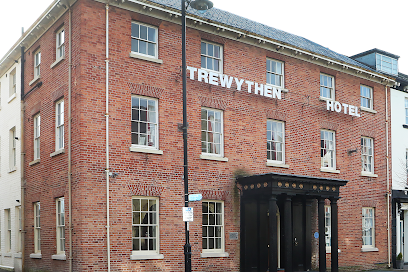
The Trewythen
4.7 km
Elegant Georgian charm meets modern comfort and fine dining in the heart of Llanidloes, mid-Wales.
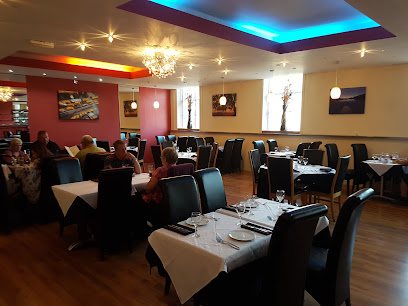
The Raj Mahal
4.7 km
Savor authentic Indian cuisine with generous portions and warm hospitality in the heart of Llanidloes.
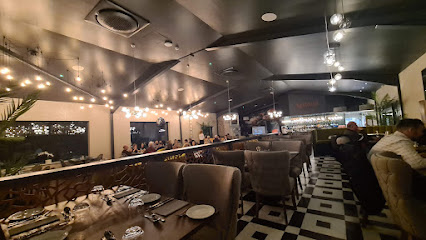
Arthurs Restaurant & Bar
7.9 km
A welcoming Welsh countryside restaurant serving fresh local dishes with cozy indoor charm and unique outdoor dining pods.
The Aleppo Merchant Inn Ltd
10.8 km
A warm, family-run pub and inn in Carno offering hearty local fare, cozy rooms, and a lively Welsh village atmosphere.
Jo’s at The Lion
11.2 km
A cozy café within the Lion Hotel serving delicious, accommodating meals in the heart of Llandinam, Wales.
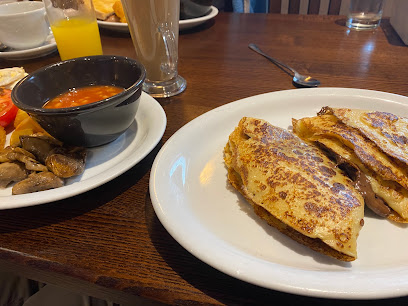
Mid Wales Inn & Restaurant
14.0 km
A cozy traditional inn and pub in Pant-y-dwr offering hearty food, comfortable rooms, and warm Welsh hospitality near Rhayader.
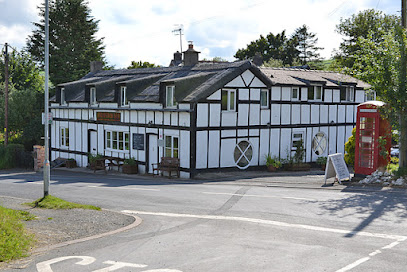
Lamb & Flag Inn
19.6 km
Experience authentic British cuisine at Lamb & Flag Inn in Rhayader – a perfect blend of tradition and hospitality awaits you.
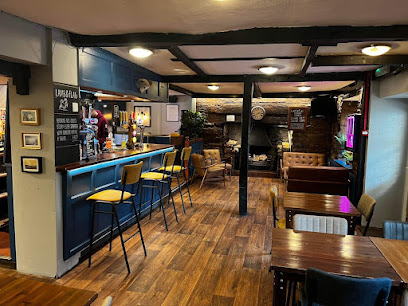
The Crown Inn
19.7 km
Traditional Welsh pub and inn in Rhayader offering cozy rooms, hearty local food, and a friendly atmosphere near the scenic Elan Valley.
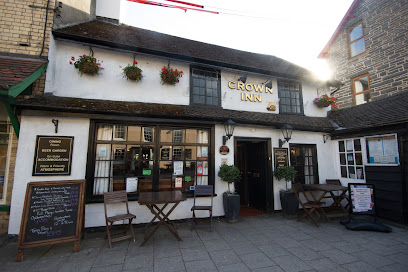
The Lost ARC
19.7 km
A warm, creative café in Rhayader’s old Drill Hall, serving excellent coffee, generous homemade food and a strong line in vegan and gluten-free treats.
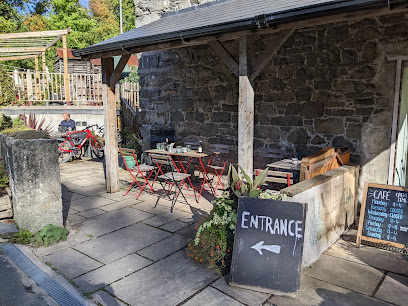
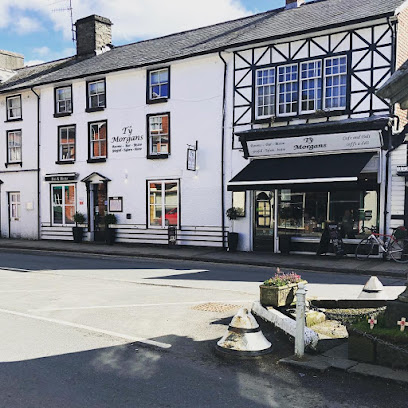
Ty Morgans
19.7 km
A warm and inviting guesthouse and restaurant in Rhayader, offering fresh local fare, excellent coffee, and cozy accommodations in the heart of Wales.
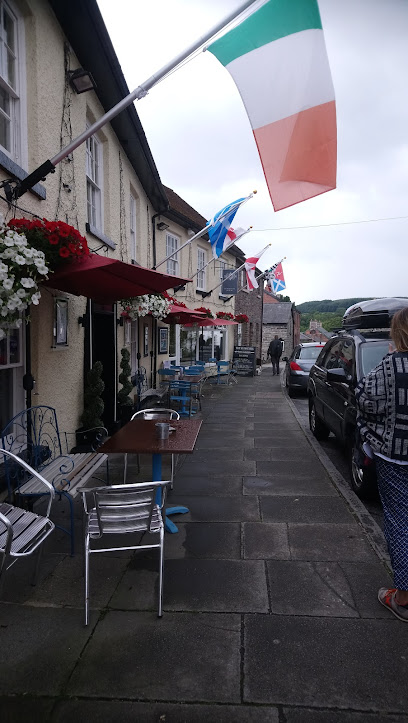
Brasserie at the Elan
19.7 km
Cozy brasserie serving home-cooked, locally sourced Welsh dishes in the heart of Rhayader’s historic Elan Hotel.
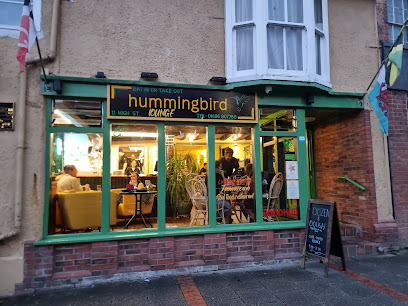
hummingbird lounge
20.0 km
Experience authentic Caribbean cuisine with vibrant flavors and welcoming vibes at Newtown’s beloved Hummingbird Lounge.
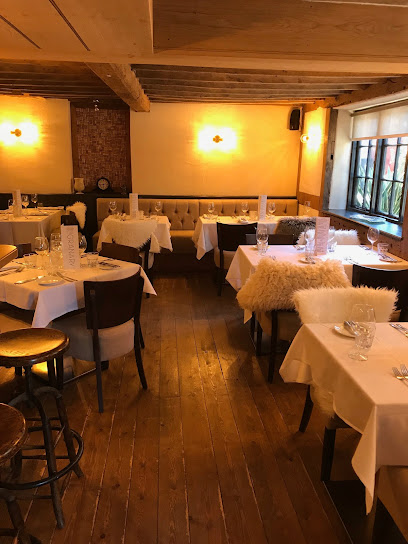
The Granary
20.1 km
Contemporary dining with local flavors and lively entertainment in the heart of Newtown, Powys.
Waggon and Horses
20.6 km
A friendly Newtown pub with a cosy beer garden, diverse menu, and welcoming atmosphere for families, dog owners, and locals alike.
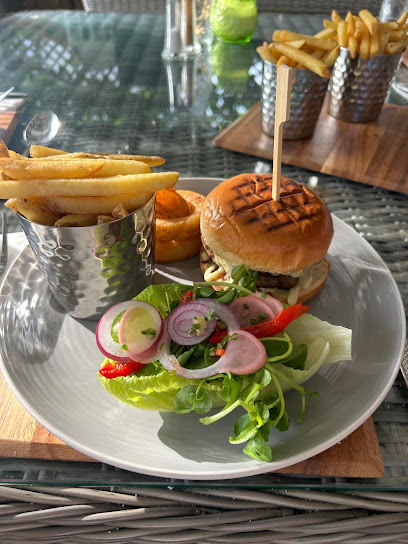
Gwen Restaurant and Wine Bar
21.8 km
An intimate 8-seat fine dining experience in Machynlleth, blending bold flavors and local ingredients with expert wine pairings.
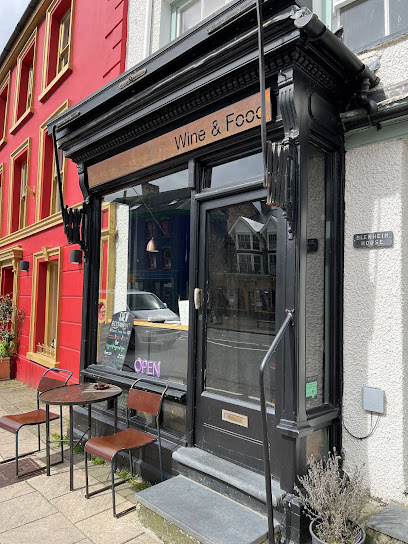
Markets, malls and hidden boutiques

White Leaf Clothing Boutique
4.7 km
Discover stylish, quality women's and men's apparel with personalized service at White Leaf Clothing Boutique in the heart of Llanidloes.
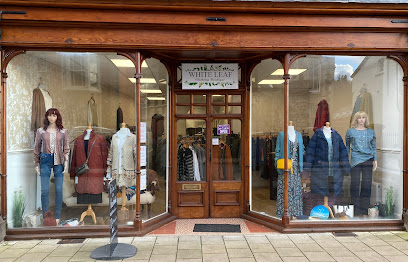
The Little Pink Tree
19.7 km
Discover unique treasures and handcrafted gifts at The Little Pink Tree, a charming gift shop in Rhayader, Wales.
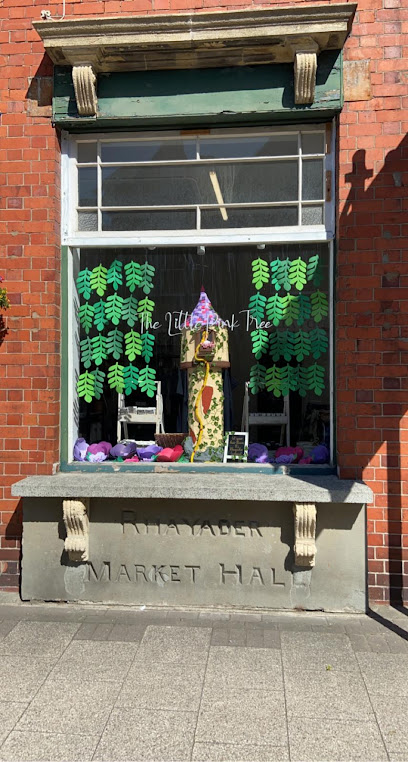
Quillies
19.7 km
Discover authentic Welsh crafts and unique local artistry at Quillies, Rhayader’s beloved gift shop and cultural hub.
Hill Walking Outdoor Wear Ltd
19.7 km
Expert outdoor outfitter near Elan Valley, stocking premium hiking brands with personalized Welsh weather guidance.
No1 High Street
20.0 km
Discover unique local treasures and handcrafted gifts in the heart of Newtown at No1 High Street, a charming and welcoming gift shop.

Famous Shop
20.1 km
Explore the charm of Newtown at Famous Shop, where local crafts and unique gifts await every visitor.
The little welsh gift shop
20.9 km
Discover personalized Welsh gifts and authentic engraved slate treasures in the heart of Mid Wales at The Little Welsh Gift Shop.
Charlies Stores
21.4 km
A comprehensive homewares and DIY store in Newtown offering tools, garden supplies, and workwear with friendly service and extended hours.
Ian Snow
21.7 km
Discover ethically sourced vintage Indian furniture and bohemian homewares in a charming family-run shop in the heart of Machynlleth.
Bargain Buys
29.4 km
Affordable homewares and pet care essentials meet unbeatable prices in the heart of Llandrindod Wells.
THOSE WERE THE DAYS
29.5 km
Discover timeless Victorian to 1930s antiques in a charming Llandrindod Wells shop filled with history and unique treasures.
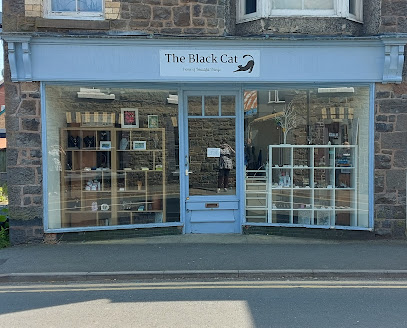
Black Cat Shop Llandrindod Wells
29.5 km
Discover unique handmade gifts, elegant fashion accessories, and artisan crafts at Black Cat Shop, a charming boutique in Llandrindod Wells.
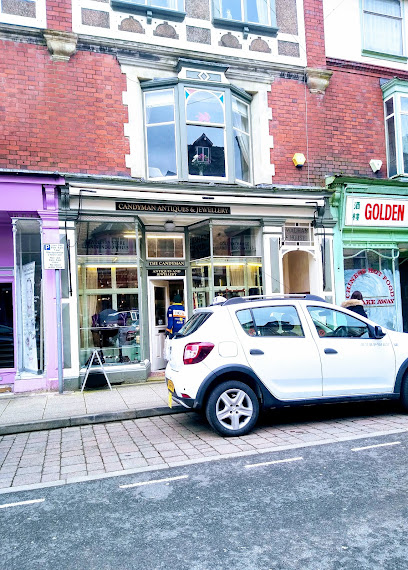
Candyman Antiques
29.5 km
Discover timeless antiques and trusted expertise at Candyman Antiques, Llandrindod Wells’ premier vintage jewellery and gold specialist.
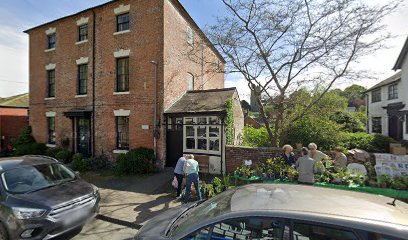
The Window Dressers
32.3 km
Bespoke curtain makers in historic Montgomery offering personalized window dressings that blend tradition with style and function.
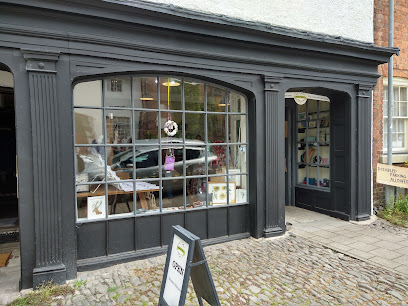
Made In Monty
32.3 km
Discover authentic Welsh crafts and unique gifts in the heart of historic Montgomery at Made In Monty.
Essential bars & hidden hideouts

Tybrith
10.9 km
A cozy, rustic pub in Carno offering authentic Welsh hospitality and local ales in a warm, welcoming atmosphere.
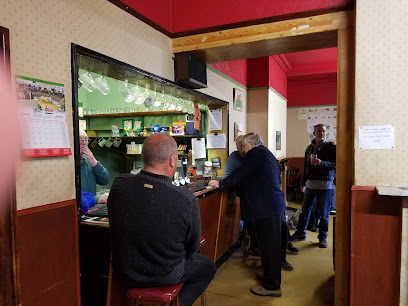
The Eagles Inn
19.5 km
A historic Welsh pub and inn in Rhayader offering hearty food, friendly service, and a scenic beer garden with mountain views.
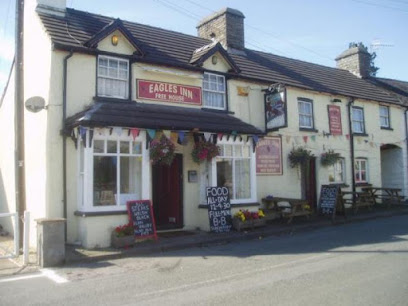
The Castle
19.7 km
A friendly, historic pub in Rhayader offering hearty meals, live sports, and a pioneering vegetarian menu in a lively, welcoming setting.
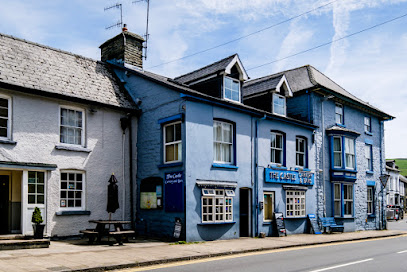
Buck Inn
19.9 km
Historic 17th-century pub in Newtown with lively karaoke, real ales, and a warm, inclusive atmosphere for all.
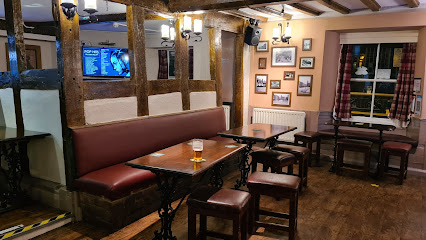
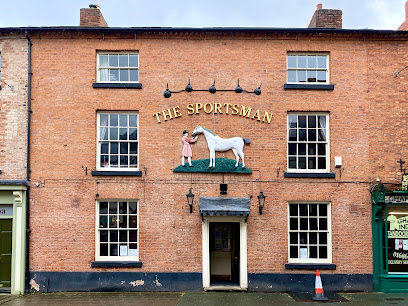
The Sportsman
20.0 km
A lively and welcoming Newtown pub serving quality drinks and hearty fare in a friendly, dog-friendly setting with a charming beer garden.
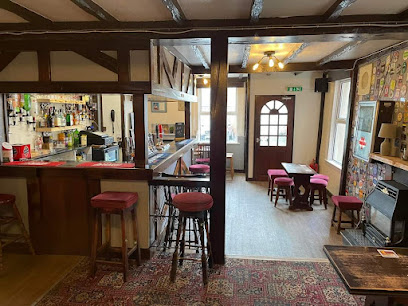
The Railway Tavern
20.2 km
A cozy, welcoming pub in Newtown with great ales, roaring fires, and a lively community spirit all year round.
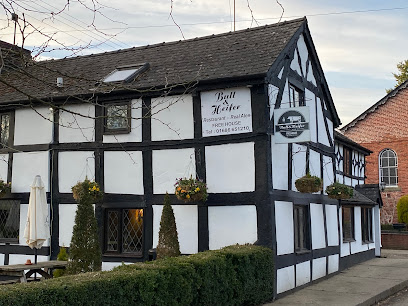
Bull & Heifer
23.0 km
Cozy country pub in Bettws Cedewain serving classic British dishes with warm hospitality and rustic charm.
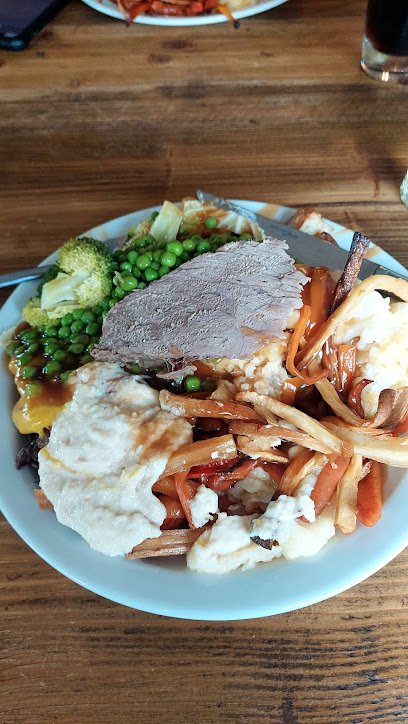
Gwernydd Arms
23.3 km
A welcoming traditional pub in New Mills, offering hearty meals, local ales, and a tranquil patio in the heart of Powys countryside.
The Kerry Lamb
23.6 km
A cozy pub in Kerry, Powys, serving fresh homemade British classics with a warm, welcoming atmosphere and great value.
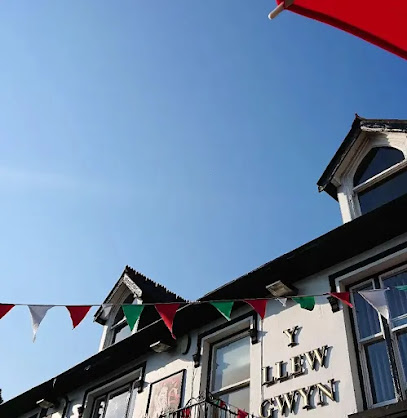
Y Llew Gwyn
25.9 km
A welcoming traditional Welsh pub overlooking Talybont’s village green, famed for its cozy atmosphere, quality ales, and hearty homemade food.
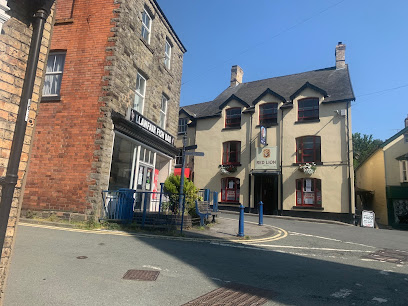
The Red Lion
27.3 km
A beloved traditional Welsh pub in Llanfair Caereinion, offering local ales, hearty meals, and a charming beer garden for a relaxed and authentic experience.
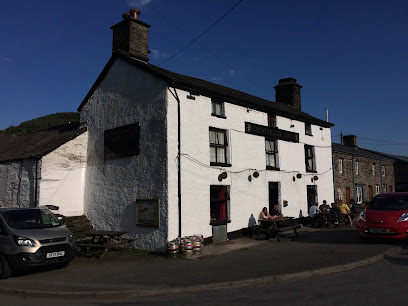
Y Llew Coch - The Red Lion
28.5 km
A historic Welsh inn in Dinas Mawddwy offering cozy fires, local ales, hearty meals, and charming B&B stays amid Snowdonia’s scenic beauty.
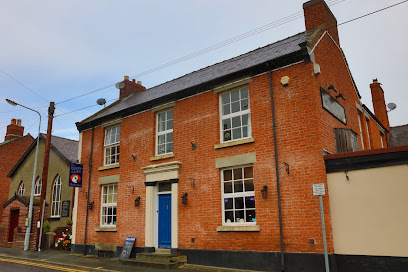
The Radnorshire Arms
29.0 km
Historic 17th-century Welsh pub offering hearty meals, local ales, and warm hospitality in the tranquil Teme Valley near Knighton.
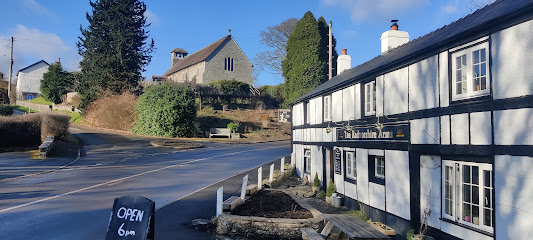
The Sarn
29.2 km
A renovated rural pub in Newtown offering hearty food, friendly service, and a cozy atmosphere with a charming beer garden.
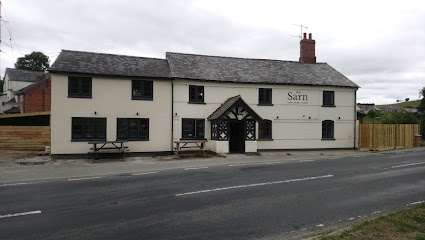
The Upper House Inn
29.5 km
A welcoming rural pub in Llandyssil offering classic Welsh hospitality, great value drinks, and hearty local fare in a cozy countryside setting.
Nightclubs & after hour spots

Basement Sessions
4.8 km
Dive into the lively nightlife of Llanidloes at Basement Sessions, where eclectic music and vibrant energy create memorable experiences.
Caersws Village Club
12.8 km
A vibrant village club in Caersws offering lively events, warm community spirit, and a welcoming atmosphere in the heart of rural Wales.
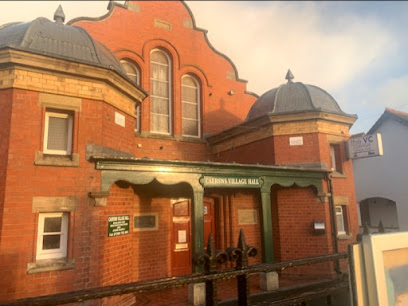
The Monty Club
20.0 km
A welcoming social and sports club in Newtown with ample space for pool, snooker, darts, and vibrant community events.
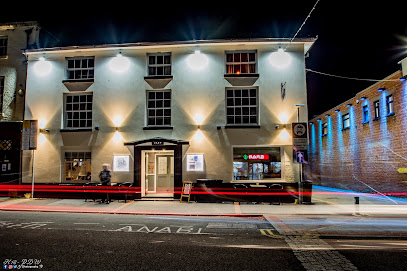
Yokoswnb
33.5 km
A vibrant, budget-friendly nightclub and bar in Aberystwyth, popular with students for its lively atmosphere and central location.
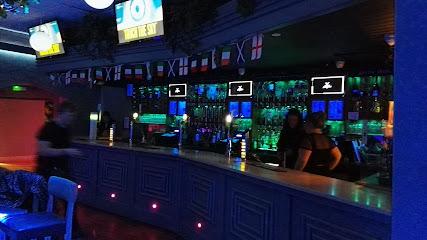
Pier Pressure
33.5 km
Experience Aberystwyth’s vibrant nightlife at Pier Pressure, a lively nightclub set on the historic Royal Pier by scenic Cardigan Bay.
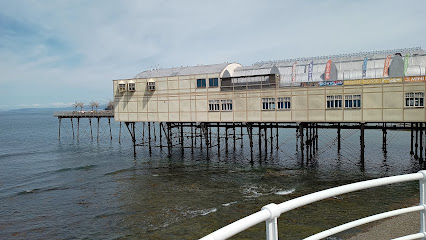
Jac’s Mansion
38.0 km
Experience welcoming, vibrant LGBTQ+ nightlife at Jac’s Mansion, Builth Wells’ iconic gay nightclub with a lively, inclusive atmosphere.
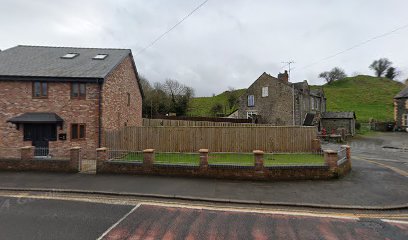
The Club Barmouth
41.8 km
Experience vibrant Saturday nights at The Club Barmouth, where stylish vibes meet lively music by the scenic Welsh coast.
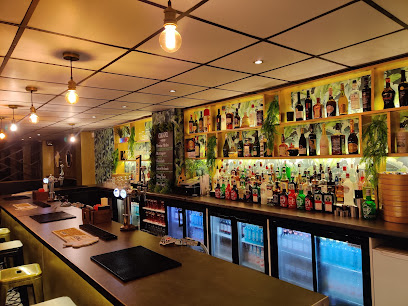
New Horizons
46.6 km
Experience vibrant nightlife and lively music at New Horizons, Dyffryn Ardudwy’s welcoming nightclub with spaces for all ages.
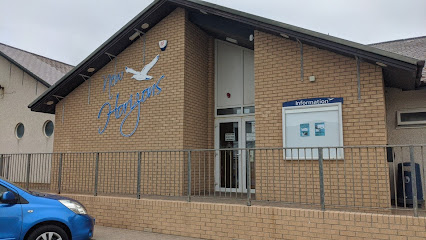
Bryn Arms
57.4 km
A cozy pub in Gellilydan offering hearty homemade meals, lively events, and charming gardens for a welcoming Welsh experience.
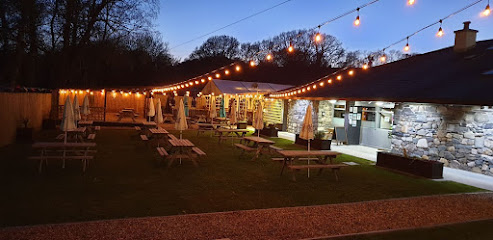
Brecon Working Mens Club
59.6 km
Experience authentic Welsh hospitality at Brecon Working Mens Club, where locals gather for drinks and camaraderie in a charming setting.
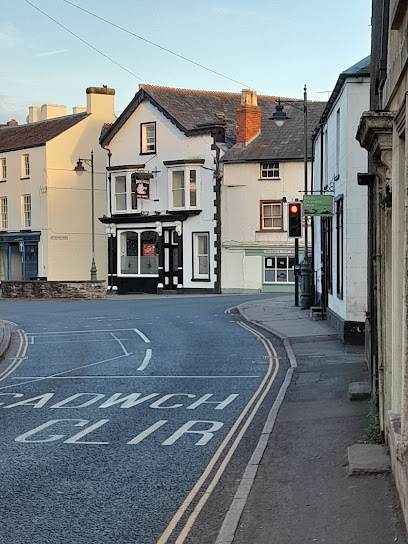
The Lounge Bar & Cafe
59.6 km
Experience the vibrant nightlife of Brecon at The Lounge Bar & Cafe, where crafted cocktails and a lively atmosphere await.
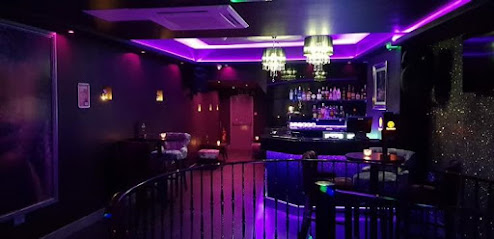
BRECON JAZZ
59.6 km
Experience the soulful sounds of Brecon Jazz, an intimate venue celebrating the rich heritage of jazz music in the heart of Wales.
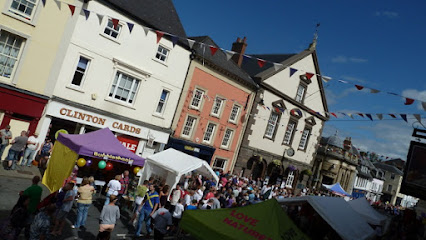
The Sarah Siddons
59.7 km
Experience the heart of Welsh hospitality at The Sarah Siddons, a cozy pub in Brecon offering local ales and hearty dishes.
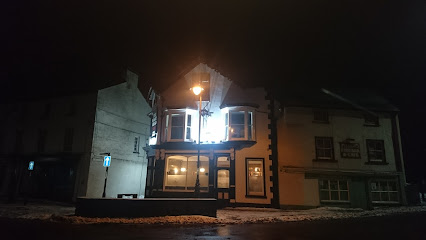
The Rorkes Drift
59.7 km
Discover the heart of Brecon at The Rorkes Drift, a quintessential pub offering hearty meals and a welcoming atmosphere for all travelers.
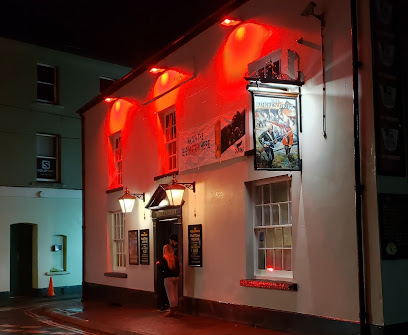
Brecon Jazz Club (Muse Arts Centre)
59.7 km
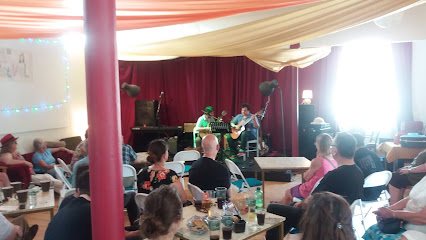
Discover the heart of jazz in Brecon at the Brecon Jazz Club, where live music and a vibrant atmosphere collide for an unforgettable night.
For the vibe & atmosphere seeker
- Scenic
- Unique
- Tranquil
For the design and aesthetic lover
- Industrial Designs
- Rustic Designs
For the architecture buff
- Historic
- Industrial
- Landmarks
For the view chaser and sunset hunter
- Panoramas
- Waterfront
For the social media creator & influencer
- Photo Spots
- Architectural Shots
For the eco-conscious traveler
- Protected Area
- Locally Managed
For the kind of experience you’re after
- Cultural Heritage
- Photowalk
- Day Trip
For how adventurous you want the journey to be
- Requires Hike
- Physically Demanding
Location Audience
- Family Friendly
- Senior Friendly
- Solo Friendly
- Couple Friendly


