
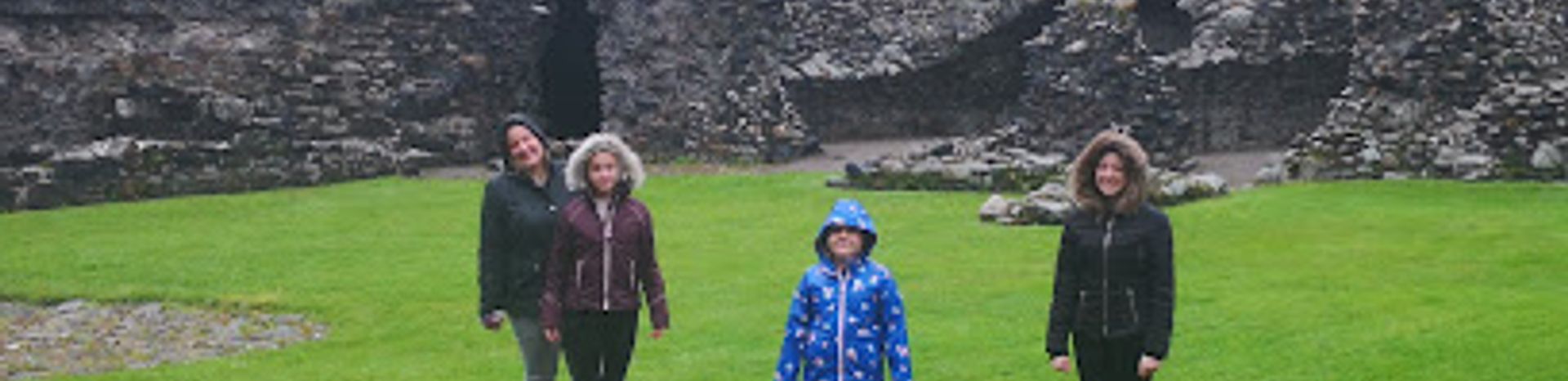
Balvenie Castle
A 13th-century ruined castle near Dufftown, once a Comyn stronghold and later a noble Renaissance lodging, now a peaceful and atmospheric historic site in Speyside.
Balvenie Castle is a striking 13th-century ruined courtyard castle near Dufftown in Moray, Scotland. Once a powerful stronghold of the Comyn earls of Buchan, it later became an elegant Renaissance lodging for the Earls of Atholl. Today, managed by Historic Environment Scotland, it offers visitors a chance to explore atmospheric ruins, a rare early curtain wall, and the remains of Atholl Lodging, all set in a peaceful glen surrounded by Speyside distilleries.
A brief summary to Balvenie Castle
- Castle Rd, Keith, Dufftown, AB55 4GH, GB
- +441340820121
- Visit website
- Duration: 0.5 to 1.5 hours
- Mid ranged
-
 Outdoor
- Mobile reception: 4 out of 5
- Wednesday 10 am-4:30 pm
- Thursday 10 am-4:30 pm
- Friday 10 am-4:30 pm
- Saturday 10 am-4:30 pm
- Sunday 10 am-4:30 pm
Local tips
- Visit between April and September when the site is open; outside these months, access is limited or closed.
- Check Historic Environment Scotland’s website before your visit for any temporary closures or access restrictions due to conservation work.
- Combine your visit with nearby Dufftown attractions, such as the Glenfiddich Distillery and the town’s whisky heritage sites.
- Wear sturdy shoes as the ground inside the castle is uneven, and some areas may be damp or slippery.
- Bring a camera: the castle’s curtain wall, tower, and courtyard make for striking photos, especially in soft morning or late afternoon light.

For the on-the-go comforts that matter to you
- Restrooms
- Drink Options
- Food Options
- Seating Areas
- Trash Bins
- Information Boards
Getting There
-
By car
From Dufftown, follow Castle Road north for about 1 km; the castle is clearly signposted and has a small car park and ticket office at the entrance. Parking is limited, so arrive early on busy days.
-
By public transport
Take a bus to Dufftown and then walk about 15–20 minutes along Castle Road to reach the castle; the route is straightforward but includes some exposed sections with no pavement.
-
On foot from Dufftown
From the centre of Dufftown, walk north along Castle Road for roughly 15 minutes; the path is level but can be muddy in wet weather, so wear appropriate footwear.
-
From nearby distilleries
Visitors touring Glenfiddich Distillery can walk to Balvenie Castle in about 10–15 minutes via a short path; the route is informal but well used by tourists.
Balvenie Castle location weather suitability
-
 Any Weather
-
 Rain / Wet Weather
-
 Mild Temperatures
Discover more about Balvenie Castle
A Castle of Power and Politics
Balvenie Castle, originally known as Mortlach, was built in the late 1200s as a seat of power for the Comyn family, the earls of Buchan. Its massive curtain wall and surrounding ditch made it a formidable stronghold in the heart of Strathspey, a key area in medieval Scotland’s turbulent politics. The Comyns’ fortunes changed with Robert the Bruce, whose forces damaged the castle in 1308, and it later passed through the hands of the powerful Black Douglases before being forfeited to the Crown in 1455. From then on, it became a royal gift, granted to the Stewart Earls of Atholl, who transformed it from a military fortress into a more comfortable noble residence.From Fortress to Noble Lodging
The castle’s character evolved over the centuries. In the 16th century, the Earl of Atholl added the elegant Atholl Lodging, a Renaissance-style block that turned Balvenie into a place of gracious living. This is where Mary, Queen of Scots, stayed in 1562, and where later figures like King Edward I of England and the Marquess of Montrose were hosted. The layout of the great hall, storage cellars, and private chambers still gives a clear sense of how a Highland noble household once lived. Though the roof is long gone and the upper floors are ruined, the ground-level rooms and vaulted spaces remain evocative, offering a tangible link to Scotland’s noble past.Life and Conflict in the Glen
Balvenie Castle was more than just a residence; it was a strategic asset in the power struggles of the Highlands. It saw use by Royalist forces in the 17th century and was briefly held by Hanoverian troops during the 1745 Jacobite rising. The Duff family, who acquired it in the late 1600s, held it through the Jacobite era, but after William Duff’s suicide in 1718, the castle was abandoned and gradually fell into ruin. By the 1720s it was unroofed, and though it later served as a barracks, it never regained its former status, eventually passing into state care in the 20th century.Exploring the Ruins Today
Today, Balvenie Castle is a scheduled monument managed by Historic Environment Scotland. Visitors can walk through the courtyard, examine the impressive 13th-century curtain wall, and step into the remains of the bakehouse, servants’ quarters, and storage cellars. The main entrance, with its original iron yett (a two-part gate), and the L-plan tower with its spiral staircases, are highlights of the site. Information boards help bring the history to life, and the layout makes it easy to imagine the castle in its prime. Due to ongoing conservation work, some areas may be fenced off, but the accessible parts still offer a rich and atmospheric experience.A Peaceful Setting in Speyside
The castle sits in a quiet, rural spot just north of Dufftown, surrounded by fields and woodland, with the Glenfiddich Distillery nearby. Despite its proximity to one of Scotland’s whisky capitals, Balvenie feels remote and timeless. The approach along Castle Road leads to a small car park and ticket office, from where the castle’s imposing walls come into view across a green lawn. The setting is ideal for a short, contemplative visit, combining history, architecture, and the gentle beauty of the Moray countryside.Iconic landmarks you can’t miss

Rothes Castle
9.5 km
Explore the evocative ruins of Rothes Castle, a 13th-century fortress commanding the Spey Valley and steeped in Scottish medieval history.
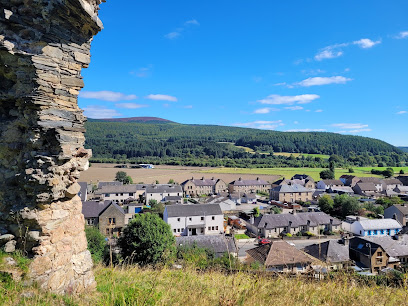
Crook of Alves (historical placename)
28.6 km
Discover the Crook of Alves, a cultural landmark in Elgin, where history meets stunning natural beauty in Scotland's captivating landscapes.
Asliesk Castle (remains)
28.7 km
Explore the ivy-clad ruins of Asliesk Castle, a 16th-century Scottish tower house steeped in history and legend near Elgin, Moray.

St. Peter's Kirk & Parish Cross
31.6 km
Medieval kirk and rare surviving mercat cross spanning eight centuries of Scottish history.
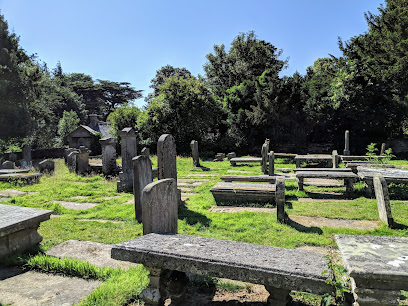
Durn Hill - Iron Age Fort
33.5 km
Explore Durn Hill, an ancient Iron Age fort with commanding views and rich archaeological heritage near Banff, Scotland.
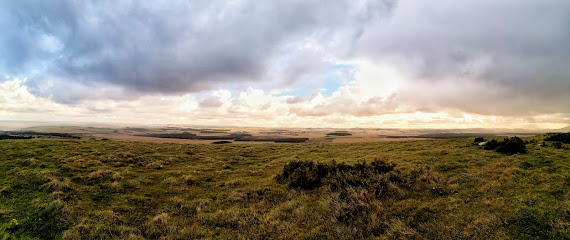
Sueno's Stone
33.5 km
Scotland's tallest Pictish monument—a 6.5-metre enigma carved with battle scenes and royal ceremony.
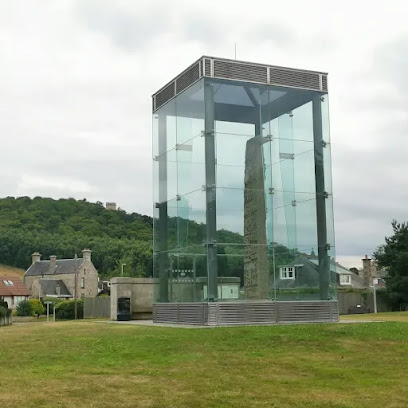
Eden Castle
41.1 km
Ruined Renaissance tower house overlooking river confluence, a scheduled ancient monument of Scottish gentry heritage.
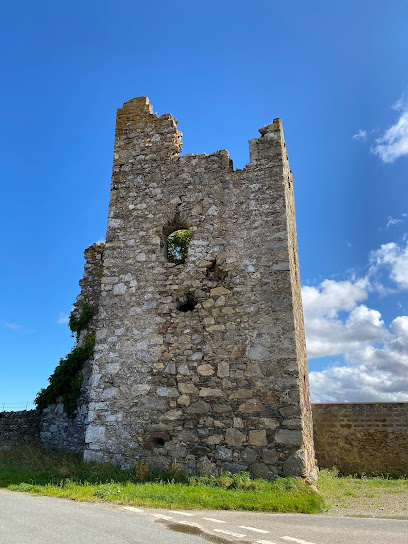
Duff House Fishing Temple
42.5 km
An elegant 18th-century neoclassical fishing temple on the River Deveron, blending history, architecture, and tranquil riverside charm in Aberdeenshire.
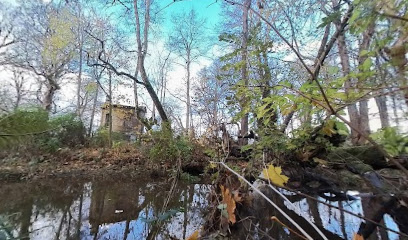
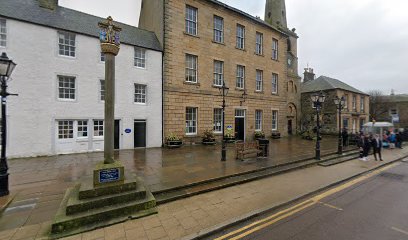
The Plainstones (Center of Banff, UK)
43.0 km
Discover Banff’s historic Plainstones, where centuries-old carvings and heraldic symbols tell the story of Scotland’s coastal heritage.
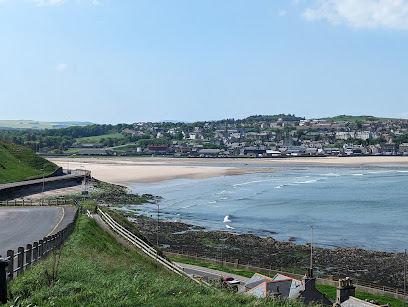
Banff beach
43.3 km
Experience the serene beauty of Banff Beach, a hidden gem nestled in the stunning Canadian Rockies, perfect for relaxation and outdoor adventures.
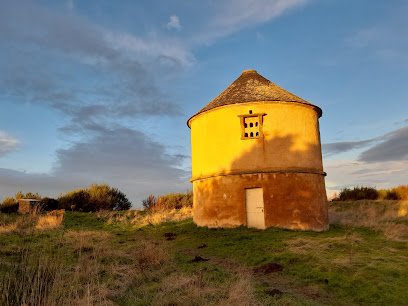
Boath Doocot
43.3 km
A perfectly preserved 17th-century dovecote commanding views over historic Highland plains and battlefields.
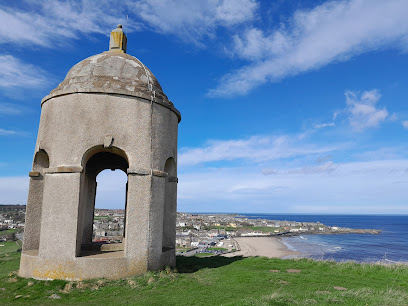
Temple of Venus
43.5 km
Discover the Temple of Venus in Banff, an architectural marvel with breathtaking views and a serene atmosphere, perfect for nature lovers and history enthusiasts.
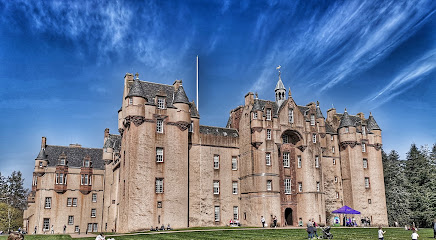
Fyvie Castle
43.7 km
Explore the majestic Fyvie Castle, a stunning 13th-century fortress steeped in history, surrounded by beautiful gardens in the Scottish countryside.
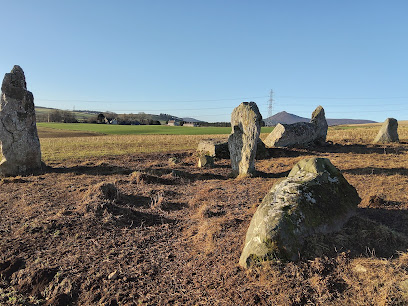
Balquhain Stone Circle
44.1 km
Explore Balquhain Stone Circle, a rare Neolithic monument near Inverurie, revealing ancient ritual mysteries amidst Aberdeenshire’s serene landscape.
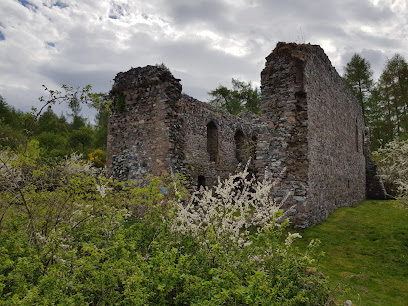
Rait Castle
44.6 km
A haunted 13th-century hall-house ruin where medieval tragedy and rare architecture converge.
Unmissable attractions to see

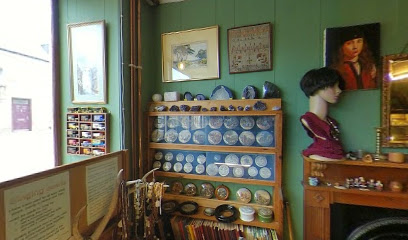
Collectors’ Cabin, Singing Bowls, and Good Vibrations Relaxation Experiences
0.9 km
Discover serene sound therapy and unique collectibles in the heart of Dufftown’s charming Collectors’ Cabin.
Dufftown Fairy Village
2.6 km
Discover the enchanting Dufftown Fairy Village, a magical woodland haven of whimsical fairy houses and serene gardens in Scotland’s whisky heartland.
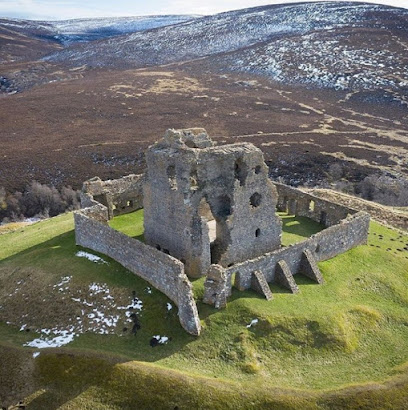
Auchindoun Castle
4.1 km
Explore the haunting ruins of Auchindoun Castle, a 15th-century stronghold steeped in clan feuds and set amidst Moray’s wild, heather-clad hills.
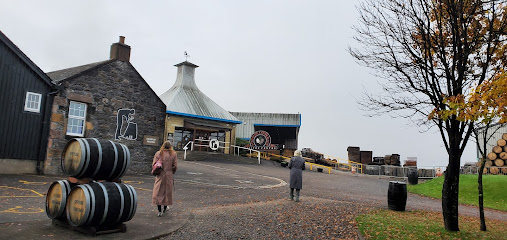
Speyside Cooperage Visitor Centre
4.7 km
Discover the ancient craft of coopering and whisky cask making in Scotland’s only working cooperage with immersive tours and tastings.
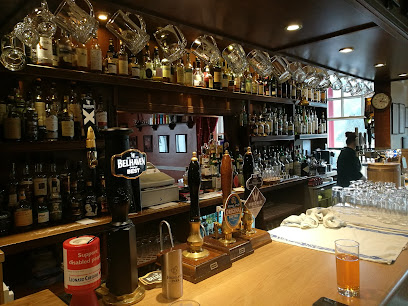
Highlander Inn
5.6 km
A cozy Scottish inn in Craigellachie famed for its vast whisky collection, warm hospitality, and authentic Speyside charm.
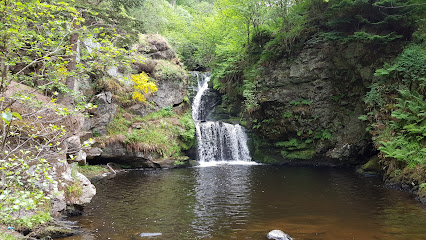
Linn Falls
6.1 km
Discover the serene beauty of Linn Falls, a tranquil woodland waterfall near Aberlour, perfect for peaceful walks and nature escapes in Speyside.
Ballindalloch Castle and Gardens
15.4 km
Explore centuries of Highland heritage, stunning gardens, and tranquil riverside walks at Ballindalloch Castle, the Pearl of the North.
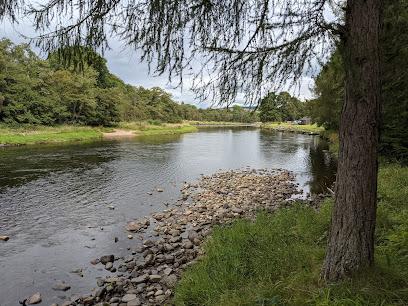
Cragganmore Distillery
16.9 km
Explore Cragganmore Distillery, where Speyside’s whisky heritage meets unique craftsmanship in a stunning valley setting.
Drumin Castle
17.6 km
Explore the evocative ruins of Drumin Castle, a 15th-century tower house tied to Scotland’s fierce Wolf of Badenoch, set amid stunning Highland landscapes.
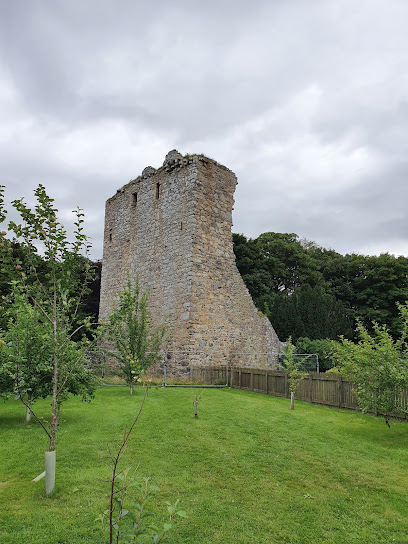
Blairfindy Castle
17.7 km
Explore the evocative ruins of Blairfindy Castle, a 16th-century Highland tower house steeped in history and surrounded by stunning Glenlivet landscapes.
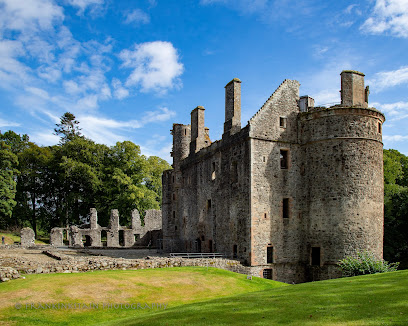
Huntly Castle
20.5 km
Explore the majestic ruins of Huntly Castle, a Renaissance masterpiece and historic seat of the powerful Gordons in scenic Aberdeenshire.
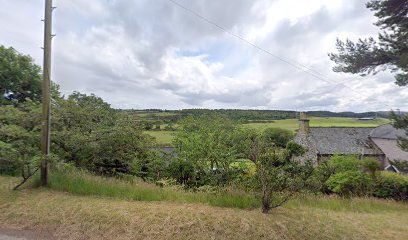
Sutherland N
22.5 km
Discover the peaceful charm of Sutherland N Farm in Forres, where traditional Highland farming meets serene rural landscapes.
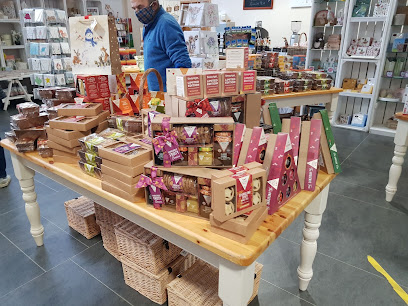
Allarburn Farm Shop
23.6 km
Discover fresh, local Scottish produce and premium meats at Allarburn Farm Shop, Elgin’s beloved independent food destination.
Johnstons of Elgin
24.4 km
Explore Scotland’s last vertical weaving mill, where centuries of craftsmanship create luxurious cashmere and wool in a historic, immersive setting.
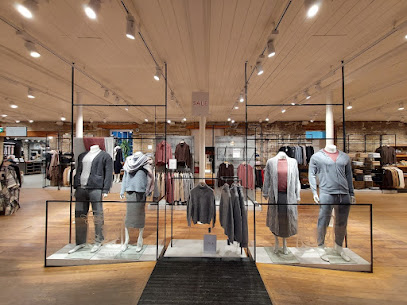
Elgin Museum
24.4 km
Explore Moray’s rich history and heritage at Elgin Museum, Scotland’s oldest independent museum housed in a stunning Italianate building.
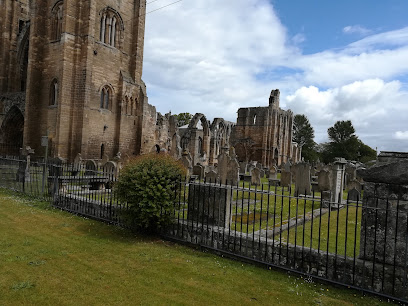
Essential places to dine

Seven Stills French Restaurant and Malt Whisky Bar/Lounge
0.9 km
An intimate French bistro and whisky lounge in Dufftown blending classic cuisine with Speyside’s renowned malt heritage.
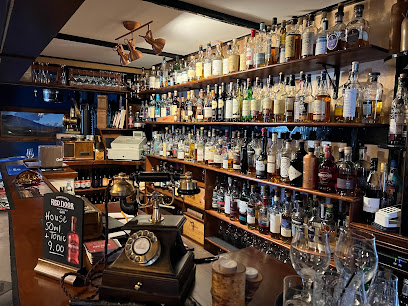
The Mash Tun Hotel
6.5 km
Charming Aberlour hotel with cozy rooms, acclaimed whisky bar, and a celebrated restaurant showcasing Speyside’s rich heritage.
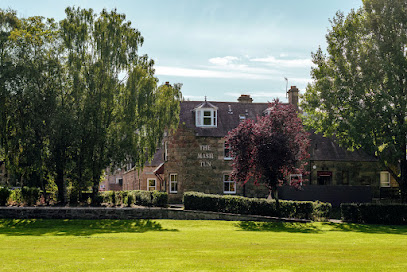
Laichmoray Hotel
23.9 km
Experience traditional Scottish hospitality and modern comfort at Laichmoray Hotel, a charming 3-star base in the heart of Elgin.
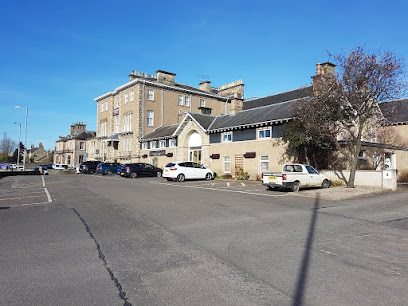
The Beechtree Restaurant
24.3 km
Affordable, fresh bistro dining with a student-led service experience at UHI Moray’s vibrant campus restaurant in Elgin.
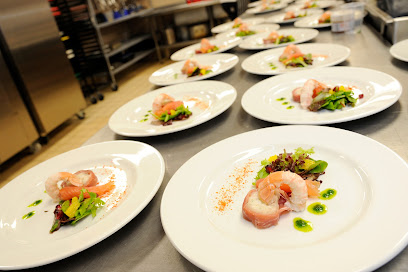
Orrin Restaurant & Bar
24.4 km
Experience modern Scottish cuisine crafted with seasonal local produce in a stylish, welcoming setting in the heart of Elgin.
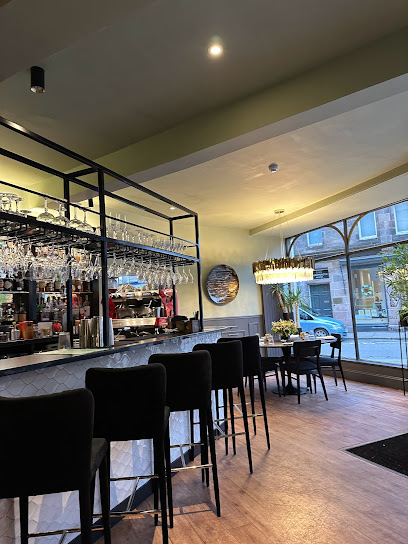
The Mansefield Restaurant
24.4 km
Elegant Scottish dining featuring fresh North Sea seafood and prime local beef in a stylish, baby-blue conservatory setting.
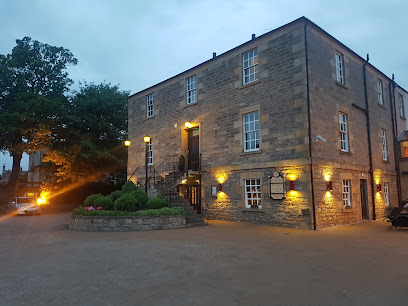
Ada Turkish | Café And Restaurant
24.4 km
Experience authentic Turkish flavors and warm hospitality in the heart of Elgin at Ada Turkish Café and Restaurant.
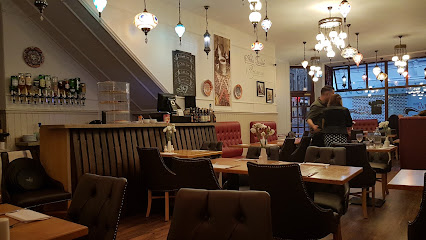
The Drouthy Cobbler
24.5 km
A stylish gastropub in Elgin serving creative local dishes and cocktails in a lively, modern setting on the historic High Street.
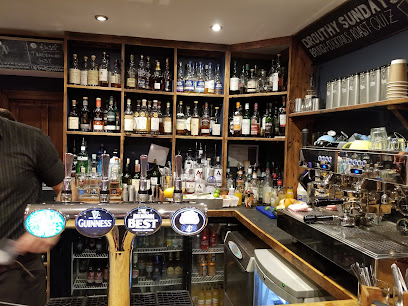
Pattaya Restaurant
24.5 km
Authentic Thai and Chinese flavors with generous portions in the heart of Elgin’s High Street.
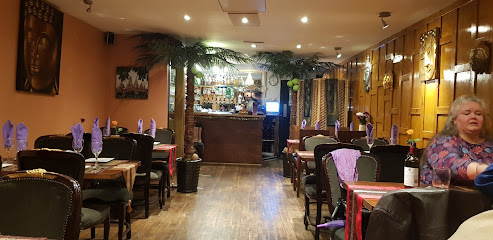
Granary
24.5 km
A lively pub and restaurant in Elgin offering hearty meals, local drinks, and a welcoming atmosphere from morning till late night.
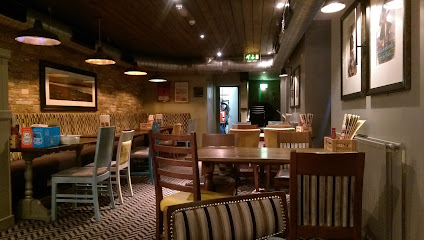
Scribbles
24.6 km
Lively Italian eatery in Elgin serving fresh pizzas, burgers, and gluten-free options with friendly service and a welcoming atmosphere.
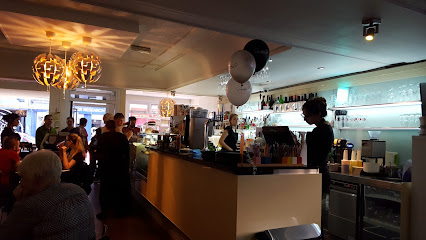
156 Bar And Grill
24.6 km
Casual American grill on Elgin’s High Street, serving classic burgers, wings, and family-friendly comfort food with takeaway options.
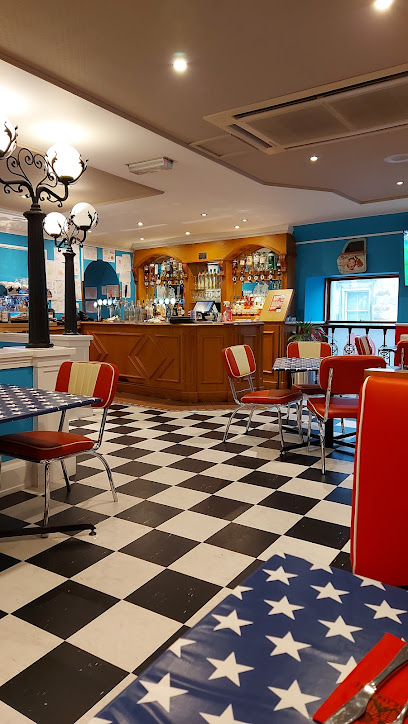
Qismat Elgin Indian Cuisine
24.6 km
Modern Indian and Pakistani cuisine in central Elgin, serving bold curries, tandoori dishes, and attentive service in a relaxed, contemporary setting.
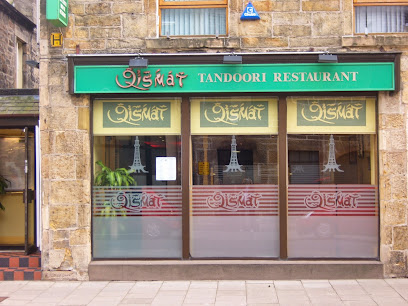
Shmelgin
24.7 km
Experience authentic Nepalese cuisine with warm hospitality in the heart of Elgin’s historic High Street.
The Humble Burger
25.5 km
Wholesome Scotch beef burgers and loaded fries, inspired by Seattle street food culture.
Markets, malls and hidden boutiques

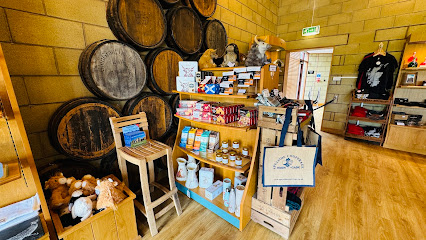
Speyside Cooperage Shop
4.7 km
Discover the ancient craft of coopering and find unique whisky-themed gifts at Speyside Cooperage Shop in the heart of Scotland’s whisky country.
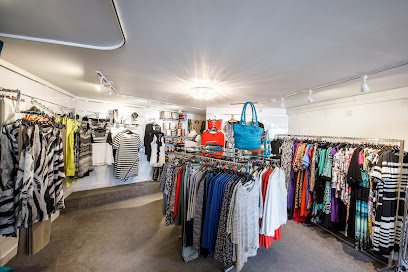
Speyside Wardrobe
5.6 km
Discover curated ladies' fashion and accessories in the charming village of Craigellachie at Speyside Wardrobe boutique.
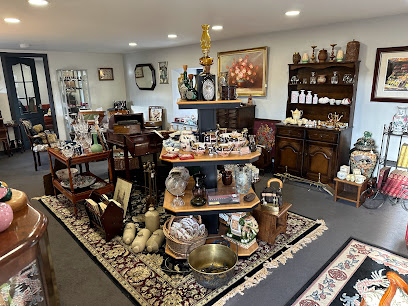
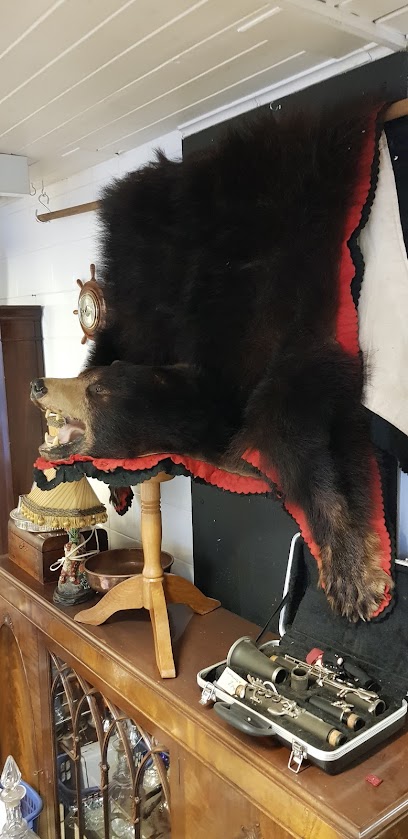
Alfies antiques and collectibles
6.4 km
Explore a treasure trove of vintage delights at Alfies Antiques and Collectibles in Aberlour – a must-visit for antique enthusiasts and collectors alike.
The Old Curiosity Shop, Rothes
9.6 km
Discover timeless treasures and rich history at The Old Curiosity Shop, a charming antique haven in the scenic village of Rothes.
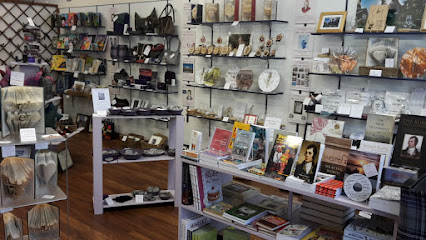
Mither Tongue
14.4 km
Discover authentic Scottish gifts and heartfelt cards in Scots language at Mither Tongue, Keith’s cultural boutique celebrating local craftsmanship.
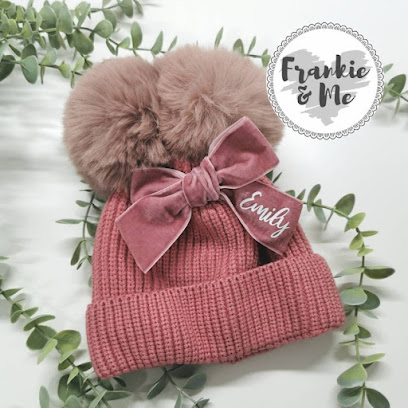
Frankie & Me
14.6 km
Discover unique gifts, children’s clothes, and cake decorating delights in a charming shop nestled in the heart of Fochabers, Scotland.
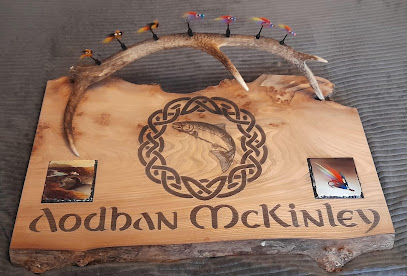
Ivy Cottage Customs
17.8 km
Discover unique handcrafted gifts and custom laser engraving in the heart of historic Fochabers, Scotland.
Ethical Gift Shop & Refillery
20.3 km
Discover unique handmade gifts and eco-friendly refills at Huntly’s vibrant Ethical Gift Shop & Refillery.
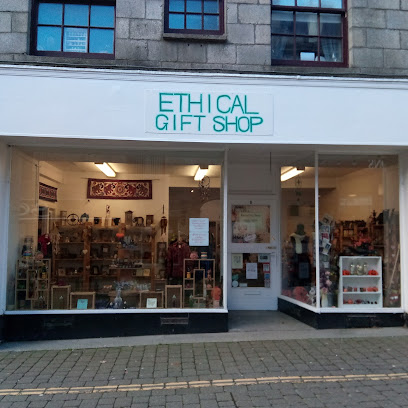
Mountain Warehouse Elgin
23.6 km
Your trusted Elgin destination for quality outdoor clothing, camping gear, and adventure-ready apparel for all ages and seasons.
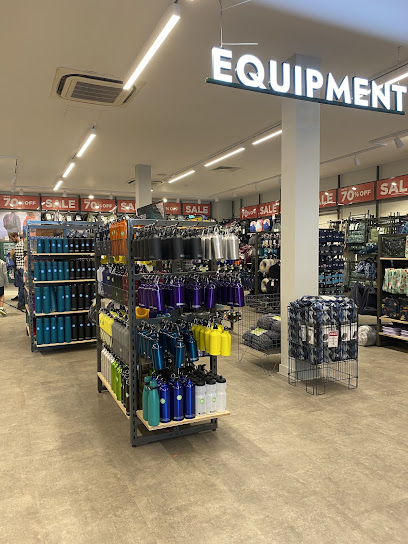
Seasgair Store
24.5 km
Discover Seasgair Store in Elgin for beautiful, practical homewares and unique gifts in a welcoming boutique setting.
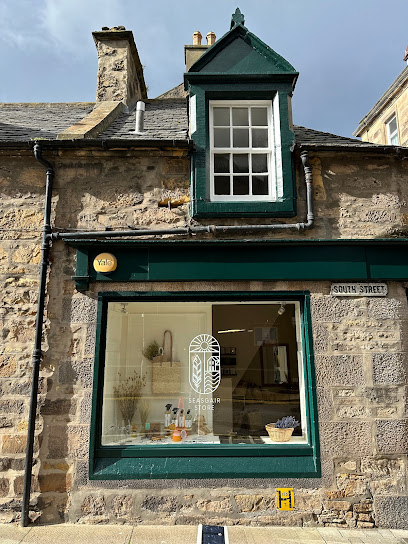
Sirology Ltd
24.5 km
Discover unique gifts, health products, and exquisite leather goods showcasing local craftsmanship in the heart of Elgin.
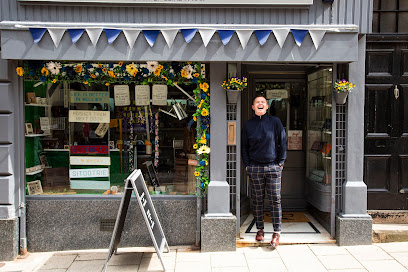
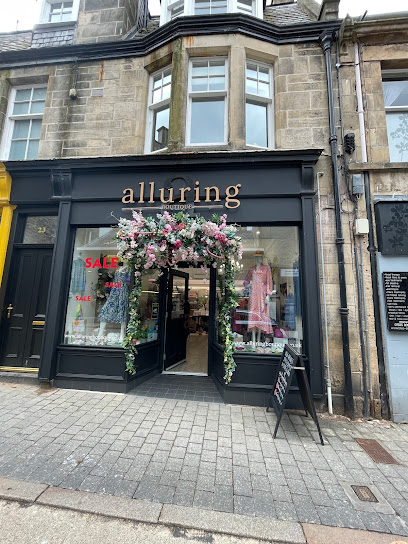
Alluring Boutique
24.5 km
Discover unique fashion and accessories at Alluring Boutique, Elgin’s stylish clothing shop blending contemporary trends with timeless elegance.
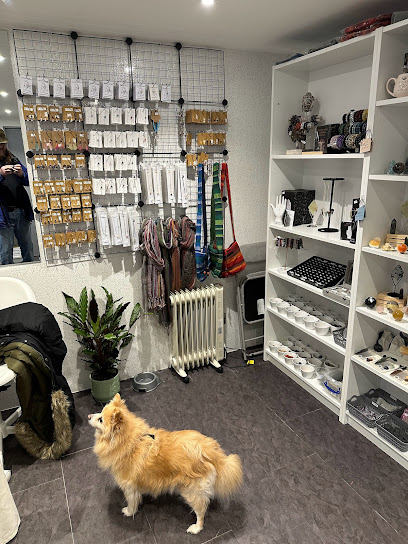
Enchanted Highlands
24.5 km
Discover authentic Scottish Highland crafts and unique souvenirs at Enchanted Highlands, a charming gift shop in Elgin’s heart.
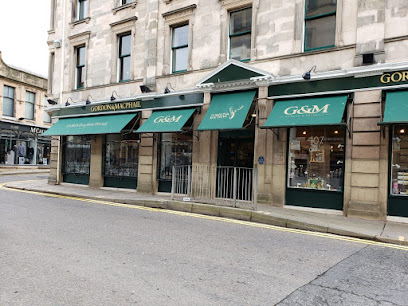
Gordon & MacPhail Retail
24.6 km
Scotland's legendary independent whisky specialist since 1895, offering rare single malts and expert tastings.
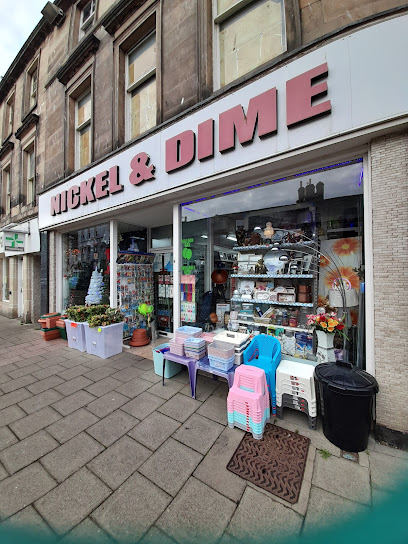
Nickel n' Dime Elgin
24.6 km
A friendly, well-stocked homewares and hardware shop in Elgin offering quality goods and seasonal finds for all your household needs.
Essential bars & hidden hideouts

St Andrews Bar
21.0 km
A cozy and friendly Scottish pub in Lhanbryde offering great drinks and warm local hospitality in a relaxed setting.
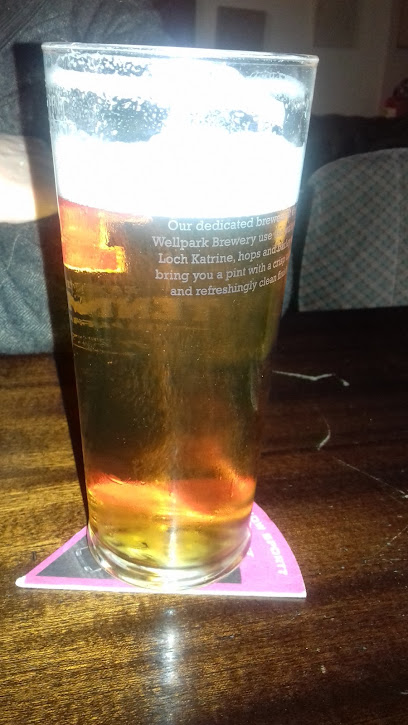
The Cottar Hoose
22.9 km
Experience authentic Scottish warmth and friendly banter at The Cottar Hoose, Elgin’s cozy traditional pub with a welcoming open fire.
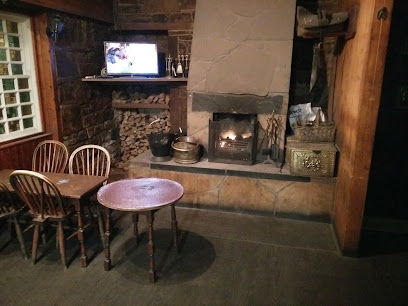
Kirkie Bar
23.1 km
Experience the warm charm of Kirkie Bar, New Elgin’s cozy spot for local ales, live music, and friendly gatherings on Main Street.
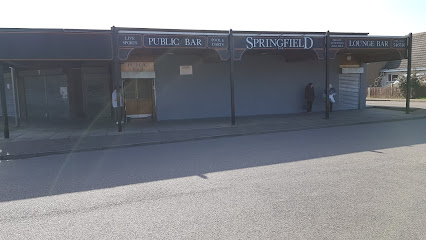
Springfield Bar
23.3 km
Experience Elgin’s friendly local vibe with great drinks, live music, and a welcoming atmosphere at Springfield Bar on Glen Moray Drive.
IV30 Cocktail and Wine Bar
23.9 km
Historic charm meets modern mixology at IV30 Cocktail and Wine Bar, Elgin’s stylish spot for refined drinks and relaxed evenings.
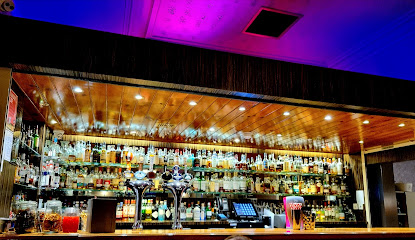
Thornhill Leisure Ltd
24.5 km
Experience the charm of Thornhill Leisure Ltd, a cozy pub in Elgin, perfect for enjoying local ales and Scottish hospitality.
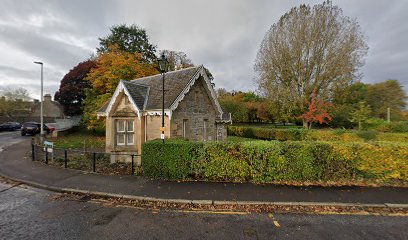
Against The Grain - Taproom Beer Emporium
24.5 km
A cozy Elgin taproom offering a rotating selection of craft beers and whiskies in a relaxed, dog-friendly atmosphere.
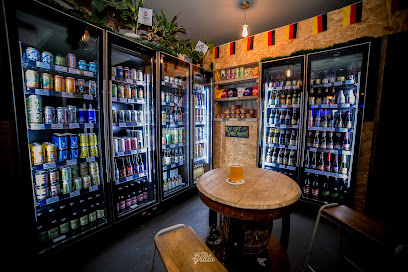
Ionic Bar
24.5 km
A traditional Scottish pub in Elgin’s heart, offering friendly vibes, local brews, and timeless charm for relaxed socialising.
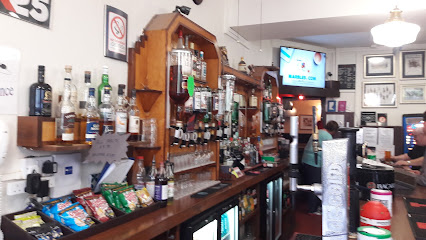
The Elgin Club
24.5 km
Historic Renaissance palazzo bar offering vibrant nightlife in the heart of Elgin’s town centre.
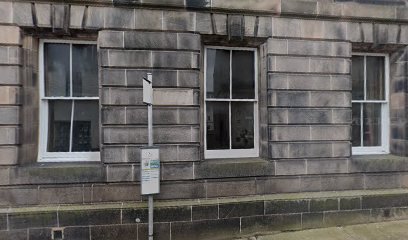
The Muckle Cross - JD Wetherspoon
24.5 km
A vibrant and affordable JD Wetherspoon pub on Elgin High Street offering hearty meals and a lively atmosphere from morning till late.
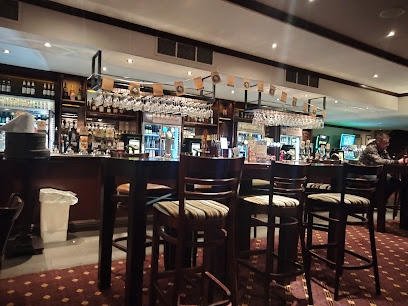
Dean's of Elgin
24.5 km
Experience expertly crafted cocktails in a cozy, inviting bar nestled in the heart of historic Elgin, Scotland.
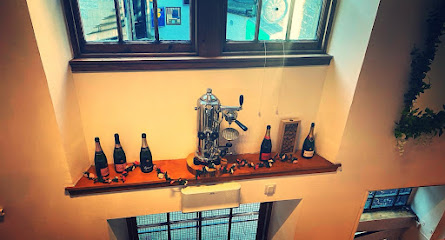
The Thunderton House
24.5 km
Historic charm meets lively hospitality at The Thunderton House, Elgin’s beloved pub for great food, drinks, and live entertainment.
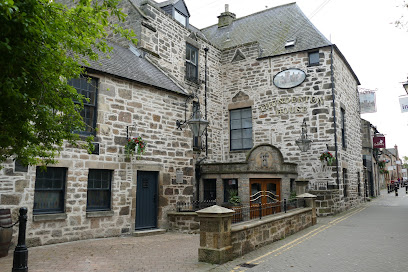
The Cocktail Joint
24.6 km
Elgin’s exclusive speakeasy bar offering expertly crafted cocktails in a stylish, intimate setting.
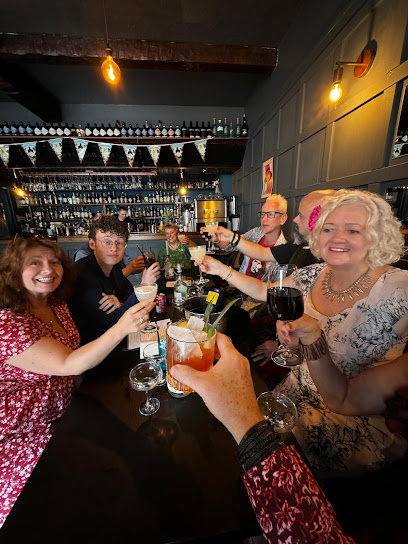
White Horse Inn
24.6 km
A traditional Scottish pub with cozy indoor lodging, hearty fare, and a welcoming atmosphere in the heart of Elgin.
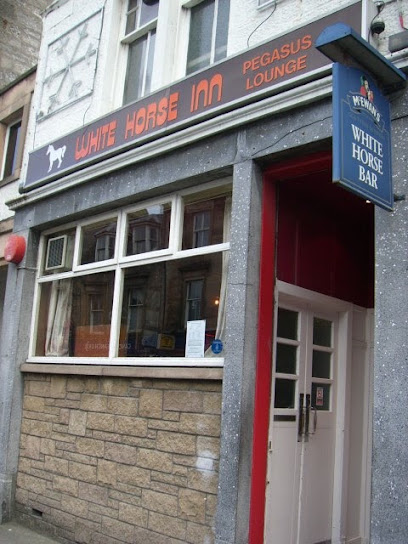
Badenoch's
24.6 km
A lively gastro pub in Elgin offering diverse dining, cocktails, and a welcoming atmosphere for locals and visitors alike.
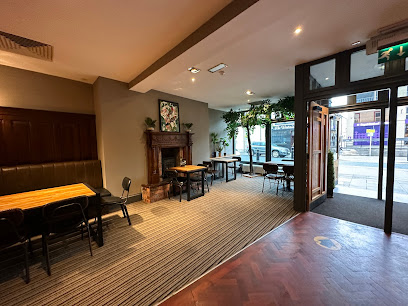
Nightclubs & after hour spots

Seaforth Club
24.4 km
A welcoming members-only social club in Elgin offering great atmosphere, steak suppers, and a true sense of community spirit.
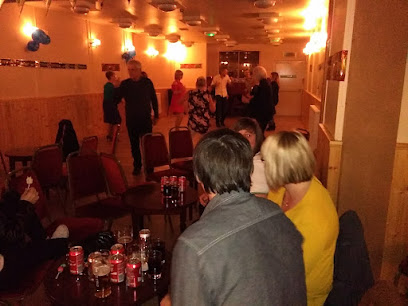
Zed Bar
24.6 km
Experience the vibrant nightlife at Zed Bar in Elgin, where great drinks and lively atmosphere await every visitor.
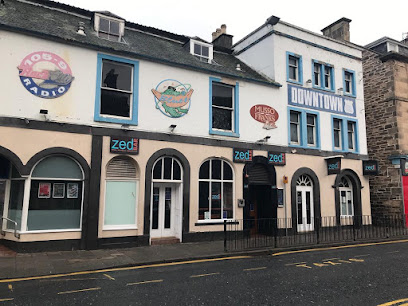
Joannas Nightclub
24.6 km
Lively and casual nightclub in Elgin’s town centre, offering weekend late-night music, dancing, and social vibes in a friendly local setting.
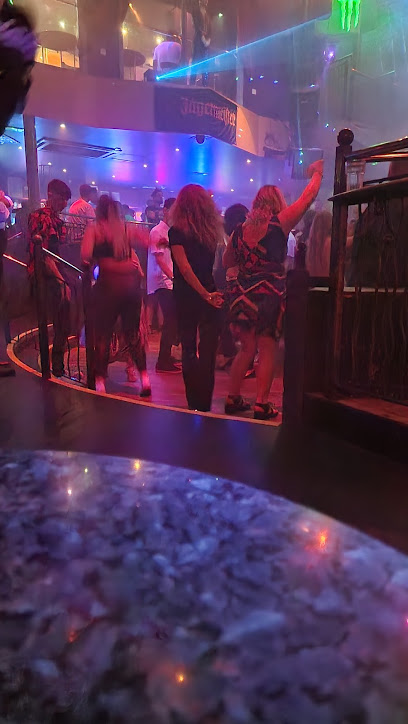
Purple Nightclub
26.5 km
Experience Buckie’s vibrant nightlife at Purple Nightclub, the ultimate destination for dancing, live music, and unforgettable late-night events.
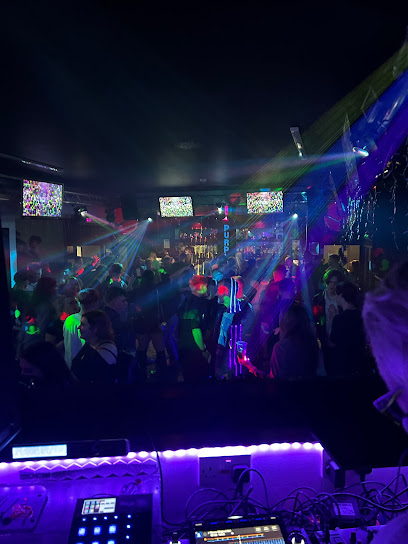
Deveronside Club
42.5 km
A warm and lively social club in Banff offering great events, affordable drinks, and a welcoming community atmosphere.
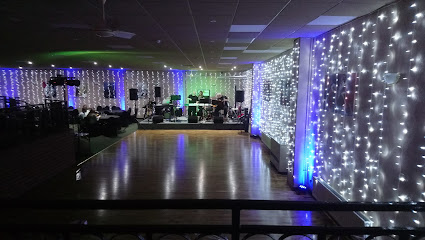
Banff Town & County Club
42.9 km
Discover the heart of Banff at the historic Town & County Club, a social hub that celebrates local culture and community spirit.
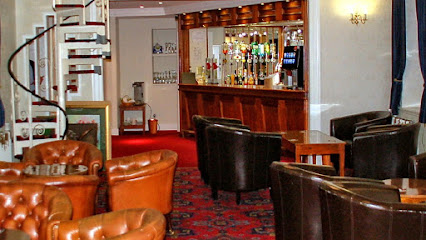
Xplosive Discos
48.7 km
Experience the vibrant nightlife at Xplosive Discos in Nairn, where unforgettable music and karaoke fun await every visitor.
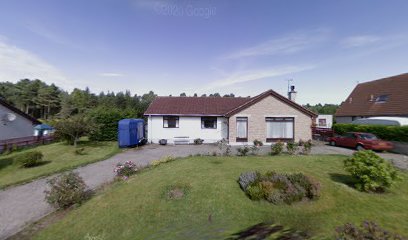
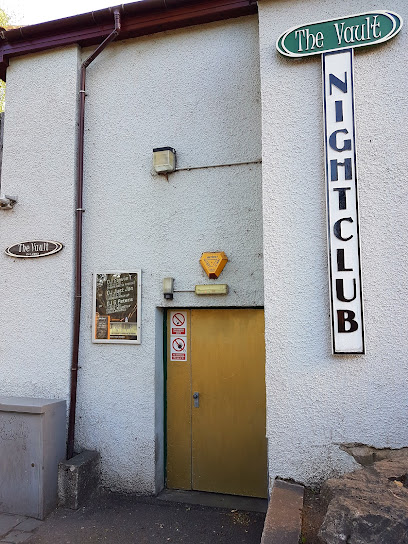
The Vault
51.4 km
Experience Aviemore’s vibrant nightlife at The Vault, a lively nightclub blending modern beats with Highland charm every weekend.
The Imperial
65.8 km
Discover The Imperial, a lively sports bar in Inverness offering cocktails, pub fare, and a vibrant atmosphere perfect for game days.
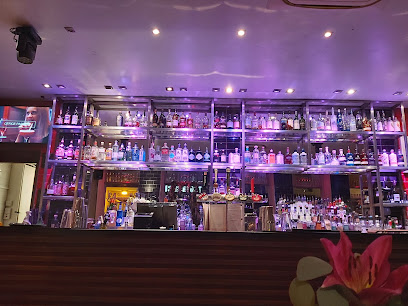
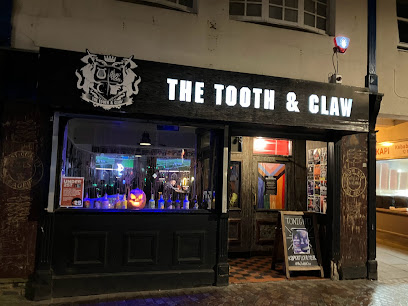
The Tooth & Claw
65.8 km
Experience the vibrant live music scene at The Tooth & Claw, a premier bar in Inverness, where great drinks meet unforgettable performances.
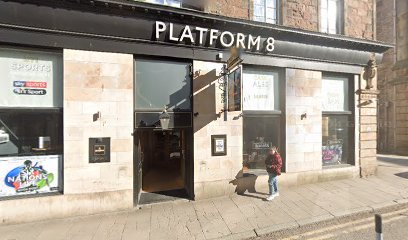
The Exchange
65.9 km
Experience authentic Scottish hospitality at The Exchange, a charming pub in the heart of Inverness with a vibrant atmosphere and local brews.
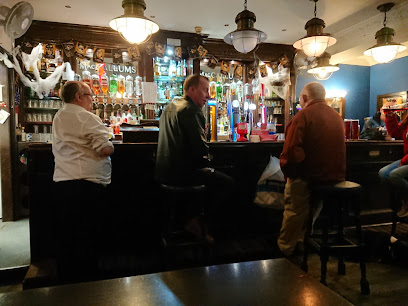
MacCallums Bar
65.9 km
Discover the heart of Inverness at MacCallums Bar, your go-to spot for drinks, live music, and a cozy atmosphere.
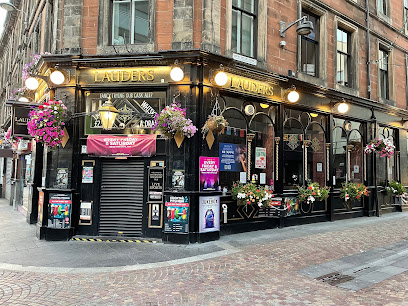
Lauders
65.9 km
Experience the lively spirit of Inverness at Lauders, where great food, drinks, and live music create unforgettable moments.
Gellions Bar
65.9 km
Experience the heart of Inverness at Gellions Bar, where live music, local drinks, and vibrant atmosphere create unforgettable nights.
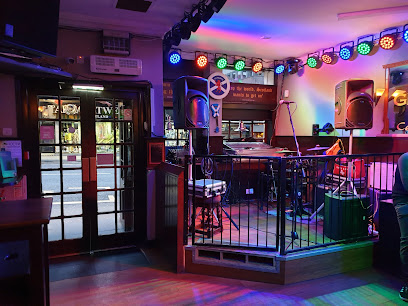
Revolution Inverness
65.9 km
Discover Revolution Inverness: A vibrant lounge and restaurant offering cocktails, delicious food, and an unforgettable nightlife experience in the heart of the city.
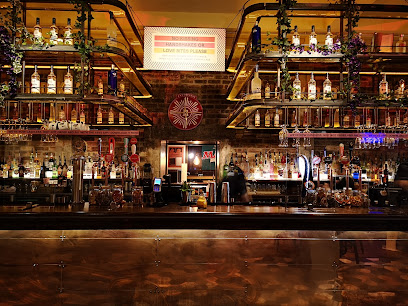
For the vibe & atmosphere seeker
- Scenic
- Tranquil
- Historic
- Unique
For the design and aesthetic lover
- Rustic Designs
- Vintage Styles
For the architecture buff
- Historic
- Landmarks
- Heritage Neighborhoods
For the view chaser and sunset hunter
- Iconic Views
- Panoramas
For the social media creator & influencer
- Instagrammable
- Photo Spots
- Architectural Shots
For the eco-conscious traveler
- Public-Transport Accessible
- Protected Area
For the kind of experience you’re after
- Cultural Heritage
- Photowalk
- Day Trip
For how adventurous you want the journey to be
- Easy Access
- Seasonal Only
Location Audience
- Family Friendly
- Child Friendly
- Teen Friendly
- Senior Friendly
- Wheelchair Access
- Solo Friendly
- Couple Friendly
- Solo Female Friendly


