
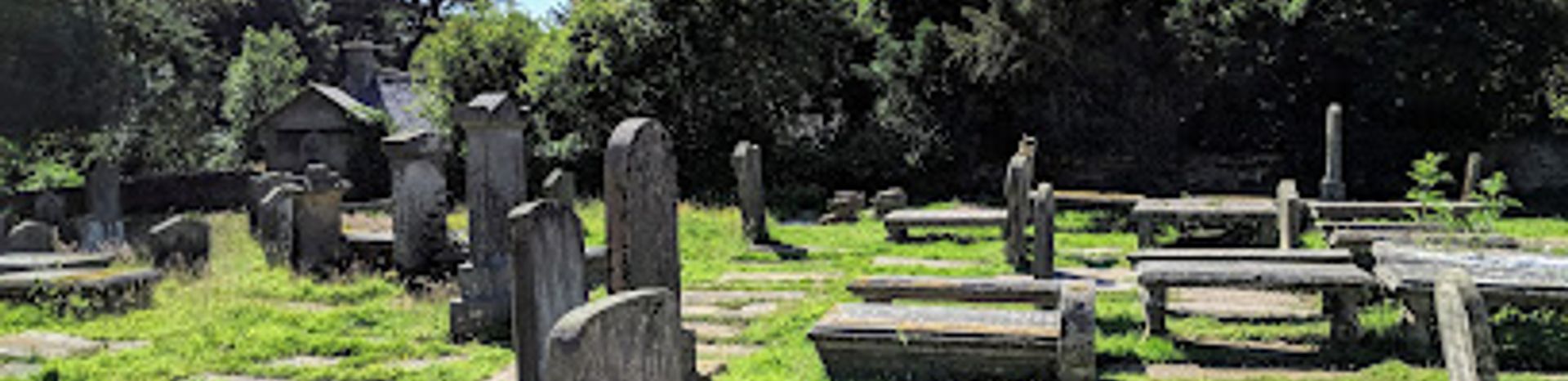
St Peter's Kirk and Parish Cross
Medieval kirk and rare surviving mercat cross spanning eight centuries of Scottish history.
An atmospheric medieval church and graveyard in rural Moray, Scotland, anchored by one of the country's finest surviving medieval mercat crosses. Dating to at least 1190, St Peter's Kirk blends original medieval stonework with 18th-century Presbyterian modifications, offering visitors a tangible connection to eight centuries of Scottish ecclesiastical history and the turbulent Wars of Independence.
A brief summary to St. Peter's Kirk & Parish Cross
- Elgin, Duffus, IV30 5QD, GB
- +441667460232
- Visit website
- Duration: 0.75 to 2 hours
- Free
-
 Outdoor
- Mobile reception: 3 out of 5
Local tips
- Visit in clear weather to fully appreciate the medieval cross and its carved details; the weathered stone is best seen in good light.
- Allow time to explore the graveyard and read the older headstones, which offer insights into local family histories and 18th–19th-century life.
- Combine your visit with nearby Duffus Castle (1¼ miles south-east) to understand the medieval feudal landscape and see architectural parallels in the lancet windows.
- The porch keystone bearing Alexander Sutherland's arms is a subtle but significant detail; ask staff or consult interpretation boards for details on Reformation-era rectors.
- Arrive early in the day to avoid crowds and enjoy the peaceful rural atmosphere; the site is less busy in winter months.

For the on-the-go comforts that matter to you
- Information Boards
- Trash Bins
Getting There
-
Car
From Elgin town centre, travel south-west on the A941 towards Lossiemouth for approximately 8 kilometres, then turn onto Gordonstoun Road. St Peter's Kirk is signposted and located on the roadside near the village of Duffus. Parking is available in a small lay-by adjacent to the site. Journey time from Elgin is approximately 15–20 minutes. The road is well-maintained and suitable for all vehicles year-round.
-
Bus
Local bus services operate between Elgin and surrounding villages, including routes serving the Duffus area. Services are infrequent (typically 2–4 buses daily) and journey times from Elgin are 25–40 minutes depending on the route. Check local Moray Council transport information for current timetables and fares (typically £2–4 per journey). The bus stop is within walking distance of the kirk.
-
Walking
From Elgin town centre, the walk to St Peter's Kirk is approximately 8 kilometres and takes 1.5–2 hours via country roads and lanes. The route follows Gordonstoun Road through rural Moray; terrain is flat to gently rolling. Footpaths are not continuous, so walkers should be prepared to share road verges with occasional traffic. This option is suitable for experienced walkers and is most practical in daylight hours and dry weather.
-
Cycling
St Peter's Kirk is accessible by bicycle from Elgin via Gordonstoun Road, a distance of approximately 8 kilometres. The route is relatively flat and takes 20–30 minutes on a hybrid or road bike. Road surfaces are tarmacked and generally in good condition, though traffic can be light to moderate. Secure bicycle parking is not available on-site, so bring a portable lock.
St. Peter's Kirk & Parish Cross location weather suitability
-
 Any Weather
-
 Clear Skies
Discover more about St. Peter's Kirk & Parish Cross
Medieval Foundations and Wartime Resilience
St Peter's Kirk has stood on this Moray hillside since at least 1190, when the Register of Moray first documented the "Church of the Blessed Peter, at Duffus" in a charter between Bishop Richard of Moray and William, lord of Duffus. The church's origins are intimately tied to the establishment of nearby Duffus Castle in the mid-1100s, reflecting the feudal landscape of medieval Scotland where ecclesiastical and military power often intertwined. The 1300s brought devastation during the Wars of Independence, when English forces under Edward I ravaged the region. The church suffered severe damage alongside Duffus Castle, which was held by the pro-English Reginald le Cheyne. Yet the damage was not permanent: Edward I himself donated 20 oak trees to the church's rector to facilitate repairs—a remarkable gesture that speaks to the strategic importance of controlling religious institutions during the conflict.Architectural Palimpsest: Medieval Bones in Georgian Dress
The building standing today is largely a product of extensive reconstruction in 1782 and 1789, undertaken to adapt the medieval structure for Presbyterian worship. However, this 18th-century remodelling followed the original dimensions and layout, preserving the church's fundamental medieval character. Beneath the later stonework lies substantially more medieval masonry than is immediately apparent to the casual visitor. The most visibly medieval features are the porch and tower. The stone-vaulted porch displays a pointed outer door and a row of delicate rosettes carved into its hollow moulding. The keystone of the vault bears the arms and initials of Alexander Sutherland, rector in 1524, offering a tangible link to the Reformation era. The tower's stumpy form retains pointed lancet windows with broad chamfers, stylistically consistent with similar windows at Duffus Castle dating to the early 1300s. Inside, a holy water stoup—a small basin used for ritual hand-cleansing before mass—survives as a poignant reminder of pre-Reformation Catholic practice.The Mercat Cross: A Rare Medieval Survivor
The finest medieval feature of the entire site is the parish cross standing in the graveyard. Rising more than 4 metres high on its stepped base, this cross dates to the 1300s and is one of the few medieval mercat crosses surviving in Scotland. Remarkably, it appears to occupy its original location, having escaped the demolition or removal that claimed so many similar monuments during the Reformation and beyond. An enriched band encircles the shaft near the top, though the cross head itself is heavily weathered by centuries of Scottish weather. This monument represents not merely a religious symbol but a marker of civic and commercial authority—mercat crosses were the focal points of medieval market towns and the seats of local justice.Transition and Abandonment
For nearly 700 years, St Peter's Kirk served as the spiritual centre of Duffus parish. The original village clustered around the church and the Old Manse, comprising a handful of cottages along the roadside. However, in the 19th century, as landowners throughout Scotland developed planned villages to encourage settlement and self-sufficiency, the focus of community life shifted. In 1868 and 1869, a new church was constructed in Duffus village itself, and St Peter's Kirk passed out of active use. The old building and its graveyard were eventually placed in the care of Historic Environment Scotland, ensuring that this remarkable survivor of medieval Scotland would be preserved for future generations.Atmosphere and Setting
Today, St Peter's Kirk occupies a quiet, rural setting on Gordonstoun Road, surrounded by the Moray landscape. The graveyard, with its weathered stones and the commanding presence of the medieval cross, evokes the long continuity of Christian worship and community burial on this site. The building itself, though no longer in ecclesiastical use, retains an air of quiet dignity. Visitors encounter not a museum but a living historical document—a place where medieval craftsmanship, Reformation theology, and Scottish resilience are physically embodied in stone and mortar.Iconic landmarks you can’t miss

St. Peter's Kirk & Parish Cross
0.0 km
Medieval kirk and rare surviving mercat cross spanning eight centuries of Scottish history.
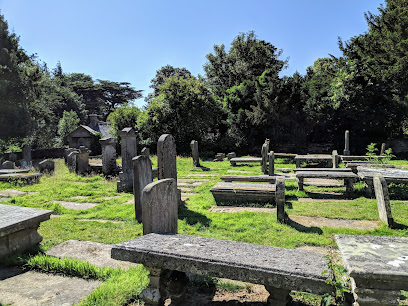
Crook of Alves (historical placename)
7.6 km
Discover the Crook of Alves, a cultural landmark in Elgin, where history meets stunning natural beauty in Scotland's captivating landscapes.
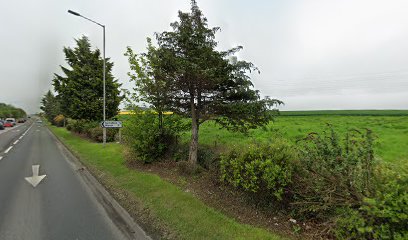
Asliesk Castle (remains)
11.0 km
Explore the ivy-clad ruins of Asliesk Castle, a 16th-century Scottish tower house steeped in history and legend near Elgin, Moray.

Sueno's Stone
15.7 km
Scotland's tallest Pictish monument—a 6.5-metre enigma carved with battle scenes and royal ceremony.
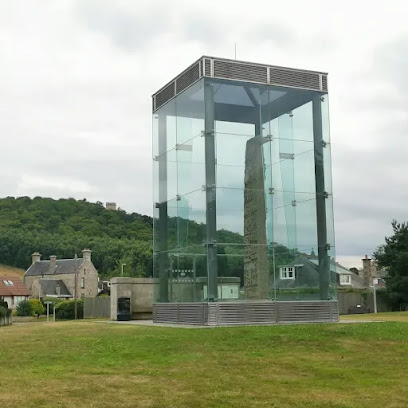
Rothes Castle
22.1 km
Explore the evocative ruins of Rothes Castle, a 13th-century fortress commanding the Spey Valley and steeped in Scottish medieval history.
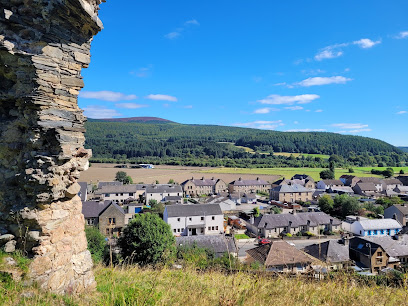
Durn Hill - Iron Age Fort
39.8 km
Explore Durn Hill, an ancient Iron Age fort with commanding views and rich archaeological heritage near Banff, Scotland.
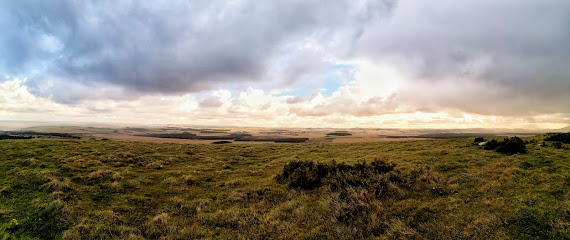
Fort George
42.4 km
Discover the rich military history and stunning landscapes at Fort George, an iconic fortress near Inverness, Scotland.
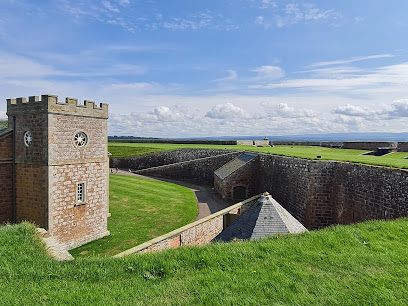
Dornoch Cathedral
43.1 km
Explore the historical wonders of Dornoch Cathedral, a stunning architectural masterpiece in the heart of Scotland's Highlands, rich in history and beauty.
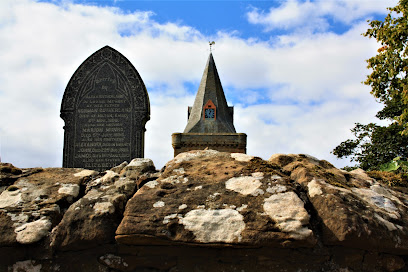
Chanonry Point
44.5 km
Discover the enchanting beauty of Chanonry Point, a top scenic spot for dolphin watching and enjoying breathtaking coastal views in Fortrose, Scotland.
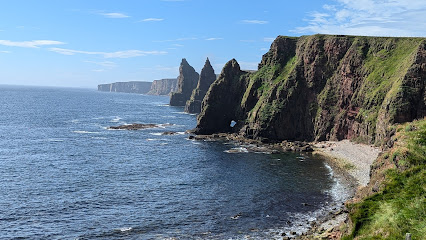
Carn Liath
44.6 km
Explore the Iron Age marvel of Carn Liath in Brora, Scotland. A must-visit historical site with stunning views and rich cultural heritage.
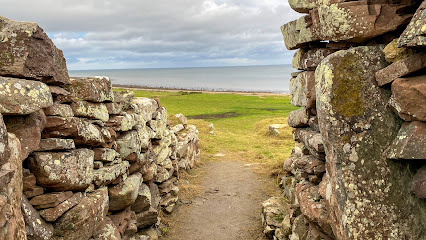
Huntly Castle
45.2 km
Experience the grandeur of Huntly Castle, a historic treasure in Scotland, perfect for history enthusiasts and nature lovers alike.
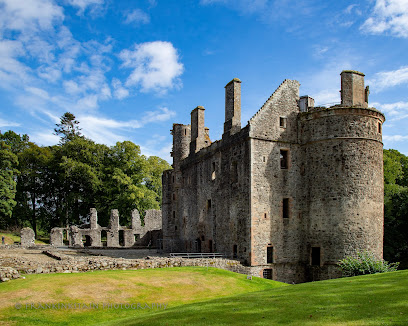
Dunrobin Castle & Gardens
45.6 km
Explore the enchanting Dunrobin Castle & Gardens, a stunning gem of Scottish heritage with breathtaking architecture and picturesque landscapes.
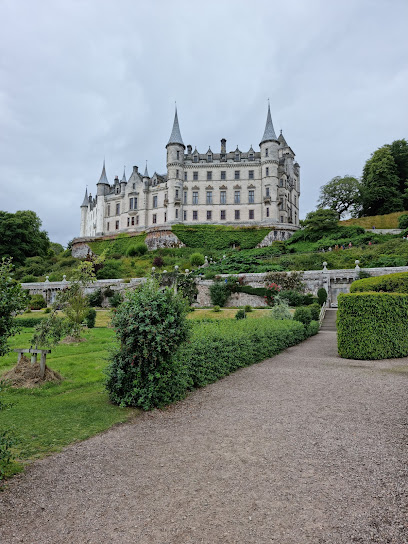
Monument to Harriet, Duchess of Sutherland
45.8 km
A dignified monument in Golspie honoring Harriet, Duchess of Sutherland, a Victorian political hostess and social reformer with a lasting Highland legacy.
Fairy Glen Falls
45.8 km
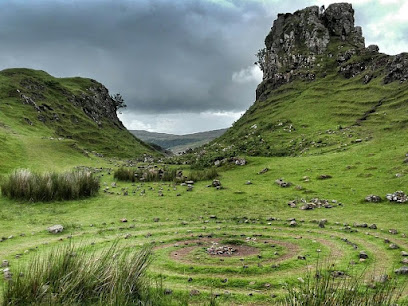
Explore the stunning Fairy Glen Falls in Fortrose, a picturesque hiking area perfect for nature lovers seeking adventure and tranquility.
Culloden Viaduct
47.3 km
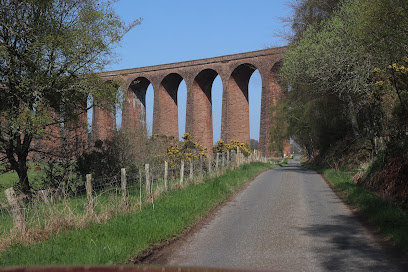
Scotland’s longest masonry viaduct, a stunning 29-arch railway bridge spanning the River Nairn valley near historic Culloden Battlefield.
Unmissable attractions to see

Knock of Alves
5.8 km
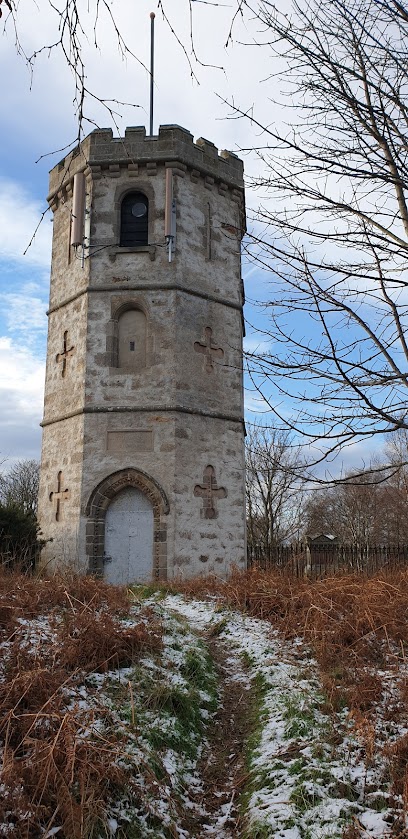
Historic wooded hill near Elgin crowned by York Tower, offering scenic views and rich Scottish heritage.
Spynie Palace
6.2 km
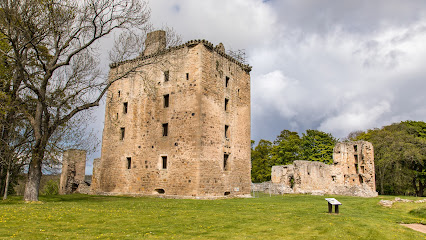
Explore the evocative ruins of Spynie Palace, a medieval bishop’s stronghold with stunning tower views over Moray’s tranquil loch and countryside.
Burghead Well
6.5 km
Explore the mysterious rock-hewn chamber of Burghead Well, a unique Dark Age site steeped in Pictish ritual and early Christian history.
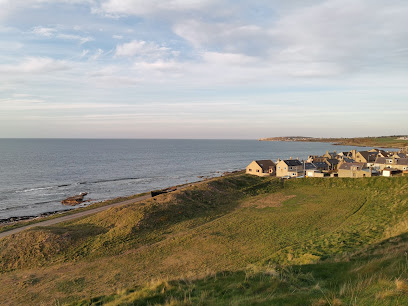
Moray Motor Museum
6.7 km
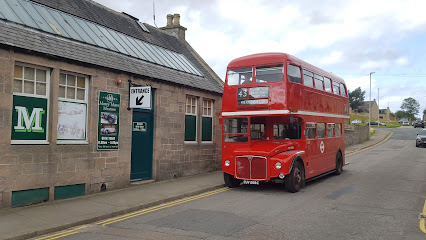
Discover a captivating collection of vintage and classic cars in a historic Elgin mill, where motoring heritage comes alive with passion and stories.
Moray Jazz Club
6.7 km
Experience intimate live jazz performances every other Thursday in Elgin’s welcoming Moray Jazz Club at Elgin City Football Club Social Club.

Burghead Pictish Fort
6.7 km
Explore Scotland’s largest Pictish fort, a coastal stronghold rich in history, mystery, and ancient traditions overlooking the Moray Firth.
Cooper Park
6.9 km
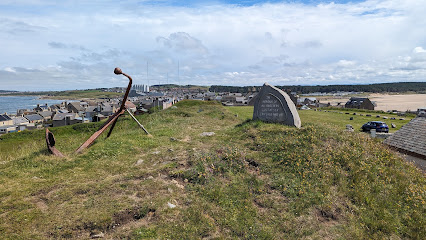
A historic, family-friendly green space in Elgin with sports, nature, and tranquil riverside walks.
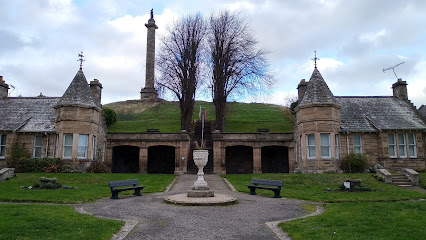
Lady Hill
6.9 km
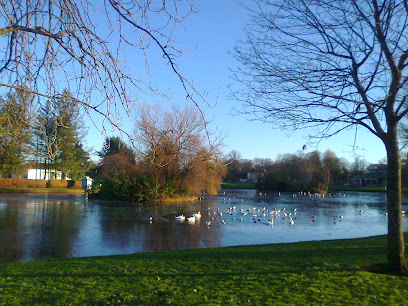
Historic Lady Hill in Elgin features the towering Duke of Gordon's Monument and offers stunning panoramic views of the town and countryside.
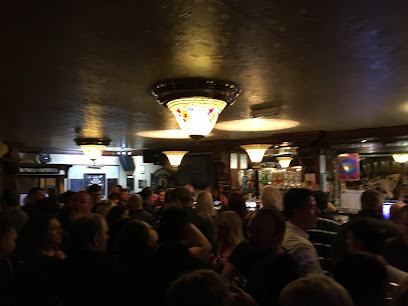
Diceys
7.0 km
Lively and welcoming, Diceys is Elgin’s go-to pub for great drinks and vibrant socializing in the heart of town.
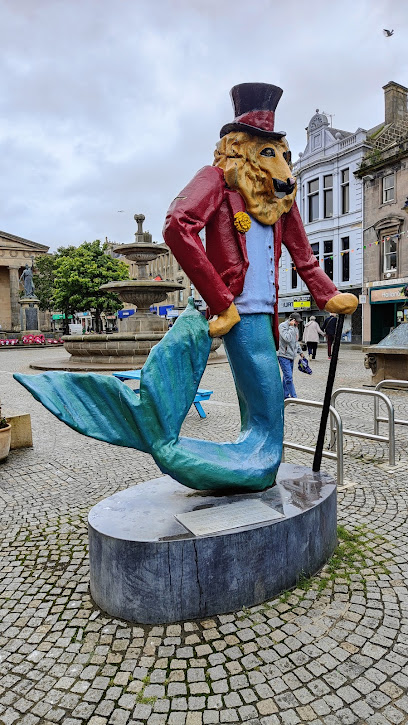
The Dandy Lion Statue
7.0 km
A vibrant 10-foot sculpture blending lion and mermaid motifs, celebrating Elgin’s historic fisher folk and textile heritage with colorful eccentricity.
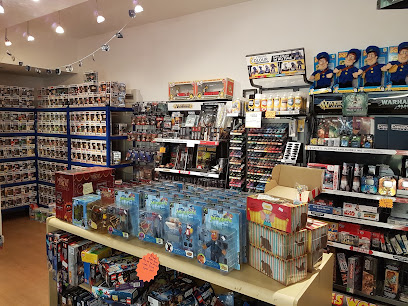
The Pop Shop Elgin
7.1 km
Discover rare collectibles and immersive board games in the heart of Elgin at The Pop Shop Elgin, a vibrant hub for enthusiasts and collectors.
The Ditsy Teacup
7.1 km
Cozy Elgin tearoom serving fresh scones, homemade soups, and delightful breakfasts in a charming, welcoming atmosphere.
Biblical Garden Elgin
7.2 km
A peaceful, free-entry garden in Elgin blending biblical themes with nature’s beauty for reflection and family enjoyment.
Elgin Museum
7.2 km
Explore Moray’s rich history and heritage at Elgin Museum, Scotland’s oldest independent museum housed in a stunning Italianate building.
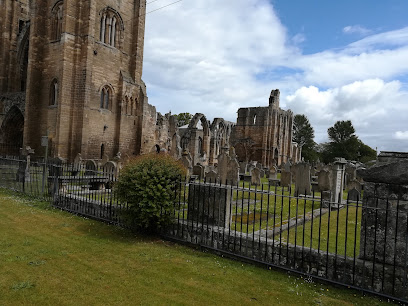
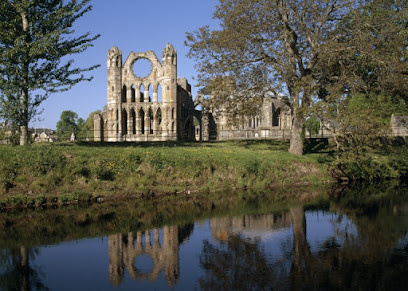
Elgin Cathedral
7.3 km
Explore the majestic ruins of Elgin Cathedral, the 'Lantern of the North,' and climb its towers for stunning views over historic Elgin and Moray.
Essential places to dine

Bootleggers Bar & Grill
3.5 km
A vibrant seafood and BBQ spot with stunning sea views and diverse menu options in the heart of Hopeman.
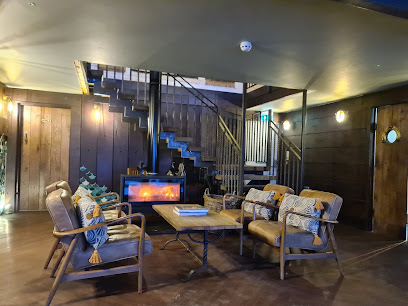
Catch 79 Seafood Bistro
6.1 km
Exceptional fresh seafood with a Scottish twist in a welcoming Lossiemouth bistro, where seasonal menus and warm service create a memorable dining experience.
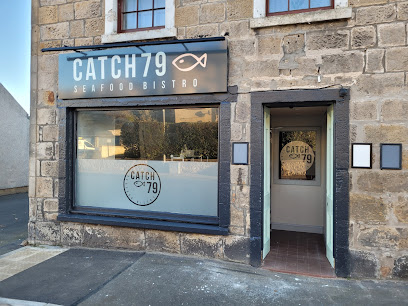
The Humble Burger
6.2 km
Wholesome Scotch beef burgers and loaded fries, inspired by Seattle street food culture.
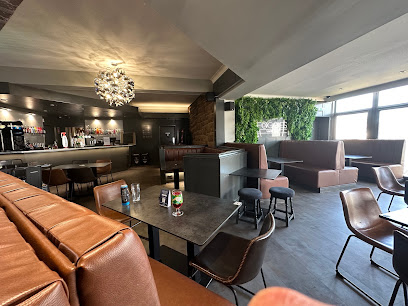
The Bothy Bistro
6.2 km
Burghead's beloved bistro serving locally sourced Scottish cuisine in an intimate, welcoming village setting.
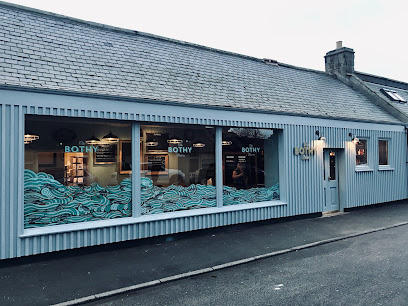
The Salt Cellar
6.4 km
Historic 17th-century salt cellar serving fresh local seafood and hearty Scottish dishes in a warm, family-friendly setting.
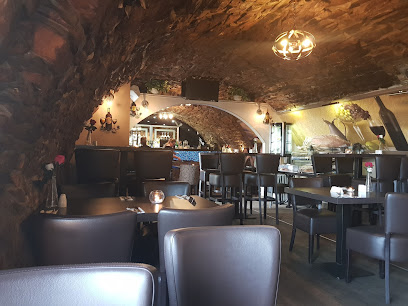
Bridge45
6.4 km
Cozy coastal restaurant in Lossiemouth serving hearty home-cooked Scottish dishes with friendly service and scenic outdoor seating.
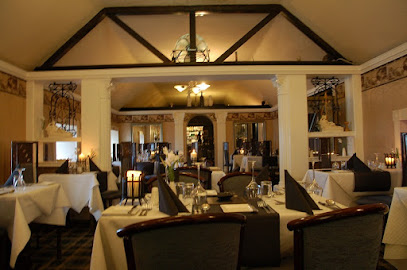
The 1629
6.4 km
Fine dining with stunning Moray Firth views, offering exquisite seafood, steaks, and continental cuisine in the heart of Lossiemouth.
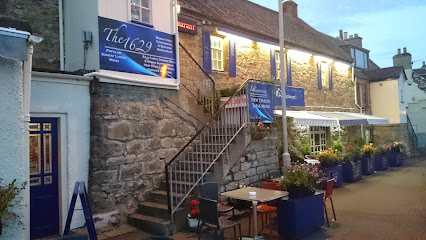
Guidi's
6.5 km
Guidi's at The Lossie Inn offers delicious pizza and warm hospitality in the heart of scenic Lossiemouth, Scotland.
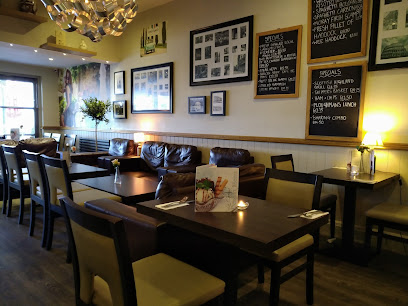
Food Vault Mediterranean grill Restaurant
6.7 km
A vibrant Mediterranean grill in Lossiemouth offering generous portions, fresh local produce, and a cozy cantina atmosphere for all-day dining.
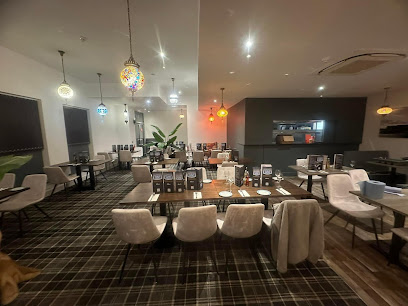
The Harbour Lights
6.8 km
A relaxed Lossiemouth café-bar serving hearty breakfasts, fresh seafood, and local favourites in a bright, coastal setting.
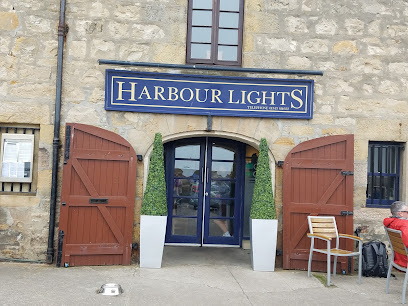
Shmelgin
6.9 km
Experience authentic Nepalese cuisine with warm hospitality in the heart of Elgin’s historic High Street.
Qismat Elgin Indian Cuisine
7.0 km
Modern Indian and Pakistani cuisine in central Elgin, serving bold curries, tandoori dishes, and attentive service in a relaxed, contemporary setting.
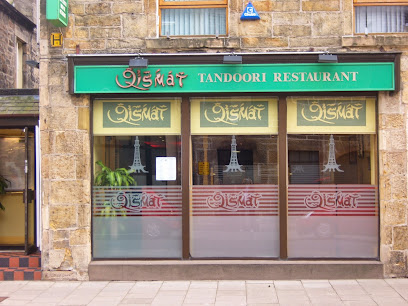
156 Bar And Grill
7.0 km
Casual American grill on Elgin’s High Street, serving classic burgers, wings, and family-friendly comfort food with takeaway options.
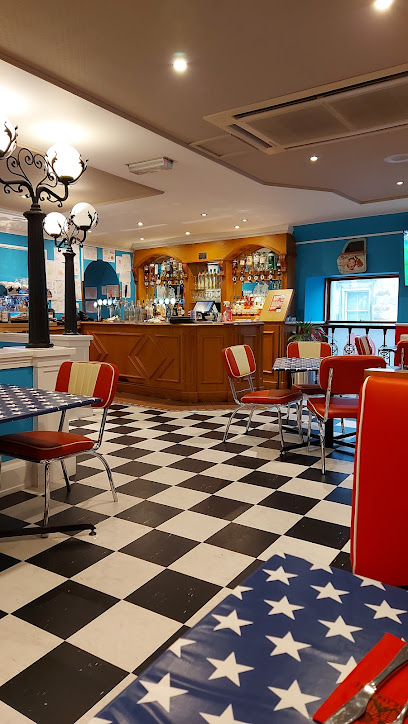
Scribbles
7.0 km
Lively Italian eatery in Elgin serving fresh pizzas, burgers, and gluten-free options with friendly service and a welcoming atmosphere.
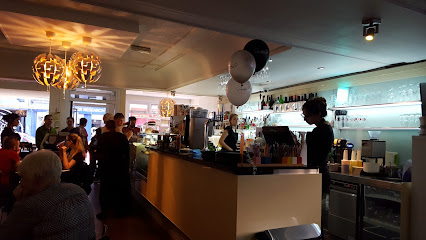
Granary
7.1 km
A lively pub and restaurant in Elgin offering hearty meals, local drinks, and a welcoming atmosphere from morning till late night.
Markets, malls and hidden boutiques

UNIQUE
6.6 km
Discover distinctive women's fashion and accessories in the heart of Lossiemouth at UNIQUE, your local boutique for elegant style.
Decora Ltd
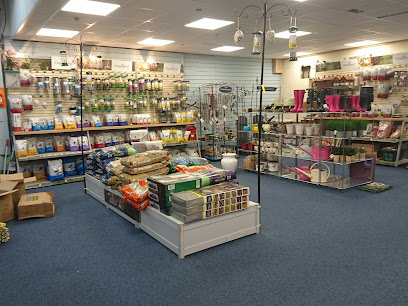
6.6 km
Scotland’s largest independent home and garden centre in Elgin, blending expert design, extensive supplies, and a welcoming café under one historic roof.
Browns Giftware
6.7 km
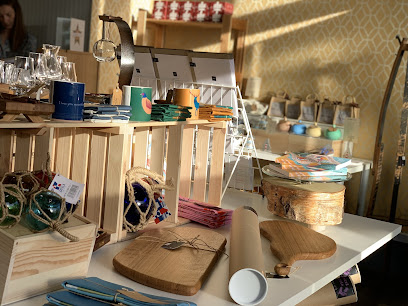
Discover unique Scottish treasures and handcrafted souvenirs at Browns Giftware, a charming boutique in the heart of Lossiemouth.
MY Ladies Designer Boutique
6.8 km
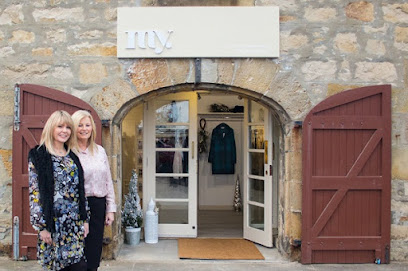
Exclusive designer ladieswear boutique in Lossiemouth offering quality, individuality, and timeless style in a charming coastal setting.
St Giles Shopping Centre
7.0 km
Central Elgin’s shopping hub with diverse retailers, local events, and a welcoming atmosphere under one roof.
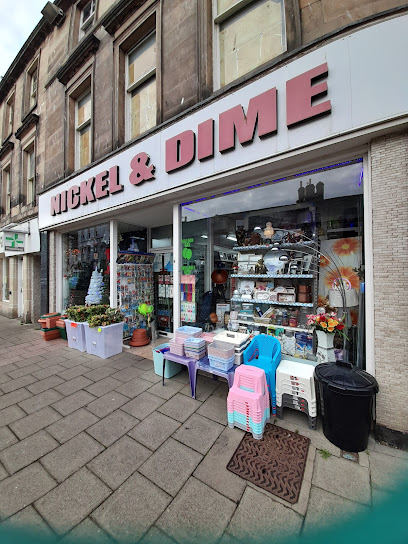
Nickel n' Dime Elgin
7.0 km
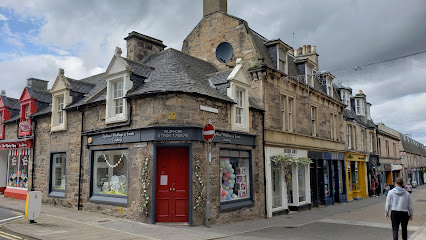
A friendly, well-stocked homewares and hardware shop in Elgin offering quality goods and seasonal finds for all your household needs.
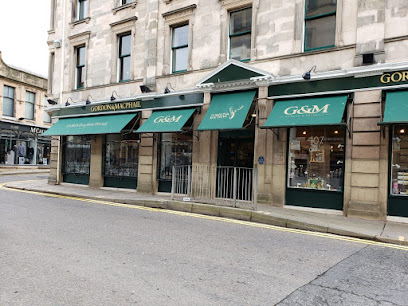
Gordon & MacPhail Retail
7.1 km
Scotland's legendary independent whisky specialist since 1895, offering rare single malts and expert tastings.
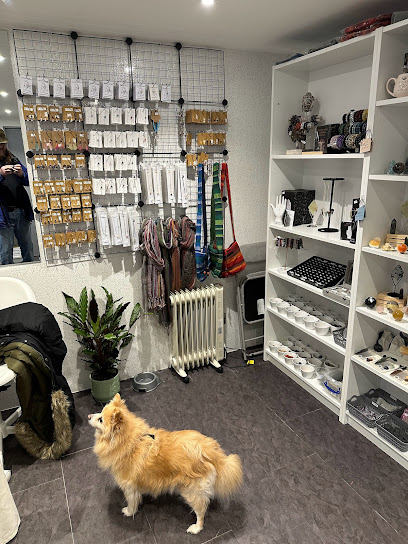
Enchanted Highlands
7.1 km
Discover authentic Scottish Highland crafts and unique souvenirs at Enchanted Highlands, a charming gift shop in Elgin’s heart.
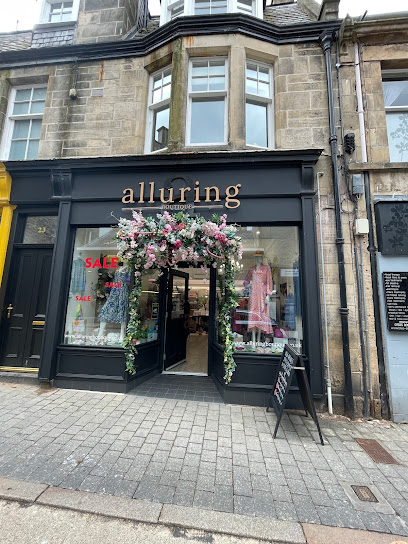
Alluring Boutique
7.1 km
Discover unique fashion and accessories at Alluring Boutique, Elgin’s stylish clothing shop blending contemporary trends with timeless elegance.
Sirology Ltd
7.1 km
Discover unique gifts, health products, and exquisite leather goods showcasing local craftsmanship in the heart of Elgin.
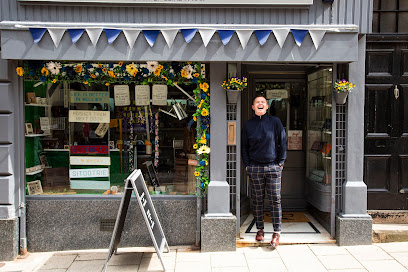
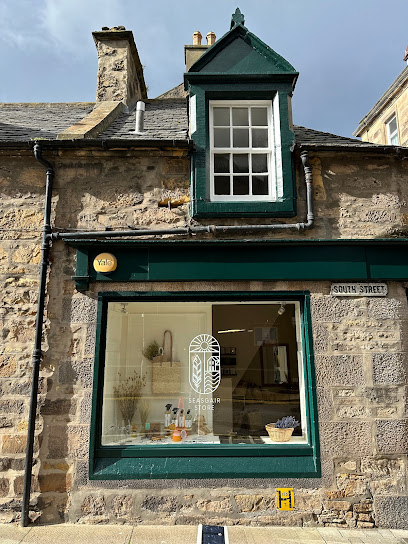
Seasgair Store
7.2 km
Discover Seasgair Store in Elgin for beautiful, practical homewares and unique gifts in a welcoming boutique setting.
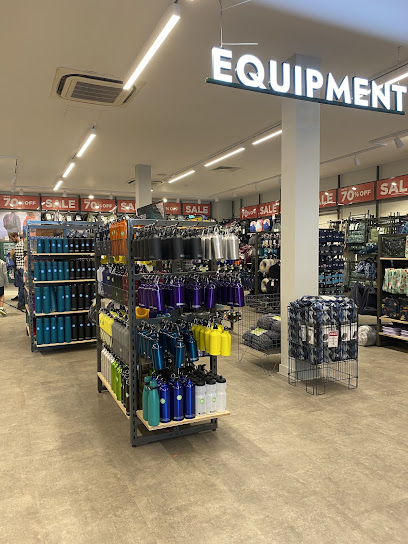
Mountain Warehouse Elgin
8.0 km
Your trusted Elgin destination for quality outdoor clothing, camping gear, and adventure-ready apparel for all ages and seasons.
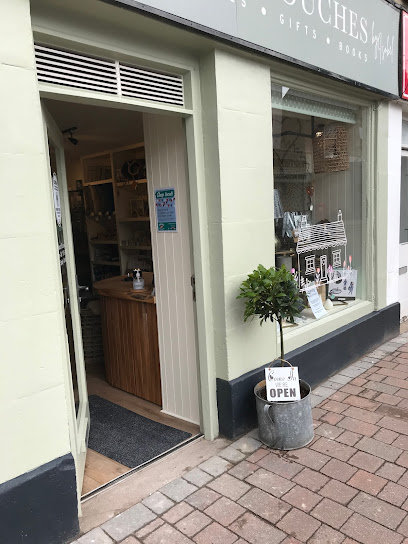
Finishing Touches by Isobel
16.7 km
Explore Finishing Touches by Isobel in Forres for unique gifts, homewares, and a delightful shopping experience that reflects local charm.
Babalu
16.8 km
Discover Babalu, Forres’ magical boutique filled with handmade gifts, unique treasures, and warm local charm on High Street.
Frankie & Me
18.9 km
Discover unique gifts, children’s clothes, and cake decorating delights in a charming shop nestled in the heart of Fochabers, Scotland.

Essential bars & hidden hideouts

Braemou Inn
3.0 km
A cozy, welcoming pub and inn in Hopeman offering hearty homemade food, comfortable rooms, and a true taste of Scottish coastal hospitality.
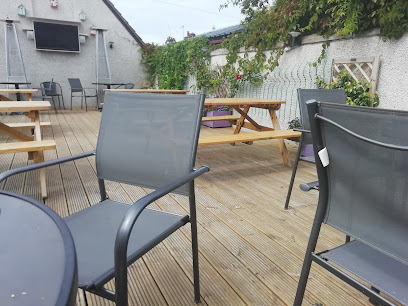
Foggies Vape Bar
6.2 km
Discover Elgin’s vibrant Foggies Vape Bar, where cozy pub charm meets a dynamic vaping culture for a unique social experience.
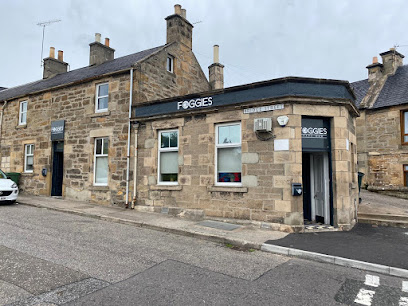
The Firth
6.6 km
Coastal charm meets hearty Scottish fare at The Firth, a welcoming pub and hotel with stunning sea views in Lossiemouth.
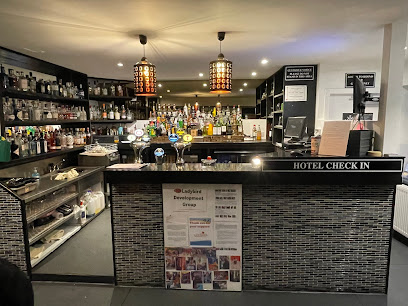
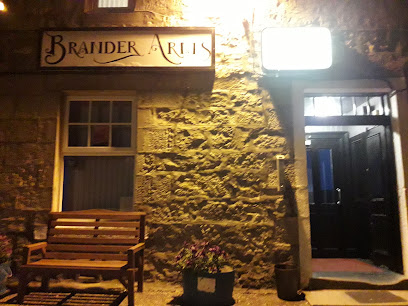
Brander Arms
6.8 km
A welcoming harbourside pub in Lossiemouth offering friendly service, scenic sea views, and a cozy atmosphere for relaxed drinks.
The Victoria Bar
7.0 km
Step into Elgin’s Victoria Bar for a true taste of traditional Scottish pub life, with friendly locals, fine whiskies, and a welcoming atmosphere.
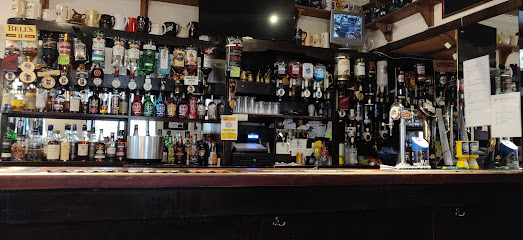
Badenoch's
7.0 km
A lively gastro pub in Elgin offering diverse dining, cocktails, and a welcoming atmosphere for locals and visitors alike.
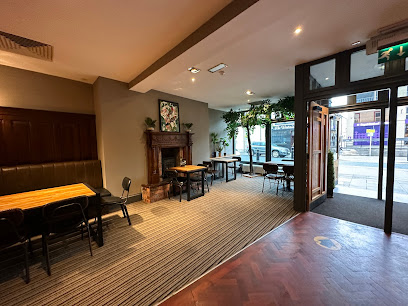
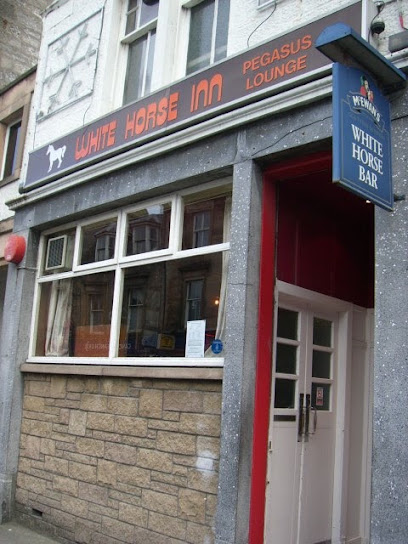
White Horse Inn
7.0 km
A traditional Scottish pub with cozy indoor lodging, hearty fare, and a welcoming atmosphere in the heart of Elgin.
The Thunderton House
7.1 km
Historic charm meets lively hospitality at The Thunderton House, Elgin’s beloved pub for great food, drinks, and live entertainment.
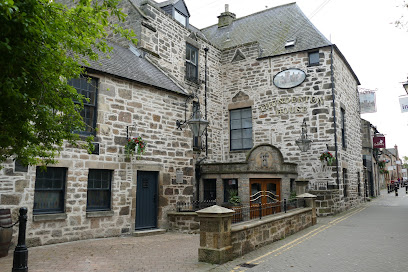
The Cocktail Joint
7.1 km
Elgin’s exclusive speakeasy bar offering expertly crafted cocktails in a stylish, intimate setting.
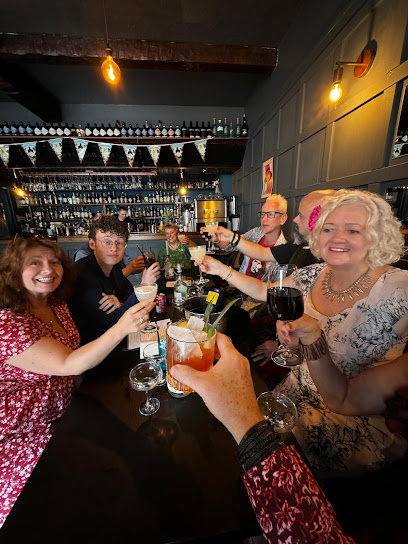
Dean's of Elgin
7.1 km
Experience expertly crafted cocktails in a cozy, inviting bar nestled in the heart of historic Elgin, Scotland.
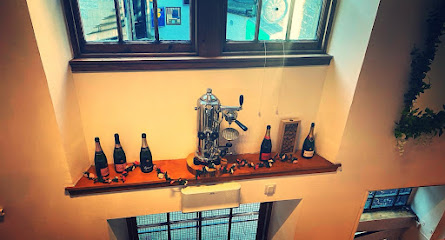
Against The Grain - Taproom Beer Emporium
7.1 km
A cozy Elgin taproom offering a rotating selection of craft beers and whiskies in a relaxed, dog-friendly atmosphere.
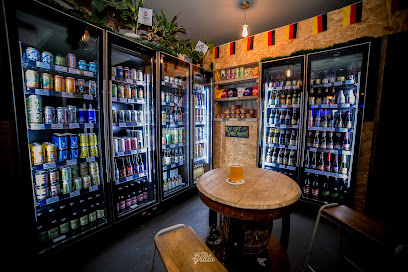
The Elgin Club
7.2 km
Historic Renaissance palazzo bar offering vibrant nightlife in the heart of Elgin’s town centre.
The Muckle Cross - JD Wetherspoon
7.2 km
A vibrant and affordable JD Wetherspoon pub on Elgin High Street offering hearty meals and a lively atmosphere from morning till late.
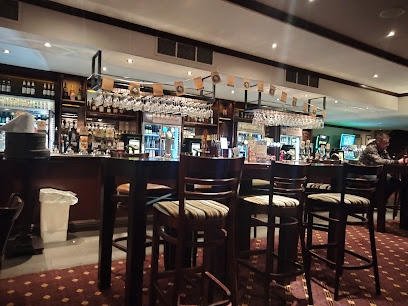
Ionic Bar
7.2 km
A traditional Scottish pub in Elgin’s heart, offering friendly vibes, local brews, and timeless charm for relaxed socialising.
Thornhill Leisure Ltd
7.3 km
Experience the charm of Thornhill Leisure Ltd, a cozy pub in Elgin, perfect for enjoying local ales and Scottish hospitality.
Nightclubs & after hour spots

Joannas Nightclub
7.0 km
Lively and casual nightclub in Elgin’s town centre, offering weekend late-night music, dancing, and social vibes in a friendly local setting.
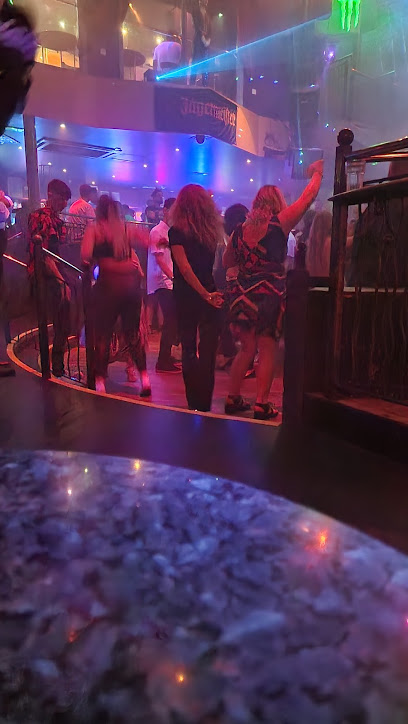
Zed Bar
7.0 km
Experience the vibrant nightlife at Zed Bar in Elgin, where great drinks and lively atmosphere await every visitor.
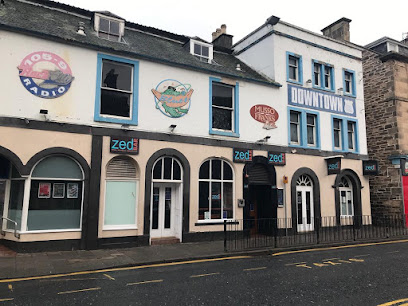
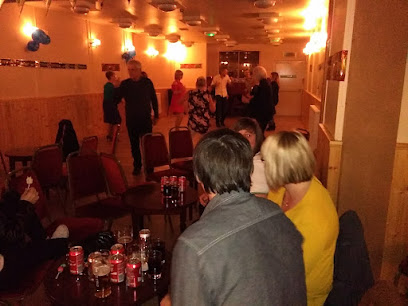
Seaforth Club
7.2 km
A welcoming members-only social club in Elgin offering great atmosphere, steak suppers, and a true sense of community spirit.
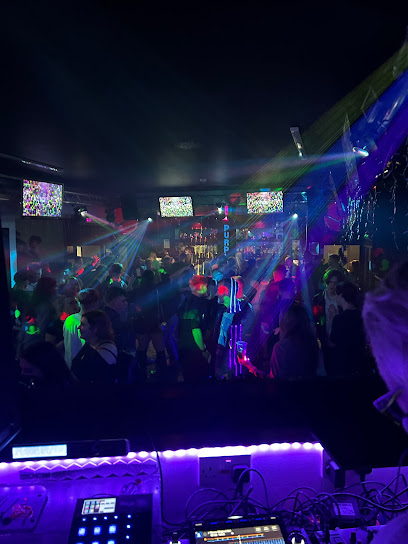
Purple Nightclub
25.1 km
Experience Buckie’s vibrant nightlife at Purple Nightclub, the ultimate destination for dancing, live music, and unforgettable late-night events.
Xplosive Discos
34.3 km
Experience the vibrant nightlife at Xplosive Discos in Nairn, where unforgettable music and karaoke fun await every visitor.
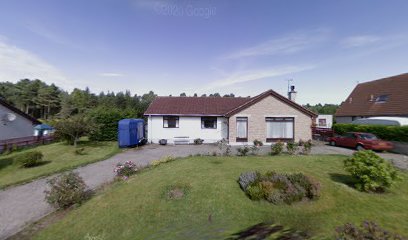
Deveronside Club
50.9 km
A warm and lively social club in Banff offering great events, affordable drinks, and a welcoming community atmosphere.
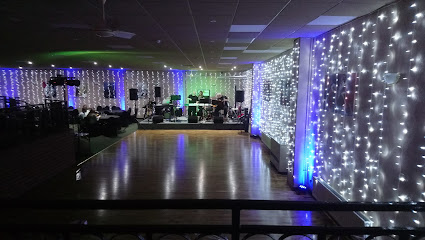
Banff Town & County Club
51.4 km
Discover the heart of Banff at the historic Town & County Club, a social hub that celebrates local culture and community spirit.
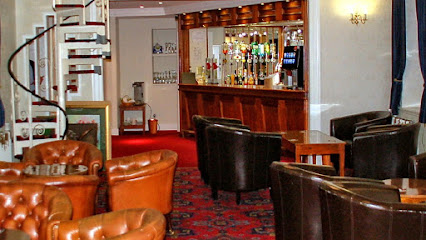
Private Eyes Inverness
55.8 km
Experience Inverness’s vibrant nightlife at Private Eyes, where stylish decor meets great music and a welcoming party atmosphere.
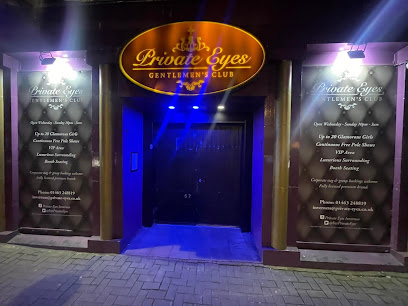
MacCallums Bar
55.8 km
Discover the heart of Inverness at MacCallums Bar, your go-to spot for drinks, live music, and a cozy atmosphere.
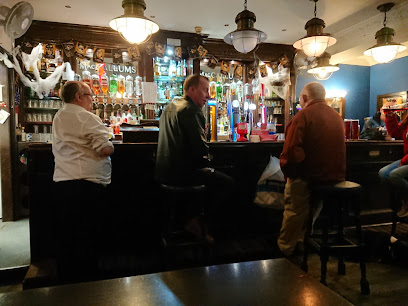
Market Bar
55.8 km
Experience the vibrant atmosphere of Market Bar in Inverness, where live music and local brews create the perfect Scottish pub experience.
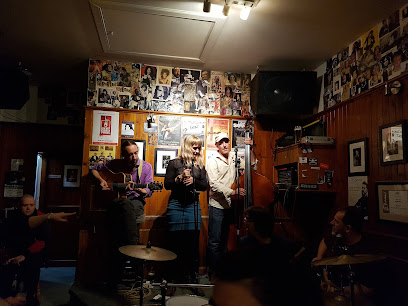
Lauders
55.8 km
Experience the lively spirit of Inverness at Lauders, where great food, drinks, and live music create unforgettable moments.
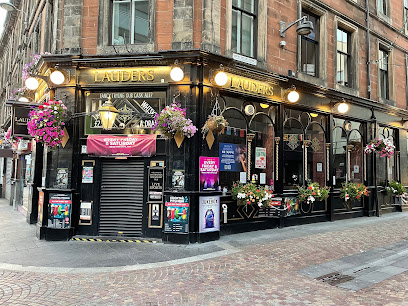
The Malt Room
55.8 km
Discover The Malt Room in Inverness, a cozy bar with an extensive whisky selection and a welcoming atmosphere perfect for relaxation.
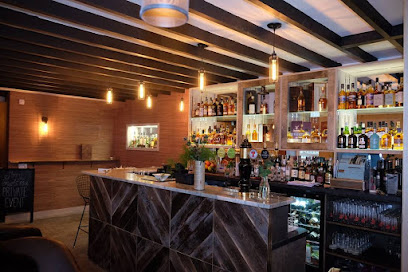
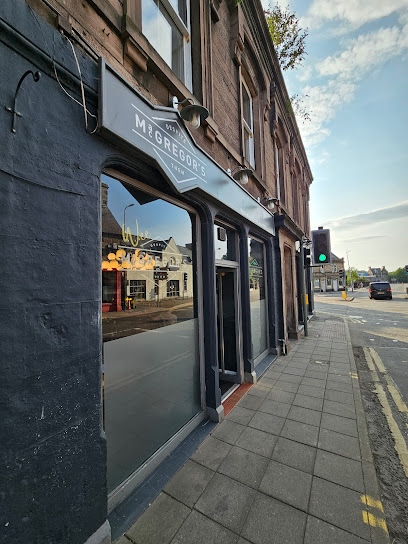
MacGregor's
55.8 km
Experience the lively atmosphere of MacGregor's in Inverness, offering delicious food and a great selection of drinks in a vibrant setting.
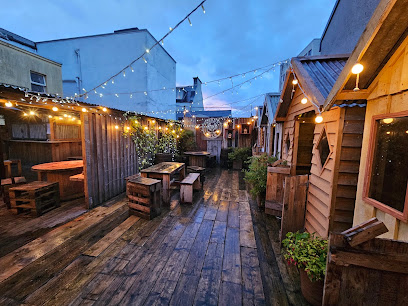
Black Isle Bar & Rooms
55.8 km
Discover the vibrant atmosphere and unique offerings of Black Isle Bar & Rooms in the heart of Inverness, your gateway to local culture and craft brews.
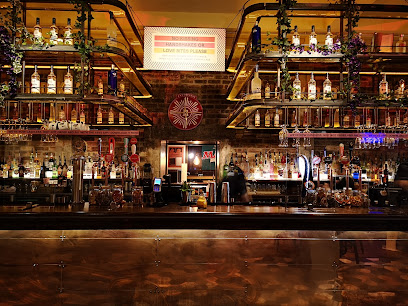
Revolution Inverness
55.8 km
Discover Revolution Inverness: A vibrant lounge and restaurant offering cocktails, delicious food, and an unforgettable nightlife experience in the heart of the city.
For the vibe & atmosphere seeker
- Tranquil
- Scenic
- Unique
For the design and aesthetic lover
- Vintage Styles
- Rustic Designs
For the architecture buff
- Historic
- Sacred Sites
- Heritage Neighborhoods
For the view chaser and sunset hunter
- Iconic Views
- Panoramas
For the social media creator & influencer
- Architectural Shots
- Photo Spots
For the eco-conscious traveler
- Protected Area
- Leave-No-Trace Critical
- Locally Managed
For the kind of experience you’re after
- Cultural Heritage
- Myth & Legends
- Photowalk
- Day Trip
For how adventurous you want the journey to be
- Easy Access
Location Audience
- Family Friendly
- Senior Friendly
- Solo Friendly
- Couple Friendly


