Eden Castle Travel Guide
Free Guide: Ruined Renaissance tower house overlooking river confluence, a scheduled ancient monument of Scottish gentry heritage.


A brief summary of Eden Castle
Ruined Renaissance tower house overlooking river confluence, a scheduled ancient monument of Scottish gentry heritage.
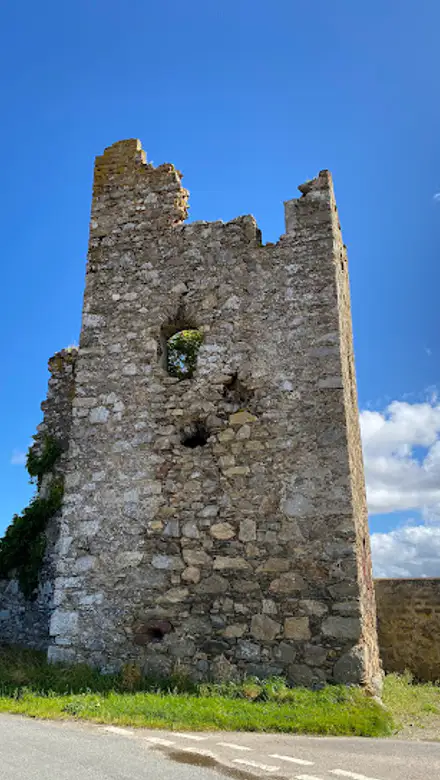
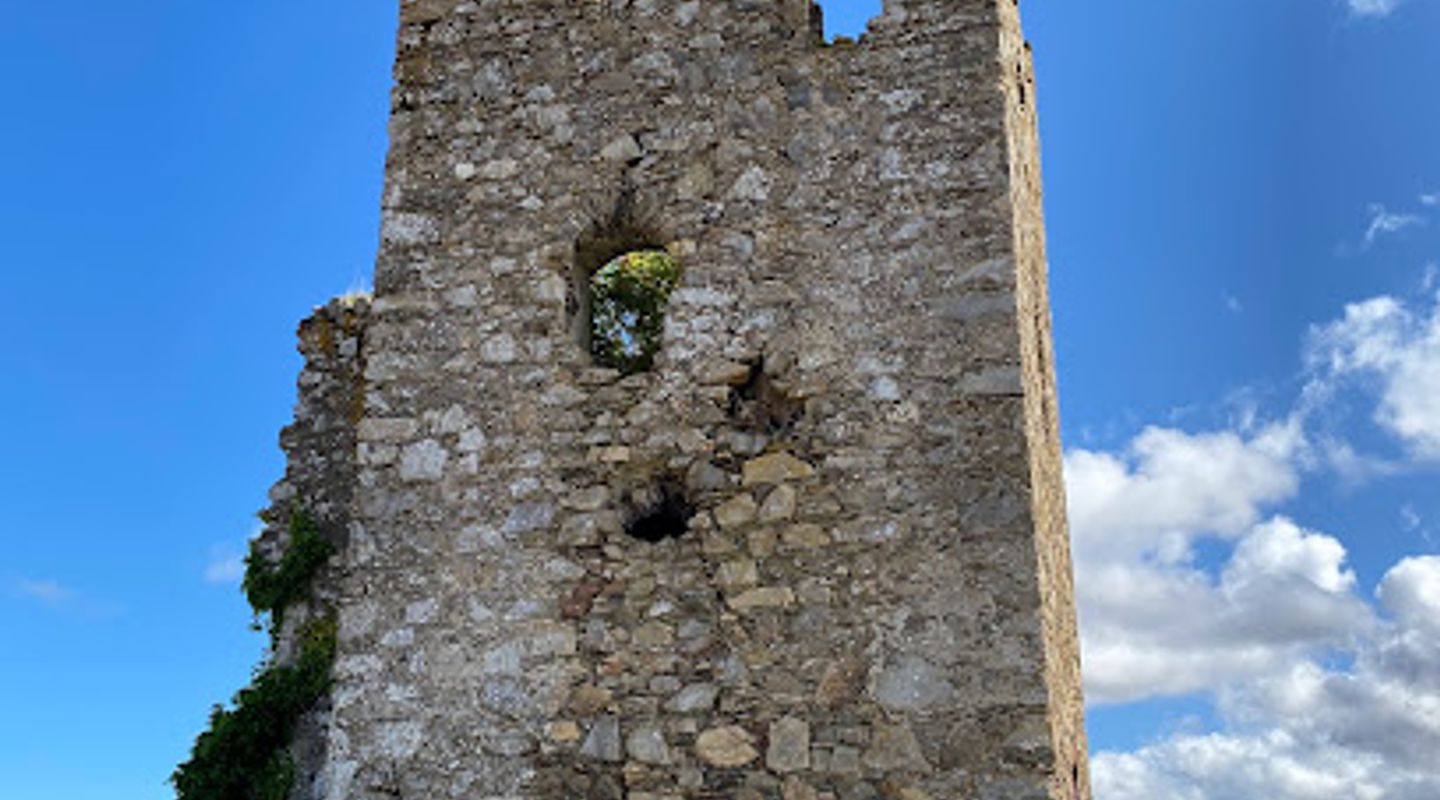
Eden Castle is a ruined 16th-century Z-plan tower house near Banff in Aberdeenshire, Scotland. Built by the Meldrum family around 1577 and later extended by the Leslies in the 1600s, this fortified residence overlooks a river confluence and represents a significant example of Scottish Renaissance architecture. Though partially demolished in 1712 and now in ruins, the castle remains a scheduled ancient monument and a striking reminder of the region's feudal heritage. Visible from the road and fenced for safety, it offers a glimpse into the defensive architecture and domestic life of the Scottish gentry.
On-site amenities
 Information boards
Opening hours
- Every dayOpen 24 hours
Opening hours as listed on the venue’s Google Business Profile. Hours can change for services and special events, so check with the venue before you go.
- Address
- Banff AB45 3NX
Getting there
Car from Banff town centre
Walking from Banff
Bus from Banff
Bicycle from Banff
Discover more about Eden Castle
A Fortress Born of Strategic Need
Eden Castle stands as a testament to the architectural ambitions of the Scottish gentry during the Renaissance. Built in the latter half of the 16th century by the Meldrum family—likely around 1577—the castle was designed as a Z-plan tower house, a distinctive Scottish architectural form featuring two towers positioned at diagonally opposite corners of the main block. This design provided both defensive strength and residential comfort, a balance carefully considered by families of means during an era when fortification remained essential to protecting property and status. The castle's location overlooking a river confluence south of Banff offered natural defensive advantages, controlling access to the surrounding lands and providing early warning of approaching threats.
Centuries of Ownership and Transformation
The castle's history reflects the complex web of family alliances and property transfers that characterized Scottish landed society. Following its construction by the Meldrums, the estate passed to the Leslie family through marriage, and they undertook significant renovations and extensions during the 1600s. A datestone of 1677 marks the period of these alterations, suggesting a deliberate effort to modernize the fortress and enhance its residential qualities. The castle in its prime would have contained a cellar and kitchen at ground level, with a great hall above, and two storeys of bedrooms occupying the upper floors—a layout typical of substantial tower houses that balanced military function with aristocratic comfort.
Decline and Partial Demolition
The castle's fortunes changed dramatically in 1712 when it was sold to William Duff, the Earl of Fife, a notorious acquirer of estates throughout the region. Rather than preserve the medieval fortress, the Earl undertook a pragmatic transformation: the castle was partially demolished, and its valuable masonry was repurposed to construct more practical farm buildings and tenant accommodation suited to his agricultural operations. This decision reflected the shifting priorities of the 18th century, when the defensive functions of tower houses had become obsolete and landowners increasingly favored purpose-built structures for farming and estate management. The stump of a round turret and fragments of the barmkin wall—the defensive enclosure that once surrounded the main tower—can still be traced among the ruins today.
Architectural Significance and Current Status
Despite its ruined state, Eden Castle remains architecturally significant as an example of the Z-plan tower house, a distinctly Scottish innovation that combined defensive capability with residential elegance. The castle was designated a scheduled ancient monument on 3 March 1993, recognizing its historical and archaeological importance. Today, the ruins are fenced off and considered structurally dangerous, yet they remain clearly visible from the road, allowing visitors to appreciate the scale and form of this once-formidable residence. The castle's position within the landscape, overlooking the river confluence that provided both water supply and natural defence, continues to speak to the strategic thinking of its builders and the enduring relationship between architecture and geography in Scottish history.
Evendo Review Centre
 Google
Guest reviews
Best time to go
Quietest: Jan, Feb & Nov · before 7am
Busy times are Evendo estimates for a typical year, to help you plan. Actual crowds vary with events, school holidays and the weather.
Explore Eden Castle on the map
A handpicked selection of must-see spots near Eden Castle, mapped for you.
Get your free copy of our complete guide to Eden Castle, delivered straight to you.
Everything on this page, from opening hours and how to get there to Eve’s tips and the best time to go, in one PDF you can read offline, print or share.
Already have an account? Sign in
Your Eden Castle guide is ready.
We'll send it to · Not you? Sign out

Getting your guide ready…
We are putting together a fresh copy of the Eden Castle guide. This can take up to a minute.
This can take a few moments. If your browser asks, choose Allow so the download can start. You'll find the guide in your Downloads folder.
Nothing happened? Download it again
Sorry, the guide is taking longer than usual. Please try again in a minute, or get it by email instead.
Other nearby places you may find interesting
The closest places of the same kind, if this one is not quite what you had in mind.
-
-
-
-
-


Swipe for more places
More to explore near Eden Castle

 Best experiences near Eden Castle
 Best hotels near Eden Castle
 Best landmarks near Eden Castle
 Best attractions near Eden Castle
 Best shops near Eden Castle
 Best restaurants near Eden Castle
 Best bars near Eden Castle
Do you manage this location?
Take control to get all the benefits, like improved information, better appearance, and stronger visibility across AI-powered discovery.
Explore more
Explore more of Banffshire
Discover Banffshire, Scotland's hidden gem, where stunning coastlines, historic castles, and warm hospitality await you in this serene and picturesque region.
Explore Banffshire
Explore more of United Kingdom
Discover the United Kingdom: A blend of rich history, stunning landscapes, and vibrant cities, offering a unique travel experience for every visitor.
Explore United Kingdom