

Clach an Tiompain: The Eagle Stone of Strathpeffer
Discover the mysterious 7th-century Eagle Stone of Strathpeffer, a carved Pictish monument steeped in clan history and Highland legends.
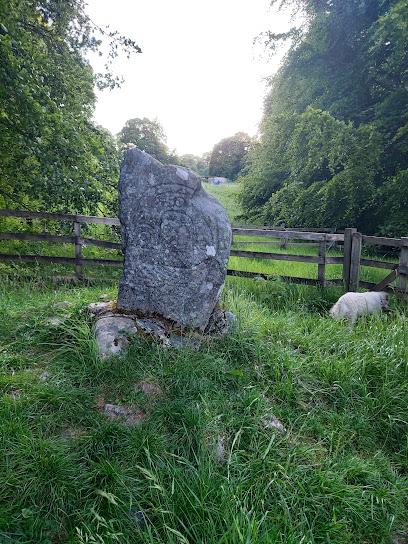
Clach an Tiompain, known as the Eagle Stone, is a striking Pictish symbol stone located in Strathpeffer, Scotland. Dating back to the 7th century AD, this ancient monument features detailed carvings of an eagle and an arch-shaped symbol. Steeped in local legend and historical significance, it stands as a testament to the region’s rich Pictish heritage and clan history, surrounded by scenic Highland landscapes.
A brief summary to Clach an Tiompain
- Strathpeffer, IV14, UK, GB
- Visit website
- Duration: 0.5 to 1.5 hours
- Free
-
 Outdoor
- Mobile reception: 4 out of 5
Local tips
- Wear sturdy footwear as the path to the Eagle Stone crosses uneven and rough ground.
- Visit the nearby Highland Museum of Childhood for additional local history and amenities.
- Bring a camera to capture detailed views of the intricate Pictish carvings and surrounding landscapes.
- Check weather conditions before visiting, as the site is outdoors and exposed to the elements.

For the on-the-go comforts that matter to you
- Restrooms
- Food Options
- Seating Areas
- Trash Bins
- Information Boards
Getting There
-
Bus
Take the local bus service from Inverness to Strathpeffer, which runs approximately every hour and takes about 40 to 50 minutes. The bus stop is a short walk from the Eagle Stone site. Tickets cost around £5-£7 one way. Service frequency may reduce on weekends and holidays.
-
Car
Driving from Inverness to Strathpeffer takes about 25 minutes via the A9 and A834. Free parking is available at the Old Station near the Highland Museum of Childhood, approximately 400 meters from the Eagle Stone. Note that the final approach involves walking over uneven terrain, and parking may be limited during peak tourist season.
-
Walking
From central Strathpeffer, the Eagle Stone is reachable by a 10 to 15-minute walk along a signed path. The terrain is uneven and includes a short uphill section, so sturdy footwear is recommended. This route is not suitable for wheelchair users.
Clach an Tiompain location weather suitability
-
 Any Weather
-
 Rain / Wet Weather
-
 Clear Skies
-
 Windy Conditions
-
 Cold Weather
-
 Mild Temperatures
Discover more about Clach an Tiompain
Ancient Origins and Symbolism
Clach an Tiompain, or the Eagle Stone, is a Class I Pictish symbol stone believed to date from the 7th century AD. It is carved on a natural, unshaped stone with two prominent symbols: a highly detailed eagle with folded wings, feathers, talons, and beak, and an arch-shaped emblem that some interpret as a horseshoe, rainbow, or arch. These symbols are mysterious in meaning but represent some of the earliest known Pictish carvings, reflecting the culture and artistry of early medieval Scotland.Historical and Clan Significance
Local tradition holds that the stone was originally located in an old churchyard at Fodderty, further down the valley, and was moved to its current site near Strathpeffer to commemorate a victory by Clan Munro over Clan Macdonald in 1411. The eagle symbol aligns with the Munro clan crest, linking the stone to clan heritage and territorial pride. Additionally, the stone is connected to the prophecies of the Brahan Seer, who foretold that if the stone fell three times, the valley would flood and ships would anchor there—a prophecy that adds a layer of mystique to the monument.Setting and Surroundings
The Eagle Stone stands on a small mound at the eastern end of Strathpeffer, overlooking the valley with spectacular views toward Dingwall. It is enclosed within a fenced area in a field, accessible by a short walk from the village. The site’s rural Highland setting enhances the stone’s aura, blending natural beauty with ancient heritage. Nearby amenities include the Highland Museum of Childhood and parking at the Old Station, making it a convenient cultural stop in the region.Preservation and Visitor Experience
The stone measures approximately 2 feet 8 inches high by 2 feet wide and 10 inches thick. It has suffered some damage, including a broken upper right corner that cuts into the arch-shaped symbol. To prevent further deterioration, the stone is now firmly set in a concrete base. Visitors can view the carvings up close and appreciate the craftsmanship and historical significance, though the walk involves uneven ground and is not wheelchair accessible.Legends and Cultural Heritage
The Eagle Stone is enveloped in local folklore, notably the Brahan Seer’s prophecy and clan battles. These stories enrich the stone’s presence, connecting visitors to Scotland’s mythic past and the enduring legacy of the Picts and Highland clans. The Gaelic name, Clach an Tiompain, translates as "Sounding Stone" or "Stone on the Ground," hinting at its role as a landmark and symbol throughout centuries.Access and Nearby Attractions
The stone’s proximity to Strathpeffer village allows visitors to combine their visit with other local attractions, including museums, cafes, and shops. Free parking and public toilets are available at the Old Station, less than 500 meters from the stone. While the site itself is free to visit, the nearby Highland Museum of Childhood charges a small entry fee. The area offers a peaceful Highland ambiance with opportunities for scenic walks and cultural exploration.Iconic landmarks you can’t miss

Craig Castle
15.6 km
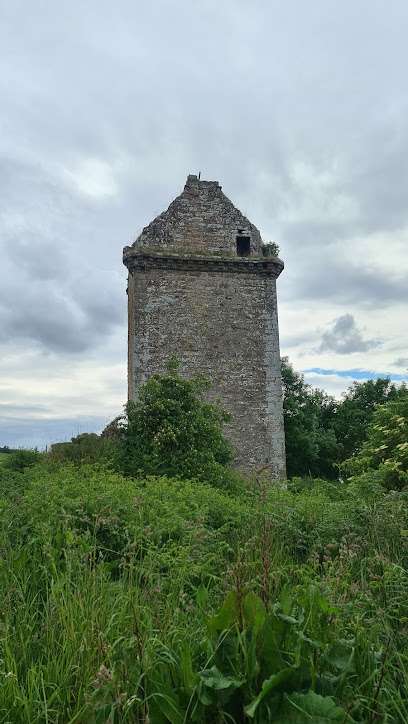
Explore the evocative ruins of Craig Castle, a 16th-century fortress overlooking the scenic Cromarty Firth on Scotland’s historic Black Isle.
Walkhighlands
19.5 km
Explore Scotland step by step with Walkhighlands, your comprehensive guide to hiking and walking routes across the Highlands and beyond.

The WaterFront
21.8 km
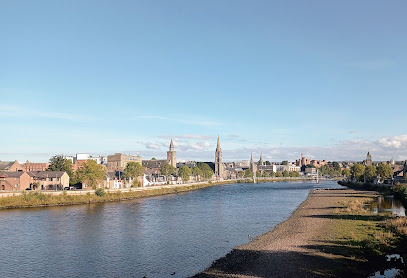
A charming gastropub on Inverness’s River Ness, blending hearty Scottish fare with a cozy riverside atmosphere and friendly service.
River House
22.1 km
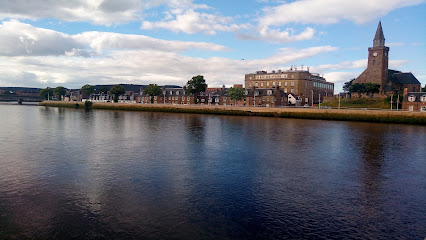
Experience the finest seafood dining in Inverness with breathtaking river views and a menu that celebrates local flavors.
MacGregor's
22.1 km
Experience the lively atmosphere of MacGregor's in Inverness, where delicious food and local brews meet Scottish hospitality.
Greig St & Greig St Bridge
22.1 km
Historic Victorian suspension footbridge in Inverness famed for its gentle sway and scenic River Ness views.
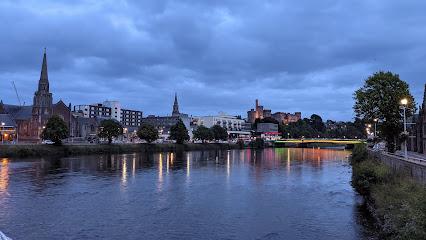
Blackfriars Inverness
22.1 km
Charming boutique hotel and pub in Inverness’ Old Town, blending historic character with modern comfort and Scottish hospitality.

The Kings Highway - JD Wetherspoon
22.2 km
Experience the charm of Inverness at The Kings Highway - a vibrant pub and restaurant offering delicious meals and a warm, welcoming atmosphere.
The Mustard Seed Restaurant
22.2 km
Experience modern European cuisine at The Mustard Seed Restaurant in Inverness, where fresh, local ingredients meet a vibrant dining atmosphere.
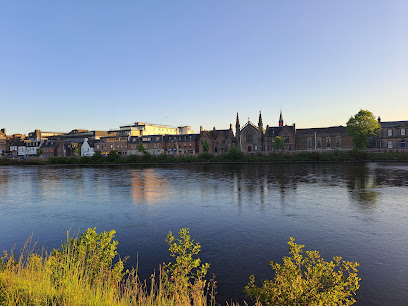
Mangrove
22.2 km
Experience the rich and vibrant flavors of authentic Indian cuisine at Mangrove in Inverness, a culinary gem that promises an unforgettable dining experience.
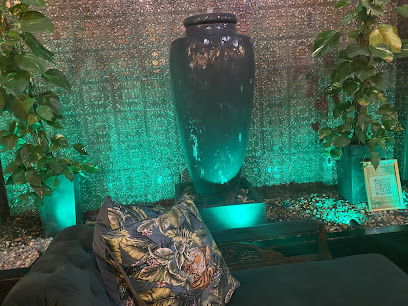
Black Isle Bar & Rooms
22.2 km
Experience local craft beer, delicious pizza, and cozy accommodations at the Black Isle Bar & Rooms in the heart of Inverness.
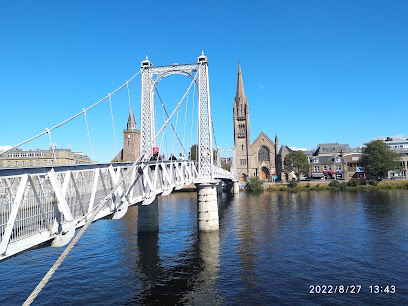
Premier Inn Inverness Centre River Ness
22.2 km
Comfortable riverside hotel in central Inverness with friendly service, modern rooms, and easy access to city attractions.
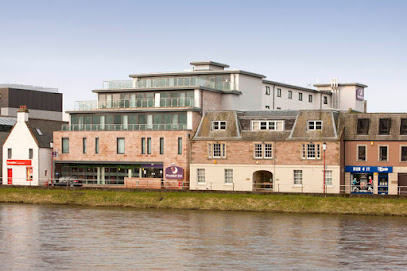
Hootananny
22.2 km
Explore the vibrant atmosphere of Hootananny, Inverness's premier live music bar, featuring local ales, delicious food, and captivating performances.
Timberbush Tours Inverness
22.3 km
Explore the breathtaking landscapes of Scotland with Timberbush Tours in Inverness, where every journey unveils the beauty and history of the Highlands.
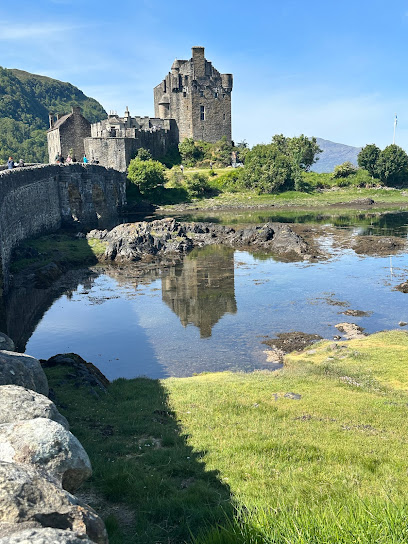
Rowan Guest House Group Ltd
22.3 km
Comfortable and welcoming bed and breakfast in Inverness, perfect for exploring the Scottish Highlands with quality breakfast and friendly hospitality.
Unmissable attractions to see

Eagle Stone
0.0 km
Discover the ancient Eagle Stone, a Pictish carved monument steeped in clan history and Highland legend, perched quietly on Strathpeffer’s northern hill.

Eagle Stone Path
0.1 km
Discover the ancient Eagle Stone, a Pictish carved monument steeped in clan history and legend, nestled on the peaceful outskirts of Strathpeffer.
Strathpeffer
0.7 km
Historic Victorian spa village nestled in scenic Scottish Highlands with rich heritage, natural beauty, and cultural charm.

Castle Leod
0.8 km
Historic Highland fortress and seat of Clan Mackenzie, nestled in scenic woodlands near Strathpeffer with rich heritage and ancient trees.

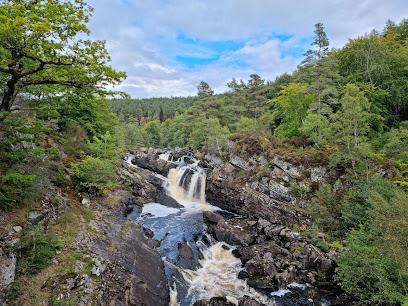
Rogie Falls
3.9 km
Discover the breathtaking Rogie Falls with its iconic suspension bridge, scenic woodland trails, and stunning salmon leaps in the Scottish Highlands.
Dingwall Castle Doocot
6.8 km
Discover the historical allure of Dingwall Castle Doocot, a captivating landmark showcasing Scotland's architectural heritage and picturesque landscapes.

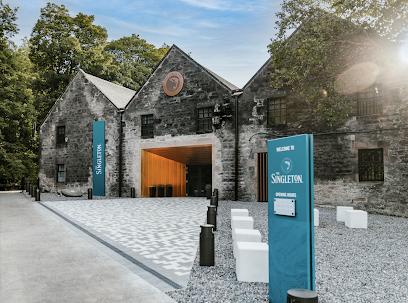
The Singleton Distillery
8.5 km
Historic Highland distillery crafting smooth, traditional single malts with pure loch water and deep community roots in Muir of Ord.
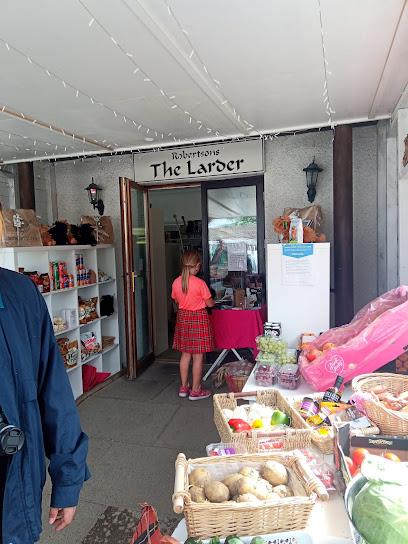
Robertson's - The Larder & Highland Cows - Beauly
11.9 km
Discover fresh Highland flavors and meet friendly Highland cows at Robertson’s charming farm shop near Beauly.
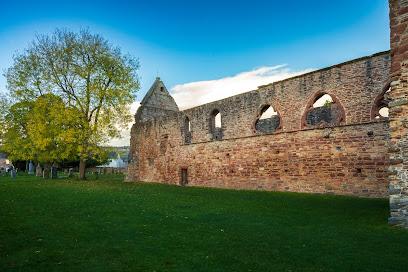
Beauly Priory
12.7 km
Explore the tranquil ruins and ancient graveyard of Beauly Priory, a historic 13th-century monastic site nestled by the River Beauly in the Scottish Highlands.
The Pink House
12.9 km
A vivid pink folly on Loch Glass’s shore, blending whimsical charm with Highland wilderness and stunning mountain views.

Wardlaw Mausoleum
14.3 km
Explore the serene 17th-century resting place of the Fraser clan with rich Jacobite history and stunning Highland views near Inverness.
Black Isle Brewing Co
15.4 km
Explore Scotland’s first organic brewery set in the scenic Black Isle, where sustainability meets exceptional craft beer.

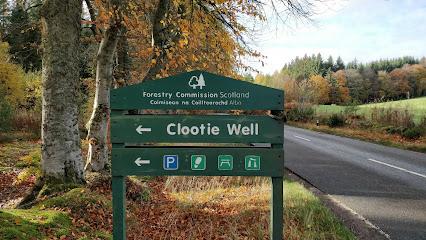
Clootie Well
16.2 km
Discover the mystical Munlochy Clootie Well, where ancient Celtic healing rituals and colorful clooties entwine in Scotland’s enchanting Black Isle woods.
Fyrish Monument
16.6 km
Explore the historic Fyrish Monument near Alness, a stunning landmark offering scenic hikes and breathtaking views of the Scottish Highlands.

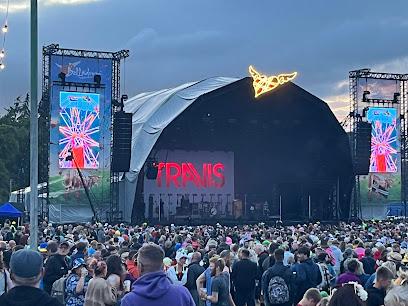
Belladrum Tartan Heart Festival
16.6 km
Experience Scotland’s beloved family-friendly music and arts festival set in the stunning Highlands, blending culture, community, and live performances.
Essential places to dine

Coul House Hotel
3.0 km
Experience luxury and tranquility at Coul House Hotel - your perfect getaway in the Scottish Highlands with fine dining and scenic views.
Highland Farm Cafe
8.8 km
Eco-friendly Highland Farm Cafe in Dingwall offers hearty British fare, scenic views, and cyclist-friendly amenities in a welcoming rural setting.
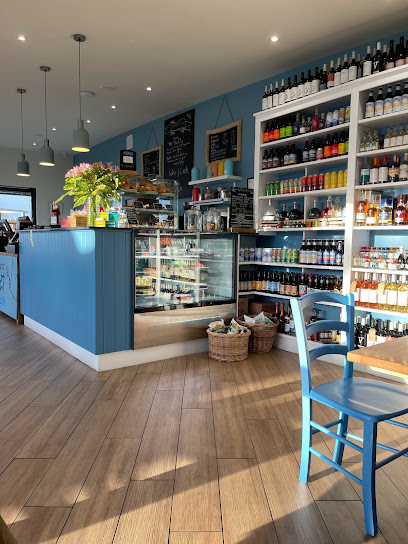
Culbokie Inn on NC500
11.8 km
A cozy Highland pub on the NC500 offering hearty Scottish fare, warm hospitality, and stunning countryside views.
Downright Gabbler
12.8 km
Experience authentic Highland hospitality with exceptional food, immersive storytelling, and cozy apartments in the heart of Beauly.
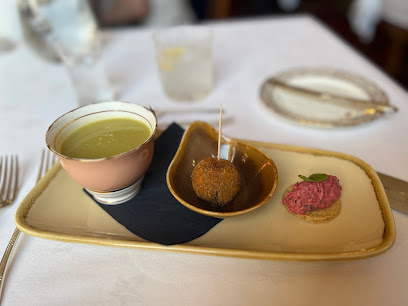
The Allangrange
16.9 km
Experience warm Highland hospitality, hearty Scottish cuisine, and cozy comfort at The Allangrange Arms in Munlochy’s scenic Black Isle.
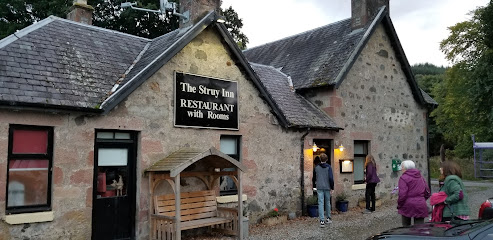
The Struy Inn (Casa Mia)
20.3 km
A cozy 19th-century Highland inn offering intimate dining with Scottish-Argentinian fusion cuisine and a welcoming bar by the wood stove.
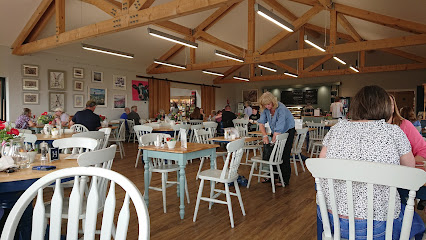
Dalmore Farm Shop & Restaurant
20.8 km
A charming Highland farm destination blending fresh local produce, home-cooked meals, and stunning views over the Cromarty Firth.
Secret of Delicious
21.6 km
Experience authentic Highland cuisine at Secret of Delicious in Inverness – where every dish tells a story.
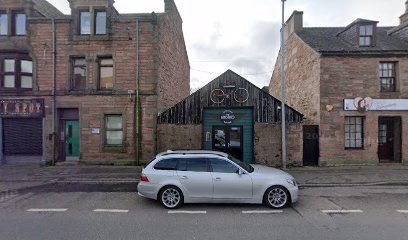
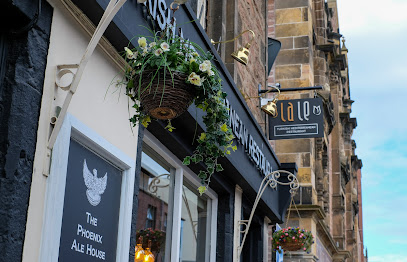
La Le Turkish Mediterranean restaurant
22.1 km
Authentic Turkish Mediterranean flavors served fresh with warm hospitality in the heart of Inverness.
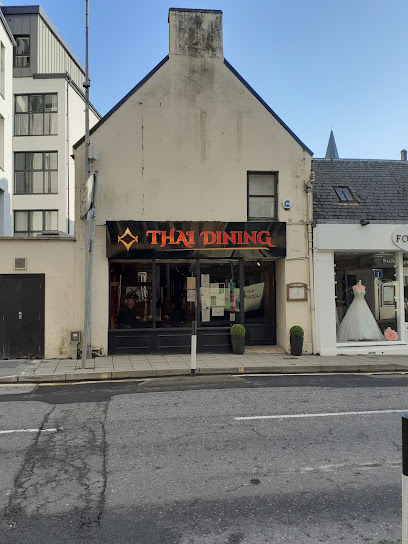
Thai Dining
22.1 km
Experience authentic Thai cuisine with vibrant flavors and unique cocktails in the heart of Inverness’s city center.
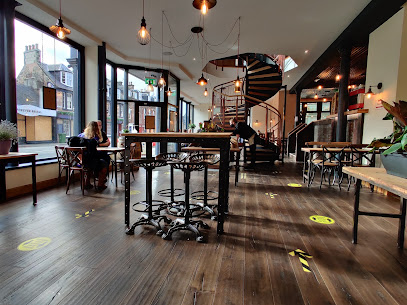
Rose Street Foundry
22.2 km
A vibrant gastropub in Inverness blending local flavors, live music, and a welcoming atmosphere for dining and socializing.
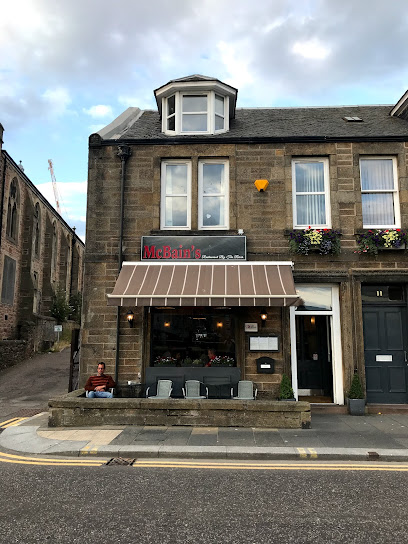
McBain’s by the River
22.2 km
A cozy riverside restaurant in Inverness serving exquisite Highland dishes with fresh local produce and warm family hospitality.
Rooftop Garden
22.2 km
A serene rooftop retreat in Inverness offering relaxed dining with scenic city views and a refreshing garden atmosphere.
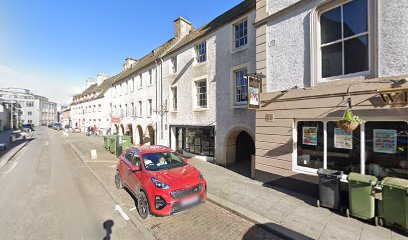
Lorimers Family Restaurant
22.2 km
A friendly, family-focused restaurant in Inverness serving classic British dishes with a welcoming atmosphere seven days a week.
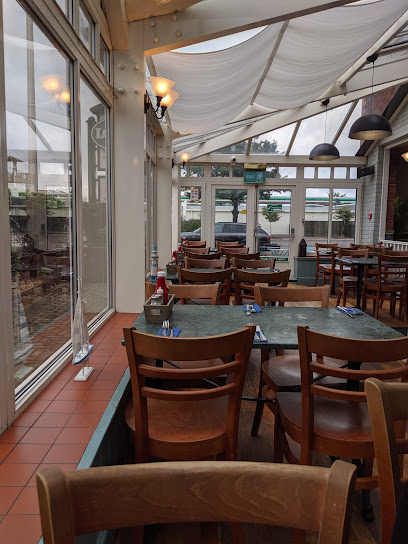
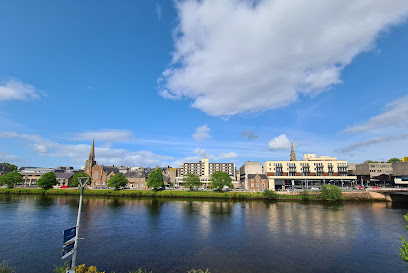
The Kitchen Restaurant
22.3 km
Savor inventive modern British cuisine with stunning River Ness views in a stylish, family-run Inverness restaurant.
Markets, malls and hidden boutiques

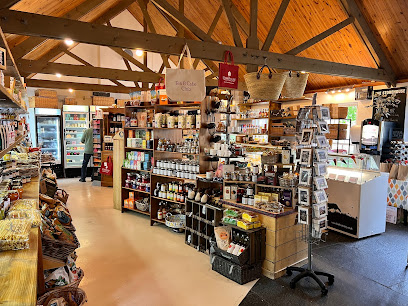
The Storehouse
12.5 km
Explore The Storehouse for exquisite gifts, local delicacies, and a charming café experience by the Foulis Ferry.
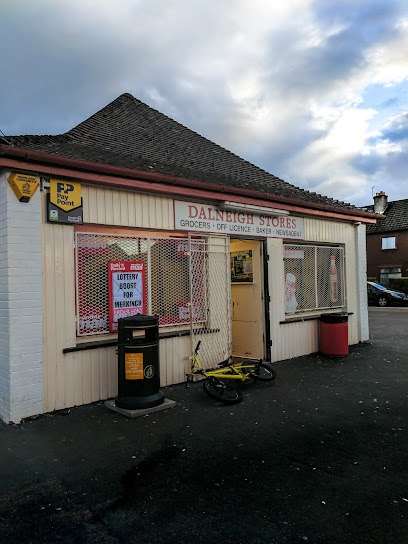
Dalneigh Stores
21.8 km
Explore Inverness with ease! Dalneigh Stores is your go-to convenience shop for essentials and local delights, open daily from early morning to night.
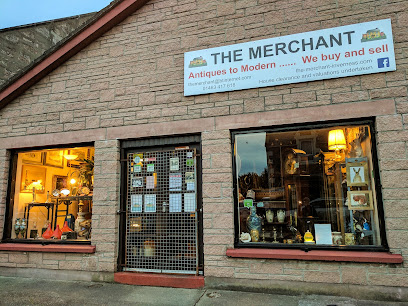
The Merchant
22.1 km
Discover Inverness’s hidden antique gem blending vintage treasures with modern charm on Greig Street.
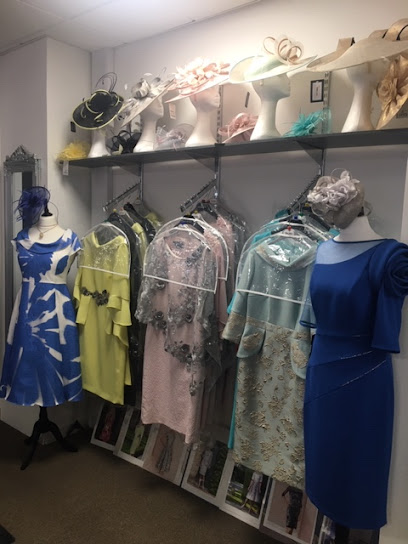
La-Di-Da Fashion/ Ladies Quality Occasion Wear
22.2 km
A charming Inverness boutique for special occasion wear, mother-of-the-bride outfits, designer dresses, hats, fascinators and accessories.
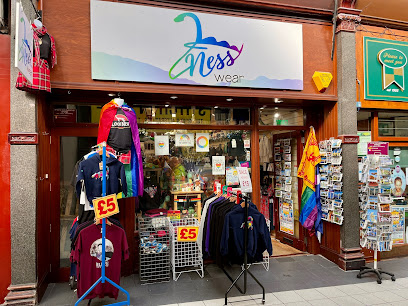
Ness Wear
22.3 km
Authentic Scottish gifts and souvenirs in the heart of Inverness, offering quality craftsmanship and a true Highland shopping experience.
Highland House of Fraser
22.3 km
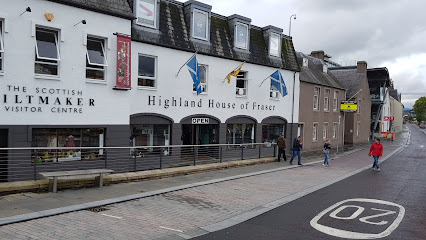
Discover authentic Scottish Highland dress and witness traditional kilt making at Highland House of Fraser in Inverness, a family-run heritage landmark.
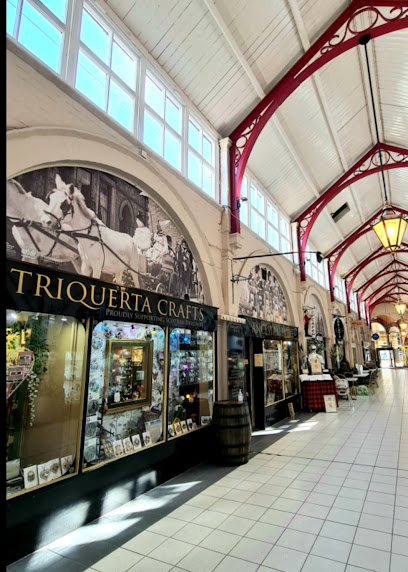
Triquerta Crafts
22.3 km
Discover handcrafted Scottish jewellery and heritage treasures in the charming Victorian Market of Inverness.
Ortak Handmade Jewellery of Scotland
22.4 km
Handcrafted Scottish jewellery in the heart of Inverness – timeless designs inspired by Orkney’s nature and heritage.
GLENEAGLES OF SCOTLAND
22.4 km
A refined Scottish clothing shop in Inverness, specialising in premium knitwear and country-style fashion with a Highland soul.
Rohan Inverness - Outdoor Clothing & Walking Gear
22.4 km
Durable, stylish outdoor clothing and walking gear crafted for Scotland’s adventures, right in the heart of Inverness.
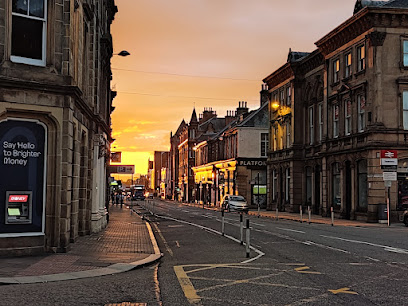
Victorian Gift Shop & Barber Shop
22.4 km
A charming fusion of traditional Scottish gifts and classic barbering in Inverness’s historic Market Hall.
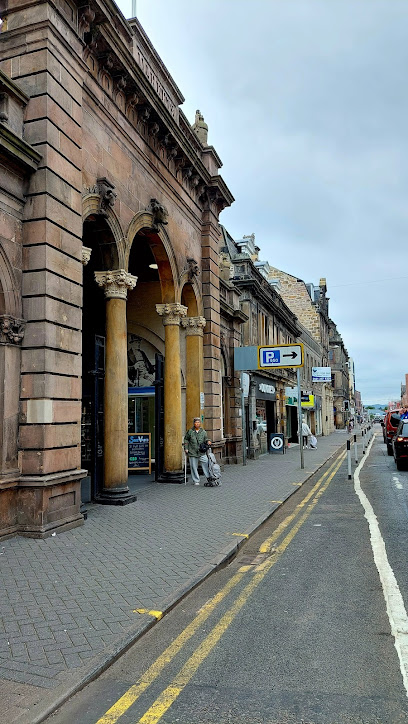
Allsorts
22.4 km
Inverness's eclectic gift and party shop brimming with unique costumes, cards, and Scottish treasures.
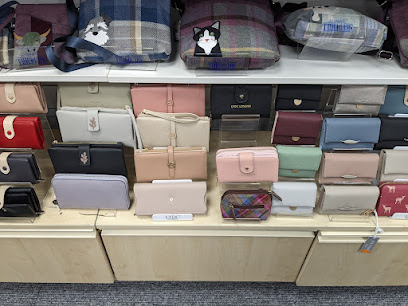
North Designerwear
22.4 km
Discover Inverness’s stylish hub for designer clothing, shoes, and accessories at North Designerwear, where quality meets contemporary fashion.
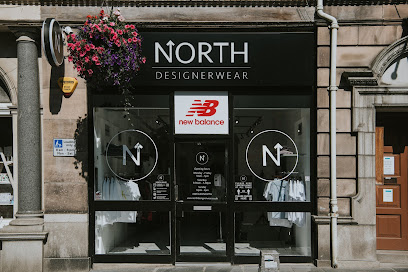
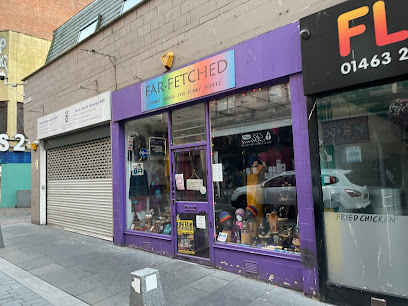
Far Fetched
22.4 km
Quality clothing at honest prices in the heart of Inverness's shopping district.
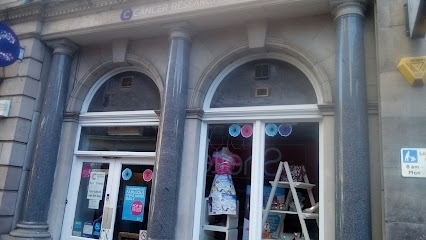
Cancer Research UK
22.4 km
Shop sustainably at Inverness’s Cancer Research UK charity shop and support vital cancer research with every purchase.
Essential bars & hidden hideouts

Clachnaharry Inn
20.1 km
Experience authentic Highland hospitality, fine whiskies, and stunning Beauly Firth views at the welcoming Clachnaharry Inn.
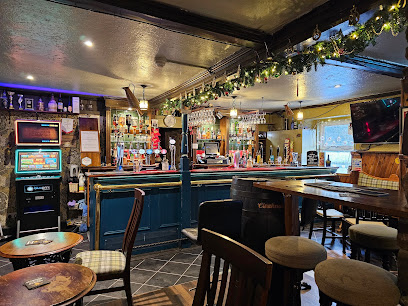
Innes Bar
21.9 km
Historic Inverness pub with hearty fare, lively darts nights, and a warm Highland welcome at the heart of the city.
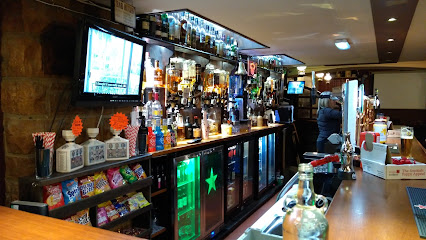
The Phoenix Ale House
22.1 km
A cosy, award-winning Scottish pub in Inverness serving local ales and hearty traditional dishes with a welcoming Highland spirit.
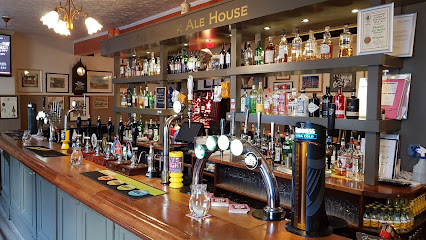
The Walrus & Corkscrew
22.1 km
Discover Inverness’ cozy wine bar with over 200 wines and artisanal Highland charcuterie platters in a warm, inviting atmosphere.
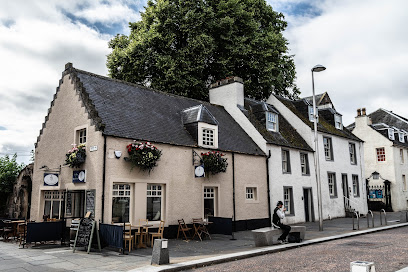
R&Bs
22.3 km
A lively family-run bar and restaurant in Inverness offering local flavors, gluten-free dishes, and the Highlands’ only karaoke nights.
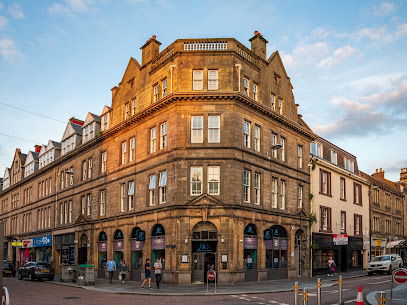
Highlander
22.3 km
Experience daily live Scottish music, authentic cuisine, and a vibrant atmosphere at Highlander Bar, Inverness’s cultural heart.
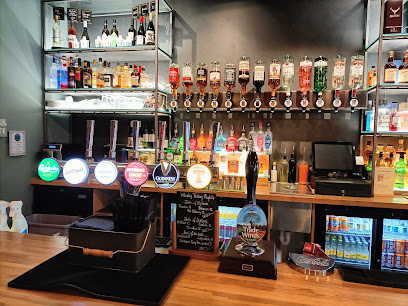
The Malt Room
22.3 km
Discover Inverness’s cozy whisky sanctuary with expert hosts, rare malts, and a warm, intimate atmosphere perfect for savoring every dram.
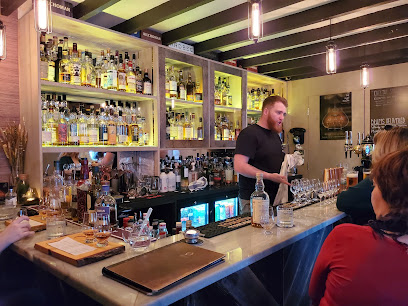
Market Bar
22.3 km
Experience authentic Scottish nightlife with live music, local ales, and a welcoming vibe at Inverness’s Market Bar on Church Street.
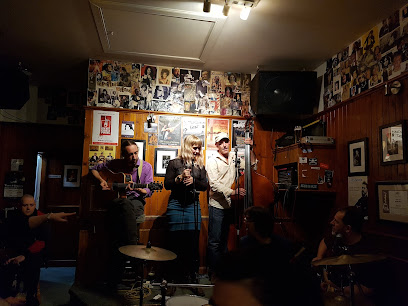
Glenalbyn Bar
22.3 km
Experience authentic Scottish hospitality with fine whiskies, live music, and a cozy atmosphere at Glenalbyn Bar in Inverness.
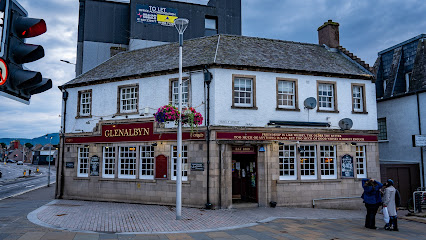
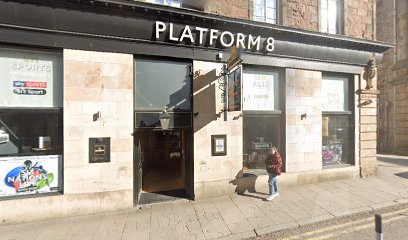
Platform 8
22.3 km
A lively Inverness pub blending classic charm with modern dining and a celebrated draft beer selection.
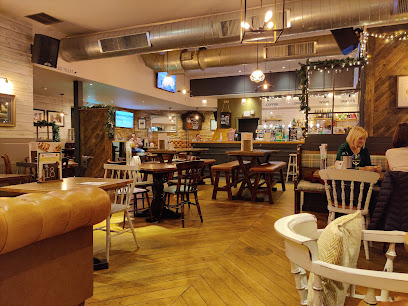
The Exchange
22.3 km
A welcoming Inverness pub offering hearty meals, great drinks, and a lively atmosphere in the city center.
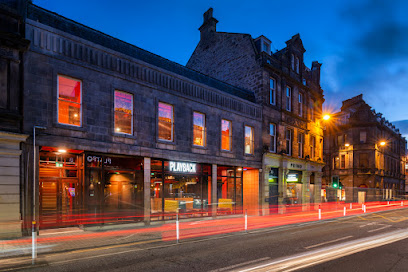
Playback
22.3 km
A lively four-story bar and restaurant in Inverness offering gourmet burgers, exclusive craft beers, rooftop vibes, and fun social games.
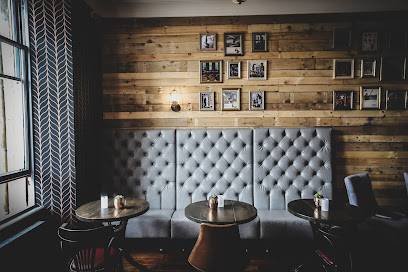
The Wee Bar
22.3 km
A cosy Inverness cocktail bar above Ness Walk, famed for masterful drinks, Highland hospitality, and a warm, intimate vibe.
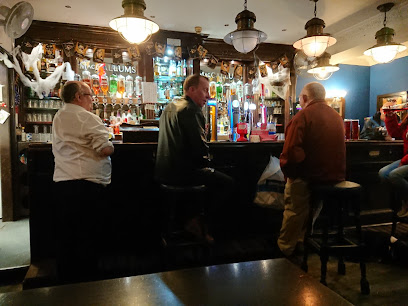
MacCallums Bar
22.3 km
Experience authentic Scottish hospitality, live music, and a vibrant atmosphere at MacCallums Bar, Inverness’s beloved traditional pub.
The Gunsmiths Bar
22.4 km
A lively Inverness bar with historic charm, mezzanine views, affordable drinks, and a welcoming atmosphere near the River Ness.
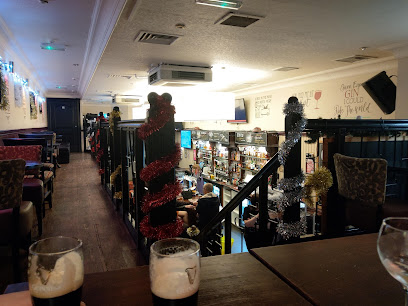
Nightclubs & after hour spots

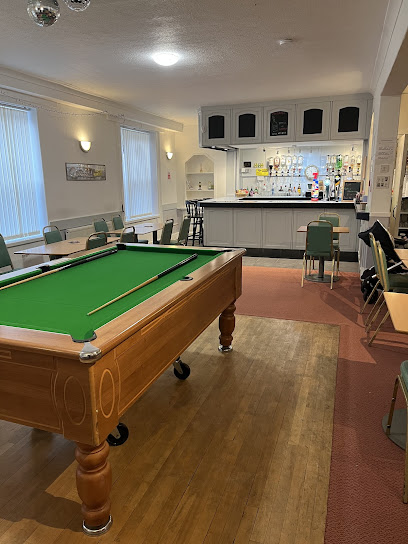
The Ross Shire Club
6.3 km
Experience Dingwall’s vibrant nightlife with a welcoming vibe, BYOB policy, and lively social scene at The Ross Shire Club.
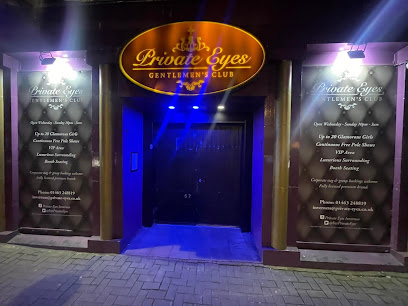
Private Eyes Inverness
22.2 km
Experience Inverness’s vibrant nightlife at Private Eyes, where stylish decor meets great music and a welcoming party atmosphere.
Xplosive Discos
37.4 km
Experience the vibrant nightlife at Xplosive Discos in Nairn, where unforgettable music and karaoke fun await every visitor.
Aido's bar
39.8 km
Discover Aido's Bar in Nairn: A cozy pub with a friendly atmosphere, serving a great selection of local ales and spirits.
The Play House
39.8 km
Experience the vibrant nightlife at The Play House in Nairn, where great drinks and lively entertainment come together for an unforgettable evening.
Seaforth Club
39.9 km
Experience Nairn’s vibrant social heart at Seaforth Club, where community spirit meets lively nightlife in a welcoming setting.
Jackos Bar & Diner
40.0 km
Discover the vibrant atmosphere and delicious grill options at Jackos Bar & Diner in Nairn, perfect for families and sports fans alike.
the Balavoulin
61.2 km
A lively, dog-friendly pub with hearty meals and cozy rooms, perfectly placed for exploring Aviemore and the Cairngorms.
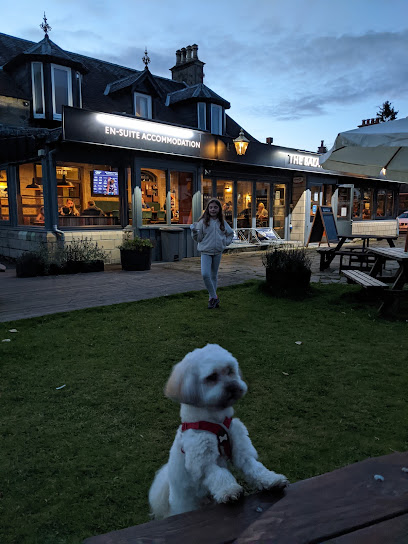
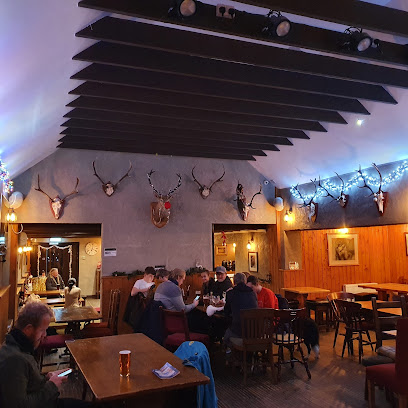
The Winking Owl, Craft Ale Pub & Bar
61.2 km
Discover The Winking Owl in Aviemore for a delightful experience of craft ales, local flavors, and a warm, inviting atmosphere.
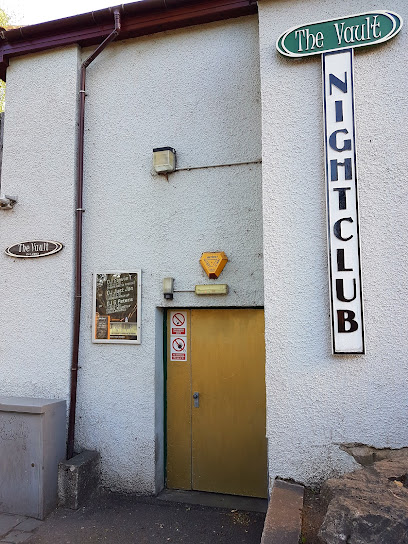
The Vault
61.5 km
Experience Aviemore’s vibrant nightlife at The Vault, a lively nightclub blending modern beats with Highland charm every weekend.
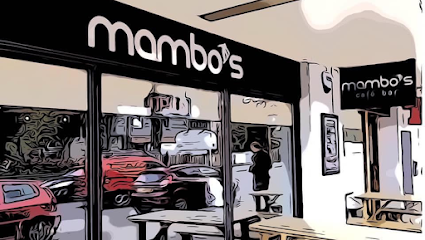
Mambos
61.6 km
Experience the vibrant nightlife at Mambos in Aviemore, where local charm meets a lively bar atmosphere for an unforgettable evening.
The Aviemore Inn pub and grill
62.2 km
Experience the warmth of Scottish hospitality at The Aviemore Inn, the perfect pub and grill in the heart of Aviemore for travelers and locals alike.
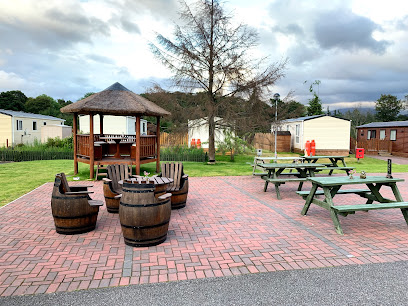
SUIE BAR
62.9 km
Discover Suie Bar: A Heartwarming Scottish Retreat in Kincraig, Perfect for Relaxation and Local Flavors.
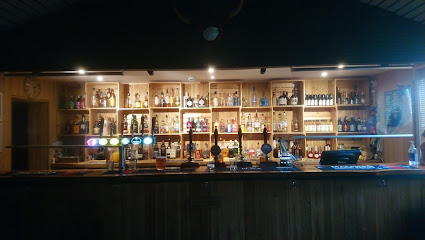
Woodshed Bar
63.8 km
Experience the warmth and charm of Woodshed Bar in Aviemore, where delightful drinks and a cozy atmosphere await you.
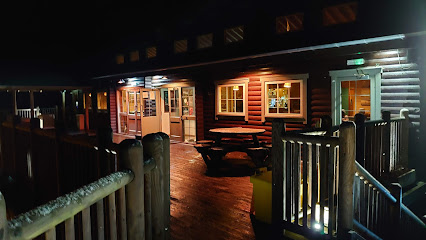
The Pine Marten Bar
68.9 km
Experience the warmth of Scottish hospitality at The Pine Marten Bar, where delicious food and breathtaking views combine for an unforgettable visit.
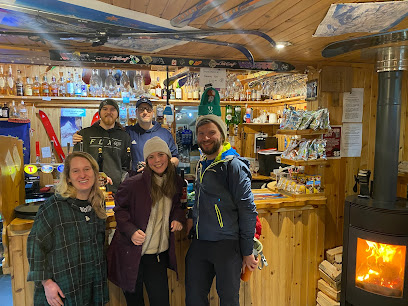
For the vibe & atmosphere seeker
- Tranquil
- Scenic
- Unique
- Cultural Heritage
For the design and aesthetic lover
- Rustic Designs
For the architecture buff
- Historic
- Landmarks
For the view chaser and sunset hunter
- Iconic Views
- Panoramas
For the social media creator & influencer
- Instagrammable
- Photo Spots
For the eco-conscious traveler
- Public-Transport Accessible
- Low Impact
- Locally Managed
For the kind of experience you’re after
- Cultural Heritage
- Photowalk
- Day Trip
- Weekend Getaway
- Myth & Legends
For how adventurous you want the journey to be
- Easy Access
Location Audience
- Family Friendly
- Senior Friendly
- Child Friendly
- Teen Friendly
- Solo Friendly
- Couple Friendly
- Vegetarian Friendly
- Vegan Friendly


