From Eve
Know before you go
Hi, I'm Eve. Here are a few practical things to know before exploring Castle Leod.
Local know-how to help you travel smarter and make the most of every moment.

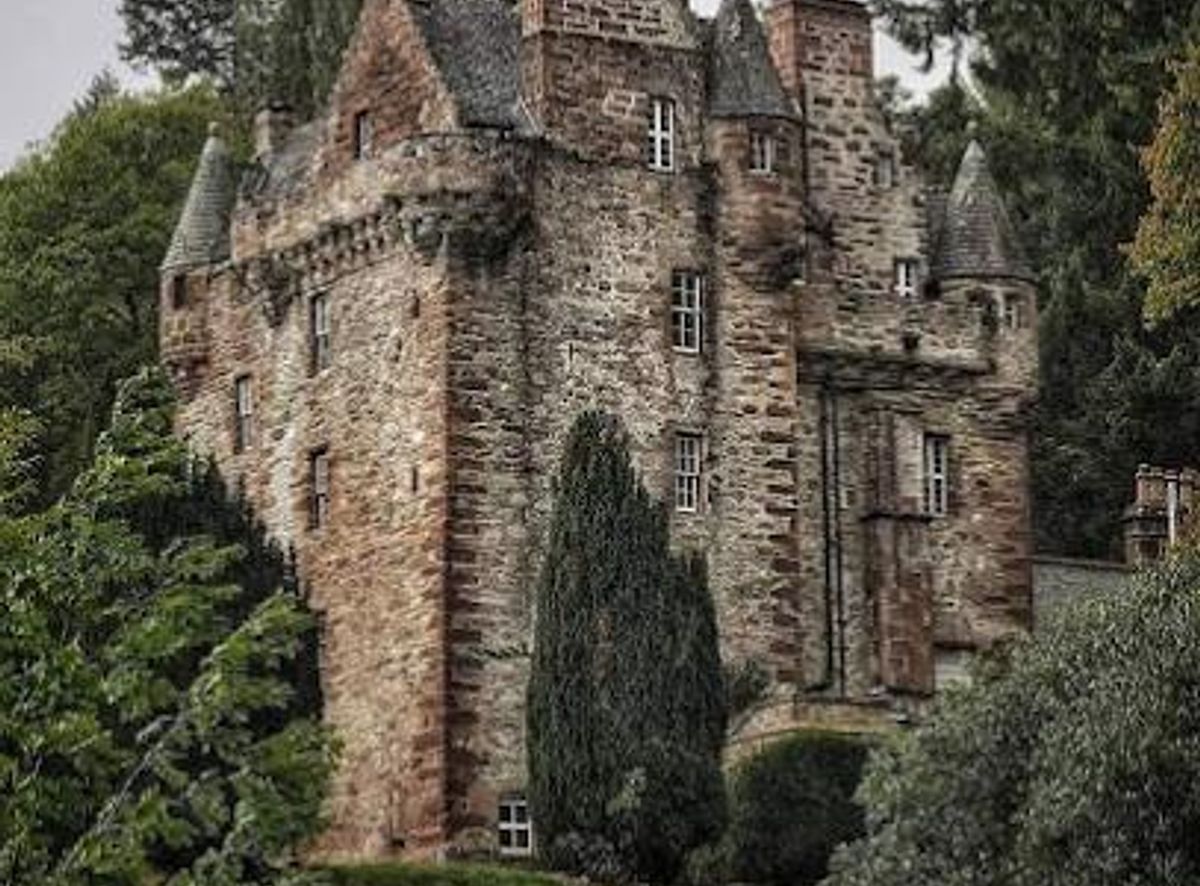
Historic Highland fortress and seat of Clan Mackenzie, nestled in scenic woodlands near Strathpeffer with rich heritage and ancient trees.
Castle Leod, near Strathpeffer in the Scottish Highlands, is a historic red sandstone fortress and the ancestral seat of Clan Mackenzie. Dating back to the 15th century with roots on an ancient Pictish fort site, it features thick defensive walls, gun loops, and a dungeon. The castle remains a family home and is open to the public on select days, surrounded by extensive parkland with notable ancient trees and scenic woodland walks.
Opening times, essentials, and a few local tips gathered into one calmer, easier-to-scan planning section.
Hi, I'm Eve. Here are a few practical things to know before exploring Castle Leod.
Local know-how to help you travel smarter and make the most of every moment.
Car
Driving from Inverness city center to Castle Leod takes about 30 to 40 minutes via the A9 and A834 roads. Parking is available on-site, but spaces can be limited during public open days. No parking fee applies.
Bus
Local bus services run between Inverness and Strathpeffer village, approximately every 1 to 2 hours, with a journey time of around 50 minutes. From Strathpeffer, Castle Leod is about a 15-minute walk. Tickets cost roughly £5 to £8 one way.
Taxi
Taxis from Inverness to Castle Leod take about 30 minutes and cost approximately £40 to £60 one way. This option offers flexible timing but should be booked in advance, especially during peak tourist seasons.
 Restrooms
 Drink Options
 Food Options
 Seating Areas
 Information Boards
Catch the right light and the right mood, whether you want a bright city moment or a more cinematic evening visit.


Use Tower Bridge as your starting point for nearby food, family ideas, nightlife, and more local discoveries.
A quick look at seasonal patterns and peak visiting hours.

Explore expert travel guides, compare and book tours, experiences, hotels, and more—all from the palm of your hand. Download now for seamless trip planning wherever your wanderlust takes you.
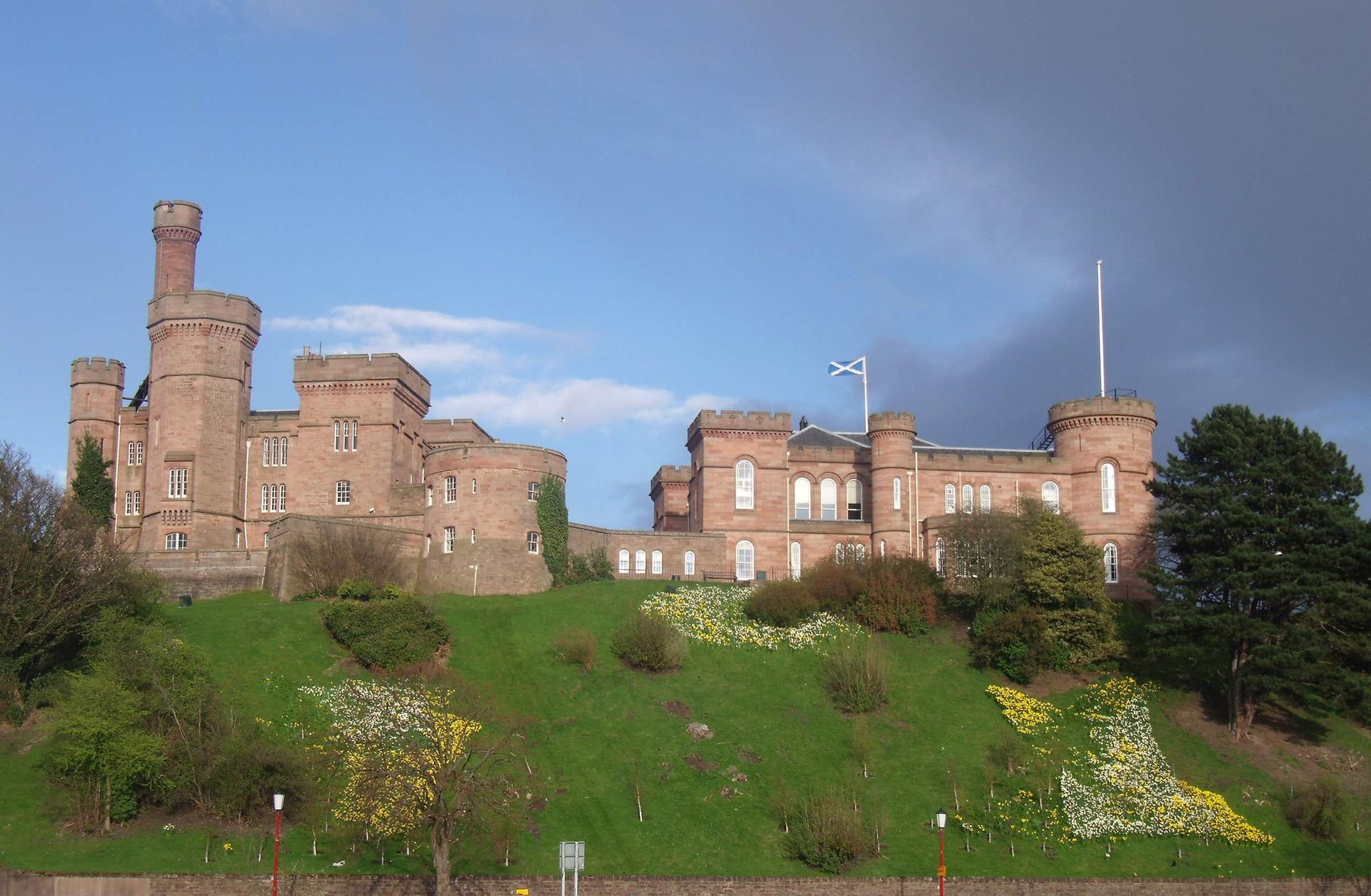
Discover Inverness, the enchanting gateway to the Scottish Highlands, where history, culture, and natural beauty come together in a perfect blend.
Tell me more about Inverness