Eagle Stone Path, Ross Shire Travel Guide
Discover the ancient Eagle Stone, a Pictish carved monument steeped in clan history and legend, nestled on the peaceful outskirts of Strathpeffer.
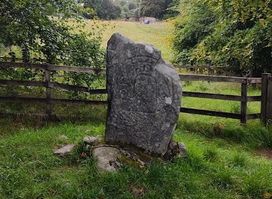
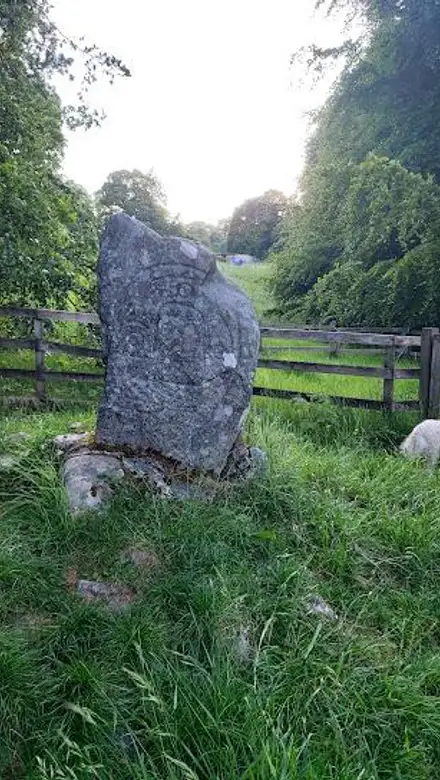
The Eagle Stone Path in Strathpeffer, Scotland, leads to the Eagle Stone, a small but significant Class I Pictish symbol stone dating from 500–700 AD. Carved with an eagle and a horseshoe-like arc, this ancient monument is steeped in local legend, clan history, and prophetic lore. Set in a tranquil field on the village outskirts, it offers a glimpse into Scotland’s early medieval past and the mysterious artistry of the Picts.
A brief summary to Eagle Stone Path
- A834, Strathpeffer, IV14 9DH, GB
- Duration: 0.5 to 1.5 hours
- Free
-
 Outdoor
- Mobile reception: 4 out of 5

Know before you go
Hi, I'm Eve. Here are a few practical things to know before exploring Eagle Stone Path.
- Visit during daylight hours for the best visibility of the stone’s intricate carvings.
- Wear sturdy shoes as the path includes a minor road and a short countryside walk.
- Combine your visit with a walk around Strathpeffer to explore other historic sites and spa heritage.
- Bring a camera to capture the stone and the surrounding Highland scenery.
- Respect the fenced enclosure and do not touch or climb on the stone to help preserve it.
Do you manage this location?
Take control to get all the benefits, like improved information, better appearance, and stronger visibility across AI-powered discovery. Learn more about listing your business on Evendo
Activate your presenceOther nearby places you may find interesting
The closest places of the same kind, if this one is not quite what you had in mind.
Explore Eagle Stone Path on the Map
A handpicked selection of must-see spots near Eagle Stone Path, mapped for you.
Getting There
-
Bus
Take the bus to Strathpeffer village from Inverness, a journey of approximately 30–40 minutes. Buses run several times daily but check schedules in advance. From the village center, the Eagle Stone Path is a 5-minute walk. Bus fares range around £5–£8 one way.
-
Car
Driving from Inverness takes about 25 minutes via the A9 and A834. Street parking is available on Strathpeffer’s main street near the village center. Note that parking spaces can be limited during peak season. There is no parking directly at the stone.
-
Walking
If staying in Strathpeffer, the Eagle Stone is accessible by a gentle 10-minute walk from the village center. The route includes a minor road and a short path beside a hedge. Suitable for most fitness levels but not wheelchair accessible.
For the on-the-go comforts that matter to you
-
 Restrooms
-
 Drink Options
-
 Food Options
-
 Seating Areas
-
 Trash Bins
-
 Information Boards
Discover more about Eagle Stone Path
Origins and Symbolism of the Eagle Stone
The Eagle Stone, or Clach an Tiompain in Gaelic meaning "Sounding Stone," is a finely carved Pictish symbol stone made of blue gneiss. Standing about 81 cm high, 61 cm wide, and 25 cm thick, it features two primary carvings on its smooth southeast face: a detailed eagle with folded wings and a horseshoe-shaped arc above it. These carvings are typical of Class I Pictish stones, which were incised on natural unshaped stones and generally date from the 5th to 7th centuries AD. The eagle is often linked to the local Clan Munro, while the horseshoe-like symbol may represent an arch or rainbow, though its exact meaning remains a mystery. This enigmatic artwork connects visitors to the early medieval Pictish culture that once thrived in northern Scotland.Historical Context and Clan Connections
Originally located further down the valley near Fodderty, the Eagle Stone was moved to its current site on the eastern edge of Strathpeffer around 1411. Local tradition holds that it marks the site of a significant clan battle where the Munros defeated a branch of the Clan MacDonald. As such, the stone serves as a commemorative monument to that victory, embedding it deeply in the region’s turbulent clan history. The surrounding Strathpeffer valley itself has been inhabited for over 5,000 years, with nearby archaeological sites including Neolithic burial chambers and Bronze Age remains, underscoring the area's long-standing cultural significance.Prophecies and Local Legends
The Eagle Stone is famously linked to the Brahan Seer, a 16th-century Scottish prophet known as Coinneach Odhar. He foretold that if the stone were to fall three times, the Strathpeffer valley would be flooded, with the stone serving as an anchor for ships. The stone has reportedly toppled twice, and in response, it has now been firmly cemented in place to prevent a third fall. This legend adds a layer of mystical intrigue, blending folklore with environmental concerns, especially as rising sea levels pose threats to coastal and valley areas in Scotland.Exploring the Eagle Stone Path
The Eagle Stone Path is a short, accessible walk from Strathpeffer village center, leading visitors through peaceful countryside to the stone’s fenced enclosure. The path is signposted and avoids the narrow main road, allowing for a safe and pleasant approach. Along the way, visitors can enjoy the scenic Highland landscape and reflect on the ancient stories embedded in the stone’s carvings. The site is open year-round and free to visit, making it an ideal stop for history enthusiasts and those seeking a quiet connection with Scotland’s past.Preservation and Cultural Importance
Despite some damage over the centuries—such as the loss of the eagle’s rear end and part of the horseshoe symbol—the Eagle Stone remains a remarkable example of Pictish artistry and symbolism. Its preservation is crucial for understanding the early medieval period in Scotland and the cultural interplay between clans and communities. The stone’s location near other historic sites, like the Knockfarrel hillfort and the Loch Kinellan crannog, highlights the rich archaeological tapestry of the area, inviting deeper exploration of the region’s ancient heritage.Modern Significance and Visitor Experience
Today, the Eagle Stone Path offers visitors a unique opportunity to engage with Scotland’s layered history in a serene natural setting. The stone’s evocative carvings and the stories they inspire provide a tangible link to the Picts, medieval clans, and prophetic traditions. Whether you are drawn by archaeology, legend, or simply the beauty of the Highlands, the Eagle Stone stands as a quiet sentinel of time, inviting contemplation and discovery.












Your all‑in‑one travel companion app
Explore expert travel guides, compare and book tours, experiences, hotels, and more—all from the palm of your hand. Download now for seamless trip planning wherever your wanderlust takes you.


Explore More of Ross Shire

Looking beyond Eagle Stone Path? Discover Ross Shire for broader travel guides, local hot-spots, and regional highlights.
Explore Ross Shire