Background

Eagle Stone: Ancient Pictish Symbol at Strathpeffer

Discover the ancient Eagle Stone, a Pictish carved monument steeped in clan history and Highland legend, perched quietly on Strathpeffer’s northern hill.

4.5

The Eagle Stone, or Clach an Tiompain, is a finely carved Pictish symbol stone dating back over 1,500 years. Located on a hill at the northern edge of Strathpeffer, Scotland, it features an eagle and horseshoe-like carvings, commemorating a historic clan battle. The stone is steeped in local legend, including prophecies of flooding if it falls three times. Now securely mounted, it offers a glimpse into the region’s ancient past and Pictish heritage.

A brief summary to Eagle Stone

  • The Old Station, Strathpeffer, IV14 9DH, GB
  • Duration: 0.25 to 1 hours
  • Free
  • Environment icon Outdoor
  • Mobile reception: 4 out of 5

Local tips

  • Wear sturdy shoes for the short uphill walk to the Eagle Stone, as the path includes some uneven terrain.
  • Visit during daylight hours to fully appreciate the detailed carvings and surrounding Highland views.
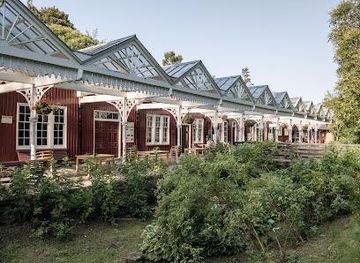
  • Combine your visit with a tour of Strathpeffer’s Old Station museum to explore the village’s Victorian spa heritage.
  • Respect the fenced enclosure around the Eagle Stone to help preserve this fragile ancient monument.
widget icon

Getting There

  • Bus

    Take the local bus service to Strathpeffer village center, with a journey time of approximately 30 to 45 minutes from Dingwall. Buses run several times daily but check schedules in advance as frequency varies. From the village center, the Eagle Stone is a 5-minute walk uphill.

  • Car

    Drive to Strathpeffer via the A834, with parking available on the main street or nearby car parks. The Eagle Stone is about a 5-minute walk from parking areas, accessible via a minor road and a short footpath. Note that parking can be limited during peak tourist seasons.

  • Walking

    If staying in Strathpeffer, the Eagle Stone is reachable on foot within 5 to 10 minutes. The route involves a gentle uphill walk on a minor road and a path beside a hedge, suitable for most walkers but with some uneven ground.

Eagle Stone location weather suitability

  • Weather icon Any Weather
  • Weather icon Rain / Wet Weather
  • Weather icon Clear Skies
  • Weather icon Windy Conditions
  • Weather icon Mild Temperatures

Unlock the Best of Eagle Stone

Buy tickets

    No tickets available

Book tours with entry

    No tours available

Book tours without entry

    No tours available

Discover more about Eagle Stone

Origins and Symbolism of the Eagle Stone

The Eagle Stone, known in Gaelic as Clach an Tiompain or "Sounding Stone," is a Class I Pictish symbol stone carved from blue gneiss. Measuring approximately 32 inches tall, 24 inches wide, and 10 inches thick, it bears two main carvings: a horseshoe-like arc above and a detailed eagle below. These symbols are believed to date from the 5th or 6th centuries AD, representing early Pictish art before Christian influences. The eagle is thought to symbolize the local Clan Munro, while the horseshoe shape’s meaning remains debated, possibly representing an arch or a rainbow.

Historical Context and Clan Legacy

Originally located near Fodderty cemetery between Dingwall and Strathpeffer, the stone was moved to its current hilltop site in 1411. This relocation commemorates a significant clan battle where the Munros defeated a branch of the MacDonalds. The Eagle Stone is said to mark the burial site of fallen Munro warriors, serving as a lasting monument to their victory. Its presence connects deeply with the region’s medieval clan history and the enduring legacy of local power struggles.

Legends and Prophecies Surrounding the Stone

The Eagle Stone is entwined with the lore of the Brahan Seer, a 16th-century Scottish prophet. He foretold that if the stone were to fall three times, the surrounding valley would flood, and the stone would be used as an anchor. Having toppled twice, the stone is now firmly set in concrete to prevent a third fall, symbolically protecting the area from disaster. This prophecy adds a mystical dimension to the stone’s significance and highlights the cultural importance of such artifacts in Highland folklore.

Setting and Visitor Experience

Situated on a gentle brae at the eastern edge of Strathpeffer, the Eagle Stone stands within a fenced enclosure accessible by a short walk from the town center. The path to the stone offers a quiet, reflective environment surrounded by rural Highland scenery. Visitors can appreciate the stone’s intricate carvings up close while absorbing the tranquil atmosphere of the site, which contrasts with the village’s Victorian spa heritage nearby.

Strathpeffer’s Rich Historical Tapestry

Strathpeffer itself is a village steeped in history, known for its development as a spa resort in the 19th century and its connections to the Highland Railway. Nearby landmarks include the Old Station, now a museum and craft center, and the Knockfarrel hillfort, linking the area’s ancient, medieval, and Victorian pasts. The Eagle Stone forms a tangible link to the earliest chapters of this landscape’s story, connecting prehistoric Pictish culture with later clan and community histories.

Preservation and Cultural Importance

The Eagle Stone is carefully preserved as a protected historical monument, with concrete securing it in place to prevent damage or accidental falls. It remains a symbol of local identity and heritage, celebrated for its artistry and the stories it embodies. The stone’s presence enriches Strathpeffer’s cultural landscape, inviting visitors to contemplate Scotland’s ancient past and the enduring power of its symbols.

Busiest months of the year

Busiest hours of the day

Popular Experiences near Eagle Stone

Popular Hotels near Eagle Stone

Select Currency