

The Broads National Park
Britain's largest protected wetland where medieval peat pits transformed into a timeless landscape of water, wildlife and wonder.
A vast network of navigable rivers and lakes spanning Norfolk and Suffolk in eastern England, The Broads National Park encompasses Britain's largest protected wetland. This man-made landscape of 63 broads and seven rivers, created from medieval peat workings, offers over 200 kilometres of waterways ideal for boating, walking, and wildlife watching. Home to more than a quarter of the UK's rarest species, including swallowtail butterflies and marsh harriers, the park attracts eight million visitors annually seeking tranquility, adventure, and connection with nature.
A brief summary to The Broads National Park
- GB
- +441603610734
- Visit website
- Duration: 2 to 7 hours
- Free
-
 Outdoor
- Mobile reception: 4 out of 5
Local tips
- Explore by boat to access hidden waterways and wildlife spots unreachable by road. Hire a motor cruiser, join a guided kayak tour, or experience a traditional wherry sailing adventure for the most immersive Broads experience.
- Visit during shoulder seasons (May, September, October) for fewer crowds, milder weather and excellent wildlife viewing. Free guided tours run at 3pm on Saturdays, Sundays and Wednesdays from May through September.
- Combine your Broads visit with Norwich, the only city within a national park boundary. The historic Wherry Lines railway connects the city directly to Wroxham, making it easy to alternate between urban culture and natural tranquility.
- Bring binoculars and a field guide for birdwatching. Hickling Broad, the largest broad, is particularly rewarding for spotting kingfishers, cranes and marsh harriers throughout the year.
- Plan evening visits for exceptional stargazing and sunset photography. The vast, uncluttered skies and minimal light pollution create some of the best stargazing opportunities in southern England.

For the on-the-go comforts that matter to you
- Restrooms
- Drink Options
- Food Options
- Seating Areas
- Picnic Areas
- Information Boards
- Visitor Center
Getting There
-
Train from London
Direct rail service from London Liverpool Street to Norwich takes approximately 2 hours. From Norwich station, local trains on the Wherry Lines connect directly to Wroxham in the heart of the Northern Broads (20 minutes). Additional branch lines serve other gateway towns including Lowestoft and Beccles. Standard return fares from London range from £25–60 depending on advance booking and time of travel.
-
Car from London
Drive via the M25 and A12 to reach the Broads in approximately 3 hours from central London. Key entry points include Wroxham (Northern Broads), Norwich (central access), and Lowestoft (Southern Broads). Limited car parking is available at visitor centres and popular access points; consider using park-and-ride facilities near Norwich or arriving early to secure spaces. Fuel costs typically range from £15–25 depending on vehicle efficiency.
-
Coach from regional cities
National coach services operate from Bristol (4.5 hours), Leeds (4 hours) and other major cities to Norwich, with onward local bus connections throughout the park. Coaches are an economical option, typically costing £15–40 return from regional hubs. Local bus networks provide connections to smaller villages and access points within the park.
-
Air and ground transfer
Norwich Airport, 8 kilometres north of the city, receives international flights. Ground transfers to the Broads take 20–40 minutes by taxi (approximately £25–35) or rental car. The airport is also served by regular bus services to Norwich city centre, from which Wherry Lines trains reach Wroxham and other Broads destinations.
The Broads National Park location weather suitability
-
 Any Weather
-
 Clear Skies
-
 Mild Temperatures
-
 Cold Weather
Discover more about The Broads National Park
A Landscape Born from Medieval Enterprise
The Broads National Park represents one of England's most remarkable landscapes, yet its origins remained mysterious until the 1950s. Medieval peat diggers excavated vast quantities of fuel from this region, creating deep pits across Norfolk and Suffolk. By the 14th century, these workings had flooded naturally, transforming industrial scars into a network of shallow lakes and interconnected waterways. This accidental creation became one of Britain's most treasured natural environments, a testament to how human activity and nature can combine to forge something extraordinary. The park encompasses 303 square kilometres, with over 60 open broads and seven rivers—the Ant, Bure, Chet, Thurne, Waveney, Wensum and Yare—creating more than 200 kilometres of navigable waterways. Most of the landscape lies in Norfolk, though the Southern Broads extend into Suffolk, creating a unified ecosystem of marshland, reed beds, woodlands and open water that shifts dramatically with the seasons.A Haven for Rare Wildlife and Biodiversity
Despite occupying just 0.1% of the United Kingdom, the Broads supports more than 25% of Britain's rarest animal species. Grey seals, red deer, kingfishers, cranes and marsh harriers inhabit this wetland sanctuary year-round, while the swallowtail butterfly—Britain's largest butterfly species—exists nowhere else in the country. Dragonflies shimmer above the water, aquatic plants flourish in shallow depths, and bird populations fluctuate with seasonal migrations, creating an ever-changing natural spectacle. The interconnected relationship between people and nature defines this landscape. Reed cutters, grazing ponies, farmers and conservation workers maintain the delicate balance that allows rare species to thrive alongside human activity. Ecological surveys continuously monitor reptiles, water voles, riverbank vegetation and underwater flora, ensuring that every species remains protected and that the park's conservation status is upheld for future generations.Waterways and Historic Heritage
The Broads' character is inseparable from its water. Pleasure boating has defined the region since the 19th century, when Victorian travellers discovered the romance of navigating these lock-free waterways. Historic wherries—traditional sailing vessels—still grace the rivers, their distinctive silhouettes evoking centuries of maritime heritage. Windmills dot the landscape, many restored to their former glory, standing as monuments to the engineering that once drained the marshes and ground grain for local communities. Ancient churches, abbeys, boathouses and conservation areas pepper the park, with 25 designated conservation zones, 14 ancient monuments and 270 listed buildings preserving the region's cultural legacy. The Water, Mills and Marshes Broads Landscape Partnership continues restoration work, engaging local communities through art, music and writing to deepen connections with this storied environment.Experiencing the Landscape Across Seasons
The Broads transforms throughout the year, offering distinct experiences in each season. Spring brings clouds of butterflies and carpets of bluebells; summer offers long daylight hours for exploration; autumn paints the reeds in golden hues; winter provides crisp, clear days perfect for birdwatching and solitude. The vast skies and endless horizons create a quality of light that has attracted painters and photographers for generations, while the landscape's tranquility offers genuine restoration for the soul. Walking and cycling routes crisscross the park, from short riverside strolls to ambitious long-distance trails. The Weavers Way stretches 56 miles from Cromer on the North Norfolk coast through the northern Broads to Great Yarmouth; the Angles Way covers 78 miles through the Waveney and Little Ouse valleys; the Wherryman's Way follows the River Yare for 35 miles between Norwich and Great Yarmouth. Shorter routes like the Three Rivers Way and various cycle loops provide accessible alternatives for those seeking gentler exploration.Iconic landmarks you can’t miss

Pudding tower
8.7 km
Explore Pudding Tower, a medieval defensive relic in Great Yarmouth, steeped in history and local lore from the town’s fortified past.
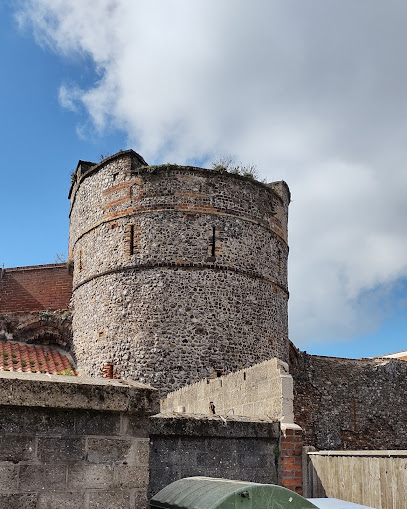
War Memorial
8.9 km
A solemn tribute in Great Yarmouth, honouring local service personnel and civilians lost in 20th-century conflicts with quiet dignity and enduring respect.
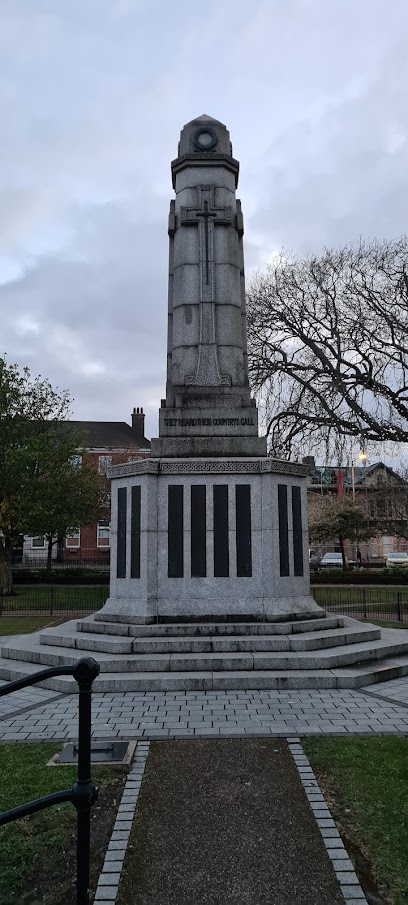
Potter Heigham bridge
10.4 km
Historic 14th-century bridge and boating hub in Norfolk Broads, blending medieval charm with scenic waterways and vibrant village life.
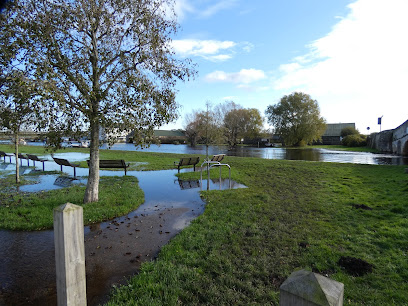
TourNorfolk
16.4 km
Discover the essential internet marketing services at TourNorfolk, where local charm meets digital expertise in the heart of Barton Turf.
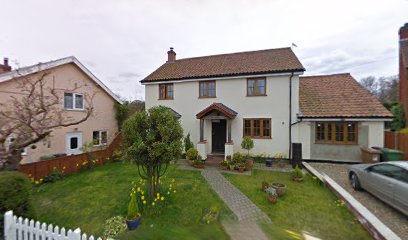
Wroxham Bridge
16.6 km
Historic 17th-century bridge and vibrant boating hub connecting Wroxham and Hoveton on the scenic Norfolk Broads.
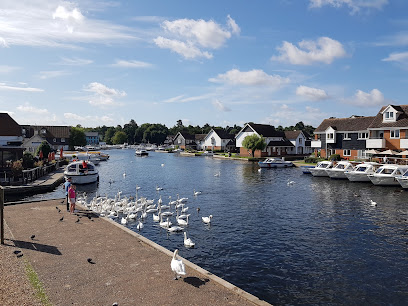
Faircraft Loynes
16.7 km
Discover the beauty of the Broads with Faircraft Loynes, your premier boat tour agency and rental service in Wroxham, offering unforgettable waterway experiences.
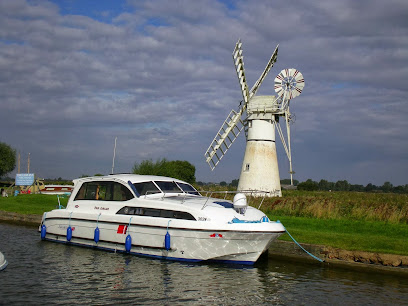
Hoveton Hall Estate
16.9 km
Experience the beauty and tranquility of Hoveton Hall Estate, a serene tourist attraction in Norfolk featuring exquisite gardens and rich history.
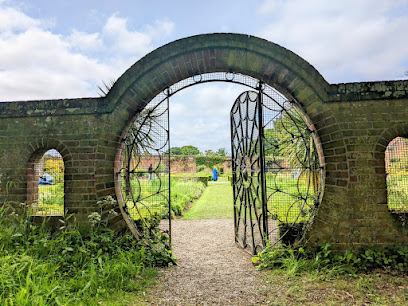
Museum of the Broads
17.6 km
Explore the rich heritage and ecology of the Broads at the Museum of the Broads, where history meets nature in a captivating setting.
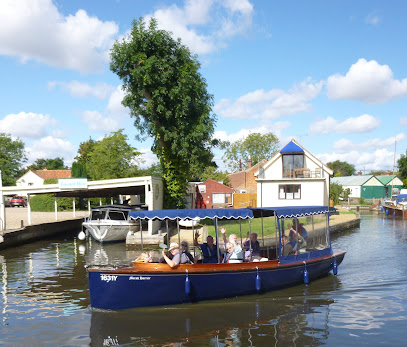
Wroxham Barns
18.1 km
Experience the charm of Wroxham Barns, where shopping, dining, and family fun come together in the heart of Norfolk's beautiful countryside.
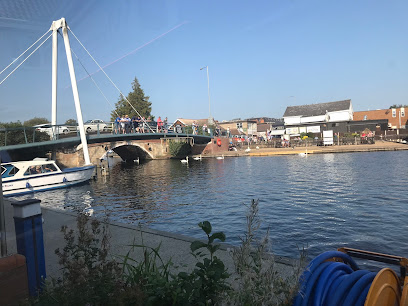
Whitlingham Country Park
18.2 km
Explore Whitlingham Country Park: a tranquil retreat with picturesque trails, diverse wildlife, and exciting outdoor activities near Norwich.
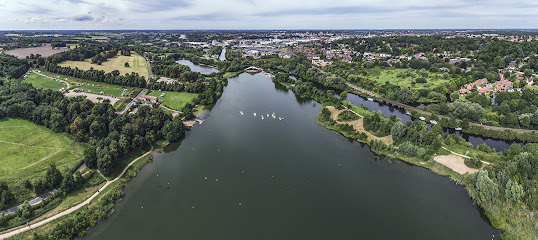
The Broads Authority
19.6 km
Explore the breathtaking landscapes of The Broads Authority, where nature meets adventure in the heart of Norfolk's stunning waterways.
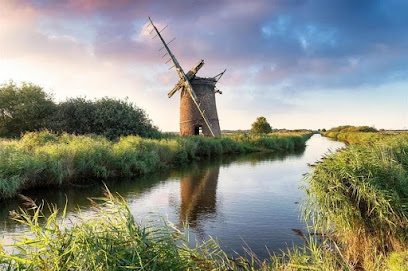
Cow Tower
19.7 km
Explore Cow Tower, a stunning historical landmark in Norwich, offering rich history, picturesque views, and a glimpse into medieval architecture.
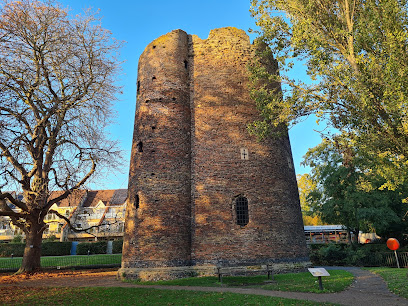
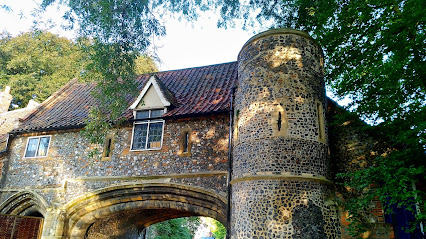
Pull's Ferry
19.8 km
A tranquil 15th-century watergate and ferry house on Norwich’s River Wensum, blending rich medieval history with scenic riverside charm.
Norwich Castle
20.5 km
Discover the rich history and stunning architecture of Norwich Castle, a premier museum showcasing the art and heritage of the region.
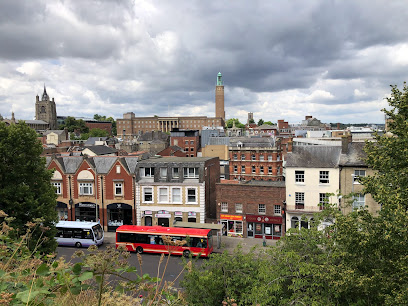
VisitNorwich
21.3 km
Discover Norwich Cathedral’s soaring Norman spire, medieval carvings, and tranquil cloisters nestled in a vast historic sanctuary.
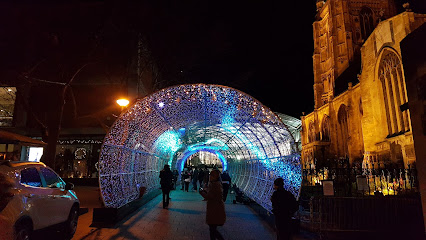
Unmissable attractions to see

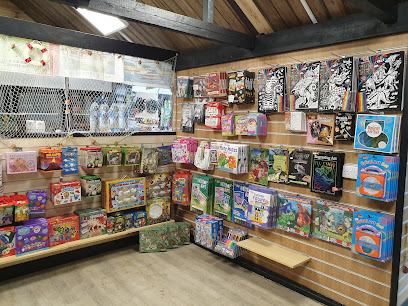
Stracey Arms Mill Shop & Tea Rooms
0.8 km
Historic mill charm meets cozy tea rooms and local delights in the heart of the Norfolk Broads countryside.
The Ferry Inn
2.3 km
A charming riverside pub in Stokesby offering classic British fare, local ales, and mooring on the Norfolk Broads.
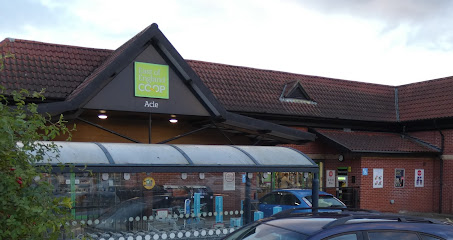
East of England Co-op
4.1 km
Acle’s community supermarket offering local produce, vegan options, and convenient hours on Norwich Road.
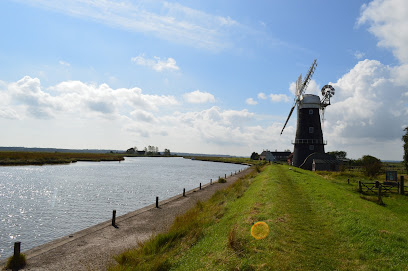
RSPB Berney Marshes
4.4 km
A tranquil, remote Broadland sanctuary renowned for spectacular wintering birds and unspoilt marshland vistas.
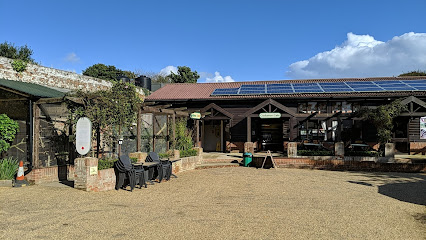
Thrigby Hall Wildlife Gardens
4.6 km
Explore rare wildlife and historic gardens at Thrigby Hall, where immersive treetop walkways bring you face-to-face with exotic animals.
Burgh Castle
5.2 km
Explore Burgh Castle, Norfolk’s best-preserved Roman fort with towering walls and breathtaking estuary views steeped in centuries of history.
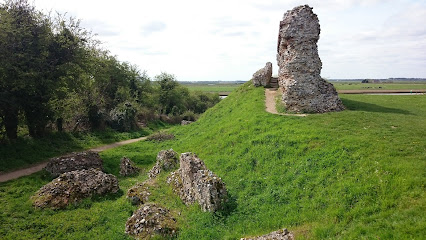
Breydon Water
5.8 km
Explore Breydon Water, the UK’s largest protected wetland estuary, rich in wildlife and history on Norfolk’s scenic Broads edge.
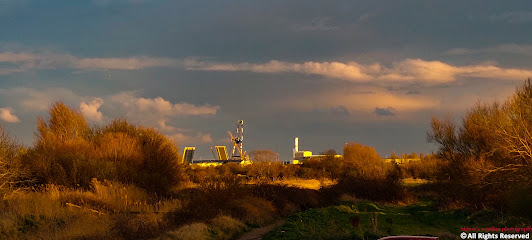
Discover the Norfolk Broads
6.2 km
Experience tranquil woodland charm and explore the Norfolk Broads from an award-winning family holiday park with cottages, camping, and rich local heritage.
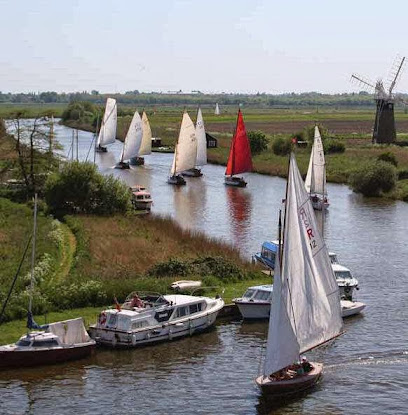
Cannells By The River
6.8 km
Rustic riverside farm shop and café offering local produce, artisan coffee, and scenic views on the Norfolk Broads.
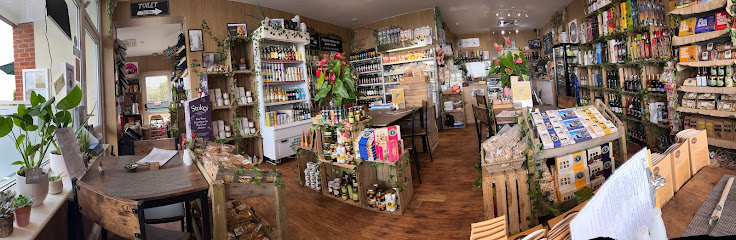
The Waterside
7.5 km
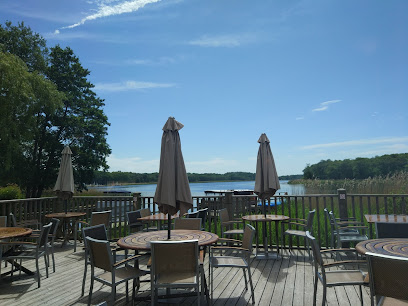
A charming lakeside café and family-friendly retreat with stunning views, boat tours, and wildlife on Norfolk’s Rollesby Broad.
Caister Castle
7.9 km
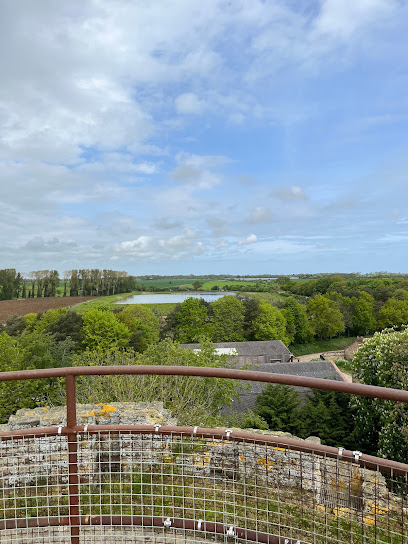
Explore the medieval grandeur and historic tales of Caister Castle, with its towering keep, storied siege, and fascinating motor museum.
Fairhaven Woodland & Water Garden
8.5 km
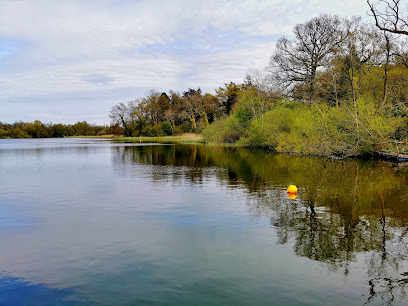
Explore 130 acres of peaceful organic woodland and water gardens with accessible trails, seasonal boat trips, and rich wildlife at the heart of the Norfolk Broads.
National Trust - Elizabethan House Museum
8.6 km
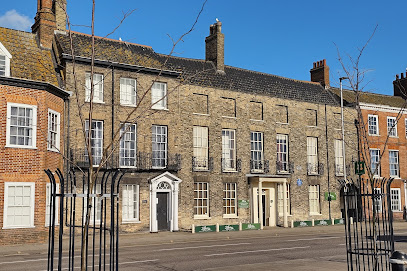
Step back into Tudor and Victorian Great Yarmouth at this immersive 16th-century merchant’s house with rich history and family-friendly fun.
English Heritage - Greyfriars Cloisters
8.7 km
Discover Great Yarmouth’s unique medieval Rows and the haunting ruins of the 13th-century Greyfriars Cloisters, a window into centuries of coastal history.
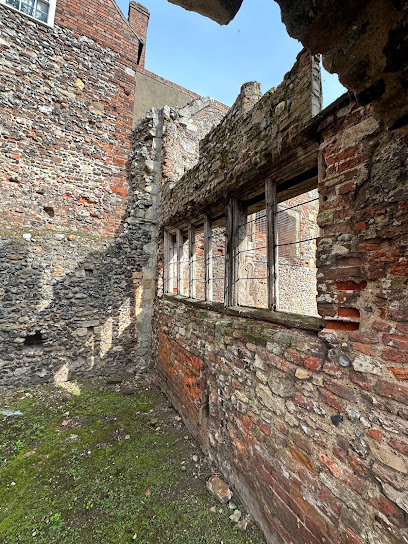
Great Yarmouth Row Houses
8.7 km
Step into Great Yarmouth’s unique medieval Rows, where early 17th-century merchant homes reveal centuries of maritime history and urban life.
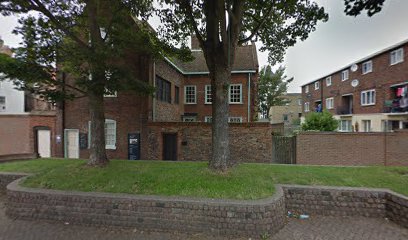
Essential places to dine

The Hermitage
3.9 km
A charming pub and pie house in Acle serving hearty British classics with a welcoming local atmosphere.
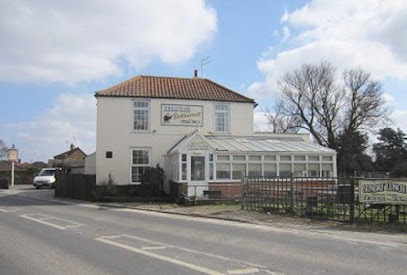
Acle Bridge Inn
4.1 km
Historic riverside inn on the Norfolk Broads offering hearty British fare, family-friendly charm, and scenic waterside hospitality.
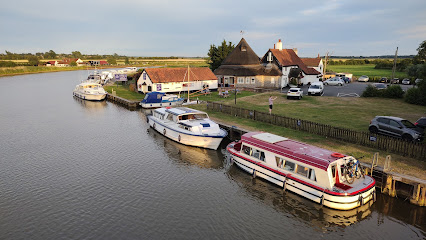
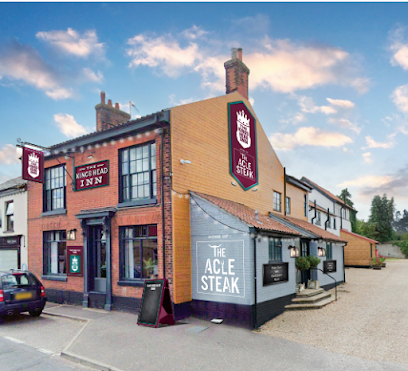
The Kings Head Inn, home of The Acle Steak
4.2 km
Traditional Norfolk charm meets hearty British fare at The Kings Head Inn, home of the iconic Acle Steak.
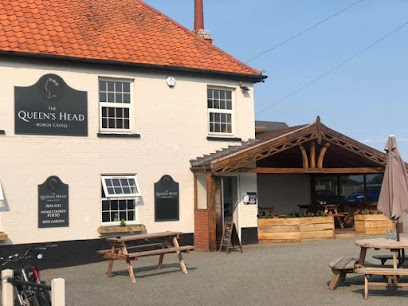
The Queen's Head
5.3 km
Norfolk's neighbourhood gem where quality food, genuine warmth, and inclusive hospitality meet traditional pub charm.
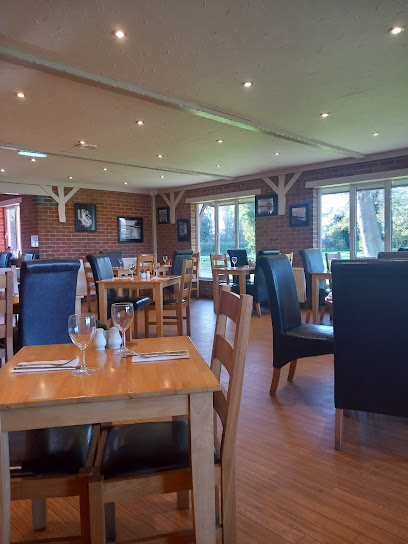
Filby Bridge Restaurant
5.9 km
Enjoy fresh British and European cuisine with stunning waterside views at Filby Bridge Restaurant, a welcoming spot on the edge of Filby Broad.
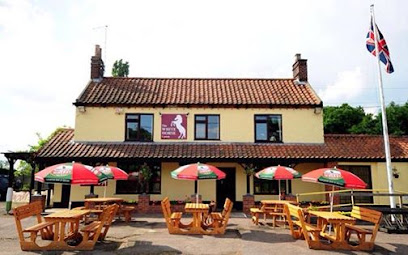
White Horse Upton
6.0 km
A beloved community pub in Upton offering hearty food, real ales, live music, and a welcoming atmosphere on the Norfolk Broads.
Burgh Hall
6.8 km
Discover Burgh Hall: A charming grill offering delicious grilled dishes in the scenic setting of Burgh Castle near Great Yarmouth.
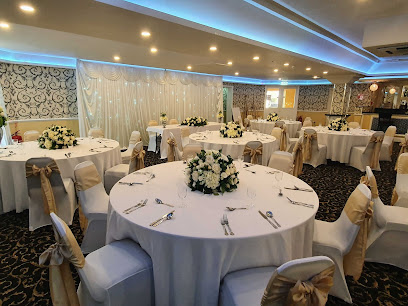
The Boathouse | Restaurant | Wedding Venue | Pub | Accommodation
7.2 km
Charming waterside restaurant, accommodation, and wedding venue offering fresh local cuisine and stunning views on Ormesby Broad.
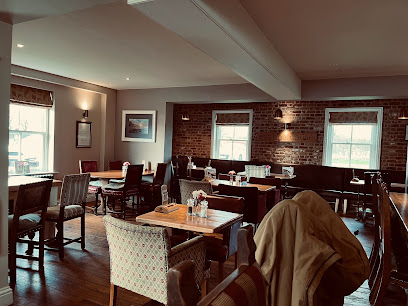
Reedham Ferry Inn
7.4 km
A charming riverside pub and campsite by the Norfolk Broads with scenic ferry crossings and classic British hospitality.
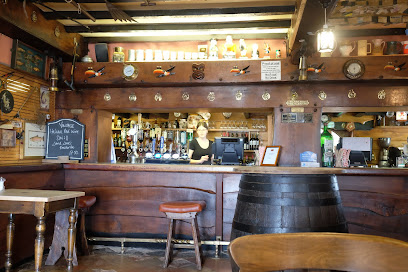
Joker's Diner
8.0 km
Joker's Diner serves up hearty British breakfasts and comfort food with fresh ingredients and friendly service in Great Yarmouth.
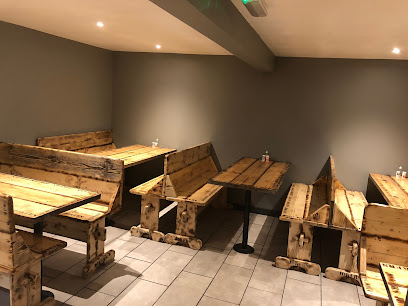
Great Yarmouth Brewers Fayre
8.2 km
A family-friendly British pub and restaurant in Great Yarmouth offering hearty meals, extended hours, and a welcoming atmosphere for all ages.
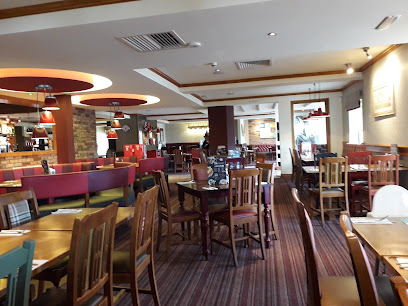
The Lion Inn
8.3 km
Discover The Lion Inn in Thurne - A charming pub offering delicious food and local ales amidst the stunning scenery of the Norfolk Broads.
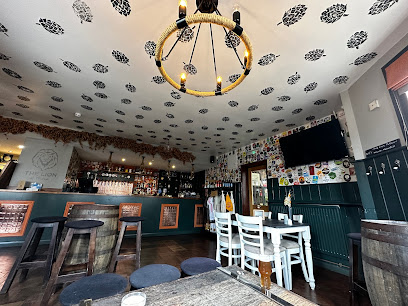
The White Swan
8.4 km
Fresh, locally sourced seafood and traditional smoked fish served with authentic East Anglian charm on Great Yarmouth’s historic North Quay.
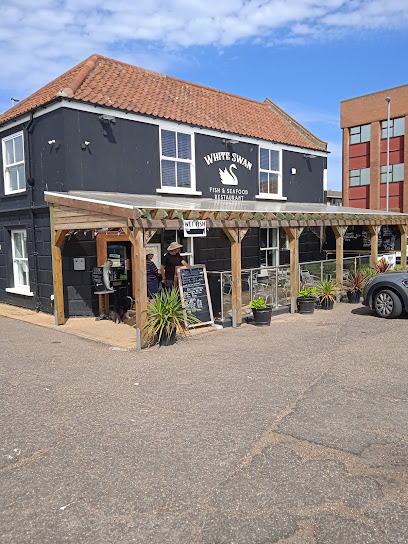
The Courtyard Italian Restaurante
8.6 km
A cozy, award-winning Italian gem in Great Yarmouth serving fresh, homemade dishes with warm, attentive service and inclusive menus.
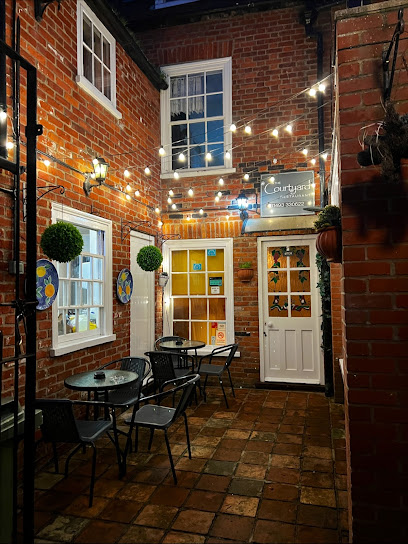
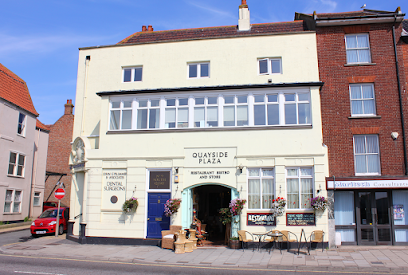
Quayside Plaza
8.6 km
Mediterranean-inspired dining with charming waterfront views and warm hospitality in the heart of Great Yarmouth’s South Quay.
Markets, malls and hidden boutiques

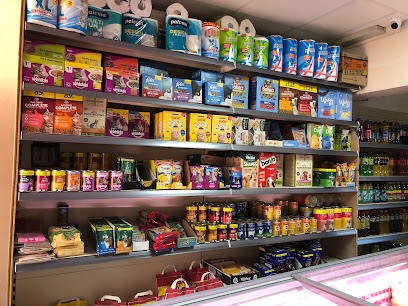
Reedham Stores
6.6 km
A welcoming village convenience store offering local flavors and essentials in the heart of Norfolk Broads’ scenic Reedham.
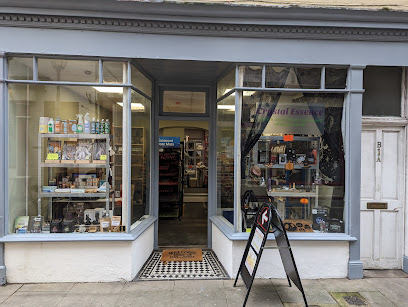
Crystal Essence
8.4 km
Discover a curated collection of crystals, spiritual tools, and artful gifts in a welcoming Great Yarmouth shop dedicated to transformation and wellness.
Belzart
8.6 km
Discover mystical treasures and unique gifts in the cozy charm of Belzart, Great Yarmouth’s enchanting Market Row shop.
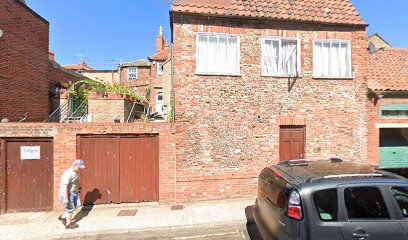
Gifts Unique
8.6 km
Thoughtfully curated gifts and collectibles with genuine customer care in Great Yarmouth's heart.
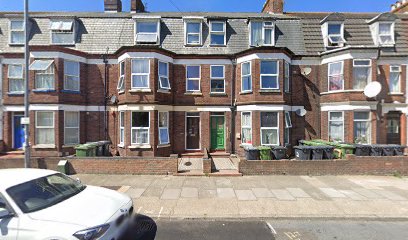
Lilleys emporium
8.6 km
Discover unique gifts and local crafts at Lilleys Emporium, a charming Great Yarmouth shop capturing the town’s artisan spirit and heritage.
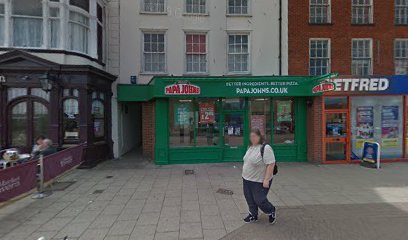
Picnic Patch
8.6 km
Discover timeless retro fashion and unique vintage treasures at Picnic Patch, Great Yarmouth’s charming vintage clothing boutique.
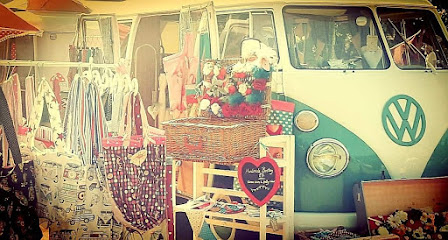
Unique Crafts
8.6 km
Discover the delicate art of dollhouses and miniatures in Great Yarmouth’s quaint Unique Crafts shop.
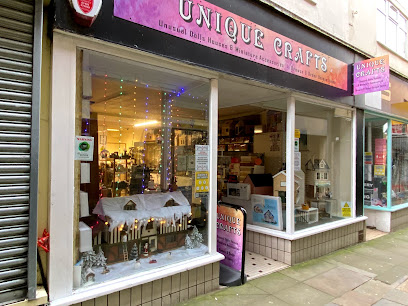
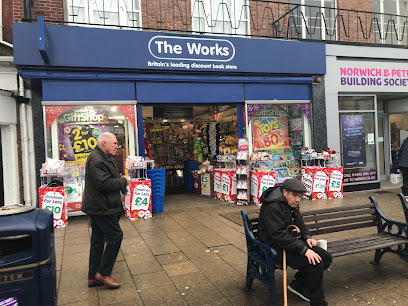
The Works
8.6 km
Affordable creativity and discovery in Great Yarmouth's vibrant Market Place.
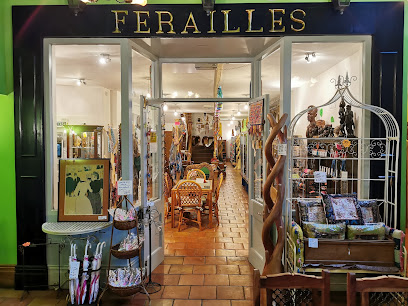
Ferailles Shop - (Knot Just A Furniture Shop!) - Great Yarmouth
8.6 km
Discover Ferailles Shop in Great Yarmouth – a treasure trove of antiques, art, and unique fashion accessories that tell timeless stories.
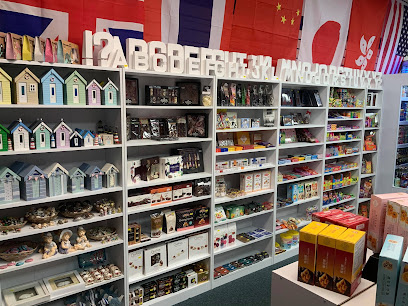
Craftmania
8.7 km
A welcoming craft shop in Great Yarmouth offering quality supplies, expert advice, and a vibrant creative community.
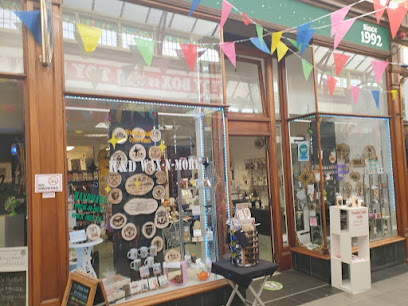
R&D Crafts
8.7 km
Discover unique handcrafted gifts and local artistry in the charming Victoria Arcade of Great Yarmouth.
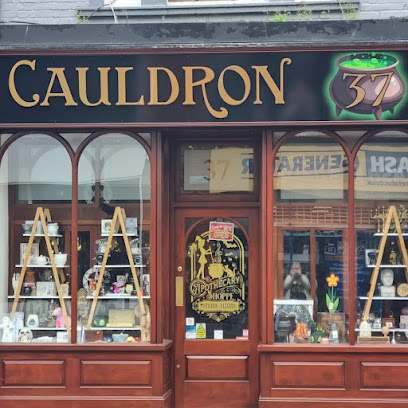
Cauldron37
8.7 km
Discover unique gifts and local charm at Cauldron37, a cozy boutique in the heart of Great Yarmouth’s vibrant Regent Street.
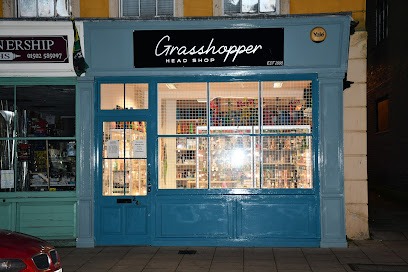
Grasshopper
8.8 km
Discover unique gifts and local treasures at Grasshopper, Great Yarmouth’s charming gift shop on King Street.
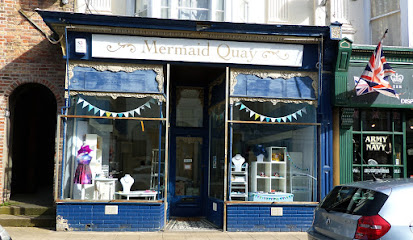
Mermaid Quay
8.8 km
Discover handcrafted gifts and local artisan treasures in the heart of Great Yarmouth’s historic seaside town.
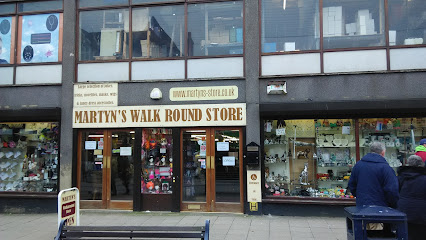
Martyns Walk Round Store
8.9 km
A quirky Great Yarmouth gift shop with a gothic and fantasy twist, perfect for unique alternative gifts and spooky collectibles.
Essential bars & hidden hideouts

The Lord Nelson
6.8 km
Charming riverside pub on the Norfolk Broads offering quality ales, fresh British fare, and private moorings in a welcoming community setting.
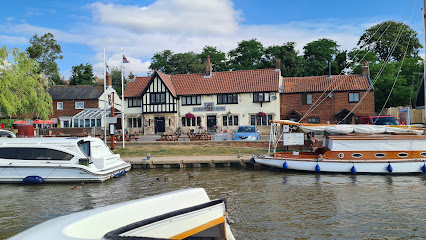
Lady Haven
8.1 km
A cozy, affordable pub in Great Yarmouth offering friendly vibes and a welcoming atmosphere for locals and visitors alike.
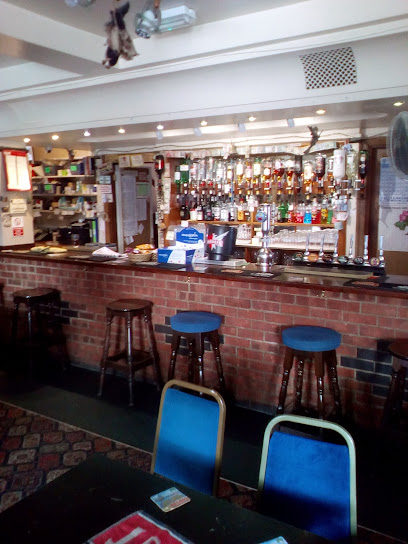
Tombstone Brewery & Saloon Bar
8.4 km
Experience Great Yarmouth’s craft beer culture in a lively Old West saloon setting with award-winning ales and a warm, welcoming atmosphere.
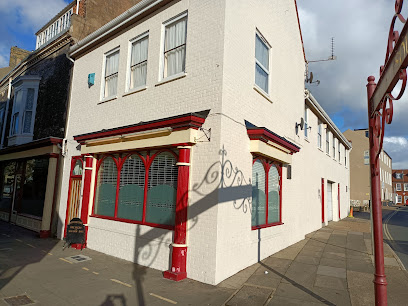
Duke's Head Hotel
8.4 km
Historic coastal charm and friendly hospitality converge at Duke's Head Hotel, a welcoming bar and stay in Great Yarmouth’s heart.
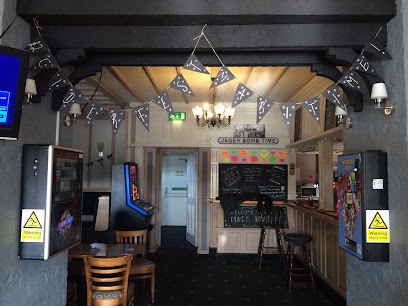
The Mariners
8.5 km
A beloved Great Yarmouth pub famed for its rich selection of cask ales, lively atmosphere, and authentic British charm.
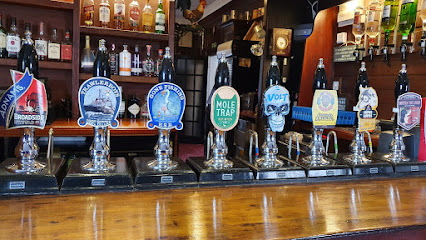
The Kings Arms
8.6 km
A friendly, dog-welcoming pub in Great Yarmouth serving homemade British classics with a charming beer garden and great value.
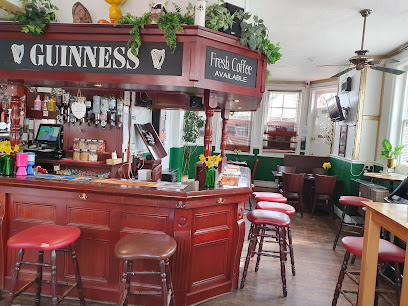
The Market Tavern Public House
8.6 km
A cozy, family-friendly pub in Great Yarmouth serving hearty British classics with generous portions and friendly service in a lively market setting.
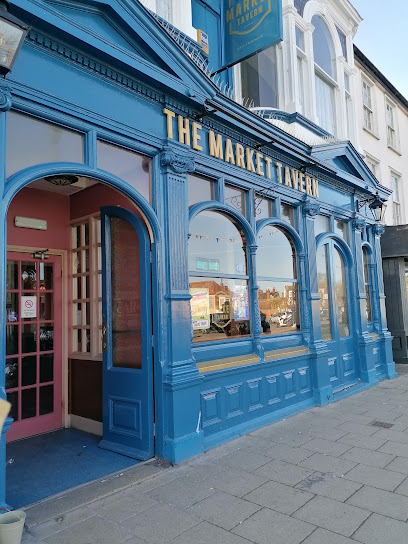
The Coachmakers Arms
8.7 km
A lively Great Yarmouth pub famed for nightly karaoke, live music, friendly staff, and a quirky parrot in the heart of Market Place.
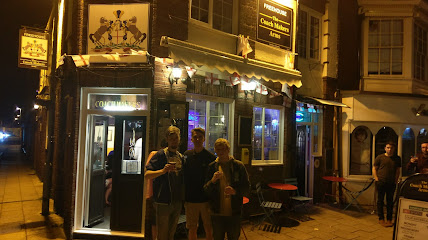
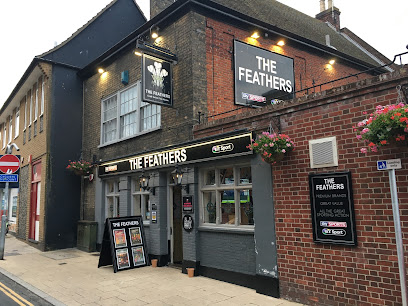
The Feathers
8.7 km
A traditional, child-free pub in Great Yarmouth offering quality ales, a peaceful atmosphere, and a strong community spirit in a spotless setting.
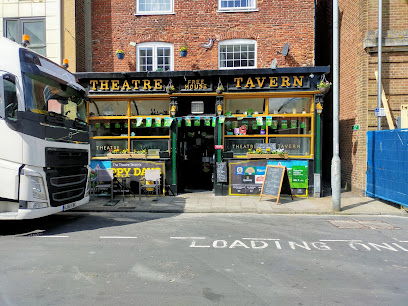
Theatre Tavern
8.7 km
A lively old-school pub in Great Yarmouth famed for karaoke nights, affordable drinks, and a welcoming, friendly atmosphere.
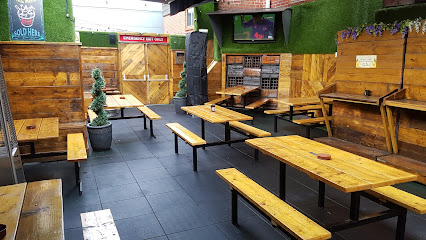
The Jube
8.8 km
A vibrant, family-friendly sports bar and nightclub in Great Yarmouth offering games, live entertainment, and a welcoming community atmosphere.
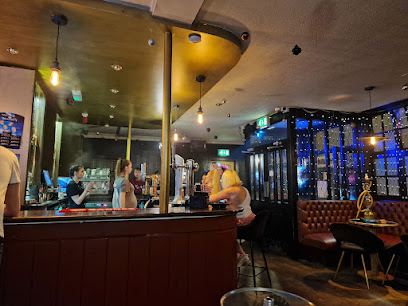
Peggotys Lounge
8.8 km
Experience vibrant nightlife and expertly crafted cocktails at Peggotys Lounge, Great Yarmouth’s lively pub and restaurant hotspot.
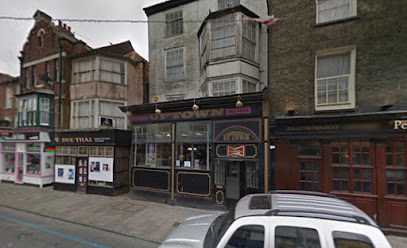
Uptown Bar
8.8 km
A friendly, affordable bar in Great Yarmouth offering lively atmosphere and good ales in a casual, welcoming setting.
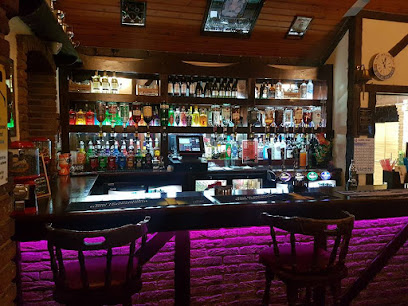
The Rumbold Arms
8.8 km
A friendly, family-oriented pub in Great Yarmouth known for hearty home-cooked meals, lively community spirit, and a spacious garden with play area.
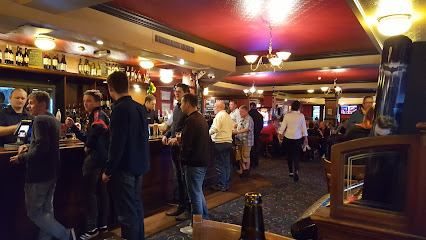
Troll Cart Wetherspoons Great Yarmouth
8.9 km
Lively Wetherspoon pub and hotel in Great Yarmouth offering affordable British fare, comfy rooms, and a friendly atmosphere near the seafront.
Nightclubs & after hour spots

Moonlight Cabaret & Karaoke
9.1 km
Experience lively karaoke nights and captivating cabaret shows in the heart of Great Yarmouth’s vibrant nightlife scene.
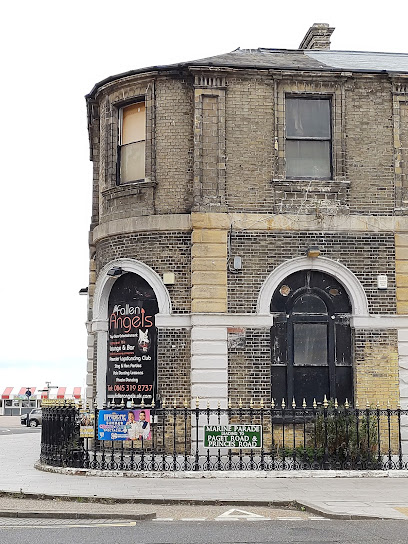
Fallen Angels
9.3 km
Experience vibrant nightlife and adult entertainment at Fallen Angels, Great Yarmouth’s premier late-night club on Marine Parade.
Buddha Club
9.4 km
Experience Great Yarmouth’s vibrant nightlife at Buddha Club, where modern beats, colorful lights, and coastal vibes create unforgettable weekend nights.
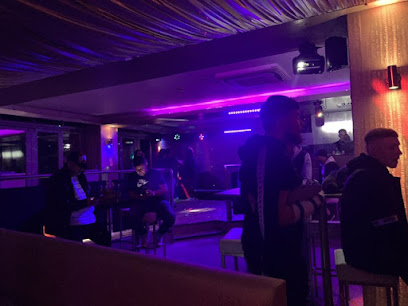
Mavvy’s
9.4 km
Experience Great Yarmouth’s vibrant nightlife at Mavvy’s, where music, dancing, and lively atmosphere come alive until the early hours.

The Bermuda Club
10.6 km
A welcoming nightclub and bar in Hemsby offering lively evenings, family-friendly nights, and affordable drinks near Norfolk’s scenic coast.
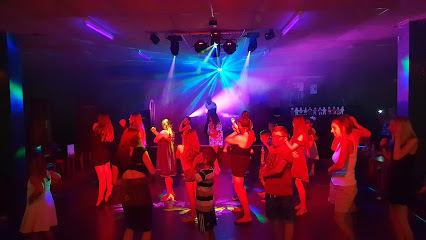
Loft Nightclub
20.0 km
Norwich’s vibrant gay nightclub with over 30 years of inclusive nightlife, music, and community spirit in the heart of the city.
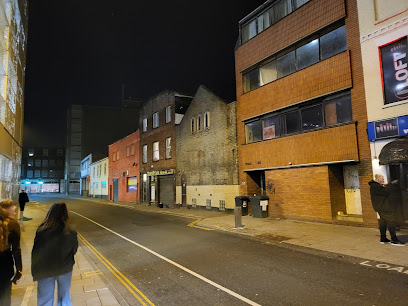
Popworld - Norwich
20.1 km
Norwich’s vibrant late-night hotspot for pop hits, friendly vibes, and unforgettable party nights on Prince of Wales Road.

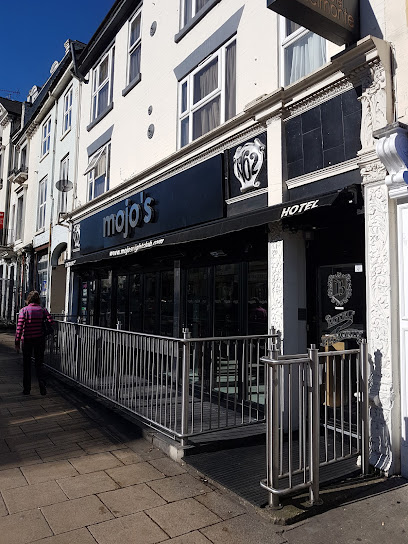
Mojo's
20.1 km
Mojo's: Norwich's gritty, no-frills nightclub pulsing with late-night beats and authentic urban energy.
Fluke
20.1 km
Experience Norwich’s vibrant nightlife at Fluke, where great music, affordable drinks, and a lively crowd come together for unforgettable nights.

Mantra
20.2 km
Experience vibrant nightlife and great music at Mantra Nightclub, Norwich’s energetic weekend party destination with friendly staff and affordable drinks.

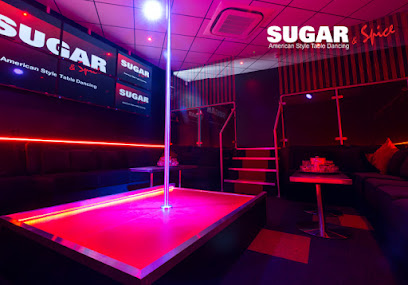
Sugar & Spice - Strip Club and Lap Dancing Norwich
20.2 km
Norwich’s premier American-style strip club offering vibrant entertainment, VIP experiences, and a welcoming atmosphere for all guests.
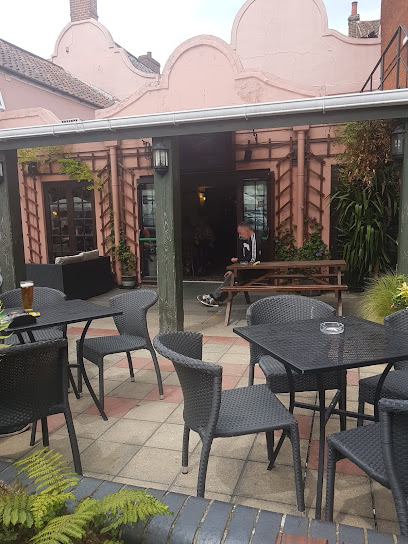
ClubKA
26.9 km
Traditional charm meets lively nightlife at The Kings Arms Hotel and ClubKA in North Walsham, offering comfort, great food, and late-night fun.
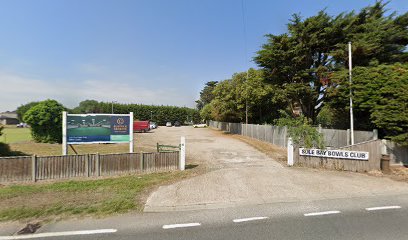
Sole Bay Bowls Club
31.7 km
Discover the serene beauty and community spirit of Sole Bay Bowls Club in Southwold, where leisure and tradition blend seamlessly.
St Edmund's Hall
32.6 km
Discover the vibrant performing arts scene at St Edmund's Hall in Southwold, where culture and scenic beauty meet for an unforgettable experience.
Southwold Cricket Club
32.6 km
Discover the rich heritage of cricket at Southwold Cricket Club, where tradition meets the enchanting charm of Southwold's coast.
For the vibe & atmosphere seeker
- Scenic
- Tranquil
- Relaxing
- Nature Escape
- Adventurous
For the design and aesthetic lover
- Rustic Designs
- Vintage Styles
For the architecture buff
- Historic
- Parks & Gardens
- Viewpoints
- Heritage Neighborhoods
For the view chaser and sunset hunter
- Panoramas
- Waterfront
- Sunrise Spots
- Sunset Spots
- Stargazing
For the social media creator & influencer
- Instagrammable
- Photo Spots
- Aesthetic Corners
- Architectural Shots
For the eco-conscious traveler
- Protected Area
- Nature Reserve
- Public-Transport Accessible
- Wildlife Habitat
- Locally Managed
- Low Impact
For the kind of experience you’re after
- Nature Escape
- Cultural Heritage
- Photowalk
- Mindfulness
- Day Trip
- Weekend Getaway
- Myth & Legends
For how adventurous you want the journey to be
- Easy Access
- Requires Hike
Location Audience
- Family Friendly
- Senior Friendly
- Solo Friendly
- Couple Friendly
- Pet Friendly
- Wheelchair Access


