
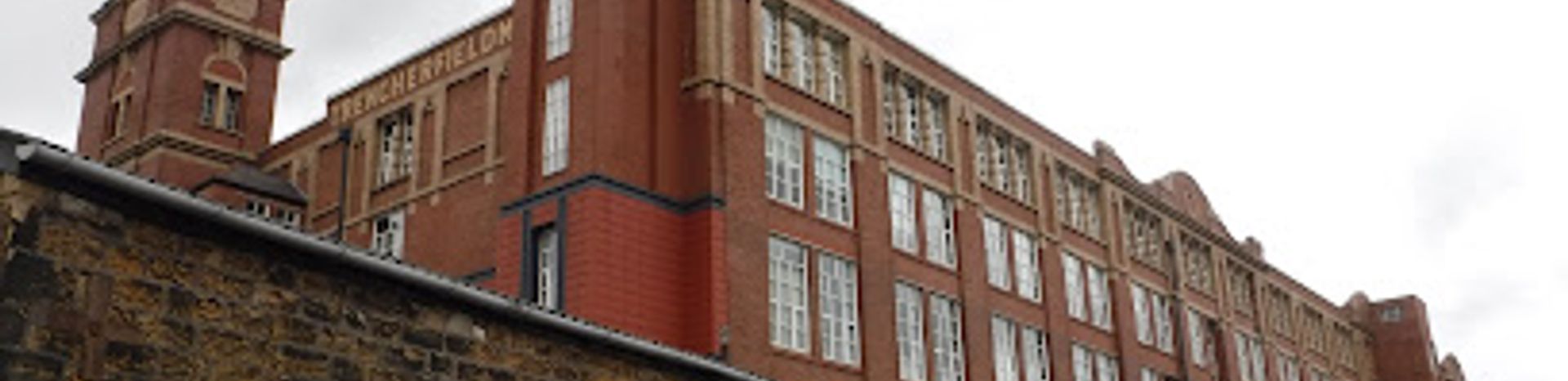
Trencherfield Mill: Wigan’s Industrial Powerhouse and Heritage Icon
Explore Wigan’s iconic 1907 cotton mill with the world’s largest working steam engine, a monument to industrial heritage and engineering marvel.
Trencherfield Mill, built in 1907 in Wigan, England, is a striking red-brick cotton-spinning mill famed for its massive steam engine—the world’s largest working example. Once a titan of the textile industry, the mill now stands as a preserved heritage site, showcasing the industrial might that powered Wigan’s economy. Visitors can explore its historic engine and learn about the region’s rich industrial past along the Leeds and Liverpool Canal.
A brief summary to Trencherfield Mill
- Wallgate, Wigan, Wigan, WN3 4BF, GB
- Visit website
- Duration: 1 to 2 hours
- Mid ranged
-
 Outdoor
- Mobile reception: 4 out of 5
Local tips
- Visit during steam engine demonstration days to experience the mill’s massive engine in action.
- Allow at least 1.5 hours to fully explore the mill and its exhibits.
- Check for special events or guided tours that provide deeper insights into the mill’s history.
- Combine your visit with a walk along the nearby Leeds and Liverpool Canal for scenic views.

For the on-the-go comforts that matter to you
- Restrooms
- Information Boards
- Seating Areas
Getting There
-
Bus
Regular bus services connect Wigan town center to Wallgate, with stops within a 10-minute walk of Trencherfield Mill. Journey times range from 15 to 25 minutes depending on starting point. Tickets cost approximately £2–£4 one way.
-
Train
Wigan Wallgate railway station is located about 500 meters from Trencherfield Mill, with frequent trains from Manchester and Liverpool taking 30–45 minutes. Walking from the station to the mill takes around 7 minutes.
-
Car
Driving to Trencherfield Mill is straightforward via main roads, with public parking available nearby. Parking fees typically range from £3 to £6 for a half-day. Note that the area can be busy during weekends and events.
-
Walking
For those staying in Wigan town center, a pleasant 15–20 minute walk along mostly flat terrain leads to the mill. The route is accessible and suitable for most fitness levels.
Trencherfield Mill location weather suitability
-
 Any Weather
-
 Rain / Wet Weather
-
 Clear Skies
-
 Mild Temperatures
Discover more about Trencherfield Mill
The Rise of a Cotton-Spinning Giant
Trencherfield Mill was constructed in 1907 during the height of the British textile industry, serving as a major cotton-spinning mill in Wigan. Its imposing red-brick structure dominates the area near Wigan Pier, symbolizing the town’s industrial strength. The mill was part of a wave of industrial buildings that fueled the local economy and provided employment to generations of workers. As cotton thread production surged, Trencherfield Mill became a vital cog in the machinery of the Industrial Revolution in northern England.The Heart of the Mill: The Steam Engine
At the core of Trencherfield Mill’s operation was its colossal steam engine, regarded as a masterpiece of early 20th-century engineering. This mammoth engine generated an impressive 2,500 horsepower, powering the mill’s machinery and symbolizing the peak of steam technology. Today, it remains the largest working steam engine of its kind in the world, meticulously preserved and occasionally demonstrated to visitors, offering a rare glimpse into the power source that once drove the textile industry.Architectural and Industrial Heritage
The mill’s architecture reflects the robust industrial design of its era, with functional yet striking red-brick construction. Situated alongside the Leeds and Liverpool Canal, the location was strategic for transporting raw materials and finished goods. The site is now a heritage museum and tourist attraction, preserving the machinery and atmosphere of a bygone industrial age. The mill’s preservation highlights Wigan’s commitment to remembering its industrial roots and educating future generations about this transformative period.Visitor Experience and Cultural Significance
Visitors to Trencherfield Mill can immerse themselves in the sights and sounds of early 20th-century industry. The preserved steam engine demonstrations provide an auditory and visual spectacle, while exhibits detail the mill’s history and its role in the community. The mill is also linked to local folklore and ghost stories, adding an intriguing layer to its cultural narrative. Its proximity to Wigan Pier and the canal makes it part of a broader heritage trail celebrating the region’s industrial past.Preservation Efforts and Community Engagement
Managed by local heritage organizations, Trencherfield Mill benefits from ongoing conservation efforts ensuring the steam engine and mill buildings remain intact. Community events and educational programs often take place here, fostering a connection between Wigan’s industrial history and present-day residents. The mill stands as a testament to the ingenuity and labor of the people who powered Britain’s textile industry, making it a cherished landmark for both locals and visitors.Legacy of Innovation and Industrial Power
Trencherfield Mill embodies the spirit of industrial innovation that defined early 20th-century Britain. Its steam engine not only powered machinery but also represents an era when engineering breakthroughs transformed economies and societies. The mill’s survival into the modern era allows visitors to appreciate the scale and impact of industrialization, serving as a powerful reminder of Wigan’s role in shaping industrial history.Iconic landmarks you can’t miss

Sussex Close
5.3 km
Discover the charm of Wigan through Sussex Close, your essential bus stop to explore local attractions and immerse in the vibrant culture.

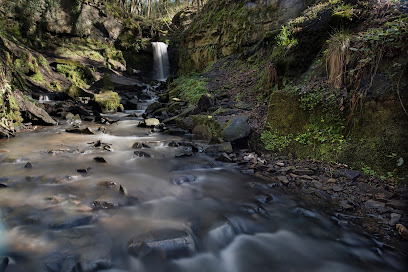
Fairy Glen
8.5 km
Experience the serene beauty of Fairy Glen in Wigan - a natural escape filled with enchanting landscapes and tranquil trails for every adventurer.
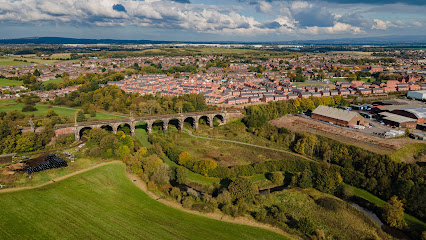
The Sankey Viaduct (Nine Arches)
10.4 km
Discover the stunning Sankey Viaduct in Leigh, a masterpiece of Victorian engineering featuring breathtaking views and rich historical significance.
Rivington Pike
10.8 km
Discover the breathtaking views and rich history at Rivington Pike, a perfect hiking destination in Lancashire for nature lovers and adventurers alike.
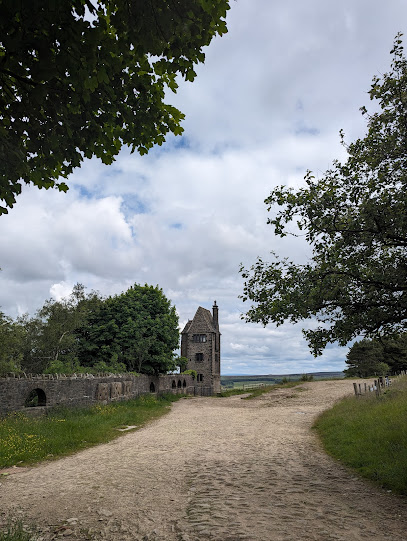
Rivington Pike Tower
10.8 km
Historic 18th-century hunting lodge atop Rivington Pike offering panoramic Lancashire views and rich cultural heritage within scenic Lever Park.
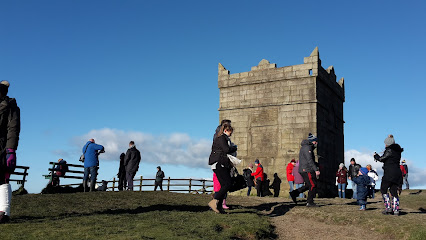
Taylor Park
13.4 km
Discover the natural beauty and tranquility of Taylor Park in Saint Helens, a perfect destination for relaxation and outdoor fun.
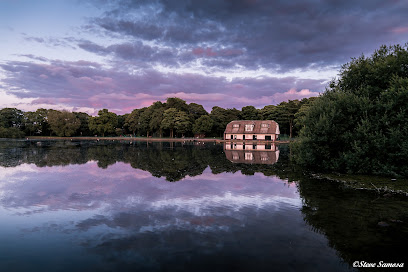
Chorley's Flying Arches
14.2 km
Discover Chorley’s rare Victorian Flying Arches, a unique blend of historic railway engineering and modern heritage preservation.
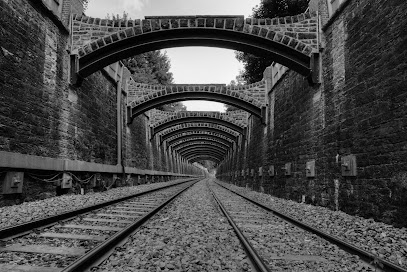
The Golden Gates
17.1 km
Victorian ironwork masterpiece with royal rejection and industrial heritage.
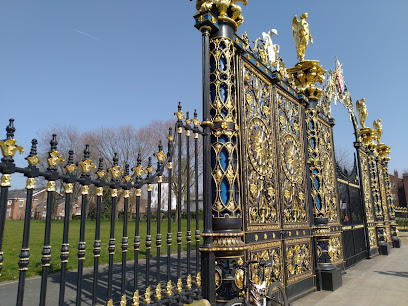
Warrington Transporter Bridge
17.6 km
Explore the world’s only rail transporter bridge, a striking industrial landmark spanning the River Mersey, embodying Warrington’s rich heritage.
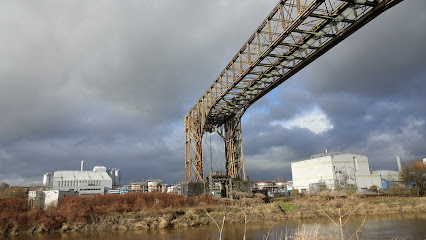
Sussex Road
17.7 km
Discover the charm of Cadishead at Sussex Road, your convenient gateway to local attractions and the vibrant culture of Manchester.
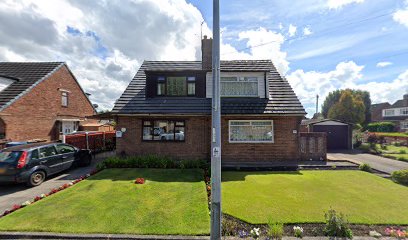
Wayoh Reservoir
19.3 km
Discover the tranquil beauty of Wayoh Reservoir in Bolton, a perfect retreat for nature lovers and outdoor enthusiasts alike.
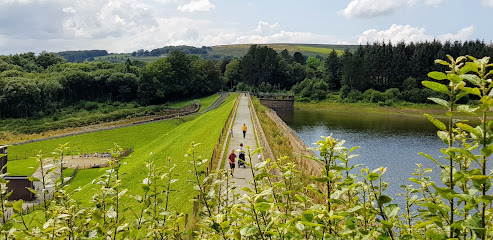
Barton Swing Aqueduct
20.3 km
Explore the world’s only swing aqueduct, a Victorian engineering marvel carrying the Bridgewater Canal over the Manchester Ship Canal since 1894.
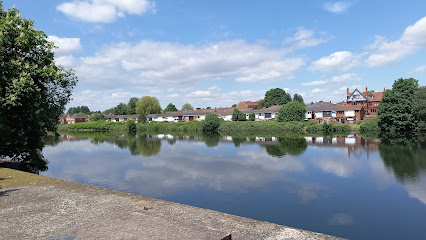
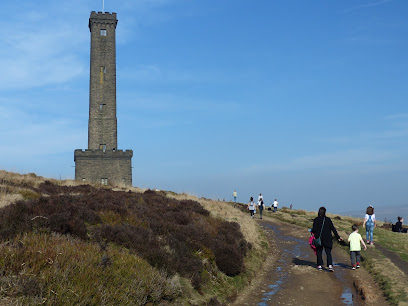
Peel Tower
22.8 km
Historic Peel Tower on Holcombe Hill offers panoramic views and a tribute to Sir Robert Peel’s legacy near Bury.
Robert Peel Statue
23.2 km
Honouring Bury’s most famous son: the 1851 bronze statue of Sir Robert Peel, twice Prime Minister and founder of the modern police force.

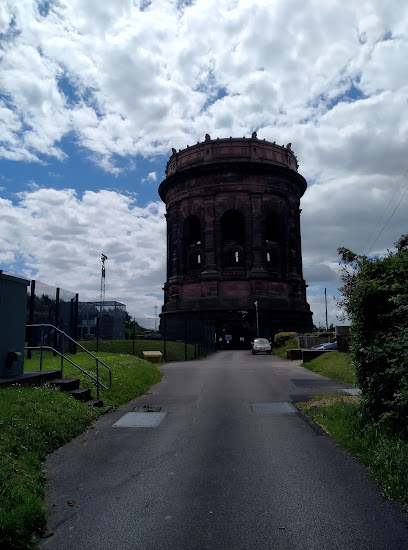
Norton Water Tower
23.6 km
A majestic Victorian water tower in Runcorn, blending historic engineering with enduring utility and striking red sandstone architecture.
Unmissable attractions to see

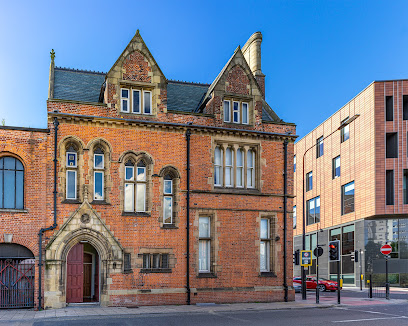
Museum of Wigan Life
0.6 km
Explore Wigan’s rich history and culture in a stunning Victorian library turned vibrant local museum.
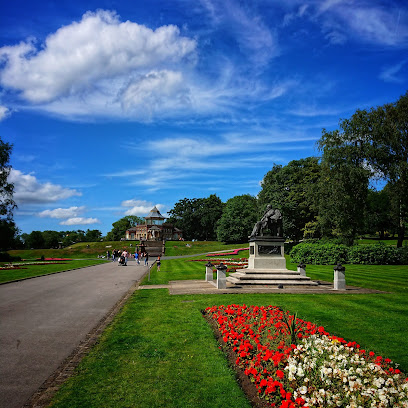
Mesnes Park, Wigan
1.2 km
Historic Victorian park in Wigan blending heritage architecture, lush gardens, and vibrant community life across 30 scenic acres.
Wigan Flashes Local Nature Reserve
1.9 km
A serene wetland refuge in Wigan, blending industrial history with vibrant wildlife and accessible nature trails.
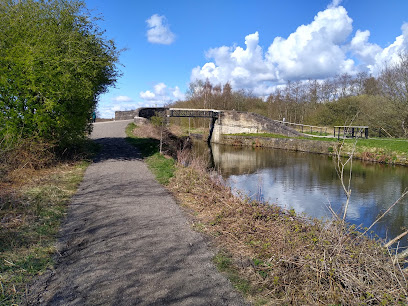
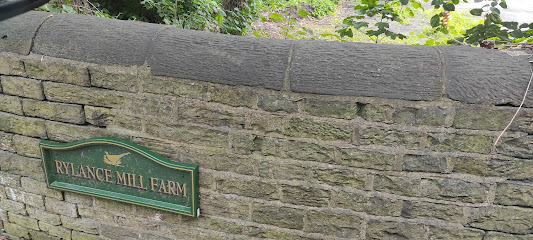
Rylance mill farm
3.1 km
Discover the historic charm and tranquil beauty of Rylance Mill Farm, a peaceful countryside gem in Pemberton, Wigan.
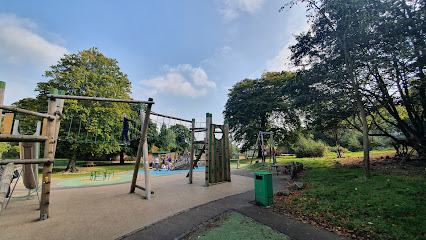
Haigh Woodland Park
4.0 km
Explore 350 acres of enchanting woodland, thrilling adventures, and family fun at Haigh Woodland Park in Wigan.
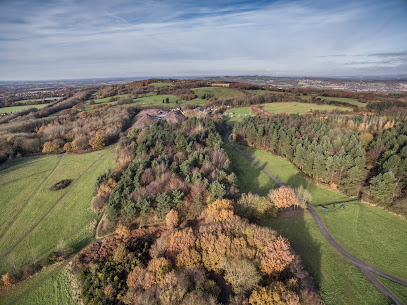
Beacon Country Park
7.5 km
Explore 300 acres of rolling countryside, panoramic views, and inclusive outdoor activities at Beacon Country Park near Up Holland.
JAK Hanson Shopping Outlet - Retail Store
7.8 km
A spacious family-run shopping outlet in rural Lancashire offering quality brands, dining, and a welcoming countryside atmosphere.

Liverpool Castle
9.3 km
Discover the history and beauty of Liverpool Castle, a stunning architectural gem nestled in the heart of Bolton, England.

The Big Pipe
9.8 km
Discover The Big Pipe in Skelmersdale: a monumental marvel blending British engineering with rare natural beauty and tranquil reflection.
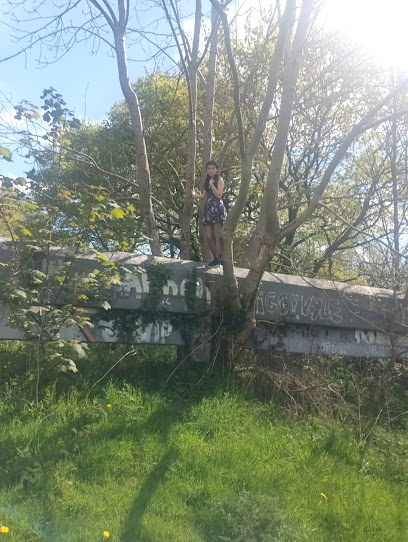
Go Ape Rivington
10.0 km
Experience thrilling treetop adventures and breathtaking reservoir views at Go Ape Rivington, Lancashire’s premier high ropes course.

Rivington Terraced Gardens
10.7 km
A magical Edwardian hillside garden of terraces, follies, and lakes, now open to all beneath Rivington Pike.

The Beautiful Roundabout
11.3 km
A striking geometric landmark symbolizing Skelmersdale’s modernist town planning and unique urban character.
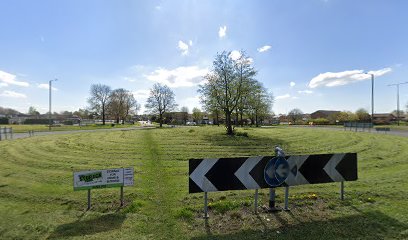
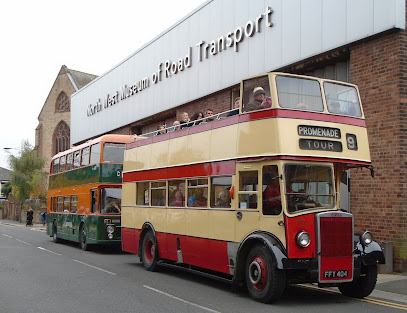
North West Museum of Road Transport
11.5 km
Vintage buses, trams, and forgotten vehicles preserved by devoted volunteers in an authentic 1960s depot.
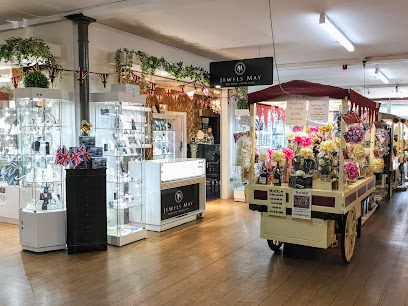
Heskin Hall Shopping Village
11.7 km
Discover Lancashire’s charming Heskin Hall Shopping Village, a unique blend of historic barns, eclectic shops, and cozy cafes for a perfect countryside shopping day.
Alance Bridge
11.9 km
Explore the beauty of Alance Bridge, a historical landmark in Bolton, where culture meets nature in a serene setting.

Essential places to dine

Gallimore's Fine Restaurant
0.7 km
Contemporary British dining in Wigan’s historic town centre, offering quality menus in a stylish, welcoming setting.

The Wheel Restaurant
0.8 km
Experience award-winning, student-prepared cuisine in a warm, welcoming setting at Wigan’s unique Wheel Restaurant.

Fat Olive Restaurant
1.1 km
Experience vibrant Mediterranean and British flavors in a welcoming, lively setting at Wigan’s beloved Fat Olive Restaurant.

Juniper Restaurant
5.0 km
Refined dining with impeccable service and exquisite dishes in the heart of Shevington, Wigan.

Ewe Restaurant and Bar
6.9 km
Modern British cuisine meets stylish comfort in Bolton’s Ewe Restaurant and Bar, perfect for memorable meals and special occasions.

The Cherry Tree at Blackrod
7.3 km
A vibrant modern British gastropub in Bolton offering classic dishes, elegant events, and a welcoming atmosphere for all occasions.

Retreat Adlington
8.3 km
A vibrant grill and cocktail bar in Adlington offering quality steaks, pizzas, and a welcoming atmosphere for all occasions.
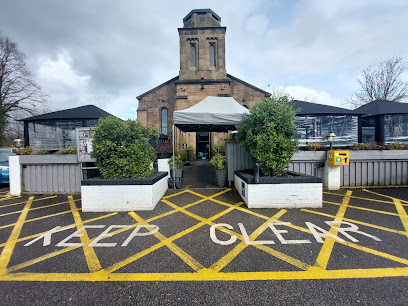
Nick's Restaurant
8.7 km
Experience exquisite Modern European cuisine in a lively, cozy setting with attentive service at Nick's Restaurant in Horwich, Bolton.

Encore Restaurant
12.4 km
Modern British cuisine and vibrant cocktails meet stylish celebrations in the heart of Chorley’s Brewers Print Building.
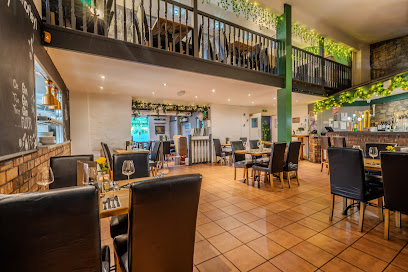
Vardons Restaurant at Shaw Hill
15.8 km
Elegant British dining with scenic golf course views at Shaw Hill’s Regency-style Vardons Restaurant.
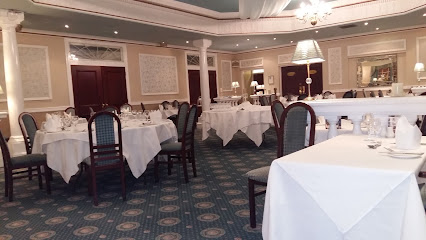
Charnock Farm Restaurant
16.0 km
Rustic country dining, comfortable motel stays, and charming event spaces nestled in the tranquil Lancashire countryside.
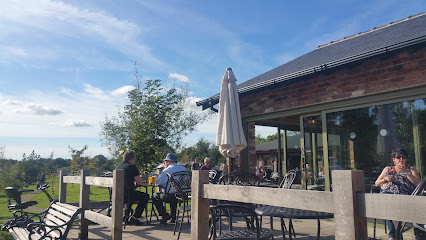
The Barn at Moor Hall
16.6 km
Experience Michelin-starred Modern British cuisine at The Barn at Moor Hall, where seasonal local produce meets elegant, relaxed dining in beautiful Lancashire surroundings.
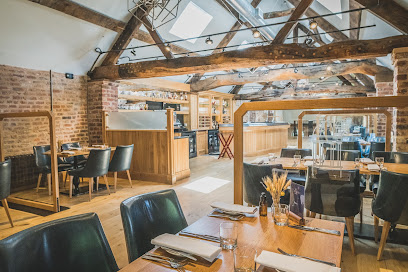
Spirit Restaurant & Lounge
17.6 km
Elegant contemporary British dining and versatile event venue set in the tranquil surroundings of Victoria Park, Warrington.
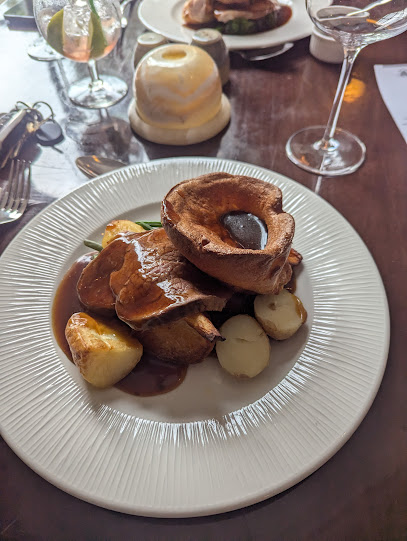
La Boheme
20.7 km
A long-standing French bistro in Lymm serving rich, traditional dishes in a relaxed, unpretentious setting.
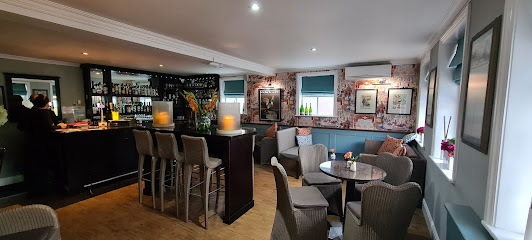
Lang's Restaurant
21.2 km
Experience contemporary English and international cuisine in a stylish Preston setting with exceptional wines and warm hospitality.
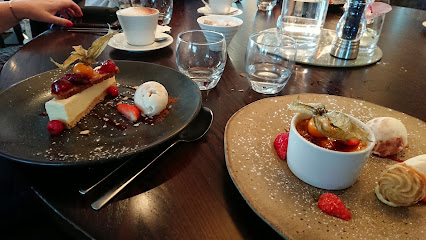
Markets, malls and hidden boutiques

Freckle Boutique
11.7 km
Discover unique ladies' fashion and personalized service at Freckle Boutique, a charming shopping gem in Heskin, Chorley.
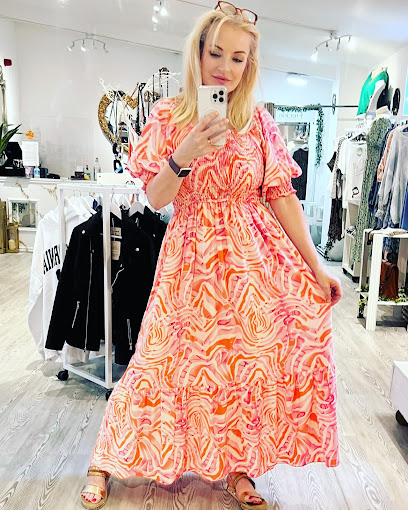
Cedar Farm
12.2 km
Discover Cedar Farm: Lancashire’s charming blend of boutique shopping, gourmet dining, and family-friendly farm fun in a scenic rural setting.
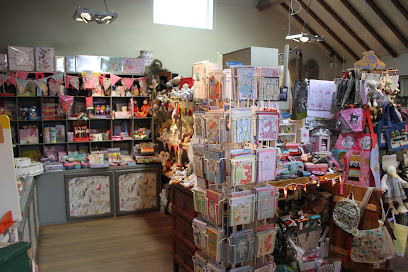
North West Vintage Clothing Company Ltd
12.4 km
Discover timeless vintage fashion treasures in the historic Bygone Times at Eccleston, where every piece tells a story of style and sustainability.
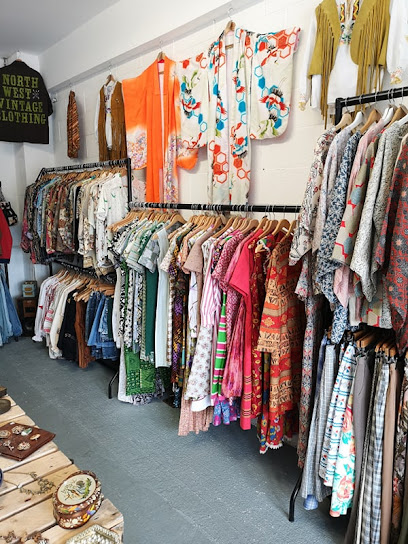
The Secret Closet
16.0 km
Curated Italian, Danish & Portuguese fashion with a commitment to responsible, sustainable retail.
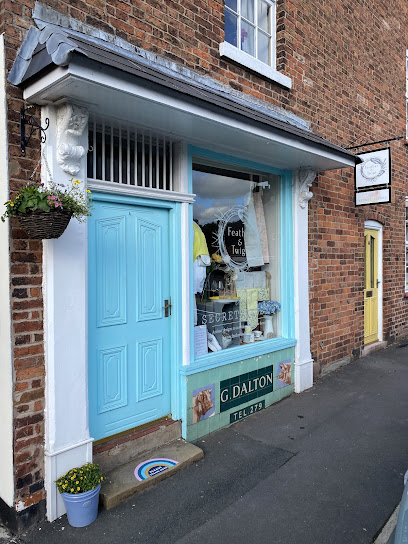
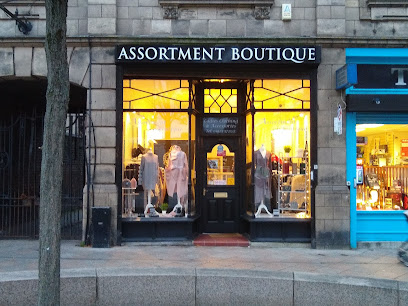
Assortment Boutique Fashion and Home
17.0 km
A charming boutique in Warrington blending unique women's fashion with quirky homewares for a personalized shopping experience.
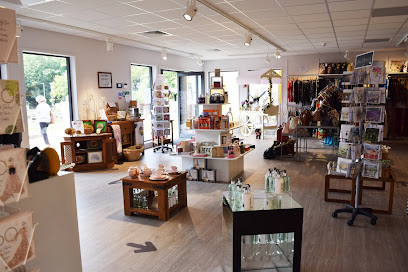
The Mill Shop
20.3 km
A welcoming gift shop in St Catherine’s Park, Lostock Hall, blending community spirit with unique local crafts and charitable support.
Crissys Gifts For All Occasions
21.4 km
Explore Crissys Gifts For All Occasions in Blackburn for unique gifts and souvenirs that capture the essence of your visit.

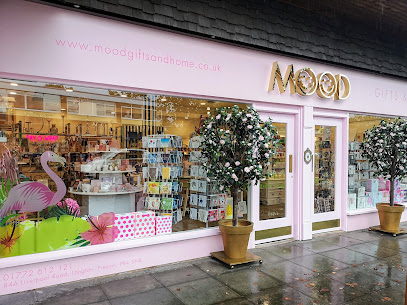
Mood Gifts & Home
22.8 km
Discover unique gifts and stylish home accessories in a warm, community-focused boutique in Longton, Preston.
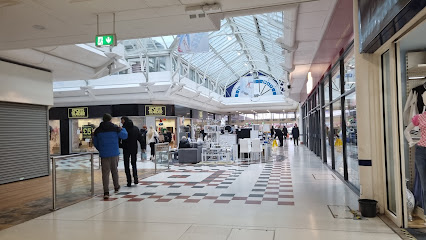
Salford Shopping Centre
23.9 km
Affordable shopping precinct in Salford's Pendleton, with free parking, daily essentials, and community conveniences under one roof.
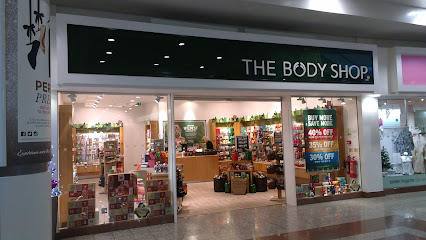
The Body Shop
24.0 km
Compact MediaCityUK branch of The Body Shop with core cruelty‑free ranges, seasonal gifts and refill options on the Salford Quays Quayside.
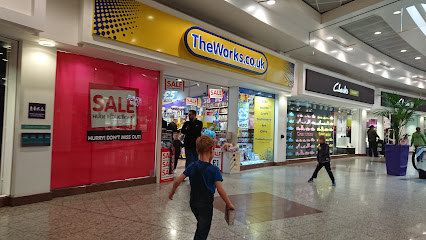
The Works
24.0 km
Unleash creativity at unbeatable prices: books, crafts, toys and more in Salford Quays' discount haven.
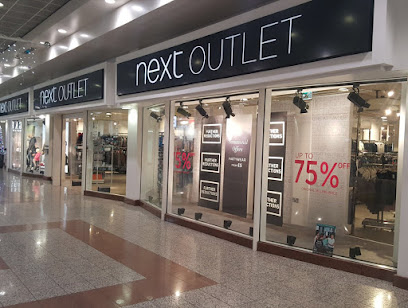
Next Outlet
24.0 km
Discounted designer fashion, homewares and shoes in Salford Quays' bustling MediaCityUK hub – style-savvy shopping with premium brands at outlet prices.
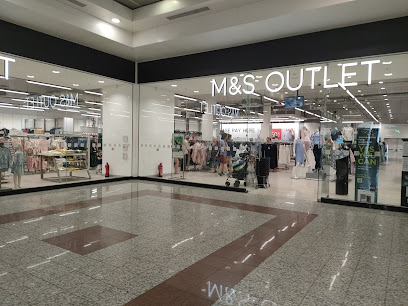
M&S Outlet
24.1 km
Bargain-hunting haven in Salford Quays: M&S discounted fashion, homeware, and beauty amid MediaCityUK's creative buzz.
Flock and Gaggle
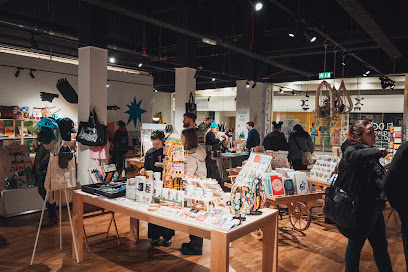
24.1 km
Discover handcrafted gifts and local artistry in MediaCity UK's creative gem, where independent makers shine amid Salford's quayside buzz.
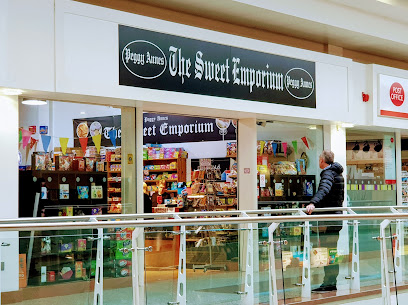
The Sweet Emporium
24.1 km
Discover UK's vastest sweet collection at The Sweet Emporium in MediaCityUK—a family-run paradise of nostalgic candies, retro treats, and global confections that sparks joy for every sweet tooth.
Essential bars & hidden hideouts

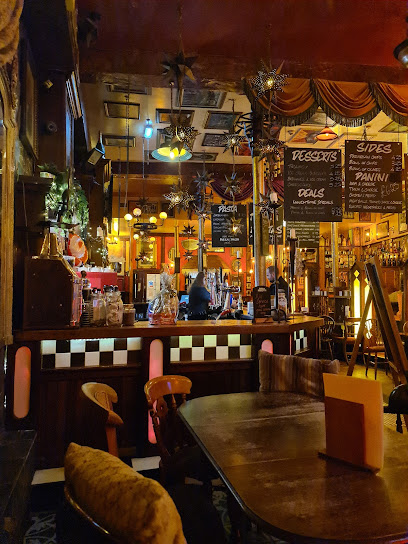
Little Fifteen
0.6 km
Stylish wine bar and Italian restaurant in Wigan, blending vibrant atmosphere with classic design and a curated wine selection.
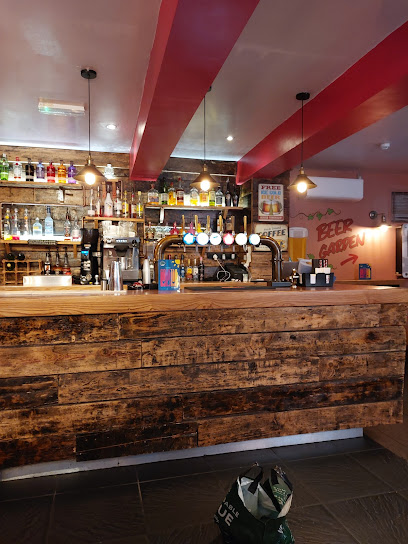
The Wiend Bar
0.7 km
Energetic cocktail bar and nightclub in Wigan offering strong drinks, vibrant DJ sets, and a lively atmosphere for late-night socializing.
Sherringtons Bar
1.6 km
A welcoming and lively bar in Wigan offering great drinks and a cozy atmosphere for locals and visitors alike.
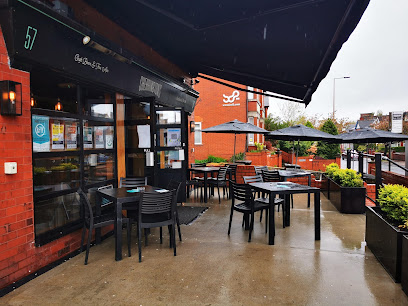
Waggon & Horses
7.3 km
A lively traditional British pub in Westhoughton offering hearty fare, well-kept beers, and a welcoming community atmosphere.
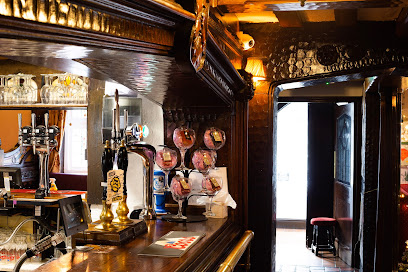
The Rivington
9.1 km
A stylish gastropub in Horwich offering fresh, quality dishes and a welcoming atmosphere for families and friends.
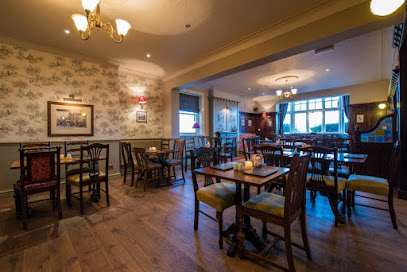
Riley's Taproom and Wine Bar
12.4 km
A stylish and welcoming taproom in Chorley offering craft beers, fine wines, and a cozy atmosphere for relaxed socializing.

The Shed Chorley
12.5 km
A vibrant micro bar in Chorley offering rustic charm, live music, and signature wine and cheese platters every weekend.

Piggy Banks
14.3 km
A friendly, affordable bar in Bolton offering a great selection of ales and simple food in a cozy, welcoming setting near the train station.
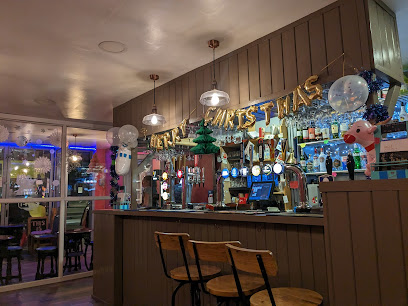
The Dressers Arms | Pub & Rooms
16.2 km
Charming countryside pub and cozy rooms offering hearty food, local ales, and warm hospitality in scenic Wheelton, Chorley.

The Nook & Cranny Bromley Cross
16.6 km
A cozy, community-focused tap house in Bromley Cross serving quality cask ales in a warm, inviting atmosphere.
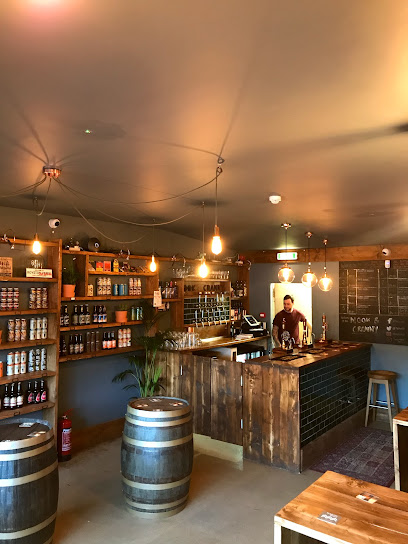
Bold Street House
17.3 km
A lively cocktail bar and coffee shop in Warrington offering expertly crafted drinks, delicious food, and a warm, welcoming atmosphere.
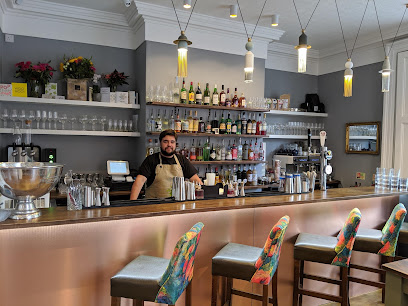
The Dockyard
23.7 km
Rugged dockside pub in MediaCityUK: cask ales, hearty pies, and industrial charm for after-work vibes and Quays camaraderie.
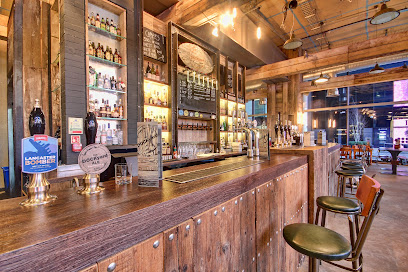
SEVEN BRO7HERS BEERHOUSE Media City
23.8 km
Craft beer haven in MediaCityUK: house-brewed IPAs, pizzas, and lively vibes await at Seven Bro7hers' Salford outpost, perfect for post-work pints or casual hangs.
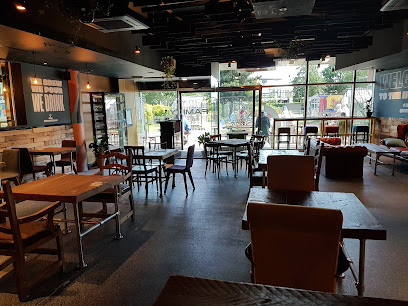
Craftbrew
24.0 km
Salford Quays' craft beer haven: artisan brews, tapas, and coffee in industrial-chic style, from dawn brunch to midnight pours.
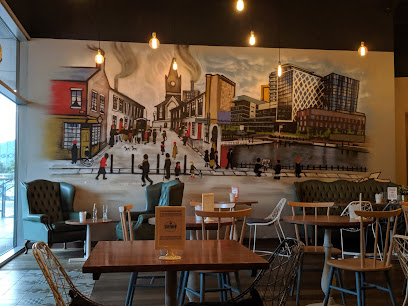
No. 16 On The Hill
24.0 km
Experience unique cocktails and vibrant social vibes at No. 16 On The Hill, Penwortham’s stylish hotspot for drinks and bottomless brunches.
Nightclubs & after hour spots

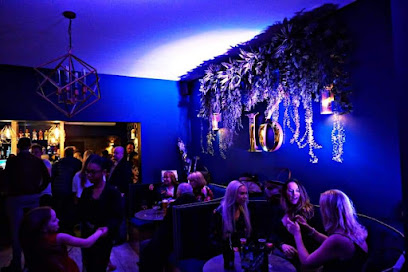
Ibiza Nightclub
0.5 km
Experience Wigan’s vibrant nightlife at Ibiza Nightclub, where music, dance, and unforgettable Saturday nights come alive until dawn.
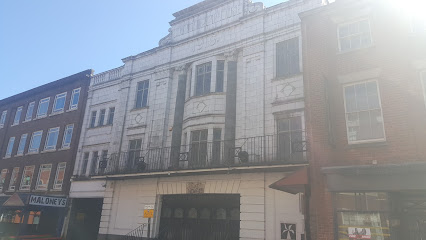
Pure Nightclub
0.5 km
Experience Wigan’s vibrant nightlife at Pure Nightclub, where energetic beats, stylish vibes, and unforgettable late-night memories come alive every Saturday.
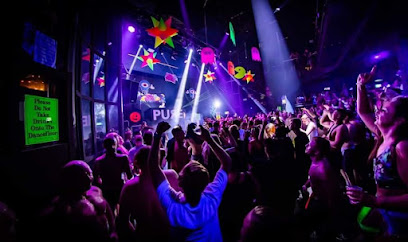
Park Hall Nightclub
11.0 km
Experience the vibrant energy and nostalgic vibes of Park Hall Nightclub, Chorley’s premier rural nightlife destination.
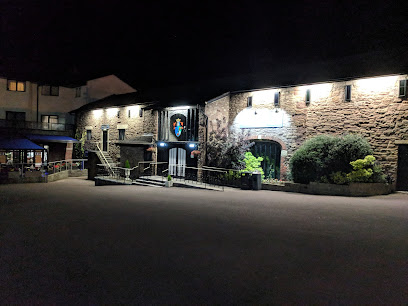
Level Nightclub
14.4 km
Experience Bolton’s vibrant nightlife at Level Nightclub, where dynamic music, affordable drinks, and lively atmosphere create unforgettable nights.
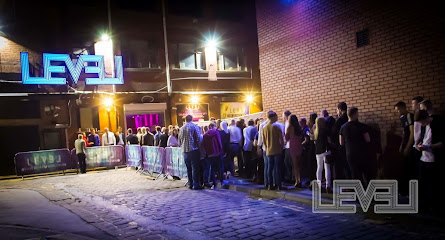
Underground
16.1 km
Experience classic rave vibes and late-night energy at Underground, Bolton’s intimate clubbing hotspot in Farnworth.

Babylon Retro Bar
17.3 km
Dive into Warrington’s vibrant retro nightlife with classic 80s and 90s tunes at Babylon Retro Bar, your weekend hotspot for music and fun.
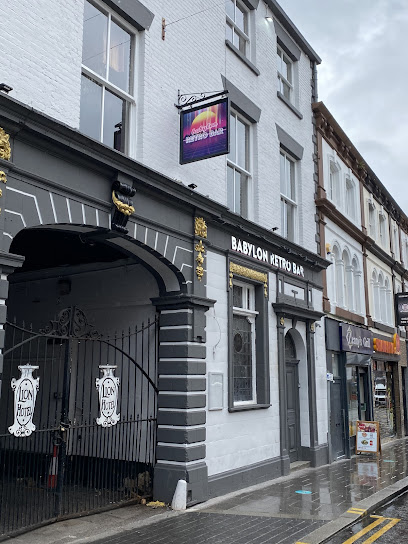
Reflex & Babylon
17.3 km
Experience Warrington’s vibrant nightlife at Reflex & Babylon, a lively nightclub and bar blending energetic music with a welcoming atmosphere.

The Establishment
20.9 km
A vibrant Widnes nightclub offering lively events, friendly staff, and a spacious venue for unforgettable nights out.
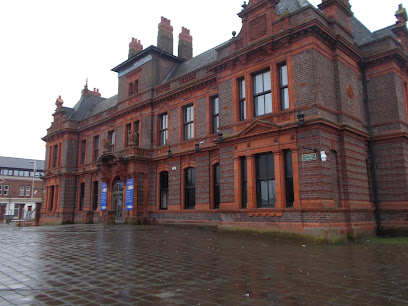
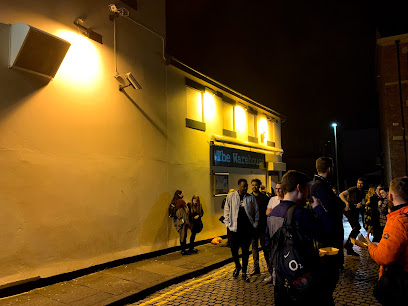
The Warehouse
24.5 km
Three floors of diverse music and vibrant nightlife in Preston’s welcoming alternative club scene.
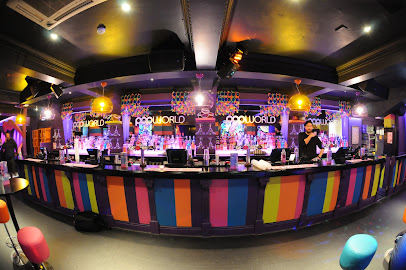
Popworld - Preston
24.5 km
Popworld Preston: Where cheesy pop tunes meet vibrant nightlife and unforgettable party vibes in the heart of the city.
Switch Nightclub
24.7 km
Energetic and affordable nightlife hub in Preston, popular with a middle-aged crowd and known for its lively atmosphere.

Hidden at Downtex Mill
26.3 km
Manchester's raw warehouse nightclub in a historic mill: underground beats, industrial grit, and all-night raves in Cheetham Hill's creative heart.
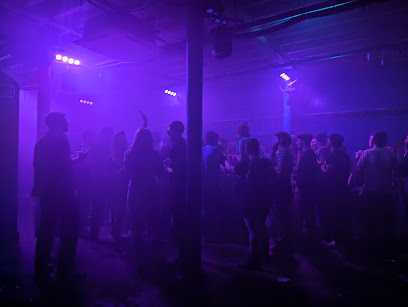
Royal Vida Night Club
26.5 km
Dive into Manchester's underground pulse at Royal Vida, where Castlefield's industrial shadows host thumping beats and endless nights from 11pm to 4am.

History Nightclub
26.6 km
Experience Manchester’s lively hip hop and house beats at History Nightclub, a large, energetic venue open late into the night.

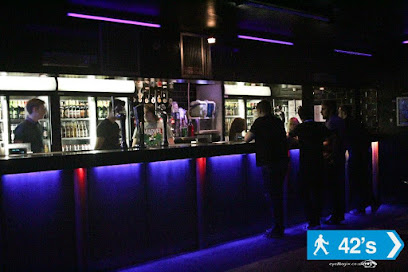
42's
26.6 km
Manchester’s iconic indie nightclub blending rich musical heritage with a lively, inclusive nightlife experience.
For the vibe & atmosphere seeker
- Historic
- Scenic
- Unique
- Relaxing
For the design and aesthetic lover
- Vintage Styles
- Industrial Designs
For the architecture buff
- Historic
- Landmarks
- Industrial
For the view chaser and sunset hunter
- Iconic Views
- Waterfront
For the social media creator & influencer
- Instagrammable
- Photo Spots
- Architectural Shots
For the eco-conscious traveler
- Protected Area
- Public-Transport Accessible
- Locally Managed
For the kind of experience you’re after
- Cultural Heritage
- Photowalk
- Day Trip
- Weekend Getaway
For how adventurous you want the journey to be
- Easy Access
Location Audience
- Family Friendly
- Senior Friendly
- Child Friendly
- Teen Friendly
- Wheelchair Access
- Solo Friendly
- Couple Friendly


