
Liverpool Castle Replica at Rivington: A Romantic Ruin of History and Nature
A hauntingly beautiful early 20th-century folly replicating medieval Liverpool Castle ruins, set dramatically above Lower Rivington Reservoir.
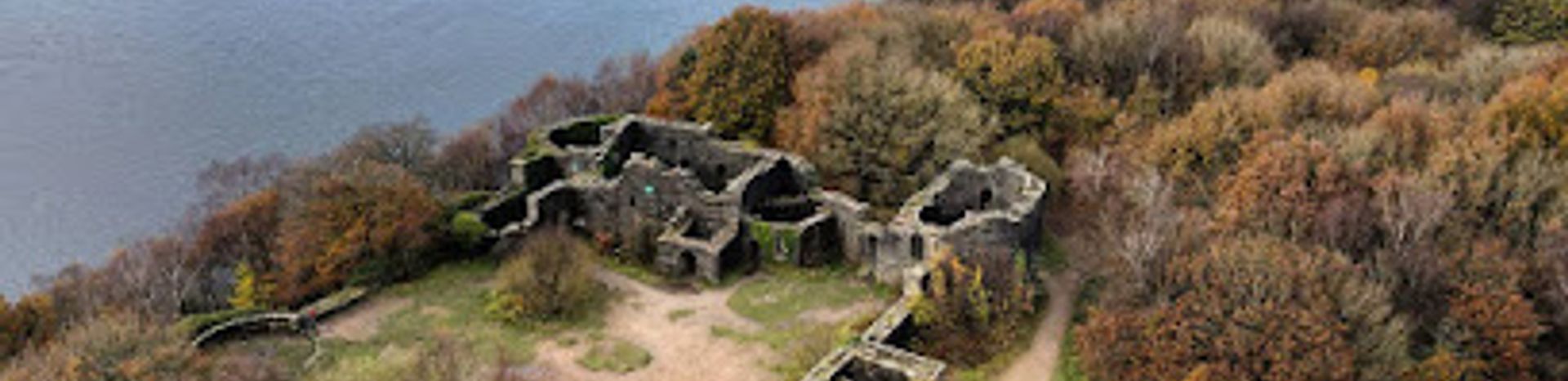
Liverpool Castle in Rivington near Bolton is a captivating early 20th-century folly built to replicate the ruined medieval Liverpool Castle. Commissioned by Lord Leverhulme, this evocative stone structure was designed to look like a centuries-old ruin and sits dramatically on a rocky promontory overlooking Lower Rivington Reservoir. Though never completed, the castle’s ivy-clad towers, curtain walls, and keep create a picturesque historic atmosphere popular with photographers and visitors seeking scenic views and a touch of Lancashire’s layered past.
A brief summary to Liverpool Castle
- Bolton, Rivington, GB
- Visit website
- Duration: 1 to 3 hours
- Free
-
 Outdoor
- Mobile reception: 4 out of 5
Local tips
- Wear sturdy footwear as the castle ruins have uneven terrain and some unstable walls.
- Visit during daylight for the best views and photography opportunities of the reservoir and surrounding countryside.
- Respect safety signs and avoid climbing on the walls, as some areas are fragile and dangerous.
- Combine your visit with a walk through Lever Park’s woodland trails and other follies nearby.
- Bring a camera or smartphone to capture the castle’s picturesque ivy-covered towers and scenic vistas.

For the on-the-go comforts that matter to you
- Restrooms
- Seating Areas
- Information Boards
- Picnic Areas
- Trash Bins
Getting There
-
Bus
Regular bus services from Bolton and Horwich connect to Rivington village, with a short 10-15 minute walk on uneven terrain to the castle. Bus fares typically range from £3 to £6 one way, with services running hourly.
-
Car
Driving from Bolton, the journey to Liverpool Castle’s nearby car park takes approximately 20-25 minutes. Parking is free but limited, and the walk from the car park to the castle is about 500 meters on a gravel path.
-
Walking
For an immersive experience, walk from Rivington village to the castle via Lever Park trails, a 30-40 minute hike over mixed terrain with some inclines. Suitable for most fitness levels but not wheelchair accessible.
Liverpool Castle location weather suitability
-
 Any Weather
-
 Clear Skies
-
 Mild Temperatures
-
 Rain / Wet Weather
Discover more about Liverpool Castle
A Fascinating Fusion of Past and Present
Liverpool Castle at Rivington is not the original medieval fortress but a carefully crafted folly commissioned in 1912 by William Hesketh Lever, also known as Lord Leverhulme, founder of Lever Brothers. Inspired by a detailed 19th-century historical account of the original Liverpool Castle, Lever chose a rocky outcrop called Coblowe overlooking the Lower Rivington Reservoir to recreate the castle’s ruined form. The structure was deliberately designed to appear as a weathered ruin, echoing the castle’s damaged state after the English Civil War, rather than its original fortified glory. Work progressed slowly and ceased upon Leverhulme’s death in 1925, leaving the castle incomplete yet atmospheric and authentic in appearance.Architectural Features and Landscape Setting
The folly replicates key elements of the original 13th-century Liverpool Castle, including three round towers at the corners, a gatehouse flanked by two towers, and connecting curtain walls. The Great Tower served as the keep, historically the last line of defense and living quarters for the lord, though safety concerns have led to the removal of internal stairs. Adjacent to the Prison Tower are the remains of a chapel and dining hall, with a collapsed spiral staircase hinting at the castle’s layered history. The castle’s location on Coblowe offers sweeping views across the reservoir and surrounding Lancashire countryside, enhancing its romantic and scenic appeal.Historical Context of the Original Liverpool Castle
The original Liverpool Castle was built in the early 13th century by William de Ferrers under King John’s reign to protect the newly established port town of Liverpool. Situated on a hill overlooking the River Mersey, it featured a moat, five large towers, a barbican, chapel, and prisoner tower. Over centuries, it played a strategic role in regional conflicts, including the English Civil War, after which it fell into ruin. By the early 18th century, the castle was demolished to make way for urban development, with the site now marked by Liverpool’s Victoria Monument.The Castle’s Role in Modern Culture and Conservation
Today, the Rivington replica is a beloved local landmark, attracting photographers, models, and visitors enchanted by its picturesque ruins and historic ambiance. The castle’s slow decay has transformed it from a constructed folly into genuine ruins, blending naturally with ivy and moss. While other Leverhulme structures in the area undergo restoration, Liverpool Castle remains a haunting symbol of Lancashire’s heritage and the romantic ideal of medieval ruins. The surrounding Lever Park offers woodland trails and other follies, enriching the visitor experience.Natural and Archaeological Significance of the Site
The rocky promontory known as Coblowe, where the castle stands, is believed to have Bronze Age origins, possibly a burial mound overlooking the valley. This adds an archaeological layer to the site’s significance, connecting ancient landscape features with early 20th-century heritage preservation efforts. The reservoir below, created by flooding the valley, complements the dramatic setting, making the castle a focal point for nature lovers and history enthusiasts alike.Visitor Experience and Atmosphere
Exploring Liverpool Castle offers a tranquil yet evocative journey through time, where the interplay of stone ruins, natural overgrowth, and panoramic views creates a unique atmosphere. The site’s accessibility and open access at all hours encourage leisurely visits, photography, and quiet reflection amid Lancashire’s scenic beauty. The castle’s incomplete state and ivy-clad walls invite imagination, making it a memorable highlight of the Rivington landscape.Iconic landmarks you can’t miss

Rivington Pike
1.6 km
Discover the breathtaking views and rich history at Rivington Pike, a perfect hiking destination in Lancashire for nature lovers and adventurers alike.
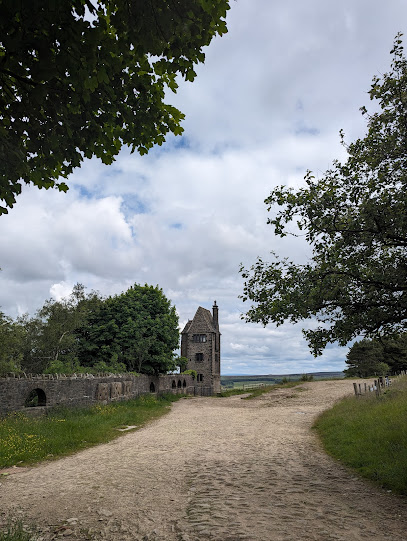
Rivington Pike Tower
1.6 km
Historic 18th-century hunting lodge atop Rivington Pike offering panoramic Lancashire views and rich cultural heritage within scenic Lever Park.
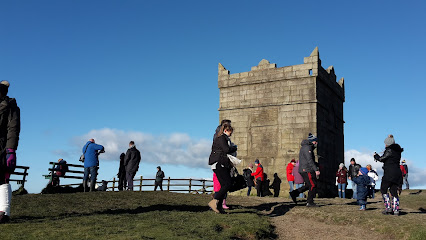
Chorley's Flying Arches
7.9 km
Discover Chorley’s rare Victorian Flying Arches, a unique blend of historic railway engineering and modern heritage preservation.
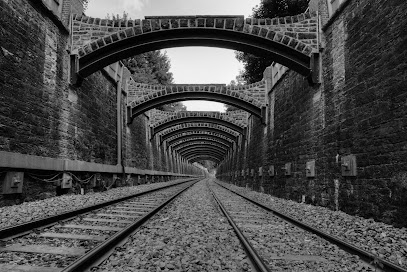
Sussex Close
8.6 km
Discover the charm of Wigan through Sussex Close, your essential bus stop to explore local attractions and immerse in the vibrant culture.

Wayoh Reservoir
11.1 km
Discover the tranquil beauty of Wayoh Reservoir in Bolton, a perfect retreat for nature lovers and outdoor enthusiasts alike.
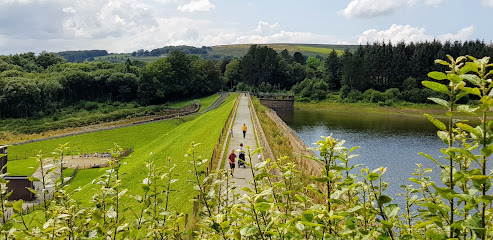
Fairy Glen
11.5 km
Experience the serene beauty of Fairy Glen in Wigan - a natural escape filled with enchanting landscapes and tranquil trails for every adventurer.
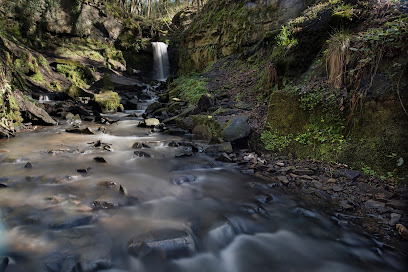
Peel Tower
15.2 km
Historic Peel Tower on Holcombe Hill offers panoramic views and a tribute to Sir Robert Peel’s legacy near Bury.
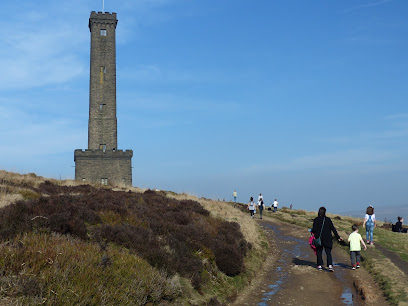
Lumb Viaduct
17.4 km
Discover the historic Victorian Lumb Viaduct, a stunning railway landmark offering scenic walks and cycling across Lancashire’s Rossendale Valley.
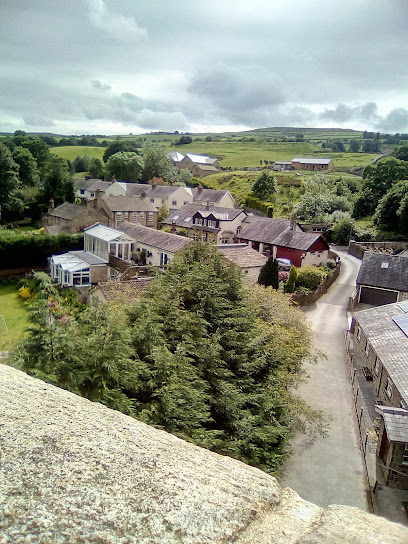
Robert Peel Statue
17.6 km
Honouring Bury’s most famous son: the 1851 bronze statue of Sir Robert Peel, twice Prime Minister and founder of the modern police force.

Harris Museum, Art Gallery & Library
18.6 km
Explore the rich history and vibrant artistry at the Harris Museum, Art Gallery & Library in Preston, a must-visit cultural hub for every traveler.
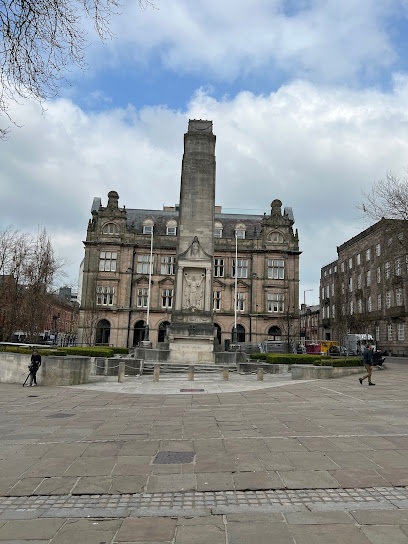
Preston Cenotaph
18.6 km
A dignified and beautifully restored memorial in Preston’s Central Park, honoring the city’s fallen soldiers with solemnity and grace.
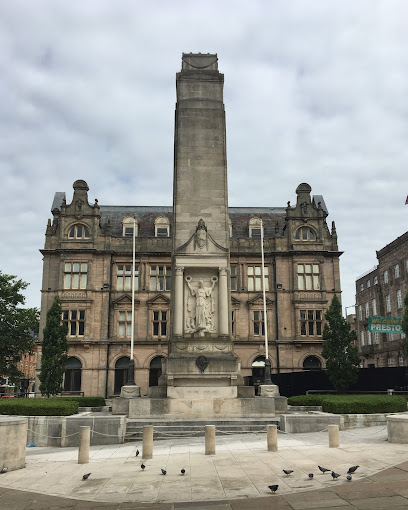
The Sankey Viaduct (Nine Arches)
19.2 km
Discover the stunning Sankey Viaduct in Leigh, a masterpiece of Victorian engineering featuring breathtaking views and rich historical significance.
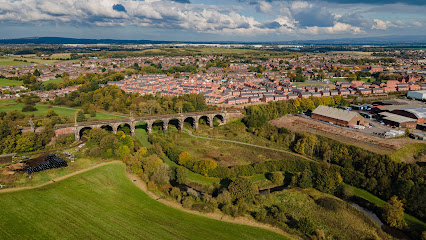
Sussex Avenue
20.4 km
Discover the charm of Bury from Sussex Avenue, your convenient gateway to local attractions and experiences in this historic English town.
Barton Swing Aqueduct
20.7 km
Explore the world’s only swing aqueduct, a Victorian engineering marvel carrying the Bridgewater Canal over the Manchester Ship Canal since 1894.
Sussex Road
21.8 km
Discover the charm of Cadishead at Sussex Road, your convenient gateway to local attractions and the vibrant culture of Manchester.
Unmissable attractions to see

Go Ape Rivington
0.8 km
Experience thrilling treetop adventures and breathtaking reservoir views at Go Ape Rivington, Lancashire’s premier high ropes course.

Rivington Terraced Gardens
1.4 km
A magical Edwardian hillside garden of terraces, follies, and lakes, now open to all beneath Rivington Pike.

Alance Bridge
2.9 km
Explore the beauty of Alance Bridge, a historical landmark in Bolton, where culture meets nature in a serene setting.

Haigh Woodland Park
5.3 km
Explore 350 acres of enchanting woodland, thrilling adventures, and family fun at Haigh Woodland Park in Wigan.
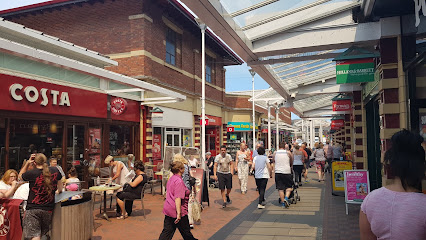
Market Walk
6.3 km
Chorley's premier outdoor shopping centre blending high street brands, independent retailers, and entertainment in a historic market town setting.
Smithills Hall
7.2 km
Explore Smithills Hall, a historic Bolton manor blending medieval charm, Victorian elegance, haunting tales, and serene gardens on the West Pennine Moors.
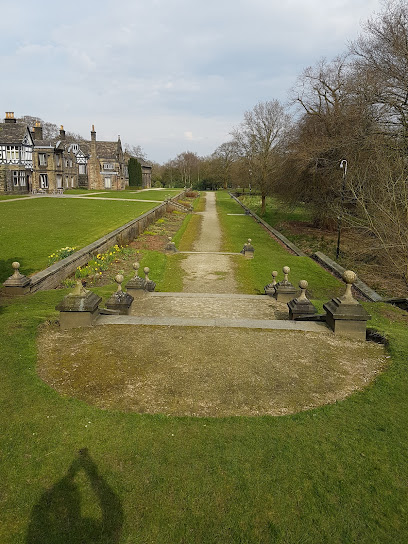
Astley Hall
7.5 km
Discover over 400 years of history and stunning parkland at Astley Hall, a captivating Tudor-Jacobean house museum in the heart of Chorley.

Hatch Brook Waterfall
8.0 km
Discover the tranquil charm of Hatch Brook Waterfall, a hidden natural gem nestled in Lancashire’s scenic woodlands near Chorley.

Mesnes Park, Wigan
8.3 km
Historic Victorian park in Wigan blending heritage architecture, lush gardens, and vibrant community life across 30 scenic acres.
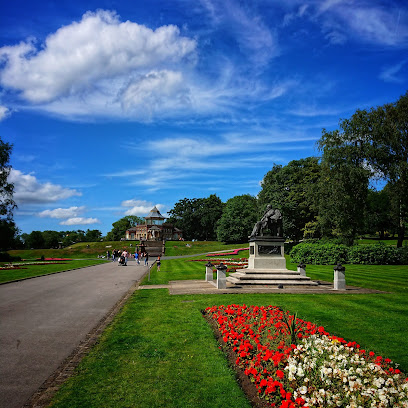
Museum of Wigan Life
8.8 km
Explore Wigan’s rich history and culture in a stunning Victorian library turned vibrant local museum.
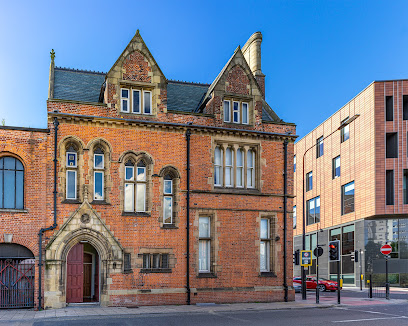
JAK Hanson Shopping Outlet - Retail Store
9.0 km
A spacious family-run shopping outlet in rural Lancashire offering quality brands, dining, and a welcoming countryside atmosphere.

Trencherfield Mill
9.3 km
Explore Wigan’s iconic 1907 cotton mill with the world’s largest working steam engine, a monument to industrial heritage and engineering marvel.
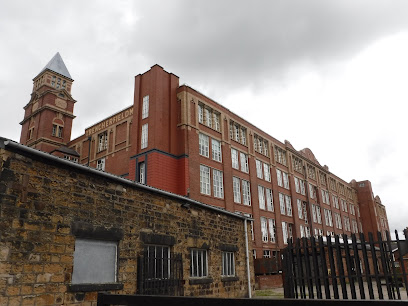
Market Place Shopping Centre
9.5 km
Historic charm meets modern shopping and entertainment at Bolton’s Market Place Shopping Centre, a vibrant hub for all ages.

Victoria Sq
9.6 km
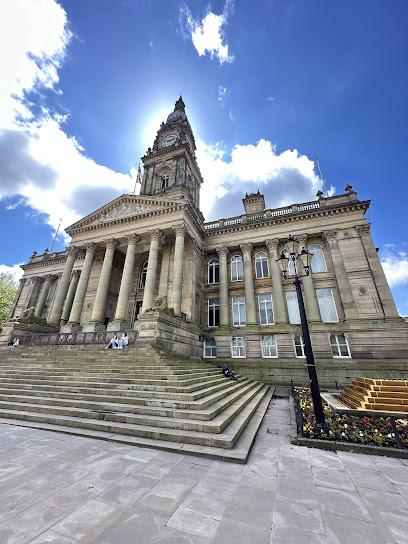
Victoria Square is Bolton’s iconic civic hub where historic grandeur meets lively community spirit in the heart of the town.
Hall i' th' Wood Museum
9.6 km
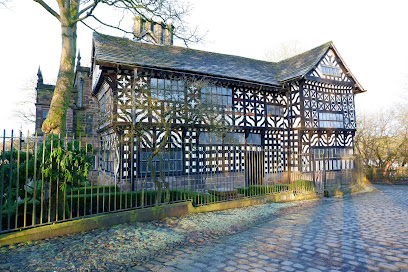
A rare Tudor manor house in Bolton, famous as the home where Samuel Crompton invented the Spinning Mule, now a museum of domestic and industrial history.
Essential places to dine

The Cherry Tree at Blackrod
2.3 km
A vibrant modern British gastropub in Bolton offering classic dishes, elegant events, and a welcoming atmosphere for all occasions.

Retreat Adlington
2.7 km
A vibrant grill and cocktail bar in Adlington offering quality steaks, pizzas, and a welcoming atmosphere for all occasions.
Nick's Restaurant
3.4 km
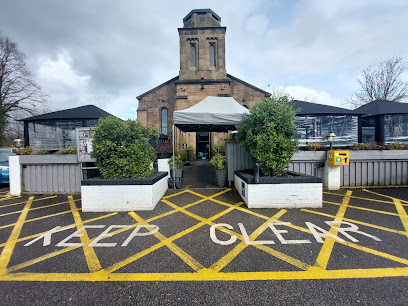
Experience exquisite Modern European cuisine in a lively, cozy setting with attentive service at Nick's Restaurant in Horwich, Bolton.

Ewe Restaurant and Bar
5.3 km
Modern British cuisine meets stylish comfort in Bolton’s Ewe Restaurant and Bar, perfect for memorable meals and special occasions.

Encore Restaurant
6.5 km
Modern British cuisine and vibrant cocktails meet stylish celebrations in the heart of Chorley’s Brewers Print Building.
Fat Olive Restaurant
8.2 km
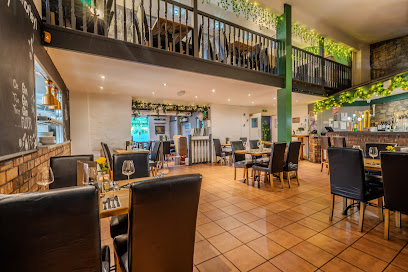
Experience vibrant Mediterranean and British flavors in a welcoming, lively setting at Wigan’s beloved Fat Olive Restaurant.

The Wheel Restaurant
8.5 km
Experience award-winning, student-prepared cuisine in a warm, welcoming setting at Wigan’s unique Wheel Restaurant.

Gallimore's Fine Restaurant
8.7 km
Contemporary British dining in Wigan’s historic town centre, offering quality menus in a stylish, welcoming setting.

Vardons Restaurant at Shaw Hill
9.4 km
Elegant British dining with scenic golf course views at Shaw Hill’s Regency-style Vardons Restaurant.
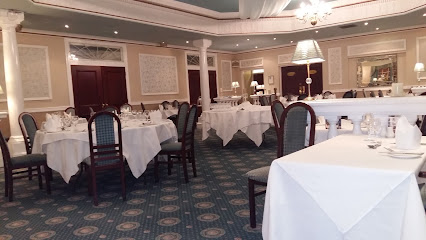
Juniper Restaurant
9.6 km
Refined dining with impeccable service and exquisite dishes in the heart of Shevington, Wigan.

Charnock Farm Restaurant
10.9 km
Rustic country dining, comfortable motel stays, and charming event spaces nestled in the tranquil Lancashire countryside.
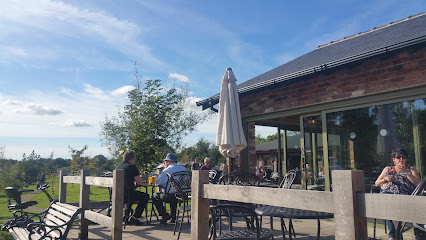
Aven Restaurant
18.2 km
Experience Preston’s finest with Aven Restaurant’s award-winning British cuisine, seasonal tasting menus, and warm, elegant ambiance.
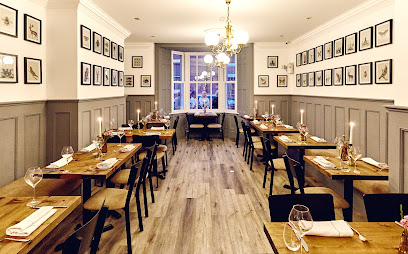
Crowded House Restaurant
18.4 km
A vibrant blend of modern British dining, quirky charm, and lively bar culture in the heart of Bury.
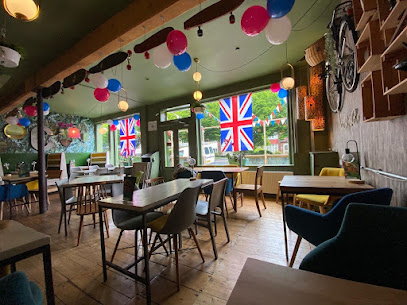
Tipsy Chef (Bar & Restaurant)
18.5 km
A vibrant American-inspired bar and restaurant in Preston, famed for inventive dishes and lively cocktails in a buzzing social setting.
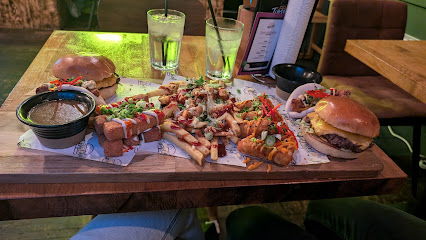
Lang's Restaurant
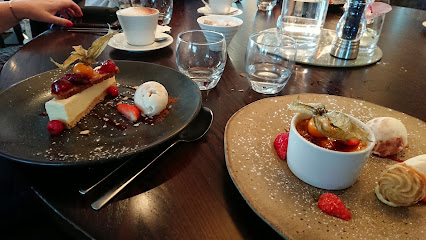
18.6 km
Experience contemporary English and international cuisine in a stylish Preston setting with exceptional wines and warm hospitality.
Markets, malls and hidden boutiques

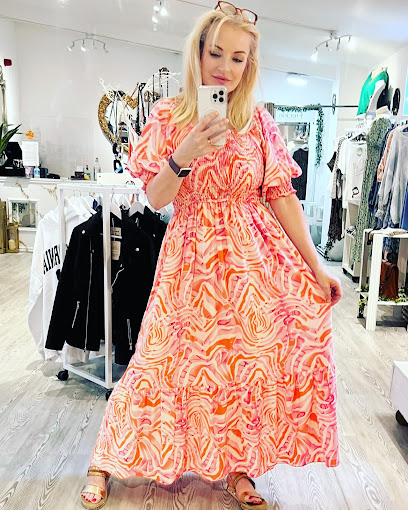
Freckle Boutique
10.5 km
Discover unique ladies' fashion and personalized service at Freckle Boutique, a charming shopping gem in Heskin, Chorley.
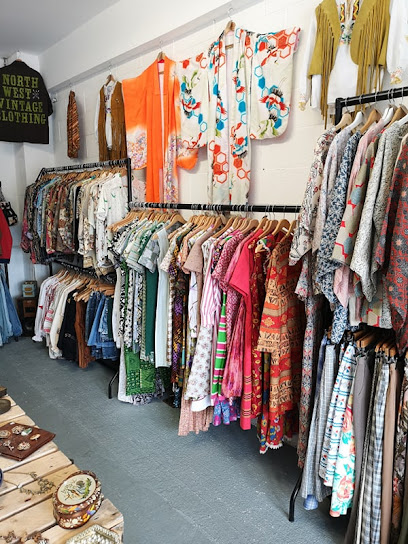
North West Vintage Clothing Company Ltd
10.8 km
Discover timeless vintage fashion treasures in the historic Bygone Times at Eccleston, where every piece tells a story of style and sustainability.
Crissys Gifts For All Occasions
12.5 km
Explore Crissys Gifts For All Occasions in Blackburn for unique gifts and souvenirs that capture the essence of your visit.
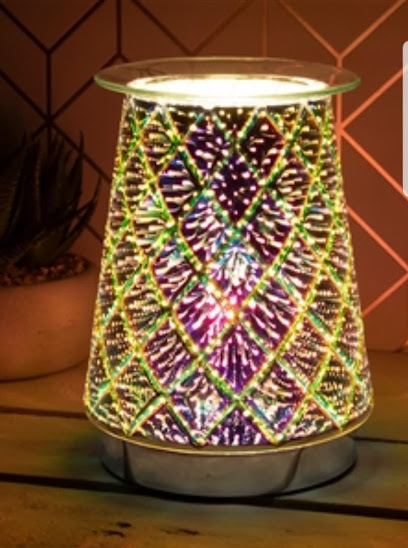
Cedar Farm
13.4 km
Discover Cedar Farm: Lancashire’s charming blend of boutique shopping, gourmet dining, and family-friendly farm fun in a scenic rural setting.
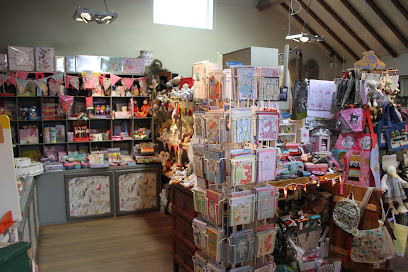
The Mill Shop
14.3 km
A welcoming gift shop in St Catherine’s Park, Lostock Hall, blending community spirit with unique local crafts and charitable support.
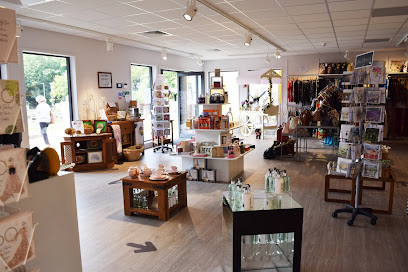
The Secret Closet
14.9 km
Curated Italian, Danish & Portuguese fashion with a commitment to responsible, sustainable retail.
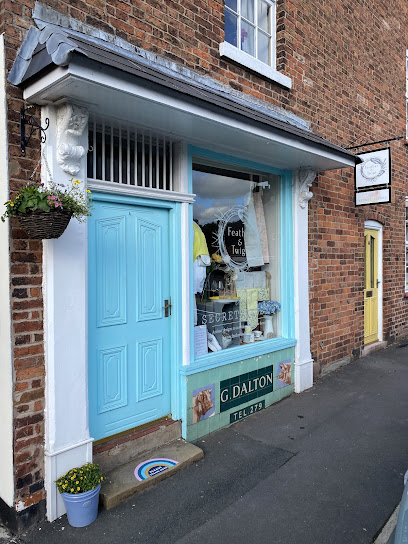
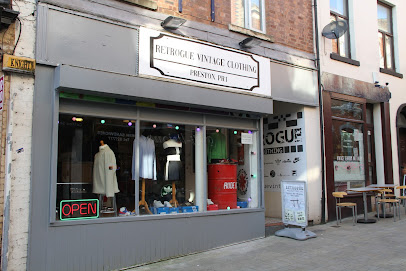
Retrogue Vintage Clothing
18.5 km
Discover unique vintage and designer secondhand fashion treasures in the heart of Preston at Retrogue Vintage Clothing.
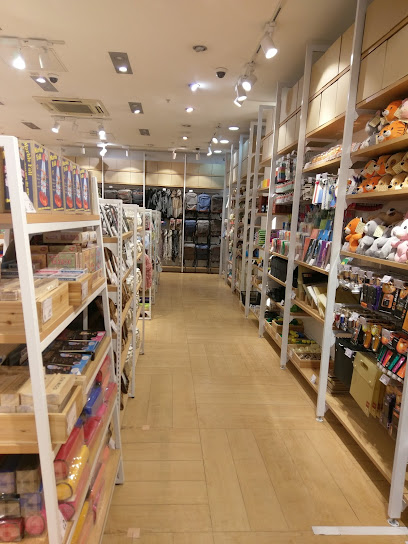
KENJI Preston
18.7 km
Discover an eclectic mix of unique gifts and general merchandise from Asia in Preston’s vibrant KENJI store within St George's Shopping Centre.
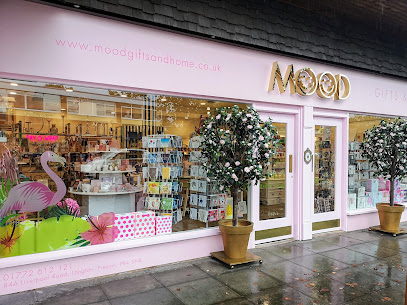
Mood Gifts & Home
19.3 km
Discover unique gifts and stylish home accessories in a warm, community-focused boutique in Longton, Preston.
Quirky Gifts
20.6 km
Explore Accrington's most charming gift shop for unique, whimsical treasures that capture the spirit of your travels.
Salford Shopping Centre
22.9 km
Affordable shopping precinct in Salford's Pendleton, with free parking, daily essentials, and community conveniences under one roof.
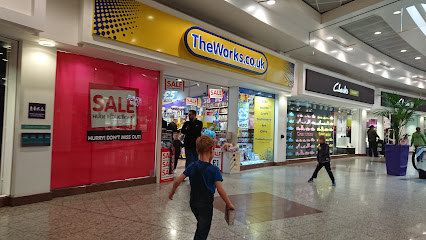
The Works
23.7 km
Unleash creativity at unbeatable prices: books, crafts, toys and more in Salford Quays' discount haven.
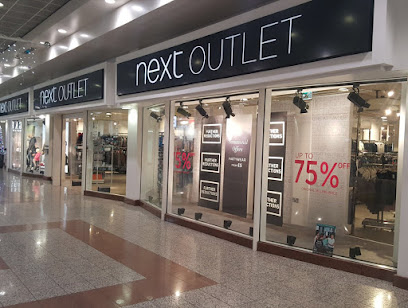
Next Outlet
23.8 km
Discounted designer fashion, homewares and shoes in Salford Quays' bustling MediaCityUK hub – style-savvy shopping with premium brands at outlet prices.
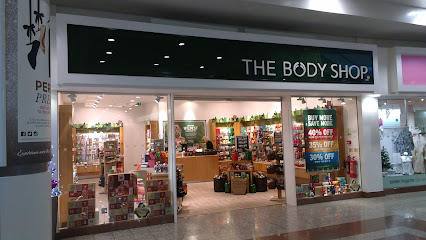
The Body Shop
23.8 km
Compact MediaCityUK branch of The Body Shop with core cruelty‑free ranges, seasonal gifts and refill options on the Salford Quays Quayside.
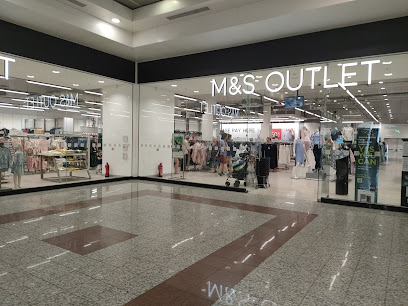
M&S Outlet
23.8 km
Bargain-hunting haven in Salford Quays: M&S discounted fashion, homeware, and beauty amid MediaCityUK's creative buzz.
Essential bars & hidden hideouts

The Rivington
2.1 km
A stylish gastropub in Horwich offering fresh, quality dishes and a welcoming atmosphere for families and friends.
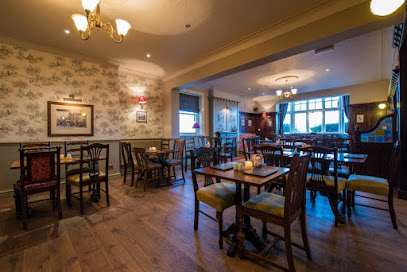
Waggon & Horses
5.9 km
A lively traditional British pub in Westhoughton offering hearty fare, well-kept beers, and a welcoming community atmosphere.
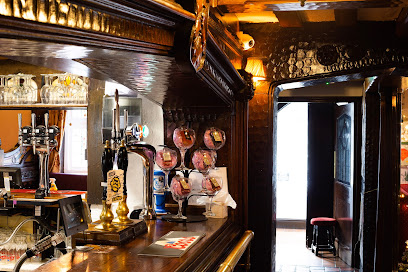
Riley's Taproom and Wine Bar
6.3 km
A stylish and welcoming taproom in Chorley offering craft beers, fine wines, and a cozy atmosphere for relaxed socializing.

The Shed Chorley
6.4 km
A vibrant micro bar in Chorley offering rustic charm, live music, and signature wine and cheese platters every weekend.

Sherringtons Bar
7.9 km
A welcoming and lively bar in Wigan offering great drinks and a cozy atmosphere for locals and visitors alike.
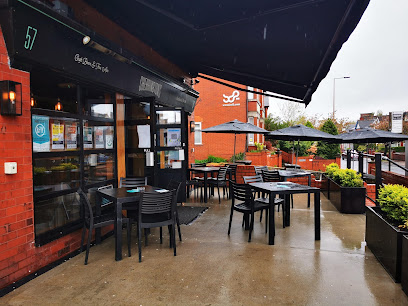
The Dressers Arms | Pub & Rooms
8.5 km
Charming countryside pub and cozy rooms offering hearty food, local ales, and warm hospitality in scenic Wheelton, Chorley.

The Wiend Bar
8.7 km
Energetic cocktail bar and nightclub in Wigan offering strong drinks, vibrant DJ sets, and a lively atmosphere for late-night socializing.
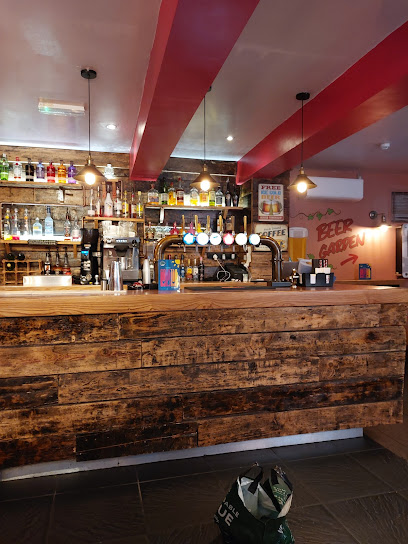
Little Fifteen
8.7 km
Stylish wine bar and Italian restaurant in Wigan, blending vibrant atmosphere with classic design and a curated wine selection.
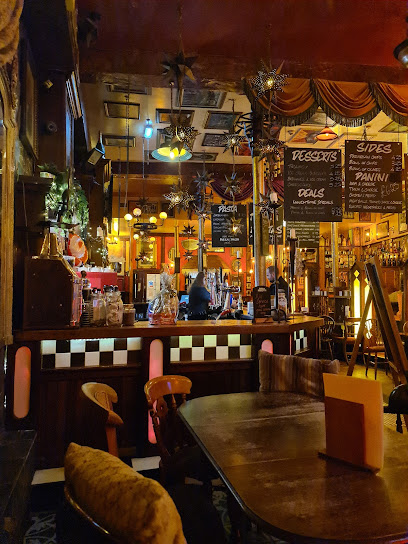
The Nook & Cranny Bromley Cross
9.5 km
A cozy, community-focused tap house in Bromley Cross serving quality cask ales in a warm, inviting atmosphere.
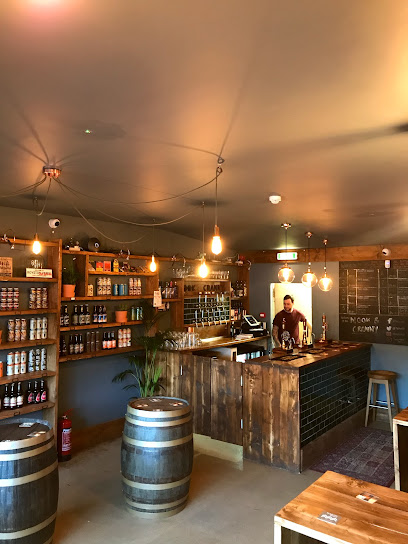
Piggy Banks
9.9 km
A friendly, affordable bar in Bolton offering a great selection of ales and simple food in a cozy, welcoming setting near the train station.
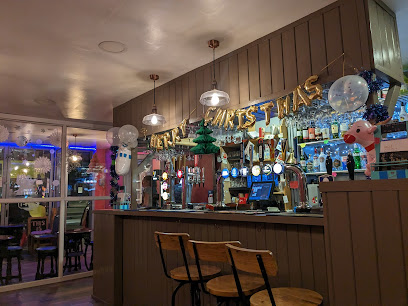
Hogarths
18.5 km
Historic Victorian gin palace in Preston city centre, famed for its vast gin selection, lively sports atmosphere, and vibrant community spirit.
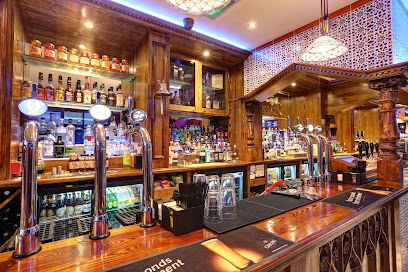
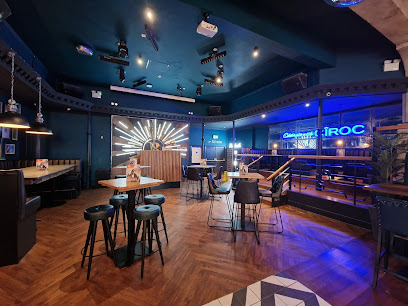
Revolution Preston
18.5 km
A vibrant four-level cocktail bar and restaurant in Preston city centre, perfect for dining, cocktails, and late-night partying.
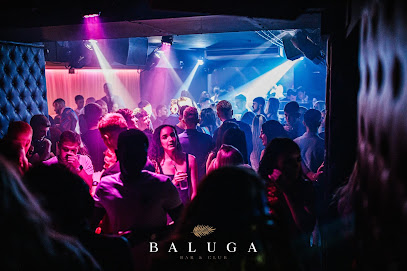
Baluga Bar & Club
18.5 km
Experience Preston's vibrant nightlife at Baluga Bar & Club, where stylish drinks meet a lively dance floor in the heart of the city.
FORUM BAR & KITCHEN
18.5 km
A stylish bar and kitchen in Preston blending Mediterranean flavors, craft cocktails, and warm hospitality in a vibrant city-center setting.
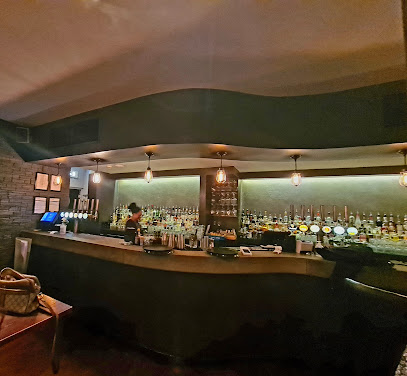
Winedown
18.5 km
Discover Winedown, Preston’s cozy underground wine bar with exceptional wines, artisan cheese boards, and a warm, inviting atmosphere.
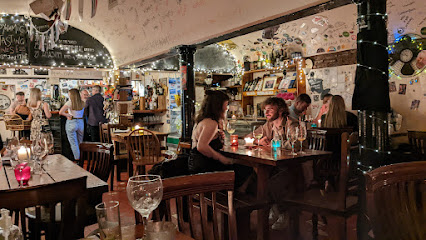
Nightclubs & after hour spots

Pure Nightclub
8.8 km
Experience Wigan’s vibrant nightlife at Pure Nightclub, where energetic beats, stylish vibes, and unforgettable late-night memories come alive every Saturday.
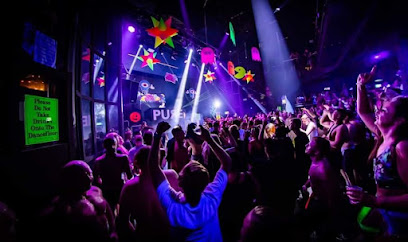
Ibiza Nightclub
8.8 km
Experience Wigan’s vibrant nightlife at Ibiza Nightclub, where music, dance, and unforgettable Saturday nights come alive until dawn.
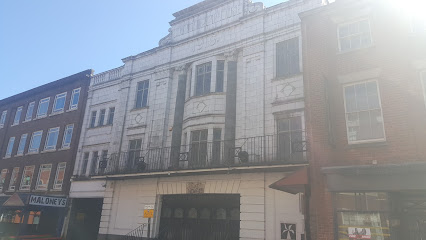
Park Hall Nightclub
9.0 km
Experience the vibrant energy and nostalgic vibes of Park Hall Nightclub, Chorley’s premier rural nightlife destination.
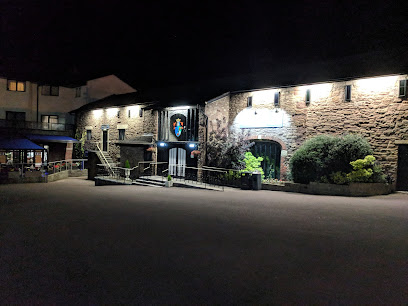
Level Nightclub
9.8 km
Experience Bolton’s vibrant nightlife at Level Nightclub, where dynamic music, affordable drinks, and lively atmosphere create unforgettable nights.
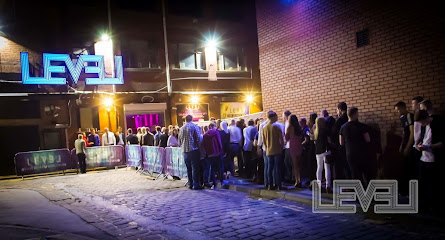
Underground
13.2 km
Experience classic rave vibes and late-night energy at Underground, Bolton’s intimate clubbing hotspot in Farnworth.
The Warehouse
18.4 km
Three floors of diverse music and vibrant nightlife in Preston’s welcoming alternative club scene.
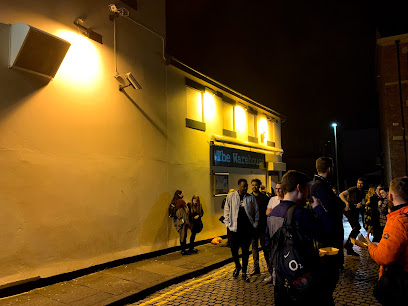
Popworld - Preston
18.5 km
Popworld Preston: Where cheesy pop tunes meet vibrant nightlife and unforgettable party vibes in the heart of the city.
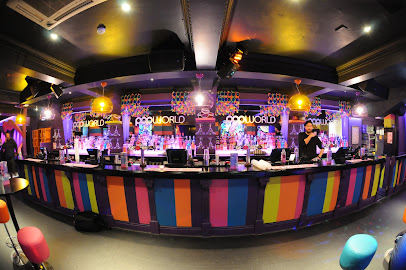
Switch Nightclub
18.8 km
Energetic and affordable nightlife hub in Preston, popular with a middle-aged crowd and known for its lively atmosphere.

Hidden at Downtex Mill
24.8 km
Manchester's raw warehouse nightclub in a historic mill: underground beats, industrial grit, and all-night raves in Cheetham Hill's creative heart.
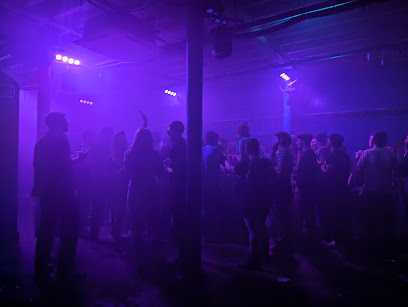
Reflex & Babylon
25.1 km
Experience Warrington’s vibrant nightlife at Reflex & Babylon, a lively nightclub and bar blending energetic music with a welcoming atmosphere.
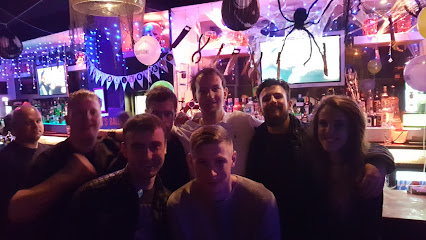
Babylon Retro Bar
25.1 km
Dive into Warrington’s vibrant retro nightlife with classic 80s and 90s tunes at Babylon Retro Bar, your weekend hotspot for music and fun.
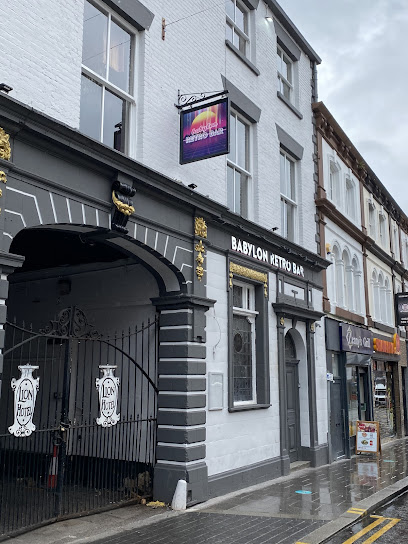
Bijou Club
25.3 km
Manchester's hidden riverside gem: celebrity vibes, secret garden terrace, and LED-lit beats in an exclusive Deansgate nightclub.
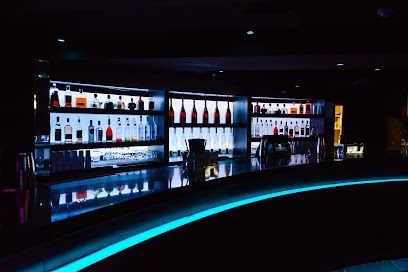
Rendezvous Nightclub & Resteraunt
25.4 km
Vibrant nightclub and restaurant in Whalley offering lively weekend events, diverse music, and friendly service in Ribble Valley’s heart.
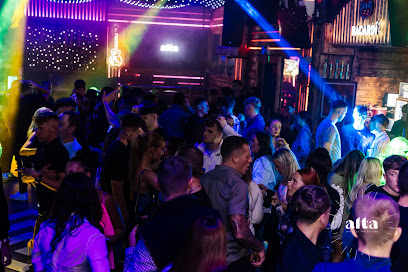
Club Liv Manchester
25.5 km
Experience Manchester’s vibrant nightlife with exclusive VIP vibes, world-class Pan-Asian dining, and a stylish rooftop terrace at Club Liv.
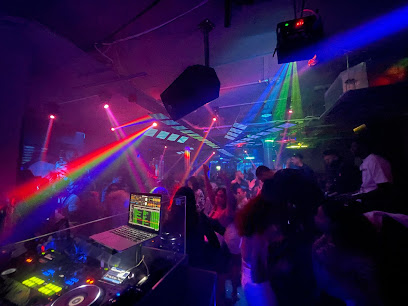
History Nightclub
25.5 km
Experience Manchester’s lively hip hop and house beats at History Nightclub, a large, energetic venue open late into the night.

For the vibe & atmosphere seeker
- Romantic
- Scenic
- Tranquil
- Unique
For the design and aesthetic lover
- Rustic Designs
- Vintage Styles
For the architecture buff
- Historic
- Landmarks
- Parks & Gardens
For the view chaser and sunset hunter
- Iconic Views
- Panoramas
- Waterfront
- Sunset Spots
For the social media creator & influencer
- Instagrammable
- Photo Spots
- Selfie Spots
- Aesthetic Corners
For the eco-conscious traveler
- Public-Transport Accessible
- Low Impact
- Locally Managed
For the kind of experience you’re after
- Cultural Heritage
- Photowalk
- Nature Escape
- Day Trip
- Weekend Getaway
For how adventurous you want the journey to be
- Easy Access
Location Audience
- Family Friendly
- Senior Friendly
- Child Friendly
- Teen Friendly
- Solo Friendly
- Couple Friendly
- Pet Friendly


