
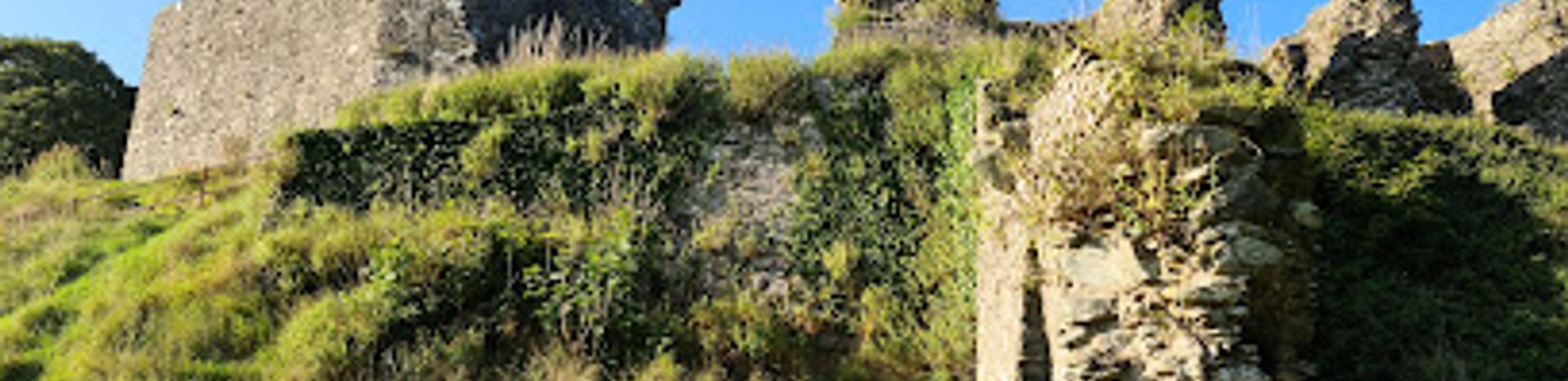
Dundrum Castle
A dramatic Norman ruin on a rocky ridge, guarding views over Dundrum Bay and the Mournes, with layers of medieval history from de Courcy to the Magennises and Blundells.
Perched on a rocky hill overlooking Dundrum Bay and the Mourne Mountains, Dundrum Castle is a striking Norman ruin in County Down. Built around 1177 by John de Courcy, it features a massive circular keep, stone curtain walls, and commanding views across the Ulster coast. Once a strategic stronghold controlling access to Lecale, the castle later passed to the Magennis and Blundell families, who added outer wards and a 17th-century mansion. Today, it stands as a free-to-enter historic site, offering a vivid glimpse into medieval warfare, Anglo-Norman ambition, and centuries of Irish clan rivalry.
A brief summary to Dundrum Castle
- 2 Castle Hill, Newcastle, Dundrum, BT33 0NF, GB
- +442891811491
- Visit website
- Duration: 0.5 to 2 hours
- Free
-
 Outdoor
- Mobile reception: 4 out of 5
Local tips
- Visit in daylight hours for the best views and photo opportunities; the site is unstaffed and can be slippery when wet.
- Wear sturdy footwear as the ground is uneven and rocky, especially on the slopes around the keep and outer walls.
- Bring a map or guidebook to help identify the different parts of the castle, as signage on site is limited.
- Combine your visit with a walk into Dundrum village or along the nearby coast path for a full day out.
- Check locally before visiting if there are any temporary access restrictions due to conservation work.

For the on-the-go comforts that matter to you
- Restrooms
- Drinking Water
- Seating Areas
- Trash Bins
- Information Boards
Getting There
-
Car
From Newcastle, follow the main road toward Dundrum village, then take local signs to Dundrum Castle. There is a small on-site car park near the entrance, suitable for standard vehicles. Parking is free, but the site itself is on a sloping, rocky knoll with uneven paths.
-
Public Transport
Take a bus from Newcastle or Downpatrick to Dundrum village, then walk about 15 minutes uphill to the castle entrance. The walk is on quiet country roads and footpaths, but the final approach is steep and uneven, so sturdy footwear is recommended.
-
Walking
From Dundrum village, follow the signed path uphill to the castle. The walk takes roughly 10–15 minutes and involves a steady climb on a mix of tarmac and gravel paths, with the last section on natural, rocky ground.
-
Cycling
Cyclists can ride from Newcastle or Dundrum village along quiet country roads to the castle entrance. There is no dedicated bike parking, but bikes can be left near the car park. The final approach is steep and unsurfaced, so dismounting is advisable.
Dundrum Castle location weather suitability
-
 Any Weather
-
 Clear Skies
-
 Mild Temperatures
Discover more about Dundrum Castle
A Norman Stronghold on the Ridge
Dundrum Castle rises from a wooded, rocky knoll just northwest of Dundrum village, its ruins silhouetted against the skyline of the Mourne Mountains. The name itself, from the Irish *Dún Droma* – 'the Fort on the Ridge' – hints at its long military significance. Around 1177, the Anglo-Norman knight John de Courcy built his first fortification here, likely replacing an earlier Irish fort with a motte and wooden tower. This strategic hilltop position allowed control over the land routes between Drogheda and Downpatrick, as well as the coastal approaches to Lecale and Dundrum Bay. De Courcy’s campaign to subdue Ulster made this castle a key piece in his network of strongholds, anchoring Norman power in eastern Ulster.From Keep to Outer Defences
The most imposing feature today is the large circular stone keep, a powerful tower that once housed the lord’s family and garrison. Its thick walls, deep window seats, and remnants of a spiral staircase and fireplace flue suggest a three-storey structure designed for both comfort and defence. Later, under the de Lacy earls of Ulster, the castle was strengthened with a massive stone curtain wall and a twin-towered gatehouse around 1260. In the 14th and 15th centuries, the Mac Artáin chiefs and their cousins, the Magennis clan, expanded the defences further, adding an outer bailey and a second circuit of walls. These later additions reflect the turbulent politics of Gaelic lordships and Anglo-Norman overlords vying for control of County Down.Later Lords and the Blundell House
By the early 17th century, the castle had passed to the English Crown and was granted to Lord Mountjoy before being sold to Sir George Blundell in 1636. The Blundell family later rebuilt much of the site and constructed an L-shaped mansion, Blundell House, in the southwest corner of the outer bailey. This 17th-century house stood within the castle’s protective walls, blending domestic life with military architecture. After the Parliamentarians dismantled parts of the castle in 1652, it gradually fell into ruin. In the 20th century, the 7th Marquess of Downshire placed the site into state care, ensuring its preservation as a protected historic monument.Exploring the Ruins Today
Visitors today walk among the evocative remains of walls, towers, and foundations, with information panels helping to reconstruct the castle’s layout and history. The site offers panoramic views south over Dundrum Bay, west towards Slieve Croob, and east across the Lecale plains, making it as much a viewpoint as a historic site. Archaeological excavations have uncovered features like a rock-cut cistern at the base of the keep, which once provided a secure water supply during sieges. The castle’s role in medieval warfare, its later use by Gaelic chieftains, and its transformation under English settlers are all legible in the stonework and earthworks scattered across the hill.Atmosphere and Legacy
The atmosphere at Dundrum Castle is one of quiet grandeur and layered history. Standing in the shadow of the great keep, it is easy to imagine the clang of arms, the shouts of defenders, and the political intrigues that shaped this corner of Ulster. The site has featured in archaeological television programmes, bringing its story to a wider audience and highlighting its importance as an example of Norman military architecture in Ireland. For modern visitors, it offers a tangible connection to the medieval past, from de Courcy’s bold invasion to the Magennis clan’s resistance and the Blundell family’s later occupation, all set against the dramatic backdrop of the Mournes and the Irish Sea.Iconic landmarks you can’t miss

Kingdom of Mourne Tours
5.1 km
Discover the breathtaking landscapes of the Mourne Mountains with Kingdom of Mourne Tours, where adventure meets stunning natural beauty.
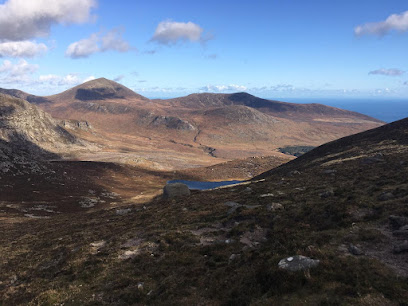
Luke's Mountain
10.1 km
Discover the breathtaking hiking trails of Luke's Mountain in Newcastle, where adventure meets stunning natural beauty in the heart of the UK.
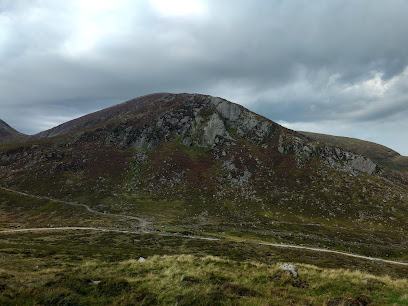
Slieve Donard
10.4 km
Explore the breathtaking beauty of Slieve Donard, the highest peak in Northern Ireland, and embark on an unforgettable hiking adventure in the Mourne Mountains.
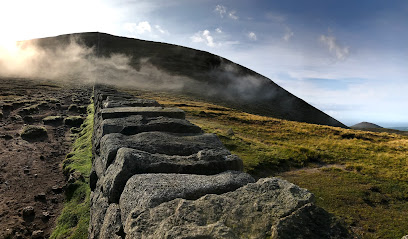
Chimney Rock Mountain
12.0 km
Discover the breathtaking vistas and exhilarating hiking trails at Chimney Rock Mountain, a must-visit peak in Newry, Northern Ireland.
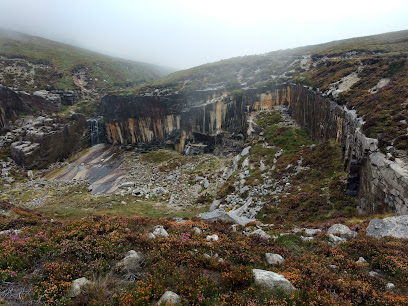
Slieve Bearnagh
12.8 km
Discover the breathtaking beauty of Slieve Bearnagh, a majestic mountain peak offering unforgettable views and adventurous hiking trails in the Mourne Mountains.
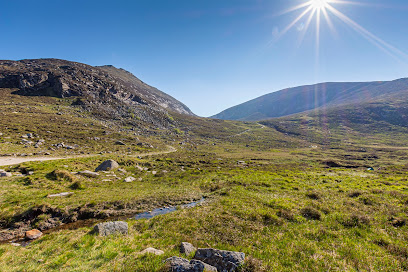
Slievelamagan
13.3 km
Explore the stunning heights of Slievelamagan in the Mourne Mountains, where breathtaking views and adventurous trails await every nature lover.
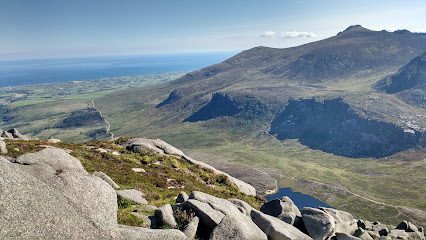
Slieve Meelbeg
13.7 km
Explore the breathtaking beauty of Slieve Meelbeg, a stunning mountain peak in Northern Ireland, perfect for hiking and nature lovers.
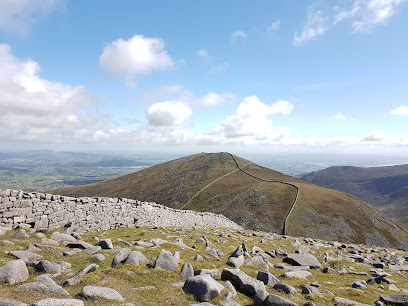
Long Seefin
13.9 km
Explore the breathtaking Long Seefin in Northern Ireland, a top hiking destination perfect for nature lovers and adventure seekers alike.
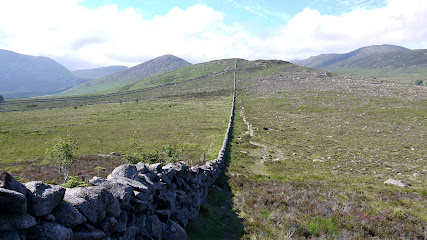
Ben Crom
14.3 km
Explore the breathtaking vistas and challenging trails of Ben Crom in the stunning Mourne Mountains, a perfect destination for hikers and nature lovers.
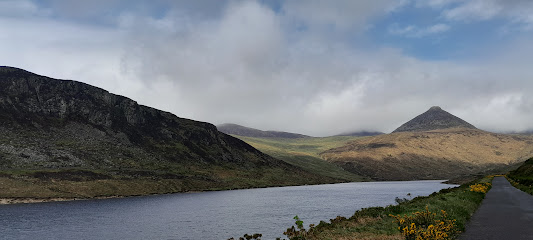
St Patrick's National Monument
15.6 km
Ireland’s tallest St Patrick statue in Saul, Downpatrick, a monumental symbol of faith, unity, and heritage with panoramic countryside views.
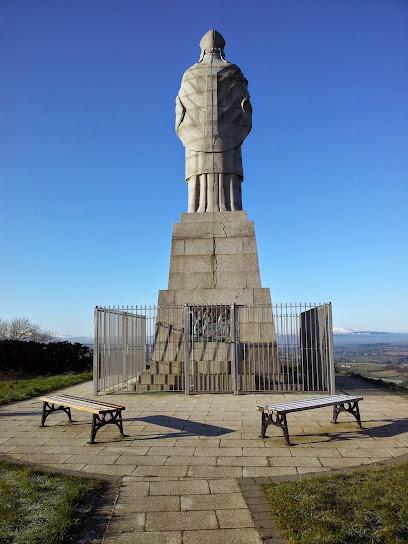
Slieve Binnian
16.0 km
Explore the stunning natural beauty of Slieve Binnian, a breathtaking mountain peak in the Mourne Mountains, perfect for hiking and outdoor adventures.
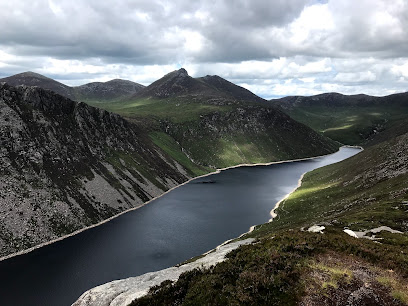
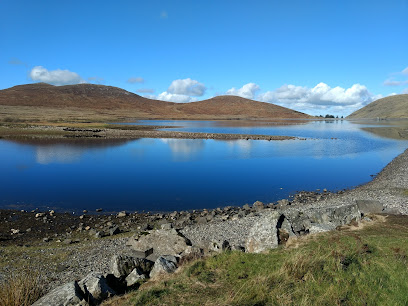
Spelga Reservoir
17.1 km
Explore the serene beauty of Spelga Reservoir, a hidden gem in Northern Ireland, perfect for outdoor activities and peaceful retreats amidst nature.
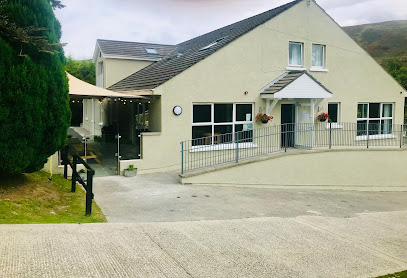
East Coast Adventure at Rostrevor Mountain Lodge, Mourne Mountains, Self Catering ensuite accommodation
26.9 km
Discover thrilling outdoor adventures and comfortable self-catering accommodations at East Coast Adventure in the scenic Mourne Mountains.
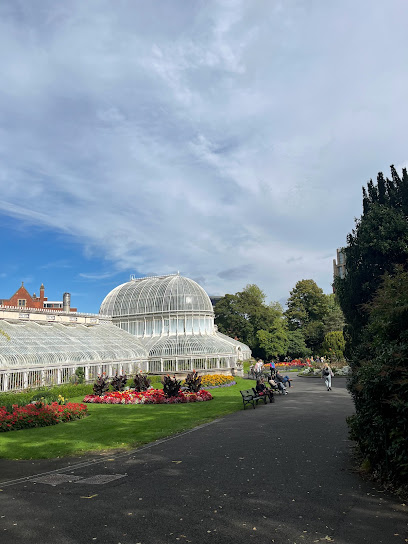
Lord Kelvin Statue
36.1 km
Celebrate the legacy of Belfast’s own Lord Kelvin with this striking bronze statue set in the historic Botanic Gardens.
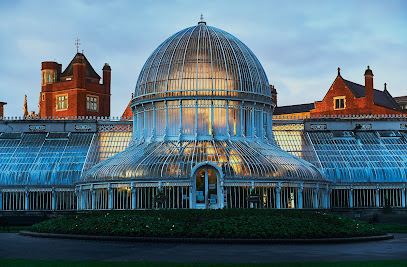
The Palm House
36.1 km
Discover the beauty of exotic plants and serene landscapes at The Palm House in Belfast, a unique botanical haven for nature lovers.
Unmissable attractions to see

National Trust - Murlough National Nature Reserve
3.4 km
Discover the stunning coastal landscapes and diverse ecosystems of Murlough National Nature Reserve, a true natural wonder near Newcastle, Northern Ireland.
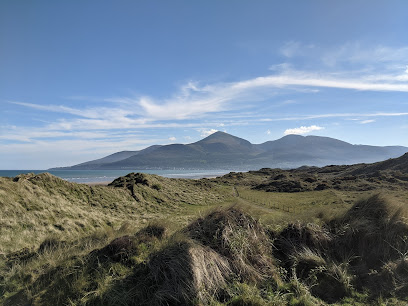
Murlough Beach
3.7 km
Explore the breathtaking Murlough Beach, a natural reserve showcasing stunning dunes and spectacular views of the Mourne Mountains in Northern Ireland.
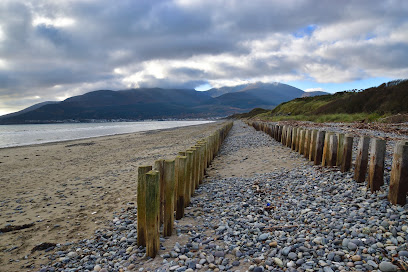
Royal County Down Golf Club
5.5 km
Explore the Royal County Down Golf Club: A Premier Golf Destination with Stunning Views and Rich History in Northern Ireland.
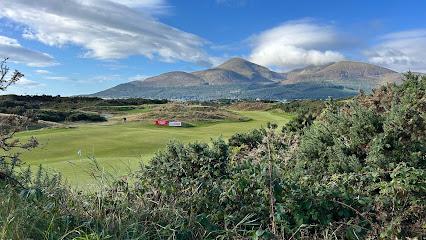
Newcastle promenade
5.7 km
Explore the breathtaking views and vibrant atmosphere of Newcastle Promenade, a scenic coastal gem in Northern Ireland perfect for relaxation and adventure.
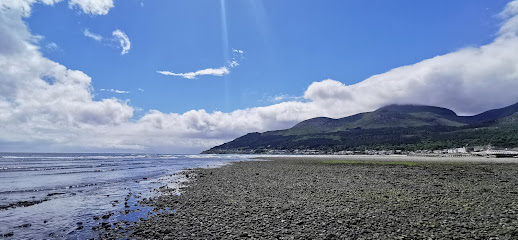
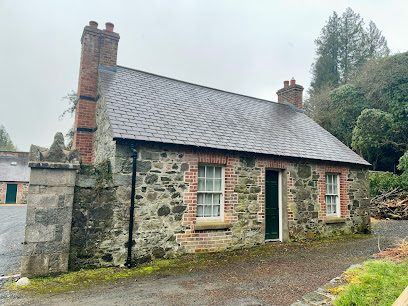
Bothy Yard
6.8 km
Explore the serene beauty and historical charm of Bothy Yard in Castlewellan, a perfect escape for nature lovers and history enthusiasts alike.
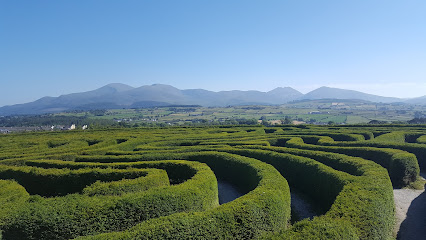
The Peace Maze
7.0 km
Discover the serene beauty of The Peace Maze in Castlewellan Forest Park, an inspiring journey through one of the largest hedge mazes in the world.
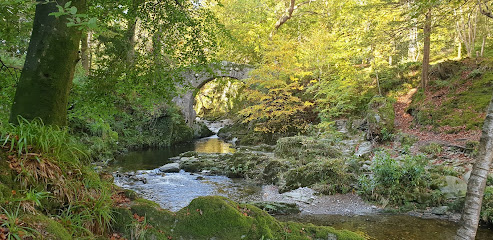
Foley's Bridge
7.3 km
Experience the captivating beauty of Foley's Bridge, a scenic spot along the Shimna River, offering tranquility and stunning nature views in Newcastle, UK.
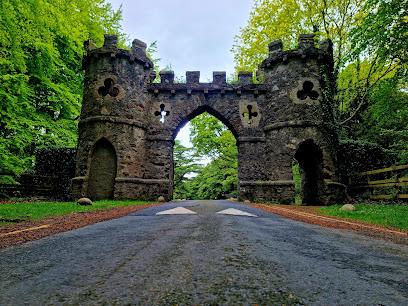
Tollymore Forest Park
7.5 km
Explore Tollymore Forest Park, a stunning natural gem at the foothills of the Mourne Mountains, perfect for hiking, picnicking, and wildlife spotting.
Castlewellan Forest Park
7.6 km
Discover the breathtaking beauty of Castlewellan Forest Park, a national forest filled with stunning landscapes and endless outdoor adventures.
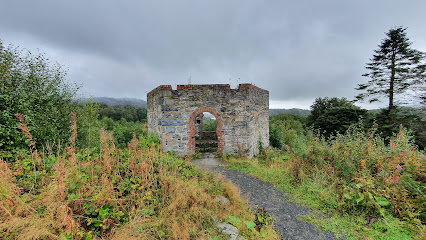
Drumena Cashel
9.7 km
Discover the ancient history and breathtaking scenery at Drumena Cashel, a hidden gem in County Down, perfect for cultural enthusiasts and nature lovers alike.
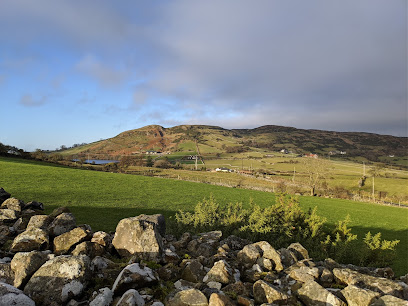
Mourne Coastal Trail
9.9 km
Discover the breathtaking beauty of the Mourne Coastal Trail, a stunning hiking area in Northern Ireland with breathtaking views and diverse landscapes.
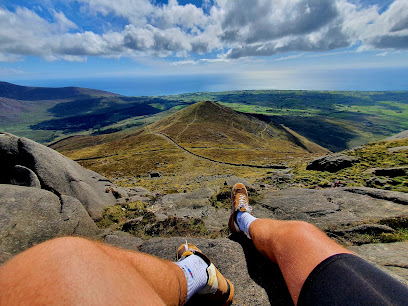
St Patrick Centre, Downpatrick
10.9 km
Explore the world’s only permanent exhibition dedicated to Ireland’s patron saint in the historic heart of Downpatrick.
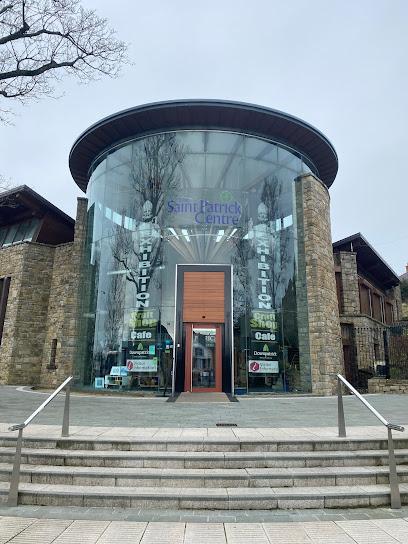
Inch Abbey
11.1 km
Explore the evocative ruins of Inch Abbey, Northern Ireland’s earliest Gothic monastery and a serene riverside landmark steeped in history and legend.
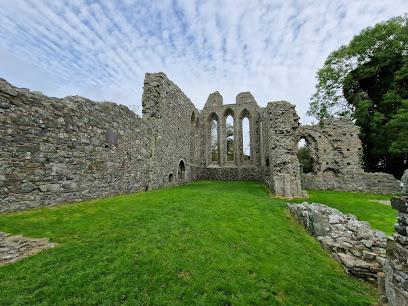
Hare's Gap
11.6 km
Explore the stunning trails of Hare's Gap in Northern Ireland, where breathtaking landscapes and outdoor adventures await every visitor.
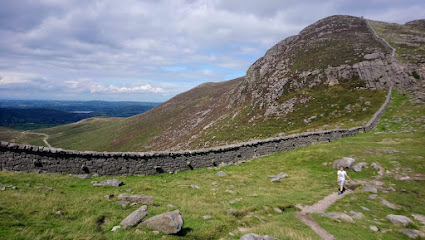
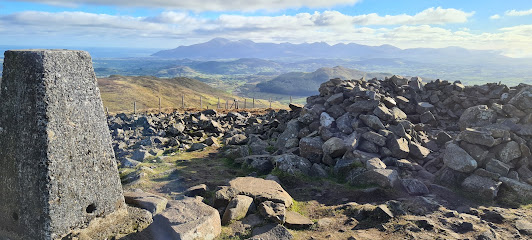
Slieve Croob
12.0 km
Discover Slieve Croob’s ancient cairns, sweeping views, and rich folklore at the heart of Northern Ireland’s Dromara Hills.
Essential places to dine

Mourne Seafood Bar
0.5 km
Experience the freshest seafood at Mourne Seafood Bar in Dundrum, where coastal charm meets culinary excellence.
The Maghera Inn.
4.2 km
Savor traditional flavors in a cozy setting at The Maghera Inn - where great food meets warm hospitality in Castlewellan.
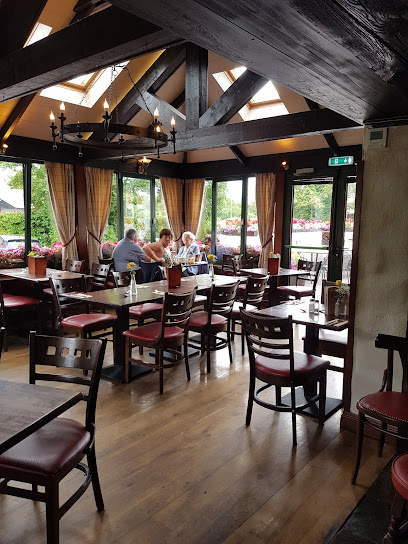
J.J. Farrall’s
5.8 km
Experience the best of local cuisine at J.J. Farrall’s in Newcastle, where every dish tells a story and every visit feels like home.
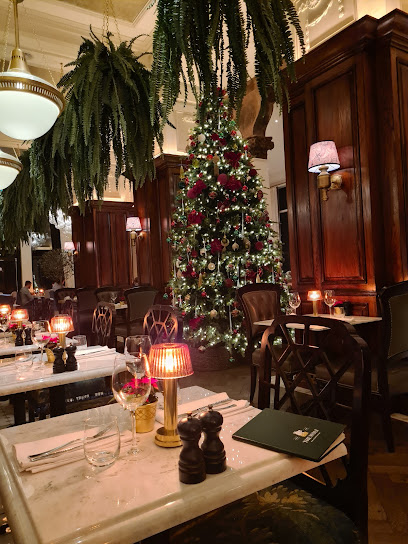
The Percy French
6.0 km
Experience authentic Irish hospitality at The Percy French in Newcastle - where traditional flavors meet vibrant pub culture.
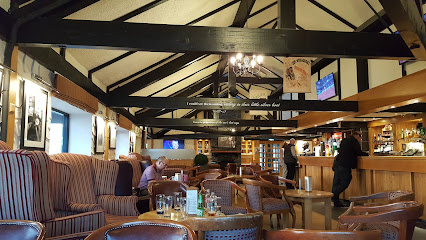
Brunel's Restaurant
6.0 km
Discover Brunel's Restaurant in Newcastle - where modern European cuisine meets local flavors in an unforgettable dining experience.
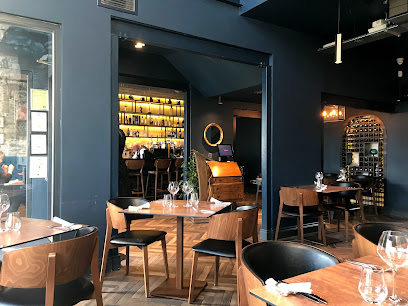
Villa Vinci
6.1 km
Experience authentic Italian cuisine at Villa Vinci in Newcastle - where each dish celebrates the rich flavors of Italy.
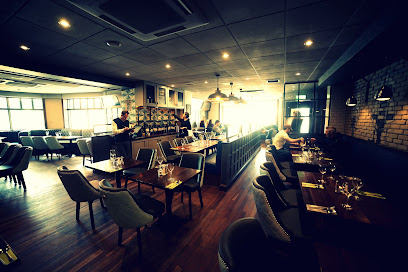
Graphite
6.2 km
Experience culinary excellence at Graphite in Newcastle - where fresh local ingredients meet exceptional dining.
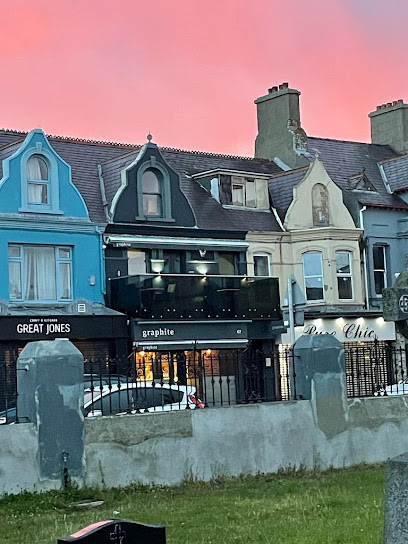
Great Jones
6.2 km
Experience authentic Irish cuisine at Great Jones in Newcastle - where tradition meets taste in a cozy setting.
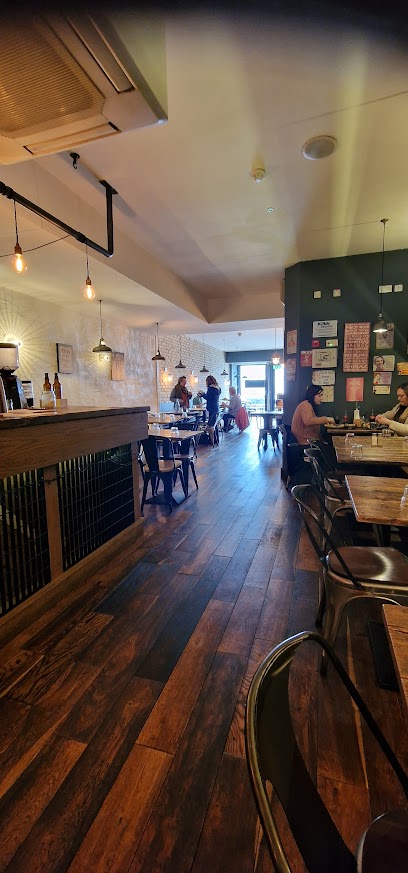
The Yard Restaurant
6.3 km
Discover authentic Irish cuisine in Castlewellan at The Yard Restaurant - where tradition meets taste.
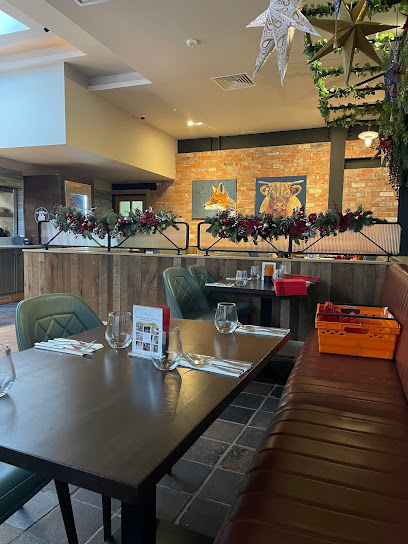
The Oak Restaurant
6.3 km
Experience authentic Irish cuisine at The Oak Restaurant in Newcastle – where traditional flavors meet warm hospitality.
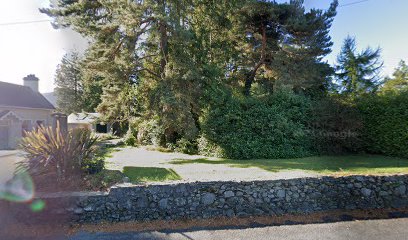
Quinns Bar
6.3 km
Experience authentic Irish hospitality at Quinns Bar in Newcastle with delightful cuisine and an extensive drink selection.
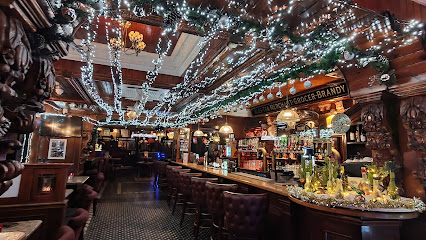
The Mariner Bar & Restaurant
6.8 km
Discover delicious grill cuisine with stunning coastal views at The Mariner Bar & Restaurant in Newcastle.
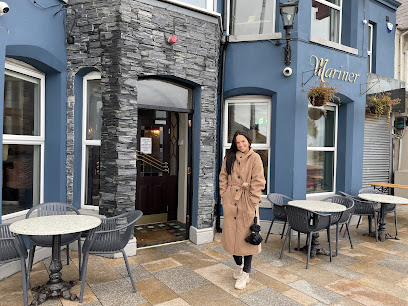
Pacha Restaurant
6.9 km
Experience authentic Mediterranean cuisine at Pacha Restaurant in Newcastle - where flavor meets stunning coastal views.
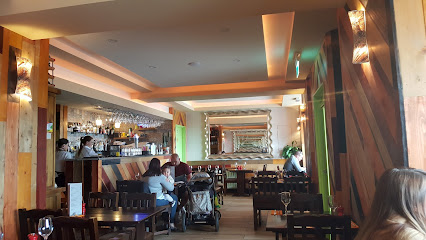
Greenans, The Square
13.5 km
Discover Greenans, The Square: A cozy lounge & steakhouse in Cabra serving delicious meals for families & travelers alike.
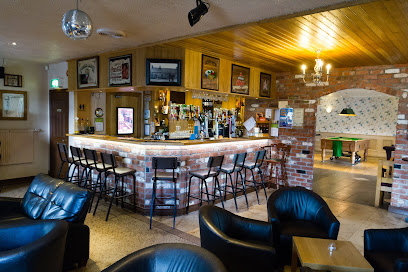
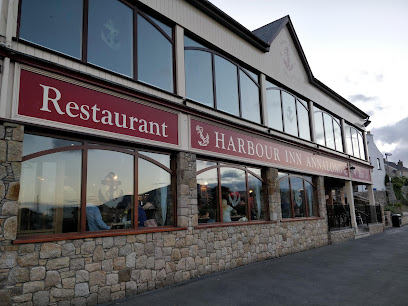
The Harbour Inn
17.5 km
Discover fresh seafood delights at The Harbour Inn in Annalong—where breathtaking views meet culinary excellence.
Markets, malls and hidden boutiques

Blue Beans Gift and Craft shop
6.4 km
Explore the Artisan Wonders of Blue Beans Gift and Craft Shop in Castlewellan for Unique Jewelry, Pottery, and Local Crafts.
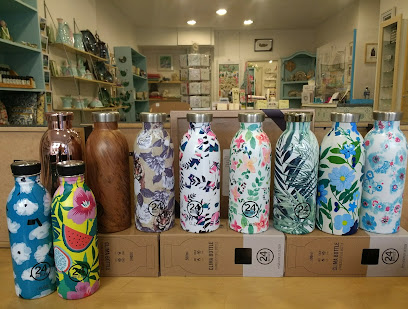
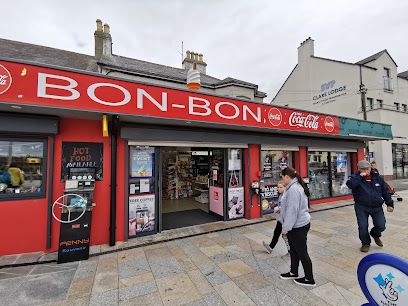
The Bonbon
6.5 km
Explore The Bonbon in Newcastle for unique gifts and local crafts that capture the spirit of your visit and delight those you cherish.
Down Seams
12.9 km
Expert clothing alteration services in Cabra, Newry, perfect for tourists looking to enhance their wardrobe with quality tailoring.
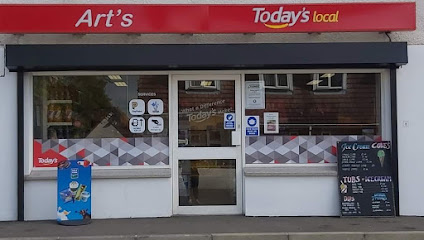
Art's Shop
17.8 km
Art's Shop in Newry offers a delightful selection of groceries and local products, perfect for tourists seeking convenience and local flavors.
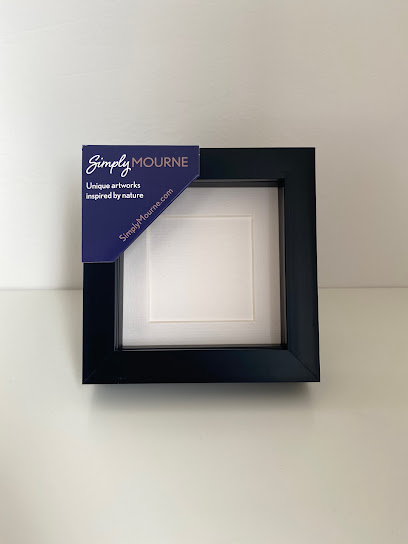
Simply Mourne (Formerly Mourne Pebble Design)
18.9 km
Explore the artistic treasures of Simply Mourne, where local craftsmanship meets unique gifts in the heart of Castlewellan.
Style For You
20.8 km
Discover unique fashion finds at Style For You, a charming clothing store in Hilltown, Newry, perfect for refreshing your wardrobe.
The Wineyard
20.8 km
Discover a treasure trove of wines at The Wineyard, the perfect stop for connoisseurs and casual drinkers in Hilltown.
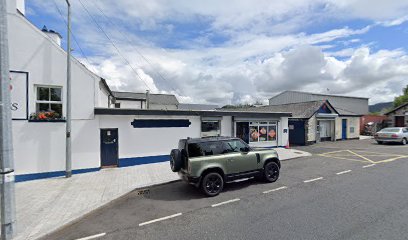
SPAR Hilltown
20.9 km
Discover SPAR Hilltown, your go-to convenience store for fresh produce, baked goods, and everyday essentials in Newry. A local gem for tourists and residents alike.
Irish Shopper Ltd
21.4 km
Explore Irish Shopper Ltd in Rathfriland for unique gifts, collectibles, and souvenirs that embody the heart of Ireland.
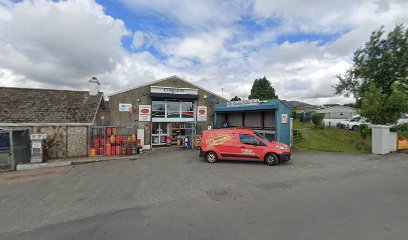
Grant Stores
21.4 km
Discover Kilkeel's hidden treasure at Grant Stores, a charming supermarket offering local goods and everyday essentials for every traveler.
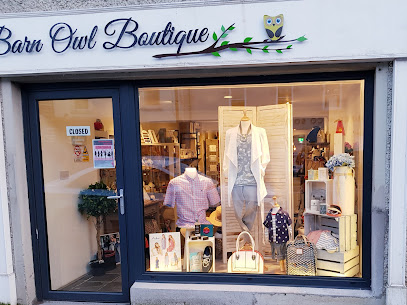
Barn Owl Boutique
22.0 km
Independent boutique blending curated gifts and distinctive clothing in rural Northern Ireland charm.
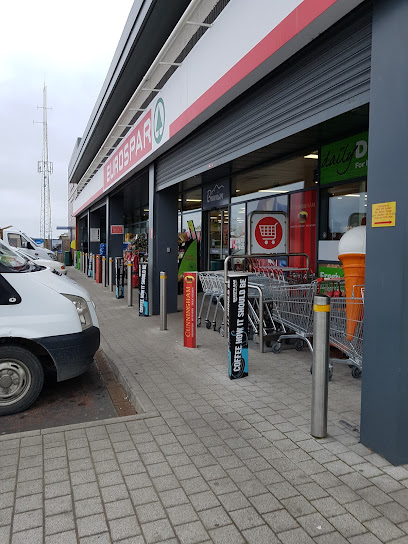
EUROSPAR Newcastle Road
23.4 km
Discover convenience and local flavors at EUROSPAR Newcastle Road in Kilkeel, your one-stop shop for all essentials during your travels.
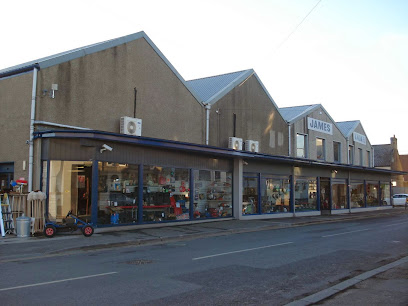
James Knox and Sons Ltd
24.3 km
Explore the eclectic collection of gifts, baby products, and home essentials at James Knox and Sons Ltd in Kilkeel, a true local treasure.
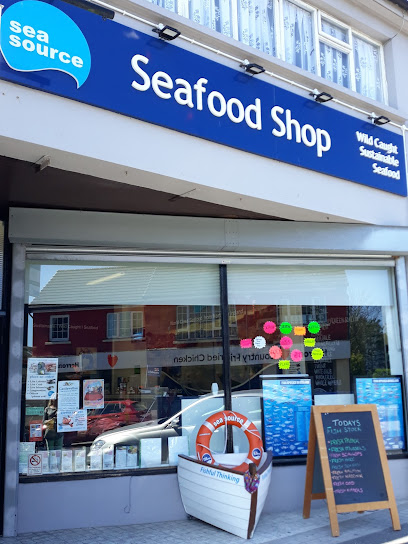
Sea Source Seafood Shop
24.4 km
Explore the finest seafood offerings at Sea Source Seafood Shop in Kilkeel, where fresh flavors meet local tradition.
Shannon's
24.5 km
Discover elegant blinds, bedding, and bespoke interior solutions at Shannon's in Kilkeel, the perfect destination for home decor enthusiasts.
Essential bars & hidden hideouts

Chaplins Bar
5.8 km
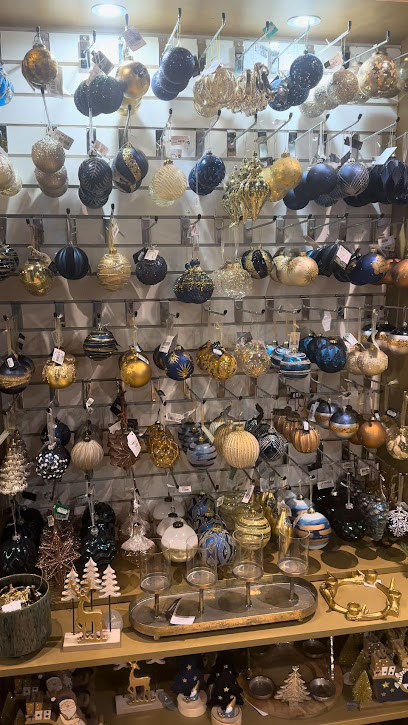
Cozy Newcastle pub blending local charm, live piano, and a nod to Charlie Chaplin for a relaxed, inviting night out.
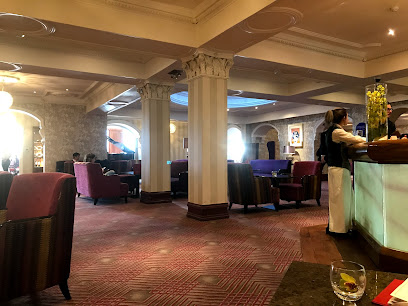
The Library Lounge, Newcastle, County Down
6.1 km
A welcoming lounge in Newcastle offering creative cuisine, family-friendly comfort, and attentive service in a relaxed, spacious setting.
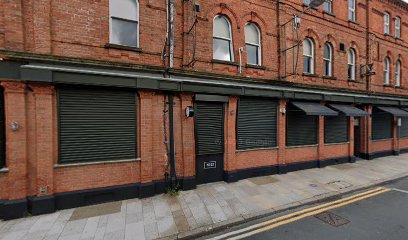
Maginns
6.2 km
Discover Maginns, a cozy pub in Castlewellan offering traditional Irish cuisine, local beers, and a vibrant atmosphere for a memorable experience.
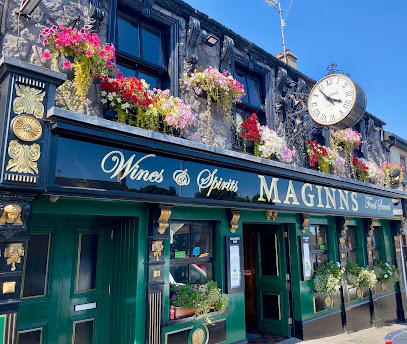
Savage's Bar
6.2 km
Discover Savage's Bar in Castlewellan, where lively Irish culture meets delicious local brews and vibrant live music.
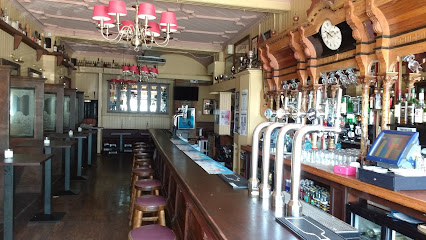
The Wild Hare
6.9 km
Discover the charm of The Wild Hare, Newcastle's inviting beer garden offering a delightful selection of drinks and stunning coastal views.
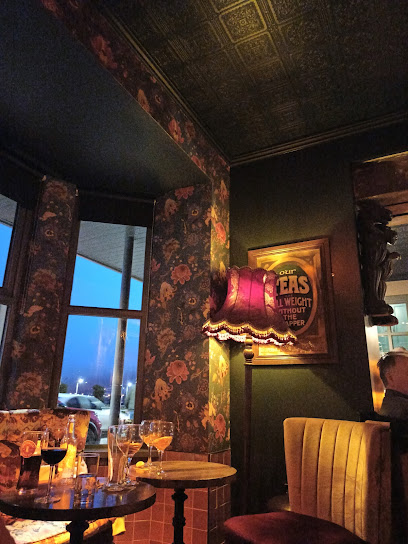
O'Hares Lounge Bars
7.0 km
Experience the warmth of Irish hospitality at O'Hares Lounge Bars in Newcastle, where good company meets great food and drinks.
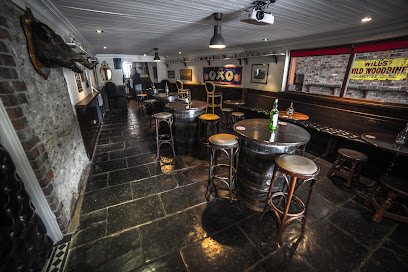
Macken's Bar
7.6 km
Experience the heart of Ireland at Macken's Bar, where traditional cuisine meets coastal charm in Newcastle.
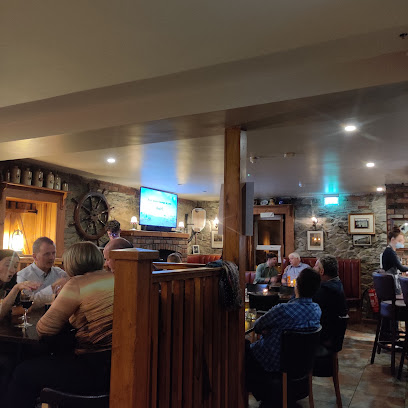
Arkle Bar
11.2 km
Experience authentic Irish hospitality, hearty food, and lively entertainment at Arkle Bar, Downpatrick’s beloved local pub.
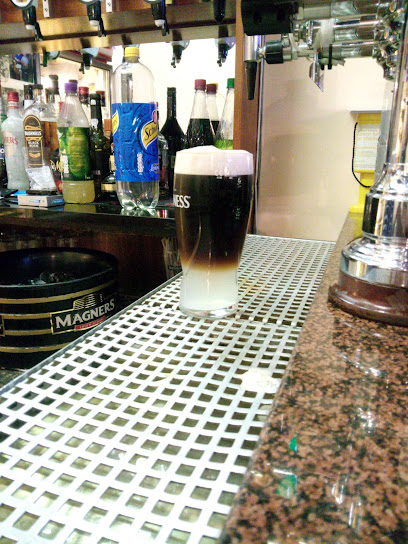
Anchor Bar
13.3 km
A cozy traditional Irish pub in Killough offering hearty homemade food, friendly service, and lively local events in a charming village setting.
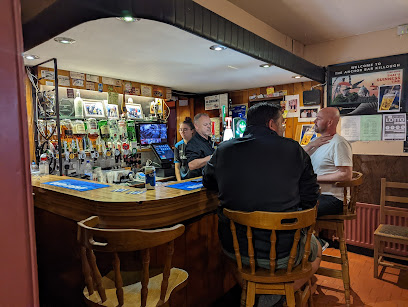
Mourne View Bar
20.6 km
Experience the charm of Irish culture at Mourne View Bar in Rathfriland, a cozy pub known for its local brews and welcoming atmosphere.
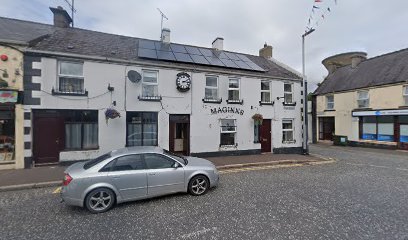
The Hole in the Wall
22.2 km
Historic and cozy Northern Irish pub in Strangford, famed for its warm atmosphere, live music, and authentic local charm.
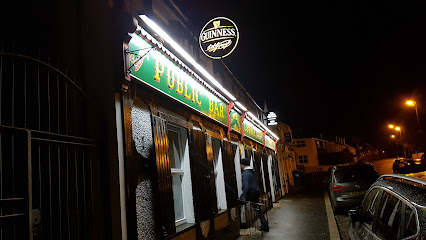
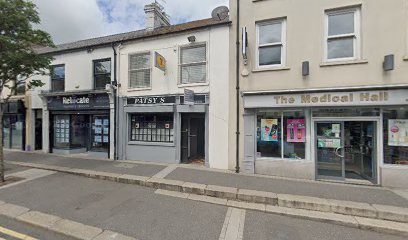
Patsy S
24.6 km
Experience the warm hospitality and local flavors at Patsy S, the perfect bar in Kilkeel for relaxation and good company.
Gormans Bar
26.6 km
Experience the warmth and charm of Gormans Bar in Mayobridge, where local brews and hearty fare meet vibrant Irish culture.
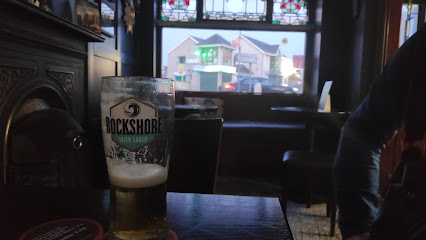
Fearons bar ..Henrys
29.1 km
Experience the heart of Irish culture at Fearons Bar in Rostrevor, a cozy pub offering local brews and warm hospitality.
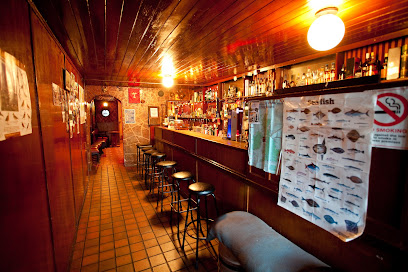
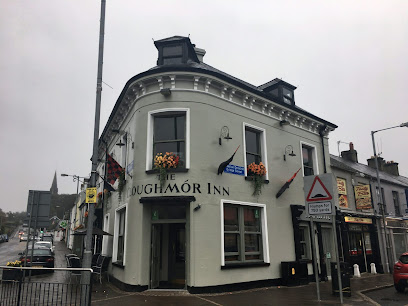
Cloughmore Inn
29.1 km
Experience the warmth of Irish hospitality at Cloughmore Inn, a charming pub in Rostrevor offering great food, drinks, and local culture.
Nightclubs & after hour spots

The Whistling Donkey
33.5 km
Experience the vibrant nightlife at The Whistling Donkey, Newry's premier sports bar and disco club, where fun and flavor meet.
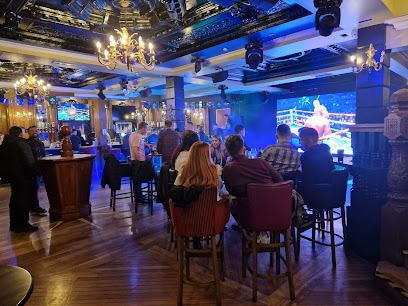
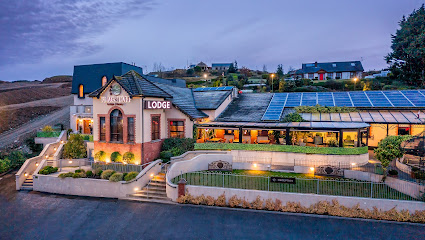
Flagstaff Lodge
35.1 km
Discover the rustic charm of Flagstaff Lodge, a perfect retreat in Newry with cozy accommodations, dining, and stunning views of Northern Ireland's landscapes.
Scratch Nightclub
36.6 km
Experience Belfast’s vibrant nightlife at Scratch Nightclub, where diverse music and a lively atmosphere create unforgettable late-night memories.
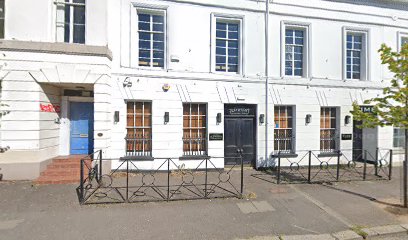
Alibi
36.7 km
Energetic R&B nightclub with guest DJs, cocktails, and a lively terrace in Belfast’s vibrant Queen’s Quarter.
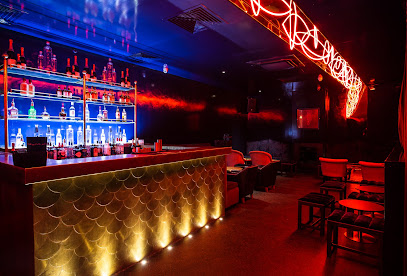
Club Honey
37.5 km
Experience Belfast’s vibrant nightlife at Club Honey, where energetic music and lively crowds create unforgettable nights on Falls Road.
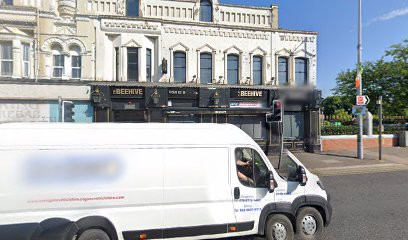
Cabaret Supper Club
37.6 km
Discover the vibrant nightlife of Belfast at Cabaret Supper Club, where exquisite dining meets captivating performances for an unforgettable experience.
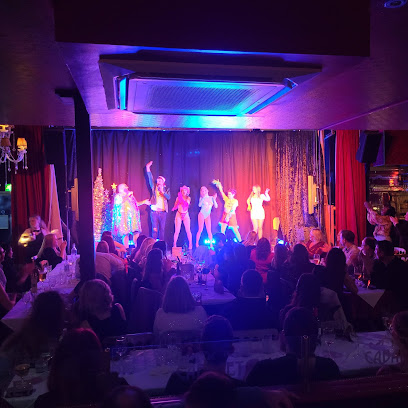
Thompsons Garage
37.6 km
Experience the vibrant nightlife of Belfast at Thompsons Garage, where music, dancing, and unforgettable memories await every night.
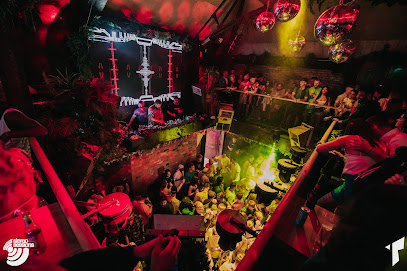
Voodoo
37.8 km
Experience the electric atmosphere of Voodoo, Belfast's top night club, featuring live music, great drinks, and an unforgettable nightlife experience.
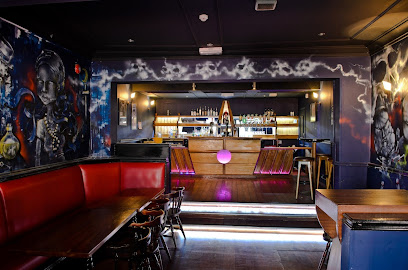
Bert's Jazz Bar
38.0 km
Discover the enchanting atmosphere of Bert's Jazz Bar in Belfast, where exquisite cocktails and live jazz create an unforgettable nightlife experience.
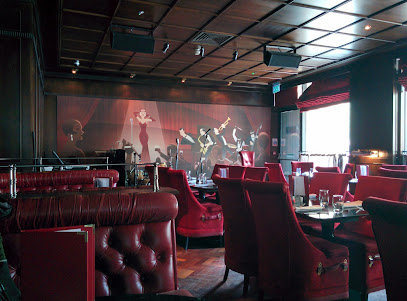
Ulster Sports Club
38.0 km
Discover Belfast's nightlife at Ulster Sports Club, where live music, sports, and tasty bites create the ultimate entertainment experience.
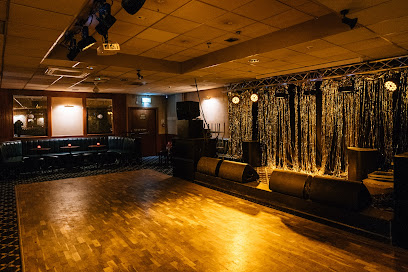
Ollie's Belfast
38.0 km
A compact, late-night nightclub beneath The Merchant Hotel — brick-vaulted interiors, VIP booths and a focused dancefloor for weekend clubbing.
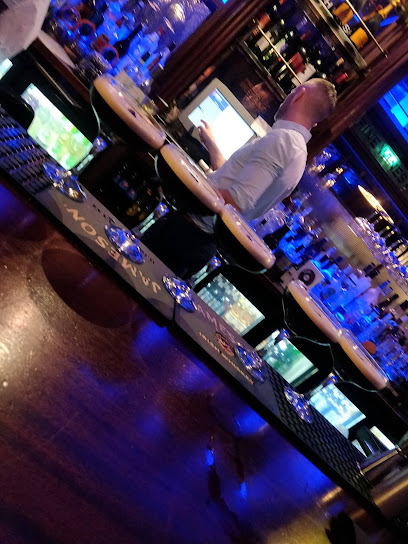
Saturday Night Nightclub
38.0 km
Experience the vibrant pulse of Newtownards nightlife at Saturday Night Nightclub, where music, dancing, and social energy come alive.
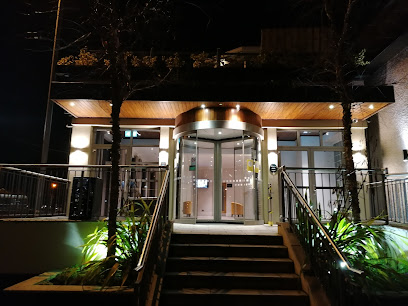
The Black Box
38.1 km
Explore the vibrant cultural scene at The Black Box, Belfast's premier venue for live music, art exhibitions, and community events.
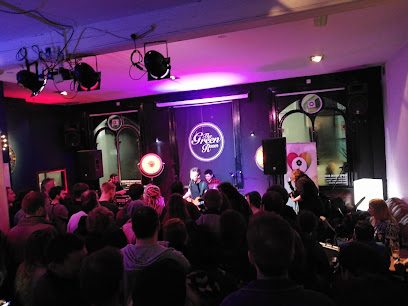
Club Lux
38.1 km
Dive into Belfast's vibrant nightlife at Club Lux, the ultimate disco club and bar experience with electrifying music and great company.
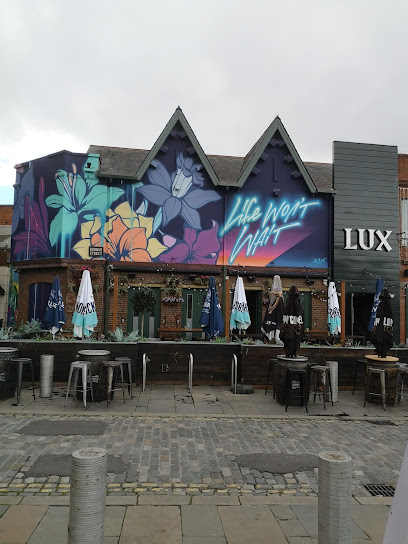
Craics Ninety
38.2 km
A compact, high‑energy clubnight in Belfast’s Common Market that celebrates 1990s music with DJs, themed entertainment and a pulsing dance atmosphere.
For the vibe & atmosphere seeker
- Scenic
- Tranquil
- Historic
- Unique
For the design and aesthetic lover
- Rustic Designs
- Vintage Styles
For the architecture buff
- Historic
- Landmarks
- Heritage Neighborhoods
For the view chaser and sunset hunter
- Iconic Views
- Panoramas
- Waterfront
- Skyline
For the social media creator & influencer
- Instagrammable
- Photo Spots
- Selfie Spots
- Architectural Shots
For the eco-conscious traveler
- Protected Area
- Public-Transport Accessible
- Leave-No-Trace Critical
For the kind of experience you’re after
- Cultural Heritage
- Photowalk
- Day Trip
- Myth & Legends
For how adventurous you want the journey to be
- Easy Access
- Requires Hike
Location Audience
- Family Friendly
- Senior Friendly
- Child Friendly
- Teen Friendly
- Solo Friendly
- Couple Friendly
- Solo Female Friendly


