

Free Northern Ireland Travel Guide & Mobile App
Explore Northern Ireland with free travel guides. Discover regional history, expert tips, proposed trips, and audio guides on web or mobile app.


Explore Northern Ireland for Atlantic coastlines, Belfast’s maritime heritage, walled Derry, mountain walks, loughs and distinctive local food.
When is the best time to visit Northern Ireland?
Best: June–August · 18–20°C| Month | High (°C) | Rainfall (mm) |
|---|---|---|
| January | 8 | 80 |
| February | 8 | 65 |
| March | 10 | 65 |
| April | 12 | 50 |
| May | 15 | 55 |
| June (best) | 18 | 60 |
| July (best) | 20 | 70 |
| August (best) | 20 | 70 |
| September | 17 | 70 |
| October | 14 | 80 |
| November | 9 | 80 |
| December | 7 | 80 |
Getting to and around Northern Ireland
How to get there
Transportation
Top city travel guides in Northern Ireland
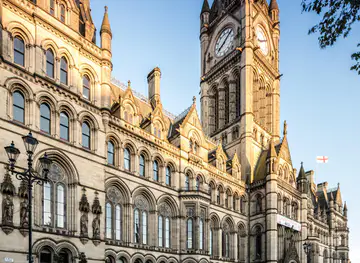
The cities of Northern Ireland, and the easiest places to base yourself.
-

-

-

-
-

-


Swipe for more cities
Destinations in Northern Ireland
Resorts, valleys and scenic spots worth a trip of their own.
-

-

-

-

-

-


Swipe for more destinations
Best attractions in Northern Ireland
Northern Ireland’s attractions range from major urban museums to landscapes best experienced on foot. Belfast’s Titanic Belfast explores the city’s shipbuilding history, while the Ulster Museum and Ulster Folk Museum provide wider perspectives on art, archaeology and everyday life. Derry’s walls, museums and walking tours interpret the city’s medieval foundations and more recent political history. Along the north coast, the Giant’s Causeway is the region’s defining geological site, complemented by coastal paths, beaches, harbour towns and the Carrick-a-Rede crossing. Country houses and gardens such as Mount Stewart add political and horticultural history, while the National Trust sites at Castle Ward and Carrickfergus Castle offer different architectural experiences. Outdoor visitors can choose from the Mourne Mountains, the Antrim Glens, the Sperrins and the loughs of Fermanagh, with walking, cycling, boating, angling and wildlife observation available in suitable areas. The Marble Arch Caves Global Geopark introduces underground limestone landscapes, while forest parks and dark rural skies broaden the region’s nature-based appeal.
-
Museum
Titanic Belfast
Explore the birthplace of Titanic through immersive galleries, historic vessels, and striking architecture in Belfast’s iconic maritime museum.
-
Nature reserve
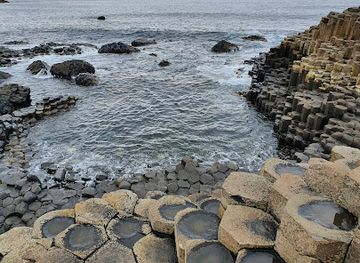
Giant's Causeway
Discover the breathtaking hexagonal basalt columns and coastal legends at Northern Ireland’s UNESCO-listed Giant's Causeway.
-
Shopping Centre
Victoria Square
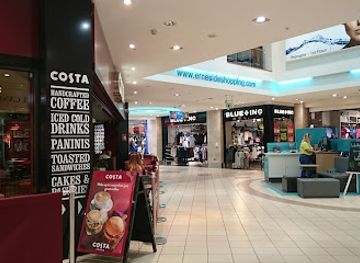
Belfast’s largest shopping centre with over 70 stores, a glass dome observation deck, and vibrant dining and entertainment options.
-
Viewpoint
The Dark Hedges
Step beneath the twisting beech trees of The Dark Hedges, a mystical natural tunnel and iconic Game of Thrones filming site in Northern Ireland.


Best landmarks in Northern Ireland
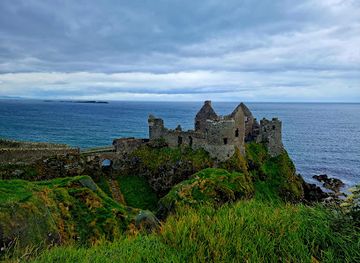
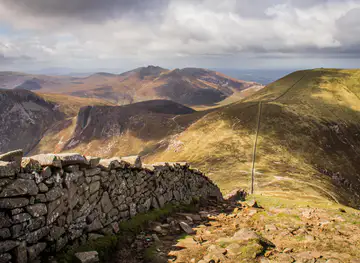
The Giant’s Causeway is Northern Ireland’s most recognisable natural landmark, its regular basalt columns formed by ancient volcanic activity along the north coast. The dark profile of Dunluce Castle, dramatically positioned above the sea near Portrush, is one of the region’s most memorable historic views. Carrickfergus Castle, founded in the twelfth century on Belfast Lough, represents the strategic importance of the eastern coast, while the walls of Derry form an unusually complete circuit of a seventeenth-century fortified city. In Belfast, the former Harland and Wolff drawing offices and the Titanic Quarter recall the city’s industrial and maritime past. The Mourne Mountains provide a powerful natural backdrop, with Slieve Donard rising above Newcastle and the surrounding coast. Elsewhere, the domed Mussenden Temple stands above Downhill Strand, while the Fermanagh lakelands, the Sperrin uplands and the wooded valleys of the Glens of Antrim create landmark landscapes whose significance lies in their geology, scale and relationship with settled countryside.
-
Castle
Dunluce Castle
Medieval fortress suspended on Atlantic cliffs, where five centuries of history meet breathtaking coastal views.
-
Castle
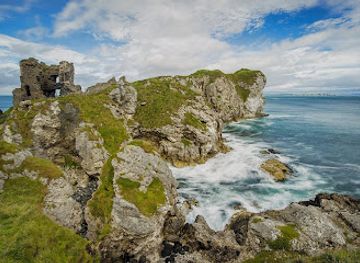
Kinbane Castle
Dramatic 16th-century ruin perched on white limestone cliffs with breathtaking Atlantic views and a rewarding steep descent.
-
Tourist attraction
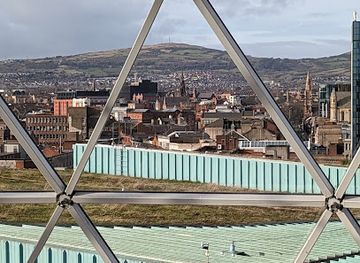
The Dome
Belfast's iconic glass dome delivers 360-degree city views from the heart of the shopping district.
-
Scenic point
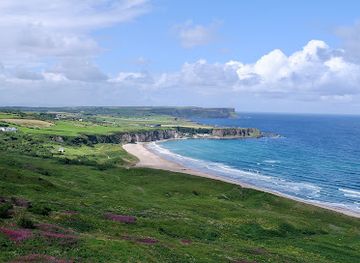
Whitepark Bay viewpoint
Dramatic clifftop vista of white sand and ancient dunes on the North Antrim coast.
Explore Northern Ireland on the map
Plan your trip on one map. See where the top cities, national parks and sights are, and book hotels and experiences in a few clicks.
Best hotels in Northern Ireland
Best restaurants in Northern Ireland
Northern Ireland’s food culture combines home-style Ulster cooking, excellent farm produce and an increasingly assured contemporary restaurant scene. Soda bread, wheaten bread, potato bread and the cooked Ulster breakfast are familiar regional staples, while local beef, lamb, dairy products and seafood appear widely on menus. County Armagh is strongly associated with apples and orchard produce, and Fermanagh and the coastal counties contribute freshwater and marine ingredients. Belfast and Derry offer the broadest choice, from modern restaurants and bakeries to cafés, food halls and traditional pubs serving substantial meals. Across the countryside, rural inns, farm shops and market stalls provide opportunities to try local cheeses, preserves, cakes and seasonal produce. Northern Ireland also has a growing drinks scene, including locally made cider, beer, gin and whiskey, although individual producers and menus change. Booking is sensible for popular restaurants, while smaller cafés and pubs may operate more limited hours outside the principal towns.
-
Restaurant
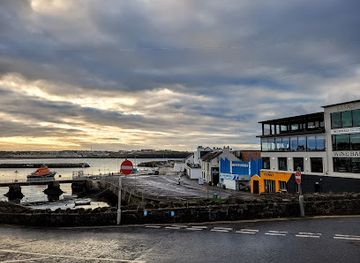
Ramore Restaurants, Portrush
A vibrant coastal dining complex in Portrush offering diverse French, Italian, and wine bar experiences with a scenic harbour backdrop.
-
Bistro
55 Degrees North | Restaurant | Bistro | Cafe
A vibrant bistro and bar in Portrush offering gourmet burgers, cocktails, and a lively social atmosphere by the Northern Irish coast.
-
 Hotel
HotelThe Bushmills Inn Hotel
A historic 17th-century coaching inn reborn as a 4-star boutique retreat on the Causeway Coast, with peat fires, an AA Rosette restaurant, and easy access to the Giant’s Causeway.
-
Irish
Darcy's Belfast
Experience authentic Irish flavors in a cozy, family-run Belfast restaurant known for fresh local ingredients and warm hospitality.


Best bars in Northern Ireland
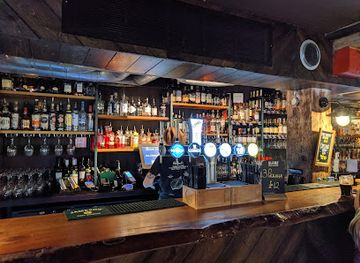
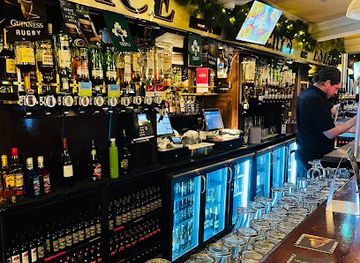
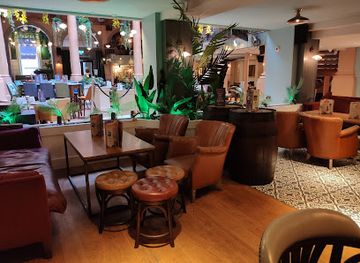
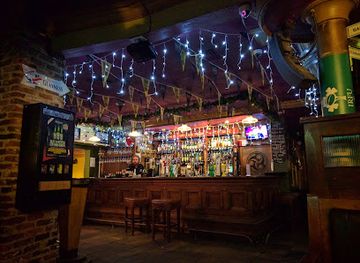
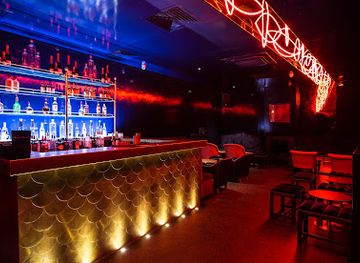
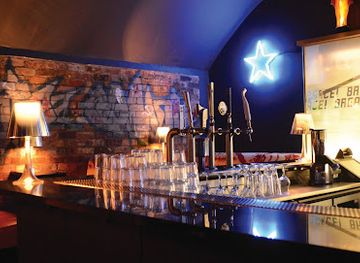
Evening life in Northern Ireland is varied but generally centred on pubs, restaurants, live music and theatres rather than a single region-wide club culture. Belfast has the largest concentration of bars, late venues, traditional pubs and music spaces, with nightlife spread across the city centre, Cathedral Quarter and surrounding neighbourhoods. Derry offers a compact evening scene shaped by historic pubs, live performances, arts venues and city-centre bars. In towns such as Bangor, Newry, Enniskillen, Portrush and Coleraine, visitors will find local pubs, restaurants and selected late venues, with activity often becoming busier at weekends or during the summer season. Rural areas tend to favour welcoming pubs, hotel bars and occasional live music over nightclubs. Many venues have their own age, identification and closing policies, so check current arrangements rather than assuming that opening patterns are uniform.
-
Irish pub
The Dirty Onion and Yardbird
Historic Belfast pub meets modern rotisserie chicken restaurant with lively music, a buzzing beer garden, and a warm, rustic atmosphere.
-
Pub
Lavery's
Belfast’s oldest family-run bar offering diverse venues, live entertainment, and traditional Irish charm in the heart of the Golden Mile.
-
Bar
Revolución de Cuba Belfast
Experience the vibrant spirit of Havana with Cuban cocktails, tapas, live salsa, and a stunning Art Nouveau setting in the heart of Belfast.
-
Pub
McHughs Bar & Restaurant
Historic Belfast pub blending traditional Irish charm, hearty fare, and lively atmosphere in one of the city’s oldest buildings.
Best nightclubs in Northern Ireland
Evening life in Northern Ireland is varied but generally centred on pubs, restaurants, live music and theatres rather than a single region-wide club culture. Belfast has the largest concentration of bars, late venues, traditional pubs and music spaces, with nightlife spread across the city centre, Cathedral Quarter and surrounding neighbourhoods. Derry offers a compact evening scene shaped by historic pubs, live performances, arts venues and city-centre bars. In towns such as Bangor, Newry, Enniskillen, Portrush and Coleraine, visitors will find local pubs, restaurants and selected late venues, with activity often becoming busier at weekends or during the summer season. Rural areas tend to favour welcoming pubs, hotel bars and occasional live music over nightclubs. Many venues have their own age, identification and closing policies, so check current arrangements rather than assuming that opening patterns are uniform.
-
Cocktail bar
Alibi
Energetic Belfast nightclub with RnB beats, guest DJs, and a lively weekend scene in the heart of Queen’s Quarter.
-
Night Club
Club Lux
Experience Belfast’s energetic nightlife at Club Lux, a vibrant nightclub and bar in the heart of the Cathedral Quarter.
-
Gay night club
Kremlin
Belfast’s vibrant gay nightclub offering dynamic music, lively atmosphere, and a cornerstone of LGBTQ+ nightlife culture.
-
Night Club
Ollie's Belfast
Experience Belfast’s premier luxury nightclub with world-class DJs, historic charm, and an electric atmosphere in the Cathedral Quarter.


Best shops in Northern Ireland
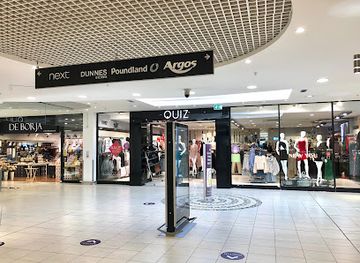
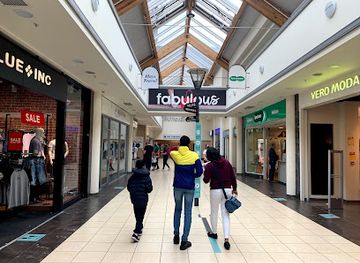
Shopping in Northern Ireland ranges from Belfast’s broad city-centre offer to independent high streets, craft studios and food producers in smaller towns. Belfast provides the largest selection of department stores, high-street retailers, arcades, booksellers, design shops and specialist food outlets, while Derry combines city-centre shopping with independent businesses around its historic core. Market towns such as Ballymena, Downpatrick, Enniskillen, Omagh and Armagh serve local communities and are useful places to look for regional produce and practical goods rather than luxury retail. Farm shops, food halls and producers sell items such as Armagh apple products, preserves, cheeses, baked goods, whiskey and locally made cider. Craft galleries and studios offer ceramics, textiles, jewellery, woodwork and contemporary art, often reflecting the region’s landscape and industrial heritage. Opening patterns vary in rural districts, and visitors should distinguish permanent shops from seasonal markets or temporary events when planning a shopping trip.
-
Shopping Centre
Abbey Centre Shopping
A vibrant indoor shopping hub in Newtownabbey offering 70+ stores, dining, and essential services just 6 miles from Belfast City Centre.
-
Shopping Centre
Buttercrane Shopping Centre
A vibrant shopping and leisure destination in Newry with over 50 stores, ample parking, and a scenic canal-side setting.
-
Shopping Centre
Erneside
Enniskillen's premier shopping destination on a scenic island setting between Lough Erne's waters.
-
Irish Goods Shop
Carrolls Irish Gifts Belfast - Donegall Place
Discover authentic Irish culture and unique souvenirs at Carrolls Irish Gifts, Belfast’s premier destination for genuine Irish keepsakes.

Get your free copy of our complete guide to Northern Ireland, delivered straight to you.
Everything on this page, from attractions and restaurants to essentials and local phrases, in one PDF you can read offline, print or share.
Already have an account? Sign in
Your Northern Ireland guide is ready.
We'll send it to · Not you? Sign out

Getting your guide ready…
We are putting together a fresh copy of the Northern Ireland guide. This can take up to a minute.
This can take a few moments. If your browser asks, choose Allow so the download can start. You'll find the guide in your Downloads folder.
Nothing happened? Download it again
Sorry, the guide is taking longer than usual. Please try again in a minute, or get it by email instead.
Northern Ireland essentials
Currency and Payment
Safety
Emergency Situations
Do's and Don'ts
Local Tips
From Eve
Local phrases worth knowing
You don't need to get them perfect. A few words go a long way, and locals appreciate the effort.
Basics
| English | Local | Say it |
|---|---|---|
| Hello | Hello | [hɛˈloʊ] |
| Goodbye | Bye | [baɪ] |
| Yes | Yeah | [jɛ] |
| No | Naw | [nɔ] |
| Please/You're welcome | Please/No bother | [pliz/noʊ ˈbɑːtər] |
| Thank you | Thanks | [θæŋks] |
| Excuse me/Sorry | Excuse me/Sorry | [ɪkˈskjus mi/ˈsɔri] |
| How are you? | Howya? | [haʊjə] |
| Fine. And you? | Grand. And you? | [ɡrænd. ənd ju] |
| Do you speak English? | Do ya speak English? | [du jə spiːk ˈɪŋɡlɪʃ] |
| I don't understand | I don't get it | [aɪ doʊnt ɡɛt ɪt] |
Eating & Drinking
| English | Local | Say it |
|---|---|---|
| I'd like to see the menu, please | Can I see the menu, please? | [kæn aɪ si ðə ˈmɛnjuː pliz] |
| I don't eat meat | I don't eat meat | [aɪ doʊnt iːt miːt] |
| Cheers! | Cheers! | [ʧɪrz] |
| I would like to pay, please | Can I pay, please? | [kæn aɪ peɪ pliz] |
Emergencies
| English | Local | Say it |
|---|---|---|
| Help! | Help! | [hɛlp] |
| Go away! | Clear off! | [klɪər ɔf] |
| Call the Police! | Ring the police! | [rɪŋ ðə pəˈliːs] |
| Call a doctor! | Get a doctor! | [ɡɛt ə ˈdɒktər] |
| I'm lost | I’m lost | [aɪm lɒst] |
| I'm ill | I’m not well | [aɪm nɒt wɛl] |
Shopping
| English | Local | Say it |
|---|---|---|
| I'd like to buy... | I’d like to buy... | [aɪd laɪk tə baɪ...] |
| I'm just looking | I'm just having a browse | [aɪm dʒʌst ˈhævɪŋ ə braʊz] |
| How much is it? | How much’s that? | [haʊ mʌʧz ðæt] |
| That's too expensive | That’s too dear | [ðæts tuː dɪər] |
| Can you lower the price? | Can ye knock the price down? | [kæn jɪ nɒk ðə praɪs daʊn] |
Time & Numbers
| English | Local | Say it |
|---|---|---|
| What time is it? | What time is it? | [wɒt taɪm ɪz ɪt] |
| It's one o'clock | It's one o'clock | [ɪts wʌn əˈklɒk] |
| Half past (10) | Half ten | [hɑːf tɛn] |
| Morning | Morning | [ˈmɔrnɪŋ] |
| Afternoon | Afternoon | [ˌɑːftərˈnuːn] |
| Evening | Evening | [ˈiːvnɪŋ] |
| Yesterday | Yesterday | [ˈjɛstərdeɪ] |
| Today | Today | [təˈdeɪ] |
| Tomorrow | Tomorrow | [təˈmɒroʊ] |
| 1 | 1 | [wʌn] |
| 2 | 2 | [tuː] |
| 3 | 3 | [θriː] |
| 4 | 4 | [fɔːr] |
| 5 | 5 | [faɪv] |
| 6 | 6 | [sɪks] |
| 7 | 7 | [sɛvən] |
| 8 | 8 | [eɪt] |
| 9 | 9 | [naɪn] |
| 10 | 10 | [tɛn] |
Transport & Directions
| English | Local | Say it |
|---|---|---|
| Where's a/the...? | Where’s the...? | [wɛrz ðə...?] |
| What's the address? | What’s the address? | [wɒts ði əˈdrɛs] |
| Can you show me (on the map)? | Can ye show me on the map? | [kæn jɪ ʃoʊ mi ɒn ðə mæp] |
| When's the next (bus)? | When's the next bus? | [wɛnʔs ðə nɛkst bʌs] |
| A ticket (to ....) | A ticket to ... | [ə ˈtɪkɪt tə ...] |
History of Northern Ireland
Prehistoric Monuments and Early Settlement
Northern Ireland contains evidence of settlement from the earliest farming communities onwards. Neolithic court tombs, passage graves, stone circles and other monuments reveal communities managing land, livestock and ceremonial life long before written records. The region’s drumlin landscapes, lough shores and uplands supported changing patterns of agriculture, while sites such as the court tomb at Beaghmore in County Tyrone demonstrate the importance of ritual and astronomy in later prehistoric societies. These remains are part of a wider archaeological landscape shared across the island of Ireland and provide an important background to the region’s later history.
Gaelic Kingdoms and Monastic Culture
Before English and Scottish settlement expanded, much of the region was organised through Gaelic lordships, including the territories associated with the O’Neills, Maguires, MacDonnells and other dynasties. Monasteries and ecclesiastical foundations connected local communities to wider networks of learning, worship and pilgrimage. Armagh became one of Ireland’s most important ecclesiastical centres, while medieval churches, round towers and monastic sites elsewhere preserve traces of religious life. Gaelic political authority remained influential into the sixteenth century, although its structures were increasingly challenged by the Tudor crown.
Plantation and the Ulster Towns, Seventeenth Century
The early seventeenth century brought major political and demographic change after the defeat and departure of leading Gaelic lords. The Plantation of Ulster transferred land to English and Scottish undertakers and encouraged new settlement, particularly in the north and west. Planned towns such as Derry and Coleraine developed fortified layouts, while the walled city of Derry, completed in the 1600s, became a prominent symbol of the new order. The period created enduring changes in landownership, settlement and religious affiliation, contributing to political divisions that remain important to understanding Northern Ireland.
The Williamite Wars and the Siege of Derry
The struggle between William III and James II in the late seventeenth century had a profound impact on Ulster. Derry resisted a Jacobite army during the siege of 1688–89, and the city’s walls remain the most visible monument to that episode. The Battle of the Boyne, fought outside Northern Ireland but closely connected to the region’s political development, was followed by Williamite consolidation across Ireland. These events acquired powerful and differing meanings within Protestant and Catholic communities, and later political traditions continued to commemorate them in distinct ways.
Industrialisation, Linen and Shipbuilding
From the eighteenth century, parts of Ulster developed important linen, engineering and maritime industries. Belfast grew from a commercial town into a major industrial city, supported by port facilities, manufacturing and shipbuilding. The Harland and Wolff yards produced many large vessels, including RMS Titanic, whose construction is remembered in the Titanic Quarter. Linen production shaped towns and rural communities across the region, while engineering, rope-making and agricultural processing created further employment. Industrial buildings, canals, mills and former docklands still contribute to Northern Ireland’s built heritage.
Partition and the Creation of Northern Ireland, 1921
The Government of Ireland Act created Northern Ireland in 1921 as a self-governing part of the United Kingdom, with six of Ulster’s nine counties included. The new entity had a Protestant and unionist majority but also a substantial Catholic and nationalist population, and partition divided communities, families and economic networks. Belfast became the seat of the regional government, while Derry and other towns developed within a changing political framework. The constitutional question—whether Northern Ireland should remain in the United Kingdom or join a united Ireland—continued to shape public life throughout the twentieth century.
The Troubles and the Peace Process
From the late 1960s to 1998, Northern Ireland experienced a prolonged period of political violence known as the Troubles. Civil-rights campaigning, communal conflict, paramilitary activity and security responses affected neighbourhoods across the region, with particularly visible consequences in Belfast and Derry. The 1998 Good Friday Agreement established new political arrangements based on consent, power-sharing and stronger relationships between communities and governments. Violence has declined substantially, although political disagreement and the legacy of the conflict remain part of contemporary life. Museums, murals, memorials and guided tours present differing perspectives on this history.
Northern Ireland in Photos
Browse through our photo collection highlighting the charm and character of the destination.
Neighbouring regions of Northern Ireland
The closest regions to Northern Ireland, if you have time for more than one.
-

-
-

-

-


Swipe for more regions
Explore more

Explore more of United Kingdom
Discover the United Kingdom: A blend of rich history, stunning landscapes, and vibrant cities, offering a unique travel experience for every visitor.
Explore United Kingdom