Inch Abbey: A Historic Gothic Ruin on the Quoile River
Explore the evocative ruins of Inch Abbey, Northern Ireland’s earliest Gothic monastery and a serene riverside landmark steeped in history and legend.
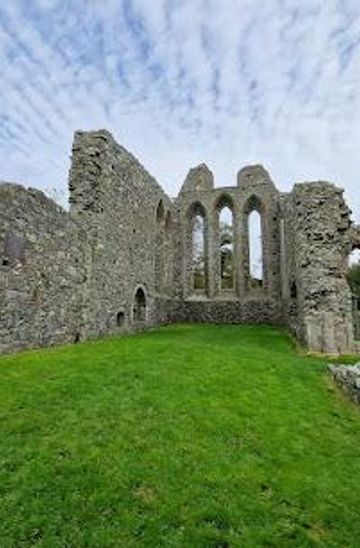
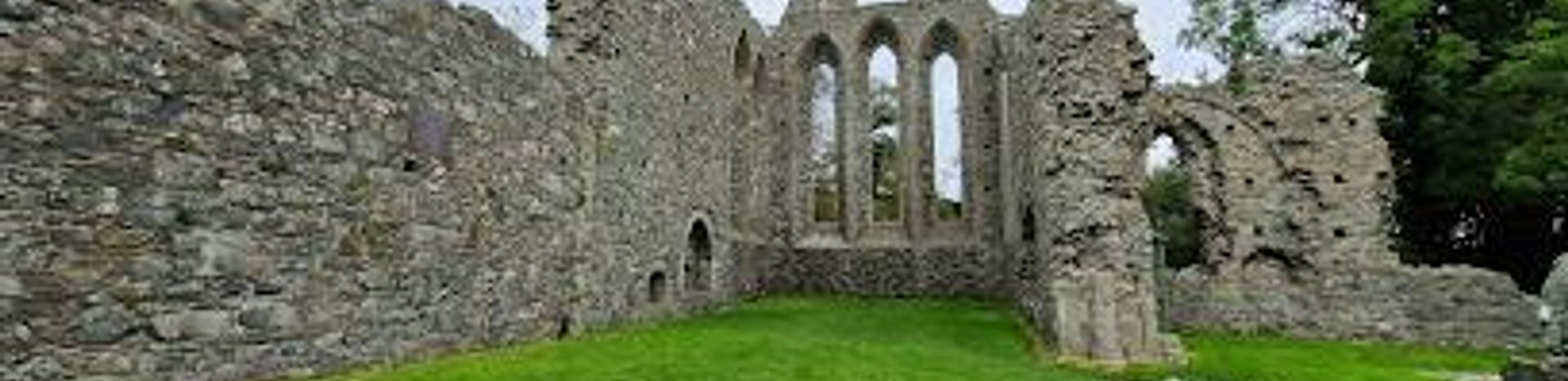
Inch Abbey is a striking 12th-century Cistercian monastery ruin located on the north bank of the Quoile River near Downpatrick, County Down, Northern Ireland. Founded in 1180 by John de Courcy as an act of penance, it features some of Ireland’s earliest Gothic architecture and offers picturesque views across the river. The site is rich in medieval history, monastic heritage, and was notably a filming location for Game of Thrones.
A brief summary to Inch Abbey
- Inch Abbey Rd, Downpatrick, BT30 9AT, GB
- Click to display
- Duration: 0.5 to 1.5 hours
- Free
-
 Outdoor
- Mobile reception: 4 out of 5
- Monday 12 am-12 am
- Tuesday 12 am-12 am
- Wednesday 12 am-12 am
- Thursday 12 am-12 am
- Friday 12 am-12 am
- Saturday 12 am-12 am
- Sunday 12 am-12 am

Know before you go
Hi, I'm Eve. Here are a few practical things to know before exploring Inch Abbey.
- Wear comfortable shoes for the gentle walk from the parking area to the abbey ruins along a flat path.
- Bring water and snacks as there are no food or restroom facilities directly at the abbey.
- Visit nearby Downpatrick to explore Down Cathedral, the reputed burial site of Saint Patrick.
- Photography enthusiasts should visit during golden hour for stunning light on the abbey’s Gothic arches and river views.
Do you manage this location?
Take control to get all the benefits, like improved information, better appearance, and stronger visibility across AI-powered discovery. Learn more
Activate your presence
Getting There
-
Car
Driving from Belfast city center to Inch Abbey takes approximately 45 minutes via the A24 and local roads. Free parking is available on-site. Note that the access lane is narrow and rural, so drive cautiously.
-
Bus
Take the Translink 515 bus from Belfast Europa Bus Centre to Downpatrick. The journey lasts around 1 hour 15 minutes. From Downpatrick, Inch Abbey is a 10-minute walk along a flat path from Inch Abbey Road.
-
Steam Train
Experience a heritage steam train ride from Downpatrick railway station to Inch Abbey on the Downpatrick & County Down Railway. The scenic journey lasts about 15 minutes and operates seasonally with ticket prices around £10-£15.
For the on-the-go comforts that matter to you
-
 Parking
-
 Information Boards
Discover more about Inch Abbey
Founding and Medieval Origins
Inch Abbey was established in 1180 by the Anglo-Norman knight John de Courcy and his wife Affreca. It was built as a Cistercian monastery in atonement for John de Courcy’s destruction of the earlier Erenagh Abbey in 1177. The site itself had a long religious history before this, originally hosting an early church known as Inis Cumhscraigh situated on an island in the marshy Quoile River estuary. This early church was plundered and burned by Vikings in 1002, leaving only fragments that survive today. The abbey was populated by monks from Furness Abbey in northern England and became a wealthy and important religious center during the 12th and 13th centuries.Architectural Significance and Gothic Style
Inch Abbey is renowned for its early use of Gothic architecture, one of the first in Ireland to feature pointed arches instead of the rounded Romanesque style typical of the period. The church was cruciform in shape with an aisled nave, projecting transepts, and an elegant chancel with triple pointed lancet windows. The sophisticated clustered piers and visible putlogs (scaffolding holes) in the chancel reflect advanced medieval craftsmanship. The abbey complex would have included cloisters, refectories, lavabos, an infirmary, and a bakehouse with ovens, indicating its substantial monastic life and wealth.Historical Turmoil and Decline
By the late 14th century, Inch Abbey was seen as heavily English-influenced, leading to exclusion of the native Irish. Despite this, the abbey was burned by Irish forces in 1404. Monastic life continued until the Dissolution of the Monasteries under King Henry VIII in 1541, when Inch Abbey was dissolved and its lands granted to the Earl of Kildare. The surrounding landscape, once an island in the tidal Quoile estuary, changed over centuries due to land reclamation and tidal barrages, altering the abbey’s original island setting.Modern Context and Cultural Importance
Today, Inch Abbey is a well-preserved ruin open to the public free of charge. It is a peaceful and atmospheric site, popular for historical exploration, photography, and riverside walks along the Quoile. The abbey gained additional fame as a filming location for the television series Game of Thrones, where it served as Robb Stark’s camp in Riverrun. Nearby, the town of Downpatrick holds further significance with Down Cathedral, believed to be the burial place of Saint Patrick.Visitor Experience and Surroundings
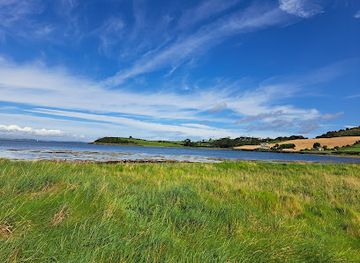
Visitors can explore the ruins via a short, accessible walk from the parking area, with informative panels detailing the abbey’s history and layout. The site is tranquil, with scenic views across the river and marshes. The surrounding area offers picnic spots and walking paths popular with locals and tourists alike, including dog walkers. While there are no public toilets on site, facilities are available in nearby Downpatrick. The abbey’s riverside setting and evocative ruins provide a unique window into medieval monastic life and Northern Ireland’s layered history.Legends and Spiritual Heritage
The abbey is linked to important religious legends, including the rewriting of Saint Patrick’s life by a monk named Jocelin of Furness. Pilgrimages to the site were historically common, especially at midsummer, when the waters around the abbey were believed to have healing properties. Nearby stones known as St Patrick’s Chair mark a traditional pilgrimage endpoint, underscoring Inch Abbey’s spiritual significance beyond its architectural and historical value.Explore the best of what Inch Abbey has to offer















More about Down
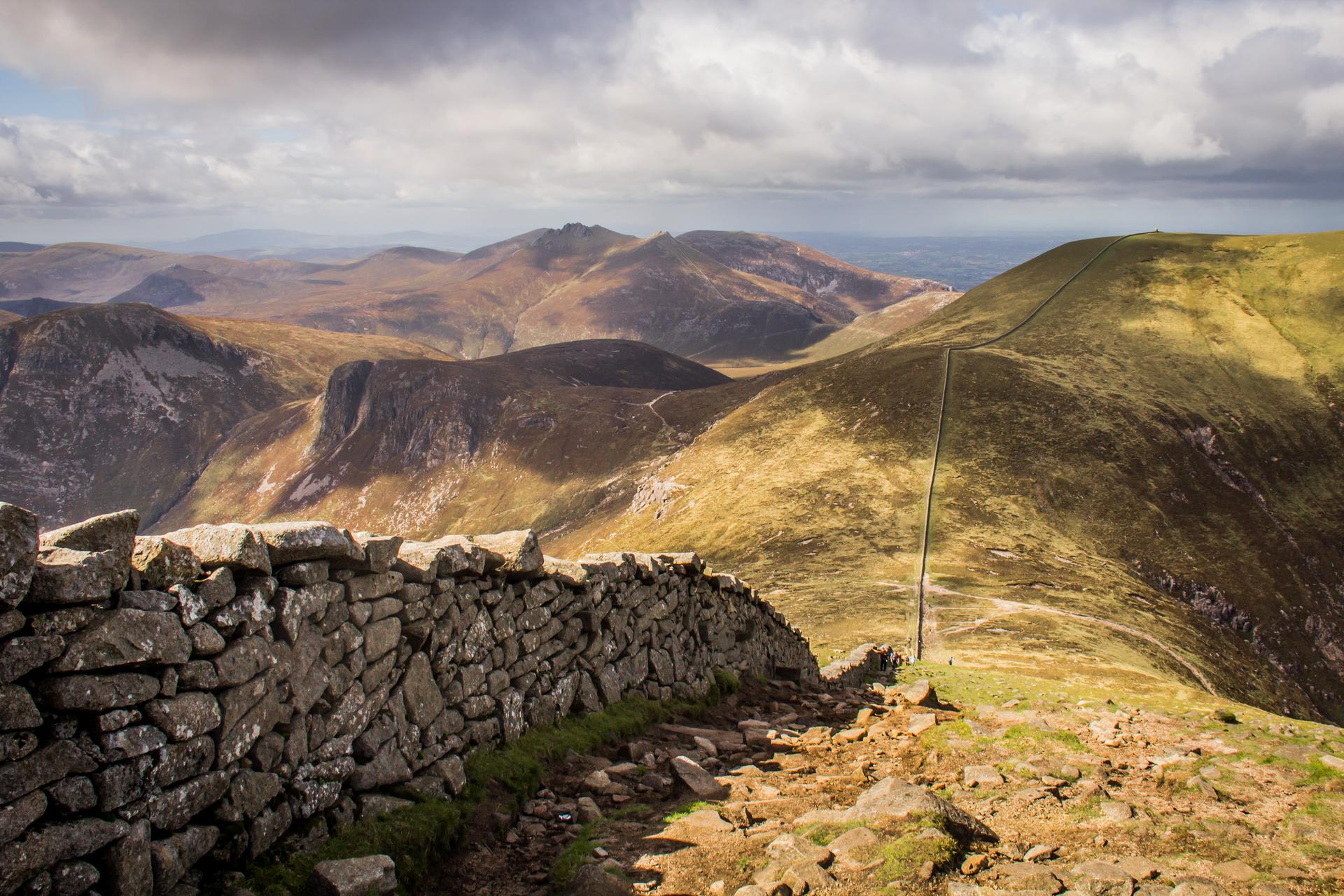
Discover the tranquil beauty, historical treasures, and warm hospitality of Down in Northern Ireland, where serene landscapes and rich heritage await.
Tell me more about Down