Slieve Croob, Tyrone Travel Guide
Discover Slieve Croob’s ancient cairns, sweeping views, and rich folklore at the heart of Northern Ireland’s Dromara Hills.
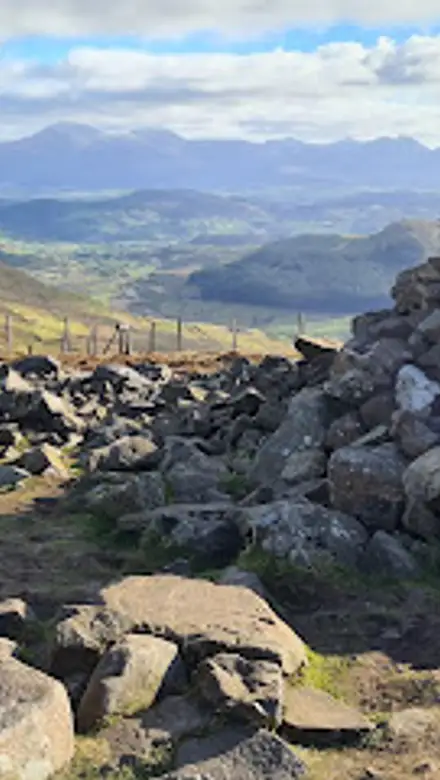
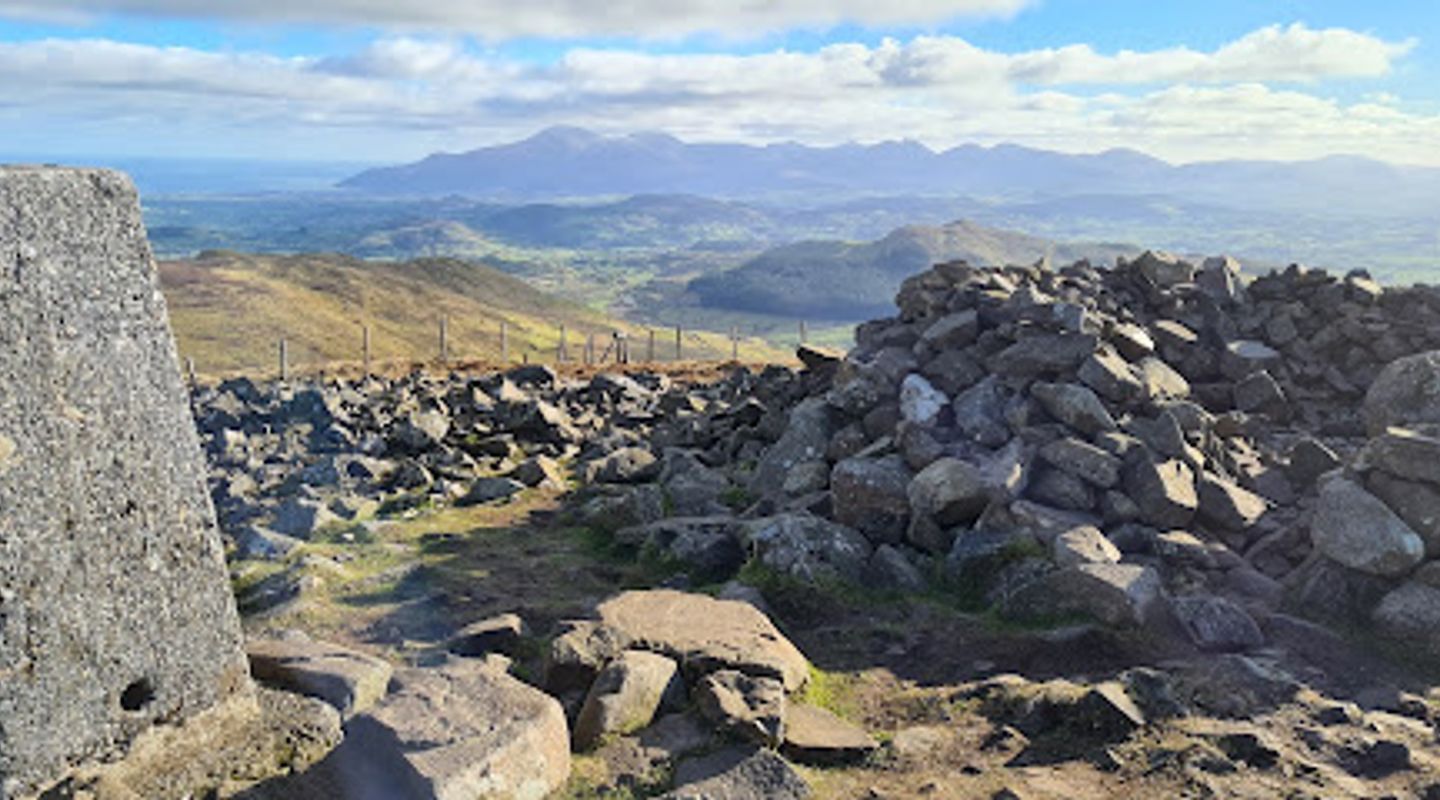
Slieve Croob, rising to 534 metres in County Down, Northern Ireland, is the highest peak in the Dromara Hills. Known as the 'mountain of the hoof,' it features ancient burial cairns at its summit and offers panoramic views over six Northern Irish counties. The mountain is a designated Area of Outstanding Natural Beauty and the source of the River Lagan, attracting walkers with its accessible tarmac path and rich folklore traditions.
A brief summary to Slieve Croob
- Castlewellan, GB
- Duration: 1 to 3 hours
- Free
-
 Outdoor
- Mobile reception: 4 out of 5

Know before you go
Hi, I'm Eve. Here are a few practical things to know before exploring Slieve Croob.
- Wear sturdy footwear as the terrain near the summit can be uneven and muddy, especially after rain.
- Bring binoculars or a camera to fully appreciate the panoramic views across all six Northern Irish counties.
- Visit on the first Sunday in August to experience the traditional Cairn Sunday festivities with local music and bilberry picking.
- Use the tarmac transmitter road route from Dree Hill car park for the easiest and most direct access to the summit.
Do you manage this location?
Take control to get all the benefits, like improved information, better appearance, and stronger visibility across AI-powered discovery. Learn more about listing your business on Evendo
Activate your presenceOther nearby places you may find interesting
The closest places of the same kind, if this one is not quite what you had in mind.

Explore Slieve Croob on the Map
A handpicked selection of must-see spots near Slieve Croob, mapped for you.
Getting There
-
Car
Driving from Castlewellan, the journey to Dree Hill car park at the foot of Slieve Croob takes approximately 15–20 minutes. Parking is available but limited, so arrive early during peak times. No parking fees apply.
-
Bus and Walk
Take a local bus service from Newcastle or Downpatrick to Dromara village, which takes around 40–60 minutes depending on the route. From Dromara, the walk to the Dree Hill car park is about 2.5 km on rural roads and minor paths, requiring about 30–40 minutes on foot.
-
Taxi
Taxis from nearby towns such as Castlewellan or Newcastle to Dree Hill car park typically take 15–25 minutes and cost approximately £15–£25, depending on time of day and booking.
For the on-the-go comforts that matter to you
-
 Restrooms
-
 Seating Areas
-
 Information Boards
Discover more about Slieve Croob
A Mountain Steeped in History and Legend
Slieve Croob, whose name means 'mountain of the hoof' in Irish, stands at 534 metres (1,752 feet) as the highest peak in the Dromara Hills of County Down. This mountain is not only a natural landmark but also a site of ancient cultural significance. At its summit lies a large burial cairn, believed to be the remains of a passage tomb similar to those found in the region, such as on Slieve Gullion. Historically, the cairn was about 70 metres around and 16 metres high, encircled by 42 pillar stones or kerbstones. Over centuries, the cairn has suffered damage and stone removal, yet it remains a powerful symbol of local heritage and folklore, with traditions warning against disturbing its stones.Panoramic Vistas Across Northern Ireland
From the summit of Slieve Croob, visitors are rewarded with breathtaking 360-degree views encompassing all six counties of Northern Ireland: Antrim, Armagh, Down, Fermanagh, Londonderry, and Tyrone. On clear days, the Mourne Mountains dominate the southern horizon, while the Belfast Hills can be seen to the north. The expansive outlook makes Slieve Croob a favored spot for photographers and nature lovers seeking to capture the diverse landscapes of the region.Accessible Trails and Natural Surroundings
Slieve Croob is approachable via a well-maintained tarmac path known as the transmitter road, starting from the Dree Hill car park near Dromara village. This route gently ascends to the summit transmitters, making it accessible for walkers of varying fitness levels, though some sections can be steep and muddy depending on the season. The summit area features uneven terrain and grassy knolls, requiring caution. The mountain’s slopes are dotted with patches of bog cotton and heather, adding seasonal color and texture to the landscape.Living Traditions and Seasonal Gatherings
The summit's ancient cairn, often called 'The Twelve Cairns' due to smaller stone piles built atop it, plays a central role in local cultural practices. Traditionally, on the first Sunday in August—known as Cairn Sunday or Blaeberry Sunday—locals ascend the mountain to add stones to the cairns, symbolically aiding in the burial of twelve legendary kings said to rest there. This event is accompanied by the gathering and eating of bilberries, folk music, dancing, and games, preserving a vibrant connection between the community and the mountain.Environmental and Geological Significance
Slieve Croob forms part of the Dromara Hills, a landscape older and geologically distinct from the nearby Mourne Mountains. The area’s craggy peaks and rolling valleys were shaped through ancient geological processes, offering a glimpse into the region’s natural history. The mountain is the source of the River Lagan, an important watercourse flowing through County Down. Its designation as an Area of Outstanding Natural Beauty highlights its ecological value and the importance of conserving its habitats and scenic qualities.A Destination for All Seasons and Interests
Whether visiting for a brisk hike, a photography session at sunset, or to partake in traditional festivities, Slieve Croob offers a rewarding experience throughout the year. The mountain’s moderate height and clear paths make it accessible for day trips, while its cultural and natural features provide depth and interest for visitors. The presence of transmitter stations at the summit adds a modern contrast to the ancient landscape, symbolizing the blend of heritage and contemporary life in this part of Northern Ireland.












Your all‑in‑one travel companion app
Explore expert travel guides, compare and book tours, experiences, hotels, and more—all from the palm of your hand. Download now for seamless trip planning wherever your wanderlust takes you.


Explore More of Tyrone
Looking beyond Slieve Croob? Discover Tyrone for broader travel guides, local hot-spots, and regional highlights.
Explore Tyrone
Explore the breathtaking Pigeon Rock Mountain in Newry, Northern Ireland, where adventure meets stunning natural beauty and panoramic views await.
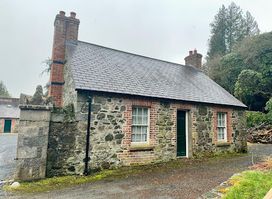
Explore the serene beauty and historical charm of Bothy Yard in Castlewellan, a perfect escape for nature lovers and history enthusiasts alike.