
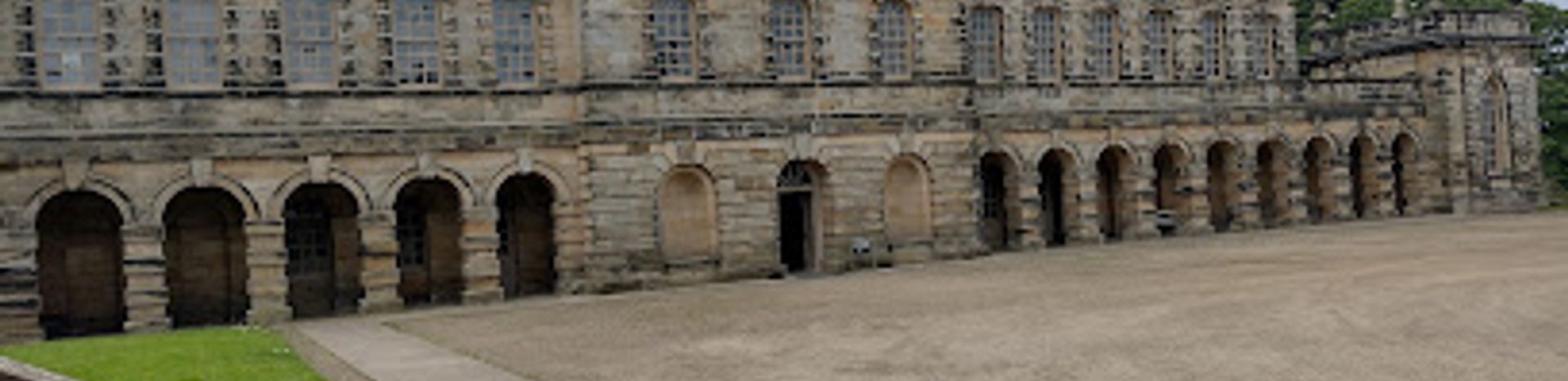
Seaton Delaval Hall: Vanbrugh’s Baroque Masterpiece and the Legacy of the Delavals
Explore Seaton Delaval Hall, a dramatic Baroque masterpiece by Sir John Vanbrugh, steeped in scandal, fire, and restoration in Northumberland.
Seaton Delaval Hall, located near Whitley Bay in Northumberland, is a striking example of English Baroque architecture designed by Sir John Vanbrugh in the early 18th century. Commissioned by Admiral George Delaval, the hall is renowned for its dramatic façade and turbulent history, including a devastating fire in 1822 that left the central block a roofless shell. Now managed by the National Trust, it offers visitors a glimpse into the scandalous and theatrical lives of the Delaval family amid beautifully restored gardens and grounds.
A brief summary to National Trust - Seaton Delaval Hall
- The Avenue, Whitley Bay, Seaton Sluice, NE26 4QR, GB
- +441912379100
- Visit website
- Duration: 1.5 to 3.5 hours
- Mid ranged
-
 Outdoor
- Mobile reception: 4 out of 5
- Wednesday 10 am-5 pm
- Thursday 10 am-5 pm
- Friday 10 am-5 pm
- Saturday 10 am-5 pm
- Sunday 10 am-5 pm
Local tips
- Visit during spring to experience the Laburnum Tunnel in full bloom, a spectacular sensory highlight of the gardens.
- Explore the West Wing to see the fully furnished family quarters and discover the lively history of the Delaval family.
- Take time to appreciate the atmospheric shell of the central block, preserved as a monument to the 1822 fire.
- Look out for the unique cantilevered spiral staircases, an early engineering marvel within the hall.
- Check for special behind-the-scenes tours offered by the National Trust to see ongoing restoration work.

For the on-the-go comforts that matter to you
- Restrooms
- Drink Options
- Food Options
- Seating Areas
- Information Boards
- Visitor Center
- Trash Bins
Getting There
-
Public Bus
Take the Arriva North East bus service from Newcastle to Whitley Bay, which runs approximately every 30 minutes. From Whitley Bay, a local taxi or a 30-minute walk along moderate terrain leads to Seaton Delaval Hall. Bus fare ranges from £4 to £7 one way, depending on starting point.
-
Car
Driving from Newcastle or nearby towns takes about 30 to 40 minutes via A19 and local roads. Limited parking is available on-site. Note that parking may be restricted during special events. Fuel costs vary but expect around £5–£10 for a round trip.
-
Train and Taxi
Take a train to Cramlington or Whitley Bay station from Newcastle (journey time 15–25 minutes). From either station, a taxi ride of 15–20 minutes will bring you to the hall. Taxi fares typically range from £15 to £25.
National Trust - Seaton Delaval Hall location weather suitability
-
 Any Weather
-
 Rain / Wet Weather
-
 Clear Skies
-
 Mild Temperatures
-
 Windy Conditions
Discover more about National Trust - Seaton Delaval Hall
Architectural Brilliance and Early History
Seaton Delaval Hall stands as the last country house designed by Sir John Vanbrugh, the celebrated architect also known for Blenheim Palace and Castle Howard. Commissioned in 1718 by Admiral George Delaval, a wealthy naval officer and diplomat, the hall was completed in 1728, five years after both Vanbrugh and the Admiral had died. The design exemplifies English Baroque style with its imposing central block, theatrical turrets, triangular pediment, and grand pillars, intended to make a dramatic impact on visitors.The Delaval Family’s Colorful Legacy
The hall became home to the Delaval family, notably Captain Francis Blake Delaval and his descendants, who earned a reputation as the 'Gay Delavals' for their extravagant parties, gambling, and mischievous practical jokes. Their lively and sometimes scandalous behavior infused the estate with a unique character that remains palpable today, especially in the West Wing where much of their life is still reflected. The estate also includes notable monuments such as a mausoleum and obelisks, adding layers of family history and mystery.Devastation and Restoration
In 1822, a catastrophic fire gutted the central block of the hall, reportedly caused by jackdaws nesting in the chimneys. The south-east wing was demolished due to the damage, and the central block remained a roofless shell for decades. Architect John Dobson partially restored the structure in the 1860s, adding a new roof supported by cast-iron columns, but the interior was never refurnished. The hall was intermittently inhabited until the 20th century and served as a prisoner-of-war camp during World War II.National Trust Stewardship and Conservation Efforts
The National Trust acquired Seaton Delaval Hall in 2009 after a successful fundraising campaign. Since then, extensive conservation projects have been undertaken, including the "Curtain Rises" initiative funded by the Heritage Lottery Fund. Restoration work has focused on stabilizing the fabric of the hall, re-roofing the West Wing, refurbishing the stables, and enhancing the gardens and estate grounds. The Trust has preserved the atmospheric ruin of the central block as a poignant reminder of the hall’s dramatic past.Gardens, Grounds, and Surrounding Landscape
The estate encompasses approximately 400 acres featuring historic gardens, woodland areas, and distinctive architectural elements such as the Laburnum Tunnel and the Parish Church of Our Lady dating back to the 12th century. The gardens are Grade II* listed and offer seasonal highlights, including vibrant spring blooms. Visitors can explore a network of paths that reveal the estate’s natural beauty alongside its rich heritage.Enduring Stories and Visitor Experience
Seaton Delaval Hall invites visitors to immerse themselves in the layered stories of naval triumph, aristocratic revelry, tragedy, and revival. The juxtaposition of the grand, partly ruined architecture with the fully restored living quarters offers a unique insight into the resilience of heritage. The hall’s collections include fine furniture, ceramics, and intriguing artifacts such as 16th-century German suits of armour, all contributing to a vivid historical tapestry.Iconic landmarks you can’t miss

Hole in The Wall
3.6 km
Historic coastal landmark in Blyth featuring a unique hole framing stunning beach views and easy beach access.
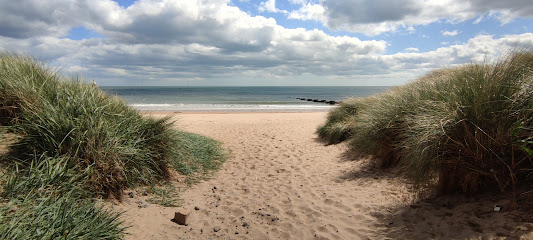
Westmorland Way
6.3 km
Explore Cramlington from Westmorland Way, your convenient bus stop for seamless access to local attractions and amenities.

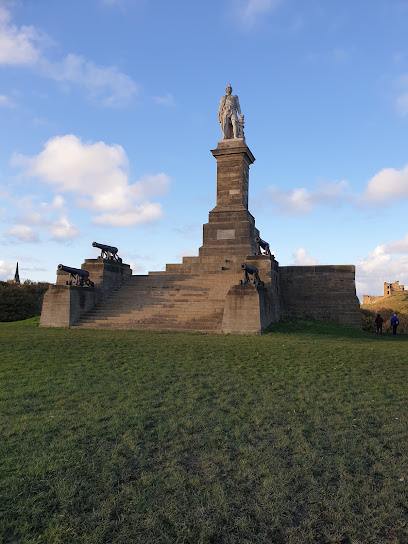
Collingwood Monument
8.9 km
A commanding tribute to Admiral Collingwood overlooking the River Tyne, celebrating a naval hero’s legacy at the Battle of Trafalgar.
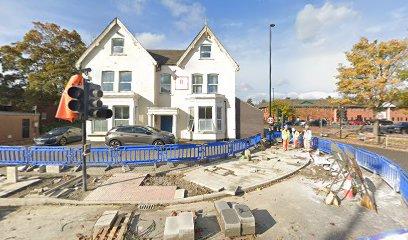
Salisbury House
10.6 km
Historic Salisbury House in Wallsend stands on ancient Roman fort grounds, bridging centuries of military and industrial heritage.
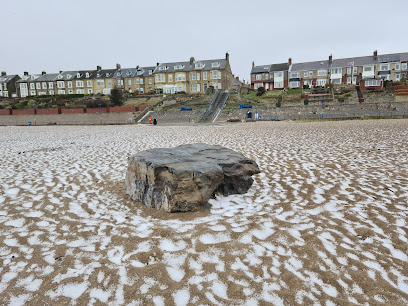
Hunkleton stone
11.1 km
A majestic glacial erratic on Newbiggin Beach, symbolizing natural history and community spirit in Northumberland’s coastal town.
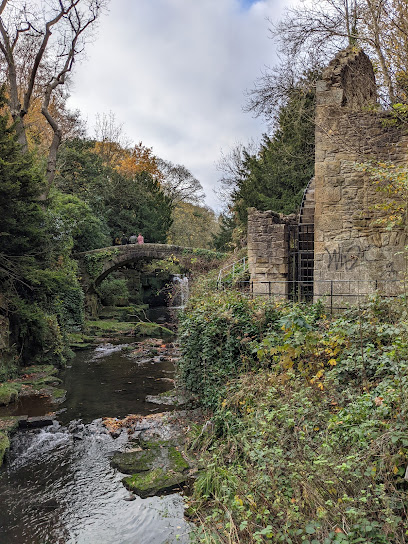
Jesmond Dene Mill
11.3 km
Historic Jesmond Dene Mill ruins nestled beside a scenic waterfall in Newcastle’s tranquil Victorian woodland park.
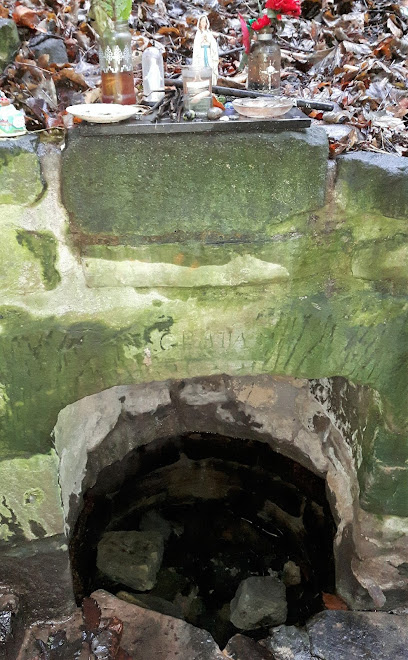
Saint Mary's Well
11.9 km
Discover Saint Mary's Well, a serene historic pilgrimage site in Jesmond, Newcastle, famed for its healing waters and medieval sacred legacy.
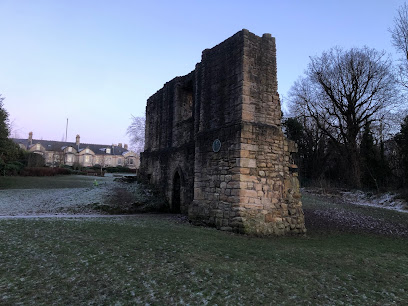
King John's Palace
12.1 km
Explore the fortified ruins of a 13th-century manor house in Newcastle’s Heaton Park, steeped in medieval history and royal intrigue.
Search Northumberland, Things to do in Northumberland
12.5 km
Discover the enchanting landscapes, rich heritage, and vibrant culture of Northumberland, the perfect destination for adventure and relaxation.

W.D.Stephens Memorial
13.1 km
Historic memorial fountain honoring Newcastle’s civic leader W.D. Stephens, symbolizing philanthropy and maritime heritage in Jesmond.
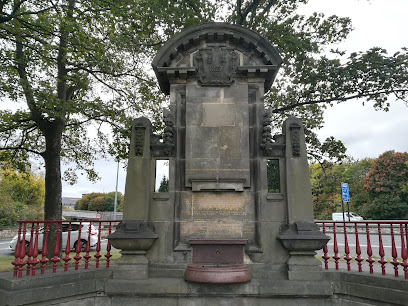
Jess moore memorial wall 23/6/17 - 7/11/19
13.1 km
Explore the Jess Moore Memorial Wall in Newcastle upon Tyne, a heartfelt tribute to love and community resilience that reflects the spirit of the local culture.
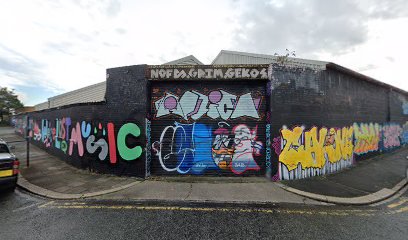
Little Buildings
13.5 km
An intimate live music venue in Newcastle’s Ouseburn Valley, perfect for discovering new bands and enjoying craft beers in a laid-back, buzzing atmosphere.
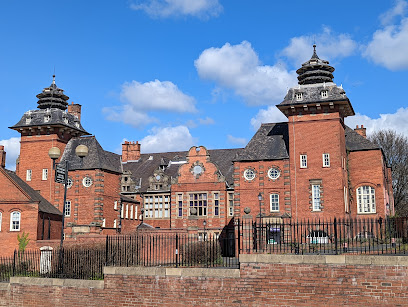
Claremont Tower
13.6 km
Modernist landmark housing humanities scholarship at Newcastle's academic heart.
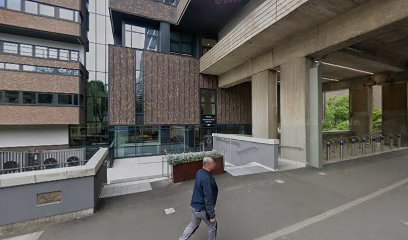
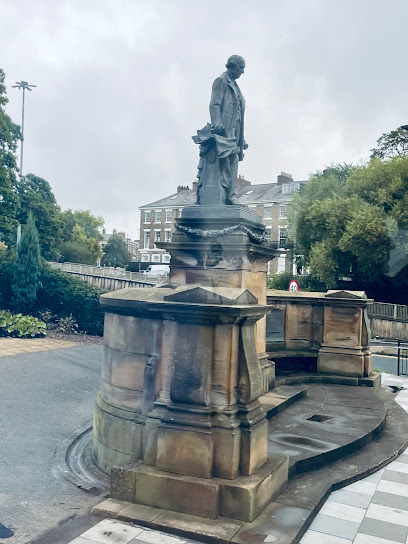
Lord Armstrong Memorial
13.6 km
A striking bronze tribute at Barras Bridge honoring Lord Armstrong’s pioneering engineering and lasting legacy in Newcastle’s industrial history.
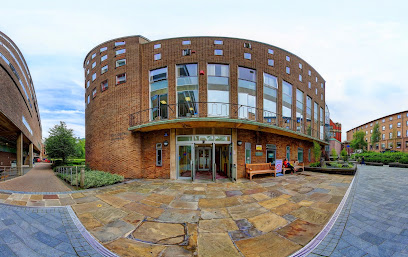
Old Library Building
13.6 km
A historic university building at the heart of Newcastle’s campus, now home to the School of Modern Languages and academic events.
Unmissable attractions to see

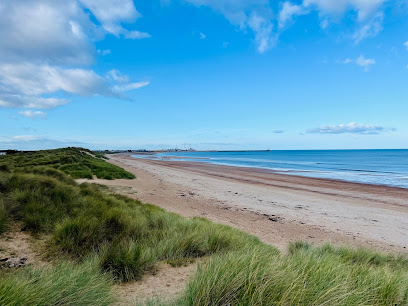
Seaton Sluice Beach
1.3 km
Seaton Sluice Beach offers a peaceful sandy retreat on the Northumberland coast, blending historic harbour charm with scenic dunes and coastal walks.
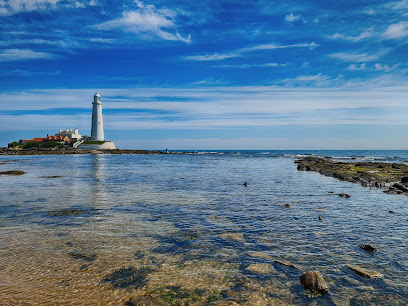
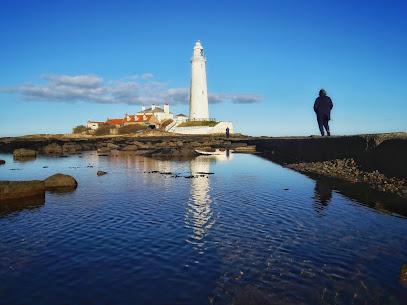
St Mary's Lighthouse
3.2 km
Historic lighthouse and nature reserve on a tidal island offering panoramic coastal views and seal watching near Whitley Bay.
Whitley Bay
4.9 km
Whitley Bay offers golden beaches, iconic landmarks, and a vibrant seaside atmosphere just a short trip from Newcastle.
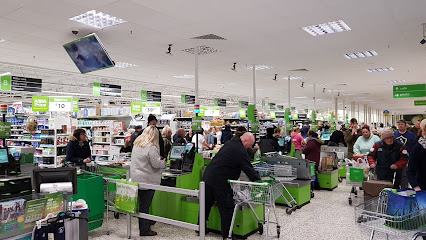
Asda Blyth Superstore
6.2 km
A comprehensive and convenient shopping destination in Blyth offering groceries, clothing, pharmacy, café, and more with extended daily hours.
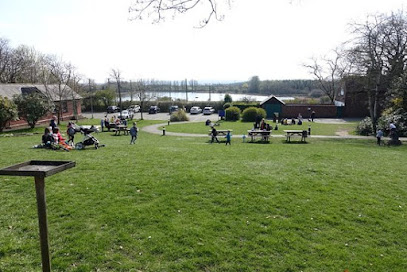
The Rising Sun Countryside Centre
7.2 km
A 162-hectare green haven in North Tyneside offering woodlands, wildlife, trails, a community farm, and family-friendly countryside experiences.
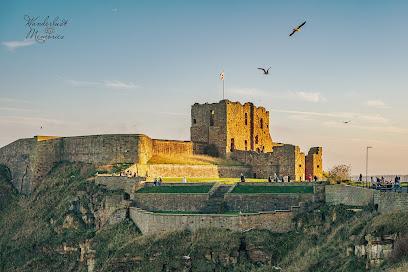
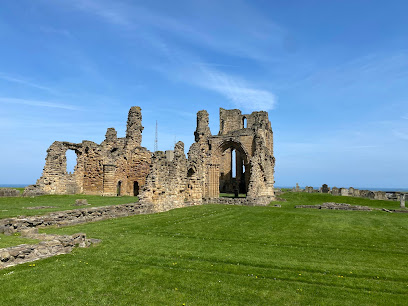
Tynemouth
8.5 km
Historic coastal town at the River Tyne’s mouth, blending medieval ruins, sandy beaches, and vibrant seaside charm.
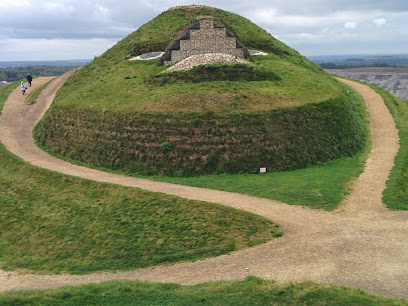
Northumberlandia
8.5 km
Explore Northumberlandia, a monumental earth sculpture blending art, nature, and stunning countryside views near Cramlington.
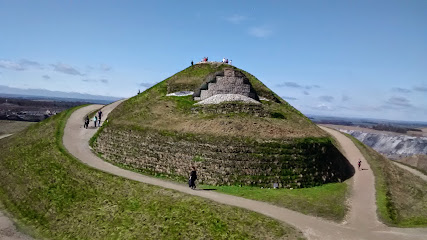
Northumberlandia (Lady of the North)
8.5 km
Explore Northumberlandia, a monumental living sculpture blending art, nature, and heritage in the heart of Northumberland’s reclaimed landscape.
Tynemouth Priory and Castle
8.8 km
Explore centuries of history and stunning coastal views at Tynemouth Priory and Castle, a majestic fortress overlooking the North Sea.
Northumbrian Gifts
10.1 km
Discover Northumberland’s finest artisan spirits, craft beers, and unique gift hampers in the heart of Ashington.

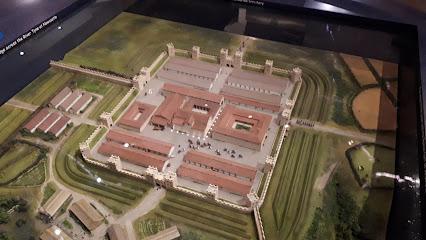
Segedunum Roman Fort & Museum
10.7 km
Explore Segedunum, the eastern gateway to Hadrian's Wall, with interactive exhibits, ancient ruins, and panoramic views over Tyneside.
Hadrian’s Wall Path
11.0 km
Follow the footsteps of Roman legions along the historic Hadrian’s Wall Path from Wallsend’s ancient fort to the wild northern English countryside.
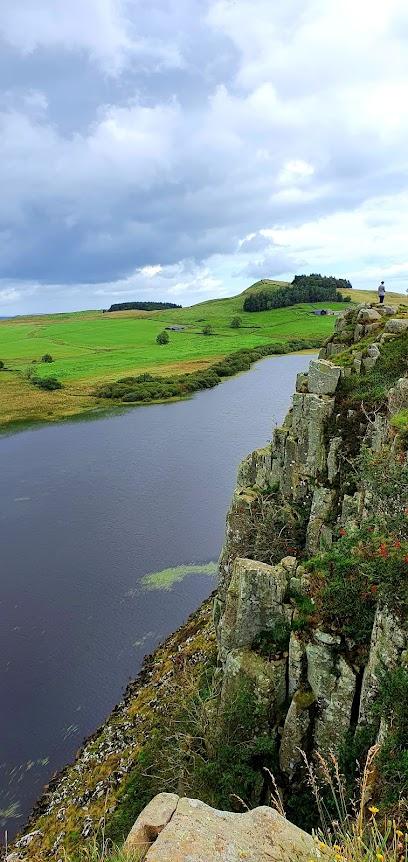
Jesmond Dene Quarry
11.1 km
Discover the peaceful Jesmond Dene Quarry, a historic sandstone site transformed into a scenic garden oasis within Newcastle’s ancient woodland valley.
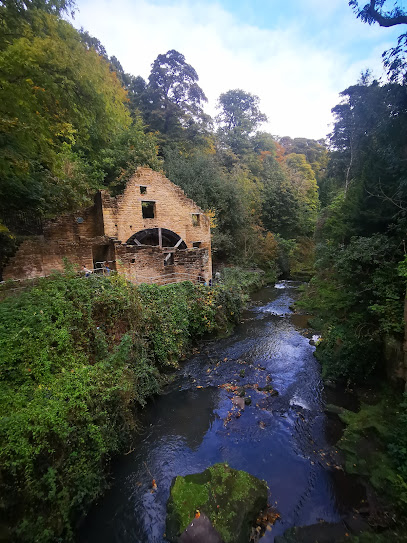
Paddy Freeman's Park
11.2 km
A peaceful urban retreat in Newcastle with scenic trails, a boating lake, sports facilities, and a welcoming café for all ages.
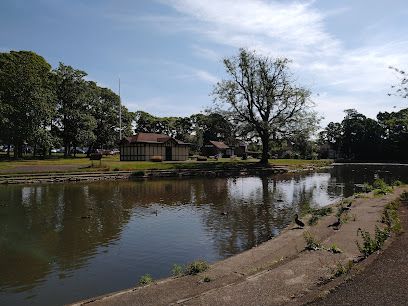
Jesmond Dene
11.3 km
A serene Victorian woodland park in Newcastle, rich with history, wildlife, and scenic riverside trails.
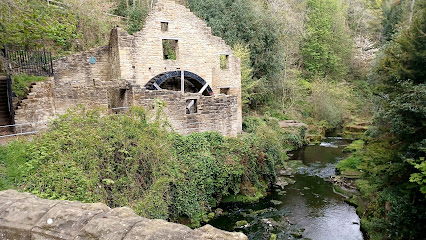
Essential places to dine

The Snowy Owl
8.4 km
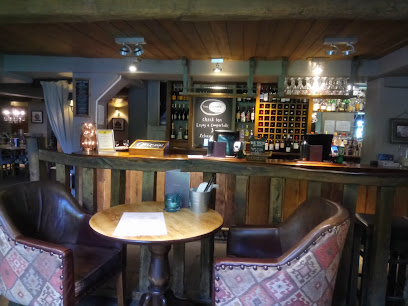
A charming country pub in Cramlington offering rustic British fare, accessible facilities, and a warm, dog-friendly atmosphere.
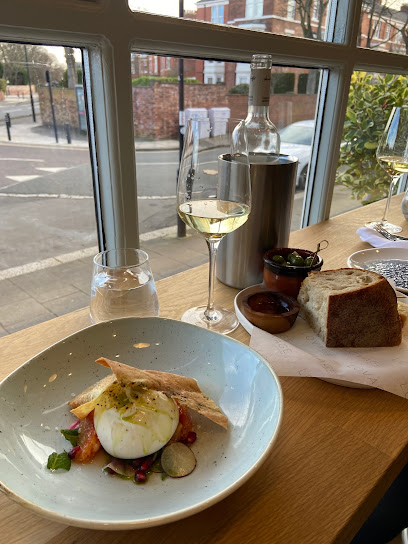
Lovage Jesmond
11.9 km
Michelin-listed modern Mediterranean restaurant in Jesmond, blending seasonal British and European ingredients with warm, unpretentious dining.
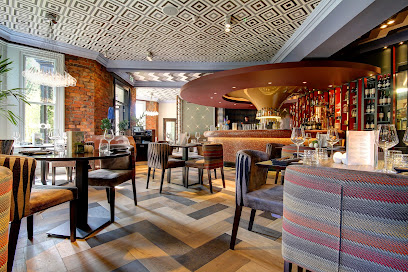
Sohe Restaurant
12.0 km
Sophisticated pan-Asian dining in Jesmond, Newcastle – where bold flavours meet modern style and attentive service.
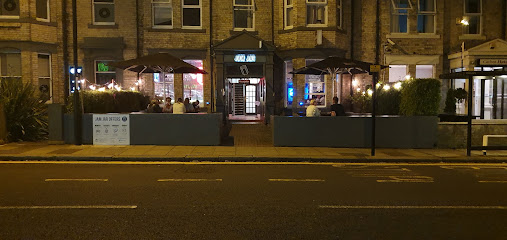
Jam Jar
12.1 km
Savor Anglo-American comfort food in a sleek, industrial-chic setting with craft drinks and lively vibes in Jesmond’s heart.
Fat Hippo Jesmond
12.2 km
Original Fat Hippo in Jesmond serves bold, messy burgers and dirty fries in a lively, inclusive atmosphere with vegan and gluten-free options.
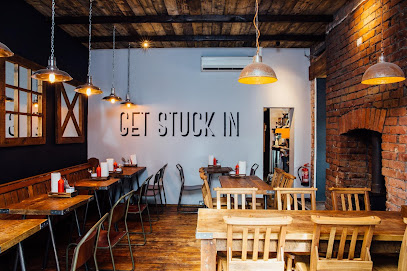
Peace & Loaf restaurant
12.3 km
Innovative modern British cuisine with nostalgic flavors and exceptional service in Jesmond’s stylish, relaxed setting.
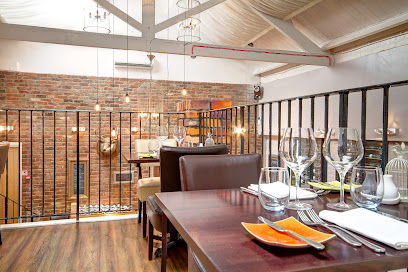
Florence Jesmond
12.5 km
Authentic Italian flavors and warm hospitality await you at Florence Jesmond, the heart of Jesmond’s vibrant dining scene.
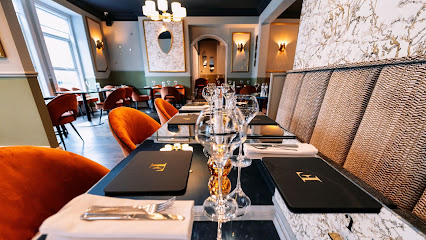
Branches Restaurant
12.6 km
Elegant British dining in Jesmond with seasonal menus, handcrafted cocktails, and a unique blossom tree ambience.
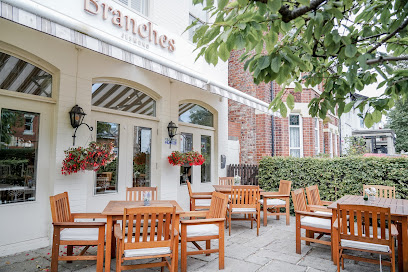
Dosa Kitchen
12.6 km
Experience authentic South Indian cuisine with vibrant dosas and flavorful curries in Jesmond’s welcoming Dosa Kitchen.
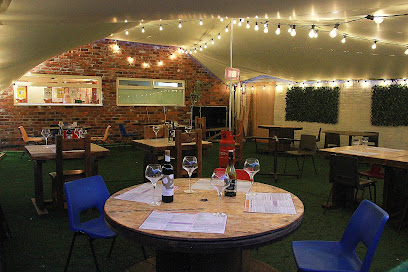
Fratello's
12.9 km
Authentic Italian dining with warm hospitality and stonebaked pizzas in the heart of Jesmond, Newcastle upon Tyne.
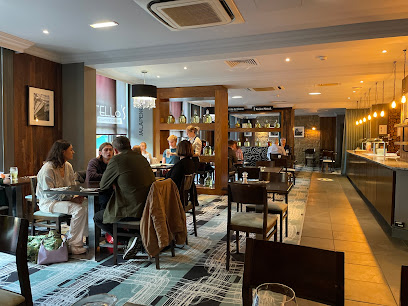
As You Like It
13.2 km
Eclectic dining and creative cocktails in Jesmond’s stylish hotspot, perfect for family meals and lively late nights.
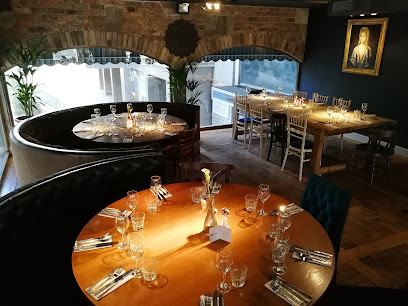
Cook House
13.4 km
Discover the flavors of Newcastle at Cook House - where fresh ingredients meet creative cuisine in a warm atmosphere.
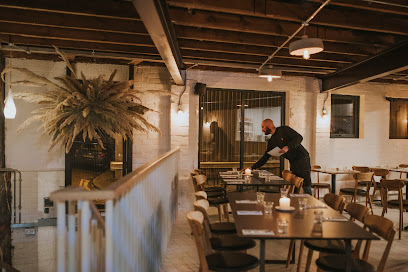
Gusto Italian
14.0 km
Experience authentic Italian flavors with a modern twist on Newcastle’s scenic Quayside at Gusto Italian.
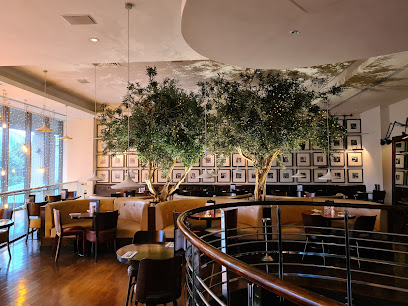
Victors Newcastle
14.0 km
Experience modern Asian-inspired cuisine and vibrant cocktails under the wisteria on Newcastle’s iconic Quayside waterfront.
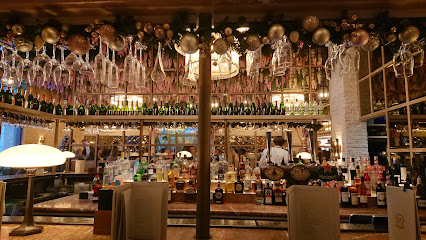
Fuego
14.0 km
Experience authentic Mediterranean tapas, Napoli-style pizzas, and vibrant cocktails in the heart of Newcastle at Fuego by Fenwick.
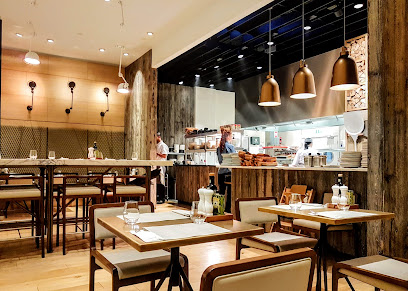
Markets, malls and hidden boutiques

Co-op Food - Seaton Sluice - Beresford Road
1.6 km
Discover the convenience of Co-op Food in Seaton Sluice, offering a variety of groceries and local products for your coastal adventures.

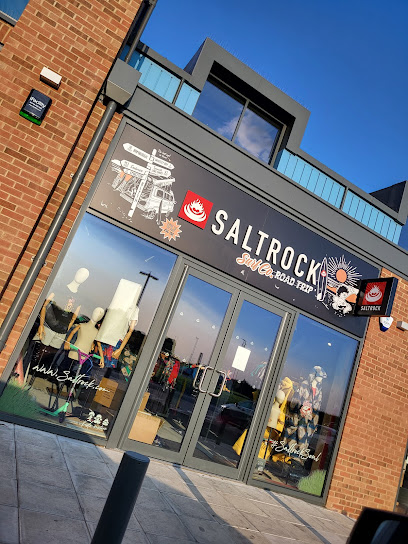
Saltrock Blyth
3.0 km
Trendy surfwear and casual beach apparel in Blyth’s vibrant South Beach Retail Centre.
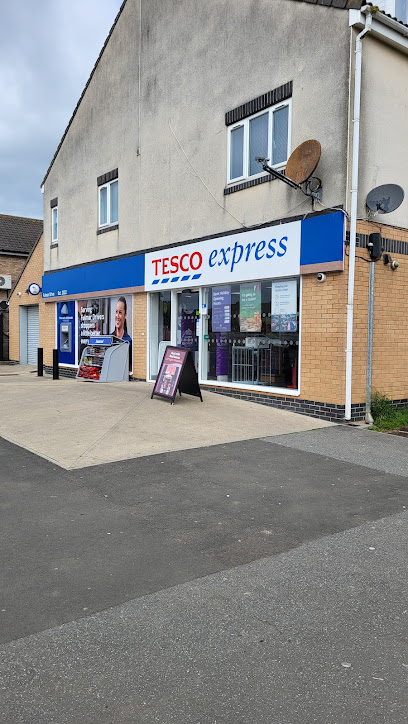
Tesco Express
3.3 km
Your friendly neighborhood Tesco Express at The South Beach Estate, open daily with fresh groceries and essentials from dawn till late night.
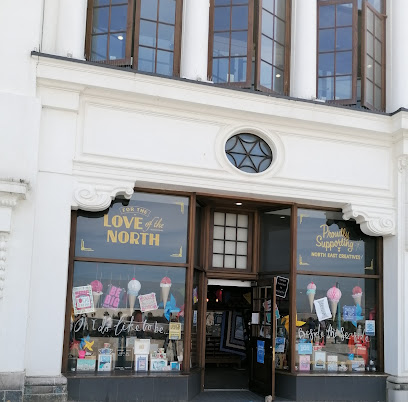
For the Love of the North
5.0 km
Discover Northern England’s spirit through locally crafted gifts and unique souvenirs at Whitley Bay’s charming boutique.
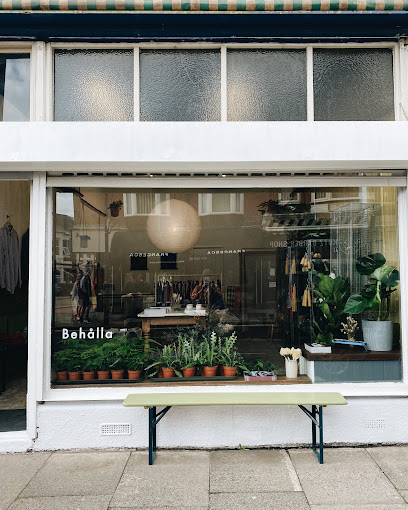
Behålla Store
5.2 km
Curated vintage fashion in the heart of Whitley Bay's independent shopping district.
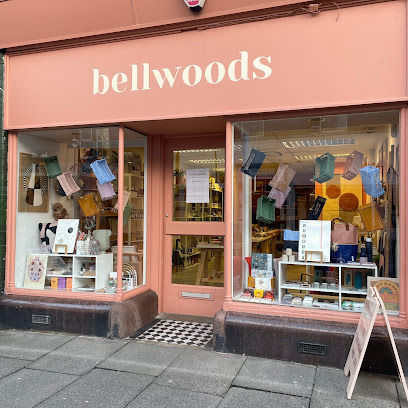
Bellwoods Lifestyle Store
5.3 km
A warm, independent gift shop in Whitley Bay’s Park View Shopping Centre, offering curated homewares, books, stationery and lifestyle finds with a coastal charm.
Meander Gifts
5.5 km
Discover unique handmade gifts and local treasures at Meander Gifts, Whitley Bay’s charming boutique rooted in heritage and creativity.

Boyes
6.0 km
Affordable home and family essentials in the heart of Cramlington's premier shopping destination.

Asda Cramlington Superstore
6.1 km
A comprehensive supermarket experience within Cramlington’s lively Manor Walks Shopping Centre, blending convenience, variety, and community spirit.
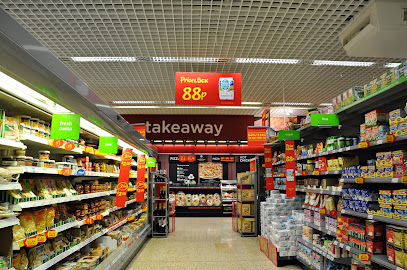
Marks and Spencer
7.8 km
A modern, versatile Marks and Spencer store offering quality fashion, food, and homeware in Wallsend’s Silverlink Shopping Park.
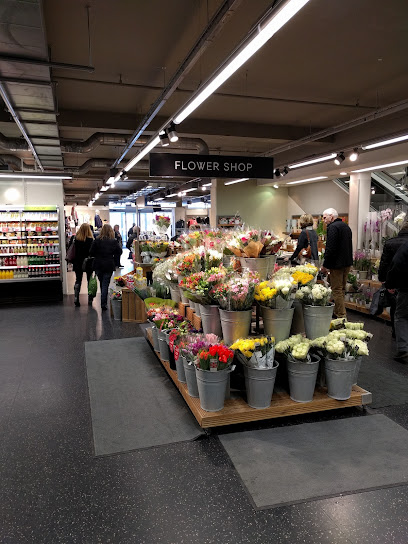
Fine & Sandy
8.5 km
Discover unique artisan gifts and stylish homewares in the heart of Tynemouth’s vibrant Front Street at Fine & Sandy.
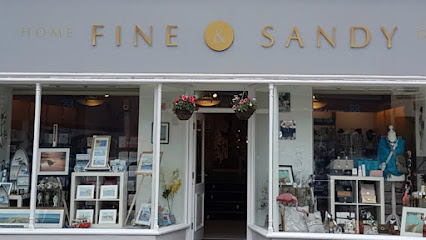
To the moon and back
8.5 km
Charming gift shop on Tynemouth’s Front Street offering unique souvenirs and friendly service in a welcoming coastal town setting.
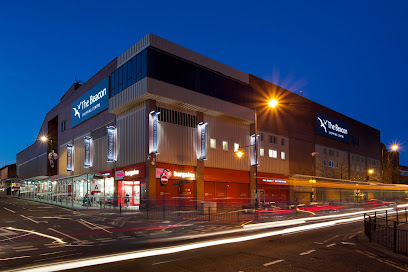
The Beacon Centre
8.8 km
Discover The Beacon Centre in North Shields—your go-to shopping destination for diverse retail experiences and delightful cafes.
St Oswald's Hospice Charity Shop - Jesmond
11.9 km
Discover designer bargains and unique treasures at Jesmond's Boutique by St Oswald's Hospice, where every purchase powers compassionate care in the North East.

Barbour Factory Outlet
12.1 km
Discover authentic British heritage and timeless outdoor style at the Barbour Factory Outlet in South Shields, home of iconic waxed jackets and quality craftsmanship.

Essential bars & hidden hideouts

The Wallaw
5.0 km
Historic 1930s Art Deco cinema transformed into a lively, family-friendly Wetherspoon pub with real ales and local charm in Blyth.
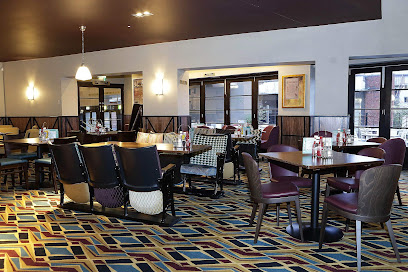
Dejavu Nightclub Blyth
5.0 km
Vibrant late-night hotspot in Blyth offering lively weekend parties, diverse cocktails, and private event hosting in a welcoming atmosphere.
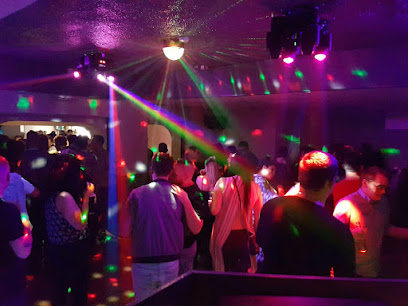
High Street Social Club
5.1 km
Lively and affordable social club in Blyth with great live music, friendly staff, and a welcoming community atmosphere.
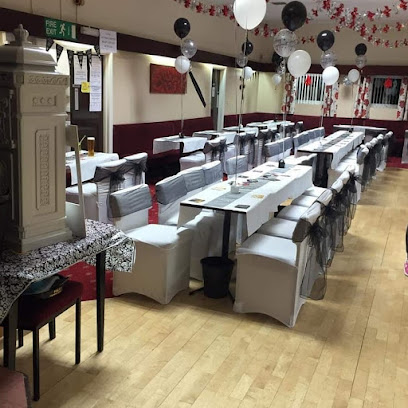
Left Luggage Room
5.1 km
Cozy micro-pub inside Monkseaton Metro Station offering rustic charm, quality craft beers, and a welcoming atmosphere in Whitley Bay.
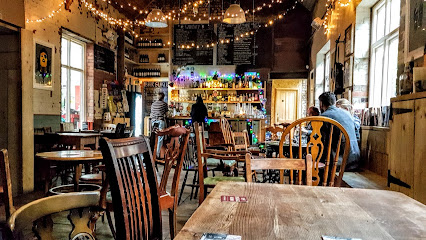
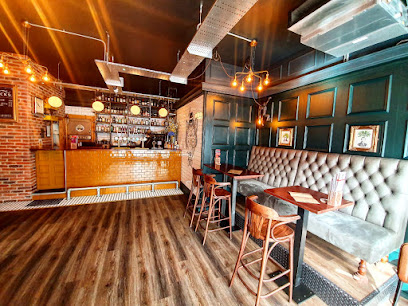
Fox & Finch
5.1 km
A vibrant bar and restaurant in Whitley Bay offering hearty meals, diverse drinks, and a welcoming atmosphere with a modern industrial charm.
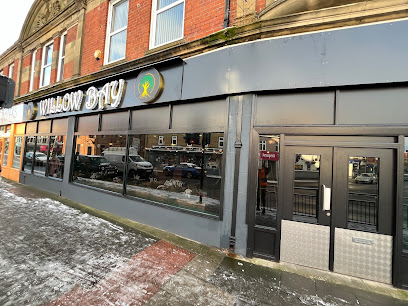
Willow Bay cocktail bar
5.5 km
Cozy and vibrant cocktail bar with eclectic décor, local craft ales, and a lively community spirit in the heart of Whitley Bay.
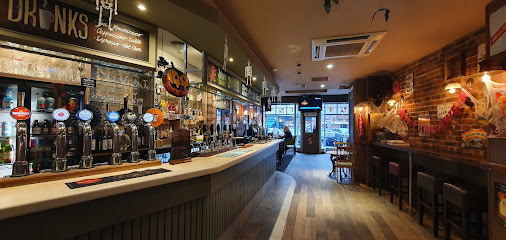
The Head of Steam Tynemouth
8.6 km
A lively Tynemouth pub offering exceptional craft beers, live music, and hearty pies steps from the beach and historic landmarks.
The Red Lion - JD Wetherspoon
8.6 km
Historic Bedlington pub offering quality ales, hearty meals, and a welcoming community atmosphere since 1902.
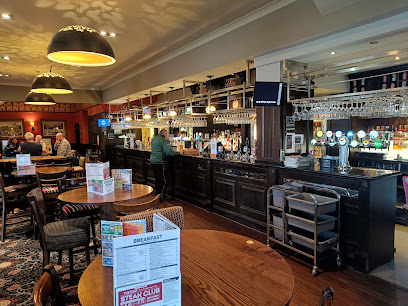
The Salutation
8.6 km
Lively seaside pub offering stone-baked pizzas, craft beers, and live sports in the heart of Tynemouth’s vibrant Front Street.
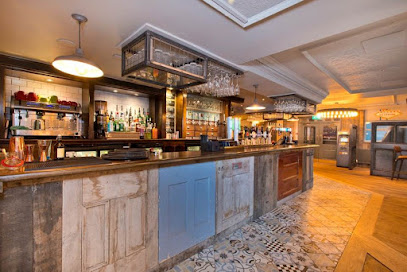
The Two Pennies
8.6 km
Quirky and welcoming bar in North Shields with great beers, lively events, and a friendly atmosphere for all to enjoy.
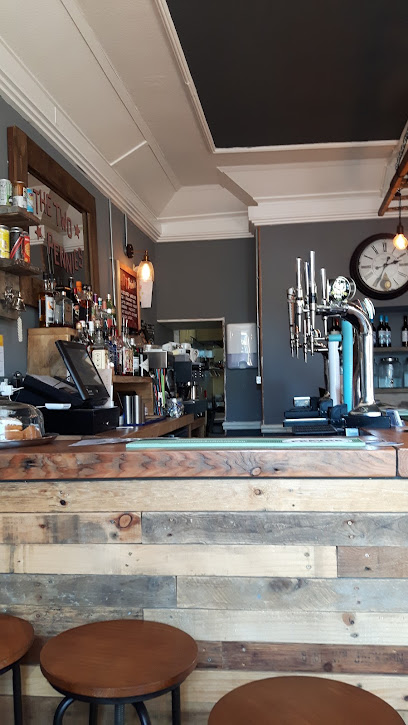
Low Lights Tavern
8.9 km
A cozy and lively pub in Tynemouth offering warm hospitality, quality drinks, and hearty meals in a charming coastal setting.
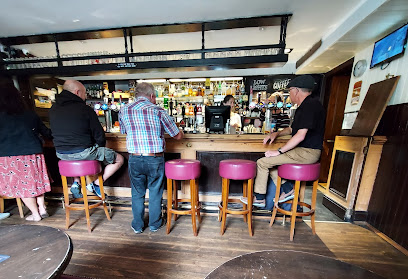
The Juke Shed
9.0 km
A vibrant Fish Quay bar renowned for live local music, affordable drinks, and a welcoming atmosphere in historic Tynemouth.
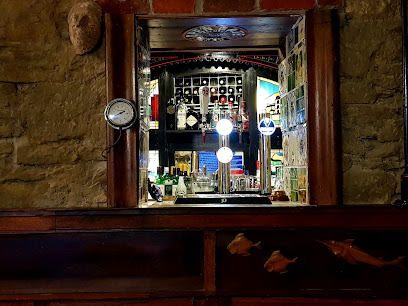
Sand Dancer
11.1 km
A vibrant coastal pub and restaurant in South Shields offering relaxed dining, live music, and family-friendly charm by the sea.
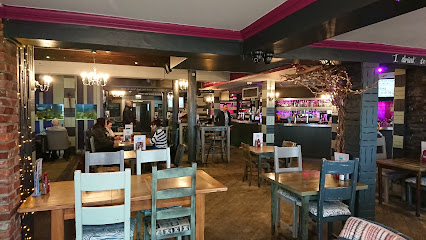
The Ridley Arms
11.1 km
A cozy Northumbrian country pub offering hearty British fare, cask ales, and a warm, welcoming atmosphere in scenic Stannington.
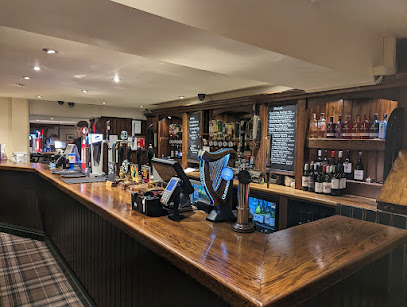
97 & Social
12.1 km
Lively Jesmond gastro bar with innovative cocktails, comfort food, and fireside charm on buzzing Osborne Road – perfect for brunches, dates, or casual nights out.
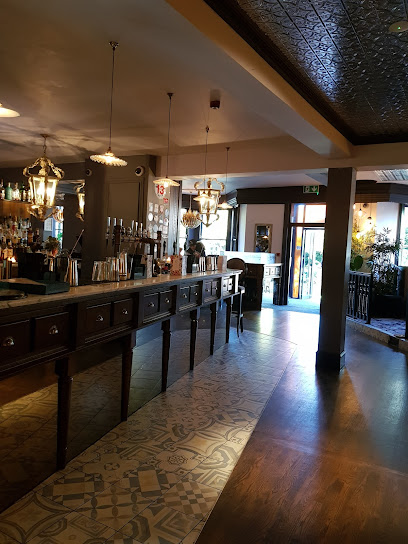
Nightclubs & after hour spots

Dance Delicious
12.1 km
Experience vibrant nightlife and modern vibes at Dance Delicious, Ashington’s premier spot for dancing and social fun.
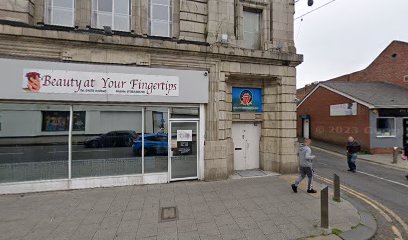
World HQ
14.1 km
A multi‑level warehouse club and arts hub in Curtis Mayfield House with a heavy sound, creative studios above and a grassroots nightlife spirit.
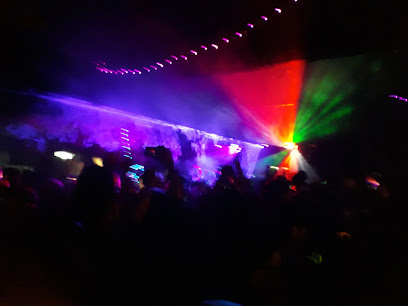
Greys Club
14.4 km
Experience Newcastle’s iconic nightlife at Greys Club, where vibrant music, a stylish terrace, and lively crowds create unforgettable late-night memories.

SOHO ROOMS | Newcastle
14.4 km
Four floors of late‑night music and cocktails in the heart of Newcastle’s city‑centre party district, favoured by students and night owls.
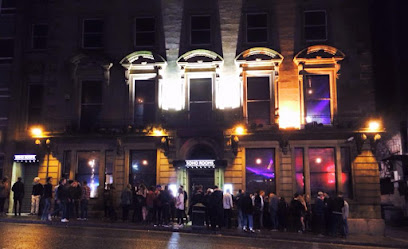
Flares - Newcastle
14.4 km
Newcastle's ultimate retro disco den: neon grooves, cheesy anthems, and non-stop dancing from 70s to 00s in the heart of the nightlife scene.
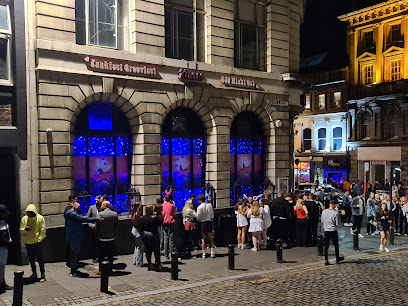
Popworld - Newcastle
14.4 km
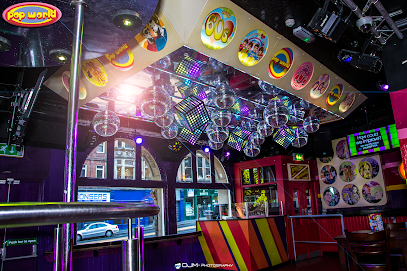
A neon-soaked pop party on Newcastle’s Bigg Market—cheap drinks, nostalgic anthems and a packed dancefloor for late-night revelry.
Sinners
14.5 km
Dive into sinfully themed nights at this affordable Newcastle nightclub, where red lights, bold art, and cheap drinks fuel the city's unbeatable party spirit.

Loca Loca | Newcastle
14.5 km
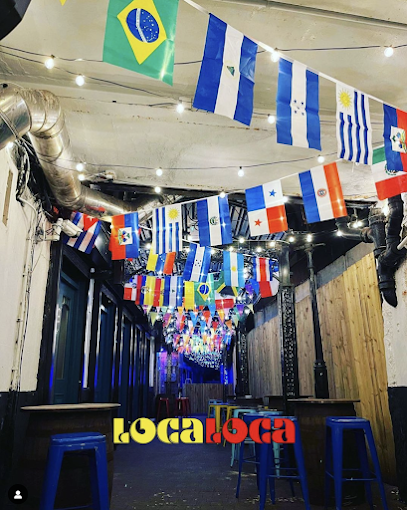
A compact, neon-lit nightclub on Groat Market serving late-night dance, chart and urban sets in an intimate city-centre setting.
TROPICANA NEWCASTLE
14.5 km
Experience Newcastle’s vibrant nightlife at Tropicana, a lively nightclub blending cocktail sophistication with energetic club beats in the city’s heart.

Cosmic Ballroom
14.5 km
Newcastle's longest-running underground club: two floors of electronic beats, guest DJs, and non-stop dancing till dawn in an intimate Stowell Street hideaway.

Tup Tup Palace
14.5 km
Experience Newcastle’s vibrant nightlife in style at Tup Tup Palace, a luxurious club blending exotic décor with pulsating beats until the early hours.
TheCUT Newcastle
14.5 km
Discover Newcastle’s vibrant alternative nightclub with themed indie, rock, and disco nights in a cozy, unpretentious setting.
Bohemia Newcastle
14.5 km
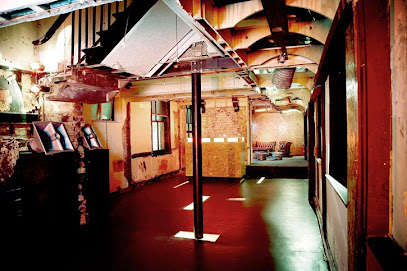
Neon-lit cocktail bar and compact club with graffiti murals, a mezzanine dance space and a sheltered courtyard terrace for late-night socialising.
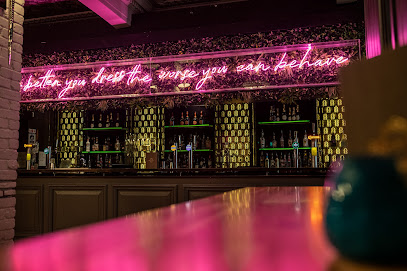
The Social Club
14.5 km
Experience Newcastle’s vibrant nightlife at The Social Club, where music, cocktails, and dancing come alive until the early hours.
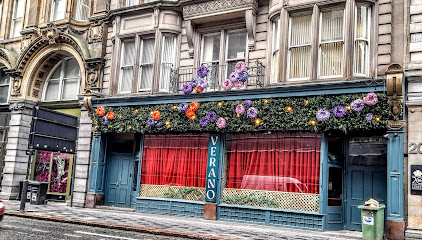
Knightrider Discos
14.6 km
Experience Morpeth’s vibrant nightlife at Knightrider Discos, where dynamic beats and lively crowds create unforgettable nights.
For the vibe & atmosphere seeker
- Historic
- Scenic
- Unique
- Tranquil
- Relaxing
For the design and aesthetic lover
- Baroque
- Historic
For the architecture buff
- Historic
- Landmarks
- Heritage Neighborhoods
- Parks & Gardens
For the view chaser and sunset hunter
- Iconic Views
- Panoramas
- Sunset Spots
For the social media creator & influencer
- Instagrammable
- Photo Spots
- Architectural Shots
For the eco-conscious traveler
- Sustainable
- Public-Transport Accessible
- Locally Managed
- Protected Area
For the kind of experience you’re after
- Cultural Heritage
- Photowalk
- Day Trip
- Weekend Getaway
- Myth & Legends
For how adventurous you want the journey to be
- Easy Access
Location Audience
- Family Friendly
- Senior Friendly
- Child Friendly
- Couple Friendly
- Solo Friendly


