
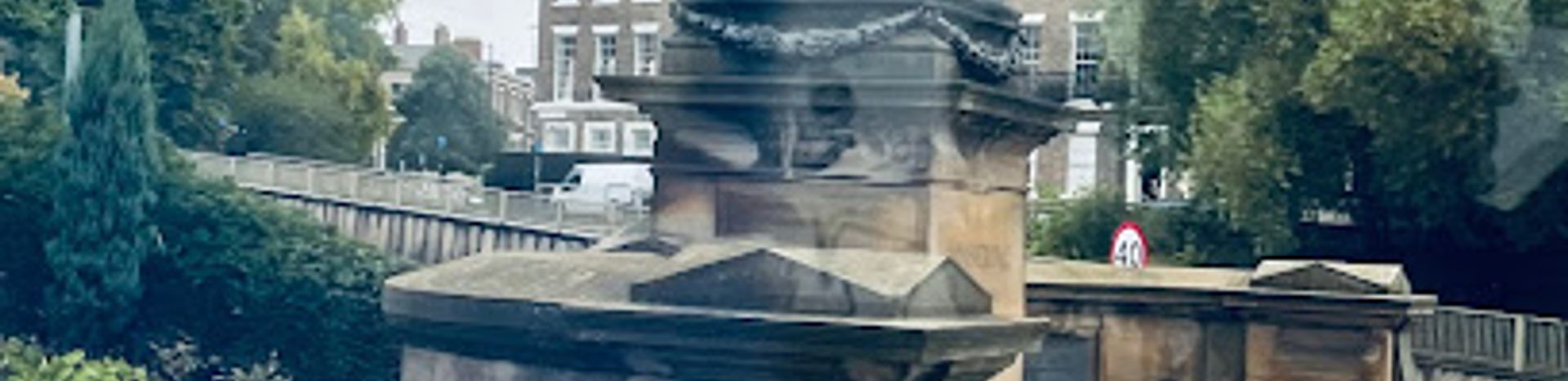
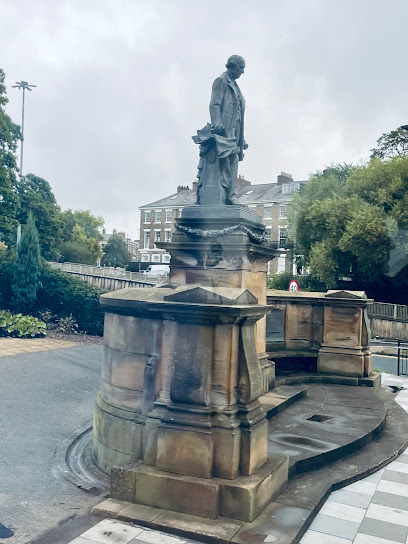
Lord Armstrong Memorial at Barras Bridge, Newcastle
A striking bronze tribute at Barras Bridge honoring Lord Armstrong’s pioneering engineering and lasting legacy in Newcastle’s industrial history.
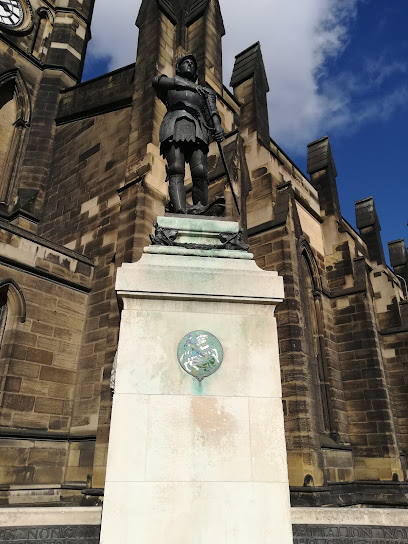
The Lord Armstrong Memorial is a distinguished bronze statue set on a sandstone pedestal outside the Great North Museum in Newcastle upon Tyne. It commemorates Lord William Armstrong, a pioneering industrialist and inventor renowned for his hydraulic engineering innovations, including the Swing Bridge and the Armstrong Gun. The memorial includes detailed bronze reliefs depicting his engineering achievements and stands as a tribute to his lasting impact on Newcastle’s industrial heritage and public institutions.
A brief summary to Lord Armstrong Memorial
- Barras Bridge, Newcastle upon Tyne, NE1 7RU, GB
- Visit website
- Duration: 0.25 to 1 hours
- Free
-
 Outdoor
- Mobile reception: 5 out of 5
Local tips
- Visit during daylight hours to fully appreciate the detailed bronze reliefs and the statue’s craftsmanship.
- Combine your visit with a tour of the nearby Great North Museum for a broader cultural experience.
- Learn about Armstrong’s other local legacies, including Jesmond Dene and the Armstrong Bridge, for a fuller understanding of his impact.

For the on-the-go comforts that matter to you
- Restrooms
- Drink Options
- Food Options
- Seating Areas
- Information Boards
Getting There
-
Metro
Take the Tyne and Wear Metro to Haymarket Station, approximately a 10 to 15-minute walk from the memorial. The Metro runs frequently with tickets costing around £2.50–£4.00 depending on time and ticket type.
-
Bus
Several local bus routes serve the Barras Bridge area, including services from Newcastle Central Station. Journey times range from 10 to 20 minutes with single fares typically costing £2–£3. Buses run regularly throughout the day.
-
Taxi
Taxis from Newcastle city center to Barras Bridge take approximately 5 to 10 minutes, depending on traffic. Expect fares around £5–£8. Taxi ranks are available at major transport hubs.
Lord Armstrong Memorial location weather suitability
-
 Any Weather
-
 Clear Skies
-
 Mild Temperatures
-
 Rain / Wet Weather
Discover more about Lord Armstrong Memorial
A Tribute to a Visionary Industrialist
The Lord Armstrong Memorial, prominently located at Barras Bridge outside the Great North Museum (formerly the Hancock Museum), honors one of Newcastle's most influential figures, Lord William Armstrong (1810–1900). This life-sized bronze statue, crafted by Sir William Hamo Thornycroft and unveiled in 1906, portrays Armstrong in a thoughtful pose, reflecting his stature as a pioneering engineer and benefactor. The statue rests on a tall sandstone pedestal designed by architect William Henry Knowles, lending an imposing presence to the memorial site.Engineering Marvels Captured in Bronze
Flanking the statue are two bronze low-relief panels that vividly illustrate Armstrong's groundbreaking contributions to hydraulic engineering and industrial manufacturing. One panel depicts the lowering of guns from Armstrong’s Elswick Works onto a ship, symbolizing his revolutionary artillery designs, including the Armstrong Gun. The other panel shows the iconic Swing Bridge over the River Tyne, a hydraulic marvel designed and funded by Armstrong himself, notable for its smooth pivoting mechanism that allowed large ships to pass upstream.Armstrong’s Enduring Legacy in Newcastle
Beyond his engineering feats, Armstrong was a generous benefactor to Newcastle. He founded and supported key institutions such as the College of Science (now Newcastle University), the Hancock Museum, and the Royal Victoria Infirmary. His philanthropy extended to gifting public spaces like Jesmond Dene and Armstrong Park, enriching the city’s cultural and natural landscape. Armstrong’s Elswick Works was a major employer, expanding from a small hydraulic machinery workshop to a vast industrial complex producing steel, ships, and munitions, employing over 20,000 workers.The Man Behind the Monument
Born in Shieldfield, Newcastle, Armstrong initially trained as a solicitor but soon pursued his passion for science and engineering. His inventions, including the hydraulic accumulator and the hydraulic crane, revolutionized industrial machinery and infrastructure. Knighted in 1859 and later ennobled as Baron Armstrong of Cragside, his influence reached far beyond Newcastle, impacting engineering worldwide. His home, Cragside, was the first house powered by hydroelectricity, showcasing his innovative spirit.Symbolism and Cultural Significance
The memorial not only celebrates Armstrong’s technical genius but also his role as a civic leader and cultural patron. His presidency of the Literary and Philosophical Society for four decades and his commitment to education and public welfare underscore his multifaceted legacy. The statue’s dignified yet approachable portrayal captures the essence of a man who combined industrial prowess with deep civic responsibility.Preservation and Recognition
The Lord Armstrong Memorial is a Grade II listed structure, recognized for its artistic and historical significance. It stands as a focal point of Newcastle’s cityscape, inviting reflection on the industrial heritage that shaped the region. The memorial continues to inspire appreciation for Armstrong’s contributions to engineering, philanthropy, and the city’s development.Iconic landmarks you can’t miss

Lord Armstrong Memorial
0.0 km
A striking bronze tribute at Barras Bridge honoring Lord Armstrong’s pioneering engineering and lasting legacy in Newcastle’s industrial history.
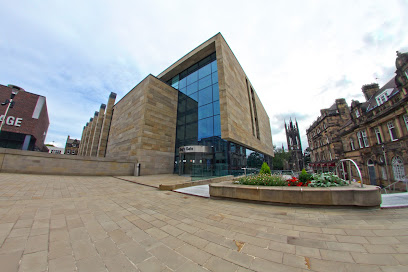
King's Gate
0.1 km
Newcastle University's contemporary student services hub with striking glazed architecture on Barras Bridge.
The Response - Renwick War Memorial
0.1 km
A powerful and historic war memorial honoring the Northumberland Fusiliers’ spirit and sacrifice in World War I, set in serene Newcastle gardens.
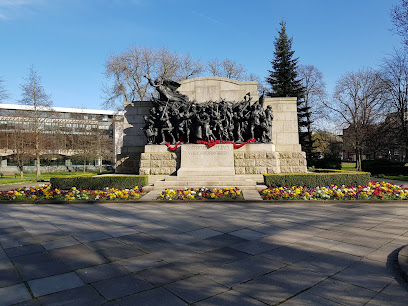
1914 Monument
0.1 km
A stirring World War I memorial in Newcastle honoring local Fusiliers with evocative bronze sculpture and historic military symbolism.
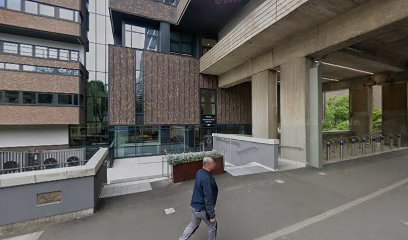
Claremont Tower
0.1 km
Modernist landmark housing humanities scholarship at Newcastle's academic heart.
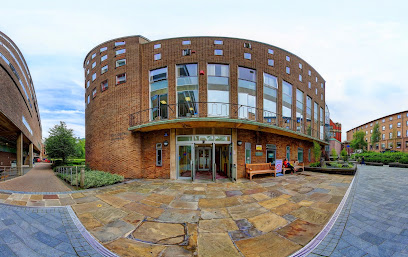
Old Library Building
0.2 km
A historic university building at the heart of Newcastle’s campus, now home to the School of Modern Languages and academic events.
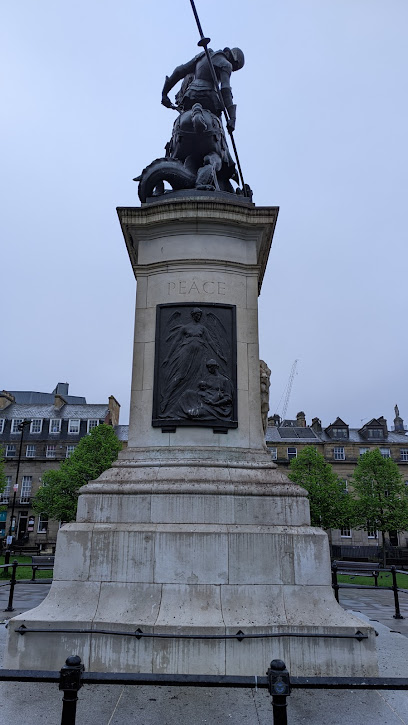
Newcastle and District War Memorial
0.6 km
A Portland stone tribute to courage, unveiled in 1923 and crowned by a bronze Saint George.
Iles Tours (Iles Group Ltd)
0.6 km
Explore Newcastle upon Tyne with Iles Tours, where expert guides unveil the city's rich history and culture through unforgettable experiences.
The Tower Cafe Ltd
0.6 km
Charming café in Newcastle’s Leazes Park, famed for vegan pizzas and a relaxed, friendly atmosphere amid scenic greenery.
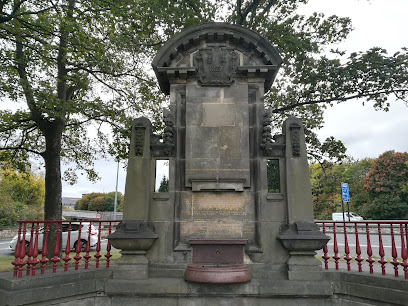
W.D.Stephens Memorial
0.6 km
Historic memorial fountain honoring Newcastle’s civic leader W.D. Stephens, symbolizing philanthropy and maritime heritage in Jesmond.
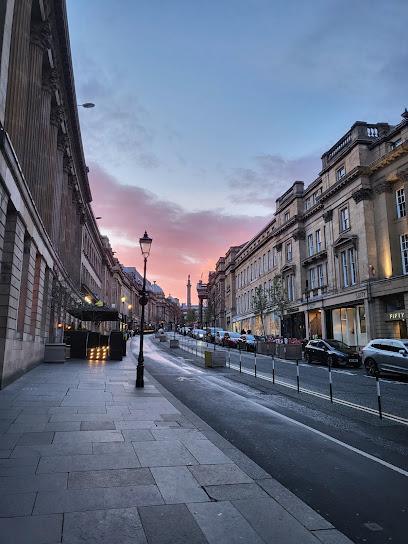
Grey St
0.8 km
Newcastle's finest street—a sweeping curve of neoclassical elegance and cultural heritage.
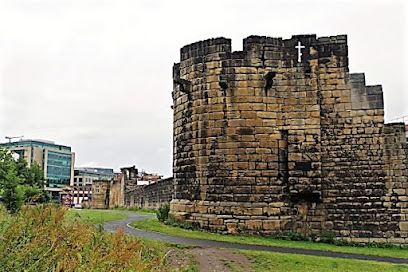
Morden Tower
0.9 km
A medieval drum tower turned iconic poetry venue, Morden Tower blends Newcastle’s rich history with vibrant cultural legacy.
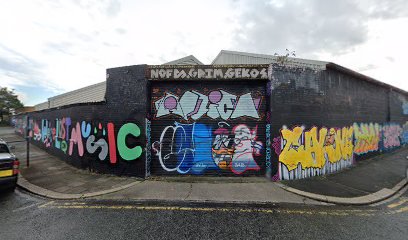
Jess moore memorial wall 23/6/17 - 7/11/19
0.9 km
Explore the Jess Moore Memorial Wall in Newcastle upon Tyne, a heartfelt tribute to love and community resilience that reflects the spirit of the local culture.
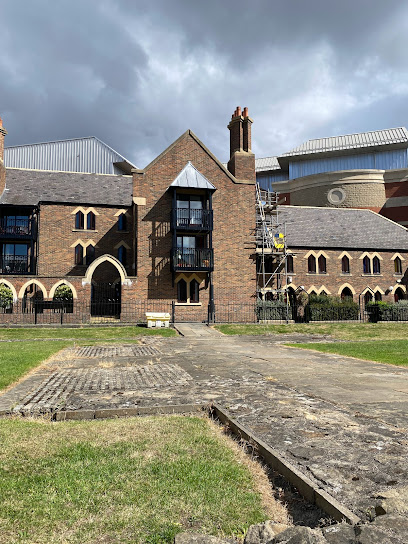
Blackfriars Medieval Friary
0.9 km
Medieval Dominican friary where kings once stayed, now a living centre of craft, culture, and cuisine.
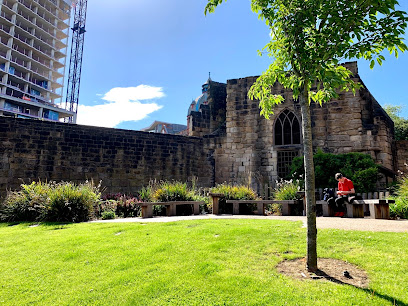
Oriental Garden
1.0 km
Experience the serene beauty of the Oriental Garden in Newcastle upon Tyne, a peaceful escape filled with lush greenery and vibrant flora.
Unmissable attractions to see

Great North Museum: Hancock
0.1 km
Discover natural wonders, ancient civilizations, and local heritage at Newcastle’s free Great North Museum: Hancock.
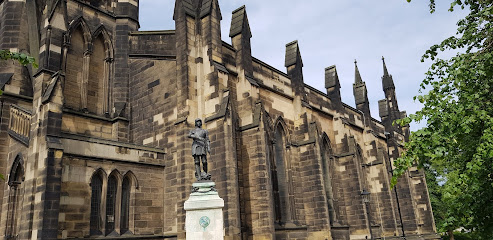
Civic Centre Gardens
0.1 km
A peaceful urban oasis blending nature, art, and heritage in the heart of Newcastle’s Civic Centre.
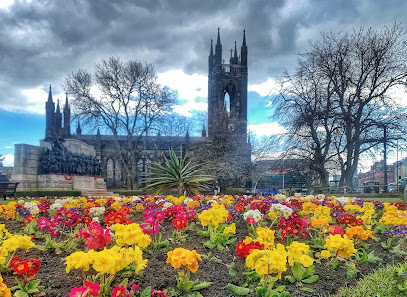
Hatton Gallery
0.1 km
Discover Newcastle’s vibrant modern art scene at Hatton Gallery, where historic charm meets contemporary creativity on a university campus.
Campus Cat
0.3 km
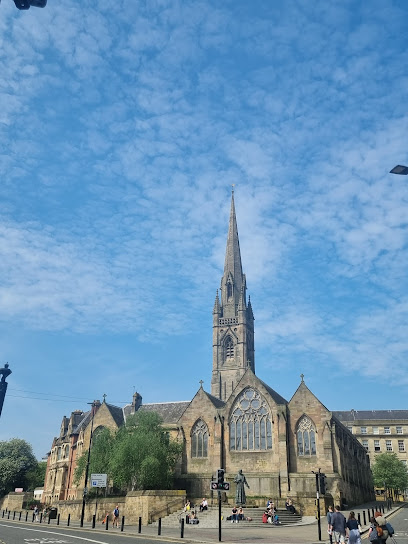
Historic Grade II listed church in Newcastle with rich non-conformist roots and stunning Victorian architecture.
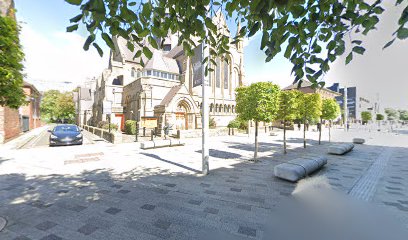
Book stack
0.4 km
A striking Gothic Revival landmark blending Newcastle’s religious heritage with modern academic life on Northumberland Road.
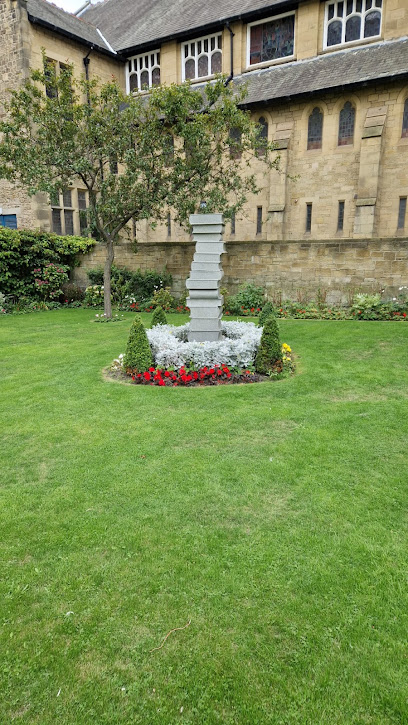
Eldon Square
0.5 km
Newcastle’s bustling city-centre shopping and dining hub with over 140 stores and 30+ eateries, welcoming all with style and inclusivity.
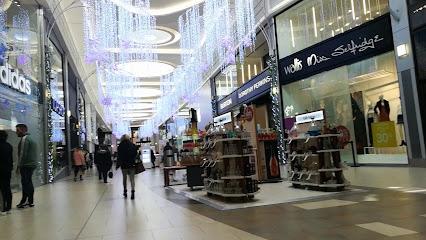
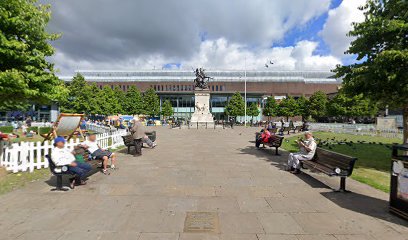
Fenwick Newcastle
0.5 km
Newcastle’s iconic five-floor department store blending historic charm, luxury shopping, and a renowned food hall in the city centre.
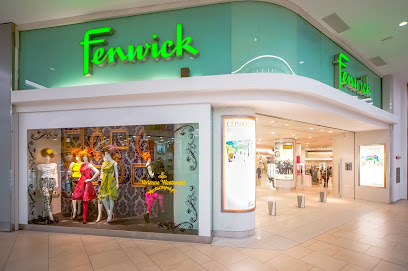
Laing Art Gallery
0.6 km
Discover Newcastle’s artistic heritage through historic and contemporary masterpieces at the Laing Art Gallery, a vibrant cultural hub in the city centre.
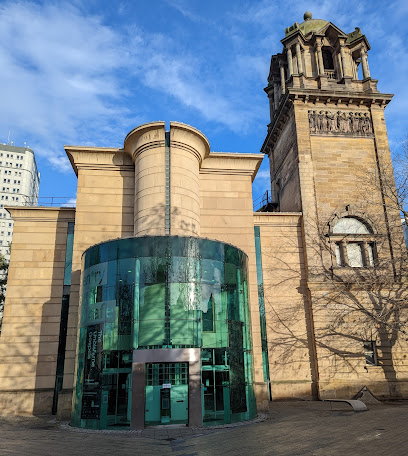
TK Maxx
0.6 km
Discover unbeatable deals on designer fashion and homeware at TK Maxx, Monument Mall’s vibrant department store in Newcastle.

Exhibition Park
0.6 km
A historic green oasis in Newcastle city centre blending Victorian charm, active recreation, and vibrant cultural events.
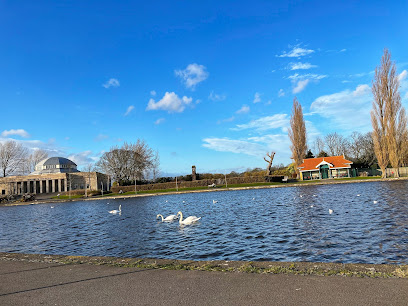
Old Eldon Square
0.6 km
Newcastle’s premier indoor shopping centre blending rich heritage with modern retail and vibrant dining under one roof.
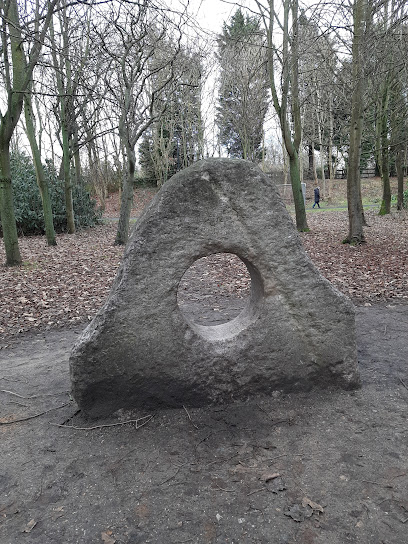
The Seeing Stone
0.6 km
Discover The Seeing Stone, a tranquil and intriguing outdoor attraction nestled in the lush parks of Newcastle upon Tyne.
Newcastle upon Tyne - City Centre
0.6 km
Discover Newcastle upon Tyne City Centre: where rich history meets vibrant urban life along the scenic River Tyne.
Leazes Park
0.6 km
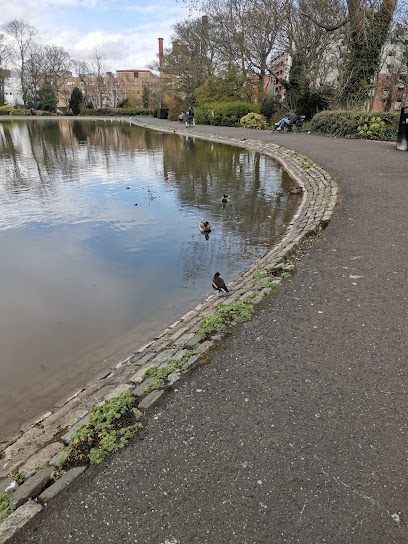
Newcastle’s oldest Victorian park, a tranquil green retreat with a scenic lake and rich heritage in the city centre.
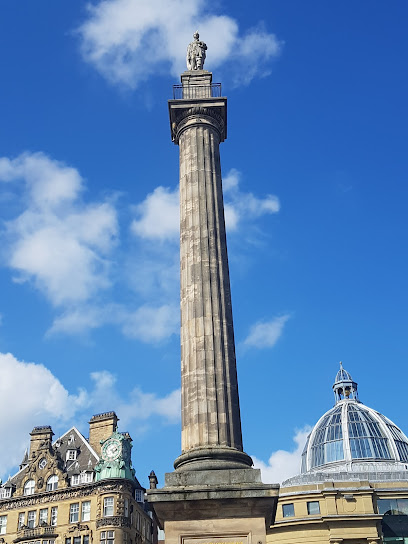
Grey's Monument
0.6 km
Discover the historic Grey's Monument in Newcastle upon Tyne, a stunning tribute to the Duke of Grey amidst the vibrant city life.
Essential places to dine

As You Like It
0.5 km
Eclectic dining and creative cocktails in Jesmond’s stylish hotspot, perfect for family meals and lively late nights.
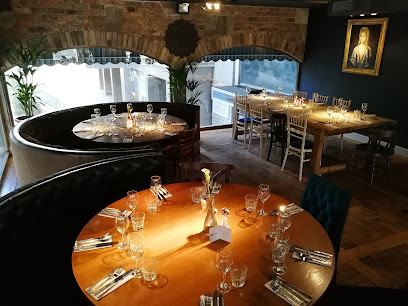
Fuego
0.5 km
Experience authentic Mediterranean tapas, Napoli-style pizzas, and vibrant cocktails in the heart of Newcastle at Fuego by Fenwick.
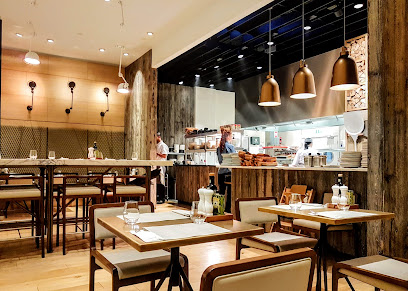
Red Mezze
0.5 km
A lively Turkish mezze restaurant in Newcastle, perfect for sharing bold flavours, grilled dishes, and a relaxed meal with friends or family.

The Botanist Newcastle
0.6 km
Discover The Botanist Newcastle: a lush botanical bar and restaurant blending inventive cocktails, seasonal food, and live music in a secret garden setting.
El Coto
0.6 km
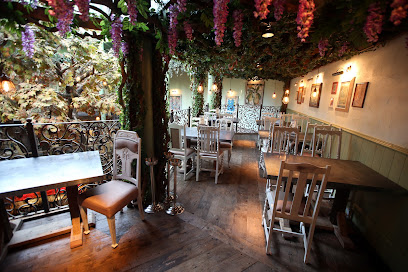
Experience authentic Spanish tapas and warm rustic charm in the heart of Newcastle at El Coto.
Chaophraya
0.6 km
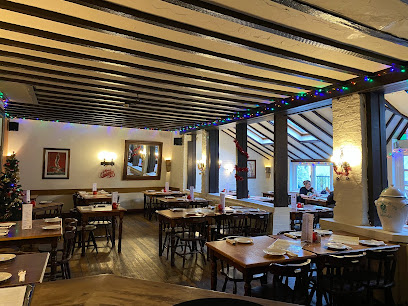
Elegant Thai dining with rooftop views over Grey’s Monument, perfect for special occasions and vibrant city experiences.
George's Fish Shack, Newcastle
0.6 km
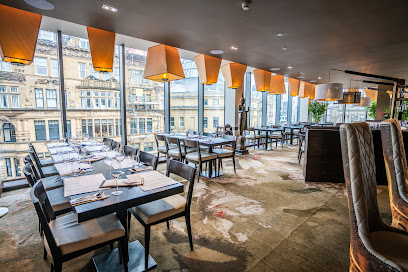
Authentic British fish and chips in the heart of Newcastle’s lively Eldon Square shopping district.
No28
0.7 km
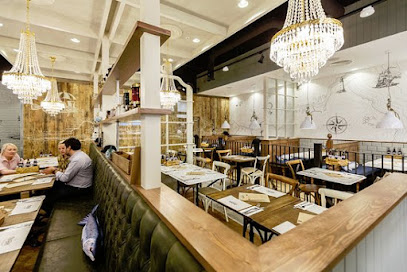
Discover the vibrant nightlife at No28 in Newcastle – where tapas meets cocktails in an unforgettable bar and nightclub experience.
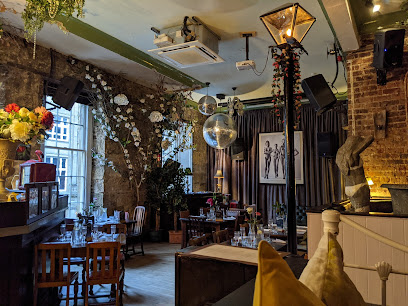
Gaucho Newcastle
0.7 km
Experience premium Argentinian steaks and vibrant South American flavors in a stylish, sophisticated Newcastle setting.
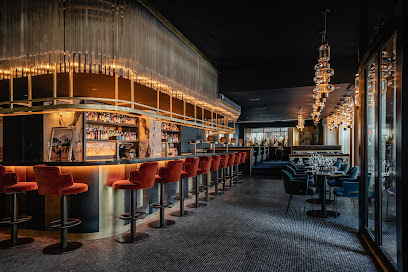
Lola Jeans
0.7 km
Lola Jeans Newcastle offers award-winning American comfort food, signature cocktails, and a vibrant, art-filled atmosphere in the city centre.
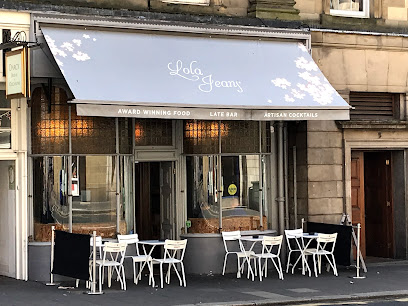
Côte Newcastle
0.8 km
Experience refined French cuisine and charming brasserie vibes in Newcastle’s vibrant city centre on historic Grainger Street.
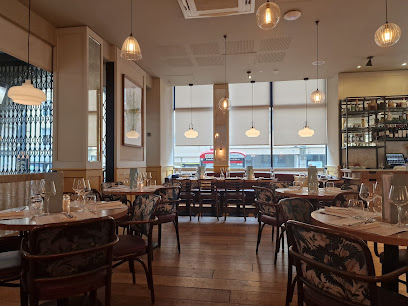
Fat Hippo Newcastle
0.8 km
Bold, creative burgers and inclusive menu options in Newcastle’s lively city centre hotspot.
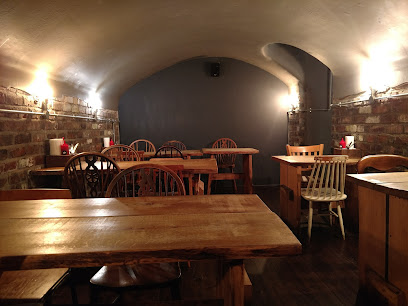
Fratello's
0.8 km
Authentic Italian dining with warm hospitality and stonebaked pizzas in the heart of Jesmond, Newcastle upon Tyne.
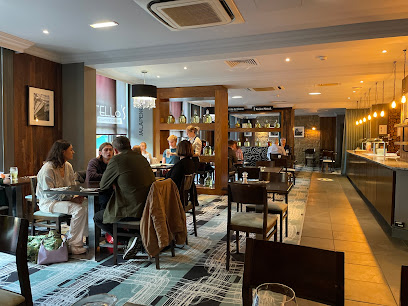
Zaap Thai Street Food Newcastle
0.8 km
Experience the vibrant flavors and lively atmosphere of Thai street food right in the heart of Newcastle’s city center.
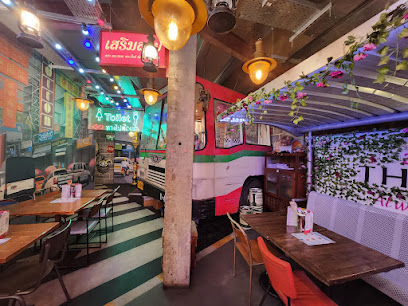
Pani's Cafe
0.8 km
Experience authentic Sardinian and Italian cuisine in the heart of Newcastle at Pani's Cafe, where tradition meets innovation.
Markets, malls and hidden boutiques

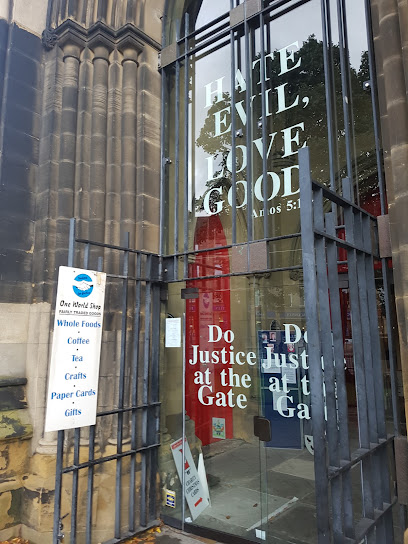
The One World Shop
0.2 km
Discover ethically sourced gifts and natural foods in a historic church setting, supporting fair trade and sustainability in Newcastle upon Tyne.
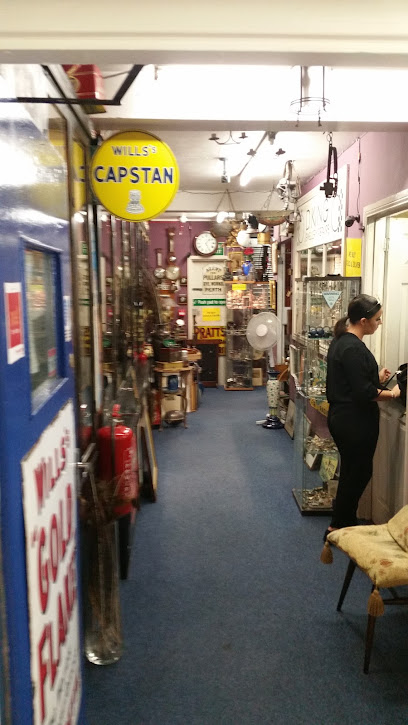
Time Antiques
0.3 km
Discover authentic antiques and collectibles with expert care at Time Antiques, a historic gem in Newcastle’s vibrant Antique Centre.
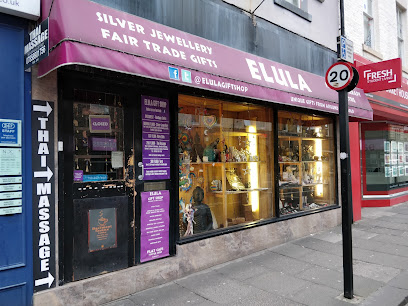
Elula
0.3 km
Discover Newcastle’s mystical gift shop offering unique jewellery, crystals, and spiritual treasures in a cozy, artistic setting with a welcoming café below.
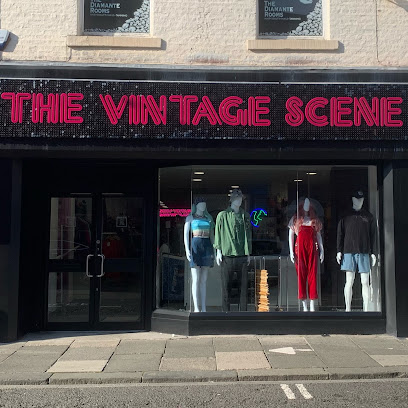
The Vintage Scene Newcastle
0.3 km
Discover timeless vintage fashion treasures at The Vintage Scene Newcastle, a curated boutique for eclectic style lovers in the city center.
The Works
0.5 km
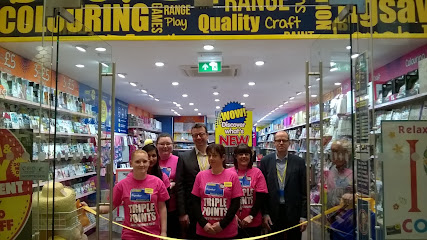
Affordable books, arts, crafts, and toys in the heart of Newcastle’s bustling Eldon Square Shopping Centre.
The Geordie Witch
0.5 km
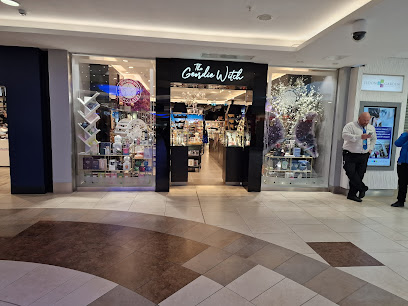
Discover unique local gifts and mystical treasures at The Geordie Witch, a charming and welcoming shop in Newcastle’s Eldon Square.
Jay's Boutique & Gifts
0.5 km
Discover bespoke tailoring and unique gifts combined in a charming boutique at Newcastle’s Upper Princess Square.
Eldon Garden Shopping Centre.
0.5 km
Discover the bustling Eldon Garden Shopping Centre in Newcastle upon Tyne, where shopping, dining, and entertainment come together in a vibrant atmosphere.
Coast
0.5 km
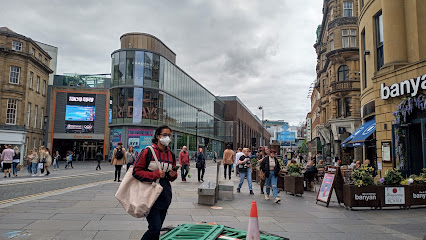
Contemporary feminine fashion and occasion wear in Newcastle's vibrant city centre shopping district.
Menkind
0.6 km
Discover quirky gifts and gadgets for men at Menkind, nestled in Newcastle’s iconic Eldon Square shopping centre.
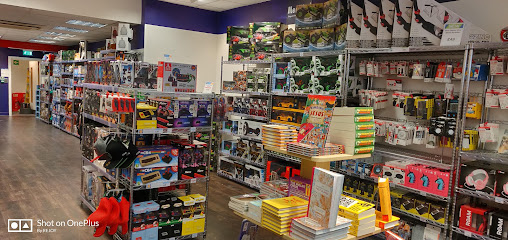
Friday Vintage
0.6 km
Award-winning vintage boutique celebrating curated fashion from the 1940s to 2000s in historic Old Eldon Square.
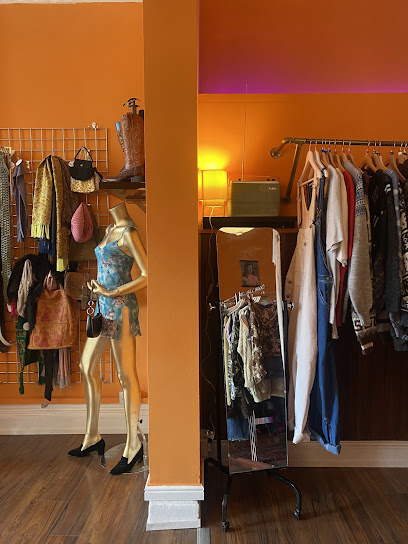
Be More Geek
0.6 km
Explore a treasure trove of pop culture collectibles and geek merchandise in the heart of Newcastle’s Eldon Square shopping centre.
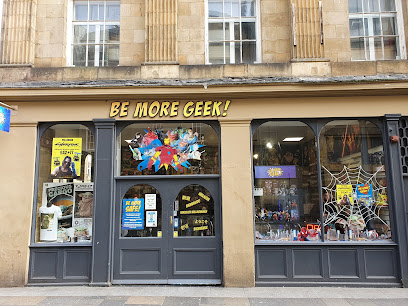
Waceland
0.7 km
Discover unique vintage and streetwear treasures in Newcastle’s iconic Central Arcade, where style meets sustainability and family values.
Urban Outfitters
0.7 km
Discover stylish fashion and eclectic homewares at Urban Outfitters Newcastle, a vibrant hub of creativity and contemporary lifestyle on Grainger Street.
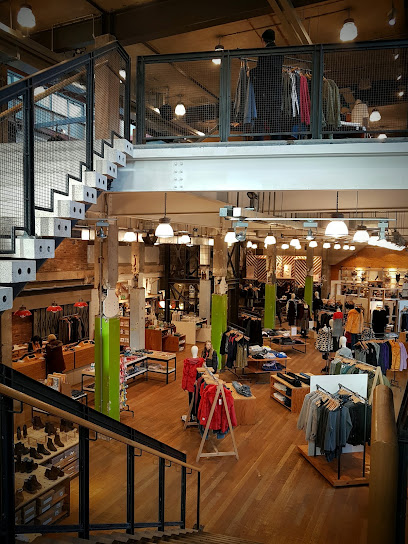
Blush
0.7 km
Discover designer elegance at Blush, Jesmond's go-to boutique for ladies' fashion and accessories on trendy Clayton Road.

Essential bars & hidden hideouts

Mean-Eyed Cat
0.4 km
A vibrant micropub in Newcastle offering an evolving selection of craft beers, ciders, and lively community events in a quirky, intimate setting.
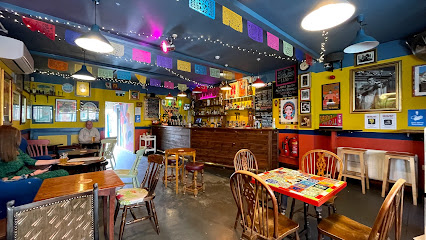
The Exchange
0.4 km
Discover The Exchange, Newcastle’s speakeasy-style cocktail bar with a cozy alcove, lively atmosphere, and expertly crafted drinks in the city center.
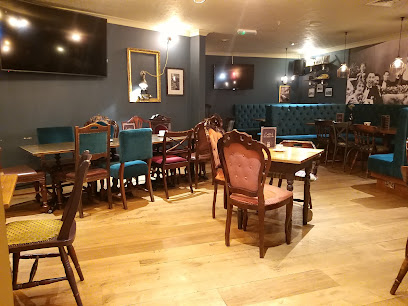
Holy Hobo
0.5 km
Jesmond's bold bar for monster burgers, craft pours, bottomless brunches, and beats till 2am—where quirky comfort meets non-stop nightlife energy.
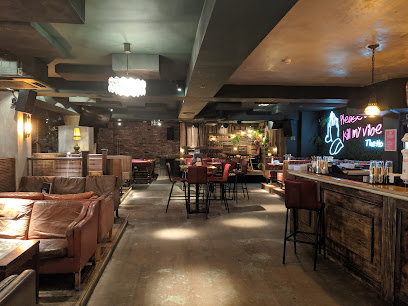
Bar Loco
0.6 km
A vibrant split-level bar in Newcastle with live music, quirky vibes, and a welcoming atmosphere for casual drinks and social nights.
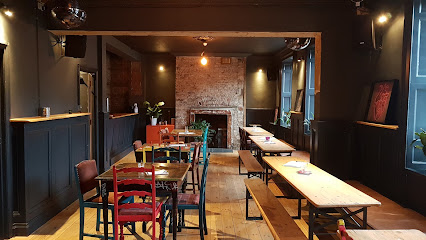
The Wobbly Duck
0.6 km
A cozy, quirky micropub in Newcastle’s Old Eldon Square, famed for its eclectic ales and welcoming atmosphere.
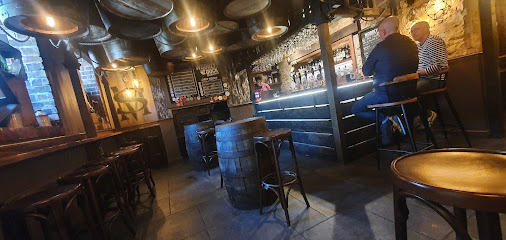
The Collingwood Arms under new management
0.7 km
A traditional Jesmond pub with long bar, local prints, lively evenings and a straightforward menu that suits regulars and visitors alike.
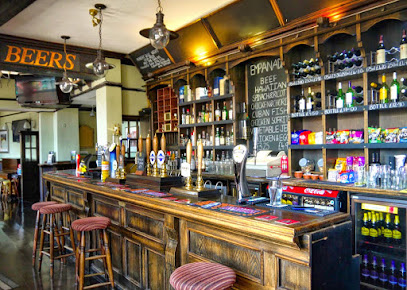
The Alchemist Newcastle
0.7 km
Experience Newcastle’s premier cocktail laboratory with dramatic drinks, creative dining, and a captivating gothic atmosphere in Eldon Square.
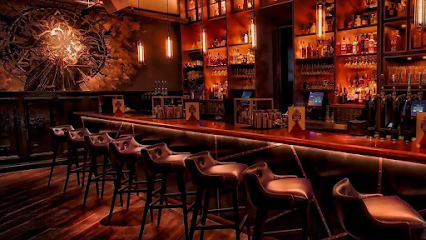
Bealim House
0.7 km
Newcastle’s unique gin distillery, bar, and eatery blending industrial heritage with vibrant social dining and exceptional gin experiences.
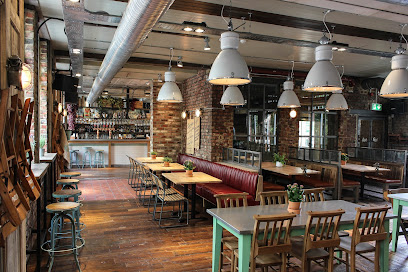
Lady Greys
0.8 km
Cozy, classic Newcastle pub with excellent real ales, friendly staff, and a lively late-night atmosphere on Shakespeare Street.
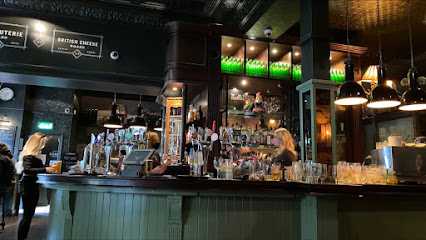
Duke Of Northumberland (The Clock)
0.8 km
A welcoming Geordie pub in Newcastle city center, offering traditional fare, seasonal ales, and lively weekend music nights in a cozy setting.
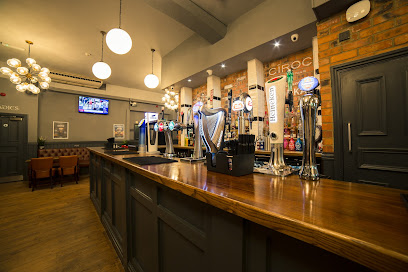
The Market Lane
0.8 km
Affectionately the 'Monkey Bar,' this Pilgrim Street pub pours quality pints and fosters lively vibes with sports screens, live music, and classic British charm in Newcastle's heart.
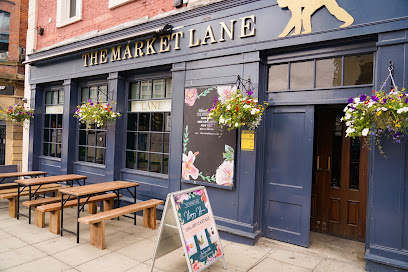
The WonderBar
0.8 km
A lively Newcastle venue combining interactive darts, live music, great food, and sports viewing under one vibrant roof.
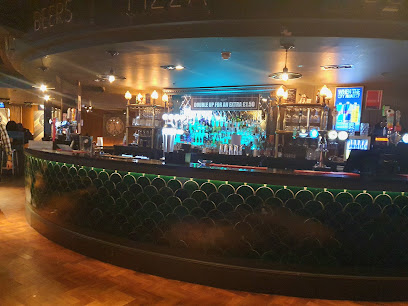
Alvinos Bar
0.9 km
A lively Italian-owned bar in Newcastle with creative cocktails, craft brews, live DJs, and a welcoming multi-floor setting on Pilgrim Street.
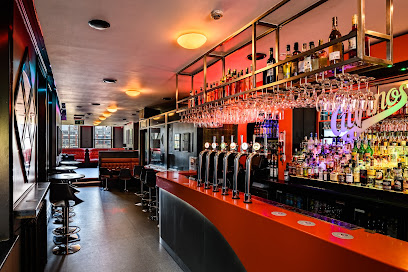
All Bar One Newcastle
0.9 km
Stylish Grey Street bar serving coffee by day and cocktails by night, with tapas and wines in Newcastle's buzzing heart.
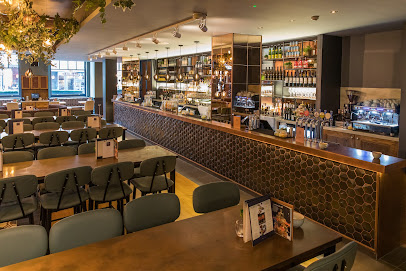
The Mushroom Bar
0.9 km
A compact, budget-friendly club-bar on Grainger Street that keeps late-night DJs, drink deals and a party crowd at its heart.
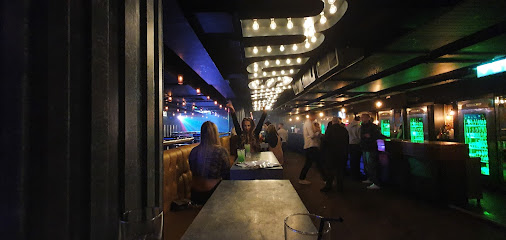
Nightclubs & after hour spots

World HQ
0.8 km
A multi‑level warehouse club and arts hub in Curtis Mayfield House with a heavy sound, creative studios above and a grassroots nightlife spirit.
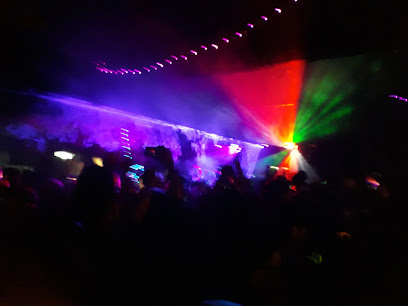
Sinners
0.9 km
Dive into sinfully themed nights at this affordable Newcastle nightclub, where red lights, bold art, and cheap drinks fuel the city's unbeatable party spirit.
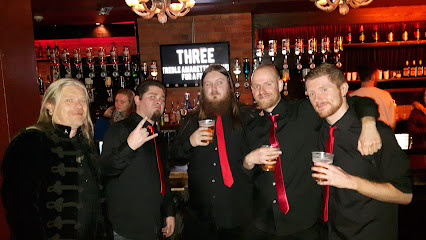
Cosmic Ballroom
0.9 km
Newcastle's longest-running underground club: two floors of electronic beats, guest DJs, and non-stop dancing till dawn in an intimate Stowell Street hideaway.
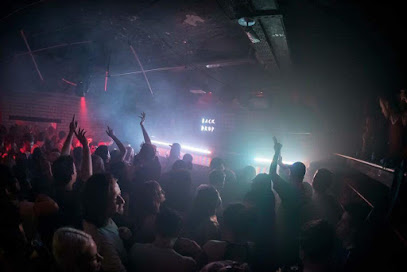
Popworld - Newcastle
0.9 km
A neon-soaked pop party on Newcastle’s Bigg Market—cheap drinks, nostalgic anthems and a packed dancefloor for late-night revelry.
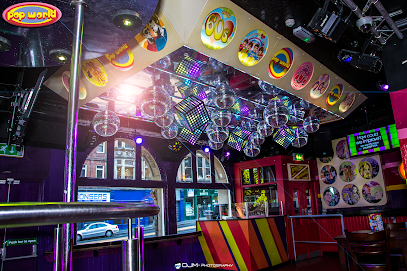
Greys Club
0.9 km
Experience Newcastle’s iconic nightlife at Greys Club, where vibrant music, a stylish terrace, and lively crowds create unforgettable late-night memories.
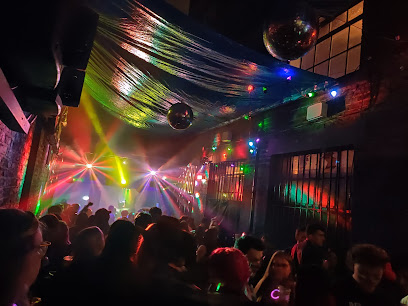
SOHO ROOMS | Newcastle
1.0 km
Four floors of late‑night music and cocktails in the heart of Newcastle’s city‑centre party district, favoured by students and night owls.
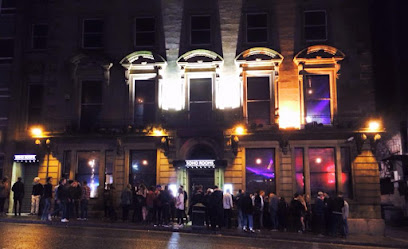
Flares - Newcastle
1.0 km
Newcastle's ultimate retro disco den: neon grooves, cheesy anthems, and non-stop dancing from 70s to 00s in the heart of the nightlife scene.
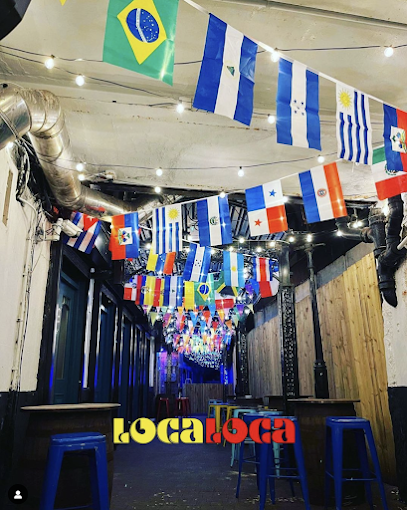
Loca Loca | Newcastle
1.0 km
A compact, neon-lit nightclub on Groat Market serving late-night dance, chart and urban sets in an intimate city-centre setting.
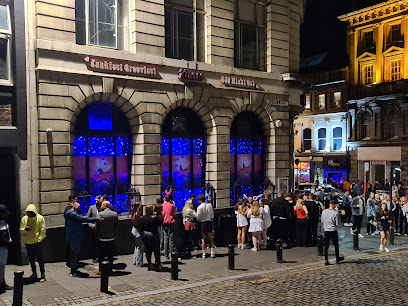
TROPICANA NEWCASTLE
1.0 km
Experience Newcastle’s vibrant nightlife at Tropicana, a lively nightclub blending cocktail sophistication with energetic club beats in the city’s heart.
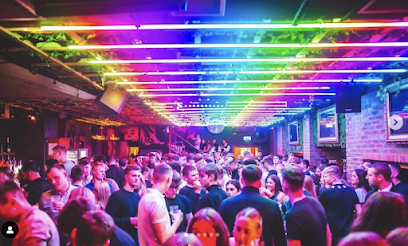
Bohemia Newcastle
1.1 km
Neon-lit cocktail bar and compact club with graffiti murals, a mezzanine dance space and a sheltered courtyard terrace for late-night socialising.
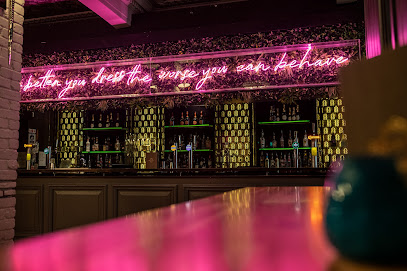
The Social Club
1.1 km
Experience Newcastle’s vibrant nightlife at The Social Club, where music, cocktails, and dancing come alive until the early hours.
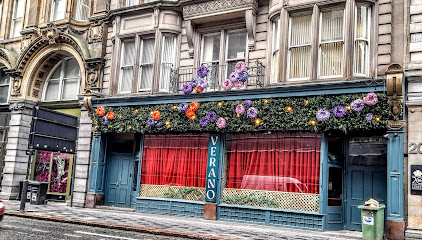
Tup Tup Palace
1.1 km
Experience Newcastle’s vibrant nightlife in style at Tup Tup Palace, a luxurious club blending exotic décor with pulsating beats until the early hours.
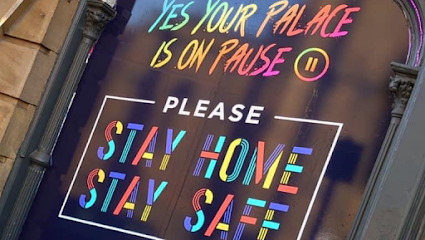
TheCUT Newcastle
1.1 km
Discover Newcastle’s vibrant alternative nightclub with themed indie, rock, and disco nights in a cozy, unpretentious setting.
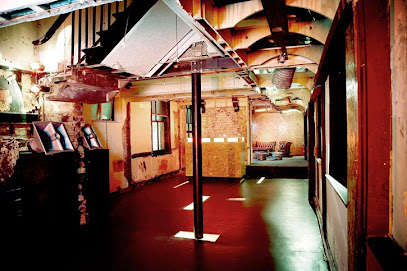
Powerhouse
1.4 km
Newcastle’s iconic four-floor nightclub blending rich LGBTQ+ history with vibrant, inclusive nightlife and dynamic music scenes.
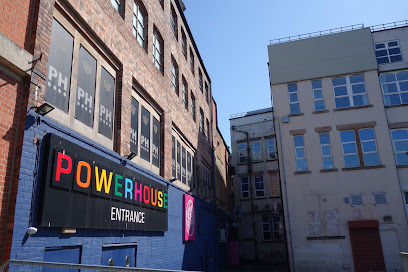
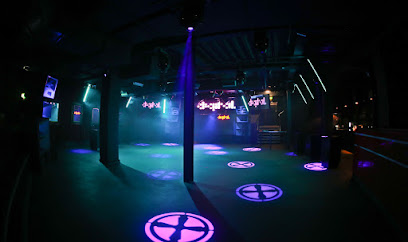
Digital
1.4 km
Experience cutting-edge nightlife with superior sound and vibrant energy at Digital, Newcastle’s premier clubbing destination in Times Square.
For the vibe & atmosphere seeker
- Historic
- Scenic
- Tranquil
- Unique
For the design and aesthetic lover
- Vintage Styles
For the architecture buff
- Historic
- Landmarks
- Art & Design
For the view chaser and sunset hunter
- Iconic Views
For the social media creator & influencer
- Instagrammable
- Photo Spots
- Architectural Shots
For the eco-conscious traveler
- Public-Transport Accessible
For the kind of experience you’re after
- Cultural Heritage
- Photowalk
- Day Trip
For how adventurous you want the journey to be
- Easy Access
Location Audience
- Family Friendly
- Senior Friendly
- Child Friendly
- Teen Friendly
- Wheelchair Access
- Solo Friendly
- Couple Friendly
- Solo Female Friendly


