
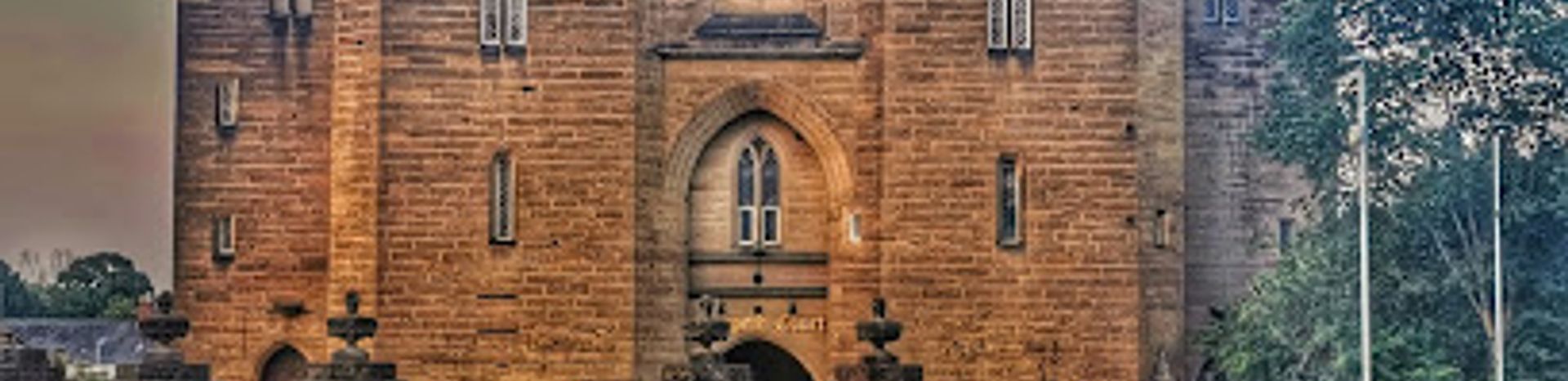
Morpeth Clock Tower: A Historic Medieval Landmark in Northumberland
Historic medieval clock tower in Morpeth’s Market Place, famed for its ancient bells and enduring community heritage.
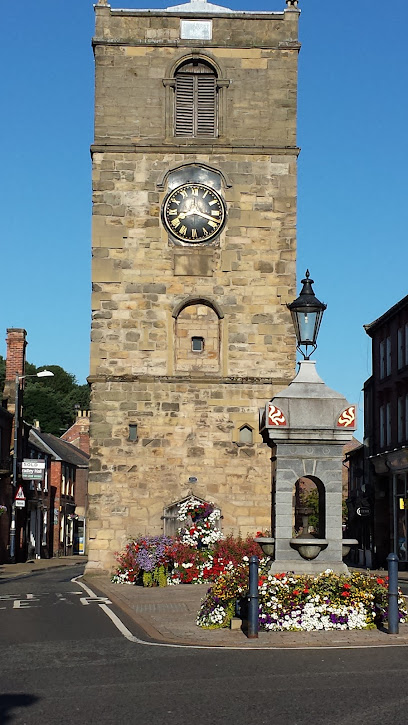
The Morpeth Clock Tower, standing 60 feet tall in the heart of Morpeth’s Market Place, is a Grade II* listed medieval stone structure built between 1604 and 1634. Constructed from recycled stones likely sourced from Newminster Abbey, it features thick walls and a belfry added in 1706 to house six historic bells. The tower has served diverse roles, including a prison and meat store, and remains a cherished symbol of Morpeth’s heritage and community identity.
A brief summary to Morpeth Clock Tower
- 2-4 Oldgate, Morpeth, NE61 1LT, GB
- Visit website
- Duration: 0.5 to 1.5 hours
- Free
-
 Outdoor
- Mobile reception: 4 out of 5
Local tips
- Visit during Morpeth’s market days, especially Wednesdays, to experience the tower amid vibrant local stalls and lively crowds.
- For quieter, more contemplative photos, come early in the morning when the Market Place is serene and the light is soft.
- Explore nearby Carlisle Park for picturesque views and a peaceful setting to admire the tower from a distance.
- Learn about the unique history of the bells and the local saying ‘Berwick Bells are heard in Morpeth’ to enrich your visit.

For the on-the-go comforts that matter to you
- Restrooms
- Food Options
- Drink Options
- Seating Areas
- Information Boards
Getting There
-
Bus
Take the Arriva North East bus services to Morpeth Bus Station, located about 1.5 km from the Clock Tower. From there, it’s a 20-minute walk through the town centre. Bus fares typically range from £3 to £5 one way, with frequent services throughout the day.
-
Train
Arrive at Morpeth Railway Station on the East Coast Main Line. The station is approximately 1.8 km from the Clock Tower, a 25-minute walk along accessible pavements. Taxi rides from the station cost around £6 to £8.
-
Car
Drive to Morpeth town centre where several public car parks are available, including free disc parking nearby. Parking fees vary but many offer free parking for short stays. Note that Market Place can be busy on market days, so plan accordingly.
Morpeth Clock Tower location weather suitability
-
 Any Weather
-
 Rain / Wet Weather
-
 Clear Skies
-
 Mild Temperatures
Discover more about Morpeth Clock Tower
Origins and Architectural Heritage
The Morpeth Clock Tower is a striking historical monument built over three decades from 1604 to 1634. Its construction utilized medieval stone, probably reclaimed from the nearby dissolved Newminster Abbey, lending the tower an appearance older than its actual age. The tower rises to about 60 feet (18 meters) with impressively thick walls measuring approximately 3 feet 6 inches, reflecting the robust building techniques of the era. Situated prominently off the Market Place, it stands near other notable structures such as the Morpeth Town Hall and the YMCA, anchoring the town’s historic core.The Bells and the Belfry’s Story
In 1706, a belfry was added atop the tower to accommodate a peal of six bells cast by Richard Phelps of the Whitechapel Bell Foundry. These bells carry a unique local story: originally intended for the Parish Church of Berwick-upon-Tweed, they were redirected to Morpeth following a political shift involving Major General Edmund Maine, MP for Morpeth. This history gave rise to the local saying, "Berwick Bells are heard in Morpeth." The bells are among the oldest original town bells in the UK and have chimed a nightly curfew at 8 PM for over three centuries. They were recast and rehung in 1951 to commemorate the Festival of Britain, preserving their sound and tradition.Functional Roles Through the Centuries
Beyond its role as a clock tower, the structure has served various community functions. At one time, it operated as a prison until 1802 and was also used as a meat store. These diverse uses highlight the tower’s integral role in the town’s daily life and governance over centuries. Despite these functional changes, the tower has retained its architectural integrity and continues to be a visible emblem of Morpeth’s history.Symbolism and Preservation Status
The Morpeth Clock Tower is recognized as a Grade II* listed building, marking it as a particularly important historic structure warranting preservation. It is also a Scheduled Ancient Monument, underscoring its archaeological and cultural significance. Its enduring presence in the Market Place makes it a central point of reference and a symbol of Morpeth’s heritage, community identity, and continuity across generations.Visitor Experience and Visual Appeal
While the tower is not open for interior tours, its exterior offers a compelling glimpse into the past. Visitors can admire the medieval stonework and the elegant proportions of the clock and belfry. The tower serves as a focal point for local events and market days, where its historic charm complements the lively atmosphere. Nearby Carlisle Park provides scenic views of the tower, enhancing the visitor experience with a blend of natural and architectural beauty.Community and Cultural Significance
For over 300 years, the clock tower’s bells have marked the curfew, a tradition that connects the present-day town with its historical rhythms. The tower’s role as a custodian of this bellringing tradition continues through local bellringers who maintain the English full-circle style ringing. As a centerpiece of Morpeth’s Market Place, the tower fosters a sense of place and continuity, linking residents and visitors alike to the town’s rich cultural tapestry.Iconic landmarks you can’t miss

Morpeth Clock Tower
0.0 km
Historic 17th-century clock tower in Morpeth, crafted from medieval stone, featuring a storied belfry and iconic bells with deep local roots.
Search Northumberland, Things to do in Northumberland
8.2 km
Discover the enchanting landscapes, rich heritage, and vibrant culture of Northumberland, the perfect destination for adventure and relaxation.
Westmorland Way
11.0 km
Explore Cramlington from Westmorland Way, your convenient bus stop for seamless access to local attractions and amenities.

Hunkleton stone
11.4 km
A majestic glacial erratic on Newbiggin Beach, symbolizing natural history and community spirit in Northumberland’s coastal town.
Hole in The Wall
13.6 km
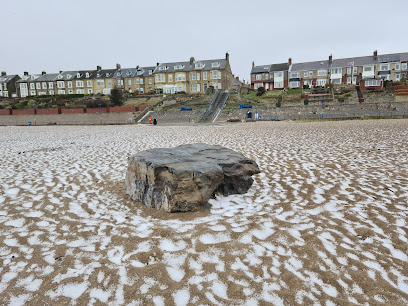
Historic coastal landmark in Blyth featuring a unique hole framing stunning beach views and easy beach access.
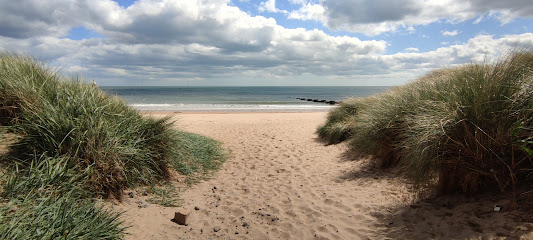
Jesmond Dene Mill
19.6 km
Historic Jesmond Dene Mill ruins nestled beside a scenic waterfall in Newcastle’s tranquil Victorian woodland park.
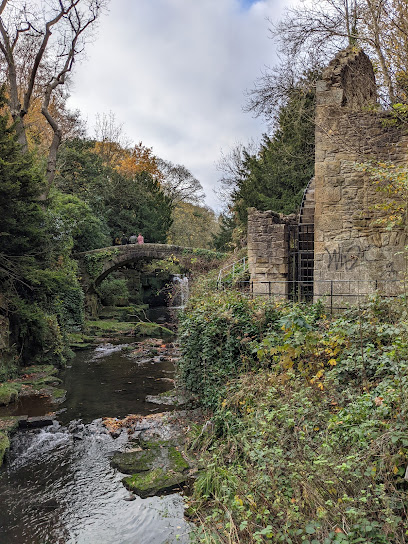
Saint Mary's Well
20.4 km
Discover Saint Mary's Well, a serene historic pilgrimage site in Jesmond, Newcastle, famed for its healing waters and medieval sacred legacy.
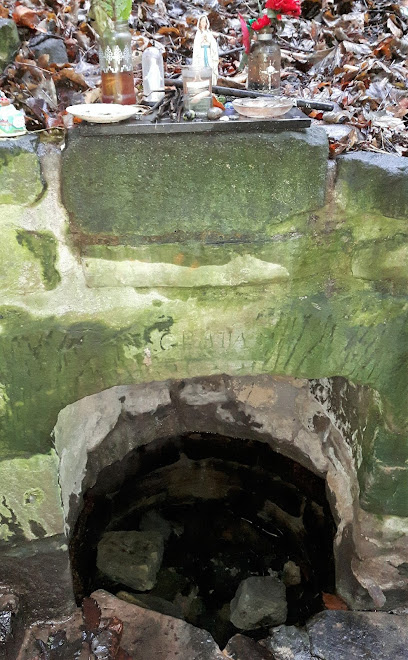
Warkworth Hermitage
20.4 km
A medieval chapel carved into riverside cliffs, accessible only by boat—where history and legend intertwine.
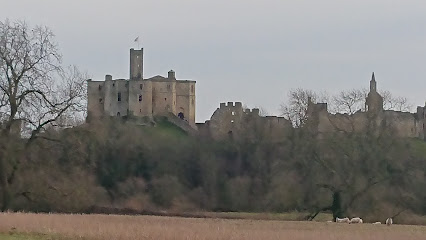
W.D.Stephens Memorial
20.8 km
Historic memorial fountain honoring Newcastle’s civic leader W.D. Stephens, symbolizing philanthropy and maritime heritage in Jesmond.
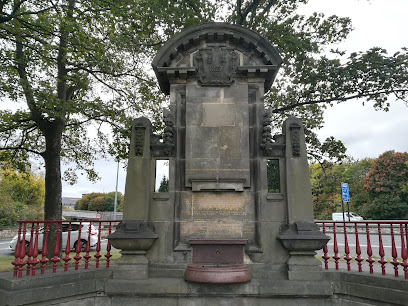
Old Library Building
21.3 km
A historic university building at the heart of Newcastle’s campus, now home to the School of Modern Languages and academic events.
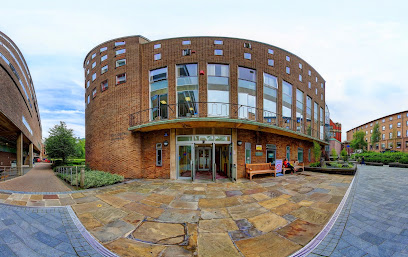
The Tower Cafe Ltd
21.4 km
Charming café in Newcastle’s Leazes Park, famed for vegan pizzas and a relaxed, friendly atmosphere amid scenic greenery.
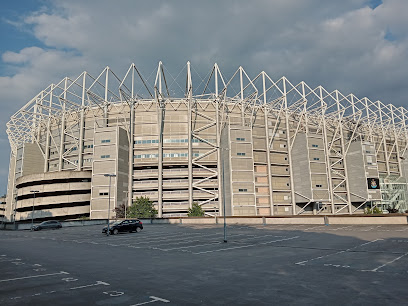
Claremont Tower
21.4 km
Modernist landmark housing humanities scholarship at Newcastle's academic heart.
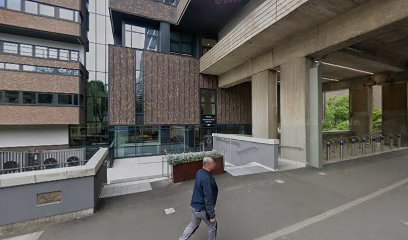
King John's Palace
21.4 km
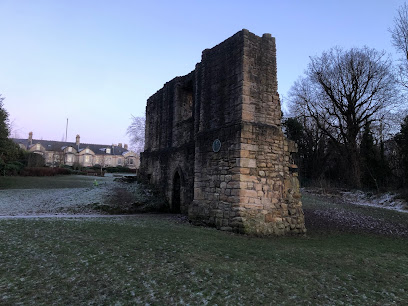
Explore the fortified ruins of a 13th-century manor house in Newcastle’s Heaton Park, steeped in medieval history and royal intrigue.
Lord Armstrong Memorial
21.5 km
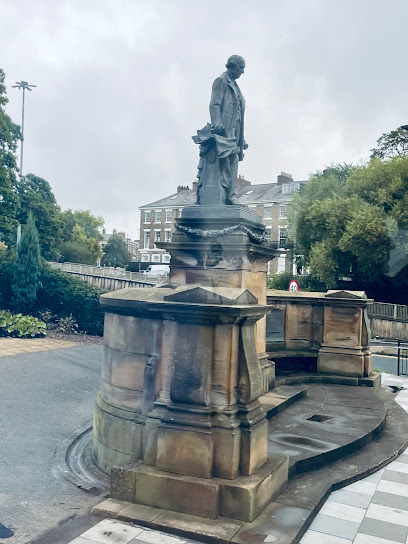
A striking bronze tribute at Barras Bridge honoring Lord Armstrong’s pioneering engineering and lasting legacy in Newcastle’s industrial history.
King's Gate
21.6 km
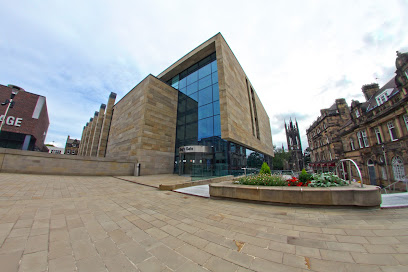
Newcastle University's contemporary student services hub with striking glazed architecture on Barras Bridge.
Unmissable attractions to see

Fannies Emporium Antique Centre
0.4 km
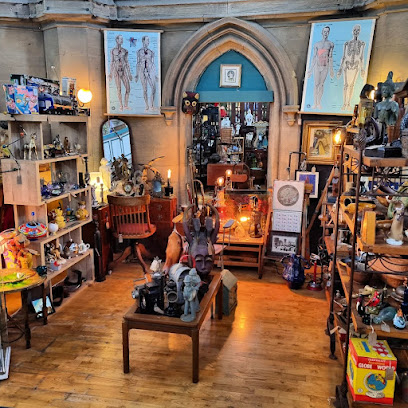
Explore a vast, historic antique centre in Morpeth with unique treasures, friendly staff, and a welcoming, dog-friendly atmosphere.
Asda Ashington Superstore
7.8 km
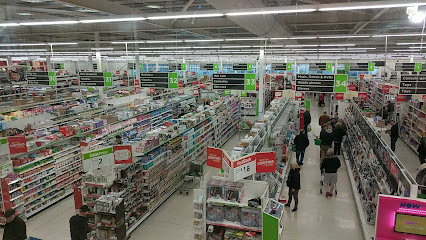
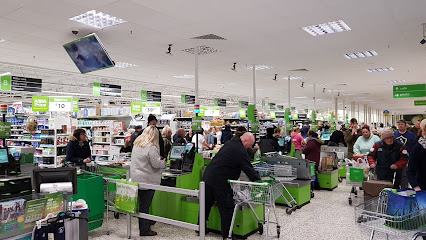
A comprehensive retail destination in Ashington offering groceries, pharmacy, cafe, clothing, and petrol services with extended daily hours.
Whalton Manor Gardens Northumberland
7.9 km
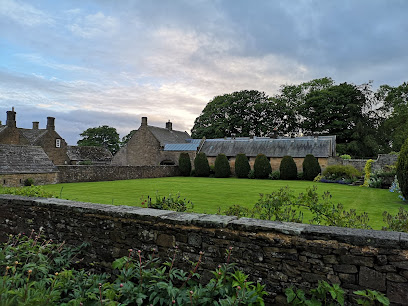
Explore the exquisite 3-acre historic garden at Whalton Manor, a rare Lutyens and Jekyll masterpiece nestled in Northumberland’s tranquil countryside.
Woodhorn Museum
9.5 km
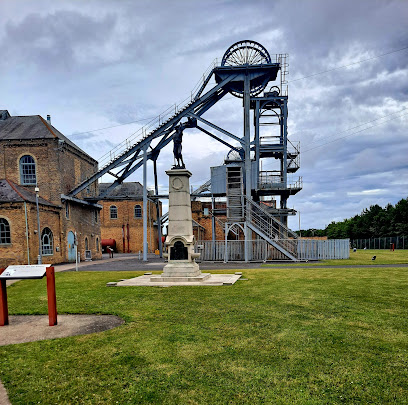
Explore Northumberland’s mining heritage and vibrant art scene at Woodhorn Museum, set in a historic colliery within QEII Country Park.
Northumbrian Gifts
9.7 km
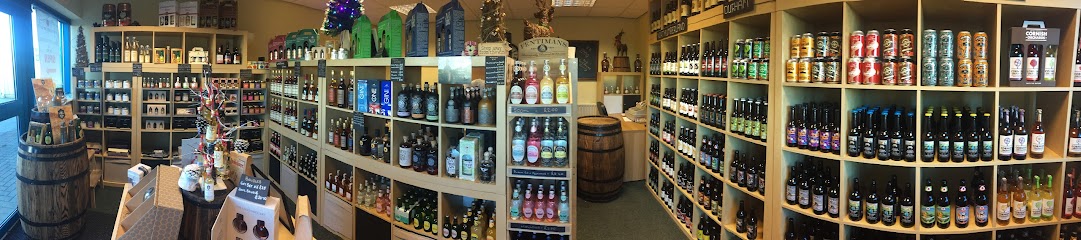
Discover Northumberland’s finest artisan spirits, craft beers, and unique gift hampers in the heart of Ashington.
Asda Blyth Superstore
9.7 km
A comprehensive and convenient shopping destination in Blyth offering groceries, clothing, pharmacy, café, and more with extended daily hours.
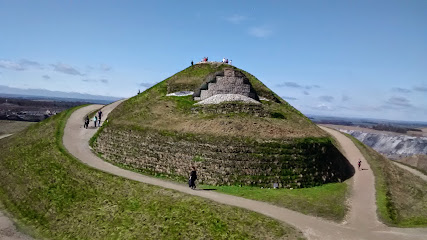
Northumberlandia
9.9 km
Explore Northumberlandia, a monumental earth sculpture blending art, nature, and stunning countryside views near Cramlington.
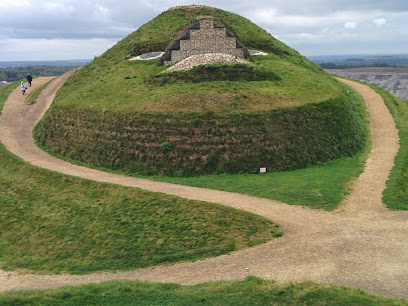
Northumberlandia (Lady of the North)
9.9 km
Explore Northumberlandia, a monumental living sculpture blending art, nature, and heritage in the heart of Northumberland’s reclaimed landscape.
Kirkley Hall Zoological Gardens
9.9 km
Discover over 150 species and immersive animal experiences at Kirkley Hall Zoological Gardens, a family-friendly educational zoo near Newcastle.
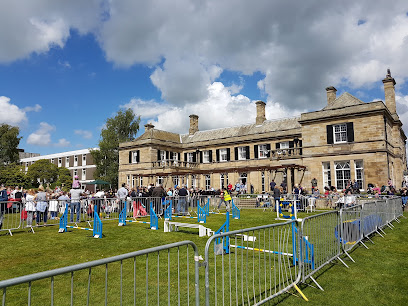
Northumberland Zoo
11.7 km
Discover Northumberland Zoo’s family-run wildlife sanctuary with rare species, immersive keeper talks, and scenic rural charm near Morpeth.
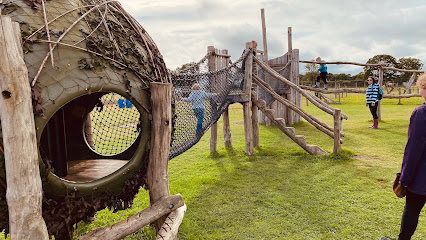
Co-op Food - Newbiggin Central - Front Street
11.7 km
Your friendly local Co-op Food on Front Street, Newbiggin-by-the-Sea, open daily for all your convenience shopping needs.
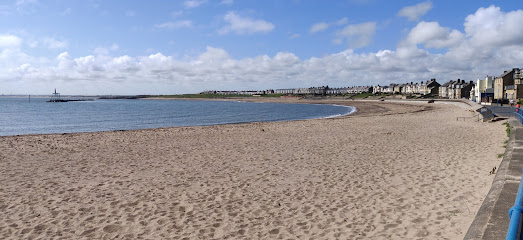
Bolam Lake Country Park
12.4 km
A tranquil Northumberland haven with accessible lakeside trails, abundant wildlife, and a welcoming visitor centre for all ages and abilities.
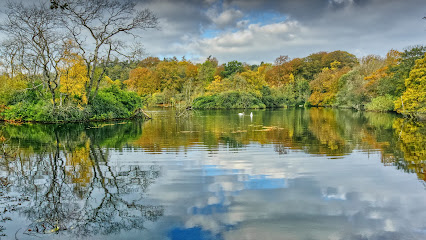
Belsay Hall, Castle and Gardens
13.3 km
Explore a unique blend of Greek revival architecture, medieval castle ruins, and breathtaking Grade I listed gardens carved from an ancient quarry.
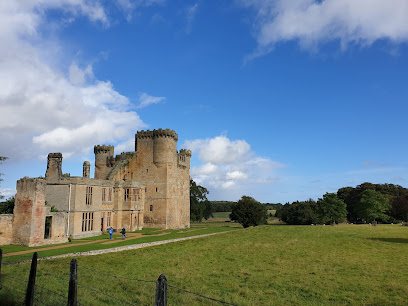
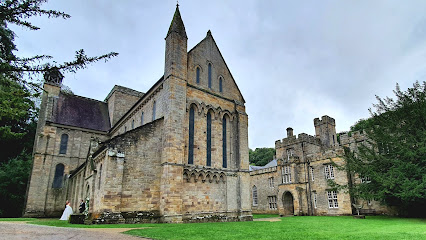
Brinkburn Priory and Manor House
14.9 km
Discover the serene beauty and medieval heritage of Brinkburn Priory, a restored 12th-century Gothic church nestled in Northumberland’s tranquil river valley.
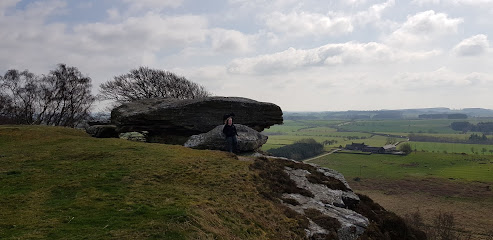
Shaftoe crags
15.2 km
Explore the rugged sandstone heights of Shaftoe Crags with panoramic views, historic stones, and timeless Northumberland landscapes.
Essential places to dine

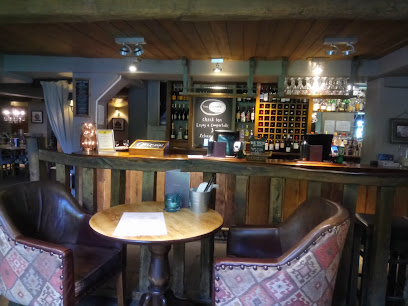
The Snowy Owl
9.9 km
A charming country pub in Cramlington offering rustic British fare, accessible facilities, and a warm, dog-friendly atmosphere.
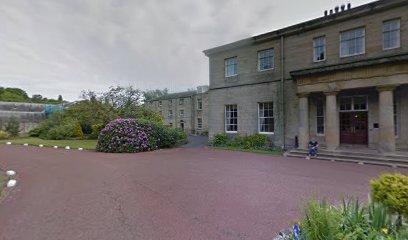
Dobson Restaurant
11.5 km
Experience refined British dining in a grand Georgian setting at Dobson Restaurant, Macdonald Linden Hall, nestled in scenic Northumberland.
The Cook & Barker Inn
19.5 km
A warm, stylish country pub near Morpeth, serving excellent food and offering comfortable rooms in the heart of Northumberland.
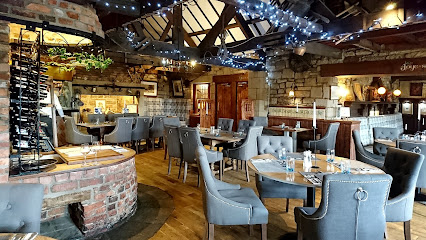
JASPERS BISTRO
19.7 km
A cozy seafood haven in Amble delivering exquisite, locally sourced dishes with personal service and refined charm.
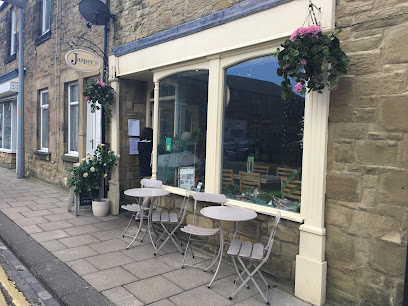
The Old Storehouse
19.8 km
Cozy British dining and lively bar atmosphere in Amble’s charming coastal setting, offering hearty meals and warm local hospitality.
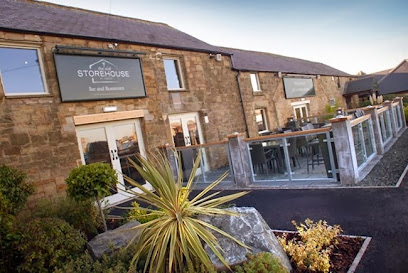
Lovage Jesmond
19.9 km
Michelin-listed modern Mediterranean restaurant in Jesmond, blending seasonal British and European ingredients with warm, unpretentious dining.
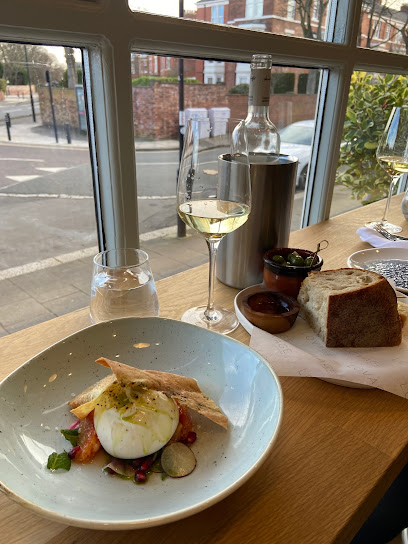
Lilly’s Landing
20.0 km
Savor fresh seafood and stunning harbor views at Lilly’s Landing, Amble’s charming coastal restaurant with a warm, welcoming atmosphere.
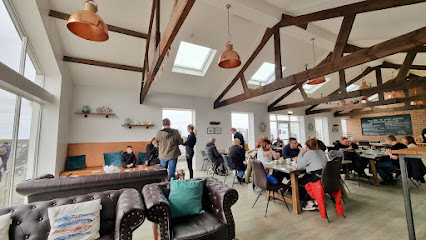
The Old Boathouse
20.0 km
Fresh Northumberland seafood served with stunning coastal views in a charming maritime setting.
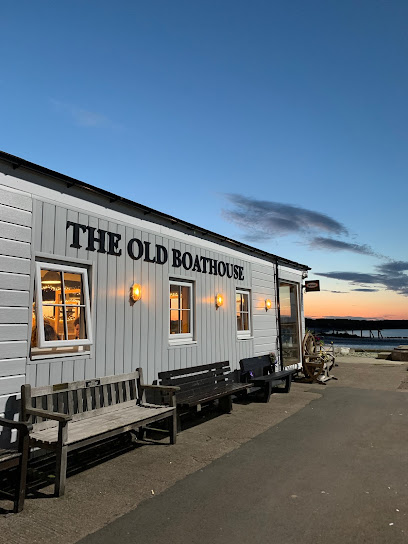
The Fish Shack
20.2 km
Rustic seafood dining on Amble’s harbour, serving fresh local catch with stunning views and cozy charm.
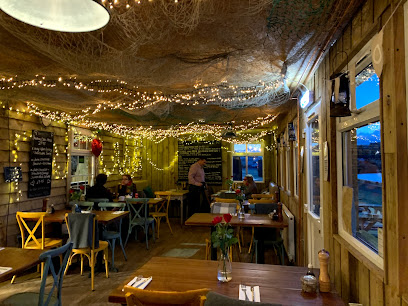
Sohe Restaurant
20.2 km
Sophisticated pan-Asian dining in Jesmond, Newcastle – where bold flavours meet modern style and attentive service.
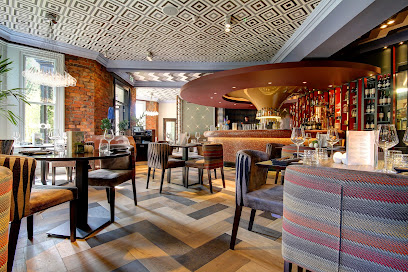
Fat Hippo Jesmond
20.2 km
Original Fat Hippo in Jesmond serves bold, messy burgers and dirty fries in a lively, inclusive atmosphere with vegan and gluten-free options.
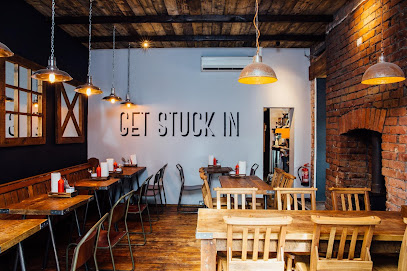
Jam Jar
20.3 km
Savor Anglo-American comfort food in a sleek, industrial-chic setting with craft drinks and lively vibes in Jesmond’s heart.
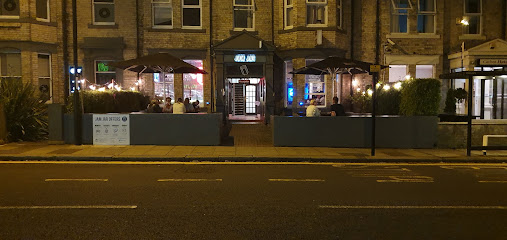
Florence Jesmond
20.6 km
Authentic Italian flavors and warm hospitality await you at Florence Jesmond, the heart of Jesmond’s vibrant dining scene.
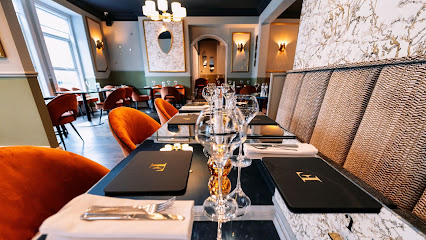
Branches Restaurant
20.7 km
Elegant British dining in Jesmond with seasonal menus, handcrafted cocktails, and a unique blossom tree ambience.
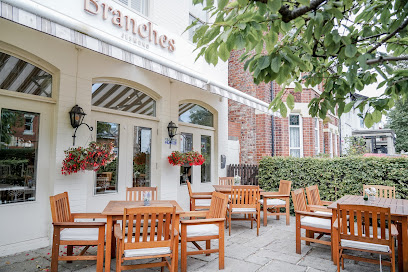
Dosa Kitchen
20.7 km
Experience authentic South Indian cuisine with vibrant dosas and flavorful curries in Jesmond’s welcoming Dosa Kitchen.
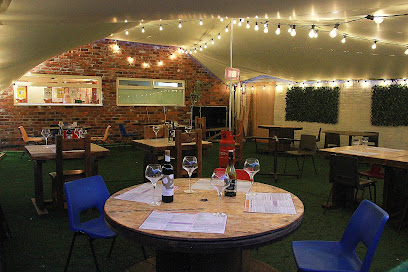
Markets, malls and hidden boutiques

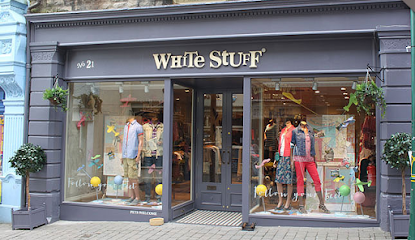
White Stuff Morpeth
0.1 km
Discover stylish, quality clothing and accessories for the whole family at White Stuff Morpeth, where fashion meets friendly service in a charming market town setting.
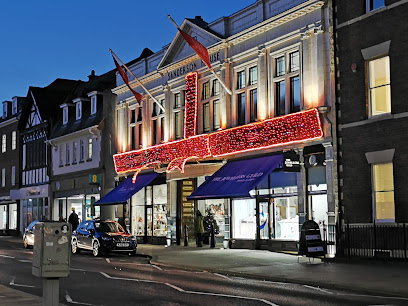
Sanderson Arcade
0.1 km
A vibrant shopping centre in Morpeth blending popular brands with unique local boutiques and a welcoming atmosphere.
Sports Direct
8.1 km
Explore a vast range of affordable sportswear, bicycles, and outdoor gear at Sports Direct in Ashington, the ultimate destination for sports enthusiasts.
Asda Cramlington Superstore
11.0 km
A comprehensive supermarket experience within Cramlington’s lively Manor Walks Shopping Centre, blending convenience, variety, and community spirit.
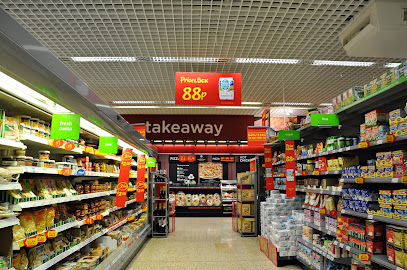
Boyes
11.2 km
Affordable home and family essentials in the heart of Cramlington's premier shopping destination.

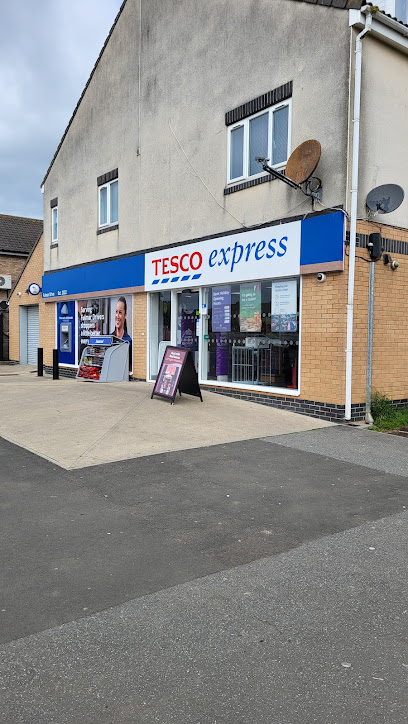
Tesco Express
13.1 km
Your friendly neighborhood Tesco Express at The South Beach Estate, open daily with fresh groceries and essentials from dawn till late night.
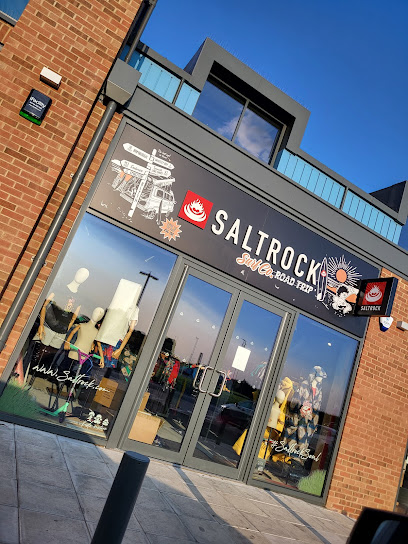
Saltrock Blyth
13.7 km
Trendy surfwear and casual beach apparel in Blyth’s vibrant South Beach Retail Centre.
Co-op Food - Seaton Sluice - Beresford Road
16.9 km
Discover the convenience of Co-op Food in Seaton Sluice, offering a variety of groceries and local products for your coastal adventures.
KEYring
18.5 km
Discover fresh organic produce and eco-friendly goods at KEYring, Gosforth’s beloved hub for sustainable living and artisanal delights.
House of Kiki Boutique Gosforth
18.7 km
Discover unique vintage fashion, quirky accessories, and handcrafted treasures at House of Kiki Boutique in the heart of Gosforth.
Just Because Gifts UK
19.2 km
Discover unique, locally crafted gifts and thoughtful treasures at Just Because Gifts UK in Newcastle upon Tyne.
Raggy Dolls Limited
19.6 km
Discover unique ladies' fashion and personalized service at Raggy Dolls Limited, a beloved boutique in the heart of Amble.
St Oswald's Hospice Charity Shop - Jesmond
19.9 km
Discover designer bargains and unique treasures at Jesmond's Boutique by St Oswald's Hospice, where every purchase powers compassionate care in the North East.

Glamble Gifts & Accessories
20.0 km
Discover exquisite cosmetics and charming accessories in the scenic setting of Amble Harbour Village’s boutique gem.
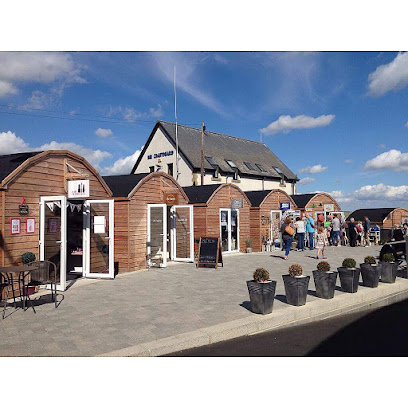
A Touch of Love
20.0 km
Discover unique gifts and heartfelt souvenirs at 'A Touch of Love' in Amble, a charming gift shop celebrating local craftsmanship.
Essential bars & hidden hideouts

Barluga Morpeth
0.1 km
Modern British dining and vibrant bar in Morpeth’s Sanderson Arcade, offering imaginative cuisine, fine wines, and a welcoming atmosphere.
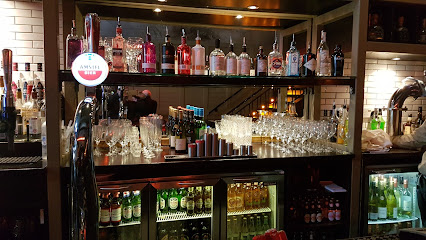
The Black Bull Morpeth
0.2 km
Historic 19th-century pub in Morpeth with classic British fare, riverside views, and a warm, family-friendly atmosphere.
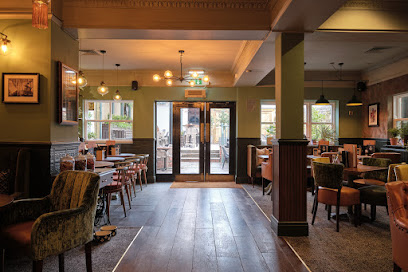
Tap & Spile
0.2 km
A cozy traditional pub in Morpeth with a welcoming fire, six real ales, and a lively community atmosphere.
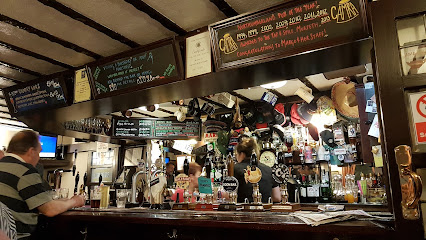
The Black & Grey Morpeth
0.3 km
A lively, dog-friendly bar and pub in Morpeth’s historic centre offering vibrant atmosphere, hearty meals, and welcoming service.
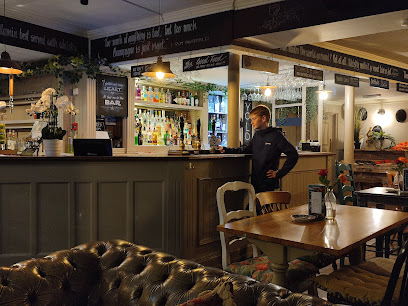
Joiners Arms
0.3 km
A welcoming Northumberland pub in Morpeth serving locally sourced, home-style dishes in a cozy, traditional setting.
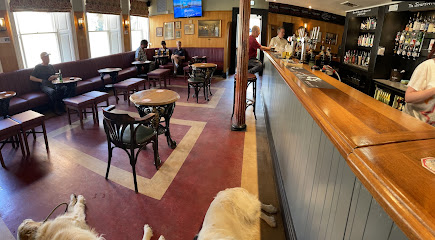
The Ridley Arms
6.7 km
A cozy Northumbrian country pub offering hearty British fare, cask ales, and a warm, welcoming atmosphere in scenic Stannington.
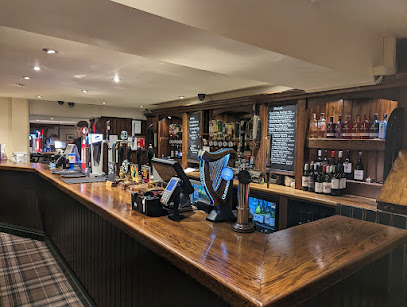
White House Unique Social Club
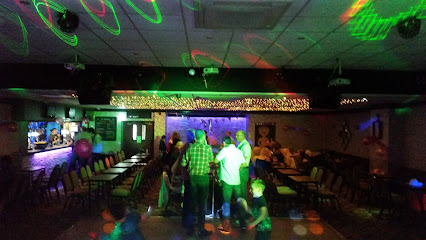
6.8 km
A vibrant social club in Ashington with live music, DJ nights, and a welcoming atmosphere on a permanent wooden dancefloor.
The Red Lion - JD Wetherspoon
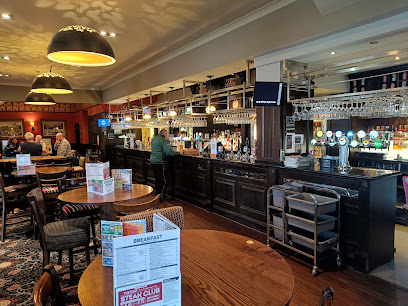
7.0 km
Historic Bedlington pub offering quality ales, hearty meals, and a welcoming community atmosphere since 1902.
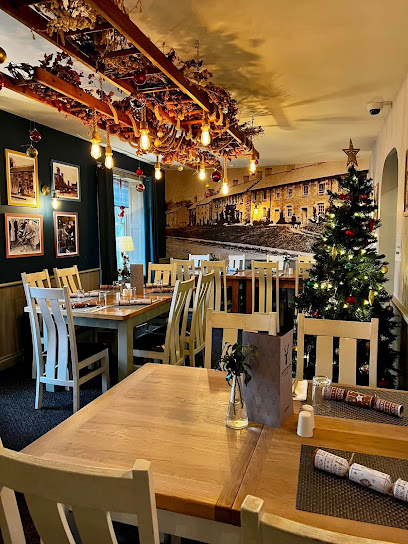
R. A. O. B Club
7.3 km
A vibrant social club in Ashington offering great drinks, lively karaoke, and a welcoming community atmosphere.

The Beresford Arms
8.2 km
Historic coaching inn turned award-winning pub, restaurant, and B&B offering warm hospitality and countryside charm in Whalton, Northumberland.
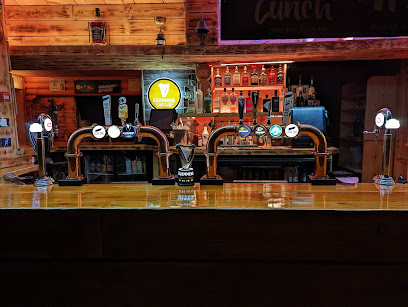
Crazy Horse Saloon n Grill
11.5 km
A lively Wild West-themed bar and grill in Morpeth offering casual dining, sports entertainment, and a pet-friendly atmosphere within Felmoor Holiday Park.
High Street Social Club
12.2 km
Lively and affordable social club in Blyth with great live music, friendly staff, and a welcoming community atmosphere.
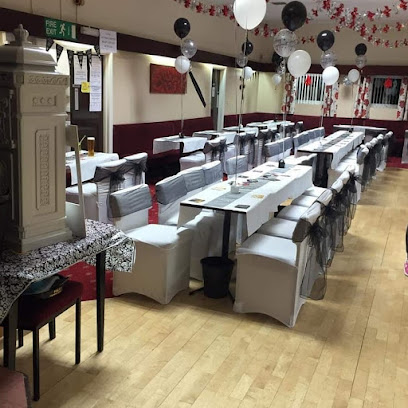
The Wallaw
12.5 km
Historic 1930s Art Deco cinema transformed into a lively, family-friendly Wetherspoon pub with real ales and local charm in Blyth.
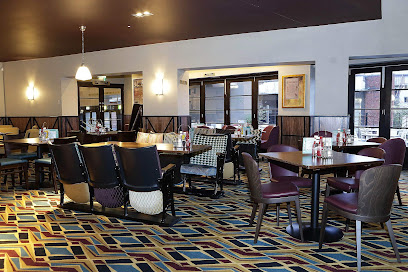
Dejavu Nightclub Blyth
12.6 km
Vibrant late-night hotspot in Blyth offering lively weekend parties, diverse cocktails, and private event hosting in a welcoming atmosphere.
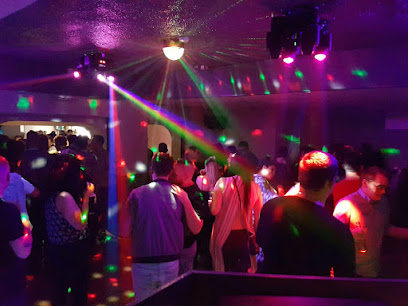
Anglers Arms
14.0 km
A charming four-star country inn in Northumberland offering cozy rooms, hearty cuisine, and warm hospitality in a tranquil rural setting.
Nightclubs & after hour spots

Knightrider Discos
1.7 km
Experience Morpeth’s vibrant nightlife at Knightrider Discos, where dynamic beats and lively crowds create unforgettable nights.
Dance Delicious
8.1 km
Experience vibrant nightlife and modern vibes at Dance Delicious, Ashington’s premier spot for dancing and social fun.
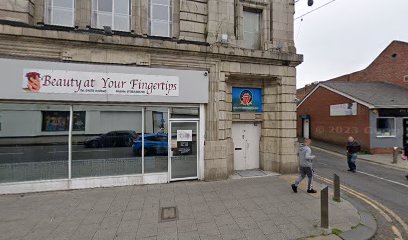
The Brick Club, Red Row Working Mens Club
14.2 km
A welcoming traditional working men's club in Morpeth offering authentic local atmosphere, classic ales, and a strong community spirit.
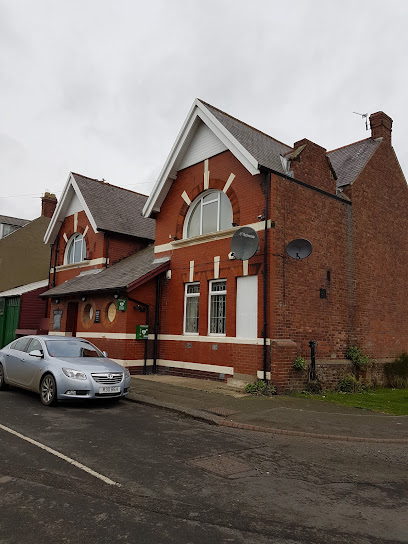
Cosmic Ballroom
22.1 km
Newcastle's longest-running underground club: two floors of electronic beats, guest DJs, and non-stop dancing till dawn in an intimate Stowell Street hideaway.
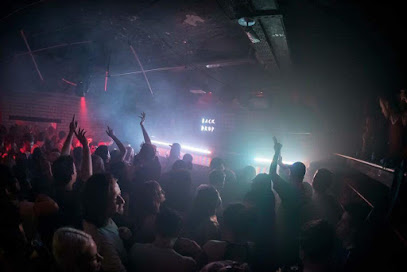
Sinners
22.2 km
Dive into sinfully themed nights at this affordable Newcastle nightclub, where red lights, bold art, and cheap drinks fuel the city's unbeatable party spirit.
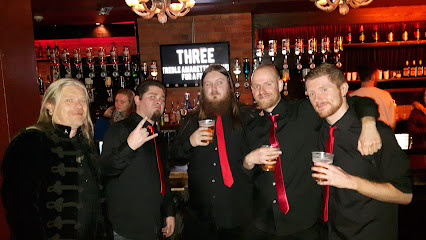
World HQ
22.3 km
A multi‑level warehouse club and arts hub in Curtis Mayfield House with a heavy sound, creative studios above and a grassroots nightlife spirit.
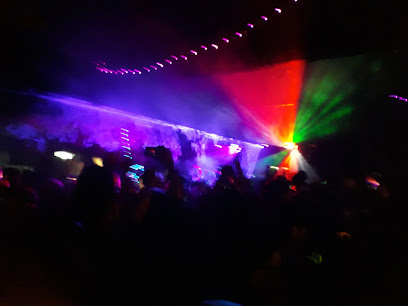
Popworld - Newcastle
22.4 km
A neon-soaked pop party on Newcastle’s Bigg Market—cheap drinks, nostalgic anthems and a packed dancefloor for late-night revelry.
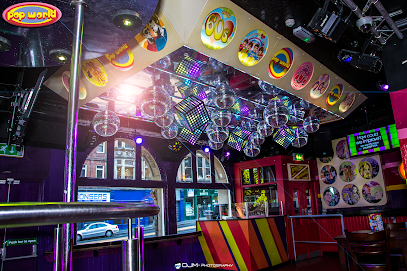
Greys Club
22.4 km
Experience Newcastle’s iconic nightlife at Greys Club, where vibrant music, a stylish terrace, and lively crowds create unforgettable late-night memories.
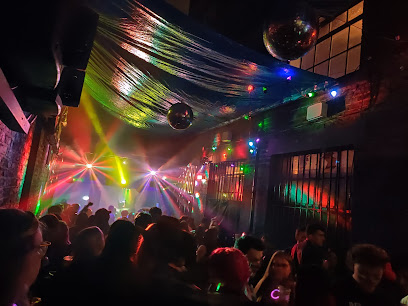
SOHO ROOMS | Newcastle
22.5 km
Four floors of late‑night music and cocktails in the heart of Newcastle’s city‑centre party district, favoured by students and night owls.
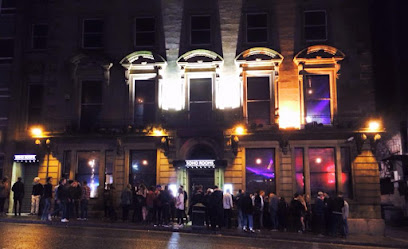
Flares - Newcastle
22.5 km
Newcastle's ultimate retro disco den: neon grooves, cheesy anthems, and non-stop dancing from 70s to 00s in the heart of the nightlife scene.
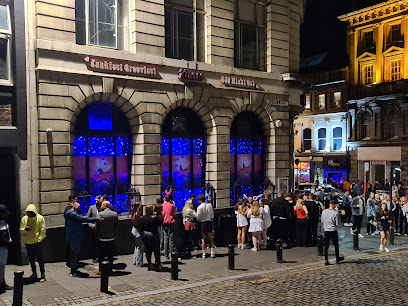
Loca Loca | Newcastle
22.5 km
A compact, neon-lit nightclub on Groat Market serving late-night dance, chart and urban sets in an intimate city-centre setting.
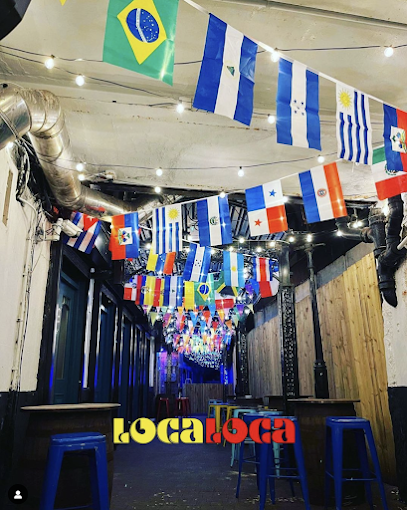
TROPICANA NEWCASTLE
22.5 km
Experience Newcastle’s vibrant nightlife at Tropicana, a lively nightclub blending cocktail sophistication with energetic club beats in the city’s heart.
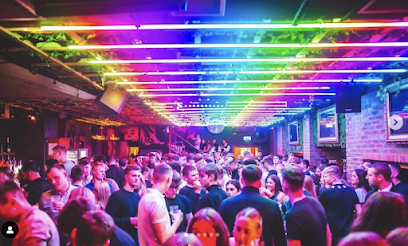
Bohemia Newcastle
22.5 km
Neon-lit cocktail bar and compact club with graffiti murals, a mezzanine dance space and a sheltered courtyard terrace for late-night socialising.
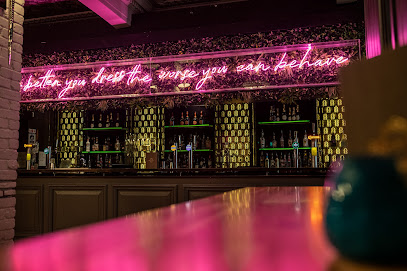
The Social Club
22.5 km
Experience Newcastle’s vibrant nightlife at The Social Club, where music, cocktails, and dancing come alive until the early hours.
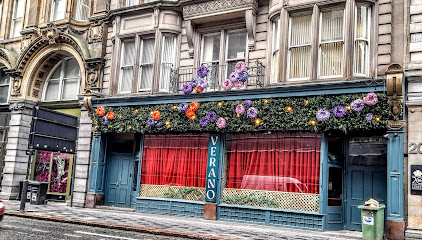
Tup Tup Palace
22.5 km
Experience Newcastle’s vibrant nightlife in style at Tup Tup Palace, a luxurious club blending exotic décor with pulsating beats until the early hours.
For the vibe & atmosphere seeker
- Historic
- Scenic
- Tranquil
- Lively
For the design and aesthetic lover
- Vintage Styles
- Rustic Designs
For the architecture buff
- Historic
- Landmarks
For the view chaser and sunset hunter
- Iconic Views
For the social media creator & influencer
- Instagrammable
- Photo Spots
For the eco-conscious traveler
- Protected Area
- Public-Transport Accessible
For the kind of experience you’re after
- Cultural Heritage
- Photowalk
- Day Trip
- Weekend Getaway
For how adventurous you want the journey to be
- Easy Access
Location Audience
- Family Friendly
- Senior Friendly
- Child Friendly
- Teen Friendly
- Wheelchair Access
- Pet Friendly
- Solo Friendly
- Couple Friendly


