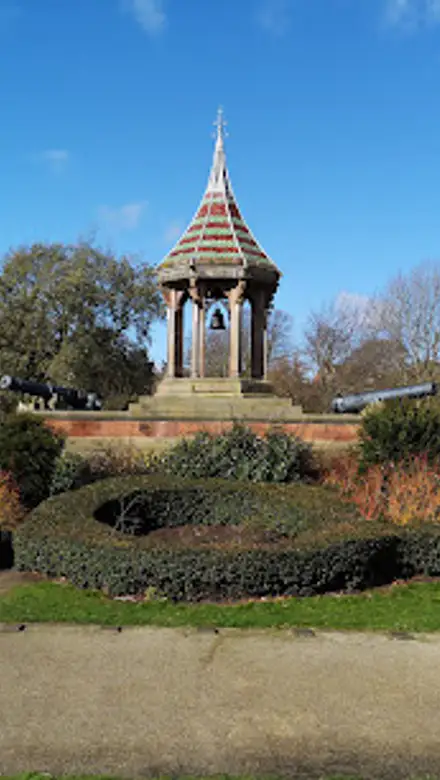
Arboretum, Nottingham Travel Guide
Free Guide: Nottingham’s oldest public park, a compact Victorian arboretum with lake, bandstand and 800 trees just north of the city centre.


A brief summary of Arboretum
Nottingham’s oldest public park, a compact Victorian arboretum with lake, bandstand and 800 trees just north of the city centre.
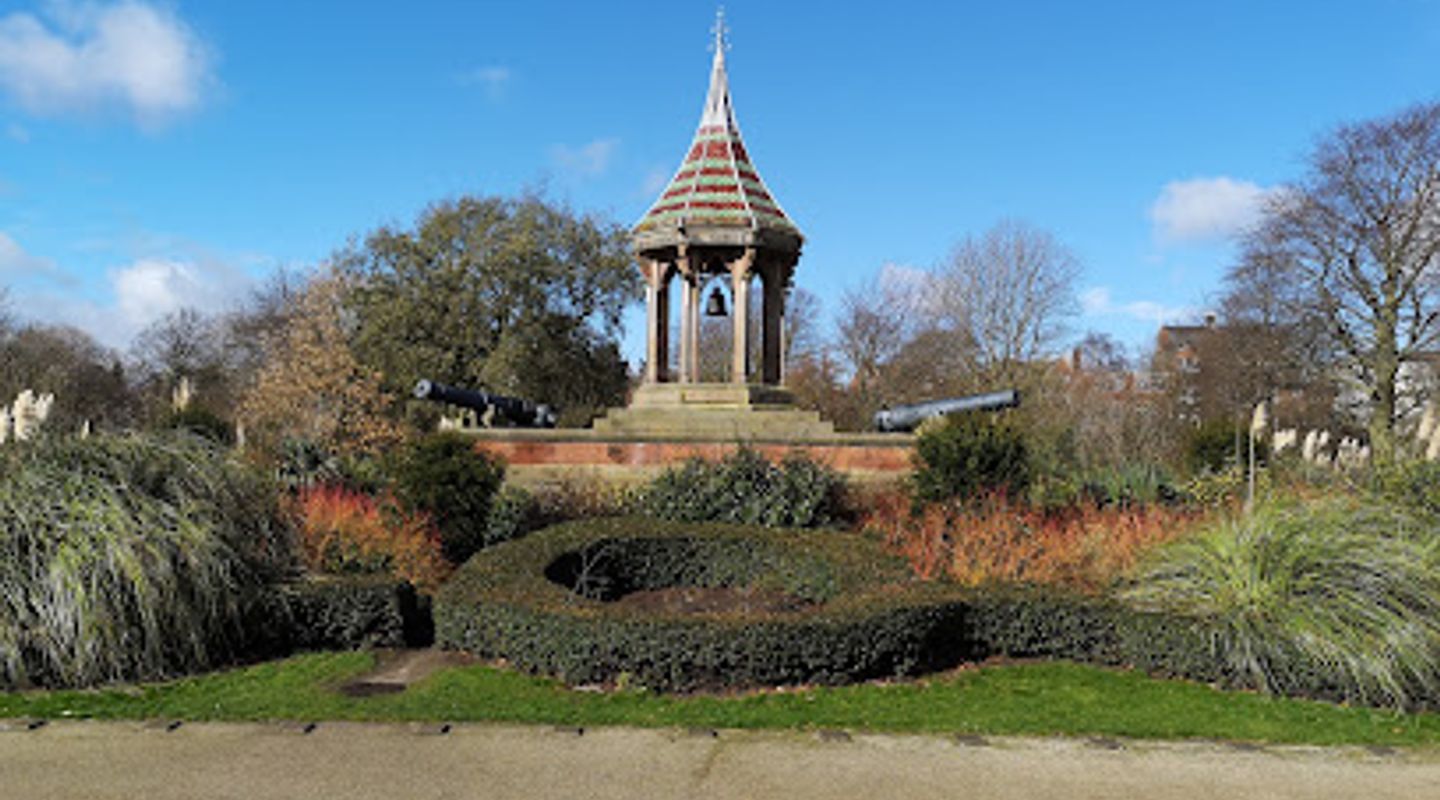
Nottingham’s first public park, opened in 1852, offers a compact Victorian landscape of winding paths, an ornamental lake, historic bandstand and more than 800 trees across 17 acres just north of the city centre. Designed by botanist Samuel Curtis as an educational collection in natural order, the Grade II* site retains its original layout of lawns, shrubberies and flower gardens. Visitors follow tree and heritage trails, watch birds in the listed aviaries, sit by the lake or relax on the South Lawn. The park remains tranquil despite its urban setting and serves equally well for a short stroll or longer unhurried visit.
On-site amenities
 Seating areas
 Sheltered areas
 Picnic areas
 Trash bins
 Information boards
Opening hours
- Every day8 am–4:30 pm
Opening hours as listed on the venue’s Google Business Profile. Hours can change for services and special events, so check with the venue before you go.
- Address
- Waverley St Nottingham
- Phone
- Website
Getting there
Public Transport
Walking
Cycling
Discover more about Arboretum
Victorian Origins and Designed Landscape
Created under the 1845 St Mary’s Inclosure Act, the Arboretum opened on 11 May 1852 as Nottingham’s first public park. Botanist and nurseryman Samuel Curtis laid it out between 1850 and 1852 with trees arranged in systematic botanical order for both education and quiet recreation. The original east–west spinal walk, perimeter paths, lake and lodges survive largely intact. The park received Grade II* listing in 1986 for its early date, designer, unchanged design and historic structures.
Tree Collection and Seasonal Interest
More than 800 trees representing around 65 species include original 19th-century plantings and several champion specimens. A downloadable Tree Trail guides visitors through the collection. Spring brings flowering shrubs and bulbs while autumn foliage transforms the canopy. The compact 17-acre site mixes open lawns with dense evergreen shrubberies, creating enclosed woodland-like pockets within the city.
Lake, Aviaries and Monuments
An ornamental lake runs parallel to Waverley Street and attracts ducks and other waterfowl. Nearby stands the circular cast-iron aviary of 1889–92, now housing painted model birds, while adjacent structures contain live budgerigars and cockatiels. The Grade II octagonal bandstand sits in a natural amphitheatre. The war memorial area includes a sundial and pergola in the rose garden. A pedestrian subway links the park to North Sherwood Street.
Walking and Quiet Recreation
Most visits consist of looping paths that combine the lake, South Lawn, rose garden, Bell Garden and woodland walk. Self-guided Heritage Trail leaflets highlight listed lodges, the Morley monument and the O’Connor statue. The layout encourages slow pacing rather than a single route. Picnics, photography and simple nature observation remain the most common activities. The atmosphere stays tranquil even on busier days.
Historic Structures and Setting
Red-brick West and East Lodges with gateways date from the 1850s. The park occupies a shallow urban valley bounded by Waverley Street, Arboretum Street and university buildings. Gentle to moderate slopes and a mix of open and planted areas produce an enclosed park character rather than open countryside. The site functions as a green lung and wildlife habitat within the city.
Evendo Review Centre
 Google
Guest reviews
Best time to go
Quietest: Jan, Feb & Dec · before 8am or from 5pm
Busy times are Evendo estimates for a typical year, to help you plan. Actual crowds vary with events, school holidays and the weather.
Explore Arboretum on the map
A handpicked selection of must-see spots near Arboretum, mapped for you.
Get your free copy of our complete guide to Arboretum, delivered straight to you.
Everything on this page, from opening hours and how to get there to Eve’s tips and the best time to go, in one PDF you can read offline, print or share.
Already have an account? Sign in
Your Arboretum guide is ready.
We'll send it to · Not you? Sign out

Getting your guide ready…
We are putting together a fresh copy of the Arboretum guide. This can take up to a minute.
This can take a few moments. If your browser asks, choose Allow so the download can start. You'll find the guide in your Downloads folder.
Nothing happened? Download it again
Sorry, the guide is taking longer than usual. Please try again in a minute, or get it by email instead.
Other nearby places you may find interesting
The closest places of the same kind, if this one is not quite what you had in mind.
-
-
-
-
-


Swipe for more places
More to explore near Arboretum

 Best experiences near Arboretum
 Best hotels near Arboretum
 Best landmarks near Arboretum
 Best attractions near Arboretum
 Best shops near Arboretum
 Best restaurants near Arboretum
 Best bars near Arboretum
Do you manage this location?
Take control to get all the benefits, like improved information, better appearance, and stronger visibility across AI-powered discovery.
Explore more

Explore more of Nottingham
Explore Nottingham, a dynamic city where history meets modernity, with its legendary tales, cultural vibrancy, and stunning natural landscapes.
Explore Nottingham
Explore more of United Kingdom
Discover the United Kingdom: A blend of rich history, stunning landscapes, and vibrant cities, offering a unique travel experience for every visitor.
Explore United Kingdom