
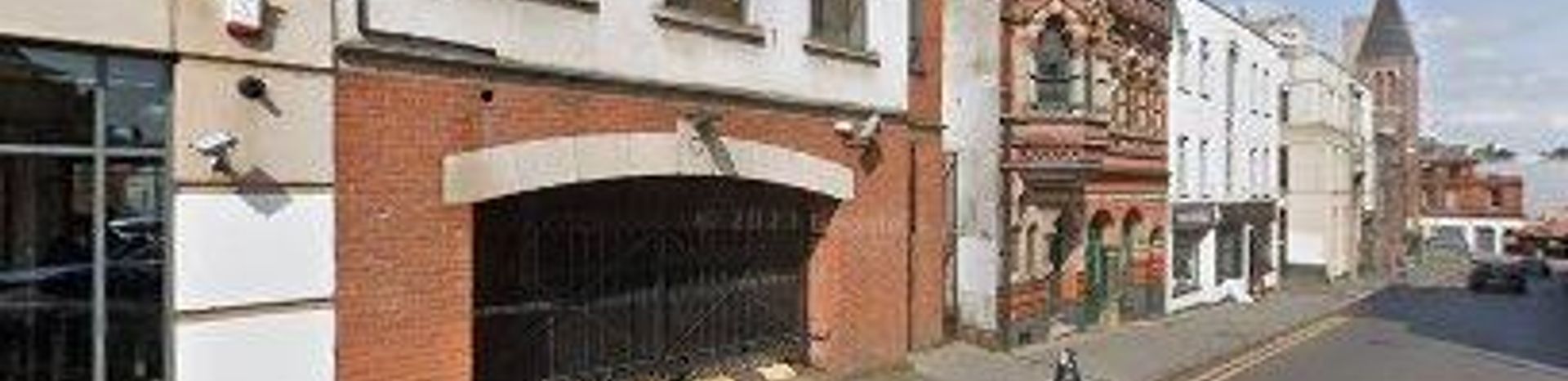
Watson Fothergill's Office, Nottingham
Explore the vibrant Gothic Revival office of Watson Fothergill, Nottingham’s iconic Victorian architect, showcasing intricate brickwork and historic homage.
Watson Fothergill's Office at 15-17 George Street in Nottingham is a distinctive example of the Gothic Revival style, showcasing the signature polychrome brickwork and ornate detailing of one of Nottingham's most influential Victorian architects. This building served as Fothergill’s professional base from 1895 and reflects his architectural homage to predecessors with sculpted busts on its façade.
A brief summary to Watson Fothergill's Office
- 15-17 George St, Nottingham, NG1 3BH, GB
- +443703330607
- Visit website
- Duration: 0.5 to 1.5 hours
- Free
-
 Outdoor
- Mobile reception: 4 out of 5
Local tips
- Take time to observe the colorful polychrome brickwork and the busts of Pugin and Street on the façade.
- Combine your visit with a guided Watson Fothergill architectural walk to see more of his notable buildings.
- Visit during daylight hours to fully appreciate the detailed stone carvings and timber features.

For the on-the-go comforts that matter to you
- Restrooms
- Drink Options
- Food Options
- Seating Areas
- Information Boards
Getting There
-
Bus
Take Nottingham City Transport buses 56 or 58 from the city center; journey times range from 10 to 15 minutes. Buses run frequently but check schedules for evening service. A single ticket costs approximately £2.50.
-
Tram
Use the Nottingham Express Transit tram to the Lace Market stop, about 5 minutes from 15-17 George Street on foot. Trams run every 7-10 minutes during the day. Tickets cost around £2.40 for a single journey.
-
Taxi
Taxis from Nottingham railway station to George Street take approximately 10 minutes, depending on traffic. Fares typically range from £6 to £10. Taxis are available 24/7 but may be limited during peak hours.
-
Walking
From Nottingham city center, walking to 15-17 George Street takes about 15 minutes on mostly flat, paved streets. The route is accessible for wheelchairs and strollers.
Watson Fothergill's Office location weather suitability
-
 Any Weather
-
 Rain / Wet Weather
-
 Clear Skies
-
 Mild Temperatures
Discover more about Watson Fothergill's Office
The Architect Behind the Landmark
Watson Fothergill (1841–1928) was a prolific British architect whose work shaped much of Nottingham's Victorian cityscape. Over his career spanning from 1864 to around 1912, he designed more than 100 buildings, including offices, banks, warehouses, churches, and private residences. His architectural style is notable for its Gothic Revival and Old English vernacular influences, characterized by intricate stone carvings, elaborate turrets, and contrasting bands of red and blue brickwork. Fothergill’s legacy is deeply embedded in Nottingham’s urban fabric, making his office building a significant cultural landmark.Architectural Features of 15-17 George Street
The office at 15-17 George Street, completed in 1895, is a prime example of Fothergill’s signature design elements. The building prominently features colorful polychrome brickwork, dark timber eaves, and balconies that create a visually striking façade. Notably, the exterior includes sculpted busts of architects Augustus Welby Pugin and George Edmund Street, paying tribute to those who inspired Fothergill’s own architectural vision. The Gothic Revival style is evident in the pointed arches, detailed stone dressings, and ornamental motifs that enrich the building’s character.Historical and Cultural Significance
This building not only served as Fothergill’s professional headquarters after relocating from Clinton Street but also symbolizes the height of Victorian architectural ambition in Nottingham. It stands as a testament to the city’s industrial growth and the era’s aesthetic values, reflecting the pride and craftsmanship of the late 19th century. The office’s preservation offers insight into the working environment of a key figure who contributed significantly to Nottingham’s architectural heritage.Fothergill’s Influence on Nottingham’s Urban Identity
Watson Fothergill’s work is instantly recognizable and has become synonymous with Nottingham’s architectural identity. His buildings, including the Nottingham and Nottinghamshire Bank, the Black Boy Hotel, and various warehouses and residential houses, exhibit a blend of Victorian Gothic, Queen Anne, and Arts and Crafts styles. The office on George Street exemplifies this eclectic yet cohesive approach, highlighting his ability to combine functionality with elaborate artistry.Preservation and Visitor Experience
Today, 15-17 George Street remains a cherished historical landmark. Visitors can appreciate the intricate façade details and the building’s role in Nottingham’s architectural narrative. While the interior is primarily used for office purposes, the exterior offers a rich visual experience for architecture enthusiasts and those interested in Victorian-era design. The building’s location in the city center makes it accessible for those exploring Nottingham’s heritage trail.Legacy and Continuing Inspiration
Watson Fothergill’s architectural legacy continues to inspire both professionals and the public. His distinctive style has been celebrated through guided walks and heritage tours that highlight his impact on Nottingham’s cityscape. The office at 15-17 George Street stands as a monument to his creativity, skill, and lasting contribution to the cultural and architectural history of the region.Iconic landmarks you can’t miss

Watson Fothergill's Office
0.0 km
Explore the vibrant Gothic Revival office of Watson Fothergill, Nottingham’s iconic Victorian architect, showcasing intricate brickwork and historic homage.
The Hockley Arts Club
0.1 km
Discover Nottingham's vibrant cocktail culture at The Hockley Arts Club, where artistry meets exceptional mixology in a stylish bar setting.
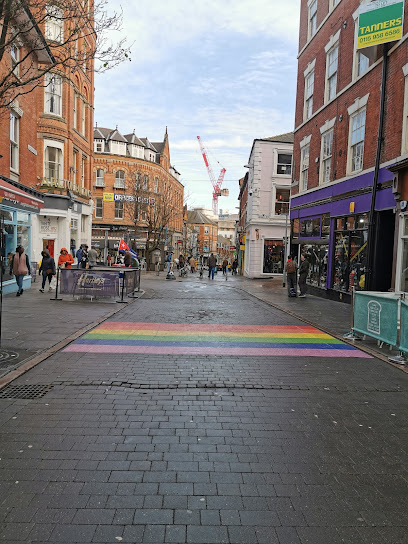
16 Stoney Street
0.2 km
Discover 16 Stoney Street, a preserved Victorian lace warehouse in Nottingham’s historic Lace Market, echoing the city’s rich industrial heritage.
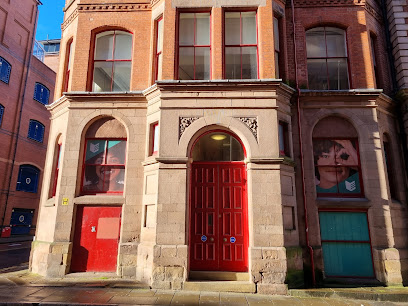
Citylife UK
0.3 km
Explore Nottingham with Citylife UK, your trusted travel agency for personalized experiences and local insights.
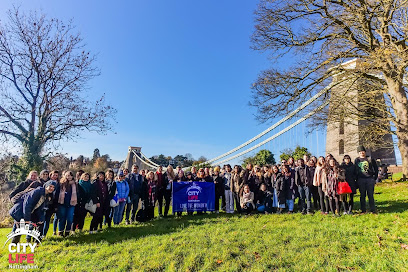
The Tokenhouse
0.3 km
Explore The Tokenhouse in Nottingham for unique gifts and heartfelt treasures that capture the essence of the city.
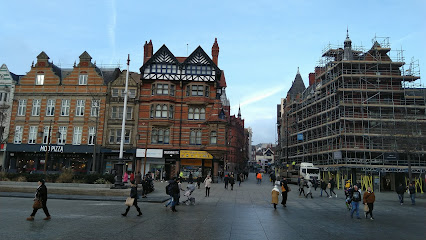
King's Walk sign
0.3 km
A pedestrianised passage where Georgian elegance meets contemporary commerce in Nottingham's historic heart.
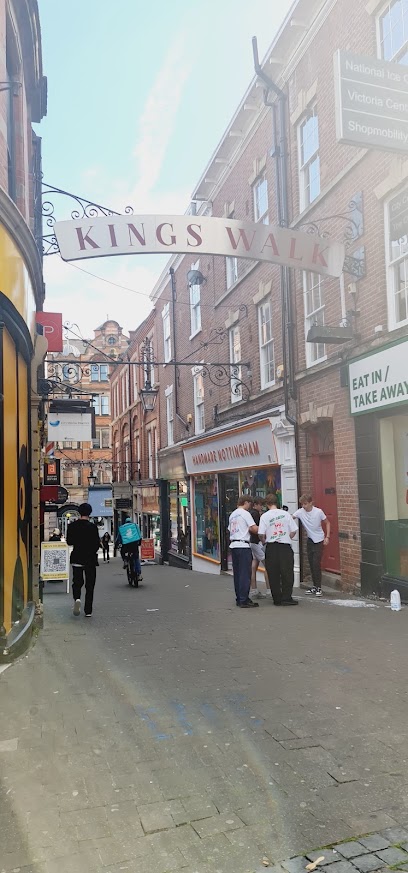
The Left Lion
0.3 km
Meet Nottingham’s iconic Left Lion, a historic stone sentinel and beloved city landmark at the heart of Old Market Square.
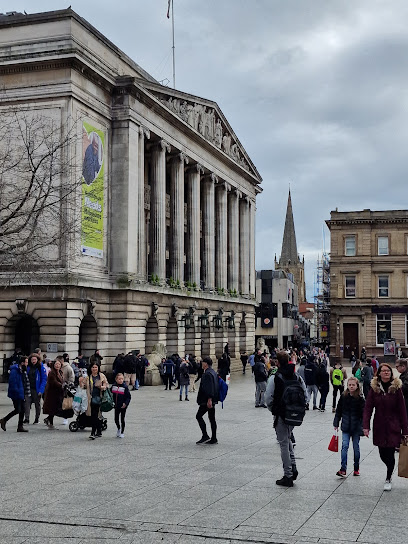
Speakers' Corner
0.3 km
Nottingham’s vibrant Speakers' Corner offers a historic platform for free speech, lively debates, and community connection in the heart of the city.
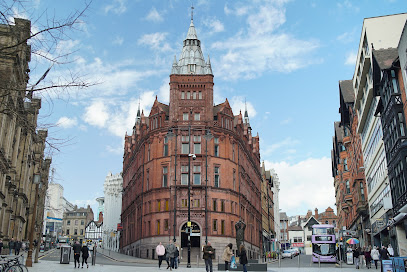
Right Lion
0.3 km
Discover Nottingham’s iconic Right Lion, a historic stone sculpture and beloved meeting point near the Council House in Old Market Square.
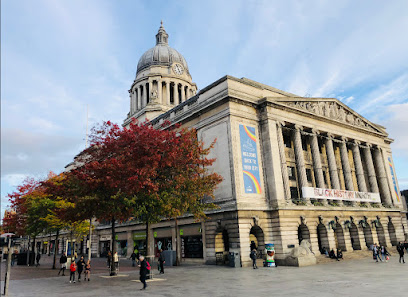
St Peter's Church, Nottingham
0.3 km
A medieval sanctuary and historic gem in Nottingham’s city centre, blending centuries of architecture and community spirit.
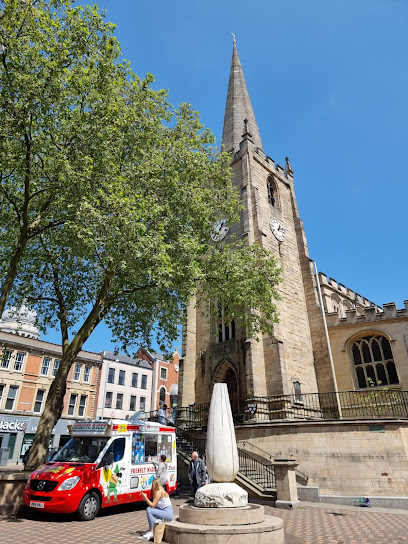
Weekday Cross Monument
0.3 km
Historic heart of Nottingham’s medieval market life, commemorating centuries of trade and community gatherings in the Lace Market district.
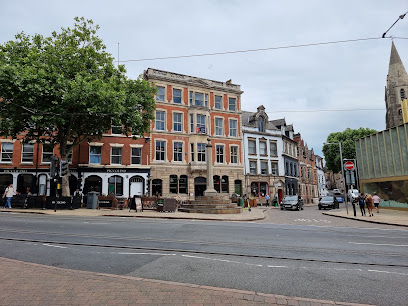
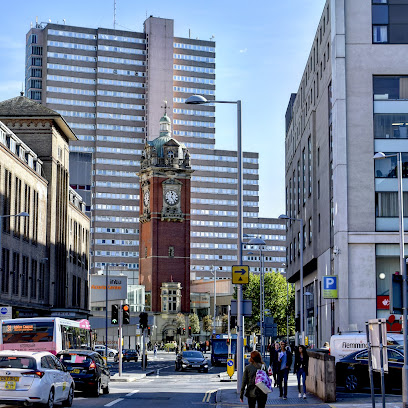
Victoria Station Clock Tower
0.4 km
A towering 100-foot clock tower preserving the grandeur and history of Nottingham's lost Victoria railway station.
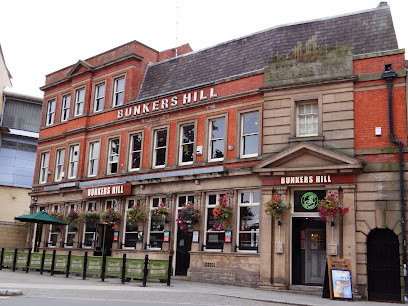
Bunkers Hill
0.4 km
Discover Bunkers Hill, Nottingham's lively pub and restaurant, offering local flavors and a welcoming atmosphere in the heart of the city.
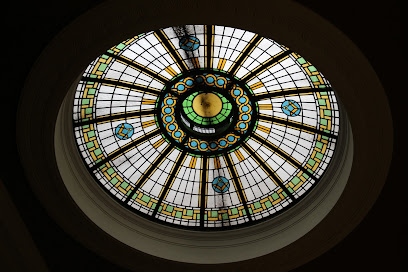
The Belgrave Rooms
0.6 km
Discover The Belgrave Rooms, Nottingham's premier venue for conferences and weddings, blending elegance and modern amenities for unforgettable events.
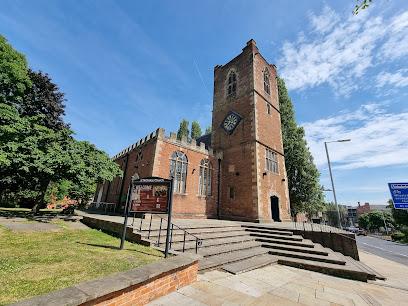
St Nic's Church
0.6 km
Medieval survivor rebuilt from Civil War ashes, standing as Nottingham's testament to faith and resilience.
Unmissable attractions to see

Lace Market Square
0.2 km
Historic heart of Nottingham’s lace industry, blending Victorian charm with vibrant cultural life and creative energy.

The Exchange (Exchange Arcade)
0.2 km
Discover Nottingham’s oldest shopping arcade with exclusive boutiques beneath a stunning 200ft glass dome in the city centre.
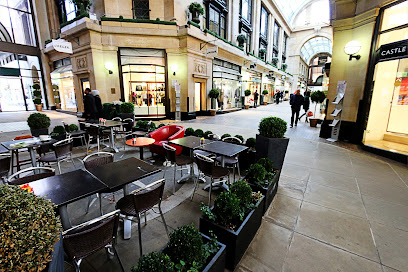
Nottingham Tourism Centre
0.3 km
Your welcoming gateway to Nottingham’s attractions, events, and local insights in the heart of the city.
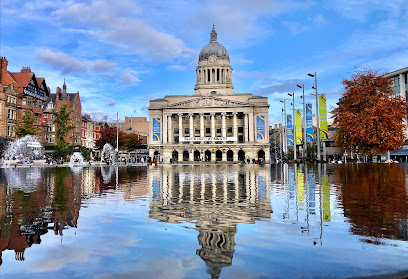
Nottingham Council House
0.3 km
Historic Edwardian elegance in Nottingham's heart—where nine versatile rooms create unforgettable celebrations.
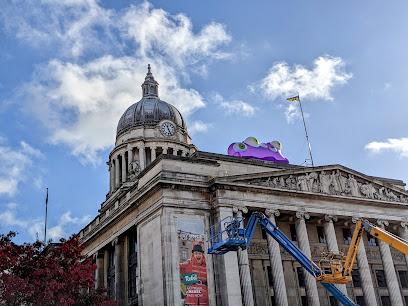
Inspired
0.3 km
Discover Nottingham’s historic boutique arcade blending timeless charm, independent shops, and elegant Georgian architecture in the city’s vibrant heart.
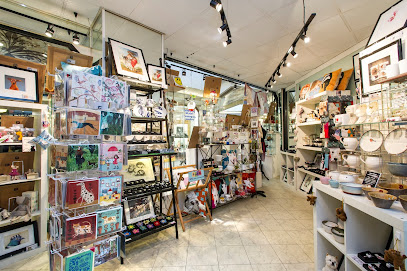
Flying Horse Walk
0.3 km
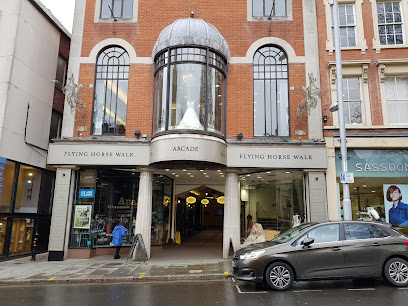
Discover Nottingham’s elegant boutique arcade blending historic charm with artisanal shops and cozy cafes in a tranquil city-centre setting.
Lace Market
0.3 km
Explore Nottingham’s oldest district, the Lace Market, where industrial heritage meets vibrant creativity in a historic lace-making hub.
Old Market Square
0.3 km
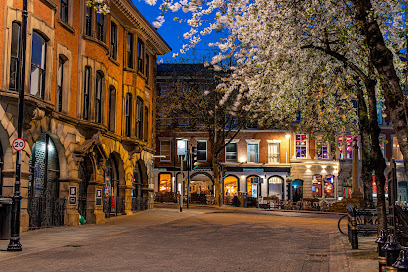
Discover the bustling heart of Nottingham at Old Market Square, a historical landmark rich in culture, events, and captivating architecture.
Old Mkt Sq
0.4 km
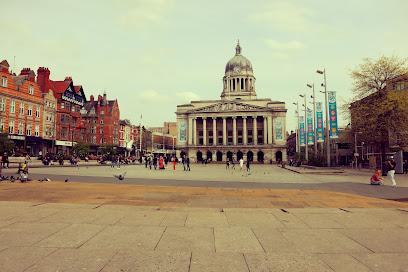
Nottingham’s historic Old Market Square: a vibrant civic heart blending medieval roots with modern urban life and lively events.
The Lacehouse
0.4 km
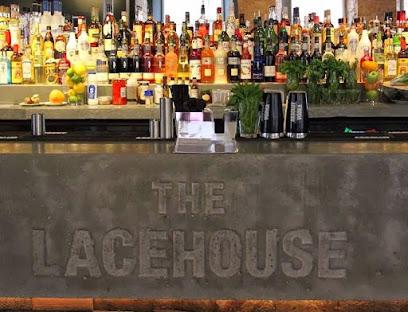
Experience the vibrant heart of Nottingham at The Lacehouse, where cocktails, brunch, and live music come together in a unique setting.
The Turf Tavern
0.4 km
Experience the rich history and local flavors at The Turf Tavern, Nottingham's iconic pub steeped in tradition and charm.
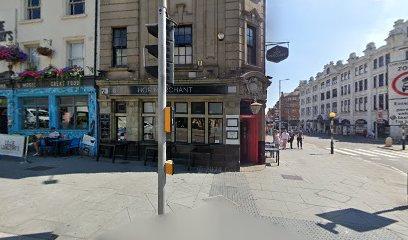
The Cornerhouse
0.4 km
A dynamic Nottingham hotspot blending cinema, dining, and unique leisure activities in a vibrant city center setting.
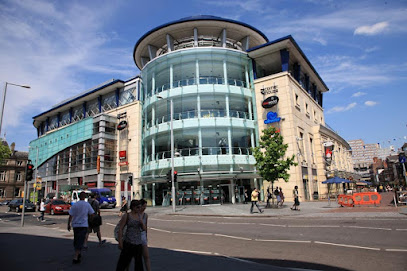
Trinity Square
0.4 km
Modern student living at Trinity Square, Nottingham’s vibrant city centre residence, steps from university and cultural hotspots.
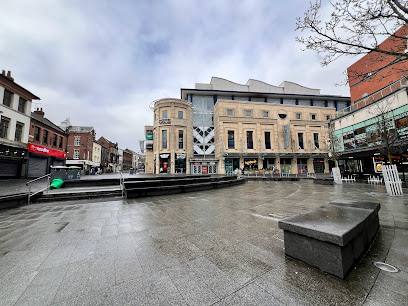
Place
0.4 km
Empowering Nottingham communities through education, wellbeing, and creative engagement at the heart of Sneinton Market.
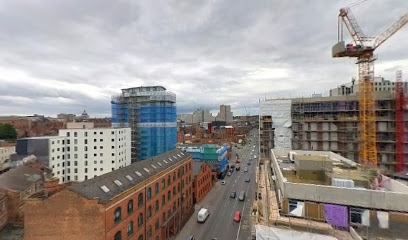
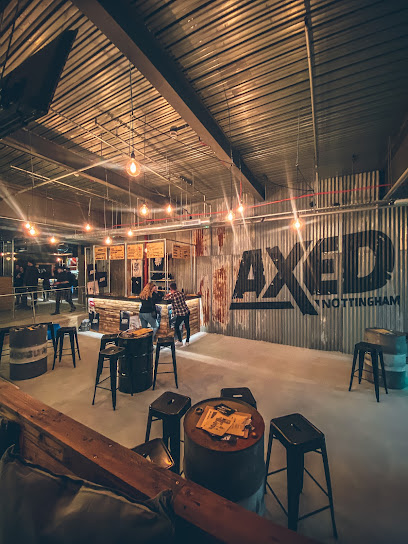
Axed Nottingham Axe Throwing
0.4 km
Experience the thrill of interactive axe throwing with expert coaching in Nottingham’s vibrant urban playground.
Essential places to dine

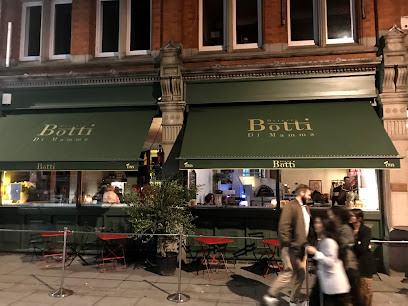
Botti di Mamma
0.1 km
Experience authentic Italian tapas with handmade pasta and wood-fired delights in Nottingham’s welcoming Broad Street eatery.
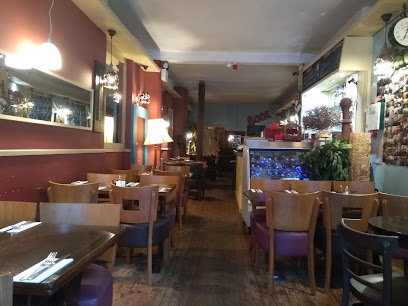
Dolce Restaurant
0.1 km
Affordable Italian classics served in a friendly, casual setting in Nottingham’s bustling Broad Street.
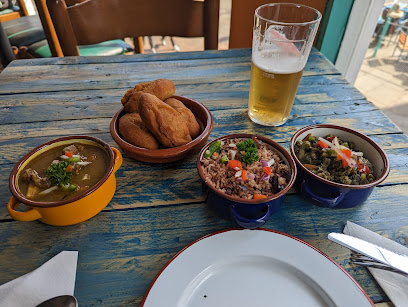
Spice Cay Restaurant & Bar
0.1 km
Discover bold Caribbean flavors and vibrant vibes at Spice Cay, Nottingham’s premier tapas-style restaurant and bar on Pelham Street.
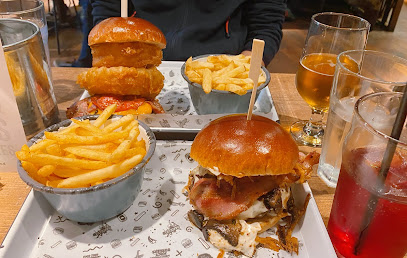
Fat Hippo Nottingham
0.1 km
Juicy, stacked burgers and quirky sides in Nottingham’s creative Hockley district, with vegan and gluten-free options for all appetites.
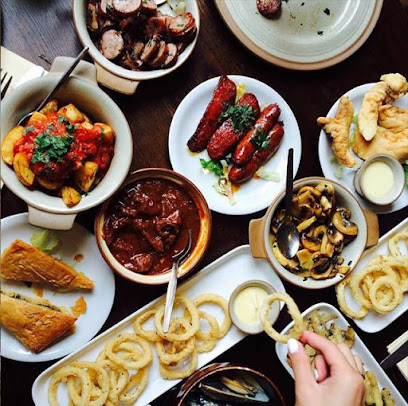
Yamas Meze & Tapas
0.1 km
Authentic Greek and Cypriot mezze in Nottingham's vibrant city centre—sharing plates, Mediterranean flavors, exceptional value.
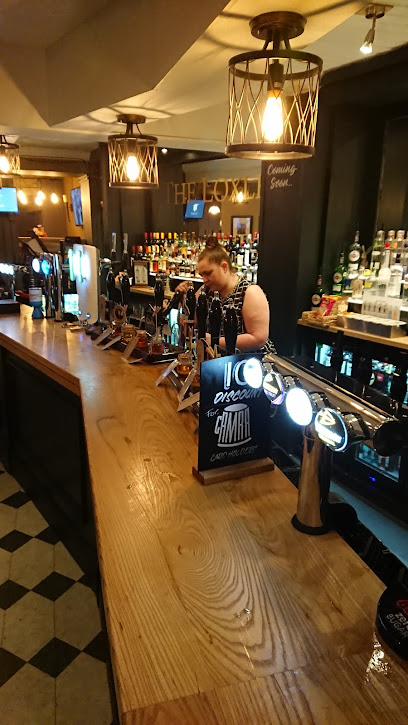
The Loxley
0.1 km
Discover Nottingham's vibrant pub culture at The Loxley – where great food meets friendly faces in a cozy atmosphere.
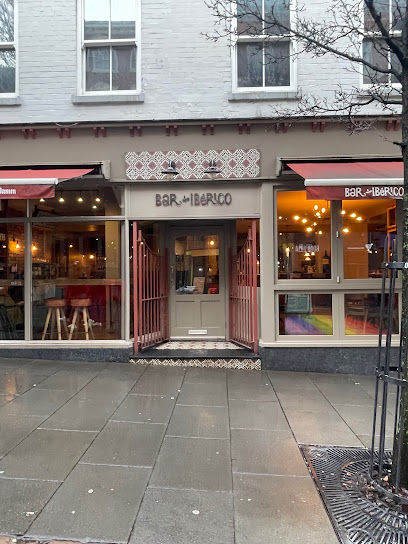
Bar Iberico
0.1 km
Sizzling Spanish tapas in Nottingham's vibrant heart: share bold plates, soak up the buzz, and savor Iberia's soul at this foodie favorite.
Paste Contemporary Thai Cuisine
0.1 km
Experience authentic Thai flavors with a contemporary twist in the heart of Nottingham’s vibrant Lace Market.
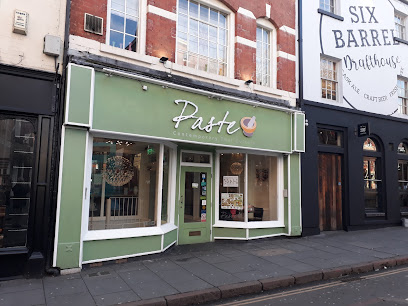
Kayal
0.1 km
Experience the authentic flavors of Kerala’s coast with award-winning South Indian cuisine in the heart of Nottingham.
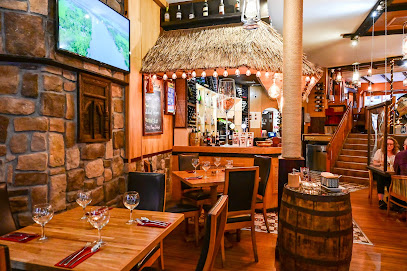
Sexy Mamma Love Spaghetti
0.1 km
Authentic handmade Italian pasta with daily specials in a cozy Nottingham city centre setting, blending rustic charm with vibrant flavors.
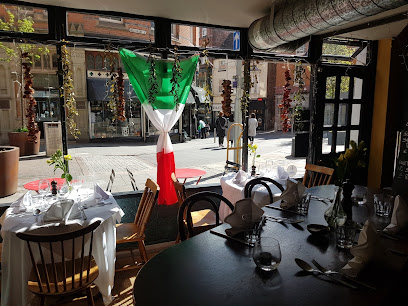
Dino
0.1 km
Modern dining and lively bar in Nottingham city centre, known for juicy burgers, generous portions, and a welcoming atmosphere.
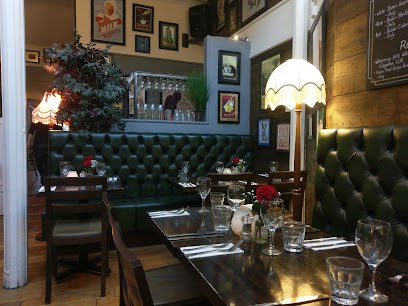
Cosy Club
0.1 km
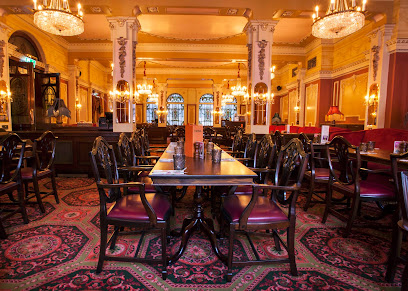
Historic charm meets eclectic British dining and vibrant bar culture in the heart of Nottingham city centre.
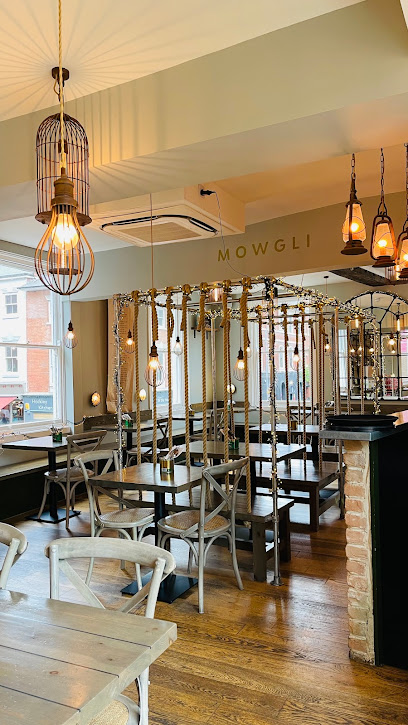
Mowgli Street Food Nottingham
0.2 km
Authentic Indian street food in a vibrant, eclectic setting with fresh flavors and a cozy atmosphere in Nottingham city centre.
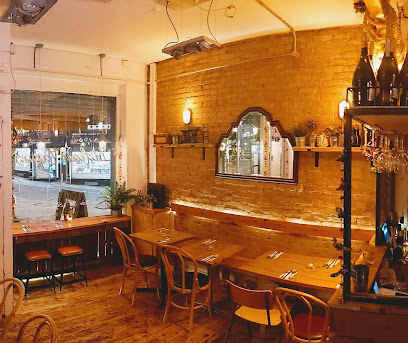
Vi-Va Indian Tapas
0.2 km
Experience vibrant Indian street food culture in cozy Nottingham with Vi-Va’s flavorful tapas-style dining and warm, inviting atmosphere.
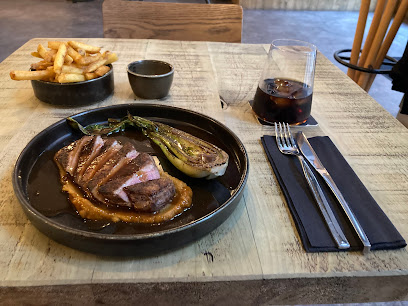
Mesa
0.2 km
Innovative small plates and a celebrated cheeseburger in Nottingham’s creative Hockley district, Mesa offers a lively dining experience with a modern twist.
Markets, malls and hidden boutiques

Hopkinsons @ Cobden Place
0.1 km
Vintage emporium with bar and café flair in Nottingham's creative Hockley—hunt treasures, sip pints, savor cakes in a restored lace factory gem.
Cow
0.1 km
Discover timeless threads in Nottingham's coolest vintage haven—Cow curates retro gems with style and soul on Carlton Street.

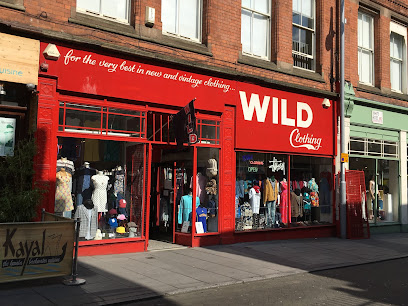
Wild Clothing
0.1 km
Discover timeless vintage fashion treasures at Wild Clothing, Nottingham’s iconic destination for unique, sustainable style since 1983.
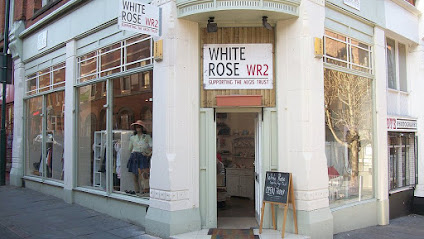
White Rose Hockley WR2
0.1 km
Discover handpicked vintage treasures and sustainable style at this Hockley charity shop, where retro fashion supports noble causes in Nottingham's creative heart.
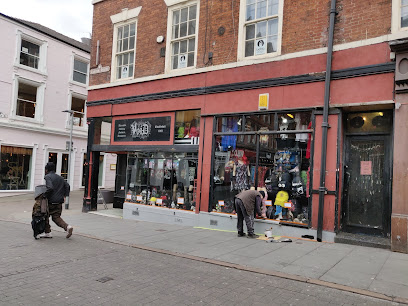
Void Clothing
0.2 km
Discover Nottingham’s premier alternative fashion destination blending music culture, unique styles, and local creativity on Carlton Street.
Your Unique Day
0.2 km
Letterbox magic on Goose Gate: bespoke cakes that deliver joy through your mailbox in Nottingham's creative heart.
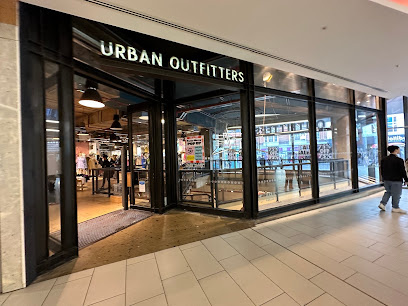
Urban Outfitters
0.2 km
Eclectic fashion, vintage finds, and creative homewares in Nottingham's vibrant shopping heart.
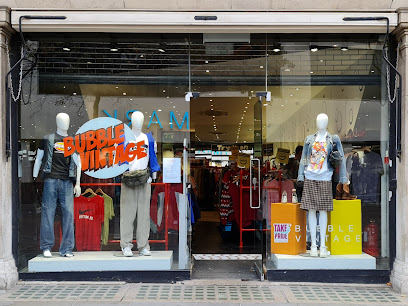
Bubble Vintage
0.2 km
Discover timeless style and sustainable fashion treasures at Bubble Vintage, Nottingham’s vibrant vintage clothing shop in The Exchange.
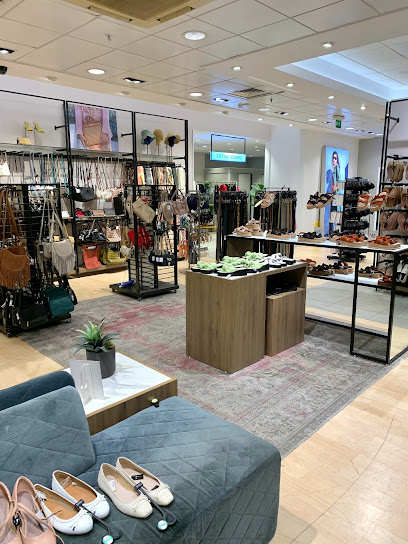
Next
0.2 km
A stylish and family-friendly fashion store in Nottingham’s vibrant Victoria Centre, offering a wide range of clothing and accessories with convenient hours.
Mood Outfitters
0.2 km
Discover Nottingham's boldest independent fashion at Mood Outfitters, where local designers craft unique, wearable art in the heart of Hockley's creative scene.
Primark
0.2 km
Explore vast, affordable fashion and home goods at Primark Nottingham, a lively city centre store with accessibility and style for all.
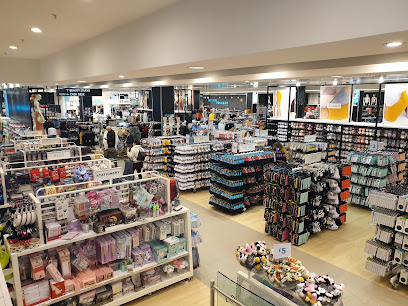
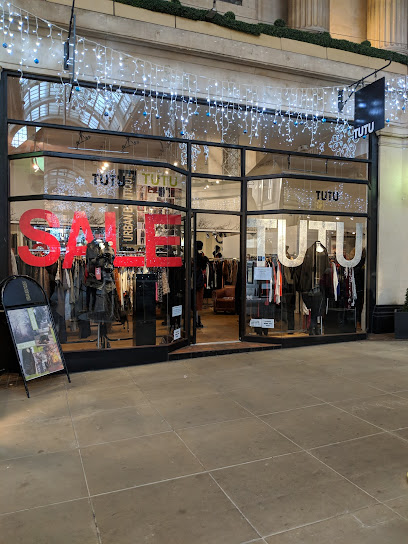
Tutu urban boutique
0.2 km
Discover Nottingham’s stylish independent ladieswear boutique offering unique, high-quality fashion from emerging designers in a charming city centre arcade.
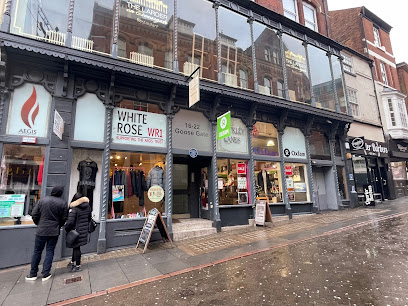
White Rose Hockley WR4
0.2 km
A hands‑on vintage shop in Nottingham’s Hockley where curated pre‑loved fashion and everyday treasures wait to be discovered.
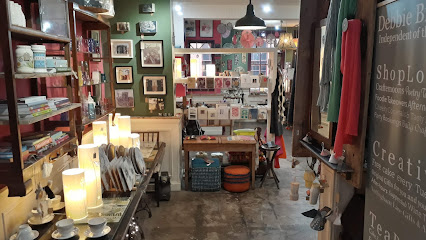
Debbie Bryan | Nottingham Lace Market
0.2 km
Discover Nottingham’s heritage through artisan crafts, exquisite lace, and delightful tearoom treats in the heart of the Lace Market.
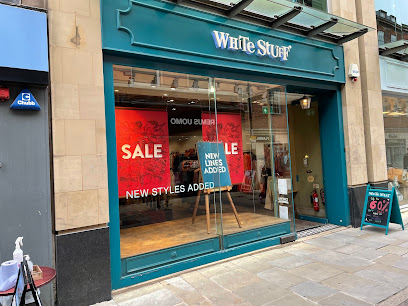
White Stuff Nottingham
0.3 km
A cheerful, independent-feel clothing store on Nottingham’s main shopping street, offering relaxed British style for women, men and children.
Essential bars & hidden hideouts

Wax Bar
0.1 km
Nottingham's cocktail pulse: artisanal drinks, Caribbean bites, and DJ rhythms fueling epic weekend nights on Broad Street.
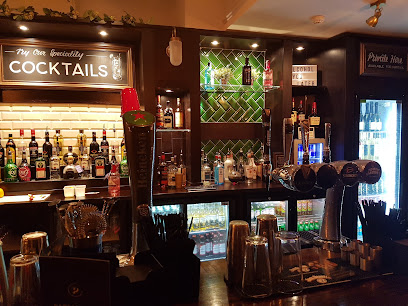
MOJO
0.1 km
MOJO Bar Nottingham: Where rock ’n’ roll meets expertly crafted cocktails in a lively, no-pretence late-night hotspot.
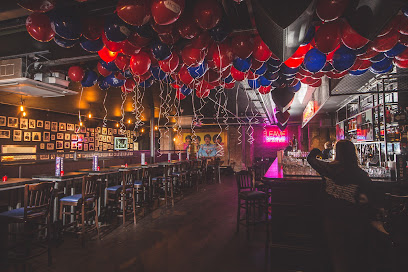
BrewDog Nottingham
0.1 km
Craft beer paradise in a historic lace factory: 28 taps, sourdough pizzas, dog-friendly vibes, and Lace Market energy await in Nottingham's ultimate brew hub.
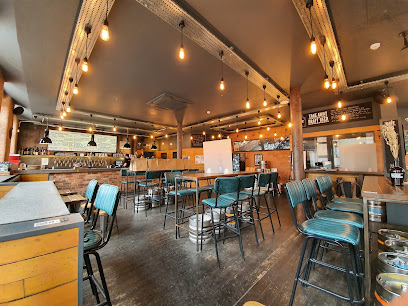
Revolution Nottingham - Hockley
0.1 km
Dive into Hockley's nightlife heartbeat at Revolution, where masterful cocktails, fresh bites, and non-stop party vibes flow from noon till the early hours.
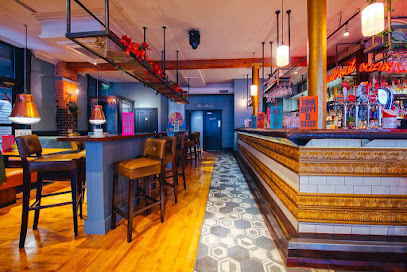
The Curious Tavern
0.1 km
Discover shadowy nooks, bold ales, inventive cocktails, and live tunes in Nottingham's quirkiest Hockley bar—where curiosity meets comfort late into the night.
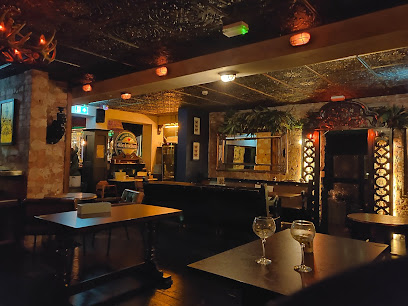
Lost Property
0.1 km
A secretive cocktail bar in the sandstone caves beneath Carlton Street — intimate, theatrical drinks in a subterranean setting.
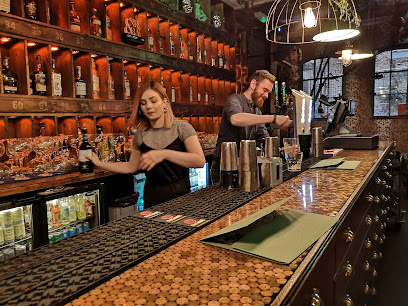
TIER Nottingham
0.1 km
A lively Nottingham cocktail bar with quirky décor, creative drinks, and popular Happy Hours in the heart of the city.
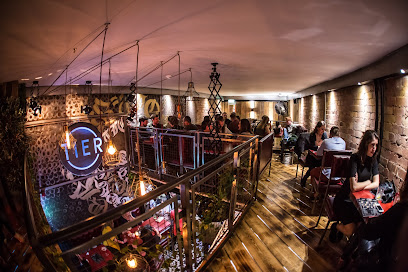
BOX Nottingham
0.1 km
Experience Nottingham’s premier sports bar in a stunning historic building with live sport, games, music, and great food under one roof.
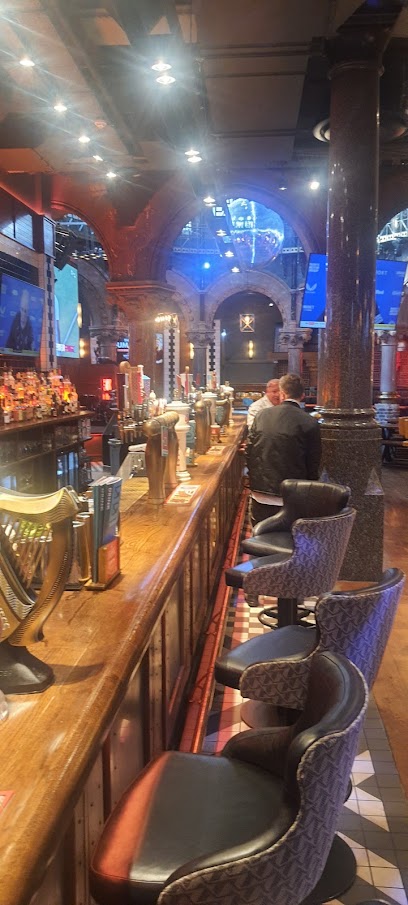
Pit & Pendulum
0.1 km
Descend into Poe-inspired gothic splendor at Nottingham's most haunting pub, where shadowy decor, themed cocktails, and rock anthems craft unforgettable nights.
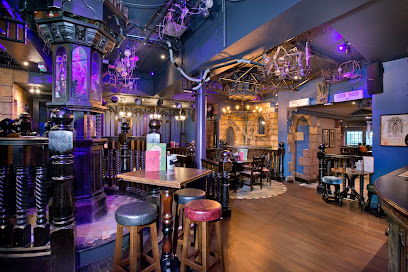
Six Barrel Drafthouse
0.1 km
Hockley’s friendly craft-beer pub — six rotating taps, large bottle fridge and a relaxed, dog-welcoming atmosphere.
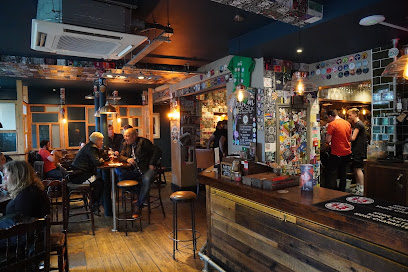
Tilt
0.1 km
Discover Nottingham’s cozy cocktail retreat, where expertly crafted drinks meet intimate candle-lit ambiance and soulful blues.
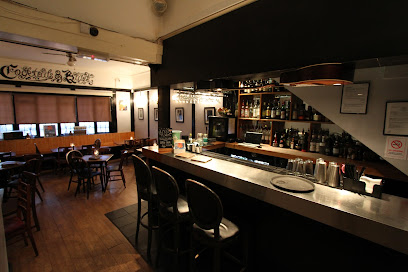
Be At One - Nottingham
0.1 km
Discover Nottingham’s vibrant cocktail scene with over 100 expertly crafted drinks and a lively late-night atmosphere at Be At One.
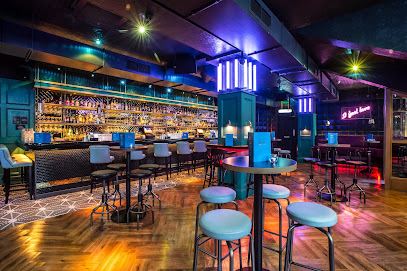
Penny Lane
0.2 km
Step into Nottingham’s Penny Lane for nostalgic arcade fun, creative cocktails, and a lively, family-friendly vibe in the heart of the Lace Market.
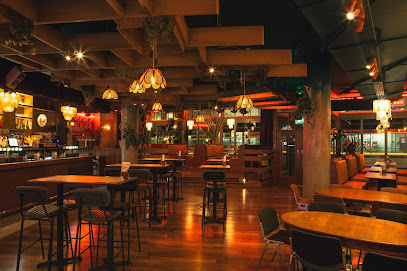
31K
0.2 km
NYC loft-style bar on Nottingham's Goose Gate, mastering cocktails, meatballs, and fusion street food in Hockley's creative heart.
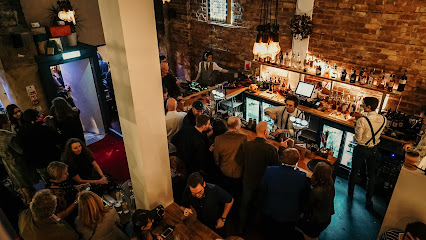
Bunk
0.2 km
Crispy wings, killer cocktails, and Lace Market vibes—Bunk delivers Nottingham's boldest bite in a historic street setting.
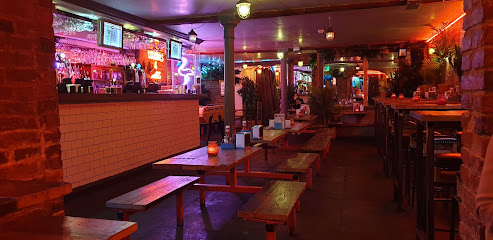
Nightclubs & after hour spots

The Bodega Nottingham
0.1 km
Intimate two-level live-music bar and late-night club on Pelham Street — gritty, affordable and centred on close-up gigs and local sounds.
Tantra Night Clubs
0.2 km
Dive into Nottingham's electric nightlife at Tantra Night Clubs, where pulsating beats, dazzling lights, and stylish vibes create unforgettable nights of dance and discovery in the city center.
Eleven
0.2 km
A lively, multi-bar nightclub in Nottingham’s Hockley district, famed for great cocktails, student nights, and an intimate yet energetic party vibe.
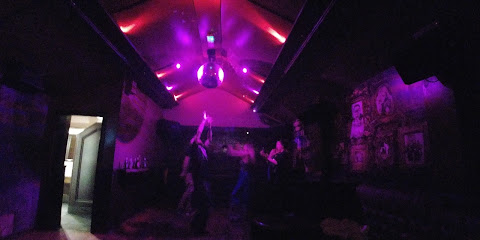
NG-One
0.2 km
A large, late‑night Nottingham club with multiple dancefloors, strong sound and long weekend hours — built for night owls and student crowds.
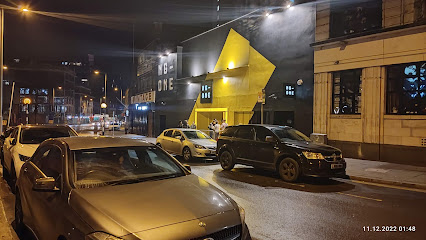
Popworld - Nottingham
0.2 km
A neon-soaked, singalong pop-club in Nottingham city centre — colourful cocktails, nostalgic anthems and compact dancefloor energy.
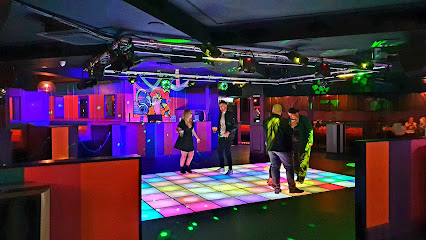
The Cell
0.3 km
Dive into Nottingham's pulsing heart at The Cell, where affordable drinks, diverse beats, and Hockley's electric vibe fuel unforgettable nights of dance and discovery.

Unit 13
0.4 km
Dive into Nottingham's underground bassline haven at Unit 13, where industrial beats and stellar DJs fuel unforgettable warehouse raves.

Love zoo
0.4 km
Dive into Nottingham's electrifying beats at Love Zoo, where house rhythms, dazzling lights, and cocktail-fueled nights create pure nightlife magic on Weekday Cross.
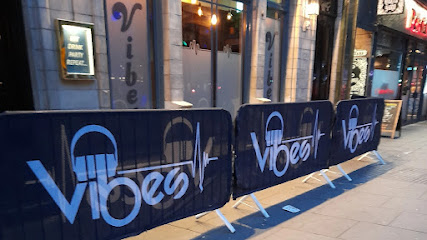
VIBES NIGHTLIFE
0.5 km
Dive into Nottingham's pulsating party hub where weekend beats, neon lights, and vibrant crowds fuel epic nights until 2am—pure vibes unleashed.
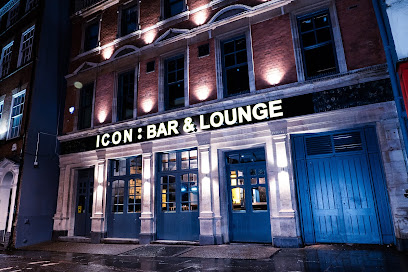
ICON
0.5 km
A compact, DJ-driven late-night club on St James’s Street — small footprint, high-energy nights and a tight city-centre atmosphere.
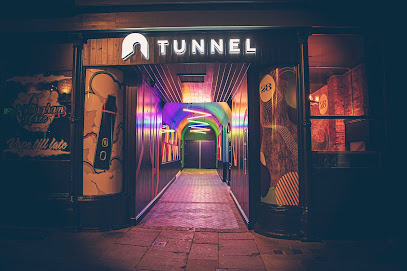
Tunnel Club
0.5 km
Loud. Intimate. Disruptive. Dive into Nottingham's raw underground beats at this city-center nightclub powerhouse.
Stealth
0.6 km
Nottingham's drum and bass dynamo: world-ranked beats, epic nights, and unrelenting energy since 2004 in the heart of Goldsmith Street.
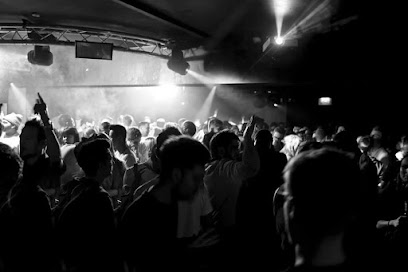
Rescue Rooms
0.6 km
Nottingham's intimate live music powerhouse: raw gigs, electric crowds, and beats till 3am in a historic nook.
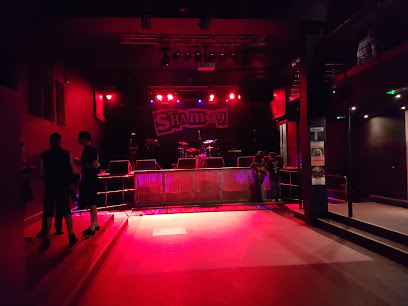
Rock City
0.6 km
Experience Nottingham’s iconic live music and nightclub venue, where legendary acts and vibrant club nights come alive in an intimate, energetic setting.
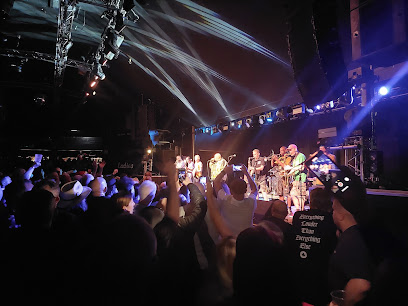
CRISIS
0.6 km
Experience Nottingham’s legendary live music and nightlife at Rock City, a vibrant venue with a rich history and dynamic club nights.
For the vibe & atmosphere seeker
- Historic
- Unique
- Scenic
- Tranquil
For the design and aesthetic lover
- Colorful Aesthetics
- Vintage Styles
For the architecture buff
- Historic
- Landmarks
- Art & Design
For the view chaser and sunset hunter
- Iconic Views
For the social media creator & influencer
- Instagrammable
- Photo Spots
- Architectural Shots
For the eco-conscious traveler
- Public-Transport Accessible
For the kind of experience you’re after
- Cultural Heritage
- Photowalk
- Day Trip
For how adventurous you want the journey to be
- Easy Access
Location Audience
- Family Friendly
- Senior Friendly
- Child Friendly
- Teen Friendly
- Wheelchair Access
- Solo Friendly
- Couple Friendly


