
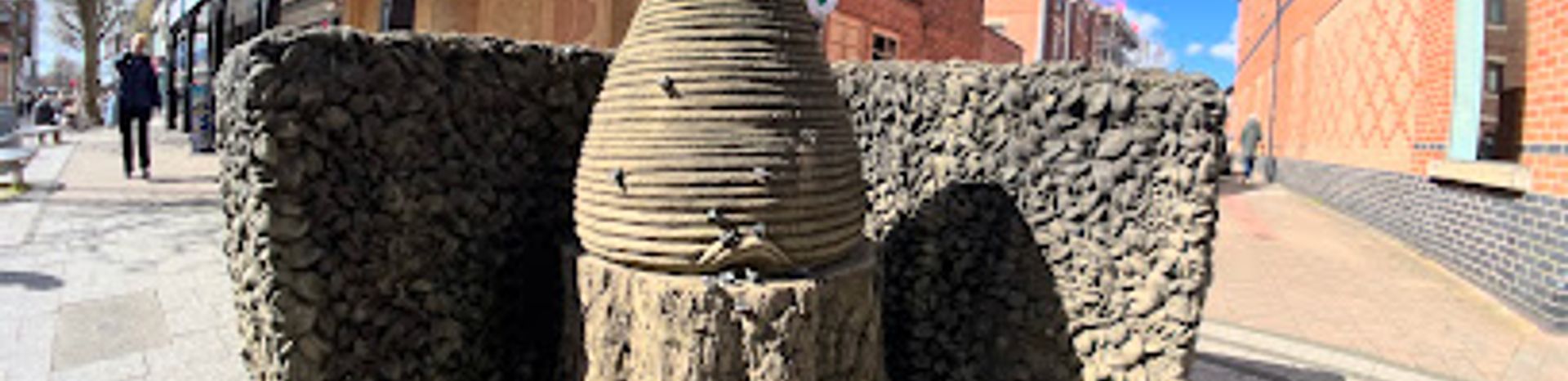
The Beekeeper Statue: Beeston’s Honeycomb Tribute
A lifesize tribute to Beeston’s bee heritage, this serene beekeeper statue blends nature and urban life on High Road.
The Beekeeper Statue, also known as the Statue of Honeycomb, is a lifesize outdoor sculpture located at 47 High Road, Beeston, Nottingham. Created in 1987 by artist Sioban Coppinger, it represents a calm beekeeper quietly smoking his pipe, surrounded by symbolic bees and natural elements, serving as a meditative resting place and a town identity symbol amid the busy shopping street.
A brief summary to Statue of Honeycomb
- 47 High Rd, Nottingham, Beeston, NG9 2JQ, GB
- Duration: 0.5 to 1.5 hours
- Free
-
 Outdoor
- Mobile reception: 4 out of 5
Local tips
- Visit during daylight hours to fully appreciate the detailed bronze bees and natural elements surrounding the statue.
- Take a moment to sit on the integrated benches and reflect on the peaceful symbolism amid the busy shopping street.
- Explore nearby Beeston High Road to see other bee-themed public art and signage that celebrate the town’s identity.
- Look out for the bronze wrens and fishes hidden in the hedge around the statue for a closer connection to local wildlife symbolism.

For the on-the-go comforts that matter to you
- Seating Areas
- Trash Bins
- Information Boards
Getting There
-
Tram
From Nottingham city centre, take the Nottingham Tram towards Beeston. The journey typically takes 15 to 20 minutes. The tram stops near Beeston High Road, within a short walk to the statue. Tickets cost approximately £2.50–£3.50 one way. Service frequency is every 7–10 minutes during the day.
-
Bus
Several local bus routes connect Nottingham to Beeston High Road, with travel times ranging from 20 to 30 minutes depending on traffic. Buses run frequently throughout the day. Tickets cost around £2.00–£3.00. Note that some routes may have limited evening service.
-
Car
Driving from Nottingham city centre to Beeston High Road takes about 15 to 25 minutes depending on traffic. Limited street parking is available nearby, and some areas require payment. Beeston High Road is pedestrianised, so park in designated areas and walk to the statue. Congestion can occur during peak hours.
-
Walking
If you enjoy walking, it takes approximately 45 to 60 minutes to walk from Nottingham city centre to Beeston High Road. The route is mostly flat on paved urban streets. Suitable for most fitness levels but not wheelchair accessible for the entire distance.
Statue of Honeycomb location weather suitability
-
 Any Weather
-
 Rain / Wet Weather
-
 Clear Skies
-
 Mild Temperatures
Discover more about Statue of Honeycomb
A Symbol of Beeston’s Identity and Urban Renewal
The Beekeeper Statue, also called the Statue of Honeycomb, was commissioned in 1987 as part of a broader effort to regenerate Beeston’s High Road. The local council sought a meaningful public artwork to complement the pedestrianisation and urban renewal of the area. Artist Sioban Coppinger, known for her figurative sculptures, was chosen to create a piece that would resonate with the community and provide a focal point for the town. The sculpture was designed to embody a local hero figure, quietly contemplative and deeply connected to the natural world, reflecting Beeston’s subtle ties to bees and nature.Artistic Composition and Symbolism
The sculpture is lifesize and crafted from ferro-cement, reinforced concrete, reconstituted stone, and bronze. It depicts a beekeeper calmly smoking his pipe, seated on a bench that invites passers-by to rest. Around him, over seventy bronze bees, two wrens, and two fishes are integrated into the surrounding hedge, enriching the natural motif. The beehive and tree trunk elements bring a piece of countryside into the urban environment, symbolizing the coexistence of nature and town life. The beekeeper himself was modeled on a friend of the artist, embodying calmness and patience—qualities essential to beekeeping and life.Community Connection and Cultural Role
Since its installation, the Beekeeper Statue has become an iconic part of Beeston’s civic life. It is affectionately known as the Beeston Seat and serves as a quiet meditative spot amid the bustle of the shopping street. The sculpture has inspired local poetry and festivals, becoming a cultural emblem for the town. Despite some initial public skepticism and even vandalism, it has grown in affection and respect, symbolizing resilience and community spirit. The statue’s presence encourages reflection on the town’s past, nature, and the importance of calm in daily life.Historical Context and Local Significance
Beeston’s name and identity have long been linked to bees, with the town’s name possibly derived from Old English words relating to grasslands or bees. The statue taps into this heritage, visually reinforcing the bee motif that appears in local symbols, street furniture, and signage. It also references Beeston’s transformation from a grassland area to a vibrant urban community. The Beekeeper Statue stands as a reminder of this layered history, blending natural imagery with urban renewal.Design Intent and Urban Integration
The artist intended the sculpture to act as a form of street theatre, capturing public attention and inviting interaction. Positioned centrally on the busy High Road, it provides a moment of pause and contemplation for shoppers and residents alike. The benches incorporated into the sculpture encourage people to sit and engage with the space, fostering a sense of community. The use of natural motifs and the calm demeanor of the figure contrast with the urban surroundings, creating a unique urban oasis.Legacy and Artistic Impact
Over the decades, the Beekeeper Statue has become a beloved landmark in Beeston. It exemplifies the power of public art to shape local identity and enhance urban spaces. The sculpture’s detailed craftsmanship, symbolic richness, and community integration make it a significant cultural asset. It continues to draw interest and affection, standing as a testament to thoughtful urban design and artistic vision in public spaces.Iconic landmarks you can’t miss

Camellia House
2.2 km
Explore the historical beauty of Camellia House in Nottingham, a landmark showcasing exquisite architecture and serene gardens.
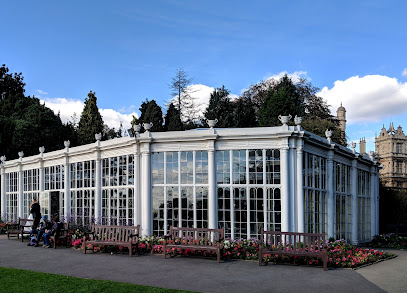
Gazebo
2.3 km
A serene early 19th-century stone pavilion nestled in Wollaton Park, blending heritage charm with tranquil garden beauty.
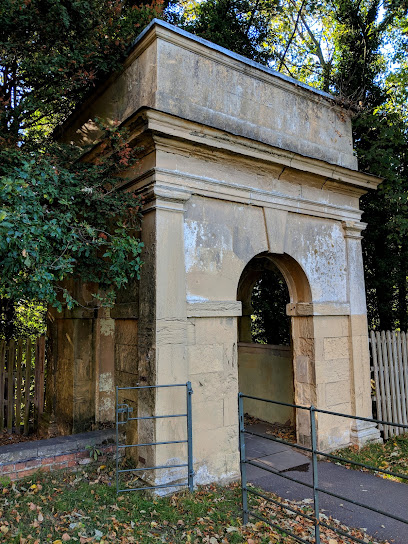
The Hemlock Stone
2.5 km
Towering sandstone sentinel amid Nottinghamshire woods, blending ancient geology, whispered legends, and sweeping valley views for an effortless nature immersion.
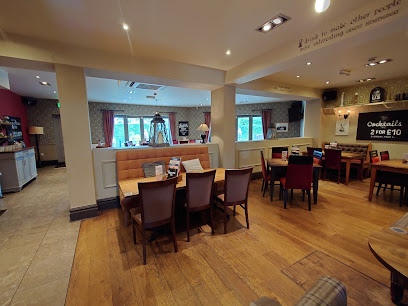
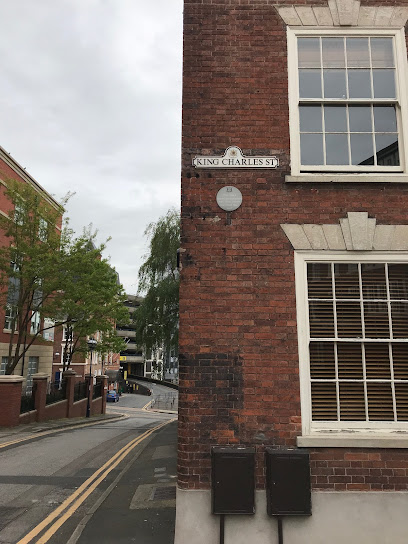
King Charles I Standard Hill Monument
4.7 km
Historic site where King Charles I raised his standard in 1642, igniting the English Civil War and shaping Nottingham’s rich heritage.
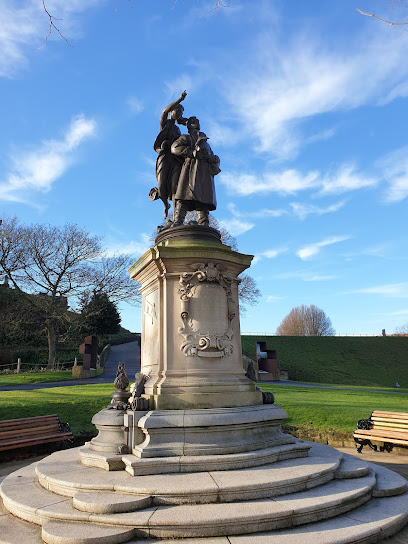
Statue of Captain Albert Ball
4.7 km
A striking bronze tribute in Nottingham Castle Gardens honoring WWI flying ace Captain Albert Ball’s valor and legacy.
Cathedral Hall
4.8 km
Pugin's masterpiece: England's grandest post-Reformation Catholic cathedral, where Gothic Revival vision endures.
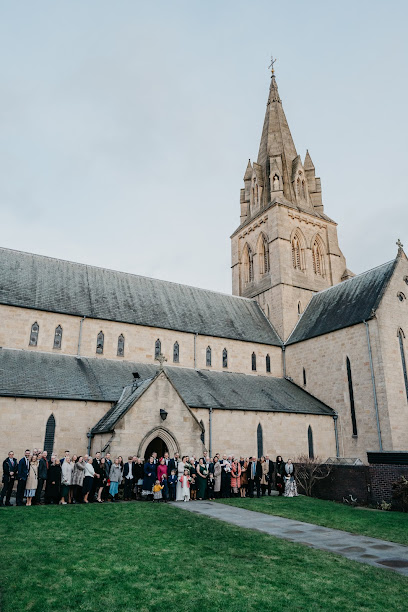
St Barnabas Cathedral Nottingham
4.9 km
A Gothic Revival masterpiece in the heart of Nottingham, home to centuries of Catholic worship and Pugin’s architectural vision.
St Nic's Church
4.9 km
Medieval survivor rebuilt from Civil War ashes, standing as Nottingham's testament to faith and resilience.
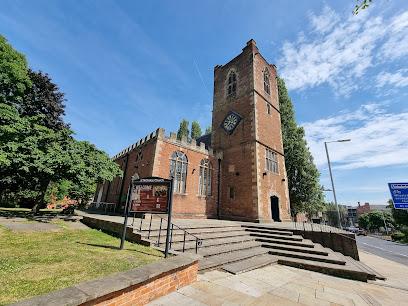
Scale Space Nottingham
5.0 km
Experience collaboration and innovation at Scale Space Nottingham, the premier co-working space in the heart of the city, perfect for entrepreneurs and remote workers.

St Peter's Church, Nottingham
5.2 km
A medieval sanctuary and historic gem in Nottingham’s city centre, blending centuries of architecture and community spirit.
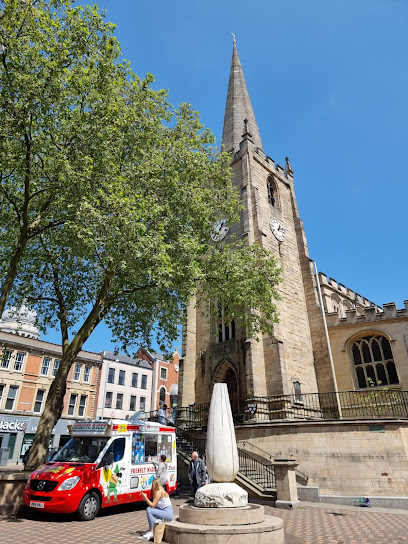
The Belgrave Rooms
5.2 km
Discover The Belgrave Rooms, Nottingham's premier venue for conferences and weddings, blending elegance and modern amenities for unforgettable events.
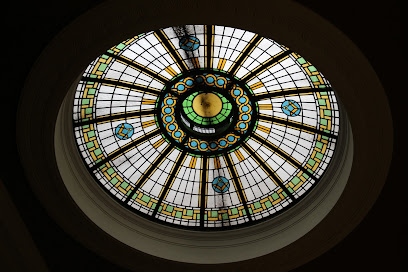
Right Lion
5.2 km
Discover Nottingham’s iconic Right Lion, a historic stone sculpture and beloved meeting point near the Council House in Old Market Square.
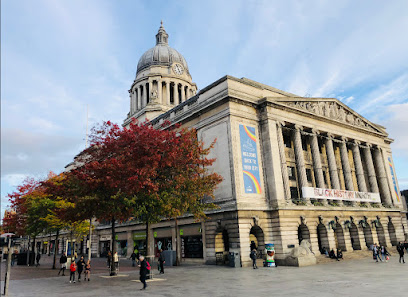
The Left Lion
5.2 km
Meet Nottingham’s iconic Left Lion, a historic stone sentinel and beloved city landmark at the heart of Old Market Square.
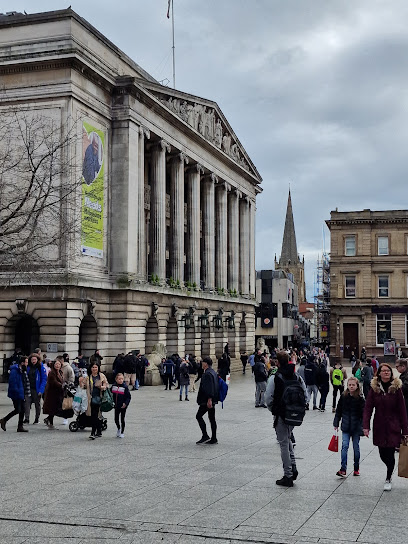
Speakers' Corner
5.2 km
Nottingham’s vibrant Speakers' Corner offers a historic platform for free speech, lively debates, and community connection in the heart of the city.
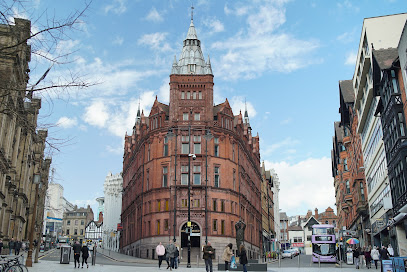
The Tokenhouse
5.3 km
Explore The Tokenhouse in Nottingham for unique gifts and heartfelt treasures that capture the essence of the city.
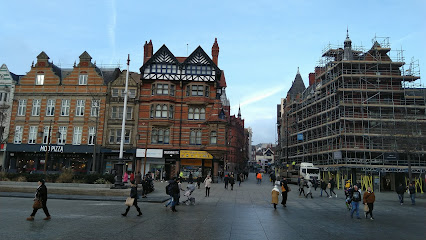
Unmissable attractions to see

Highfields Park
1.5 km
A historic 21-hectare park in Nottingham offering boating, adventure golf, scenic walks, and family-friendly fun near the university campus.
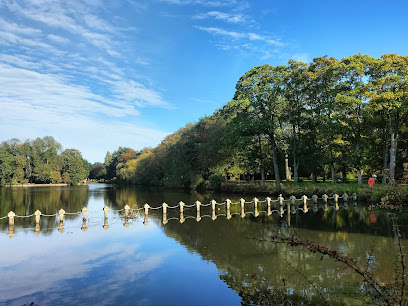
Wollaton Park Lake
1.7 km
A tranquil 25-acre lake set within Nottingham’s historic Wollaton Park, offering scenic walks, rich wildlife, and Georgian landscape charm.
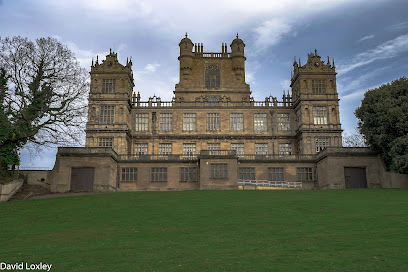
Beeston Lock
1.8 km
Historic canal lock bypassing the River Trent, blending industrial heritage with tranquil waterside charm in Nottingham.
Nottingham City of Literature
2.0 km
A vibrant arts hub blending theatre, galleries, and music set beside a scenic lake in Nottingham’s University Park.
Climbing Tree
2.1 km
Adventure and tranquility blend seamlessly at Nottingham’s Climbing Tree, nestled beside the historic Camellia House in scenic Wollaton Park.
The University of Nottingham Museum of Archaeology
2.1 km
Explore 250,000 years of regional archaeology at the University of Nottingham’s award-winning museum, set within the vibrant Lakeside Arts Centre.
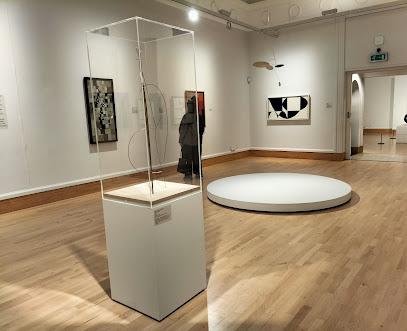
Nottingham Industrial Museum
2.3 km
Discover Nottinghamshire’s rich industrial past through working engines, vintage machinery, and engaging exhibits in a historic 17th-century stable block.
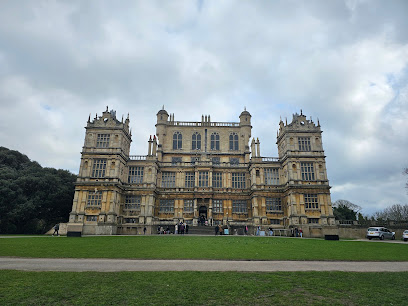
Treasure Trove - Nottingham Industrial Museum
2.3 km
Unearth industrial relics and charity gems in Wollaton's historic stables—a hidden trove blending Nottingham's manufacturing past with eclectic finds in an Elizabethan setting.
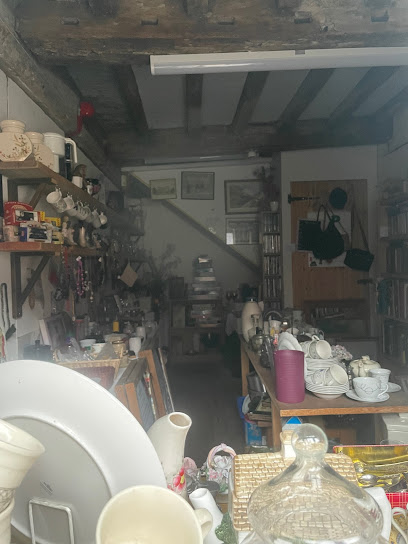
Wollaton Hall.
2.3 km
An Elizabethan prodigy house turned natural history museum, Wollaton Hall rises above Nottingham’s parkland with centuries of grandeur and a cinematic legacy as Wayne Manor.
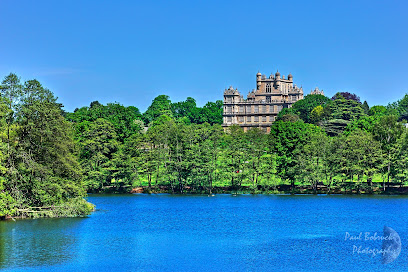
Nottingham Natural History Museum
2.3 km
Explore natural wonders and Elizabethan grandeur at Nottingham’s iconic Wollaton Hall and its captivating Natural History Museum.
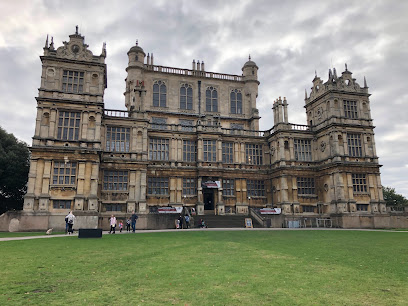
Wollaton Hall, Gardens and Deer Park
2.7 km
Elizabethan grandeur meets natural history in 500 acres of deer-roamed parkland—the real Wayne Manor.
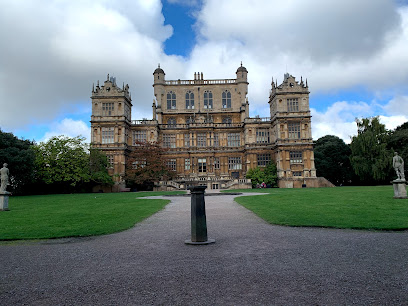
Wollaton Village Dovecote Museum
2.8 km
Explore a rare Elizabethan dovecote museum in Nottingham, showcasing centuries of rural heritage and architectural charm.
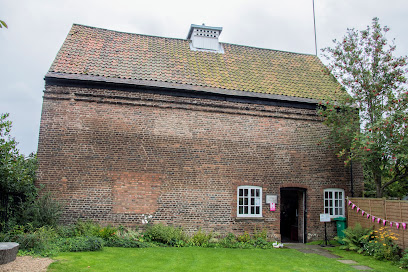
Walled Garden, Wollaton Park
2.9 km
A beautifully restored historic walled garden offering a peaceful retreat and heritage horticulture within Nottingham’s Wollaton Park.
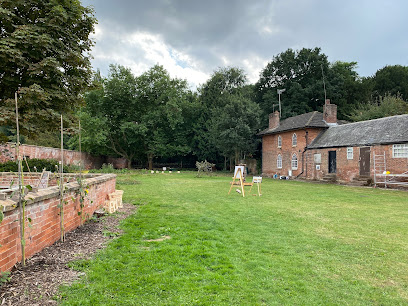
Attenborough Nature Reserve
3.2 km
Discover serene lakes, rich birdlife, and peaceful trails at Attenborough Nature Reserve, a celebrated wildlife sanctuary near Nottingham.
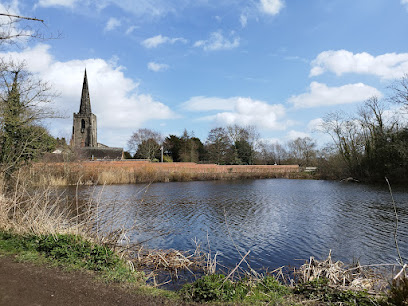
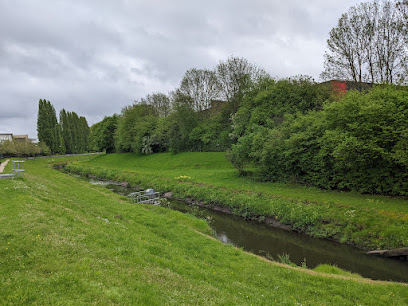
King's Meadow Nature Reserve
3.3 km
A vibrant urban nature reserve in Nottingham blending meadows, streams, and woodland for a peaceful wildlife retreat.
Essential places to dine

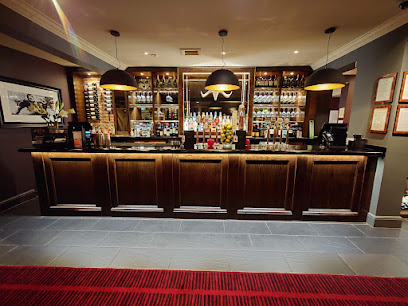
Miller & Carter Wollaton
1.3 km
Savor 30-day aged steaks from British farms in a warm, intimate steakhouse near Wollaton Park—where butchery expertise meets grilled perfection daily.
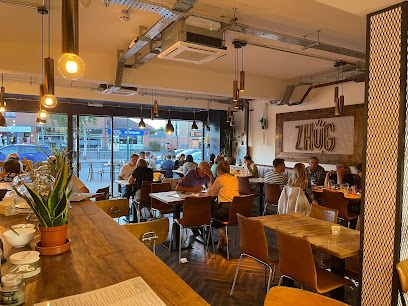
ZHUG
2.4 km
Savor vibrant Middle Eastern and Mediterranean flavors with fresh, bold dishes and a lively atmosphere in Nottingham’s Bramcote Lane.
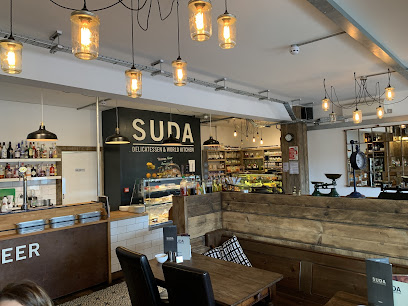
SUDA Delicatessen & World Kitchen
2.4 km
A lively Nottingham eatery blending global flavours with vegan and gluten-free options in a vibrant, welcoming setting.
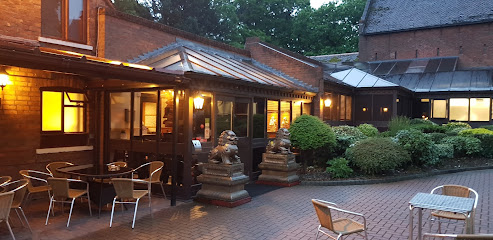
Mr Man's Restaurant
2.8 km
Spacious Cantonese dining in Wollaton Park offering authentic Chinese flavors and generous portions in a relaxed suburban setting.
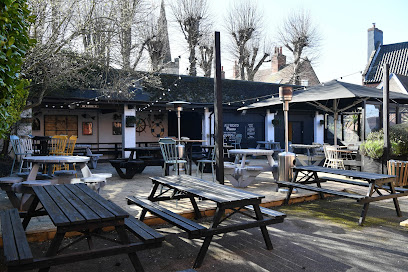
Admiral Rodney
2.9 km
A traditional Nottingham pub offering hearty food, friendly service, and a cozy atmosphere on Wollaton Road.
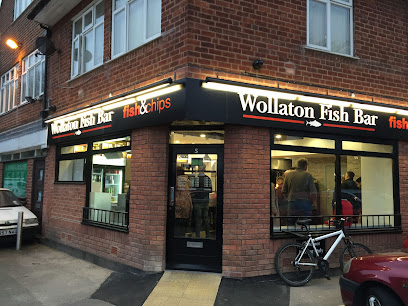
Wollaton Fish Bar
3.0 km
Nottingham's go-to chippie for crispy battered fish, chunky chips, and massive kebabs in hearty, wallet-friendly portions.
Wheelhouse
3.0 km
Cosy family-friendly pub in Wollaton, Nottingham, serving classic British fare with welcoming service and a lively, casual atmosphere.
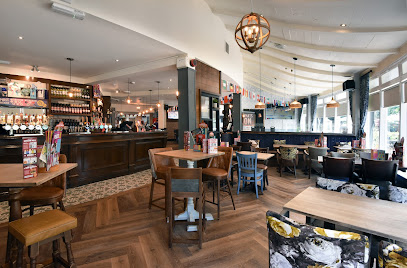
Wollaton Pub & Kitchen
3.1 km
A vibrant pub and kitchen in Wollaton blending traditional charm with modern British cuisine and community spirit.
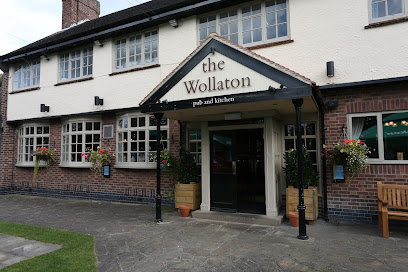
Restaurant Sat Bains with Rooms
3.1 km
Two Michelin-starred modern European dining with boutique rooms, blending culinary artistry and warm hospitality in Nottingham.

Spicy House
3.6 km
Experience authentic Szechuan spice and flavor at Spicy House, Nottingham’s go-to for bold Chinese cuisine with customizable heat levels.

Harvester Wilford Farm Nottingham
3.6 km
Family-friendly British dining with a famous salad bar and casual atmosphere in Nottingham’s Wilford area.
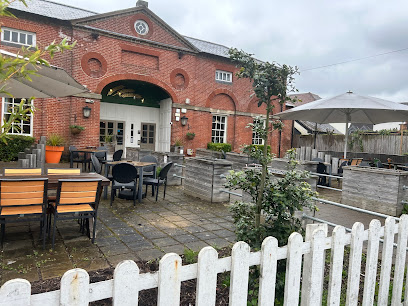
BEST FOOD Chinese And Thai Takeaway
3.6 km
Experience authentic Chinese and Thai cuisine at BEST FOOD Takeaway in Wollaton—delicious meals made with quality ingredients at affordable prices.
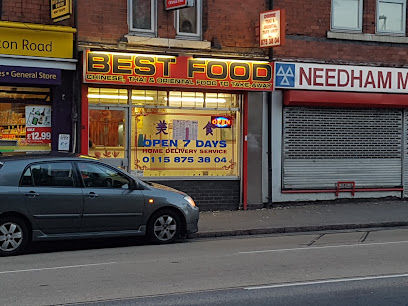
Alchemilla
4.5 km
Discover Alchemilla, Nottingham’s Michelin-starred fine dining gem blending historic charm with innovative, sustainable cuisine.
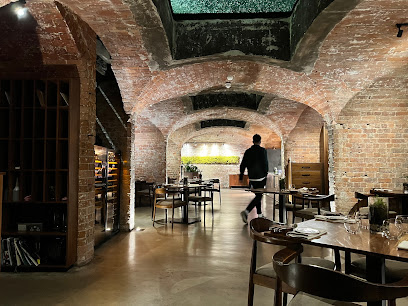
Hart's Hotel and Kitchen
4.7 km
Stylish boutique hotel with contemporary comfort and acclaimed dining, set steps from Nottingham Castle in a peaceful city centre courtyard.
Sans Patrie
4.7 km
Discover Nottingham’s Sans Patrie, where inventive tasting menus meet artistic presentation in a relaxed, inclusive fine dining setting.
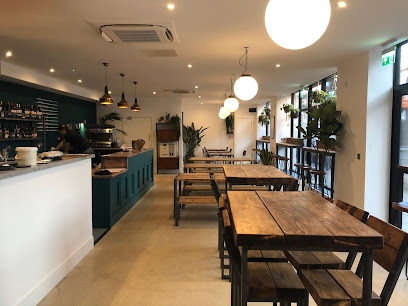
Markets, malls and hidden boutiques

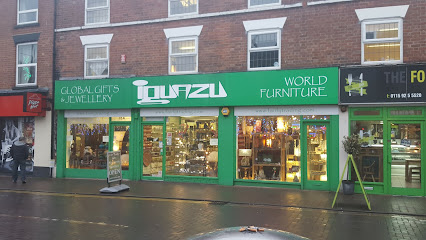
Iguazu Fair Trade Superstore
0.1 km
Discover ethically crafted furniture, gifts, and clothing at Iguazu Fair Trade Superstore in Beeston, Nottingham’s hub for sustainable shopping.
Aryaan Straps
1.3 km
Explore the vibrant world of fashion accessories at Aryaan Straps in Beeston, Nottingham, where style meets uniqueness in every piece.
Catherine’s Exclusive Fashion
2.4 km
Discover unique fashion treasures at Catherine's Exclusive Fashion, Nottingham's premier boutique for stylish clothing and accessories.

Grocery Store & Florist
2.4 km
Explore Nottingham's local culture at this delightful grocery store and florist, perfect for unique gifts and fresh flowers.
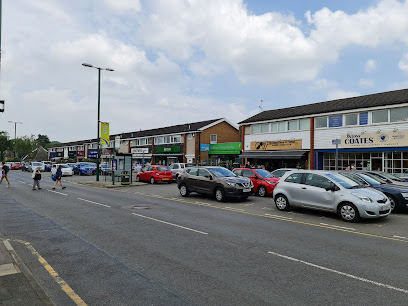
Indigo Ladieswear, Gifts & Accessories
2.4 km
Discover unique ladies' fashion, gifts, and jewelry at Indigo Ladieswear, Gifts & Accessories in Nottingham, a stylish destination for every shopper.

Marks and Spencer
2.6 km
24-hour M&S haven at Wollaton BP: gourmet groceries, stylish clothes, and convenience essentials in Nottingham's suburban heart.
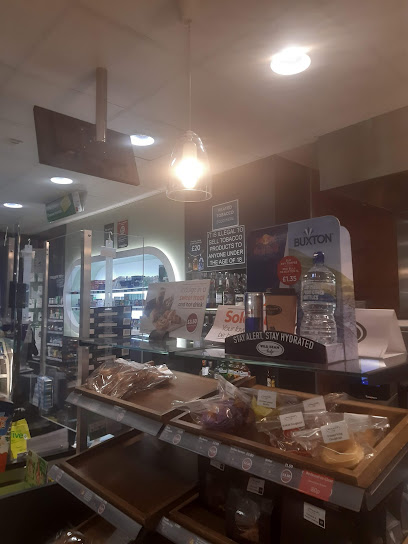
B & V Thornhill
3.0 km
Discover B & V Thornhill, your friendly neighborhood newsagent in Wollaton, Nottingham, offering local news, snacks, and convenience items.
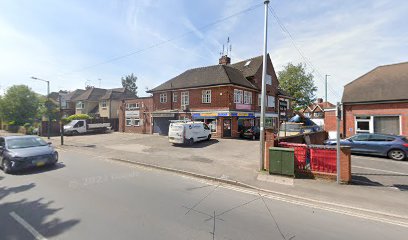
Rico’s Vape Store Wollaton
3.0 km
Explore a diverse range of vaporizers and e-liquids at Rico's Vape Store Wollaton, Nottingham's premier destination for vaping enthusiasts.
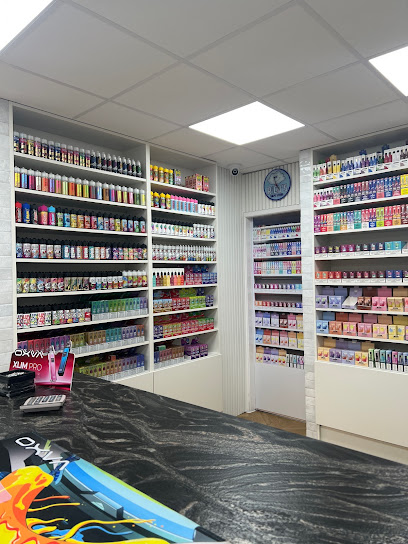
Stratus Wallets
3.3 km
Discover unique gifts and treasures at Stratus Wallets, Nottingham's charming gift shop for memorable souvenirs and accessories.
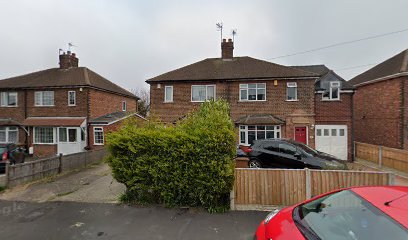
Something Different
3.5 km
Discover vintage treasures and unique collectibles in a charming Stapleford shop filled with antiques, records, and secondhand gems.
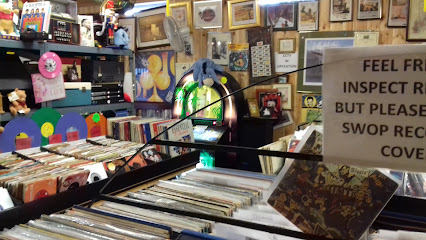
Fromno19
4.2 km
Small-batch, handcrafted bags and home gifts where vintage-inspired fabrics meet practical, well-finished design.
Castle Marina Retail Park
4.2 km
Nottingham's go-to retail park for home essentials, pet supplies, and coffee breaks, with free parking and canal-side convenience.

Crusader Gifts
4.2 km
Nottingham’s trusted gift shop with fast dispatch, British-made products, and a vast selection for every occasion.
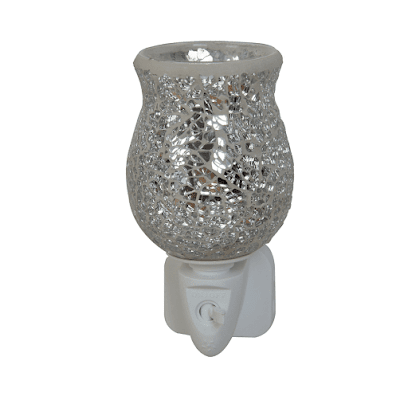
Happy Sunday Vintage & Antiques
4.7 km
A joyful vintage boutique in Nottingham offering bold fashion, unique antiques, and a welcoming atmosphere for vintage lovers.
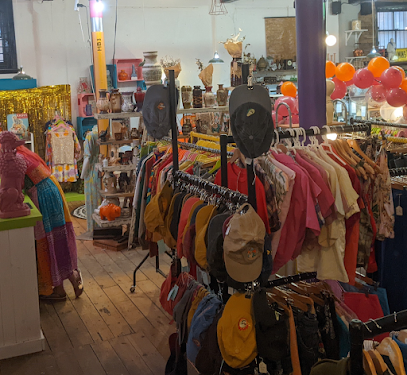
ChicChoiceHub
4.8 km
Discover Eastern elegance on Nottingham's historic Standard Hill at ChicChoiceHub, where oriental treasures meet Civil War legacy in a treasure trove of Asian artistry and crafts.
Essential bars & hidden hideouts

Nurseryman - Pub & Grill
1.4 km
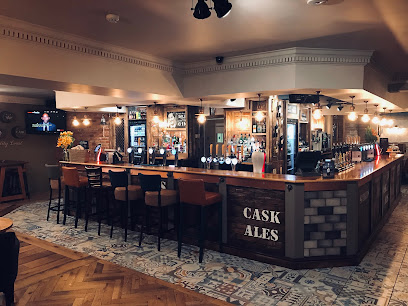
Flame-grilled feasts and cask ales in a refreshed Beeston pub, perfect for family meals and relaxed evenings on Derby Road.
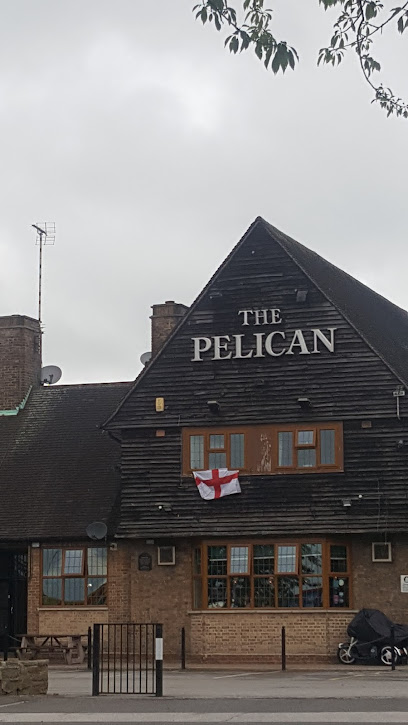
The Pelican
4.2 km
Cozy Nottingham pub on Bracebridge Drive, pouring pints and pub classics in a relaxed suburban haven—perfect for casual drinks and community vibes.
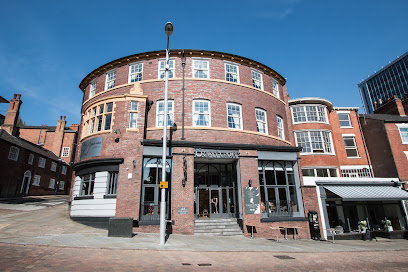
Crafty Crow
4.8 km
A vibrant Nottingham pub offering innovative vegetarian dishes and a diverse craft beer selection near the historic Castle.
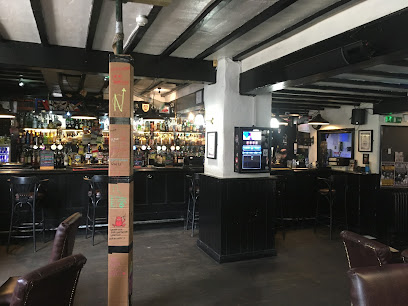
Ye Olde Salutation Inn
4.9 km
Step into Nottingham’s oldest pub, where medieval history meets lively rock vibes and ghostly legends in a welcoming atmosphere.
Canalhouse
5.0 km
Iconic canal-pierced pub blending Grade II heritage, world-class craft beers, and waterside vibes in Nottingham's vibrant core.
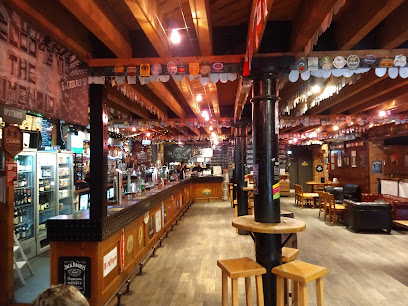
Malt Cross
5.0 km
Historic Victorian music hall pub in Nottingham offering award-winning ales, live music, and a vibrant community atmosphere in a stunning heritage setting.
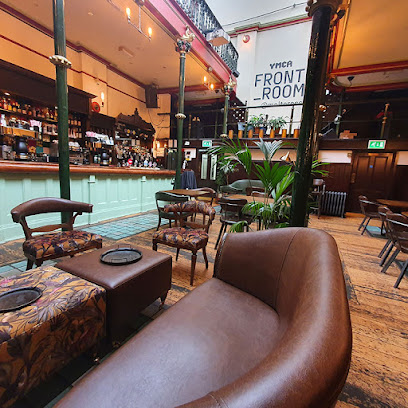
The Bierkeller Nottingham
5.0 km
Experience lively Bavarian beer hall vibes with authentic brews, live Oompah bands, and festive fun in Nottingham’s city centre.
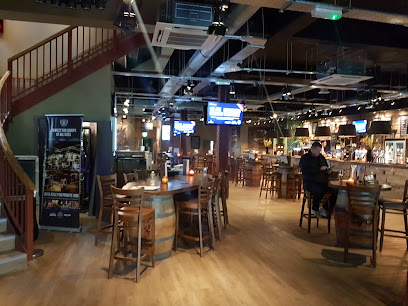
Cucamara
5.1 km
Lively late-night cocktail bar in Nottingham’s Hurts Yard, blending vibrant atmosphere with creative drinks and social energy.
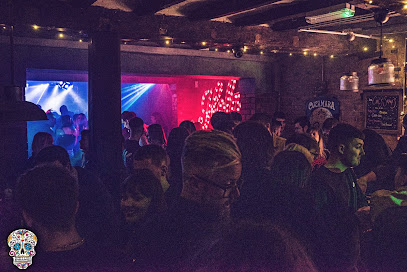
O'Neill's Market Square Nottingham
5.1 km
Lively Irish pub in Nottingham's Market Square: pub grub, live sports, DJ nights, and pints in a buzzing city-centre spot that parties till late.
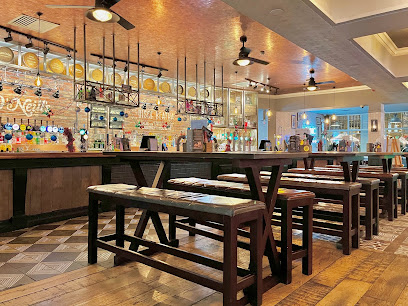
400 Rabbits
5.1 km
Intimate Hurts Yard cocktail bar specialising in tequila and mezcal cocktails with a theatrical, cosy atmosphere.
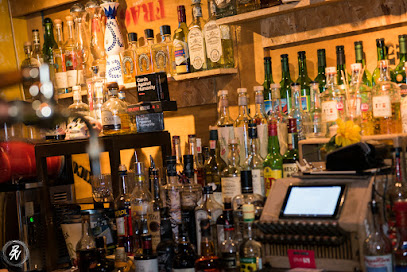
Tap & Tumbler
5.1 km
Nottingham’s legendary rock pub with live music, real ales, and a quirky, welcoming atmosphere in the city’s cultural heart.
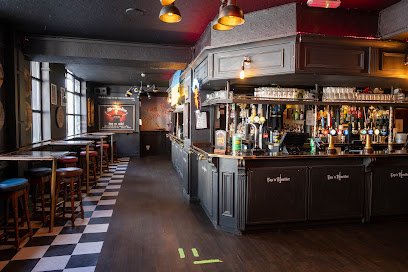
Six Richmond House
5.1 km
Elegant cocktails and modern British dining blend seamlessly in Nottingham’s intimate and stylish Six Richmond House.
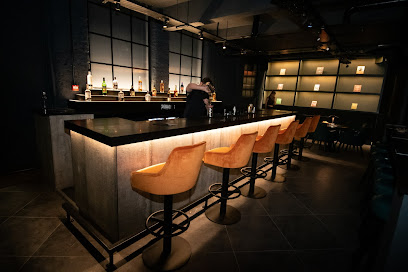
Slug & Lettuce - Market Square Nottingham
5.1 km
Vibrant cocktail bar and restaurant in Nottingham’s Market Square, known for lively atmosphere, diverse menu, and all-day 2-4-1 cocktails.
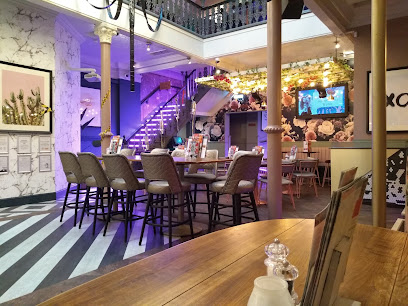
Bunk
5.1 km
Quirky basement cocktail bar serving bold wings and inventive drinks in Nottingham's electric city center hideaway.
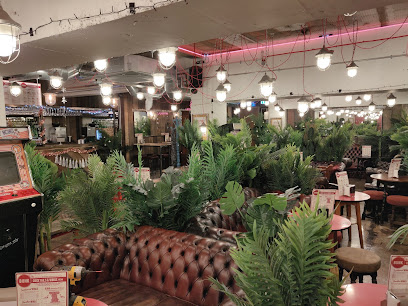
The Stage Pub Nottingham
5.1 km
Traditional Nottingham pub with live music, cosy nooks, and late-night vibes near Theatre Royal – perfect for drinks, dancing, and city-centre camaraderie.
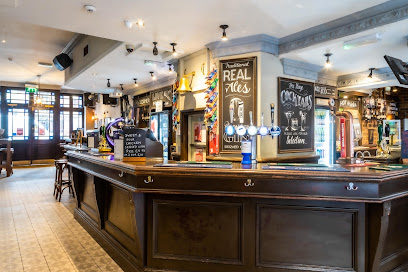
Nightclubs & after hour spots

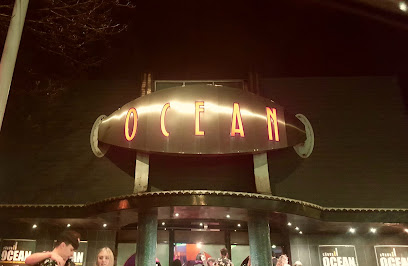
Ocean Nightclub
5.0 km
Unpretentious beats and dazzling lights fuel all-night dances at Nottingham's go-to multi-room nightclub on Greyfriar Gate.
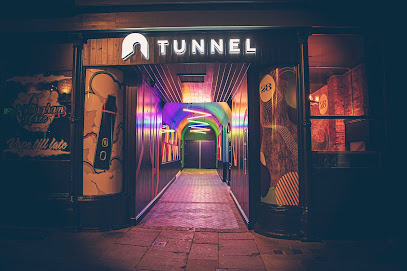
Tunnel Club
5.0 km
Loud. Intimate. Disruptive. Dive into Nottingham's raw underground beats at this city-center nightclub powerhouse.
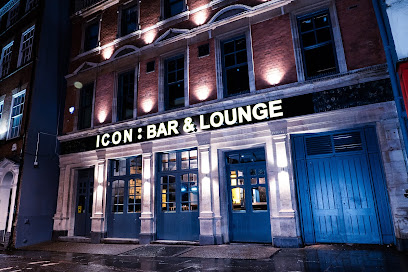
ICON
5.0 km
A compact, DJ-driven late-night club on St James’s Street — small footprint, high-energy nights and a tight city-centre atmosphere.
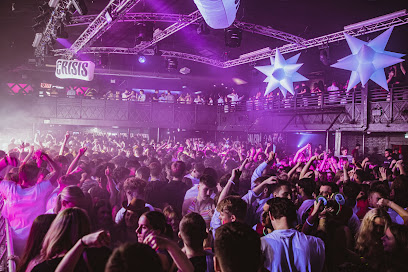
CRISIS
5.1 km
Experience Nottingham’s legendary live music and nightlife at Rock City, a vibrant venue with a rich history and dynamic club nights.
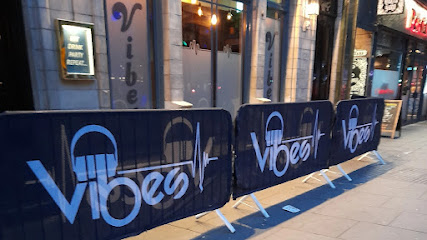
VIBES NIGHTLIFE
5.1 km
Dive into Nottingham's pulsating party hub where weekend beats, neon lights, and vibrant crowds fuel epic nights until 2am—pure vibes unleashed.
Rock City
5.1 km
Experience Nottingham’s iconic live music and nightclub venue, where legendary acts and vibrant club nights come alive in an intimate, energetic setting.
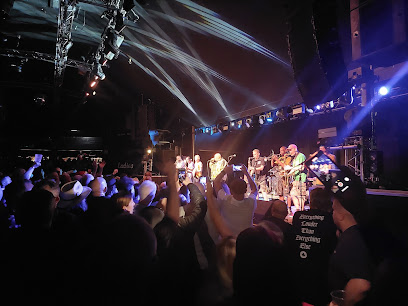
Rescue Rooms
5.2 km
Nottingham's intimate live music powerhouse: raw gigs, electric crowds, and beats till 3am in a historic nook.
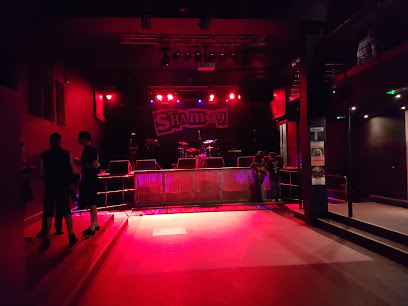
Stealth
5.2 km
Nottingham's drum and bass dynamo: world-ranked beats, epic nights, and unrelenting energy since 2004 in the heart of Goldsmith Street.
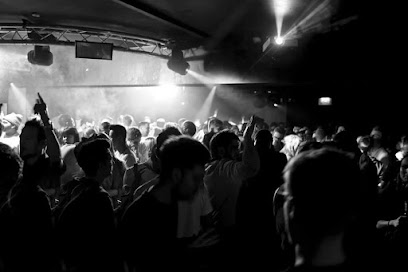
Popworld - Nottingham
5.3 km
A neon-soaked, singalong pop-club in Nottingham city centre — colourful cocktails, nostalgic anthems and compact dancefloor energy.
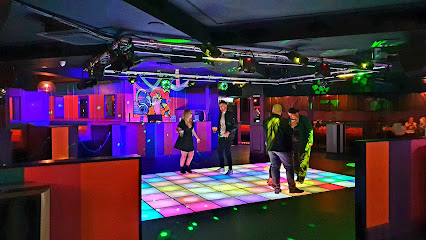
Unit 13
5.3 km
Dive into Nottingham's underground bassline haven at Unit 13, where industrial beats and stellar DJs fuel unforgettable warehouse raves.

Love zoo
5.3 km
Dive into Nottingham's electrifying beats at Love Zoo, where house rhythms, dazzling lights, and cocktail-fueled nights create pure nightlife magic on Weekday Cross.
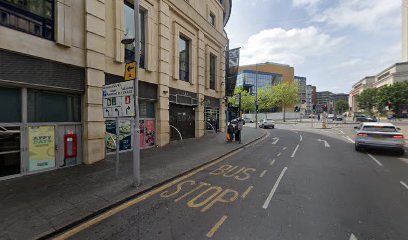
The Cell
5.3 km
Dive into Nottingham's pulsing heart at The Cell, where affordable drinks, diverse beats, and Hockley's electric vibe fuel unforgettable nights of dance and discovery.

Tantra Night Clubs
5.4 km
Dive into Nottingham's electric nightlife at Tantra Night Clubs, where pulsating beats, dazzling lights, and stylish vibes create unforgettable nights of dance and discovery in the city center.
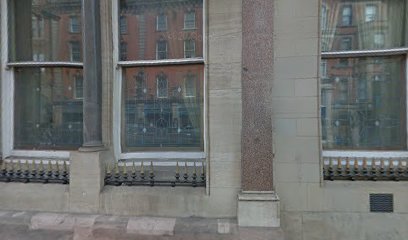
The Bodega Nottingham
5.4 km
Intimate two-level live-music bar and late-night club on Pelham Street — gritty, affordable and centred on close-up gigs and local sounds.
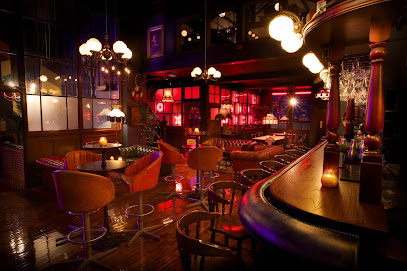
The Hockley Arts Club
5.5 km
Discover Nottingham's vibrant cocktail culture at The Hockley Arts Club, where innovative drinks and artistic ambiance come together for an unforgettable night out.
For the vibe & atmosphere seeker
- Relaxing
- Tranquil
- Scenic
- Unique
- Casual
For the design and aesthetic lover
- Rustic Designs
For the architecture buff
- Historic
- Landmarks
- Parks & Gardens
For the view chaser and sunset hunter
- Iconic Views
For the social media creator & influencer
- Instagrammable
- Photo Spots
- Selfie Spots
For the eco-conscious traveler
- Public-Transport Accessible
- Locally Managed
For the kind of experience you’re after
- Cultural Heritage
- Mindfulness
- Meditation Spot
- Photowalk
- Day Trip
For how adventurous you want the journey to be
- Easy Access
Location Audience
- Family Friendly
- Senior Friendly
- Child Friendly
- Teen Friendly
- Wheelchair Access
- Pet Friendly
- Solo Friendly
- Couple Friendly


