
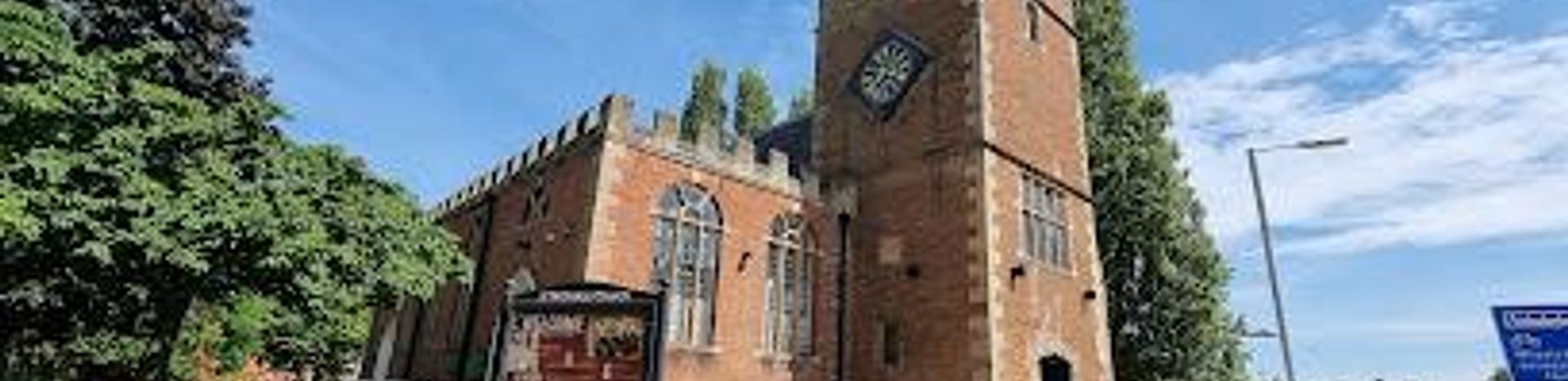
St Nicholas Church, Nottingham
Medieval survivor rebuilt from Civil War ashes, standing as Nottingham's testament to faith and resilience.
St Nicholas Church stands as one of Nottingham's three surviving medieval parish churches, though the current Grade II* listed building dates from 1671–1678. Originally founded around 1100, the medieval structure was completely destroyed in 1643 during the English Civil War when Royalist forces used its tower to bombard Nottingham Castle. The resilient congregation rebuilt on the same site, creating the modest red-brick church that survives today. Its plain exterior belies a rich history intertwined with Nottingham's most turbulent period, making it a remarkable testament to faith and community determination.
A brief summary to St Nic's Church
- 79 Maid Marian Way, Nottingham, NG1 6AE, GB
- +441159524600
- Visit website
- Duration: 0.5 to 1.5 hours
- Free
-
 Outdoor
- Mobile reception: 5 out of 5
Local tips
- Visit on a weekday morning (Tuesday–Friday, 10:00–12:00) for a quieter experience and easier access to the interior. The church is less crowded during these hours, allowing for contemplative exploration of its 17th-century architecture and historical features.
- Look for the 1714 inscription in the roof timbers, signed by the rector and sexton, which documents the church's destruction in 1643 and rebuilding from 1671. This hidden historical marker is a tangible connection to the church's remarkable recovery.
- Examine the chancel panelling and the old gallery fronts that remain from the 18th and 19th centuries. These wooden elements provide insight into the church's evolving interior design and the social hierarchies of worship in earlier eras.
- Stand outside on Maid Marian Way and observe how the church now stands isolated from its medieval context. The surrounding modern urban landscape starkly contrasts with the building's 17th-century origins, illustrating Nottingham's transformation.
- Contact the church in advance for guided tours or special access. The congregation and volunteers often share detailed knowledge of the building's history, Civil War significance, and ongoing conservation efforts.

For the on-the-go comforts that matter to you
- Restrooms
- Seating Areas
- Information Boards
Getting There
-
Bus
Multiple bus routes serve the city centre near St Nicholas Church. Services 1, 2, 3, 4, 5, and 6 stop at nearby stops on Maid Marian Way and surrounding streets, with journey times of 5–15 minutes from Nottingham city centre depending on your starting point. Buses run frequently throughout the day (every 5–15 minutes during peak hours). A single journey ticket costs approximately £1.50–£2.50; day passes are available for £4.50–£5.50.
-
Train
Nottingham Railway Station is approximately 1.2 kilometres south of St Nicholas Church, a walk of 15–20 minutes through the city centre. From the station, head north through the city centre towards the castle area. Alternatively, take a local bus (routes 1–6) for 5–10 minutes. Train services connect Nottingham to London, Leicester, Derby, and other major cities; journey times from London are approximately 2 hours.
-
Car and Parking
St Nicholas Church is located on Maid Marian Way in central Nottingham. Street parking is limited and subject to restrictions; paid car parks are available within 2–5 minutes' walk, including the Broadmarsh Car Park and Castle Car Park, with charges typically £1.50–£2.50 per hour or £8–£12 for all-day parking. The church itself does not have dedicated parking.
-
Walking
St Nicholas Church is easily accessible on foot from Nottingham city centre. From the Old Market Square (the historic heart of Nottingham), the church is approximately 400 metres away, a 5–7 minute walk heading towards Nottingham Castle. The route is flat, well-lit, and passes through pedestrian-friendly streets. From the castle itself, the church is just 150 metres away, a 2–3 minute walk downhill.
St Nic's Church location weather suitability
-
 Any Weather
Discover more about St Nic's Church
Origins and Medieval Significance
St Nicholas Church was first mentioned in the Foundation Charter of Lenton Priory around 1100–1115, though it may have existed even before the Norman Conquest. The original medieval church was built on the site of the present building, likely in the 11th century, and served as one of only three parish churches in medieval Nottingham alongside St Mary's and St Peter's. The church was dedicated to Saint Nicholas, patron saint of merchants, sailors, and travellers—a fitting dedication given Nottingham's position near the River Leen, which may have been more navigable in earlier centuries. The medieval structure featured a nave with one or two aisles and a west tower topped with a spire, as documented in Speed's 1610 map. Within its walls stood a chantry dedicated to St Mary and an associated guild or fraternity, reflecting the spiritual life of the medieval parish.Destruction and Desolation During the Civil War
The church's fate changed dramatically during the English Civil War. In September 1643, Royalist forces occupied St Nicholas Church and used its commanding tower as a stronghold from which to bombard Nottingham Castle, which was held for Parliament under Colonel John Hutchinson. According to the diary of Lucy Hutchinson, the colonel's wife, bullets from the church "played so thick into the outward Castle Yard that they could not pass from one gate to another, nor relieve the guards, but with great hazard." To prevent the church from being used as a military position again, Colonel Hutchinson ordered its complete destruction. The medieval building was razed, its materials carted away and repurposed for other construction. The site remained desolate and empty for approximately 25 years, a stark reminder of the conflict's destructive power. The displaced congregation was temporarily accommodated in a gallery above the chancel of St Peter's Church, though this arrangement proved short-lived when that building too was damaged in further fighting in January 1644.Resurrection in Brick and Faith
Despite their displacement and hardship, the determined congregation of St Nicholas set about rebuilding their church. Work commenced in 1671, with the Town Council granting timber from local coppices for the restoration. The new building, completed by 1678, was constructed of economical red brick with ashlar dressings—a practical choice reflecting the financial constraints of the period. An inscription discovered in 1714, signed by Rector J. Abson and Sexton B. Stephenson, commemorated the rebuilding: "This Church was burnt and pulled down in 1647 and begun again in 1671." The new structure adopted a cruciform plan with a nave lacking aisles, typical of 17th-century church architecture. Its square tower, divided into three stages, featured a clock on two sides and crenellated edges, with two bells housed within. The plain exterior reflected the modest circumstances of its construction, yet the building represented a triumph of community resilience and faith.Transformation and Restoration
The 18th century brought changes to accommodate the congregation's needs. Spacious square pews and galleries were added to accommodate the voluminous skirts fashionable among ladies of the period, with the galleries reserved for "the humbler portion of the parishioners." In 1863, the interior underwent significant remodelling: new pews were installed, the galleries removed, and the old gallery fronts transformed into chancel stalls for a choir. A new oak lectern was provided in 1899. The church's architectural heritage was recognised in 1953 when it was designated a Grade II* listed building by the Department for Digital, Culture, Media and Sport. Subsequent restoration work addressed decades of neglect: the tower was restored in 1961 with assistance from the Historic Churches Preservation Trust, and the chancel underwent restoration in 1959. A comprehensive renovation in 2010 ensured the building's continued preservation for future generations.Urban Transformation and Modern Context
The 20th century brought dramatic changes to St Nicholas's surroundings. The medieval street pattern that had characterised the area for centuries—with evocative names such as Rosemary Lane, Walnut Tree Lane, and Gilliflower Hill—was demolished in the 1960s to make way for Maid Marian Way, the modern road that now runs past the church. This urban redevelopment left St Nicholas as a solitary survivor of an older Nottingham, standing alone where once a dense medieval neighbourhood thrived. Despite these transformations, the church remains a Grade II* listed building and a Grade I listed place of worship, recognised for its historical significance and architectural merit. Today it continues to serve as an active Anglican parish church, maintaining its role in the spiritual life of Nottingham while bearing witness to centuries of conflict, resilience, and faith.Iconic landmarks you can’t miss

St Nic's Church
0.0 km
Medieval survivor rebuilt from Civil War ashes, standing as Nottingham's testament to faith and resilience.
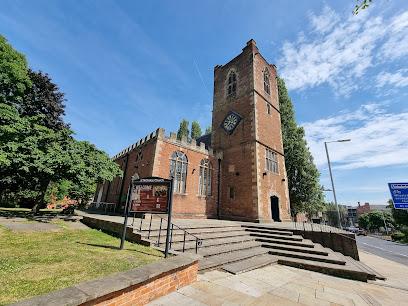
Statue of Captain Albert Ball
0.2 km
A striking bronze tribute in Nottingham Castle Gardens honoring WWI flying ace Captain Albert Ball’s valor and legacy.
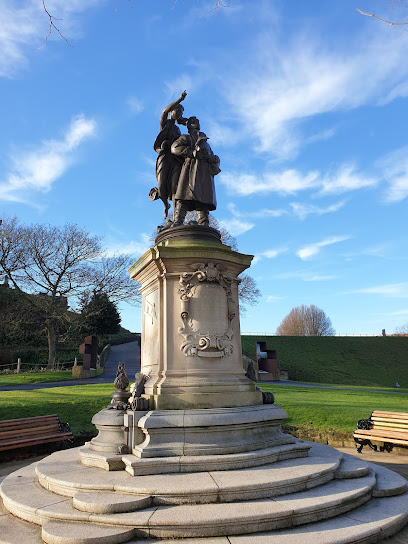
St Peter's Church, Nottingham
0.3 km
A medieval sanctuary and historic gem in Nottingham’s city centre, blending centuries of architecture and community spirit.
The Tokenhouse
0.3 km
Explore The Tokenhouse in Nottingham for unique gifts and heartfelt treasures that capture the essence of the city.
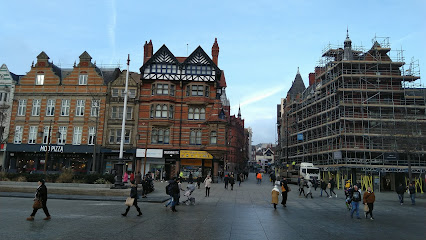
King Charles I Standard Hill Monument
0.3 km
Historic site where King Charles I raised his standard in 1642, igniting the English Civil War and shaping Nottingham’s rich heritage.
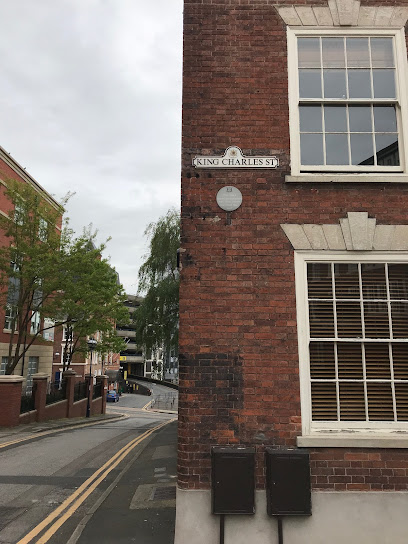
Right Lion
0.3 km
Discover Nottingham’s iconic Right Lion, a historic stone sculpture and beloved meeting point near the Council House in Old Market Square.
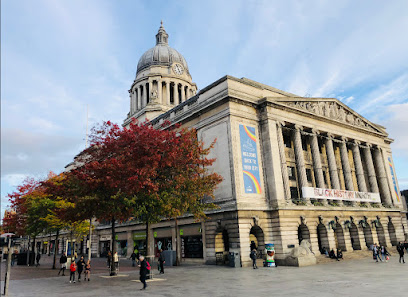
Weekday Cross Monument
0.4 km
Historic heart of Nottingham’s medieval market life, commemorating centuries of trade and community gatherings in the Lace Market district.
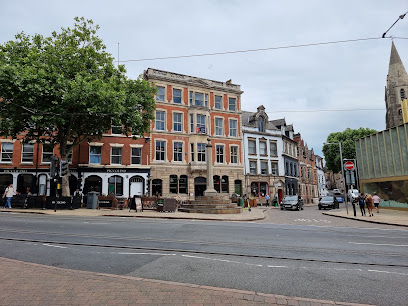
The Left Lion
0.4 km
Meet Nottingham’s iconic Left Lion, a historic stone sentinel and beloved city landmark at the heart of Old Market Square.
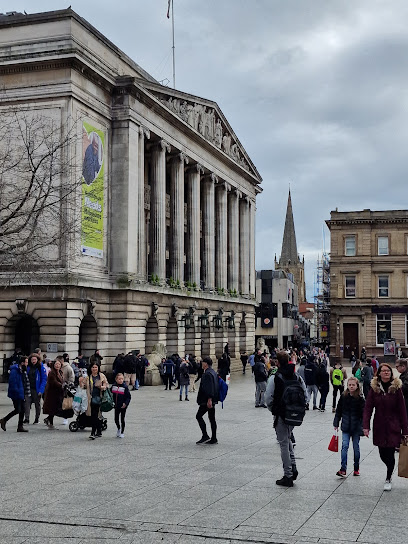
Citylife UK
0.4 km
Explore Nottingham with Citylife UK, your trusted travel agency for personalized experiences and local insights.
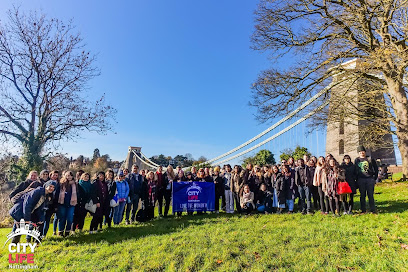
Speakers' Corner
0.4 km
Nottingham’s vibrant Speakers' Corner offers a historic platform for free speech, lively debates, and community connection in the heart of the city.
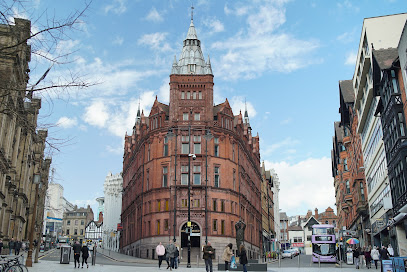
The Hockley Arts Club
0.5 km
Discover Nottingham's vibrant cocktail culture at The Hockley Arts Club, where artistry meets exceptional mixology in a stylish bar setting.
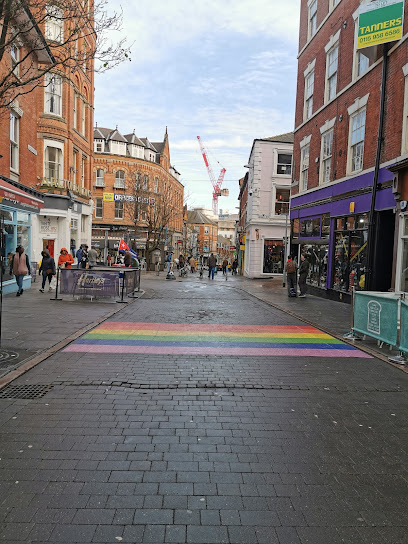
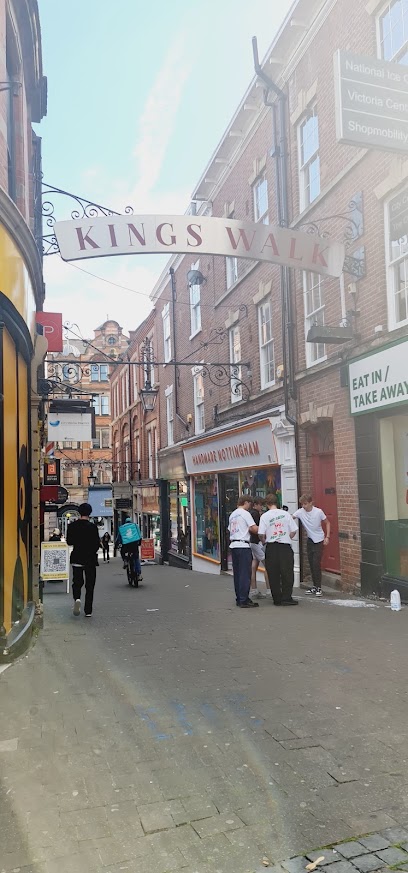
King's Walk sign
0.6 km
A pedestrianised passage where Georgian elegance meets contemporary commerce in Nottingham's historic heart.
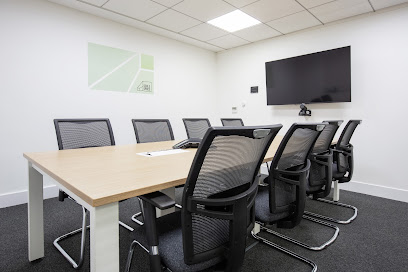
Scale Space Nottingham
0.6 km
Experience collaboration and innovation at Scale Space Nottingham, the premier co-working space in the heart of the city, perfect for entrepreneurs and remote workers.
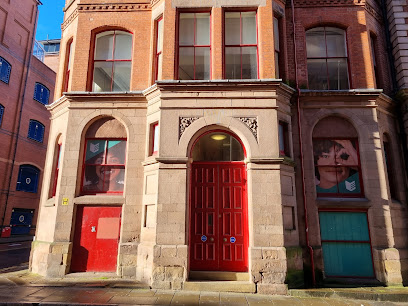
16 Stoney Street
0.6 km
Discover 16 Stoney Street, a preserved Victorian lace warehouse in Nottingham’s historic Lace Market, echoing the city’s rich industrial heritage.
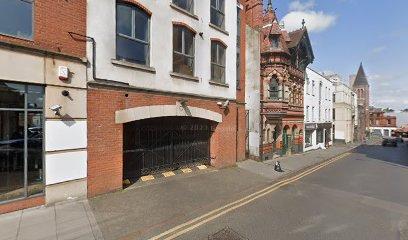
Watson Fothergill's Office
0.6 km
Explore the vibrant Gothic Revival office of Watson Fothergill, Nottingham’s iconic Victorian architect, showcasing intricate brickwork and historic homage.
Unmissable attractions to see

Robin Hood Statue
0.2 km
Iconic bronze statue of Robin Hood beside Nottingham Castle, celebrating the legendary outlaw and Nottingham’s rich folklore heritage.
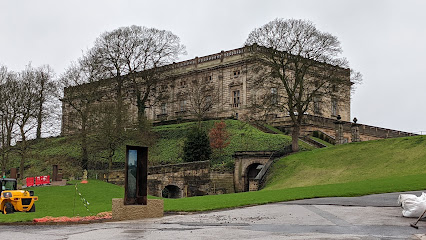
The Original Nottingham Ghost Walk
0.2 km
Step into Nottingham’s haunted past with The Original Nottingham Ghost Walk, starting at the legendary Ye Olde Trip to Jerusalem pub.
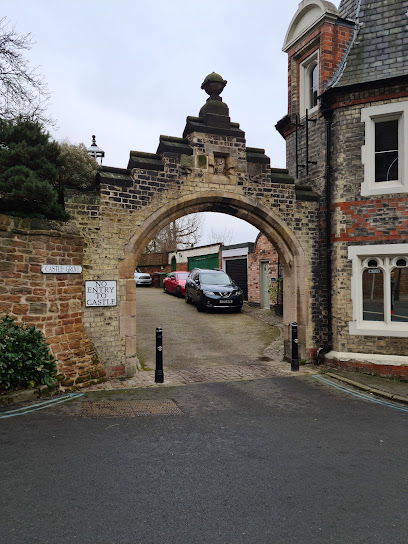
Nottingham Castle Visitors Centre
0.2 km
Gateway to Nottingham Castle’s rich history, interactive galleries, cave tours, and family-friendly adventures in the heart of the city.
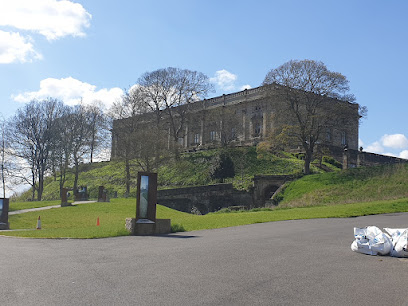
Museum of Nottingham Life
0.2 km
Explore 300 years of Nottingham’s social history beneath historic 17th-century cottages and intriguing sandstone caves.
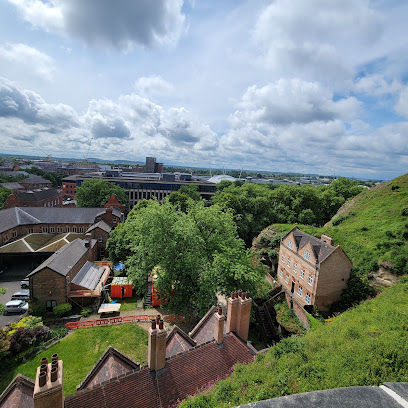
Mortimer’s hole
0.2 km
Explore Mortimer’s Hole, a secret medieval tunnel beneath Nottingham Castle steeped in history and mystery.
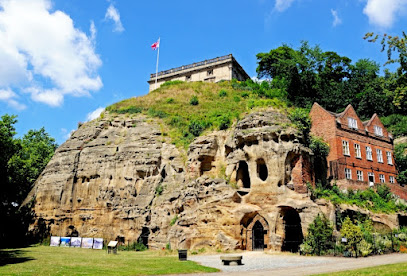
Nottingham Castle
0.3 km
Explore Nottingham Castle’s rich history, underground caves, and vibrant museums atop a scenic hill overlooking Nottingham’s cityscape.
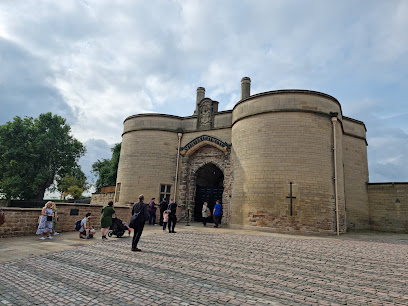
Flying Horse Walk
0.3 km
Discover Nottingham’s elegant boutique arcade blending historic charm with artisanal shops and cozy cafes in a tranquil city-centre setting.
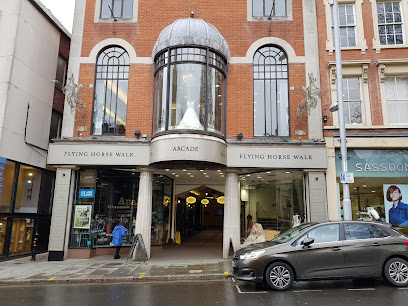
White Rose Nottingham Outlet
0.3 km
Leeds’ vibrant shopping and entertainment hub with over 120 stores, an IMAX cinema, and family-friendly outdoor play area.
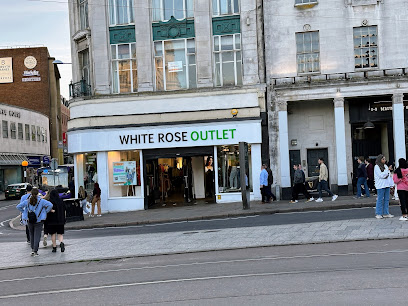
Inspired
0.3 km
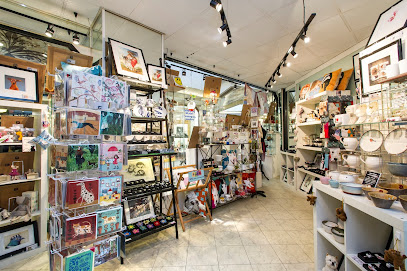
Discover Nottingham’s historic boutique arcade blending timeless charm, independent shops, and elegant Georgian architecture in the city’s vibrant heart.
Old Mkt Sq
0.3 km
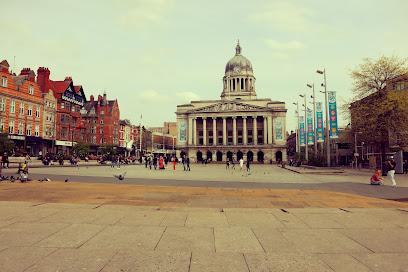
Nottingham’s historic Old Market Square: a vibrant civic heart blending medieval roots with modern urban life and lively events.
Old Market Square
0.3 km
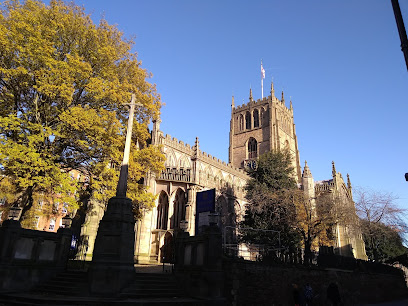
Discover the bustling heart of Nottingham at Old Market Square, a historical landmark rich in culture, events, and captivating architecture.

City of Caves
0.3 km
Explore Nottingham’s hidden underground world: medieval tanneries, wartime shelters and centuries of history carved into sandstone beneath the city streets.
Bell Inn
0.3 km
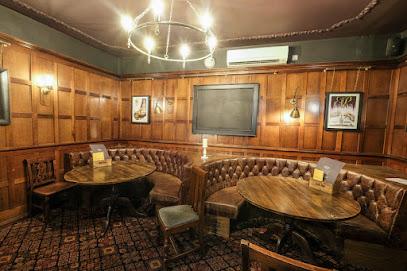
Step into Nottingham’s oldest pub where 15th-century beams, historic caves, and traditional ales create an unforgettable medieval atmosphere in the city’s heart.
Nottingham Contemporary
0.3 km
Explore cutting-edge contemporary art in Nottingham’s iconic sandstone gallery with free exhibitions, lively events, and a vibrant café.
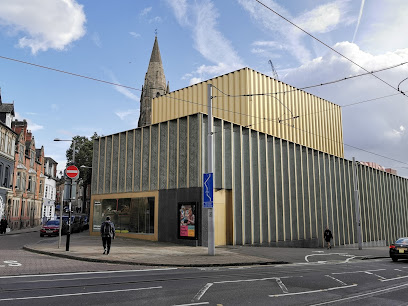
The Exchange (Exchange Arcade)
0.4 km
Discover Nottingham’s oldest shopping arcade with exclusive boutiques beneath a stunning 200ft glass dome in the city centre.
Essential places to dine

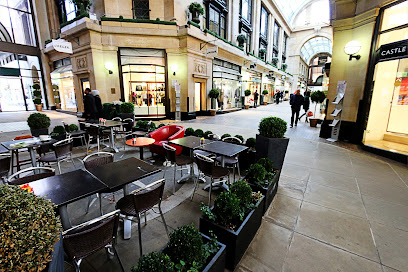
World Service Restaurant
0.1 km
Elegant Modern European dining in Nottingham’s historic Newdigate House, blending ambitious cuisine with warm, attentive service.
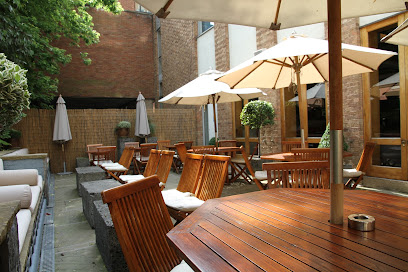
The Cumin Restaurant
0.1 km
Experience authentic North Indian and Punjabi cuisine with bold flavors and warm hospitality in Nottingham’s family-run gem.
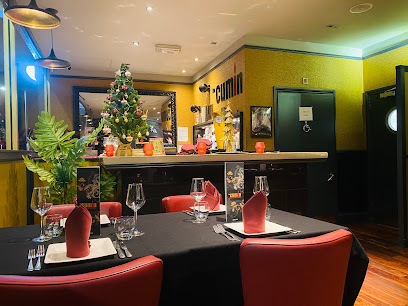
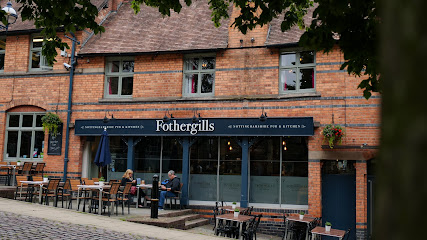
Fothergills
0.1 km
Historic bistro with local flavors and castle views in Nottingham’s architectural gem, welcoming all including dog lovers.
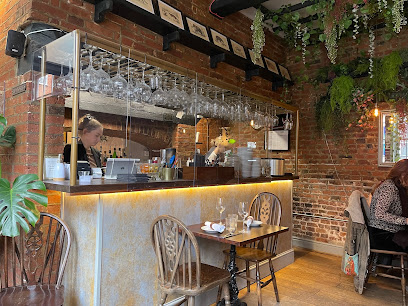
The Castle - Pub and Kitchen
0.2 km
Historic Nottingham gastropub offering hearty British dishes, craft ales, and a warm atmosphere next to Nottingham Castle.
No.Twelve
0.2 km
Experience the best of vegan dining at No.Twelve in Nottingham - where creativity meets sustainability for unforgettable meals.
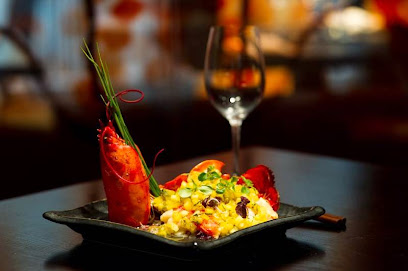
Chino Latino
0.3 km
Savor vibrant Pan-Asian and Latino fusion dishes in a sleek, metropolitan setting at Nottingham’s award-winning Chino Latino.
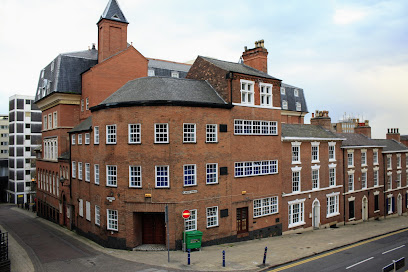
The Roundhouse Bar & Kitchen
0.3 km
Historic charm meets casual dining with local craft beers and hearty pub classics in Nottingham’s city centre.
MemSaab
0.3 km
Experience award-winning Indian fine dining in Nottingham with MemSaab’s exquisite flavors and elegant ambiance on Maid Marian Way.
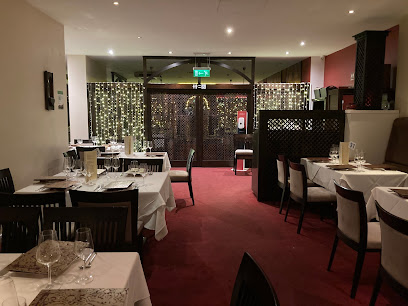
Calcutta Club
0.3 km
Experience regal Indian cuisine and refined hospitality inspired by the Maharajas’ polo clubs in the heart of Nottingham.
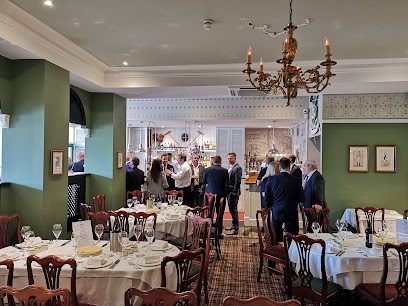
Restaurant Bar Gigi
0.3 km
Elegant Italian dining and cocktails in a historic Nottingham setting, perfect for intimate evenings and sharing inspired plates.
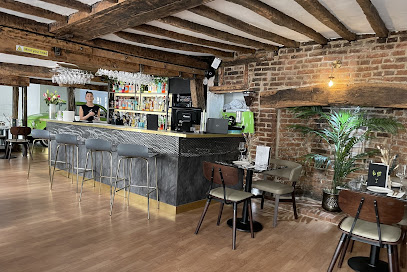
Zaap Thai Street Food
0.3 km
Experience the vibrant streets of Bangkok through authentic Thai street food, lively atmosphere, and quirky decor in the heart of Nottingham.
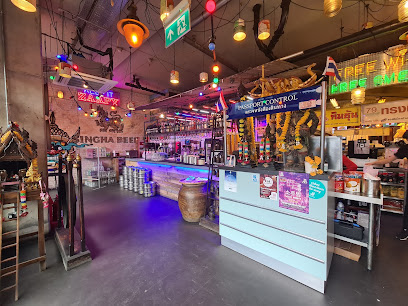
Everyday People
0.4 km
MasterChef-inspired ramen with rich broths and creative fusion dishes in Nottingham’s stylish Byard Lane eatery.
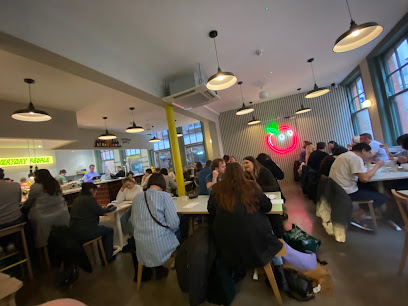
baresca
0.4 km
Experience authentic Spanish tapas and vibrant atmosphere in Nottingham’s lively Baresca, where Catalan flavours meet rustic charm.
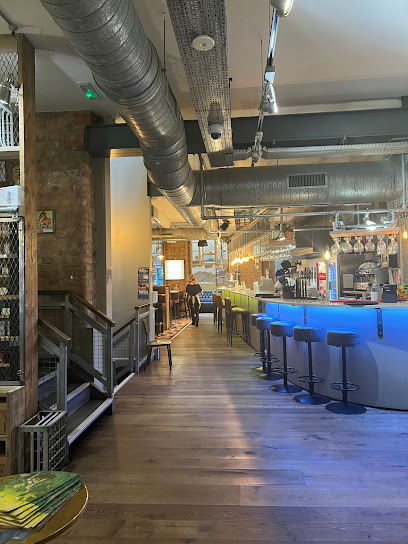
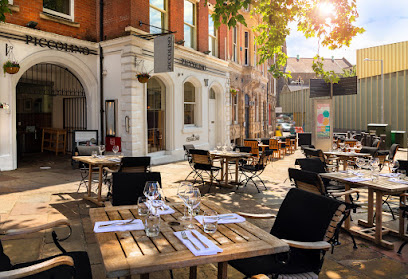
Piccolino Nottingham
0.4 km
Elegant Italian dining with classic flavors, a vibrant cocktail bar, and alfresco terrace in Nottingham’s city centre.
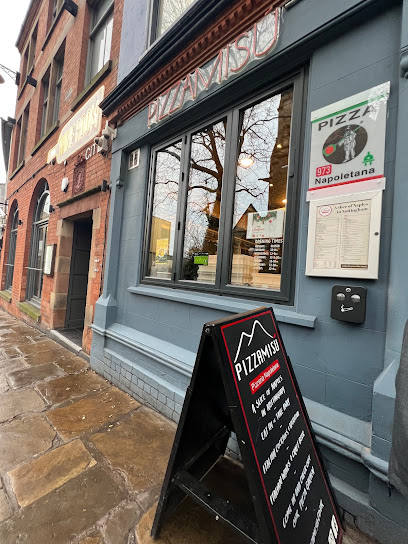
Pizzamisú
0.4 km
Experience authentic Neapolitan pizza and Italian charm in Nottingham’s historic High Pavement at Pizzamisú.
Markets, malls and hidden boutiques

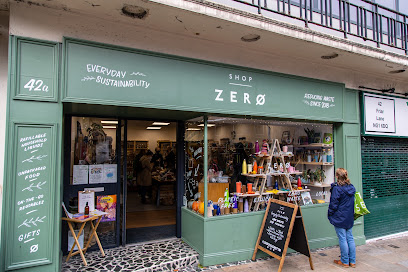
Shop Zero
0.2 km
Nottingham’s zero-waste shop championing sustainable living with refillables, reusable goods, and community-driven eco-consciousness.
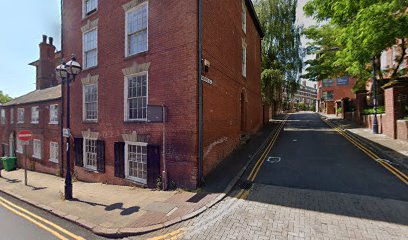
Common Choice
0.2 km
Curated fashion finds on Nottingham's historic Standard Hill—unique clothing blending trends, quality, and local flair for effortless style.
ChicChoiceHub
0.2 km
Discover Eastern elegance on Nottingham's historic Standard Hill at ChicChoiceHub, where oriental treasures meet Civil War legacy in a treasure trove of Asian artistry and crafts.
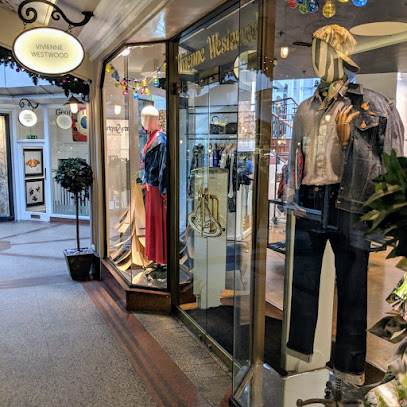
Vivienne Westwood
0.3 km
Discover bold British fashion and iconic accessories at Vivienne Westwood’s Nottingham boutique in historic Flying Horse Walk.
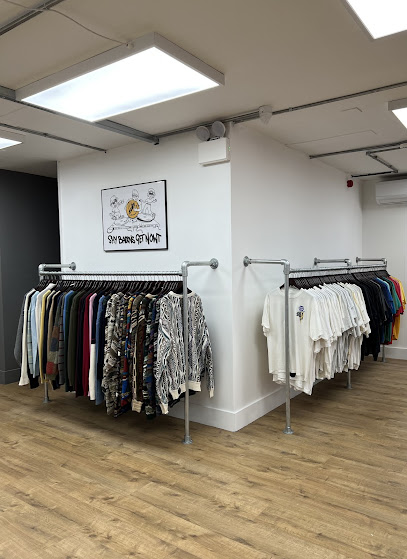
Garms Nottingham
0.3 km
Discover unique vintage streetwear and stylish outerwear at Garms Nottingham, a vibrant boutique nestled in the historic heart of Bridlesmith Gate.
OH DUCK IT
0.3 km
Dive into duck-tastic humor and Nottingham dialect delights at this cheeky gift shop, where quirky souvenirs and local crafts quack up the city's shopping scene.

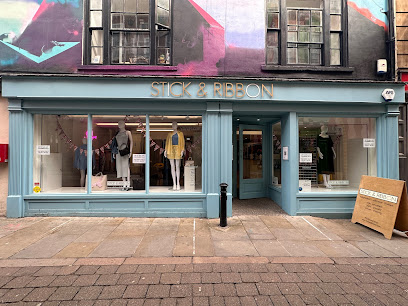
Stick & Ribbon
0.3 km
Discover curated women’s fashion with a personal, sustainable touch in Nottingham’s historic Bridlesmith Gate.
Relic x Hooked Nottingham
0.3 km
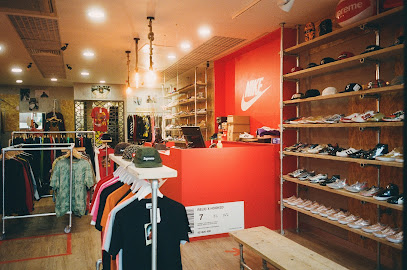
Discover eclectic vintage fashion and unique style treasures in Nottingham’s edgy and vibrant Relic x Hooked store.
18montrose
0.3 km
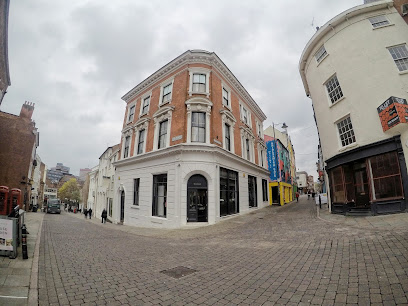
Discover premium streetwear and designer fashion at 18montrose, nestled in Nottingham’s historic Bridlesmith Gate shopping district.
White Stuff Nottingham
0.3 km
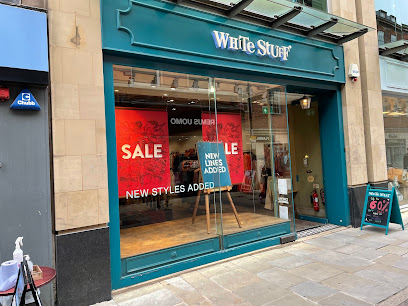
A cheerful, independent-feel clothing store on Nottingham’s main shopping street, offering relaxed British style for women, men and children.
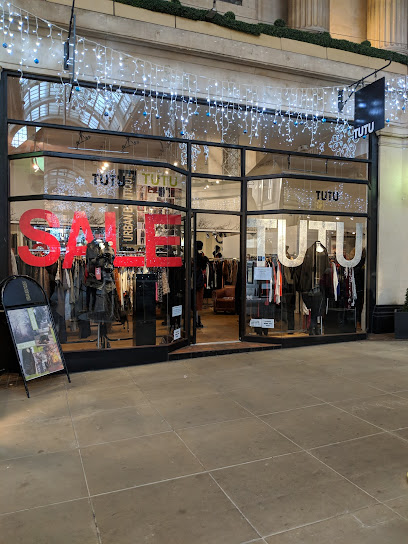
Tutu urban boutique
0.4 km
Discover Nottingham’s stylish independent ladieswear boutique offering unique, high-quality fashion from emerging designers in a charming city centre arcade.
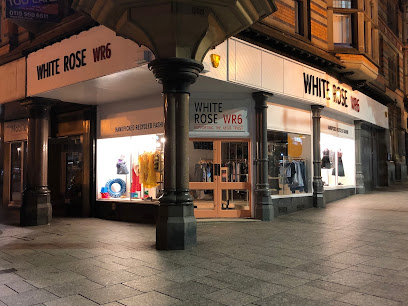
White Rose Nottingham WR6
0.4 km
Discover thoughtfully curated vintage and recycled fashion at White Rose Nottingham WR6, where style meets sustainability in the city’s historic heart.
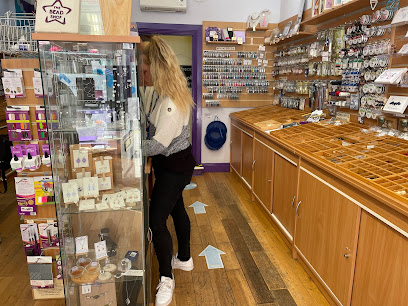
The Bead Shop (Nottingham) Limited
0.4 km
A vibrant independent bead and craft shop in Nottingham’s historic Market Street, offering expert workshops and a vast range of jewellery-making supplies.
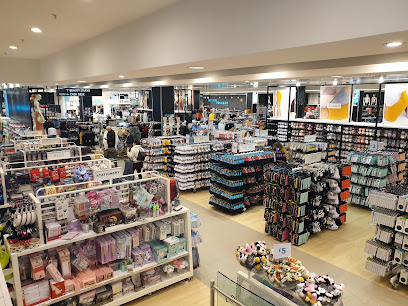
Primark
0.4 km
Explore vast, affordable fashion and home goods at Primark Nottingham, a lively city centre store with accessibility and style for all.
Lulu Brandy Vintage
0.4 km
Discover timeless style and sustainable fashion at Lulu Brandy Vintage, Nottingham’s premier vintage clothing boutique.
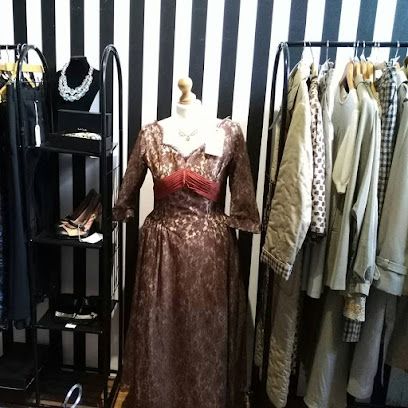
Essential bars & hidden hideouts

Ye Olde Salutation Inn
0.1 km
Step into Nottingham’s oldest pub, where medieval history meets lively rock vibes and ghostly legends in a welcoming atmosphere.
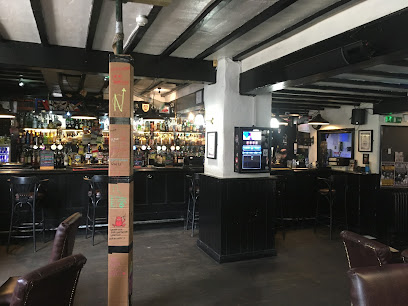
Crafty Crow
0.2 km
A vibrant Nottingham pub offering innovative vegetarian dishes and a diverse craft beer selection near the historic Castle.
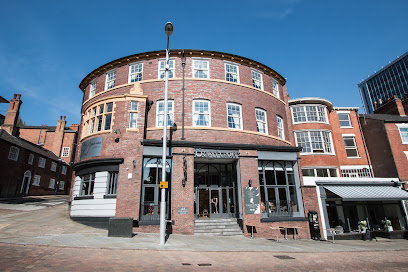
The Bierkeller Nottingham
0.2 km
Experience lively Bavarian beer hall vibes with authentic brews, live Oompah bands, and festive fun in Nottingham’s city centre.
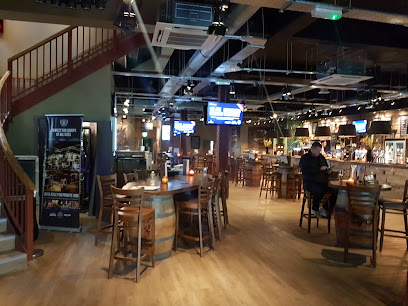
Pepper Rocks
0.3 km
A lively Nottingham cocktail bar blending quirky charm, great value drinks, and a vibrant two-floor atmosphere for memorable nights out.
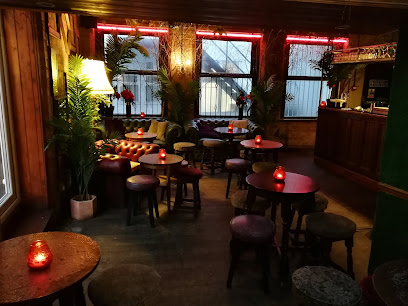
Canalhouse
0.3 km
Iconic canal-pierced pub blending Grade II heritage, world-class craft beers, and waterside vibes in Nottingham's vibrant core.
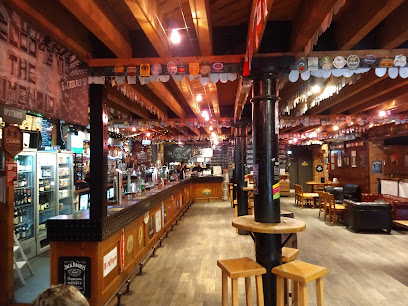
O'Neill's Market Square Nottingham
0.3 km
Lively Irish pub in Nottingham's Market Square: pub grub, live sports, DJ nights, and pints in a buzzing city-centre spot that parties till late.
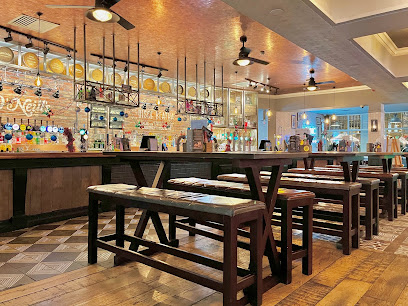
Coco Tang -Cocktail Bar
0.3 km
Daytime Asian café and a theatrical underground cocktail bar — two distinct moods under one roof in Nottingham’s Lace Market.
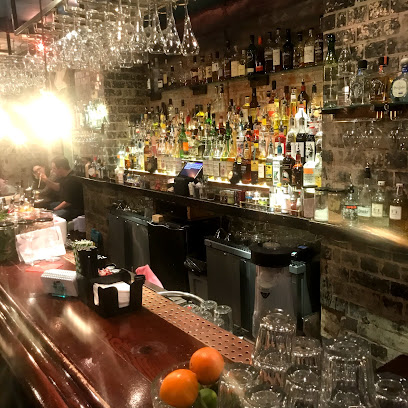
Malt Cross
0.3 km
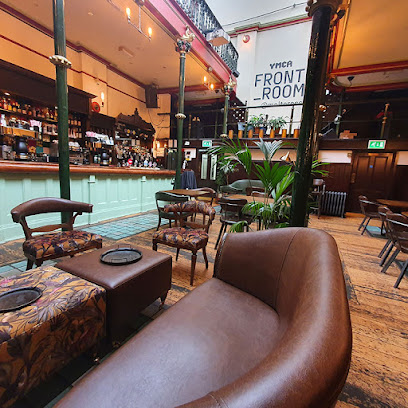
Historic Victorian music hall pub in Nottingham offering award-winning ales, live music, and a vibrant community atmosphere in a stunning heritage setting.
The Blind Rabbit
0.4 km
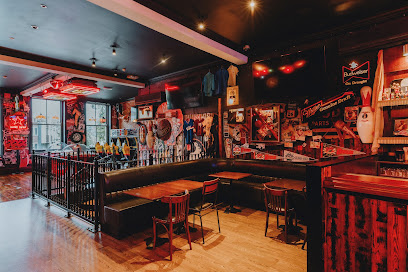
New York-inspired Nottingham bar blending juicy burgers, wild cocktails, live sports on mega screens, arcade games, and casual vibes in a historic Lace Market gem.
Billy Bootleggers Nottingham (formerly Percy Picklebackers)
0.4 km
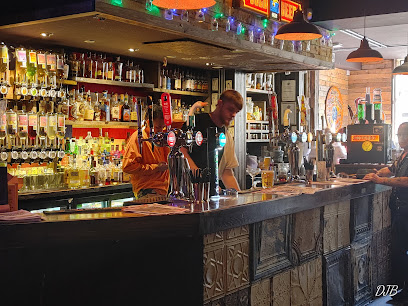
Dive into Nottingham's live music heartbeat at Billy Bootleggers, where nightly gigs, moonshine cocktails, and Lace Market history fuel epic nights until 3am.
Slug & Lettuce - Market Square Nottingham
0.4 km
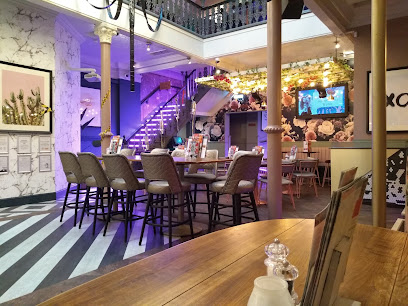
Vibrant cocktail bar and restaurant in Nottingham’s Market Square, known for lively atmosphere, diverse menu, and all-day 2-4-1 cocktails.
All Bar One Nottingham
0.4 km
Sophisticated wine bar in Nottingham's Weekday Cross, perfect for after-work unwinds, bottomless brunches, and vibrant evenings with global wines and sharing plates.
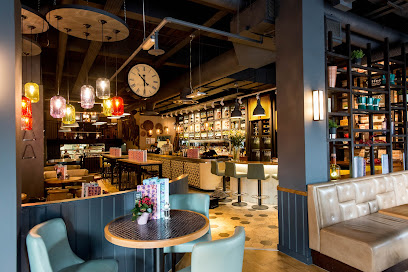
Pitcher & Piano Nottingham
0.4 km
Experience vibrant social life in a stunning Gothic church setting with creative cocktails and hearty British classics in Nottingham’s Lace Market.
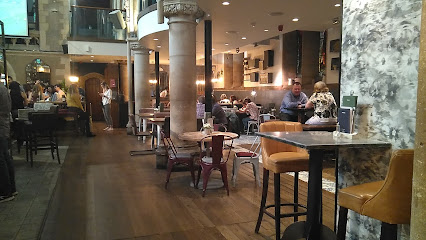
Brass Monkey
0.4 km
Late‑night Lace Market cocktail bar with a big rum selection, polished service and warm, low‑lit interiors — ideal for cocktails into the small hours.
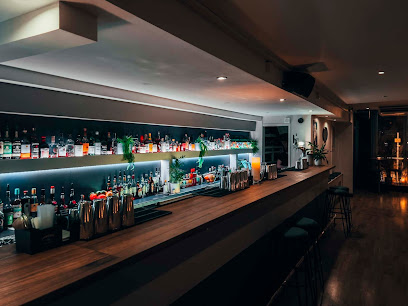
Cucamara
0.4 km
Lively late-night cocktail bar in Nottingham’s Hurts Yard, blending vibrant atmosphere with creative drinks and social energy.
Nightclubs & after hour spots

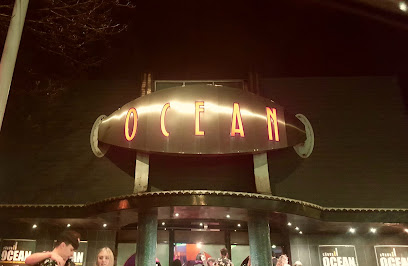
Ocean Nightclub
0.2 km
Unpretentious beats and dazzling lights fuel all-night dances at Nottingham's go-to multi-room nightclub on Greyfriar Gate.
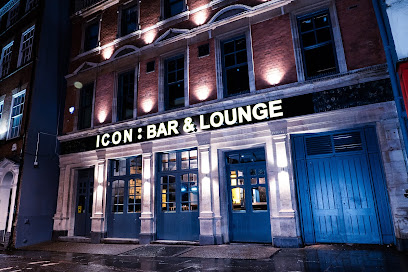
ICON
0.3 km
A compact, DJ-driven late-night club on St James’s Street — small footprint, high-energy nights and a tight city-centre atmosphere.
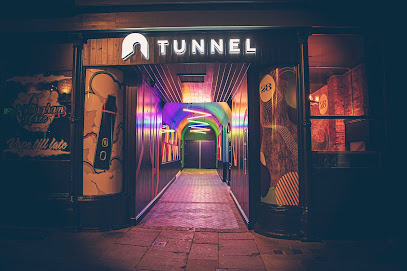
Tunnel Club
0.3 km
Loud. Intimate. Disruptive. Dive into Nottingham's raw underground beats at this city-center nightclub powerhouse.
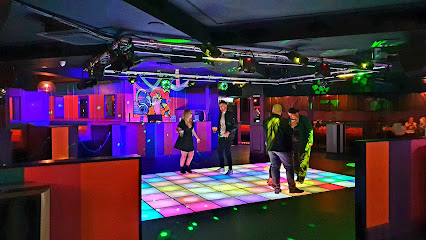
Popworld - Nottingham
0.4 km
A neon-soaked, singalong pop-club in Nottingham city centre — colourful cocktails, nostalgic anthems and compact dancefloor energy.
The Cell
0.4 km
Dive into Nottingham's pulsing heart at The Cell, where affordable drinks, diverse beats, and Hockley's electric vibe fuel unforgettable nights of dance and discovery.

Tantra Night Clubs
0.5 km
Dive into Nottingham's electric nightlife at Tantra Night Clubs, where pulsating beats, dazzling lights, and stylish vibes create unforgettable nights of dance and discovery in the city center.
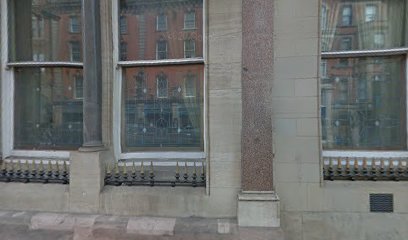
VIBES NIGHTLIFE
0.5 km
Dive into Nottingham's pulsating party hub where weekend beats, neon lights, and vibrant crowds fuel epic nights until 2am—pure vibes unleashed.
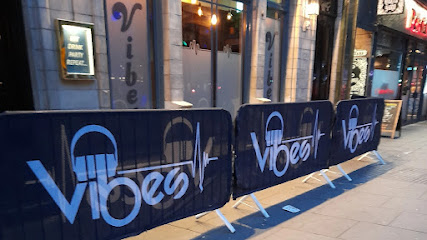
The Bodega Nottingham
0.5 km
Intimate two-level live-music bar and late-night club on Pelham Street — gritty, affordable and centred on close-up gigs and local sounds.
Revolution Nottingham - Hockley
0.6 km
Discover the lively Revolution Nottingham - Hockley, where craft cocktails and delicious food create unforgettable moments in a chic atmosphere.
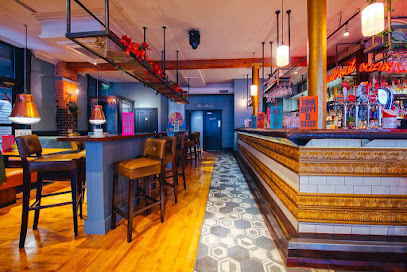
Unit 13
0.6 km
Dive into Nottingham's underground bassline haven at Unit 13, where industrial beats and stellar DJs fuel unforgettable warehouse raves.

Love zoo
0.6 km
Dive into Nottingham's electrifying beats at Love Zoo, where house rhythms, dazzling lights, and cocktail-fueled nights create pure nightlife magic on Weekday Cross.
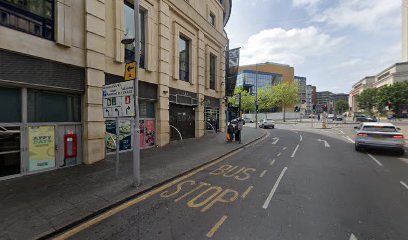
Wax Bar
0.6 km
Discover the lively nightlife at Wax Bar, Nottingham's premier cocktail bar and social club, featuring expertly crafted drinks and an inviting atmosphere.
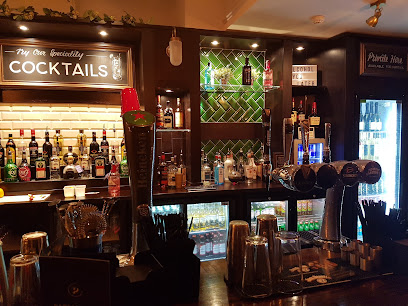
CRISIS
0.7 km
Experience Nottingham’s legendary live music and nightlife at Rock City, a vibrant venue with a rich history and dynamic club nights.
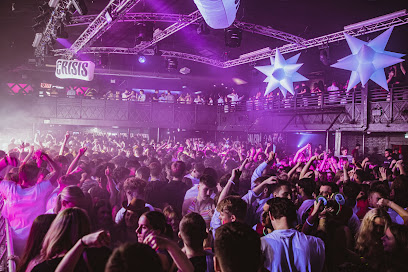
Rescue Rooms
0.7 km
Nottingham's intimate live music powerhouse: raw gigs, electric crowds, and beats till 3am in a historic nook.
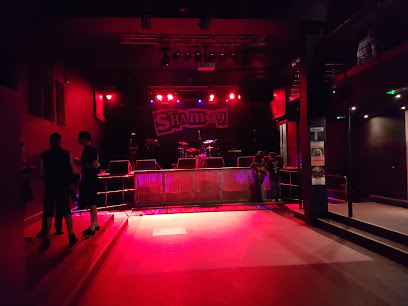
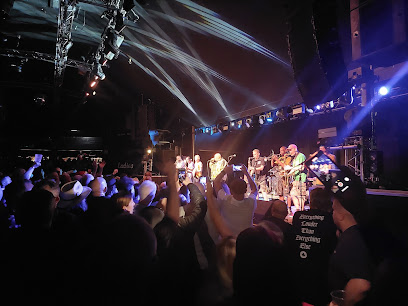
Rock City
0.7 km
Experience Nottingham’s iconic live music and nightclub venue, where legendary acts and vibrant club nights come alive in an intimate, energetic setting.
For the vibe & atmosphere seeker
- Historic
- Tranquil
- Unique
- Scenic
For the design and aesthetic lover
- Minimalist Designs
- Vintage Styles
- Industrial Designs
For the architecture buff
- Historic
- Landmarks
- Heritage Neighborhoods
For the view chaser and sunset hunter
- Iconic Views
- Architectural Shots
For the social media creator & influencer
- Instagrammable
- Architectural Shots
- Photo Spots
For the eco-conscious traveler
- Protected Area
- Locally Managed
For the kind of experience you’re after
- Myth & Legends
- Cultural Heritage
- Photowalk
- Day Trip
For how adventurous you want the journey to be
- Easy Access
Location Audience
- Family Friendly
- Senior Friendly
- Wheelchair Access
- Solo Friendly
- Couple Friendly


