
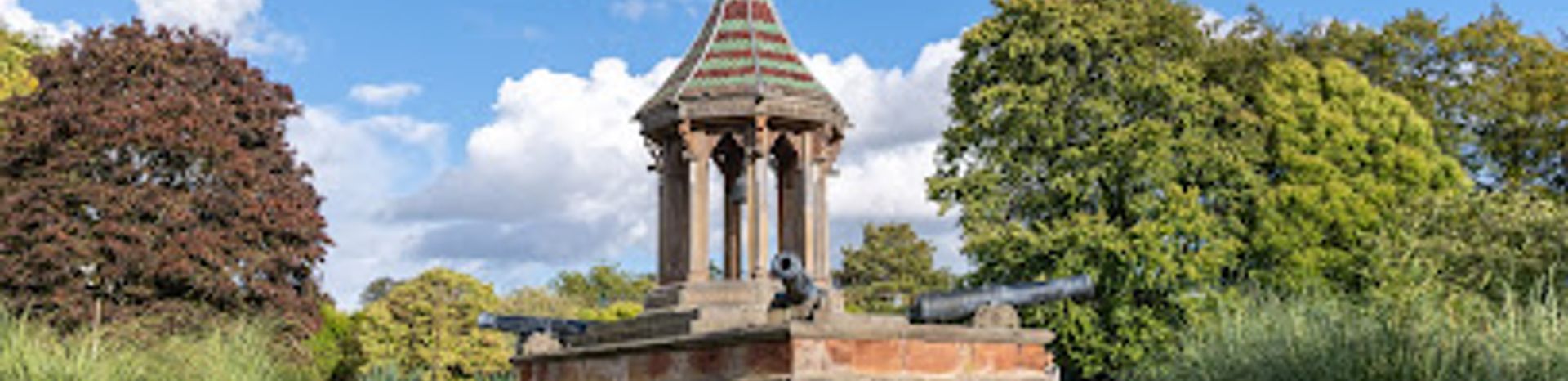
The Chinese Bell Tower in Nottingham Arboretum
A Victorian war memorial pagoda in Nottingham Arboretum, blending Eastern design with British military history and lush heritage gardens.
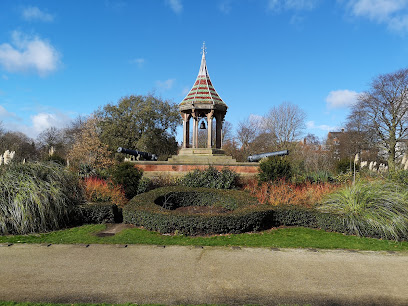
The Chinese Bell Tower, located in Nottingham’s historic Arboretum, is a unique Victorian war memorial built in 1862. Designed by Marriott Ogle Tarbotton, this octagonal pagoda commemorates the 59th Nottinghamshire Regiment’s role in the Anglo-Chinese Wars and the Crimean War. Originally housing a bronze bell looted from a temple in Canton, the tower blends Eastern architectural motifs with British military history, set amidst a lush 17-acre Victorian park renowned for its diverse tree collection and heritage landscape.
A brief summary to Chinese Bell Tower
- 14 Mansfield Grove, Nottingham, NG1 4GQ, GB
- Visit website
- Duration: 0.5 to 2 hours
- Free
-
 Outdoor
- Mobile reception: 4 out of 5
Local tips
- Visit in spring to enjoy nearby cherry blossoms that enhance the tower’s picturesque setting.
- Bring a camera to capture the intricate Chinese architectural details and historic cannons.
- Explore the wider Nottingham Arboretum to experience its diverse tree species and Victorian landscaping.
- Learn about the tower’s military history and the story of the bell looted from Canton during the Opium Wars.

For the on-the-go comforts that matter to you
- Restrooms
- Drink Options
- Food Options
- Seating Areas
- Information Boards
Getting There
-
Bus
Take Nottingham City Transport buses 56 or 57 from Nottingham city center to the Arboretum stop, approximately 10-15 minutes journey. Buses run frequently but check schedules for evenings. A single fare costs around £2.50 GBP.
-
Walking
From Nottingham Castle, a 15-minute walk along Mansfield Road and Mansfield Grove leads to the Chinese Bell Tower. The route is mostly flat and suitable for most walkers, though not wheelchair accessible due to some uneven paths.
-
Taxi
Local taxis or ride-hailing services can reach the tower in about 5-10 minutes from central Nottingham. Fares typically range from £5 to £8 GBP depending on traffic.
Chinese Bell Tower location weather suitability
-
 Any Weather
-
 Rain / Wet Weather
-
 Clear Skies
-
 Mild Temperatures
Discover more about Chinese Bell Tower
A Victorian Tribute with Eastern Influences
The Chinese Bell Tower is a striking octagonal pagoda constructed in 1862 within Nottingham Arboretum, the city's oldest public park. Designed by civil engineer Marriott Ogle Tarbotton, the tower was conceived as a war memorial honoring the 59th Nottinghamshire Regiment’s involvement in two significant 19th-century conflicts: the Crimean War and the Anglo-Chinese Wars (also known as the Opium Wars). Its design incorporates distinctive Chinese architectural elements, such as traceried brackets, round columns, and a spire, reflecting Victorian fascination with exotic styles and imperial reach.Historical Artefacts and Symbolism
At the heart of the tower originally hung a large bronze bell taken from a Joss house (Chinese temple) near Canton (modern Guangzhou) during the Second Opium War in 1859. This bell, inscribed in Chinese, was seized by the 59th Regiment of Foot and gifted to Nottingham as a trophy of empire. Although the original bell was relocated to the regimental museum in Preston in 1956, a replica now hangs in the tower. The monument is further accented by four cannons at its corners—two are authentic Crimean War cannons captured at Sebastopol, while the other two are replicas—creating a defensive ring that underscores the tower’s martial significance.Setting Within Nottingham Arboretum
The tower stands in the midst of Nottingham Arboretum, a 17-acre Victorian park opened in 1852 as part of a civic initiative following the 1845 Inclosure Act. The Arboretum was designed by botanist Samuel Curtis and features over 800 trees of 65 species, many planted in the 19th century. Its winding paths, sweeping lawns, and historic structures—including the Chinese Bell Tower—have remained largely unchanged, earning it a Grade II listing on England’s Register of Historic Parks and Gardens. The Arboretum offers a tranquil green space combining botanical education, recreation, and heritage.Architectural and Cultural Significance
The Chinese Bell Tower exemplifies Victorian-era memorial architecture that blends cultural motifs to reflect Britain’s imperial history. Its pagoda form and Eastern stylistic details contrast with the martial symbolism of the cannons and war trophies, creating a layered narrative of conquest and commemoration. The tower also contributes to Nottingham’s rich Victorian heritage and serves as a unique landmark within the city’s green heart.Legacy and Visitor Experience
Visitors to the Chinese Bell Tower can appreciate not only its architectural charm but also its complex history as a symbol of 19th-century military campaigns and imperialism. Set within the peaceful Arboretum, the tower invites reflection on Nottingham’s past and the global reach of its regiments. The surrounding park’s mature trees and historic landscape enhance the contemplative atmosphere, making it a favored spot for locals and tourists alike.Preservation and Contemporary Context
Though the original bell was removed in the mid-20th century and the pagoda was partly demolished during that period, restoration efforts have preserved the tower’s distinctive form and historical integrity. Today, it stands as one of nine Grade II listed structures within the Arboretum, maintaining its role as a cultural and historical asset. The site also connects to local lore, including associations with author J.M. Barrie, adding layers of cultural resonance to its military and architectural significance.Iconic landmarks you can’t miss

The Spot
0.0 km
Discover Nottingham’s historic heart at The Spot, a tranquil city centre landmark blending heritage with urban life.
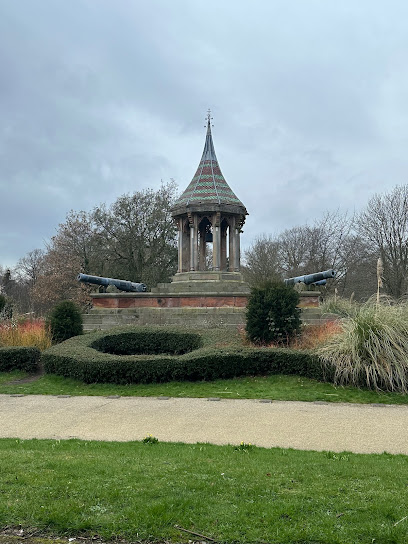
The Belgrave Rooms
0.5 km
Discover The Belgrave Rooms, Nottingham's premier venue for conferences and weddings, blending elegance and modern amenities for unforgettable events.
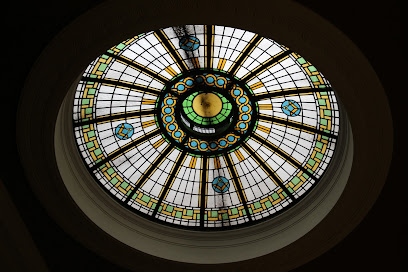
Victoria Station Clock Tower
0.7 km
A towering 100-foot clock tower preserving the grandeur and history of Nottingham's lost Victoria railway station.
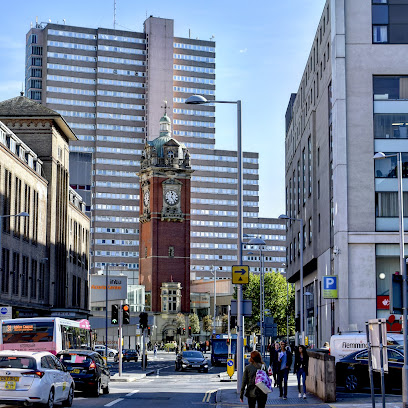
Scale Space Nottingham
0.7 km
Experience collaboration and innovation at Scale Space Nottingham, the premier co-working space in the heart of the city, perfect for entrepreneurs and remote workers.

St Barnabas Cathedral Nottingham
0.7 km
A Gothic Revival masterpiece in the heart of Nottingham, home to centuries of Catholic worship and Pugin’s architectural vision.
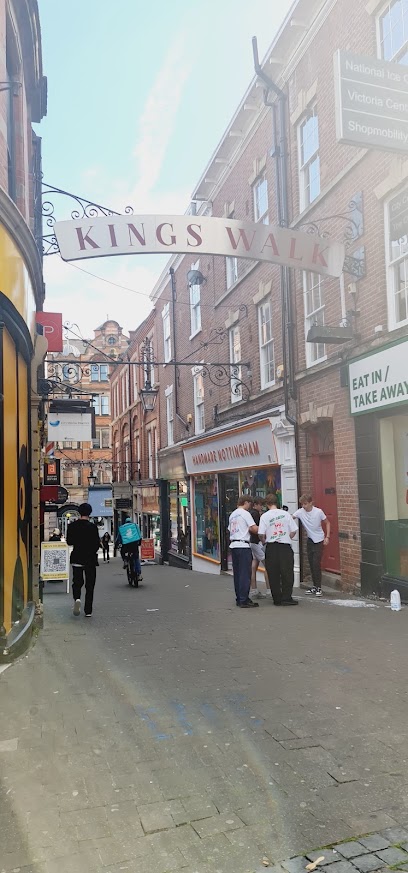
King's Walk sign
0.8 km
A pedestrianised passage where Georgian elegance meets contemporary commerce in Nottingham's historic heart.
Cathedral Hall
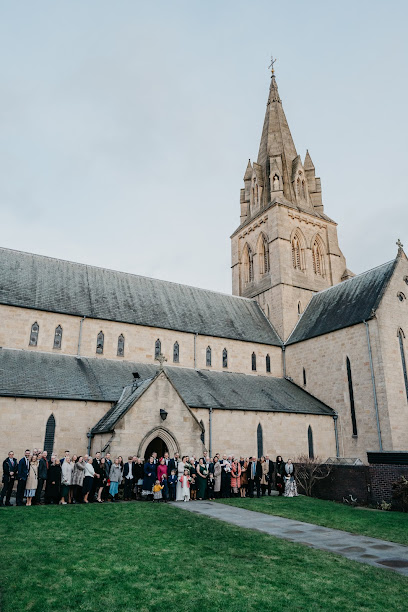
0.8 km
Pugin's masterpiece: England's grandest post-Reformation Catholic cathedral, where Gothic Revival vision endures.
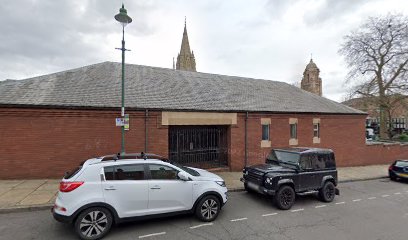
Speakers' Corner
0.9 km
Nottingham’s vibrant Speakers' Corner offers a historic platform for free speech, lively debates, and community connection in the heart of the city.
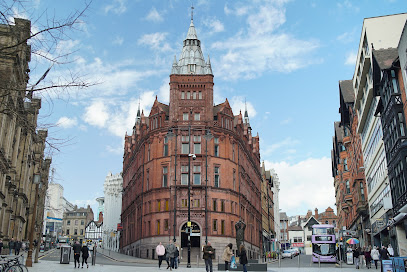
The Left Lion
0.9 km
Meet Nottingham’s iconic Left Lion, a historic stone sentinel and beloved city landmark at the heart of Old Market Square.
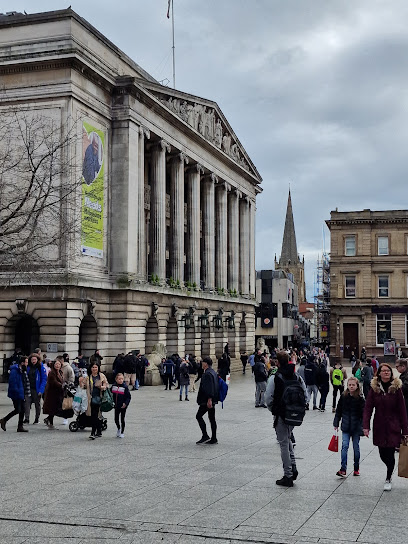
Right Lion
1.0 km
Discover Nottingham’s iconic Right Lion, a historic stone sculpture and beloved meeting point near the Council House in Old Market Square.
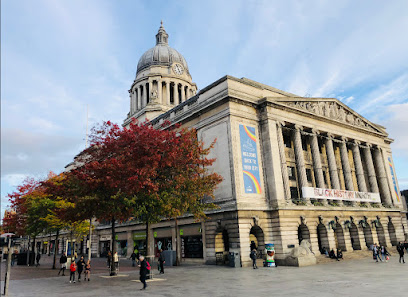
Watson Fothergill's Office
1.0 km
Explore the vibrant Gothic Revival office of Watson Fothergill, Nottingham’s iconic Victorian architect, showcasing intricate brickwork and historic homage.
St Peter's Church, Nottingham
1.1 km
A medieval sanctuary and historic gem in Nottingham’s city centre, blending centuries of architecture and community spirit.
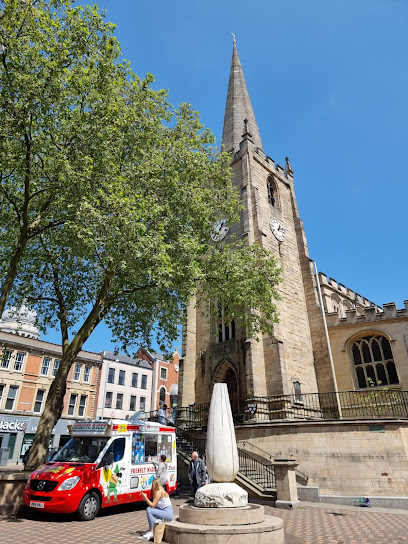
The Tokenhouse
1.1 km
Explore The Tokenhouse in Nottingham for unique gifts and heartfelt treasures that capture the essence of the city.
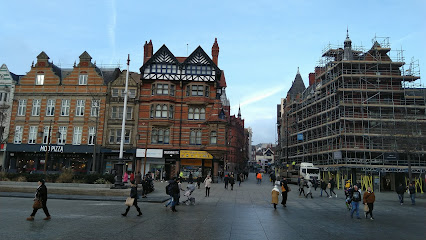
The Hockley Arts Club
1.1 km
Discover Nottingham's vibrant cocktail culture at The Hockley Arts Club, where artistry meets exceptional mixology in a stylish bar setting.
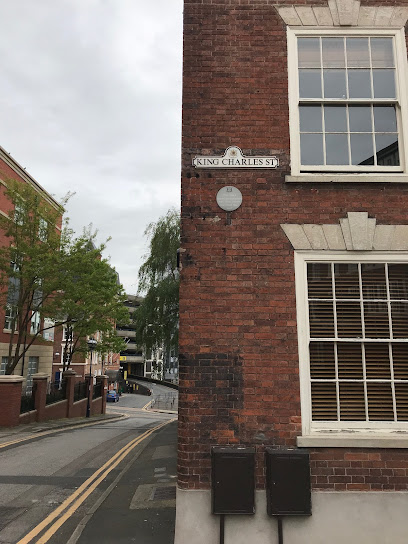
King Charles I Standard Hill Monument
1.2 km
Historic site where King Charles I raised his standard in 1642, igniting the English Civil War and shaping Nottingham’s rich heritage.
Unmissable attractions to see

Arboretum
0.1 km
Victorian botanical sanctuary with 800+ trees, historic monuments, and urban tranquility in Nottingham's heart.
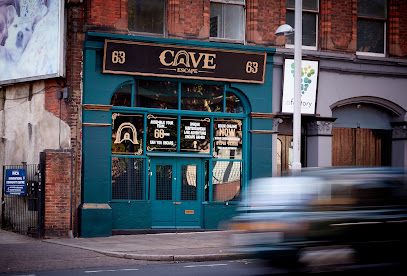
Cave Escape Nottingham
0.4 km
Solve puzzles in a real sandstone cave beneath Nottingham – immersive escape rooms with a thrilling underground twist.
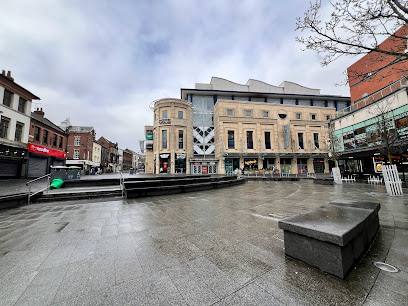
Trinity Square
0.6 km
Modern student living at Trinity Square, Nottingham’s vibrant city centre residence, steps from university and cultural hotspots.
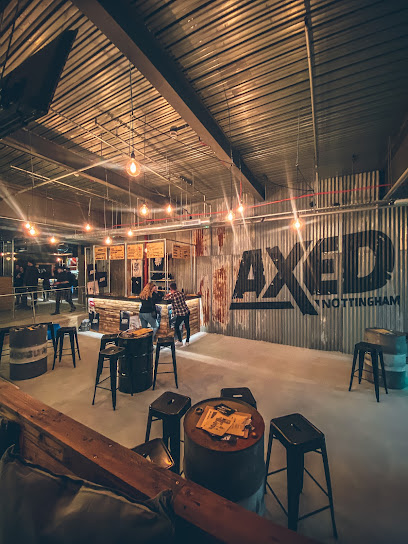
Axed Nottingham Axe Throwing
0.7 km
Experience the thrill of interactive axe throwing with expert coaching in Nottingham’s vibrant urban playground.
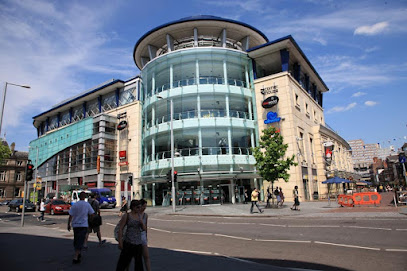
The Cornerhouse
0.7 km
A dynamic Nottingham hotspot blending cinema, dining, and unique leisure activities in a vibrant city center setting.
Theatre Royal & Royal Concert Hall
0.7 km
Nottingham’s historic Theatre Royal and modern Royal Concert Hall host West End musicals, concerts, comedy and more in the heart of the city.
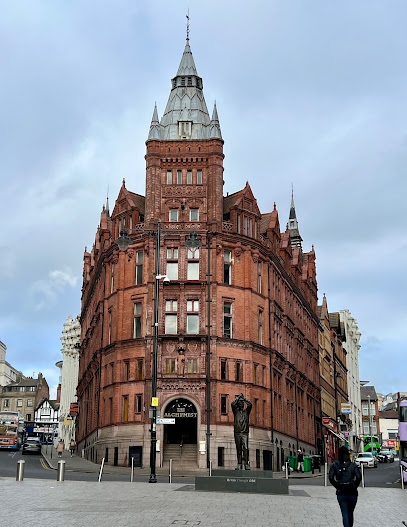
The Museum Of Curiosities
0.7 km
Explore Nottingham’s eerie Museum of Curiosities, where haunted artifacts, real skulls, and horror props create a spine-chilling, immersive experience.
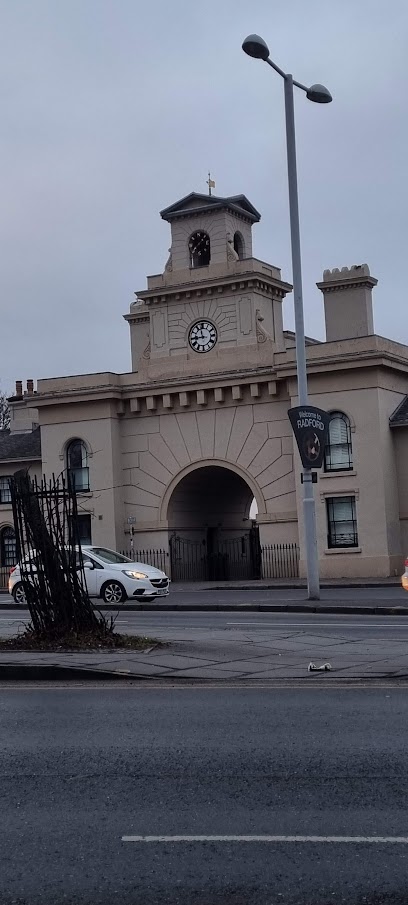
The Turf Tavern
0.7 km
Experience the rich history and local flavors at The Turf Tavern, Nottingham's iconic pub steeped in tradition and charm.
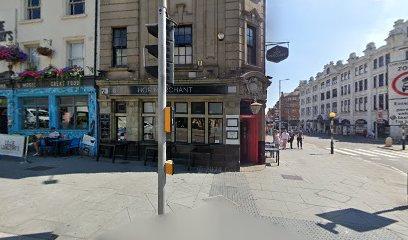
Cryptology Escape Rooms Nottingham
0.8 km
Immersive escape rooms with innovative puzzles and theatrical game masters in Nottingham's city centre.
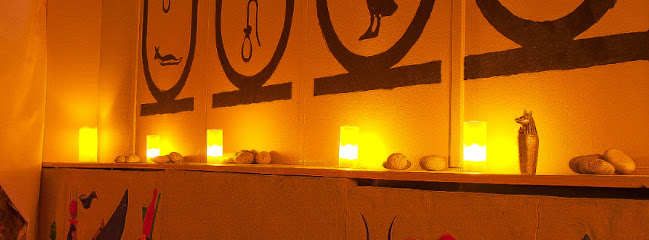
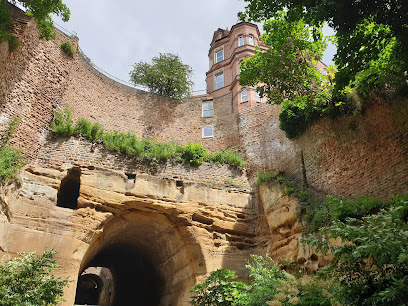
The Park Tunnel
0.8 km
Discover Nottingham’s hidden Victorian sandstone tunnel, a unique historic passage blending architectural beauty with urban mystery.
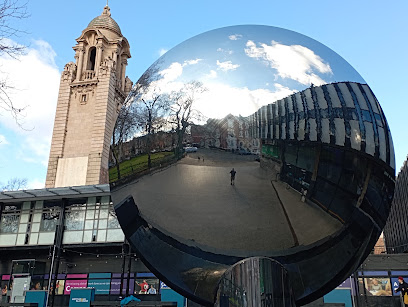
Public Art - Sky Mirror
0.8 km
Experience Nottingham’s iconic Sky Mirror, a captivating stainless steel sculpture reflecting the sky and cityscape in ever-changing optical illusions.
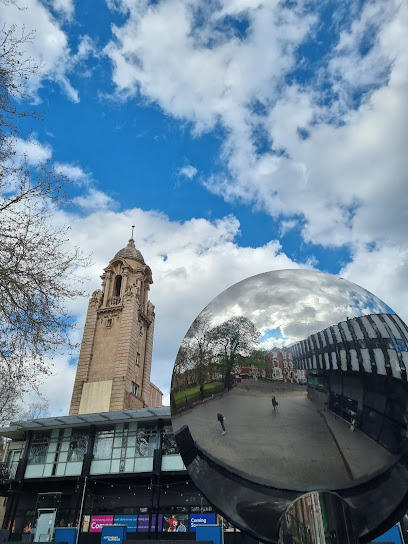
Victoria Centre
0.8 km
Victoria Centre is Nottingham’s vibrant shopping and dining hub with over 120 stores and a lively Clocktower dining experience under one roof.

Nottingham Playhouse
0.8 km
Bold, thrilling theatre in a modernist landmark—where regional excellence meets West End ambition.
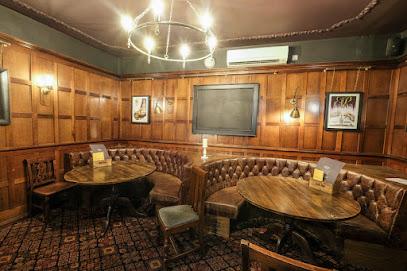
Bell Inn
0.9 km
Step into Nottingham’s oldest pub where 15th-century beams, historic caves, and traditional ales create an unforgettable medieval atmosphere in the city’s heart.
Old Mkt Sq
0.9 km
Nottingham’s historic Old Market Square: a vibrant civic heart blending medieval roots with modern urban life and lively events.
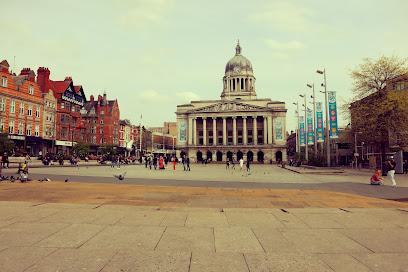
Essential places to dine

Farro's Grillhouse
0.3 km
A lively Nottingham grillhouse blending steakhouse classics with Portuguese and Italian flavours in a casual, vibrant setting.
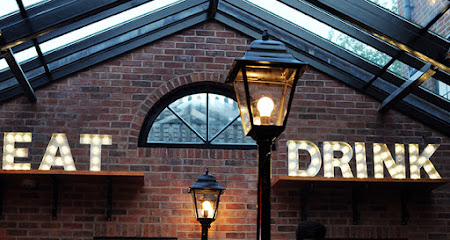
The Lobster Pot Nottingham
0.3 km
Cozy seafood and Thai fusion dining on Mansfield Road, blending fresh flavors with a welcoming atmosphere in Nottingham.
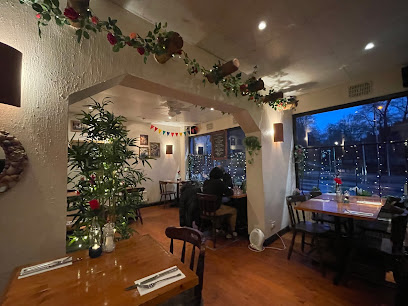
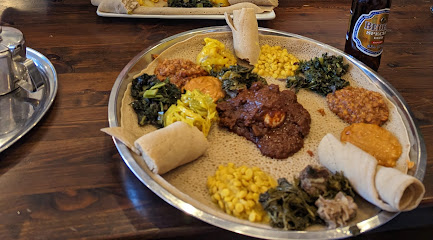
Balageru Ethiopian and Eritrean Restaurant
0.5 km
Experience authentic Ethiopian and Eritrean flavors with warm hospitality in Nottingham’s cozy Balageru restaurant.
Corinthian Restaurant
0.6 km
Elegant Modern British dining in a historic Masonic Hall, offering refined dishes and exceptional value in Nottingham’s city centre.
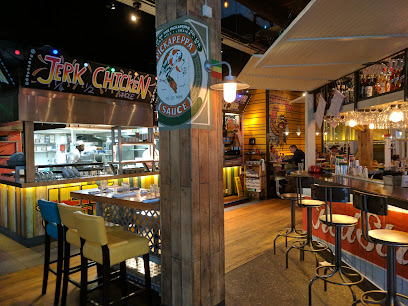
Turtle Bay Nottingham
0.7 km
Experience authentic Caribbean flavours and tropical vibes in the heart of Nottingham’s lively Cornerhouse complex.
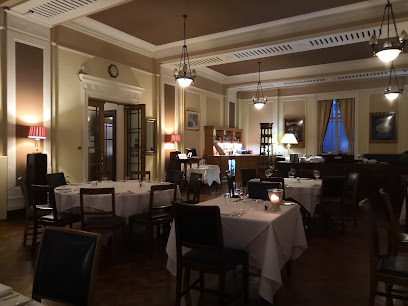
Marco Pierre White Steakhouse Bar & Grill Nottingham
0.7 km
Elegant steakhouse in Nottingham offering expertly cooked steaks, jazz ambiance, and attentive service for memorable dining experiences.

Sans Patrie
0.7 km
Discover Nottingham’s Sans Patrie, where inventive tasting menus meet artistic presentation in a relaxed, inclusive fine dining setting.
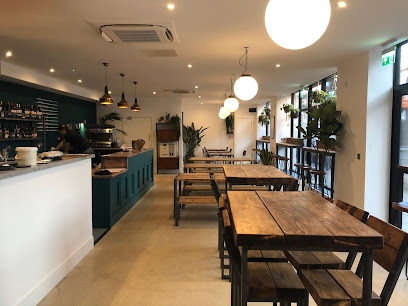
Tamatanga
0.7 km
Authentic Indian flavors served fresh in a lively, family-friendly Nottingham hotspot with great value and welcoming vibes.
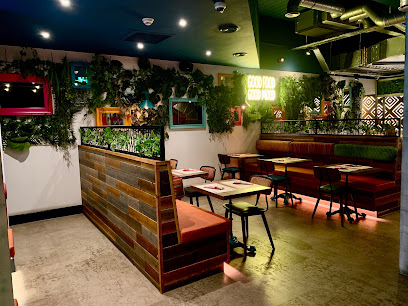
Casa Italian & Seafood Restaurant
0.7 km
Authentic Italian and seafood dining in Nottingham’s city centre with warm service and a welcoming atmosphere.
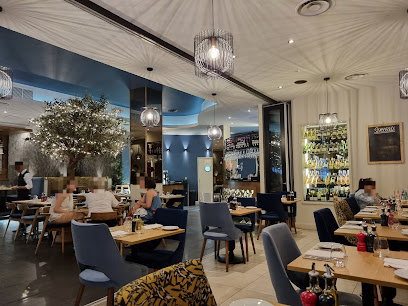
Warsaw Diner
0.7 km
Experience hearty American-Polish breakfasts in a lively 1950s-style diner with generous portions and bottomless coffee in Nottingham’s Derby Road.
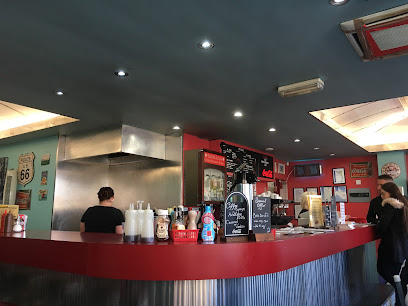
Prezzo Italian Restaurant Nottingham
0.7 km
Authentic Italian dining in Nottingham’s city centre, offering classic pasta, pizza, and welcoming family-friendly atmosphere.
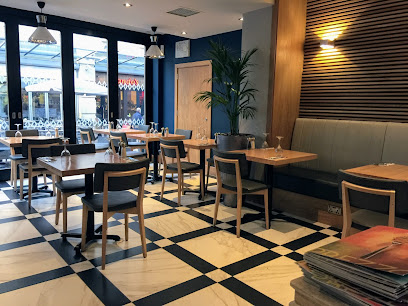
Bistrot Pierre
0.8 km
Authentic French bistro dining with seasonal menus and a cozy private room in Nottingham’s vibrant city centre.
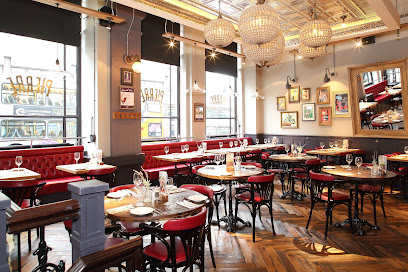
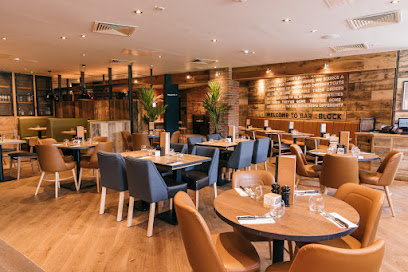
Bar + Block Steakhouse Nottingham
0.8 km
Modern steakhouse in Nottingham’s Chapel Quarter serving expertly cooked steaks and classic British grill fare in a stylish, welcoming setting.
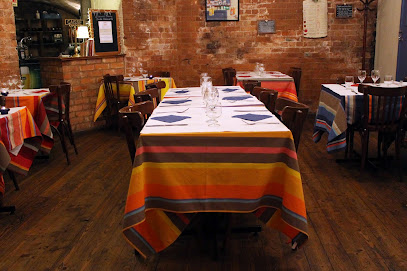
French Living
0.8 km
Experience authentic French cuisine in a cozy, welcoming setting at Nottingham’s long-standing French Living restaurant.
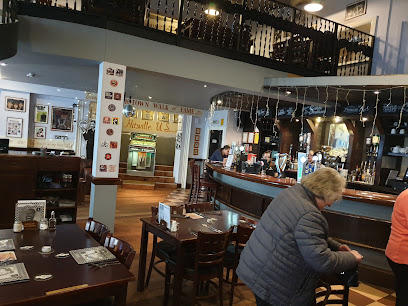
The Soulville Steakhouse
0.8 km
Experience Nottingham’s vibrant soul-themed steakhouse with expertly cooked steaks and a lively 60s Motown atmosphere.
Markets, malls and hidden boutiques

WAREHOUSE
0.5 km
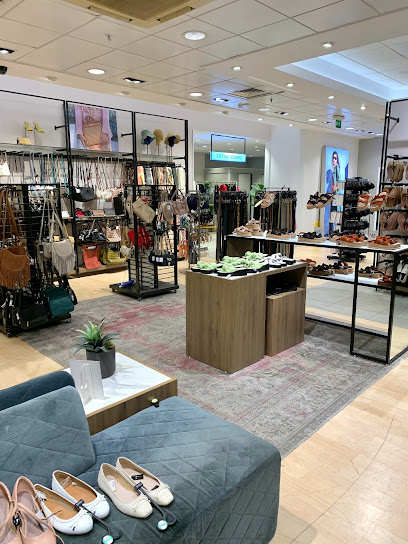
Discover contemporary women's fashion at WAREHOUSE inside Nottingham’s vibrant Victoria Centre, blending style and convenience in the city heart.
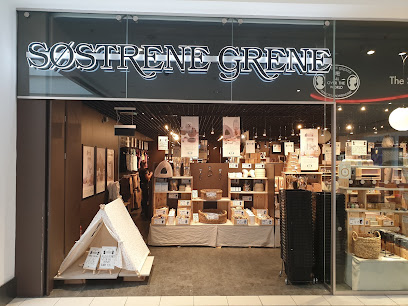
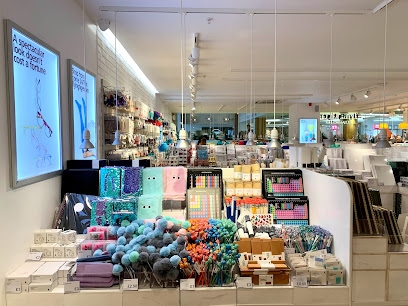
Søstrene Grene
0.6 km
Scandinavian hygge meets affordable creativity in Nottingham's Victoria Centre – a Danish design haven brimming with homewares, crafts, and joyful discoveries.
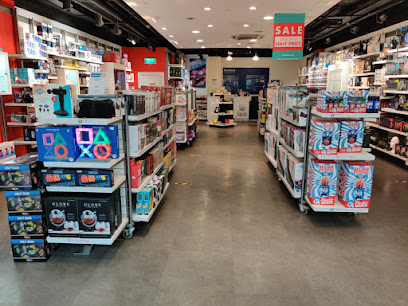
Menkind
0.7 km
Discover quirky gifts, gadgets, and fun collectibles for men at Menkind Nottingham, your go-to spot for original presents and playful shopping.
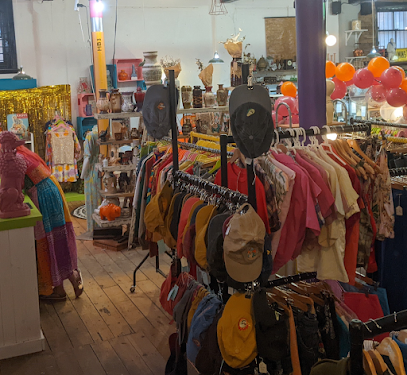
Happy Sunday Vintage & Antiques
0.7 km
A joyful vintage boutique in Nottingham offering bold fashion, unique antiques, and a welcoming atmosphere for vintage lovers.
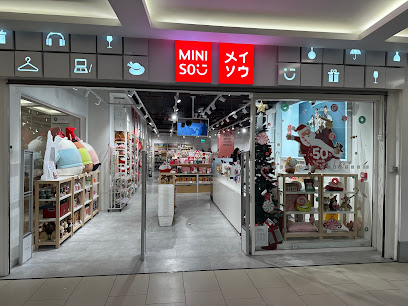
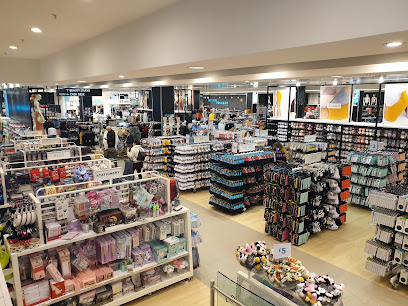
Miniso
0.7 km
Discover stylish, affordable gifts and essentials at Miniso, Nottingham’s vibrant variety shop in Victoria Centre.
Flying Tiger Copenhagen
0.7 km
Compact Danish design and playful everyday goods — pocket-friendly gifts, stationery and novelty finds in Victoria Centre.
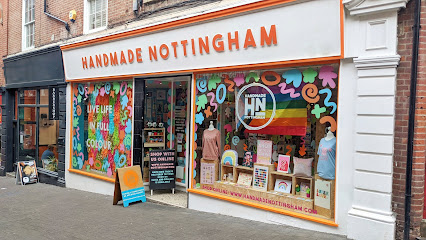
Handmade Nottingham
0.8 km
Discover unique handmade treasures from UK designers in Nottingham’s vibrant gift shop at 8 King's Walk.
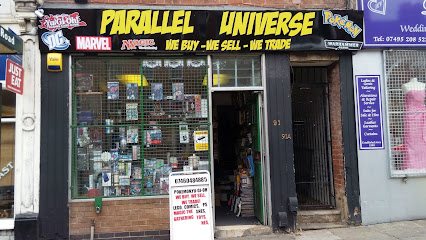
Parallel Universe
0.8 km
Discover Nottingham’s vibrant retro collectibles shop filled with vintage games, toys, comics, and nostalgic treasures in a quirky, welcoming setting.
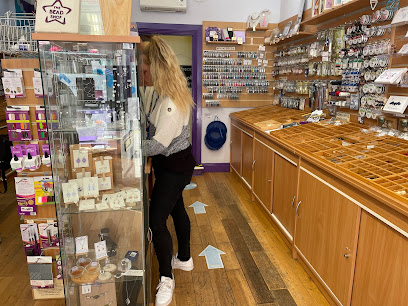
The Bead Shop (Nottingham) Limited
0.8 km
A vibrant independent bead and craft shop in Nottingham’s historic Market Street, offering expert workshops and a vast range of jewellery-making supplies.
Next
0.8 km
A stylish and family-friendly fashion store in Nottingham’s vibrant Victoria Centre, offering a wide range of clothing and accessories with convenient hours.
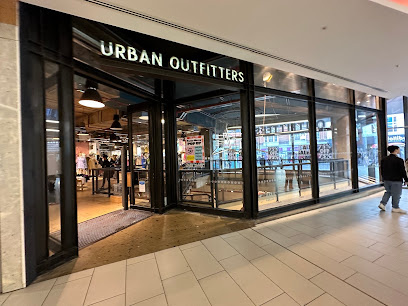
Urban Outfitters
0.9 km
Eclectic fashion, vintage finds, and creative homewares in Nottingham's vibrant shopping heart.
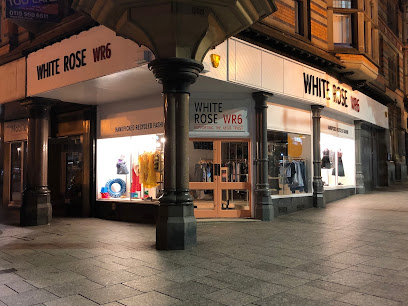
White Rose Nottingham WR6
0.9 km
Discover thoughtfully curated vintage and recycled fashion at White Rose Nottingham WR6, where style meets sustainability in the city’s historic heart.
OH DUCK IT
0.9 km
Dive into duck-tastic humor and Nottingham dialect delights at this cheeky gift shop, where quirky souvenirs and local crafts quack up the city's shopping scene.

Primark
1.0 km
Explore vast, affordable fashion and home goods at Primark Nottingham, a lively city centre store with accessibility and style for all.
Bubble Vintage
1.0 km
Discover timeless style and sustainable fashion treasures at Bubble Vintage, Nottingham’s vibrant vintage clothing shop in The Exchange.
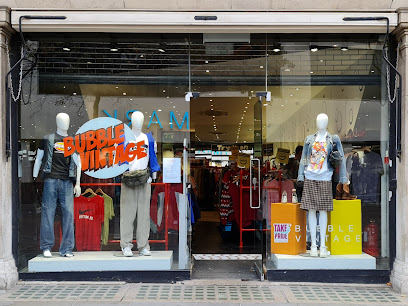
Essential bars & hidden hideouts

Rose Of England
0.6 km
A historic Victorian Neo-Gothic pub in Nottingham blending architectural grandeur with authentic local charm and a lively community spirit.
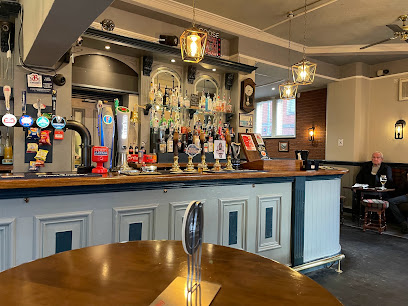
Slug & Lettuce - Cornerhouse Nottingham
0.7 km
A lively cocktail bar and restaurant in Nottingham’s Cornerhouse, blending classic British dishes with vibrant social energy and modern style.
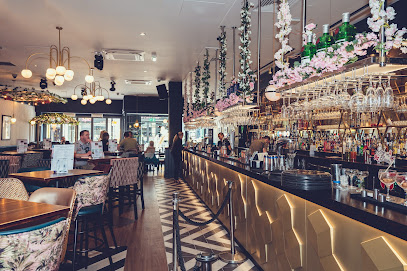
Bunk
0.7 km
Quirky basement cocktail bar serving bold wings and inventive drinks in Nottingham's electric city center hideaway.
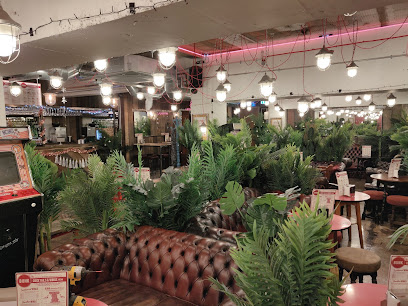
Tap & Tumbler
0.7 km
A historic Nottingham pub blending quality ales, vibrant rock music, and a quirky, welcoming atmosphere in the city’s cultural heart.
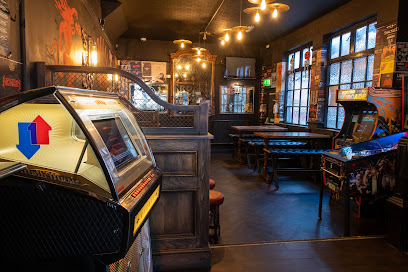
The Stage Pub Nottingham
0.7 km
Traditional Nottingham pub with live music, cosy nooks, and late-night vibes near Theatre Royal – perfect for drinks, dancing, and city-centre camaraderie.
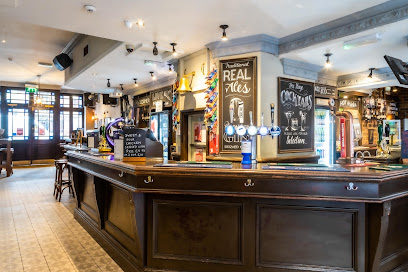
Six Richmond House
0.8 km
Elegant cocktails and modern British dining blend seamlessly in Nottingham’s intimate and stylish Six Richmond House.
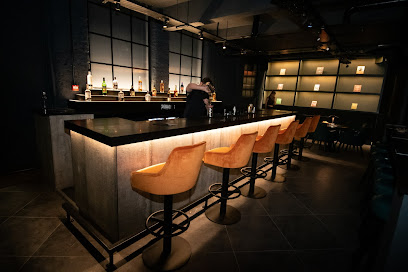
Nottingham Secret Garden
0.8 km
Discover Nottingham's lush cocktail hideaway: tropical vibes, craft drinks, and electric nights in a secret beer garden oasis.
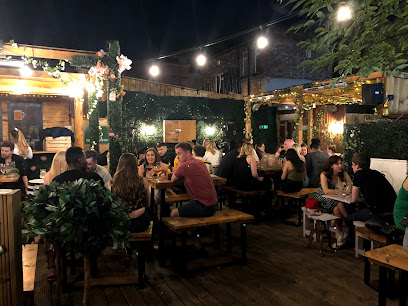
Revolución de Cuba Nottingham
0.8 km
Experience the vibrant spirit of Havana with authentic Cuban cuisine, cocktails, and live Latin music in the heart of Nottingham.
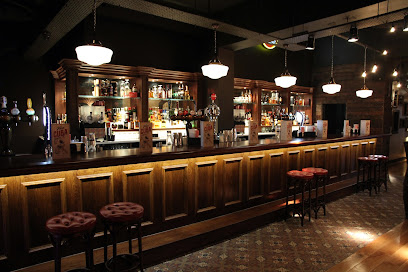
400 Rabbits
0.8 km
Intimate Hurts Yard cocktail bar specialising in tequila and mezcal cocktails with a theatrical, cosy atmosphere.
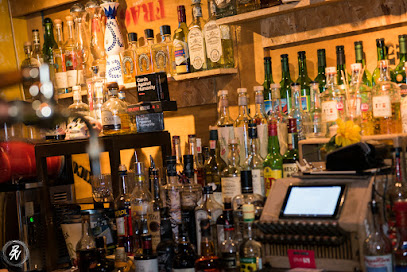
Cucamara
0.8 km
Lively late-night cocktail bar in Nottingham’s Hurts Yard, blending vibrant atmosphere with creative drinks and social energy.
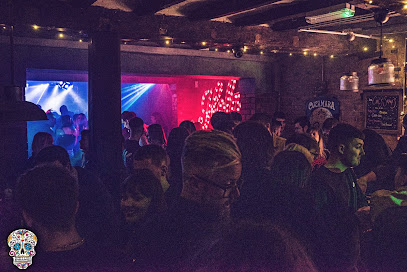
The Alchemist Nottingham
0.9 km
Ignite your senses in Nottingham's alchemical lair, where molecular cocktails erupt in spectacle and inventive dishes fuel unforgettable nights on King Street.

Slug & Lettuce - Market Square Nottingham
0.9 km
Vibrant cocktail bar and restaurant in Nottingham’s Market Square, known for lively atmosphere, diverse menu, and all-day 2-4-1 cocktails.
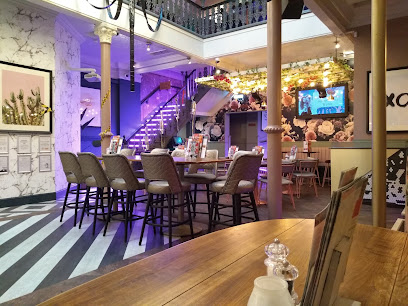
Malt Cross
0.9 km
Historic Victorian music hall pub in Nottingham offering award-winning ales, live music, and a vibrant community atmosphere in a stunning heritage setting.
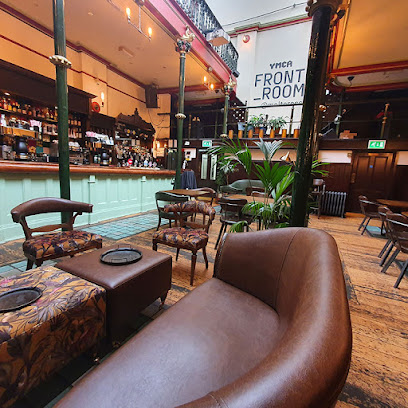
O'Neill's Market Square Nottingham
1.0 km
Lively Irish pub in Nottingham's Market Square: pub grub, live sports, DJ nights, and pints in a buzzing city-centre spot that parties till late.
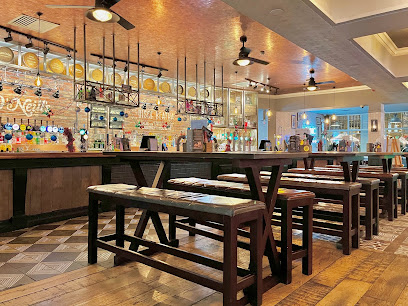
MOJO
1.0 km
MOJO Bar Nottingham: Where rock ’n’ roll meets expertly crafted cocktails in a lively, no-pretence late-night hotspot.
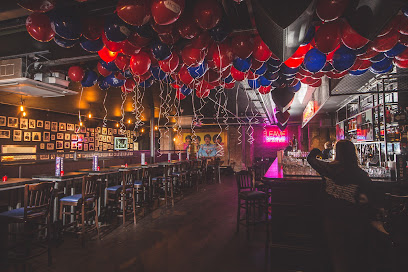
Nightclubs & after hour spots

Stealth
0.6 km
Nottingham's drum and bass dynamo: world-ranked beats, epic nights, and unrelenting energy since 2004 in the heart of Goldsmith Street.
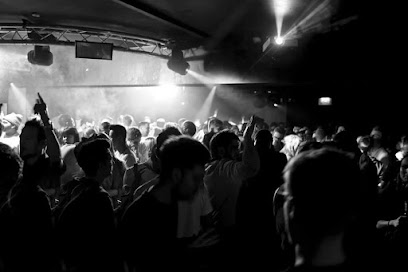
Rescue Rooms
0.6 km
Nottingham's intimate live music powerhouse: raw gigs, electric crowds, and beats till 3am in a historic nook.
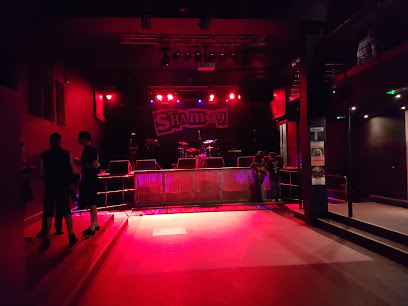
Rock City
0.6 km
Experience Nottingham’s iconic live music and nightclub venue, where legendary acts and vibrant club nights come alive in an intimate, energetic setting.
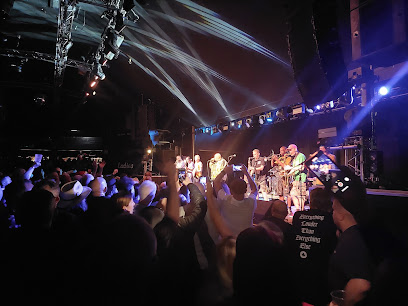
CRISIS
0.6 km
Experience Nottingham’s legendary live music and nightlife at Rock City, a vibrant venue with a rich history and dynamic club nights.
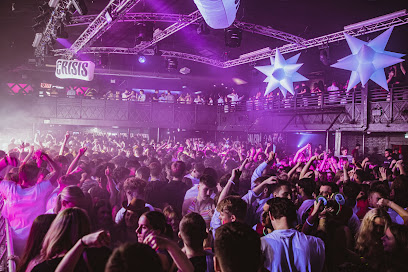
Unit 13
0.7 km
Dive into Nottingham's underground bassline haven at Unit 13, where industrial beats and stellar DJs fuel unforgettable warehouse raves.

Love zoo
0.7 km
Dive into Nottingham's electrifying beats at Love Zoo, where house rhythms, dazzling lights, and cocktail-fueled nights create pure nightlife magic on Weekday Cross.
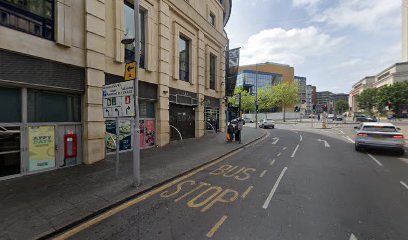
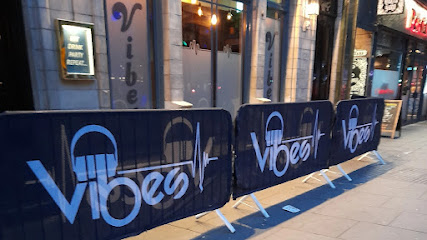
VIBES NIGHTLIFE
0.8 km
Dive into Nottingham's pulsating party hub where weekend beats, neon lights, and vibrant crowds fuel epic nights until 2am—pure vibes unleashed.
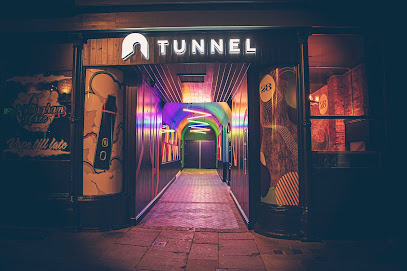
Tunnel Club
0.9 km
Loud. Intimate. Disruptive. Dive into Nottingham's raw underground beats at this city-center nightclub powerhouse.
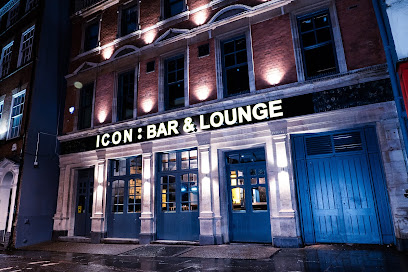
ICON
1.0 km
A compact, DJ-driven late-night club on St James’s Street — small footprint, high-energy nights and a tight city-centre atmosphere.
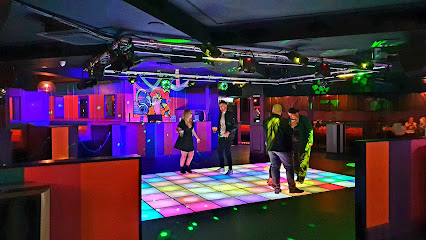
Popworld - Nottingham
1.0 km
A neon-soaked, singalong pop-club in Nottingham city centre — colourful cocktails, nostalgic anthems and compact dancefloor energy.
The Bodega Nottingham
1.1 km
Intimate two-level live-music bar and late-night club on Pelham Street — gritty, affordable and centred on close-up gigs and local sounds.
Tantra Night Clubs
1.1 km
Dive into Nottingham's electric nightlife at Tantra Night Clubs, where pulsating beats, dazzling lights, and stylish vibes create unforgettable nights of dance and discovery in the city center.
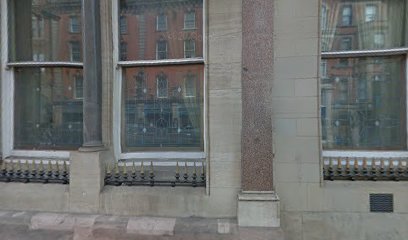
NG-One
1.1 km
A large, late‑night Nottingham club with multiple dancefloors, strong sound and long weekend hours — built for night owls and student crowds.
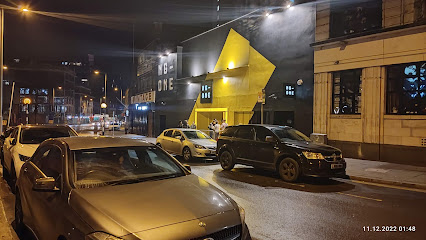
The Cell
1.2 km
Dive into Nottingham's pulsing heart at The Cell, where affordable drinks, diverse beats, and Hockley's electric vibe fuel unforgettable nights of dance and discovery.

Eleven
1.2 km
A lively, multi-bar nightclub in Nottingham’s Hockley district, famed for great cocktails, student nights, and an intimate yet energetic party vibe.
For the vibe & atmosphere seeker
- Tranquil
- Scenic
- Unique
- Relaxing
For the design and aesthetic lover
- Vintage Styles
For the architecture buff
- Historic
- Landmarks
- Art & Design
- Heritage Neighborhoods
For the view chaser and sunset hunter
- Iconic Views
- Panoramas
For the social media creator & influencer
- Instagrammable
- Photo Spots
- Architectural Shots
For the eco-conscious traveler
- Public-Transport Accessible
- Locally Managed
- Leave-No-Trace Critical
For the kind of experience you’re after
- Cultural Heritage
- Photowalk
- Day Trip
- Nature Escape
For how adventurous you want the journey to be
- Easy Access
Location Audience
- Family Friendly
- Senior Friendly
- Child Friendly
- Teen Friendly
- Wheelchair Access
- Pet Friendly
- Solo Friendly
- Couple Friendly
- Vegetarian Friendly
- Vegan Friendly


