Robin Hood Statue, Nottinghamshire Travel Guide
Iconic bronze statue of Robin Hood beside Nottingham Castle, celebrating the legendary outlaw and Nottingham’s rich folklore heritage.
The Robin Hood Statue in Nottingham is an iconic bronze monument located on Robin Hood's Lawn beside Nottingham Castle. Created by sculptor James Woodford in 1952, it depicts the legendary outlaw in a classic archer pose, surrounded by smaller figures of his Merry Men. This free, open-air landmark celebrates Nottingham’s deep connection to the Robin Hood legend and offers a charming historical focal point in the city.
A brief summary to Robin Hood Statue
- Castle Rd, Nottingham, NG1 6AA, GB
- Click to display
- Duration: 0.25 to 1 hours
- Free
-
 Outdoor
- Mobile reception: 4 out of 5

Know before you go
Hi, I'm Eve. Here are a few practical things to know before exploring Robin Hood Statue.
- Visit early in the morning or late afternoon for softer light and fewer crowds, ideal for photography.
- Combine your visit with Nottingham Castle’s immersive Robin Hood exhibitions for a fuller historical experience.
- Explore nearby Sherwood Forest and the Major Oak to deepen your connection to the Robin Hood legend.
- Use public transport or nearby city center car parks to avoid parking difficulties around the castle area.
- Respect the statue by avoiding touching or leaning on it to help preserve its condition.
Do you manage this location?
Take control to get all the benefits, like improved information, better appearance, and stronger visibility across AI-powered discovery. Learn more about listing your business on Evendo
Activate your presenceOther nearby places you may find interesting
The closest places of the same kind, if this one is not quite what you had in mind.
Explore Robin Hood Statue on the Map
A handpicked selection of must-see spots near Robin Hood Statue, mapped for you.
Unlock the Best of Robin Hood Statue
Buy tickets
-
No tickets available
Book tours with entry


Getting There
-
Public Transport
Take Nottingham’s tram or bus services to the city centre; from Old Market Square, it’s a 5-minute walk to the Robin Hood Statue near Nottingham Castle. Tickets range from £2 to £5 depending on distance and operator.
-
Train
Arrive at Nottingham Railway Station, then walk approximately 15 minutes through the city centre to reach the statue. The route is mostly flat but includes some cobbled streets.
-
Car
Use nearby city centre car parks such as Nottingham Castle Canal Street Car Park. Parking fees typically range from £2 to £4 per hour. Note that the castle area has limited direct parking.
-
Walking
From Old Market Square or Nottingham city centre, walking to the statue takes about 5 to 10 minutes on paved, accessible paths suitable for wheelchairs and strollers.
For the on-the-go comforts that matter to you
-
 Seating Areas
-
 Trash Bins
-
 Information Boards
Discover more about Robin Hood Statue
A Symbol of Nottingham’s Legendary Outlaw
The Robin Hood Statue stands proudly on Robin Hood's Lawn, nestled beside the historic Nottingham Castle. Created by James Woodford RA, OBE, and unveiled in 1952, this 7-foot bronze effigy captures Robin Hood in a dynamic archer stance, his arrow aimed at the castle gatehouse — a symbolic gesture against authority. The statue is mounted on a substantial block of white Clipsham stone and is surrounded by smaller sculptures representing his loyal Merry Men, including Little John, Friar Tuck, Alan A Dale, and Will Scarlett. This ensemble vividly brings to life the folklore hero whose tales of robbing the rich to aid the poor have enthralled generations.Historical and Cultural Significance
Commissioned by local businessman Philip E. F. Clay, who donated £5,000 for its creation, the statue was intended to provide Nottingham with a tangible landmark celebrating its association with Robin Hood. The statue’s location is particularly meaningful, positioned on the remains of the medieval castle’s moat, known as Robin Hood's Lawn, reinforcing the connection between the legend and the city’s historic heart. Despite occasional vandalism over the years, including damage to the bow, the statue has been carefully maintained and is now recognized with Grade II listed status, underscoring its importance to Nottingham’s heritage.Artistic Details and Public Reception
Woodford’s attention to historical accuracy is evident in the statue’s design, consulting historians to depict Robin Hood as a medieval forester rather than a romanticized figure. Notably, the statue features a leather skull cap instead of the more familiar triangular hat, a choice that sparked some debate but adds authenticity. The arrow, crafted with reinforced materials to deter vandalism, points resolutely at the castle gatehouse, symbolizing Robin Hood’s defiance of oppressive rule. Over decades, the statue has become a beloved photo spot for visitors and celebrities alike, appearing in newspapers and media worldwide.Setting and Visitor Experience
The statue’s setting on Robin Hood's Lawn offers a relaxed, welcoming atmosphere framed by the historic castle walls. Visitors can enjoy nearby seating areas and take in panoramic views of Nottingham’s cityscape. The site is accessible 24/7, free to visit, and conveniently located within a short walk from Nottingham’s central train station, Old Market Square, and popular cafés and pubs. The surrounding Nottingham Castle grounds provide immersive exhibitions on Robin Hood’s adventures, complementing the statue visit with rich historical context.Connection to Nottinghamshire’s Wider Robin Hood Legacy
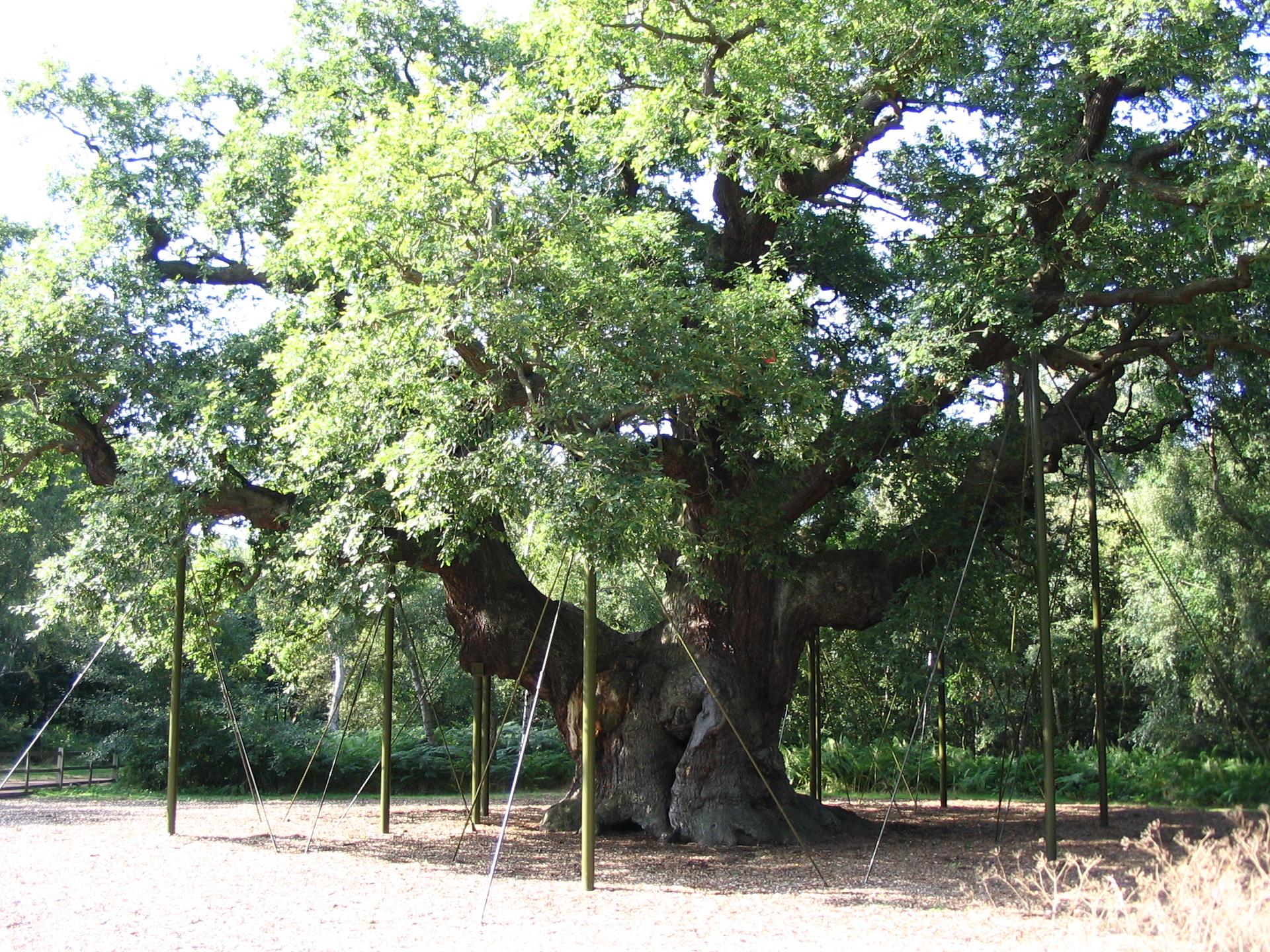
Beyond the statue, Nottinghamshire is dotted with sites linked to the Robin Hood legend, including Sherwood Forest and the Major Oak, reputedly the outlaw’s hideout. The statue serves as a gateway to exploring these legendary locations, inviting visitors to delve deeper into the folklore and history that define the region. Nottingham’s blend of medieval history, vibrant city life, and enduring myth make the Robin Hood Statue a compelling stop for history enthusiasts and casual visitors alike.Preservation and Community Importance
The statue’s upkeep is a community priority, with efforts to protect it from damage and maintain its status as a cultural icon. It stands not only as a tribute to a legendary figure but also as a symbol of Nottingham’s identity and storytelling tradition. The statue’s presence enriches the city’s historic landscape, offering a tangible link to England’s folklore and a memorable experience for all who visit.












Your all‑in‑one travel companion app
Explore expert travel guides, compare and book tours, experiences, hotels, and more—all from the palm of your hand. Download now for seamless trip planning wherever your wanderlust takes you.


Explore More of Nottinghamshire
Looking beyond Robin Hood Statue? Discover Nottinghamshire for broader travel guides, local hot-spots, and regional highlights.
Explore Nottinghamshire
Explore cutting-edge contemporary art in Nottingham’s iconic sandstone gallery with free exhibitions, lively events, and a vibrant café.
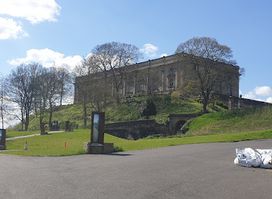
Gateway to Nottingham Castle’s rich history, interactive galleries, cave tours, and family-friendly adventures in the heart of the city.