
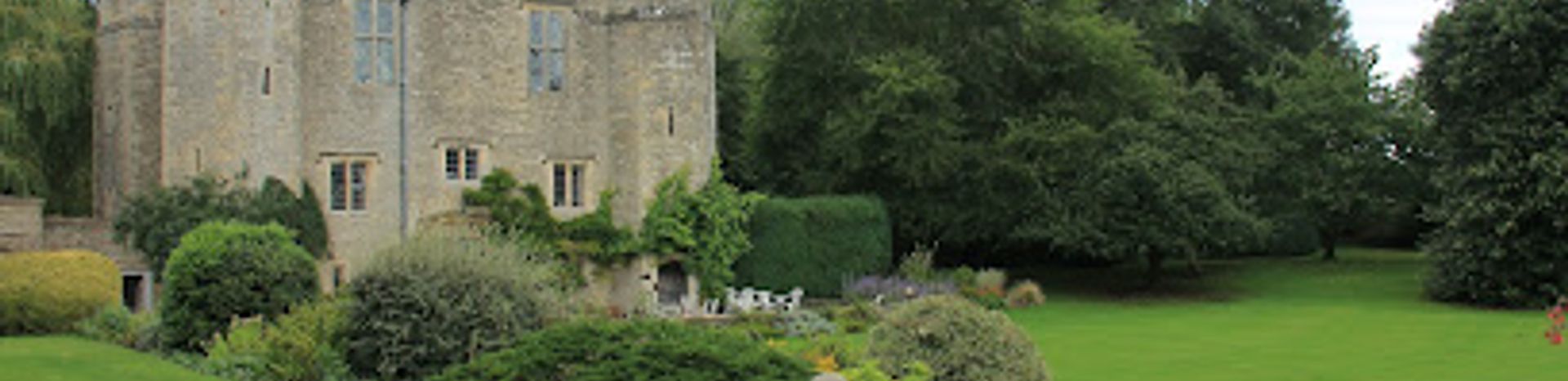
Boarstall Tower: A Majestic 14th-Century Moated Gatehouse in Buckinghamshire
Explore Boarstall Tower, a stunning 14th-century moated gatehouse steeped in medieval legend and civil war history, set in serene Buckinghamshire gardens.
Boarstall Tower is a remarkable 14th-century moated gatehouse located near Bicester, Buckinghamshire. Built in 1312 by John de Haudlo under a royal license to fortify his manor, it served as a defensive stronghold and later a garrison during the English Civil War. Today, it stands as a well-preserved National Trust property surrounded by beautifully restored gardens, offering visitors a glimpse into medieval architecture and turbulent history.
A brief summary to National Trust - Boarstall Tower
- Boarstall Tower, Bicester, HP18 9UX, GB
- +441280817156
- Visit website
- Duration: 1 to 2 hours
- Mid ranged
-
 Outdoor
- Mobile reception: 4 out of 5
Local tips
- Visit during summer months when the tower is open on select dates for guided tours to fully appreciate its history and architecture.
- Take time to explore the formal gardens and moat surrounding the tower, which reflect the site's 17th-century landscaping.
- Look for the visible cannon damage above the tower entrance, a tangible reminder of the English Civil War battles.
- Combine your visit with nearby historic sites in Buckinghamshire for a rich cultural day trip.

For the on-the-go comforts that matter to you
- Restrooms
- Seating Areas
- Information Boards
Getting There
-
Train and Bus
Take a train to Bicester North station from London Marylebone or Oxford, with journey times between 40 to 60 minutes. From Bicester, catch a local bus or taxi for a 15-20 minute ride to Boarstall Tower. Bus services are infrequent, so check schedules in advance. Taxi fares typically range from £15 to £25.
-
Car
Driving from central Bicester takes approximately 20 minutes via local roads. Parking near Boarstall Tower is limited and may require parking in designated village areas with a short walk to the site. Some narrow lanes require cautious driving.
-
Walking
For active visitors, a countryside walk from nearby villages such as Boarstall or Oakley offers a scenic 30-45 minute route on rural paths. Terrain is mostly flat but may be muddy after rain; suitable footwear recommended.
National Trust - Boarstall Tower location weather suitability
-
 Any Weather
-
 Rain / Wet Weather
-
 Clear Skies
-
 Mild Temperatures
Discover more about National Trust - Boarstall Tower
Medieval Origins and Architectural Significance
Boarstall Tower was constructed in 1312 after John de Haudlo received a license from King Edward II to crenellate his manor house, transforming it into a fortified gatehouse. This imposing structure, surrounded by a moat, was designed to protect the manor and assert the lord's status. The tower’s exterior has remained largely unchanged since the late 17th century, preserving its medieval character. Originally accessed by a drawbridge, the entrance was later replaced by a wooden bridge in the early 1600s. The tower's robust stone walls, crenellations, and strategic position make it a fine example of medieval military architecture adapted for residential use.Legend and Early History
The name "Boarstall" derives from an Old English term meaning 'Boar House,' linked to a local legend of a man named Neil who slew a fierce wild boar in Bernwood Forest. As a reward, King Edward the Confessor granted him land and a horn from the beast, said to bestow lordship over the manor to its possessor. Historical records from 1265 show the manor’s owner was the keeper of Bernwood Forest, reinforcing the legend’s roots. Over centuries, the manor evolved, with the tower remaining the principal surviving structure after the main house was demolished in 1778.Role in the English Civil War
Boarstall Tower played a pivotal role during the English Civil War. In 1643, Royalists fortified it as a garrison to defend their stronghold at Oxford. The tower changed hands multiple times between Royalist and Parliamentarian forces. Notably, Colonel Henry Gage recaptured it for the Royalists in 1644 after heavy cannon fire, forcing Penelope, Lady Dynham, the resident, to flee in disguise. Parliamentarian forces, led by Sir Thomas Fairfax, unsuccessfully attacked in 1645 but succeeded in 1646 after an 18-hour siege. Despite the conflict, the tower sustained limited visible damage, with some cannon marks still evident above its entrance.Later History and Preservation
Following the demolition of the main manor house in the late 18th century, the tower fell into disuse until 1925 when Mrs. Bramley Jennings rescued it from dereliction, converting it into a home and restoring parts of the structure. The surrounding gardens were also reconstructed, reflecting the formal 17th-century layout. In 1941, philanthropist Ernest Cook purchased the tower and donated it to the National Trust in 1943, ensuring its preservation. The National Trust undertook further restoration work in the late 1990s and has since maintained the site as a heritage attraction.Gardens and Landscape Setting
Boarstall Tower is set within charming gardens featuring a moat and formal landscaping dating back to the 17th century. The gardens complement the medieval architecture, with pathways and greenery that evoke the historical ambiance of the manor’s heyday. Excavations and restoration efforts have enhanced the gardens’ authenticity, making them an integral part of the visitor experience. The site’s tranquil setting amidst the Buckinghamshire countryside adds to its appeal as a peaceful historic retreat.Visitor Experience and Cultural Importance
Today, Boarstall Tower offers visitors a unique opportunity to explore a rare surviving medieval gatehouse with rich historical layers from legend to civil war. The National Trust opens the tower on select summer dates, providing guided tours that illuminate its architectural features and dramatic past. The site’s combination of history, architecture, and natural beauty makes it a significant cultural heritage landmark in Buckinghamshire, cherished for its storytelling and preservation of England’s medieval legacy.Iconic landmarks you can’t miss

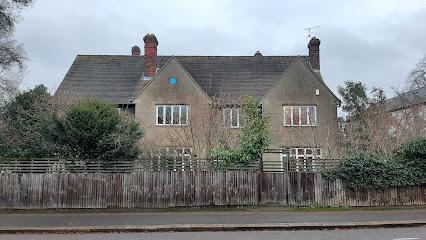
Blue Plaque: J.R.R. Tolkien
12.7 km
The Oxford home where Tolkien wrote The Hobbit and The Lord of the Rings, marked by a historic blue plaque.
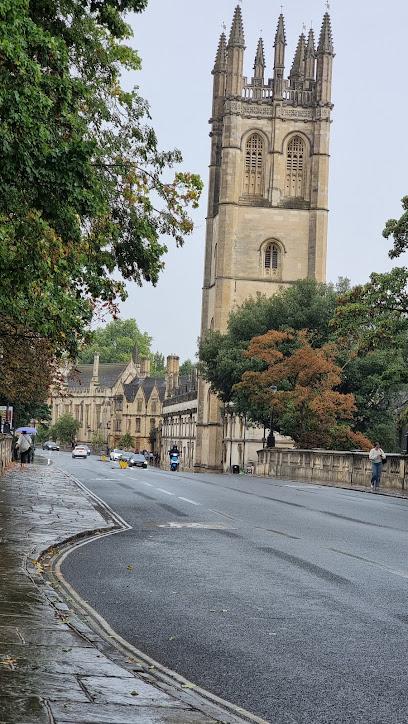
Magdalen Bridge
13.1 km
Historic stone bridge over the River Cherwell, blending centuries of architecture, culture, and Oxford traditions.
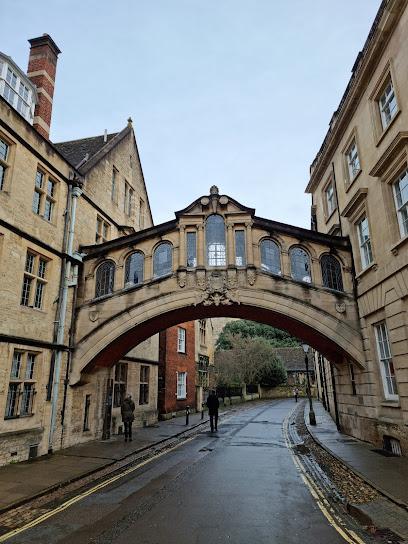
Bridge of Sighs
13.3 km
An iconic covered bridge connecting Hertford College’s quadrangles, blending Gothic charm with Oxford’s academic spirit.
Clarendon Building
13.3 km
An iconic neoclassical landmark in Oxford’s academic heart, blending historic grandeur with university tradition on Broad Street.
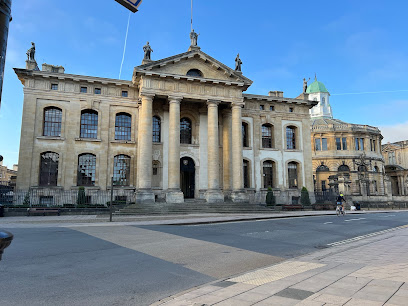
Weston Library
13.3 km
Explore the Weston Library in Oxford - a cultural gem featuring rare manuscripts, stunning architecture, and a vibrant atmosphere for book lovers.
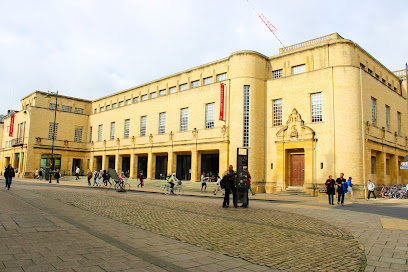
Bodleian Library
13.3 km
Discover the Bodleian Library, an iconic historical landmark in Oxford, home to millions of texts and a hub for cultural events and tours.
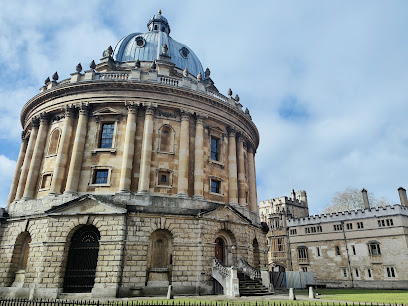
Bodleian Old Library
13.4 km
Discover the Bodleian Old Library, a historic treasure in Oxford, steeped in knowledge and architectural beauty, inviting all to explore its literary wonders.
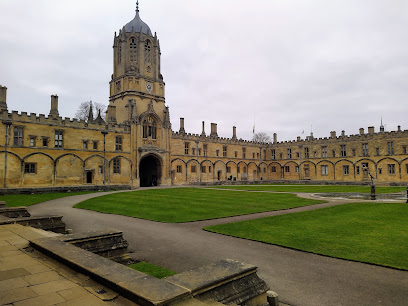
The Sheldonian Theatre
13.4 km
Explore the architectural beauty and cultural significance of The Sheldonian Theatre, a historic performing arts gem in the heart of Oxford.
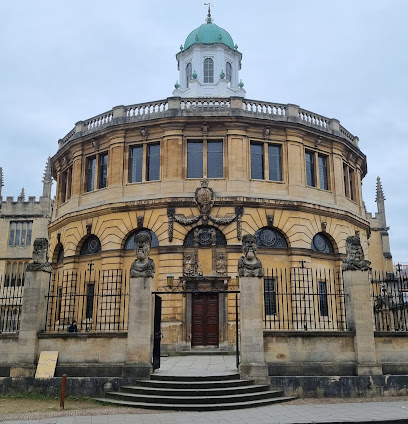
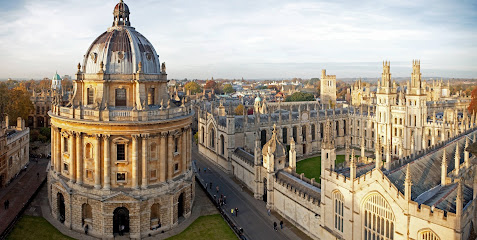
Radcliffe Camera
13.4 km
A majestic 18th-century neoclassical rotunda, the Radcliffe Camera is Oxford’s iconic library landmark and a symbol of academic heritage.

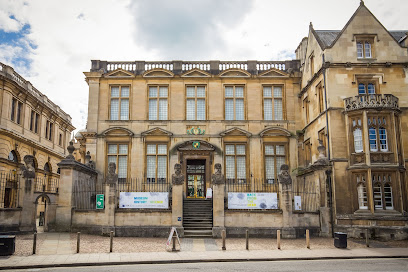
History of Science Museum
13.4 km
Explore the History of Science Museum in Oxford: A treasure trove of scientific instruments and manuscripts showcasing centuries of innovation and discovery.
University Church of St Mary the Virgin
13.4 km
Discover the stunning University Church of St Mary the Virgin in Oxford, a historical gem with breathtaking views and rich cultural heritage.
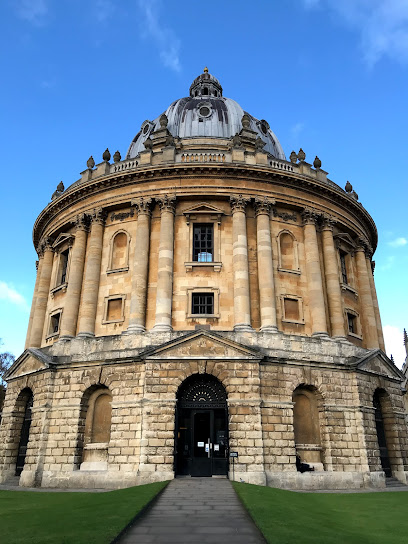
Brasenose College
13.4 km
Historic Oxford college founded in 1509, renowned for its medieval architecture, vibrant student life, and prestigious academic tradition.
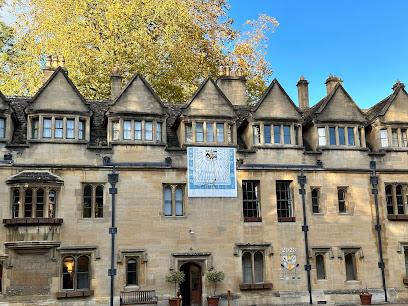
Oriel College
13.5 km
Explore Oriel College, a historical gem in Oxford, and immerse yourself in centuries of academic excellence and stunning architecture.
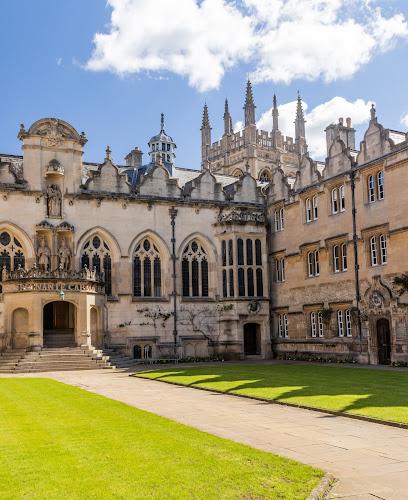
2.1
13.5 km
Discover Oriel Square, Oxford’s historic academic hub where royal heritage meets timeless scholarly tradition in a serene city setting.
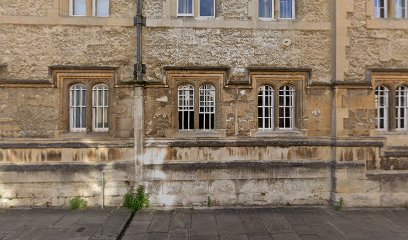
Visit Oxford Tours
13.5 km
Explore the captivating history and stunning architecture of Oxford with expert-guided tours for an unforgettable experience.
Unmissable attractions to see

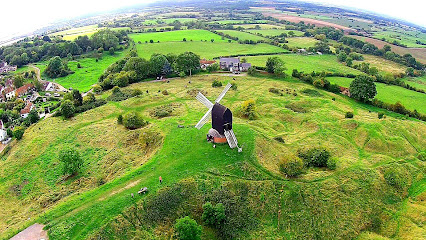
Brill Windmill
2.8 km
Explore Brill Windmill, a majestic 17th-century post mill perched atop Buckinghamshire’s hills, embodying centuries of rural milling heritage and craftsmanship.
Waterperry House
8.0 km
Discover Waterperry House: a historic Georgian manor famed for its stunning frescoes, exquisite gardens, and rich horticultural heritage near Oxford.
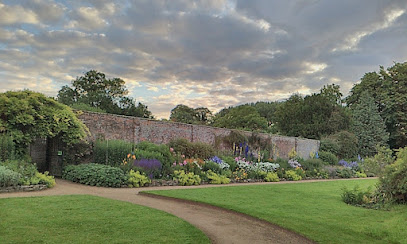
Bicester Village
8.8 km
Luxury designer outlet village with 150+ boutiques, up to 70% off, and festive charm near Oxford.
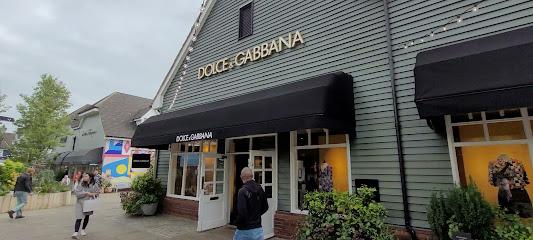
The Kilns (C S Lewis House)
9.8 km
Step into the Oxford home where C.S. Lewis wrote the Narnia books and discover the quiet house that shaped a literary legend.
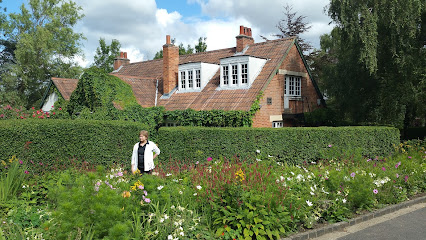
C S Lewis Nature Reserve
9.9 km
Where C.S. Lewis found inspiration: a tranquil woodland and pond sanctuary teeming with dragonflies, toads, and literary magic.
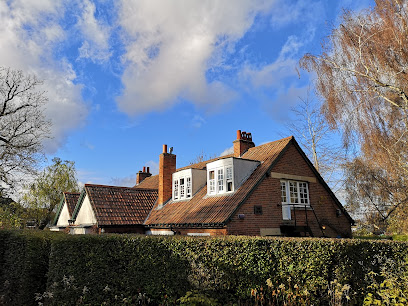
Bury Knowle Park
10.3 km
Historic and family-friendly green space in Headington, Oxford, blending culture, play, and nature across 7 hectares.
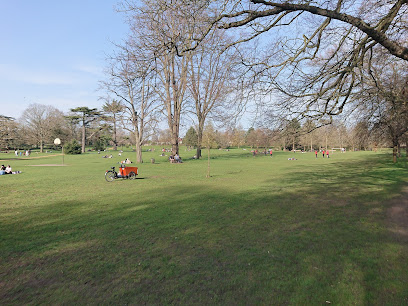
The Storybook Tree
10.4 km
A charming literary landmark in Headington, Oxford, where imagination and storytelling blossom beneath a magical tree.
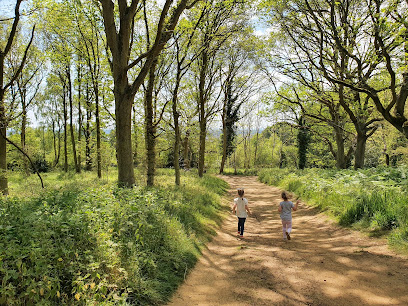
Shotover Country Park
10.4 km
Explore 117 hectares of scenic woodlands, wildlife, and historic trails at Shotover Country Park on Oxford’s doorstep.
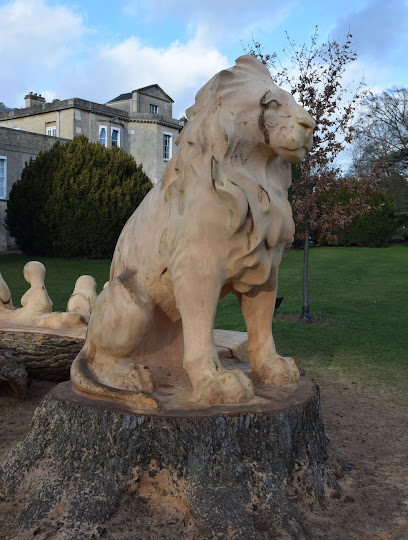
Statue of Aslan
10.4 km
Discover the majestic Statue of Aslan in Oxford’s Bury Knowle Park, celebrating C.S. Lewis’s timeless lion in a serene literary setting.
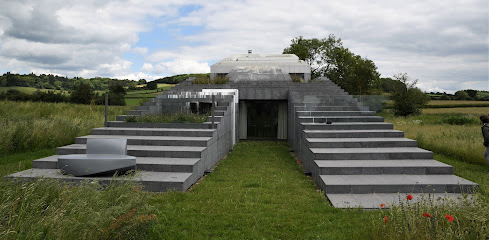
Flint House, Buckinghamshire
10.5 km
Discover Waddesdon Manor’s grand French Renaissance architecture, exquisite art collections, and enchanting Victorian gardens in the heart of Buckinghamshire.
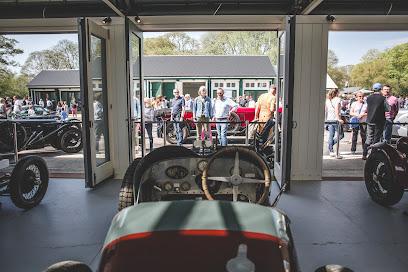
Bicester Heritage
10.7 km
Explore the UK’s premier historic motoring campus where vintage cars, aviation heritage, and passionate craftsmanship come alive.
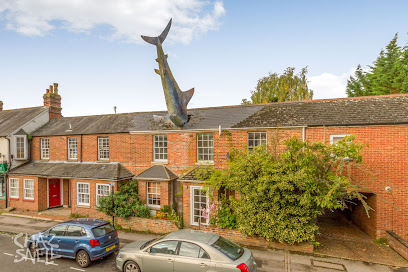
The Headington Shark
10.8 km
A surreal 25-foot shark crashing through a rooftop, symbolizing protest and creativity in the heart of Oxford’s Headington suburb.
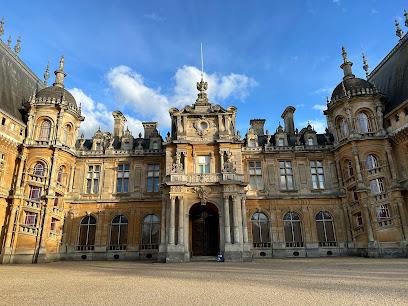
Waddesdon Manor
11.1 km
Explore the grandeur of Waddesdon Manor, a French Renaissance château with stunning gardens, rich art collections, and vibrant cultural events in Buckinghamshire.
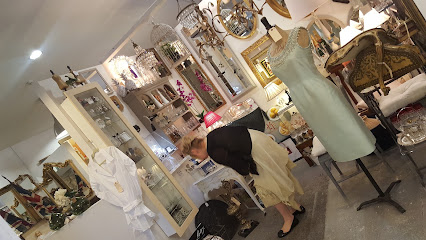
The Old Flight House
11.2 km
Explore a stylish emporium of antiques, vintage treasures, and a charming café in a spacious, light-filled setting near Bicester.
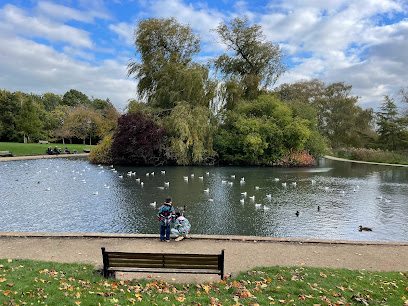
Cutteslowe and Sunnymead Park
11.7 km
A sprawling green haven in Oxford with playgrounds, sports courts, a splash park, and a charming miniature railway for all ages.
Essential places to dine

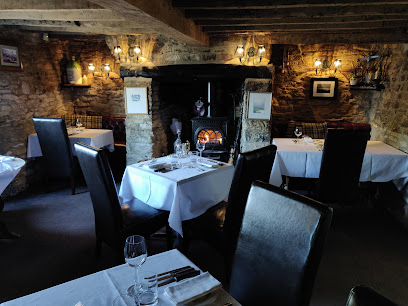
Nut Tree Inn
4.0 km
Michelin-starred fine dining meets historic charm in the heart of Oxfordshire’s countryside at The Nut Tree Inn.
CANALETTO
8.1 km
Authentic Italian dining with Mediterranean charm in a warm, welcoming atmosphere on Bicester Road, Kingswood.
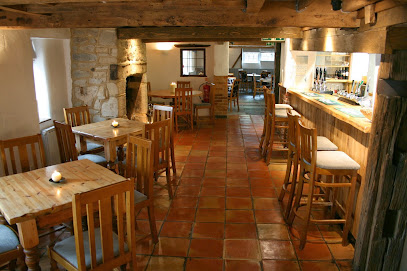
The Angel Restaurant
8.4 km
A charming seafood restaurant in Long Crendon blending historic ambiance with fresh, creative cuisine and warm hospitality.
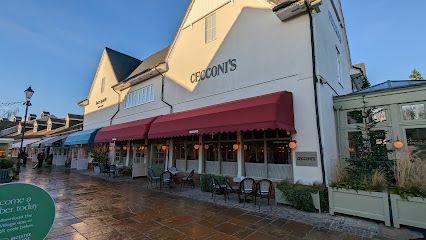
Cecconi's Bicester
8.5 km
Experience authentic Italian flavors and artisanal dishes in the stylish heart of Bicester Village.
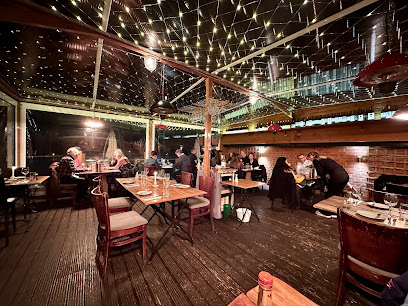
The Five Arrows
12.0 km
Boutique neo-Tudor charm with refined dining and peaceful gardens beside historic Waddesdon Manor in Buckinghamshire.

Cherwell Boathouse Restaurant
12.4 km
Historic riverside dining in Oxford offering modern British cuisine, award-winning wines, and scenic boat hire in a charming Victorian boathouse.
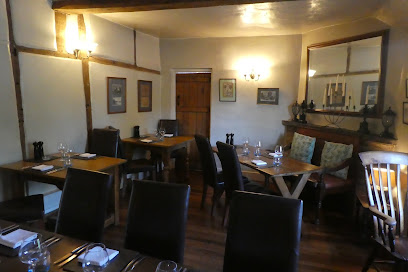
La table d'Alix at The Plough
12.5 km
Authentic French cuisine in a charming Oxfordshire village pub, blending rustic elegance with warm hospitality for memorable dining experiences.
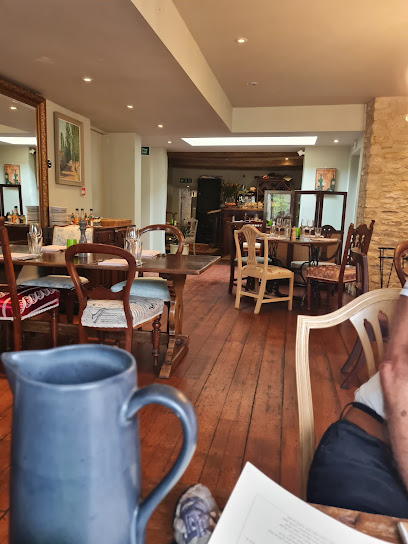
The Longwall Beefeater
12.6 km
Classic British steaks and hearty family meals served in a cozy, character-filled setting at Oxford Business Park.
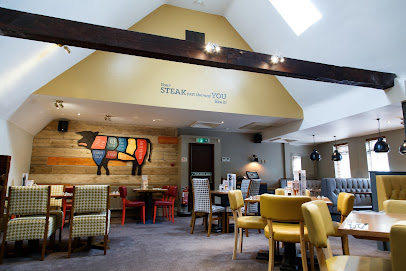
Yeti
12.7 km
Authentic Nepalese and Indian dining with warm hospitality and rich flavors on Oxford’s vibrant Cowley Road.
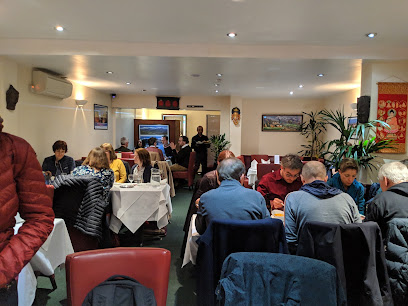
The Coconut Tree Oxford
12.7 km
Discover vibrant Sri Lankan flavors and lively vibes at The Coconut Tree Oxford, a must-visit spot for authentic cuisine and creative cocktails.
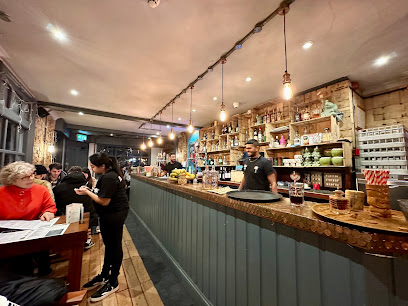
Comie's Caribbean Grill
12.7 km
Authentic Jamaican flavors, generous portions, and genuine Caribbean warmth in a casual Oxford neighborhood spot.
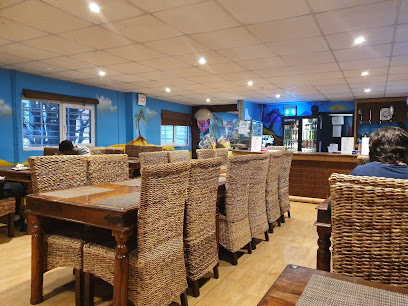
The Oxford Kitchen
12.7 km
Michelin-starred British fine dining in Oxford’s Summertown, blending seasonal ingredients with elegant ambiance and impeccable service.
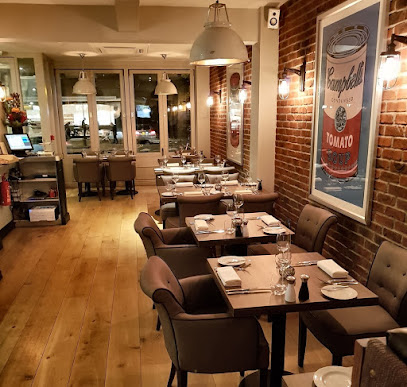
Antep Kitchen
12.8 km
Experience authentic Turkish cuisine with generous portions and warm hospitality in Oxford’s vibrant Cowley Road neighborhood.
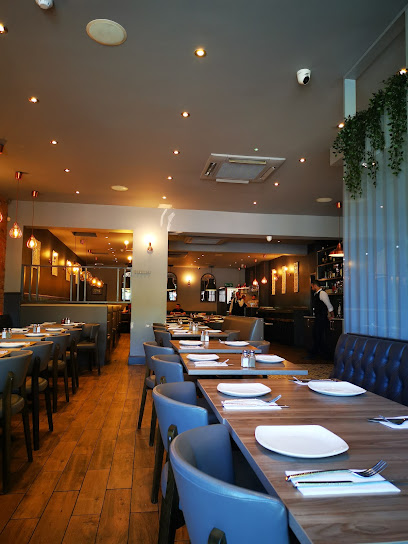
Pompette
12.8 km
Experience authentic French flavors and warm hospitality in Oxford’s charming Summertown at Pompette, a refined brasserie with seasonal delights.
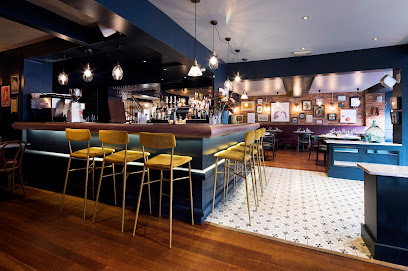
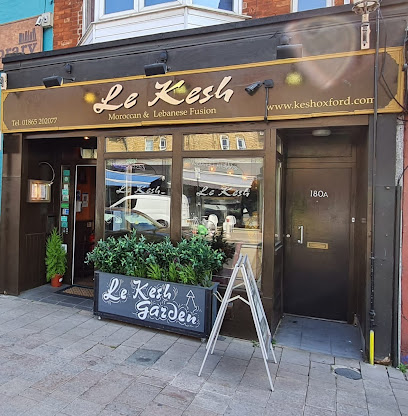
Le Kesh
12.8 km
Experience the vibrant fusion of Moroccan and Lebanese cuisine in a cosy, welcoming Oxford restaurant with authentic flavours and warm hospitality.
Markets, malls and hidden boutiques

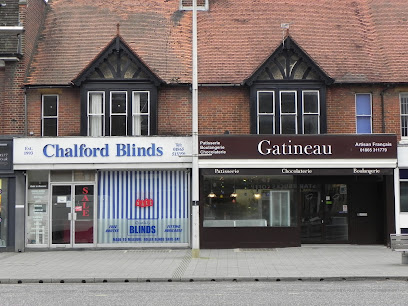
Gatineau Artisan Patisserie & Bakery
12.7 km
Authentic French artisan patisserie in Oxford’s Summertown, crafting exquisite pastries, breads, and bespoke cakes with premium ingredients.
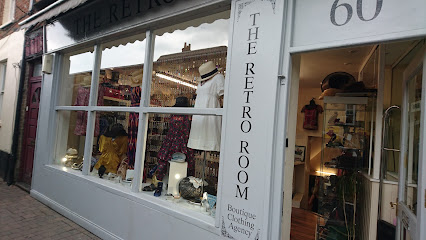
The Retro Room
12.8 km
Discover Oxford’s stylish hub for vintage and designer second-hand fashion, blending sustainability with unique finds in a welcoming boutique setting.
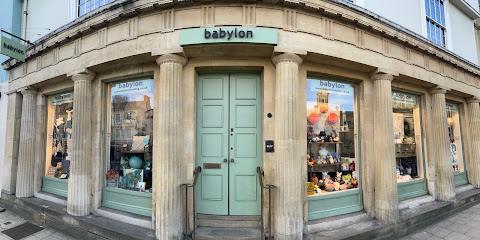
Babylon Trading
13.3 km
Discover eclectic home and gift treasures in a charming Grade 2 listed boutique on Oxford’s historic High Street.
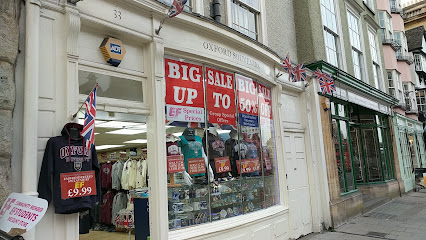
Oxford Souvenirs
13.3 km
Discover authentic Oxford heritage and unique keepsakes at this charming High Street souvenir shop, open daily for all visitors.
Bodleian Libraries Shop in Old School's Quad
13.3 km
Discover exclusive scholarly gifts and rare books in the historic heart of Oxford’s Bodleian Libraries.
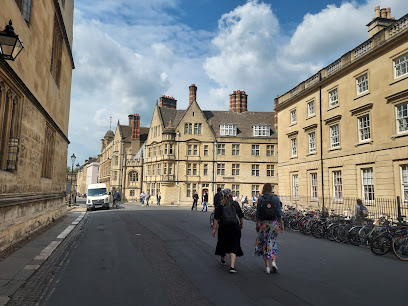
Bodleian Weston Library Shop
13.4 km
Explore exclusive literary gifts and scholarly treasures at the Bodleian Weston Library Shop in Oxford’s iconic Weston Library.
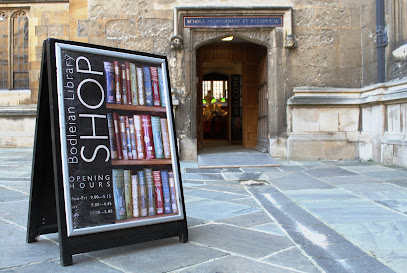
Sanders of Oxford
13.5 km
Explore Sanders of Oxford, the premier antique shop and art dealer, where history and elegance come together in a captivating experience.
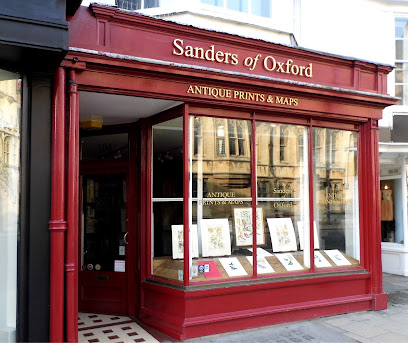
Cool Britannia
13.5 km
Discover authentic British souvenirs and unique gifts in the heart of Oxford at Cool Britannia, your go-to shop for memorable memorabilia and more.
Broad Canvas
13.5 km
Oxford’s trusted art and craft supply store since 1981, offering expert advice and quality materials for artists and creatives.
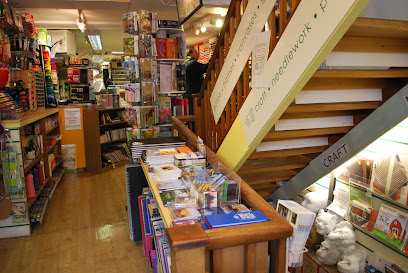
Oxford Blue
13.5 km
Explore Oxford Blue, a charming gift shop in the heart of Oxford, where unique souvenirs and local crafts await every traveler.
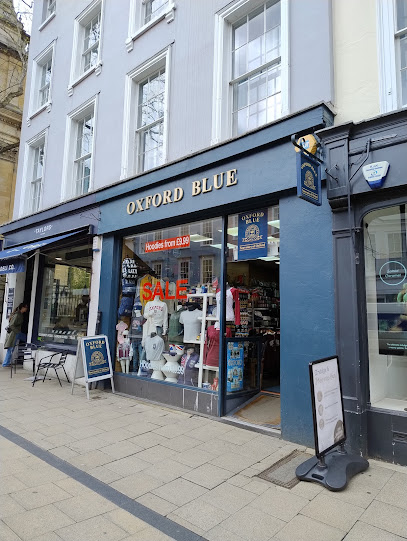
The Varsity Shop
13.5 km
Oxford’s premier destination for authentic university apparel and accessories, blending tradition and style on historic High Street.
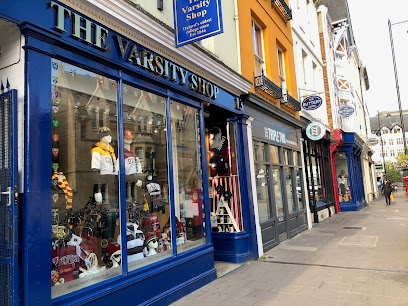
Objects of Use
13.5 km
Discover beautifully crafted, sustainable household tools and unique gifts at Objects of Use, Oxford’s modern hardware store with a global soul.
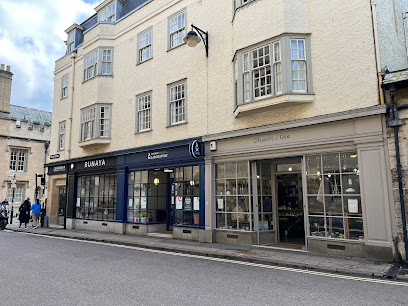
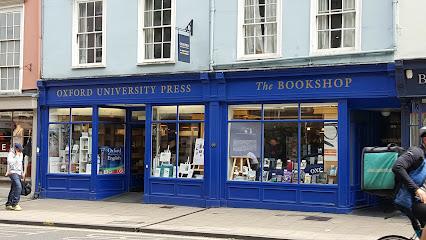
Oxford University Press Bookshop
13.5 km
Historic Oxford bookshop showcasing Oxford University Press’s scholarly legacy since 1872, now a quiet memory on High Street.
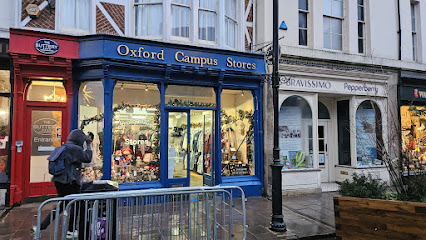
Oxford Campus Stores
13.5 km
Explore the vibrant Oxford Campus Stores for unique gifts, trendy apparel, and memorable souvenirs showcasing the essence of Oxford's rich heritage.
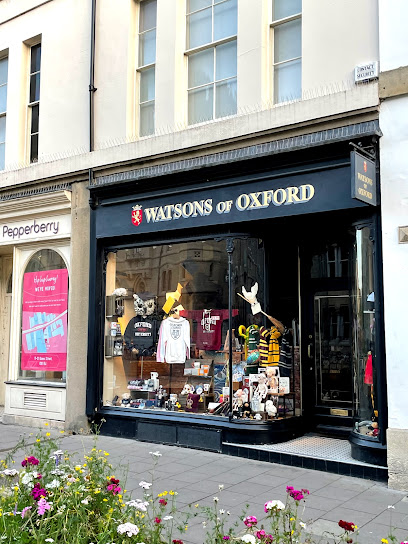
Watsons of Oxford
13.5 km
Discover unique gifts and local crafts in a charming Oxford shop offering authentic souvenirs and stylish finds in the city center.
Essential bars & hidden hideouts

The Baron
12.7 km
A vibrant cocktail bar on Oxford’s Cowley Road, offering creative drinks and a welcoming late-night atmosphere for all.
The Cape Of Good Hope
13.1 km
A lively Oxford pub blending traditional charm with modern vibes, great food, craft beers, and a welcoming community spirit.
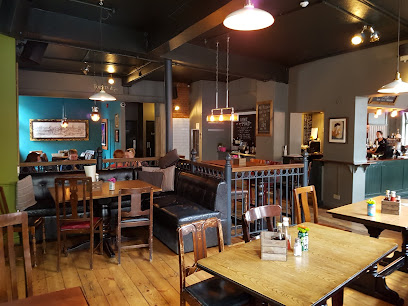
The Mad Hatter
13.1 km
A quirky bar and boutique hotel in Oxford offering creative cocktails, themed rooms, and lively nightlife in a vibrant, welcoming setting.
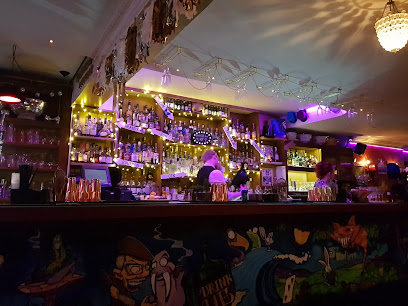
King's Arms, Oxford
13.3 km
Oxford’s oldest pub since 1607, famed for its literary heritage, academic ties, and ghostly whispers in a historic setting.
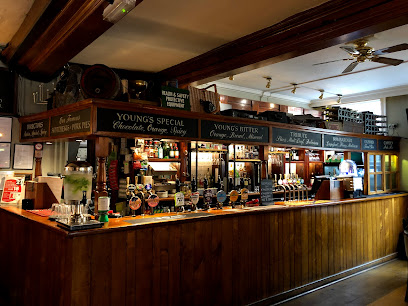
White Horse
13.4 km
A classic Oxford pub on Broad Street offering cozy charm, well-kept ales, and a taste of local history and culture.
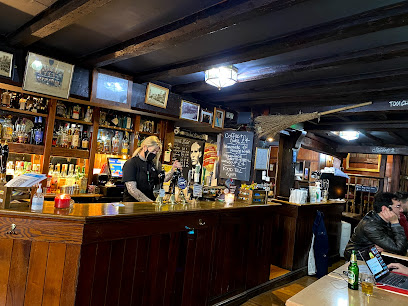
Lamb and Flag
13.4 km
Historic Oxford pub famed for its Inklings literary heritage, vibrant atmosphere, and excellent local ales since 1613.
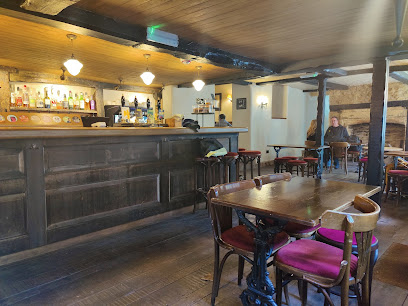
The Duke Of Cambridge
13.5 km
A stylish Oxford cocktail bar blending traditional pub charm with expert mixology and a lively, welcoming atmosphere.
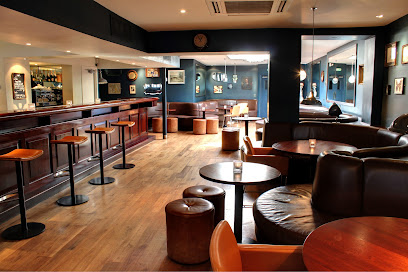
Sandy's Piano Bar
13.5 km
Experience the magic of live music at Sandy's Piano Bar in Oxford, where every night is a celebration of talent and good times.

All Bar One Oxford
13.6 km
Lively and stylish wine bar on Oxford’s High Street, perfect for drinks, sharing plates, and social gatherings in a vibrant city setting.
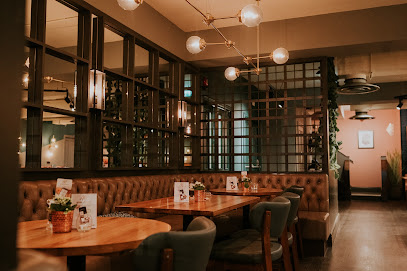
The Bear Inn, Oxford
13.6 km
Oxford’s oldest pub since 1242, The Bear Inn blends historic charm with lively atmosphere and a famed tie collection.
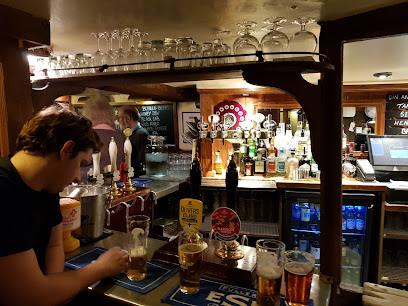
The Varsity Club
13.6 km
Experience Oxford’s best rooftop views and vibrant nightlife at The Varsity Club, a stylish multi-floor venue blending cocktails, music, and cityscape charm.
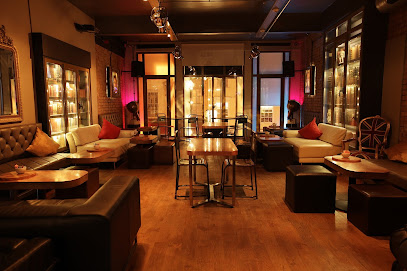
The House
13.6 km
A vibrant cocktail bar in Oxford’s Wheatsheaf Yard, blending expertly crafted drinks with a lively garden and stylish atmosphere.
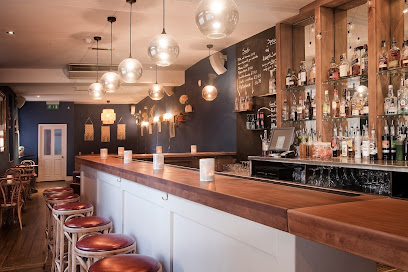
LJ - Love Jericho Cocktail Bar
13.7 km
Experience Oxford’s best cocktails and vibrant nightlife at LJ - Love Jericho, where expert mixology meets a lively, welcoming atmosphere.

The Grapes
13.7 km
A classic Oxford pub renowned for award-winning ales, hearty food, and warm, friendly hospitality in a historic city-center setting.
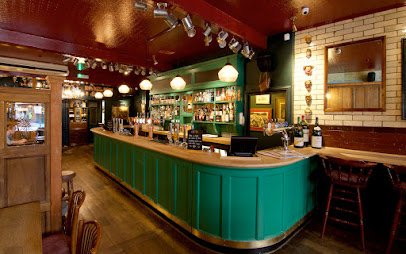
The Three Goats Heads Pub
13.7 km
A historic Oxford pub offering traditional ales, hearty food, and a relaxed, phone-free atmosphere in a charming Victorian setting.
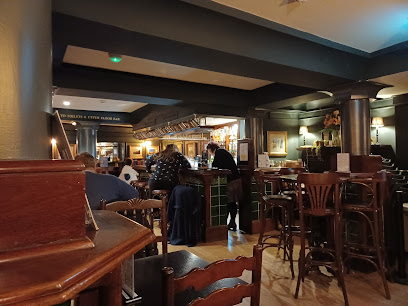
Nightclubs & after hour spots

Fever Oxford
13.6 km
Experience Oxford’s vibrant nightlife at Fever, a multi-room nightclub blending live DJs, dynamic music, and a lively party atmosphere.

Plush Oxford
13.7 km
Experience Oxford’s vibrant, inclusive nightlife hotspot with great music, cocktails, and a welcoming atmosphere at Plush Oxford.
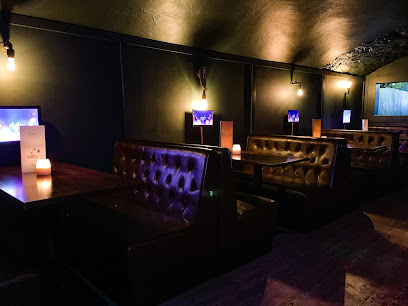
The Bridge Nightclub
14.1 km
Oxford’s lively student-focused nightclub with diverse music, multiple dance floors, and a spacious pub garden for late-night socializing.
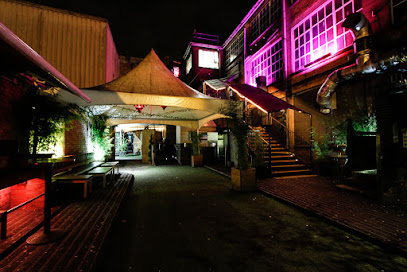
Oxford Leisure Ltd
14.1 km
Experience Oxford’s vibrant nightlife with dynamic music, themed events, and a lively dance floor at Oxford Leisure Ltd.

ATIK Oxford
14.1 km
Oxford’s largest nightclub with diverse music rooms, vibrant atmosphere, and strong security, offering a late-night hub for students and locals alike.
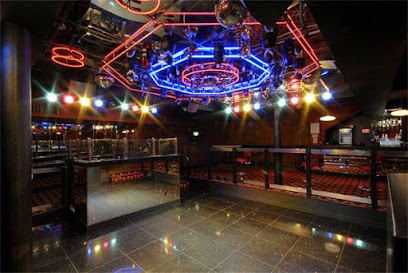
Kiss Bar
14.1 km
An intimate late-night club in Oxford known for its vibrant atmosphere and close-knit party scene until its recent closure.
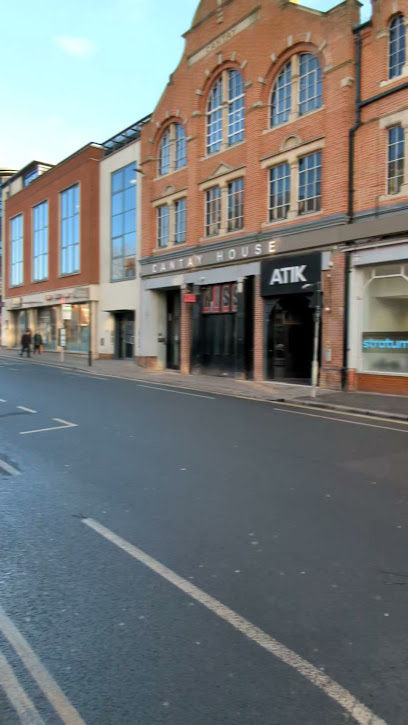
Mirage Aylesbury
19.4 km
Experience Aylesbury’s vibrant nightlife at Mirage, a lively nightclub offering music, dancing, and late-night fun in the heart of town.
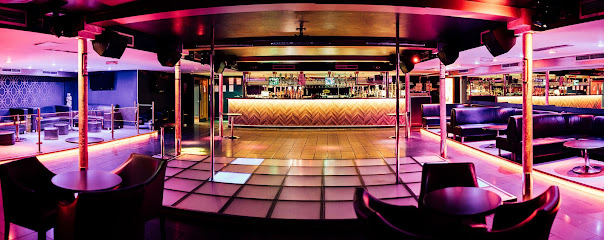
TWC
26.0 km
Experience the vibrant nightlife and energetic party scene at TWC, Aylesbury’s premier nightclub destination.
The Venue, Bucks
32.0 km
Experience High Wycombe’s vibrant nightlife at The Venue, Bucks – a lively nightclub with great music, friendly staff, and a welcoming atmosphere.

Trilogy Nightclub High Wycombe
32.1 km
A lively multi-room nightclub in High Wycombe offering dynamic music, vibrant crowds, and late-night fun on Paul’s Row.

Pink Punters
32.6 km
Milton Keynes’ dynamic multi-room nightclub blending diverse music, vibrant crowds, and a lively late-night party atmosphere.
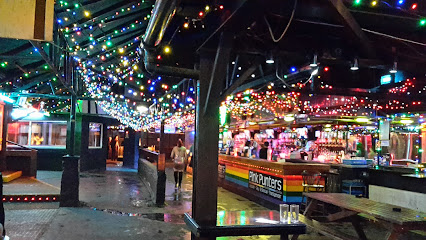
Garudaa
33.2 km
A spacious, welcoming gentlemen’s club in Milton Keynes offering VIP areas, game rooms, and late-night entertainment in a relaxed, darkly lit setting.
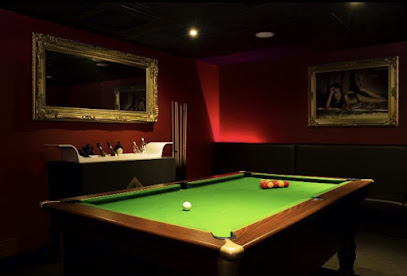
Diligence
34.8 km
Experience the vibrant nightlife and dynamic music scene at Diligence, High Wycombe’s energetic nightclub on London Road.

Penthouse Playrooms
39.7 km
A vibrant adult nightclub in Dunstable offering themed events and lively weekend entertainment for an energetic night out.
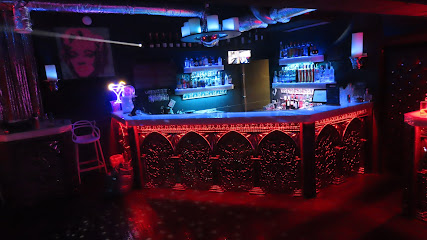
Popworld - Reading
41.6 km
A vibrant pop-themed nightclub in Reading’s city centre, where retro beats meet neon-lit fun for unforgettable nights.

For the vibe & atmosphere seeker
- Tranquil
- Scenic
- Historic
- Relaxing
For the design and aesthetic lover
- Rustic Designs
- Vintage Styles
For the architecture buff
- Historic
- Landmarks
- Heritage Neighborhoods
For the view chaser and sunset hunter
- Iconic Views
- Panoramas
For the social media creator & influencer
- Instagrammable
- Photo Spots
- Selfie Spots
For the eco-conscious traveler
- Protected Area
- Public-Transport Accessible
- Locally Managed
For the kind of experience you’re after
- Cultural Heritage
- Myth & Legends
- Photowalk
- Day Trip
- Weekend Getaway
For how adventurous you want the journey to be
- Easy Access
Location Audience
- Family Friendly
- Senior Friendly
- Child Friendly
- Couple Friendly
- Solo Friendly


