Brill Windmill, Buckinghamshire Travel Guide
Explore Brill Windmill, a majestic 17th-century post mill perched atop Buckinghamshire’s hills, embodying centuries of rural milling heritage and craftsmanship.
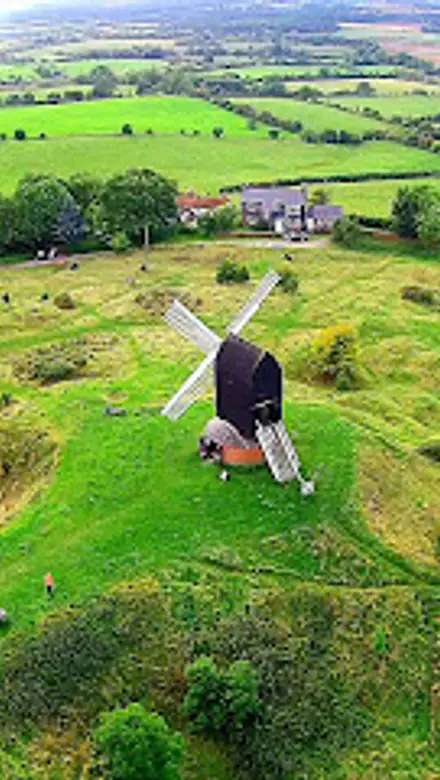
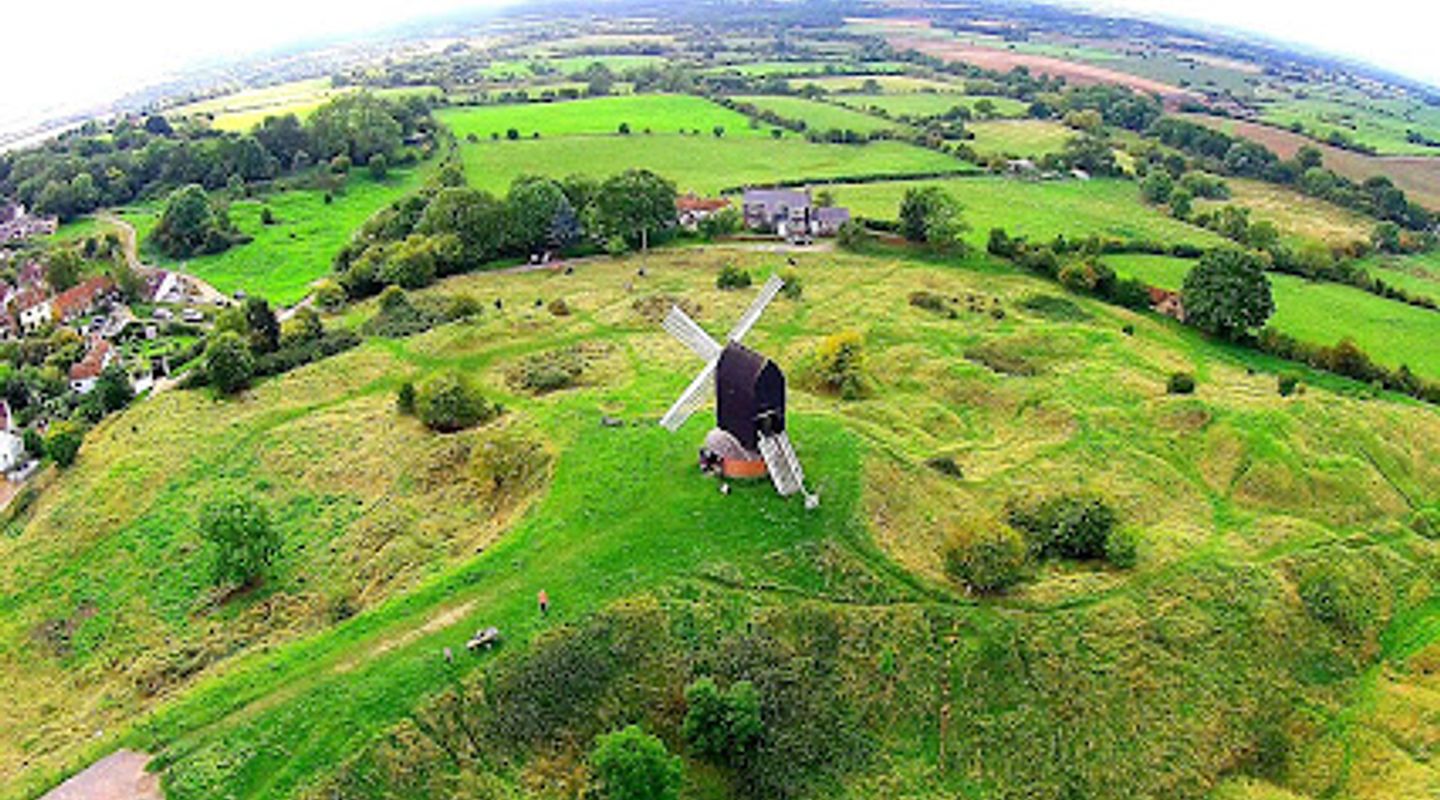
Brill Windmill, a Grade II* listed post mill near Aylesbury, Buckinghamshire, dates from around 1680. It stands as one of England’s oldest surviving post mills, historically vital for grinding grain into flour. Managed by The Brill Society and owned by Brill Parish Council, the mill is open to the public on Sunday afternoons from Easter to September. Its iconic wooden buck and rotating sails evoke centuries of rural heritage amid scenic rolling hills.
A brief summary to Brill Windmill
- South Hls, Aylesbury, Brill, HP18 9TQ, GB
- Click to display
- Duration: 1 to 2 hours
- Budget
-
 Outdoor
- Mobile reception: 4 out of 5
- Saturday 2 pm-5 pm
- Sunday 2 pm-5 pm

Know before you go
Hi, I'm Eve. Here are a few practical things to know before exploring Brill Windmill.
- Visit on Sunday afternoons from Easter to the end of September when the mill is open to the public from 2pm to 5pm.
- Adults pay a small entrance fee to explore inside; children enter free, making it a family-friendly outing.
- Attend the monthly sail-turning event on the last Sunday of each summer month for a unique mechanical demonstration.
- Wear comfortable shoes for walking around the hilltop common and enjoy panoramic countryside views.
- Check the Brill Society’s social media before visiting, as bad weather or volunteer availability can affect opening.
Do you manage this location?
Take control to get all the benefits, like improved information, better appearance, and stronger visibility across AI-powered discovery. Learn more about listing your business on Evendo
Activate your presenceOther nearby places you may find interesting
The closest places of the same kind, if this one is not quite what you had in mind.
Explore Brill Windmill on the Map
A handpicked selection of must-see spots near Brill Windmill, mapped for you.
Getting There
-
Bus
Take the local bus service from Aylesbury to Brill; the journey takes approximately 30-40 minutes. Services run hourly on weekdays but are limited on weekends. A single fare costs around £4-£6 GBP. From the bus stop, a 15-minute uphill walk on uneven terrain leads to the windmill.
-
Car
Driving from Aylesbury to Brill Windmill takes about 15-20 minutes via local roads. Parking is available near the village common but is limited, especially on open days. Note that the access road includes narrow lanes and some steep sections.
-
Walking
For those staying in Brill village, a 10-15 minute walk on gently sloping paths leads to the windmill atop Brill Common. Terrain is grassy and uneven in places, so suitable footwear is recommended.
For the on-the-go comforts that matter to you
-
 Restrooms
-
 Seating Areas
-
 Information Boards
Discover more about Brill Windmill
Enduring Legacy of a 17th-Century Post Mill
Brill Windmill is a rare surviving example of a post mill, a type of windmill where the entire wooden body, known as the buck, rotates around a central post to face the wind. Dendrochronological studies date the mill’s timber to winter 1685/86, placing its construction firmly in the late 17th century. This makes it one of the oldest post mills in Britain still standing. Originally built with heavy timbers sourced from the nearby Bernwood Forest, the mill has undergone several phases of repair and rebuilding over the centuries, including major works around 1725, 1757, and the mid-19th century. The brick roundhouse that encases the post was first added in 1865, removed in the 1930s, and reconstructed in 1950 using bricks salvaged from local kilns.A Hub of Village Life and Milling Heritage
For centuries, Brill Windmill was central to local agriculture, grinding wheat and barley into flour and feed. It operated commercially until 1924, with only six millers recorded over its long working life, each serving on average four decades. The mill’s mechanism includes two pairs of millstones—French burr stones for wheat and Derbyshire grit stones for barley—powered by the sails that once caught the hilltop winds. Though the sails no longer turn automatically, they are manually rotated during special events to preserve the mill’s working heritage. The mill was saved from demolition in 1929 by Sir Henry Aubrey-Fletcher and has since been maintained by trustees and local volunteers.Architectural and Mechanical Features of Note
The mill’s wooden buck houses the complex internal machinery: hand-crafted wooden gears, shafts, cogs, and pulleys that converted wind power into milling action. The brick roundhouse below protects the structural post and provides storage space. Visitors can explore the interior to see the massive beams, grinding stones, and drive shafts, accompanied by informative displays that explain the mill’s operation. The sails, measuring approximately nine meters in length, are a striking visual feature against the Buckinghamshire skyline, symbolizing rural industry and craftsmanship.Preservation Efforts and Public Engagement
Brill Windmill is owned by Brill Parish Council and managed by The Brill Society, a registered charity dedicated to its upkeep and public accessibility. The mill underwent significant restoration in 2009 and more recently in 2023, ensuring structural soundness and preserving its historic character. It is open to visitors every Sunday from Easter through September, with an entrance fee supporting ongoing maintenance. Volunteers provide guided tours, sharing stories of the mill’s past and demonstrating its mechanisms. The monthly turning of the sails is a highlight event, combining spectacle with essential preservation work.The Windmill’s Place in Brill’s Rich Historical Landscape
Perched on the high ground of Brill Common, the windmill overlooks a village steeped in history—from its Anglo-Saxon royal manor origins to its role in the English Civil War. Nearby historical sites, such as the remains of a royal hunting lodge and ancient earthworks, complement the mill’s narrative. The windmill stands not only as an industrial relic but as a symbol of Brill’s enduring connection to its landscape and community traditions.Visitor Experience and Scenic Surroundings
Visitors to Brill Windmill enjoy panoramic views across Buckinghamshire’s rolling hills and countryside. The site offers a tranquil setting for photography, cultural exploration, and a glimpse into pre-industrial rural life. The mill’s elevated position makes it a landmark visible for miles, while the surrounding common invites leisurely walks. Informative signage and friendly volunteers enhance the experience, making it an enriching destination for history enthusiasts and families alike.












Your all‑in‑one travel companion app
Explore expert travel guides, compare and book tours, experiences, hotels, and more—all from the palm of your hand. Download now for seamless trip planning wherever your wanderlust takes you.


Explore More of Buckinghamshire
Looking beyond Brill Windmill? Discover Buckinghamshire for broader travel guides, local hot-spots, and regional highlights.
Explore Buckinghamshire
Explore Finemere Wood, an ancient Buckinghamshire woodland alive with history, wildflowers, butterflies, and tranquil nature walks.
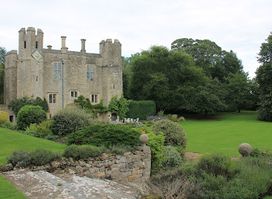
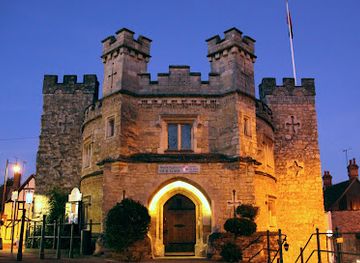
Explore Boarstall Tower, a stunning 14th-century moated gatehouse steeped in medieval legend and civil war history, set in serene Buckinghamshire gardens.