

Free Oxfordshire Travel Guide & Mobile App
Explore Oxfordshire with free travel guides. Discover regional history, expert tips, proposed trips, and audio guides on web or mobile app.


Explore Oxfordshire for university heritage, river towns, limestone villages, grand estates, walking country and distinctive English food traditions.
Read more about Oxfordshire
When is the best time to visit Oxfordshire?
Best: June–August · 21–23°C| Month | High (°C) | Rainfall (mm) |
|---|---|---|
| January | 7 | 57 |
| February | 8 | 47 |
| March | 11 | 49 |
| April | 14 | 46 |
| May | 18 | 51 |
| June (best) | 21 | 51 |
| July (best) | 23 | 55 |
| August (best) | 23 | 56 |
| September | 20 | 53 |
| October | 15 | 62 |
| November | 10 | 62 |
| December | 7 | 65 |
Getting to and around Oxfordshire
How to get there
Transportation
Top city travel guides in Oxfordshire
The cities of Oxfordshire, and the easiest places to base yourself.
-

-

-


Swipe for more cities
Destinations in Oxfordshire
Resorts, valleys and scenic spots worth a trip of their own.
-
-


Swipe for more destinations
Best attractions in Oxfordshire
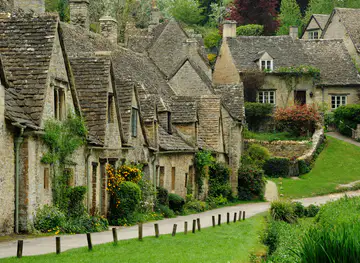
Oxfordshire's attractions range from Oxford's museums, college interiors, libraries and riverside walks to historic towns, archaeological sites and country estates across the county. The Ashmolean Museum, the Museum of Natural History and the Pitt Rivers Museum give Oxford exceptional cultural depth, while the city's covered market and university precincts provide a more everyday sense of place. At Woodstock, Blenheim Palace combines baroque architecture, formal interiors, parkland and landscaped water features. The western part of the county offers access to limestone villages and walking country associated with the Cotswolds, while the Chilterns provide wooded hills and long-distance paths in the east. Along the Thames, Wallingford and Henley-on-Thames offer river scenery, boating traditions and historic town centres. Families may also find museums, farms and outdoor activities around the larger towns, while Roman and Iron Age remains near sites such as Alchester and Wittenham Clumps add archaeological interest. The appeal lies in the contrast between concentrated urban culture and a dispersed rural heritage best explored through several linked excursions.
-
Shopping outlet
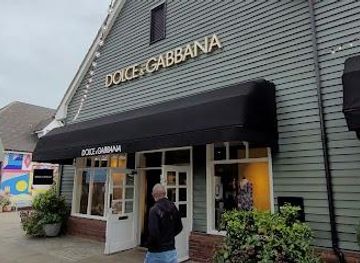
Bicester Village
Luxury designer outlet village with 150+ boutiques, up to 70% off, and festive charm near Oxford.
-
Wildlife park
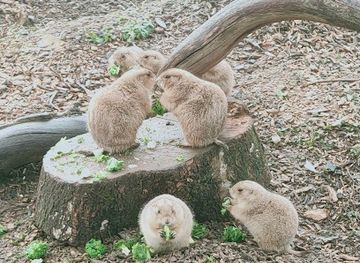
Cotswold Wildlife Park & Gardens
A spacious Cotswolds wildlife park where animal enclosures, manor-house grounds and landscaped gardens unfold across a flat, easy-to-walk estate.
-
Castle
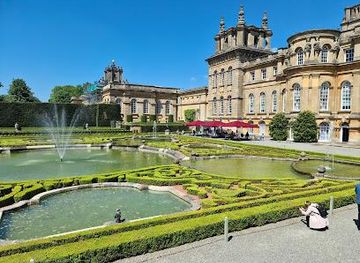
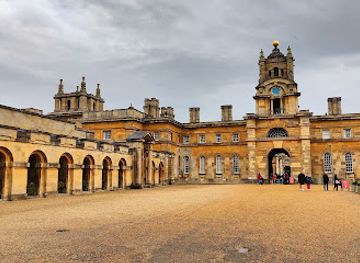
Blenheim Palace
Explore Blenheim Palace’s grand Baroque architecture, vast Capability Brown parkland, and immersive historic experiences in Oxfordshire’s UNESCO World Heritage gem.
-
Park and Garden
Blenheim Park
Explore Blenheim Park’s vast historic landscape, where heritage monuments and serene gardens meet the idyllic Oxfordshire countryside.
Best landmarks in Oxfordshire
Oxford's skyline is defined by the Radcliffe Camera, the Bodleian Library, the Sheldonian Theatre, University Church of St Mary the Virgin and the sandstone and limestone college buildings surrounding them. Together they express the city's long academic history, although access to individual interiors varies. Oxford Castle and Prison provides a visible reminder of the Norman and later medieval town, while Carfax Tower marks the historic centre. Blenheim Palace near Woodstock is Oxfordshire's grandest architectural landmark: its monumental baroque design, parkland and political history reflect the rewards granted to John Churchill after the War of the Spanish Succession. The Thames gives the county an important natural and historic framework, passing towns such as Wallingford and Henley-on-Thames. Wittenham Clumps, south of the river near Little Wittenham, are prominent twin hills with prehistoric associations and broad views across the surrounding landscape. In the north, Banbury Cross is a civic symbol linked to the town's commercial history and enduring nursery-rhyme associations, while village churches, medieval bridges and market squares provide a quieter network of landmarks throughout the county.
-
Historical landmark
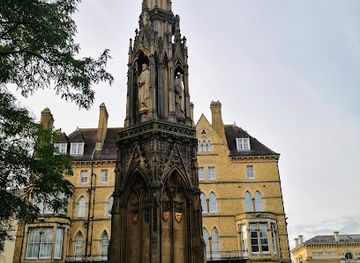
Martyrs' Memorial
Gothic Revival monument in Oxford honoring three Protestant martyrs who shaped the English Reformation with courage and faith.
-
Historical landmark
RAF Bicester
Britain's most complete WWII bomber airfield, now a thriving heritage business park preserving aviation and automotive craftsmanship.
Explore Oxfordshire on the map
Plan your trip on one map. See where the top cities, national parks and sights are, and book hotels and experiences in a few clicks.
Best hotels in Oxfordshire
Best restaurants in Oxfordshire
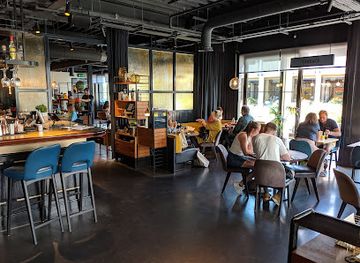
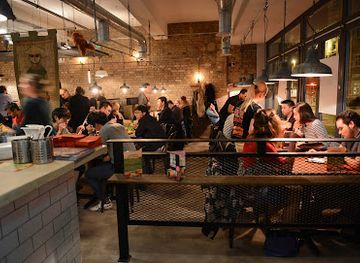
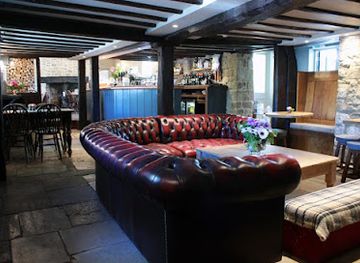
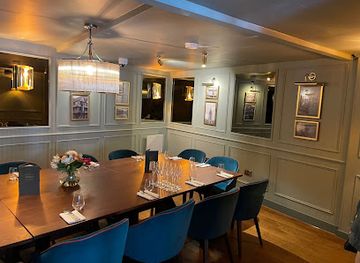
Dining in Oxfordshire reflects both the county's international population and its agricultural surroundings. Oxford has a broad selection of restaurants, cafés, bakeries and pubs, with food from across the world alongside contemporary British cooking. Independent cafés and covered-market stalls are useful for quick meals, while neighbourhoods such as Jericho and Cowley Road offer varied evening dining. Outside the city, traditional pubs and rural inns remain important social and culinary venues, particularly in market towns and villages. Menus commonly draw on nearby farm produce, game, cheeses, seasonal vegetables and locally made bread, while farm shops and producers provide opportunities to buy chutneys, preserves, meats and baked goods. Apple-growing has a long association with parts of the county, and local cider and ales may appear alongside more widely available British drinks. In river towns, restaurants often make use of waterside settings, although the food is not necessarily distinct from wider southern English cooking. Booking is sensible for popular restaurants, country pubs and estate dining at weekends.
-
American
Dirty Bones Oxford
NYC-style comfort food with cheeky twists: juicy burgers, crispy chicken, loaded fries, and killer cocktails in Oxford's vibrant Westgate rooftop hideaway.
-
Restaurant
Banana Tree Oxford
Lively Pan-Asian dining with extensive vegan options and vibrant flavors in the heart of Oxford’s George Street.
-
Pub
The Perch
Historic 17th-century riverside pub with a magical garden, serving hearty British fare and vegan delights in Oxford’s scenic Binsey.
-
Brasserie
Browns Oxford
A stylish Oxford brasserie blending French bistro charm with classic British fare and a lively, welcoming atmosphere.
Best bars in Oxfordshire
Oxfordshire's evening life is concentrated in Oxford, where historic pubs, modern bars, live-music rooms, cocktail venues and student-oriented establishments create the county's broadest choice. The city also has theatres, cinemas and cultural events that offer alternatives to drinking, with nightlife spread through the centre and nearby neighbourhoods rather than confined to one district. In towns such as Banbury, Bicester, Didcot, Henley-on-Thames and Headington, evenings generally centre on pubs, restaurants, hotel bars and occasional live entertainment. Rural Oxfordshire is quieter after dark, and traditional inns, breweries and village pubs are more characteristic than large clubs. Henley has a particular association with riverside socialising and seasonal events, while Oxford's academic calendar can make the atmosphere busier during university terms. Venues and opening arrangements change, so visitors should check current information rather than rely on old listings, especially outside the city.
-
Pub
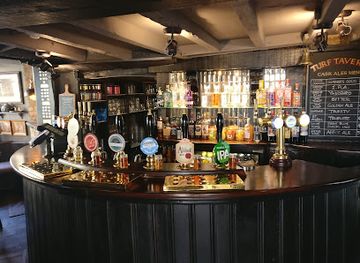
Turf Tavern
Discover Oxford’s oldest hidden pub, where centuries of history, cozy charm, and legendary ales await down a narrow cobbled alley.
-
Pub
The Perch
Historic 17th-century riverside pub with thatched charm, hearty British fare, and a stunning garden overlooking the Thames near Oxford.
-
Pub
The White Rabbit
A vibrant Oxford pub blending authentic Italian pizzas with quirky charm and a lively, welcoming atmosphere.
-
Pub
The Bear Inn, Oxford
Oxford’s oldest pub since 1242, The Bear Inn blends historic charm with lively atmosphere and a famed tie collection.
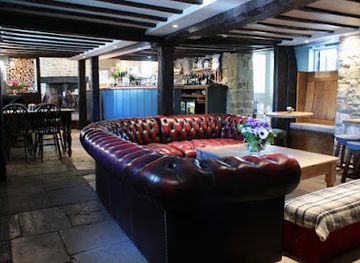
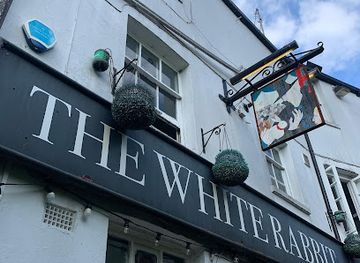
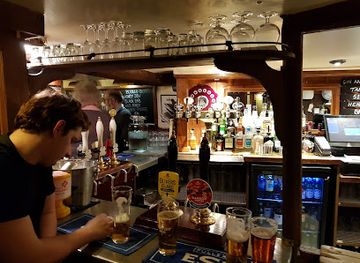
Best nightclubs in Oxfordshire
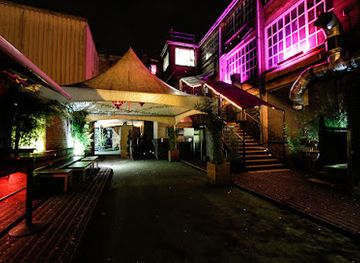
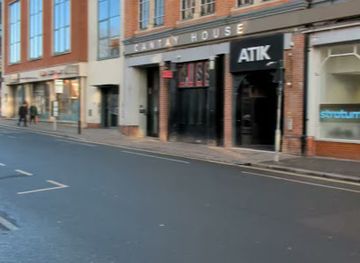
Oxfordshire's evening life is concentrated in Oxford, where historic pubs, modern bars, live-music rooms, cocktail venues and student-oriented establishments create the county's broadest choice. The city also has theatres, cinemas and cultural events that offer alternatives to drinking, with nightlife spread through the centre and nearby neighbourhoods rather than confined to one district. In towns such as Banbury, Bicester, Didcot, Henley-on-Thames and Headington, evenings generally centre on pubs, restaurants, hotel bars and occasional live entertainment. Rural Oxfordshire is quieter after dark, and traditional inns, breweries and village pubs are more characteristic than large clubs. Henley has a particular association with riverside socialising and seasonal events, while Oxford's academic calendar can make the atmosphere busier during university terms. Venues and opening arrangements change, so visitors should check current information rather than rely on old listings, especially outside the city.
-
Cocktail bar
The Varsity Club
Experience Oxford’s iconic skyline and vibrant nightlife at The Varsity Club’s rooftop bar and multi-level cocktail lounge.
-
Night Club
Plush Oxford
Experience Oxford’s vibrant, inclusive nightlife hotspot with great music, cocktails, and a welcoming atmosphere at Plush Oxford.
-
Nightclub
The Bridge Nightclub
Oxford’s lively student-focused nightclub with diverse music, multiple dance floors, and a spacious pub garden for late-night socializing.
-
Night Club
Kiss Bar
A lively, intimate nightclub in Oxford offering great cocktails, no entrance fee, and a vibrant weekend atmosphere until the early hours.

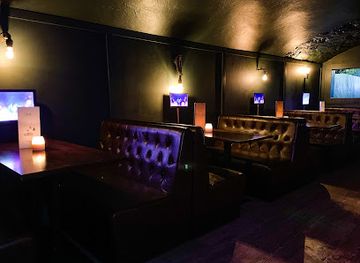
Best shops in Oxfordshire
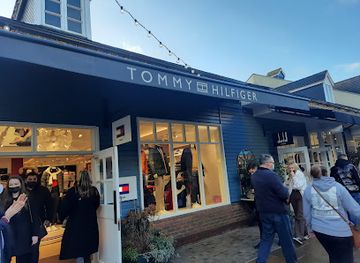
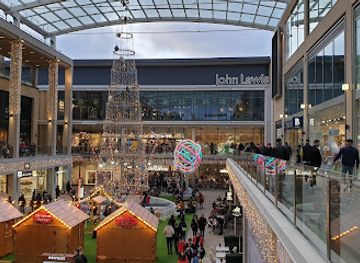
Oxford offers the county's widest retail range, from the historic Covered Market and independent bookshops to high-street stores, specialist food shops, galleries and boutiques. The city's academic character is reflected in its booksellers, prints, stationery and university-related gifts, although visitors should distinguish established local products from generic souvenirs. Market towns including Banbury, Bicester, Chipping Norton, Henley-on-Thames, Thame and Wallingford have different combinations of independent shops, antiques, cafés and regular market trading. Bicester Village is a major outlet-shopping destination near Bicester, but it represents a specific modern retail experience rather than the overall character of Oxfordshire shopping. Farm shops and village stores are good places to look for local cheeses, preserves, honey, bread, cider, beer and seasonal produce. Craft galleries and studios across the county sell ceramics, textiles, jewellery and artwork, particularly in areas with strong visitor traffic. Check trading days before making a special journey to a market, as schedules vary between towns and some stalls operate only at set times.
-
Shopping outlet
Bicester Village
Discover luxury shopping and festive charm at Bicester Village, Oxfordshire’s premier designer outlet with over 150 boutiques and exclusive discounts.
-
Shopping Centre
Westgate Oxford
A vibrant shopping and leisure destination in Oxford’s city centre, blending modern retail with festive charm and cultural events.
-
Shopping Centre
Clarendon Centre Oxford
A compact, central Oxford shopping centre linking major streets with popular high-street brands and convenient retail options.
-
Gift shop
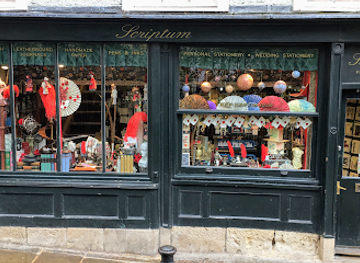
Scriptum
Discover Oxford’s premier luxury stationery shop, blending tradition, artistry, and personalized service in the heart of the city.
Get your free copy of our complete guide to Oxfordshire, delivered straight to you.
Everything on this page, from attractions and restaurants to essentials and local phrases, in one PDF you can read offline, print or share.
Already have an account? Sign in
Your Oxfordshire guide is ready.
We'll send it to · Not you? Sign out

Getting your guide ready…
We are putting together a fresh copy of the Oxfordshire guide. This can take up to a minute.
This can take a few moments. If your browser asks, choose Allow so the download can start. You'll find the guide in your Downloads folder.
Nothing happened? Download it again
Sorry, the guide is taking longer than usual. Please try again in a minute, or get it by email instead.
Oxfordshire essentials
Currency and Payment
Safety
Emergency Situations
Do's and Don'ts
Local Tips
From Eve
Local phrases worth knowing
You don't need to get them perfect. A few words go a long way, and locals appreciate the effort.
Basics
| English | Local | Say it |
|---|---|---|
| Hello | Hello | [həˈloʊ] |
| Goodbye | Goodbye | [ɡʊdˈbaɪ] |
| Yes | Yes | [jɛs] |
| No | No | [noʊ] |
| Please/You're welcome | Please/You're welcome | [pliːz/ jʊr ˈwɛlkəm] |
| Thank you | Thank you | [θæŋk ju] |
| Excuse me/Sorry | Excuse me/Sorry | [ɪkˈskjuːz mi/ˈsɔːri] |
| How are you? | How are you? | [haʊ ɑːr ju] |
| Fine. And you? | Fine. And you? | [faɪn. ənd ju] |
| Do you speak English? | Do you speak English? | [du ju spiːk ˈɪŋɡlɪʃ] |
| I don't understand | I don't understand | [aɪ doʊnt ˌʌndərˈstænd] |
Eating & Drinking
| English | Local | Say it |
|---|---|---|
| I'd like to see the menu, please | I’d like to see the menu, please | [aɪd laɪk tu si ðə ˈmɛnju, pliz] |
| I don't eat meat | I don't eat meat | [aɪ doʊnt iːt miːt] |
| Cheers! | Cheers! | [tʃɪrz] |
| I would like to pay, please | I would like to pay, please | [aɪ wʊd laɪk tu peɪ, pliz] |
Emergencies
| English | Local | Say it |
|---|---|---|
| Help! | Help! | [hɛlp] |
| Go away! | Go away! | [ɡoʊ əˈweɪ] |
| Call the Police! | Call the Police! | [kɔl ðə pəˈlis] |
| Call a doctor! | Call a doctor! | [kɔl ə ˈdɑktər] |
| I'm lost | I'm lost | [aɪm lɔst] |
| I'm ill | I'm ill | [aɪm ɪl] |
Shopping
| English | Local | Say it |
|---|---|---|
| I'd like to buy... | I’d like to buy... | [aɪd laɪk tu baɪ...] |
| I'm just looking | I'm just looking | [aɪm dʒʌst ˈlʊkɪŋ] |
| How much is it? | How much is it? | [haʊ mʌtʃ ɪz ɪt] |
| That's too expensive | That's too expensive | [ðæts tu ɪkˈspɛnsɪv] |
| Can you lower the price? | Can you lower the price? | [kæn ju ˈloʊər ðə praɪs] |
Time & Numbers
| English | Local | Say it |
|---|---|---|
| What time is it? | What time is it? | [wʌt taɪm ɪz ɪt] |
| It's one o'clock | It's one o'clock | [ɪts wʌn əˈklɑk] |
| Half past (10) | Half past (10) | [hæf pæst (10)] |
| Morning | Morning | [ˈmɔrnɪŋ] |
| Afternoon | Afternoon | [ˌæftərˈnun] |
| Evening | Evening | [ˈivnɪŋ] |
| Yesterday | Yesterday | [ˈjɛstərdeɪ] |
| Today | Today | [təˈdeɪ] |
| Tomorrow | Tomorrow | [təˈmɔroʊ] |
| 1 | 1 | [wʌn] |
| 2 | 2 | [tu] |
| 3 | 3 | [θri] |
| 4 | 4 | [fɔr] |
| 5 | 5 | [faɪv] |
| 6 | 6 | [sɪks] |
| 7 | 7 | [sɛvən] |
| 8 | 8 | [eɪt] |
| 9 | 9 | [naɪn] |
| 10 | 10 | [tɛn] |
Transport & Directions
| English | Local | Say it |
|---|---|---|
| Where's a/the...? | Where's a/the...? | [wɛrz ə/ðə...?] |
| What's the address? | What's the address? | [wʌts ði əˈdrɛs] |
| Can you show me (on the map)? | Can you show me (on the map)? | [kæn ju ʃoʊ mi (ɑn ðə mæp)?] |
| When's the next (bus)? | When's the next (bus)? | [wɛn ɪz ðə nɛkst (bʌs)?] |
| A ticket (to ....) | A ticket (to ....) | [ə ˈtɪkɪt (tu ....)] |
History of Oxfordshire
Prehistoric Landscapes and Iron Age Hill Forts
Oxfordshire's history reaches back to Neolithic and Bronze Age communities whose burial mounds, trackways and earthworks survive across the county. Later Iron Age settlements included defended hilltop sites such as Wittenham Clumps near the Thames, where the prominent twin hills remain a major landscape landmark. These communities farmed fertile river valleys and upland soils and participated in regional exchange networks. The surviving earthworks are often subtle, but they help explain why Oxfordshire's ridges, river crossings and elevated sites continued to matter long after the prehistoric period.
Roman Roads and Towns
Roman administration reshaped the area through roads, villas, farms and settlements. The region lay between important centres including the Roman town at Alchester, south of Bicester, and the settlement at Dorchester-on-Thames. Roads connected the Thames valley with wider networks leading towards London, the Midlands and the west. Archaeological remains, field patterns and museum collections show how Roman agriculture and commerce built upon earlier communities. Although much of the Roman fabric lies beneath modern fields, the period established routes and settlement patterns that influenced later development.
Anglo-Saxon Oxford and the Medieval County
Oxford developed at a strategic crossing of the Thames and Cherwell and became an important Anglo-Saxon burh before the Norman Conquest. The Normans strengthened the town with Oxford Castle, while monasteries, churches and market centres expanded across the surrounding county. Wallingford, Bicester, Banbury and Abingdon, historically connected to the county and its southern approaches, grew through trade, administration and river or road access. Medieval parish churches, manor houses and town plans still reveal the importance of ecclesiastical institutions, local landowners and market exchange.
The University and Oxford's Intellectual Life
Teaching was established at Oxford by the late twelfth century, and the university developed into one of Europe's major centres of learning. Colleges, libraries and academic institutions gradually transformed the city's streetscape, while scholars, religious reformers and political figures gave Oxford influence beyond the county. During the English Civil War, Oxford served as the Royalist capital from 1642 until 1646, bringing the national conflict directly into the city and surrounding region. The university's continuing presence has shaped Oxfordshire's architecture, economy, publishing, science and international reputation.
Civil War, Estates and Landscape Power
The seventeenth century left visible marks across Oxfordshire. Oxford's role as the Royalist headquarters brought military activity and political importance, while towns such as Banbury experienced changing fortunes during the conflict. In later centuries, wealthy families reshaped the countryside through formal parks, avenues, farms and grand houses. Blenheim Palace, built at Woodstock for John Churchill, first Duke of Marlborough, after his victory at the Battle of Blenheim, is the most imposing example. Its architecture and designed landscape express how national politics and aristocratic landholding influenced the county.
Canals, Railways and Industrial Change
Transport improvements altered Oxfordshire from the eighteenth century onwards. The Oxford Canal connected northern parts of the county with the Midlands, while the Thames supported local trade and established river towns. Railways later linked Oxford, Banbury, Bicester, Didcot and other centres with London and the industrial regions. These routes encouraged market growth, commuting and new industries, even though Oxfordshire remained more agricultural than many northern counties. Canal wharves, railway buildings and the commercial form of towns such as Banbury and Bicester preserve evidence of this transition.
Science, Technology and a Changing County
Twentieth- and twenty-first-century Oxfordshire added scientific, technological and research industries to its established academic and agricultural economy. Oxford's university and hospitals became major centres of research, while science and business development expanded around the county, including the Harwell Science and Innovation Campus near Didcot. Motor manufacturing has also been important in the wider Oxfordshire economy, particularly around Cowley. These developments have brought international investment and population growth, creating a county where medieval institutions, rural communities and advanced research operate within close proximity.
Oxfordshire in Photos
Browse through our photo collection highlighting the charm and character of the destination.
Neighbouring regions of Oxfordshire
The closest regions to Oxfordshire, if you have time for more than one.
-

-

-

-

-


Swipe for more regions
Explore more

Explore more of United Kingdom
Discover the United Kingdom: A blend of rich history, stunning landscapes, and vibrant cities, offering a unique travel experience for every visitor.
Explore United Kingdom