Nine Ladies Stone Circle, Peak District Travel Guide
Discover the ancient mysteries and timeless legends of the Nine Ladies Stone Circle, a Bronze Age ritual site on scenic Stanton Moor.
The Nine Ladies Stone Circle is a small Bronze Age monument on Stanton Moor, Derbyshire, consisting of ten standing stones arranged in a ring with a solitary King Stone nearby. Dating back over 4,000 years, it is steeped in legend and archaeological mystery, believed to have been used for ceremonies related to life, death, and seasonal events. Today, it remains a sacred site for modern Pagans and a striking feature of the Peak District landscape.
A brief summary to Nine Ladies Stone Circle
- Lees Rd, Matlock, Stanton in Peak, DE4 2LS, GB
- Click to display
- Click to display
- Duration: 0.5 to 2 hours
- Free
-
 Outdoor
- Mobile reception: 4 out of 5

Know before you go
Hi, I'm Eve. Here are a few practical things to know before exploring Nine Ladies Stone Circle.
- Wear sturdy footwear as access involves uneven terrain, gates, and stiles through fields and woodland.
- Visit during solstices to experience the site’s spiritual atmosphere when modern Pagans gather.
- Park in Birchover village, about 1.5 km from the circle, to avoid narrow roadside parking near Stanton Moor.
- Bring water and snacks since no facilities are available on-site.
- Respect the site’s heritage by not camping or flying drones on Stanton Moor.
Do you manage this location?
Take control to get all the benefits, like improved information, better appearance, and stronger visibility across AI-powered discovery. Learn more about listing your business on Evendo
Activate your presenceOther nearby places you may find interesting
The closest places of the same kind, if this one is not quite what you had in mind.

Explore Nine Ladies Stone Circle on the Map
A handpicked selection of must-see spots near Nine Ladies Stone Circle, mapped for you.
Unlock the Best of Nine Ladies Stone Circle
Buy tickets
-
No tickets available
Book tours with entry


Book tours without entry
-
No tours available
Getting There
-
Public Bus
Take the bus from Matlock to Birchover, which runs several times daily with a journey time of approximately 30-40 minutes. From Birchover, it is a 20-30 minute walk across fields and moorland to the Nine Ladies Stone Circle. Bus fares typically range from £4 to £7 one way.
-
Car
Drive to Birchover village, where formal parking is available about 1.5 km from the site. Narrow roads near Stanton Moor prohibit roadside parking. The walk from Birchover to the circle takes 20-30 minutes over uneven terrain. Parking is free but limited.
-
Walking
For experienced walkers, a 5-7 km hike from nearby Youlgreave or Stanton in Peak offers scenic routes through countryside and woodland. Paths include gates and stiles and can be uneven, requiring good footwear and moderate fitness.
For the on-the-go comforts that matter to you
-
 Information Boards
Discover more about Nine Ladies Stone Circle
Origins and Archaeological Significance
The Nine Ladies Stone Circle stands on Stanton Moor, a heathland area rich with prehistoric remains in the Peak District. Constructed during the Early Bronze Age, around 3000 to 4000 years ago, the circle originally comprised ten stones forming an 11.5 by 10.5 meter ring. Archaeological studies reveal it sits among more than 70 ancient burial mounds, cairns, and other stone circles, marking the moor as a significant ceremonial landscape. Excavations suggest the site may have served multiple purposes, including burial rituals, territorial markers, or seasonal meeting places, though definitive evidence remains elusive.Legends and Cultural Traditions
Local folklore tells of nine women who were turned to stone for dancing on the Sabbath, with the tenth stone, known as the King Stone, representing the fiddler who played for them. This legend has imbued the site with a mystical aura that continues to captivate visitors. The King Stone, located about 40 meters from the circle, bears historic graffiti, including the name 'Bill Stumps', famously referenced by Charles Dickens. Over centuries, the site has been associated with Druidic and Pagan practices, maintaining its spiritual significance into modern times.Setting and Natural Environment
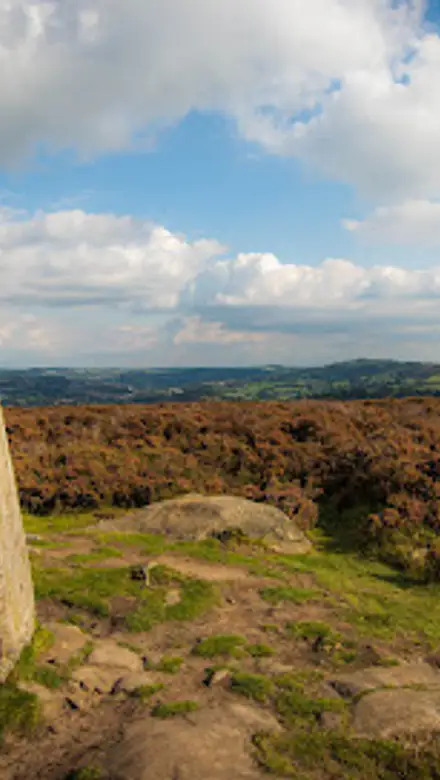
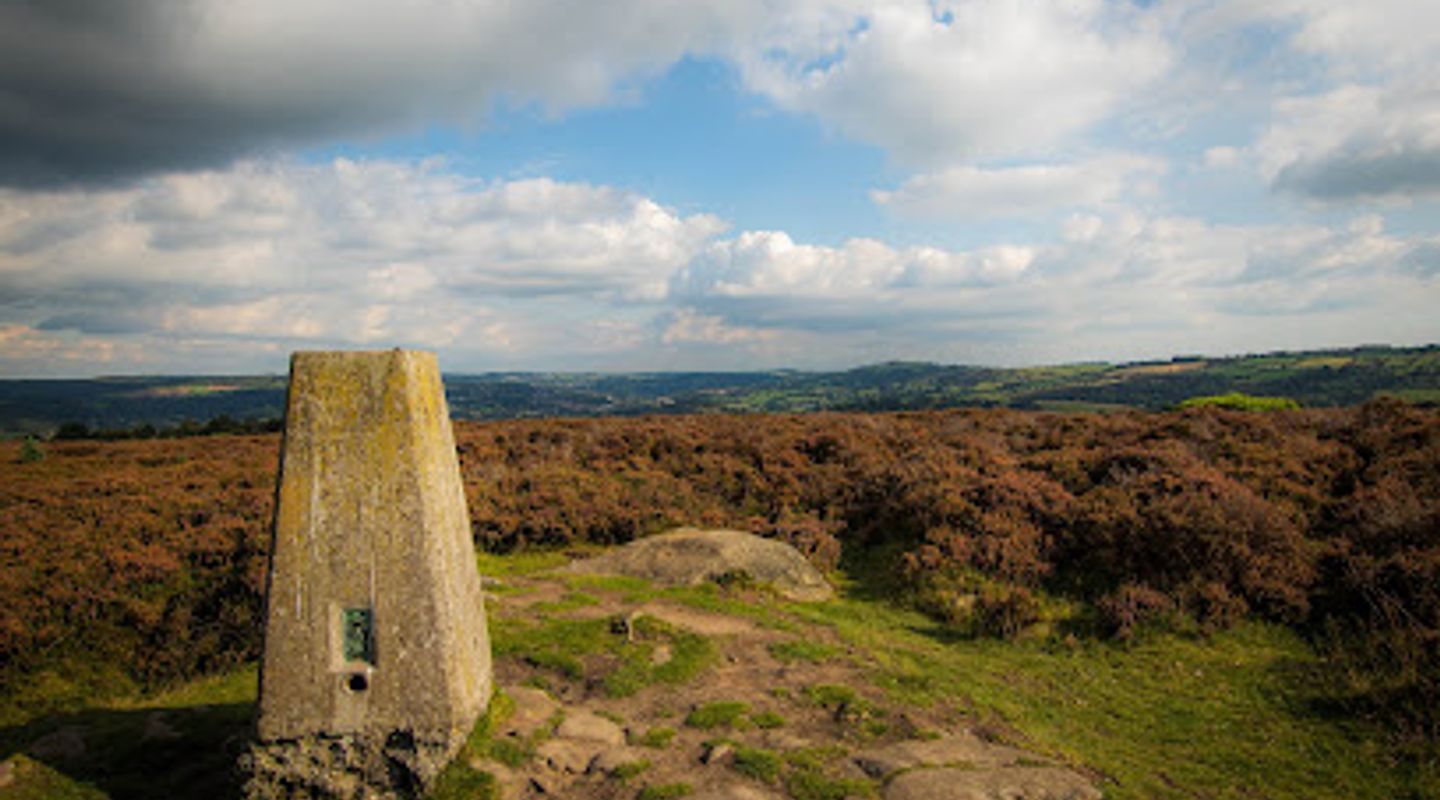
Perched at nearly 300 meters elevation, the circle offers panoramic views of the surrounding Peak District moorland. Stanton Moor’s gritstone geology creates a rugged, open landscape dotted with ancient monuments and wild heather. The area is protected as a Scheduled Ancient Monument, emphasizing its environmental and archaeological importance. Nearby features include other prehistoric sites such as Doll Tor stone circle and Bronze Age ring cairns, enhancing the moor’s rich tapestry of ancient heritage.Modern Use and Conservation Challenges
Today, the Nine Ladies Stone Circle remains a focal point for contemporary Pagan and Druidic ceremonies, especially during solstices and equinoxes. The site’s atmosphere of tranquility and mystery draws visitors seeking connection with ancient traditions. However, the moor faces ongoing threats from nearby quarrying activities, which have historically damaged archaeological features and continue to pose risks. Conservation efforts by the Peak District National Park Authority aim to protect the site’s integrity while allowing public access.Visitor Experience and Surrounding Attractions
Visitors to Nine Ladies can explore the moorland trails that pass through fields and woodland, encountering a landscape steeped in history and natural beauty. While there are no facilities on-site, nearby villages offer amenities, and formal parking is available about 1.5 km away. The broader Stanton Moor area invites exploration of other ancient monuments, including Arbor Low henge and Hob Hurst’s House burial chamber, making it an enriching destination for history enthusiasts and nature lovers alike.Historical Documentation and Cultural Legacy
The circle was first documented by Major Hayman Rooke in 1782, who described it as a Druid temple. Over time, stone walls once enclosed the circle and King Stone, though these were removed in the 1980s. The site’s enduring cultural legacy is reflected in its presence in literature, folklore, and ongoing spiritual practices. It stands as a testament to the complex relationship between humans and landscape across millennia, inviting reflection on ancient beliefs and the passage of time.More to explore near Nine Ladies Stone Circle













Your all‑in‑one travel companion app
Explore expert travel guides, compare and book tours, experiences, hotels, and more—all from the palm of your hand. Download now for seamless trip planning wherever your wanderlust takes you.


Explore More of Peak District
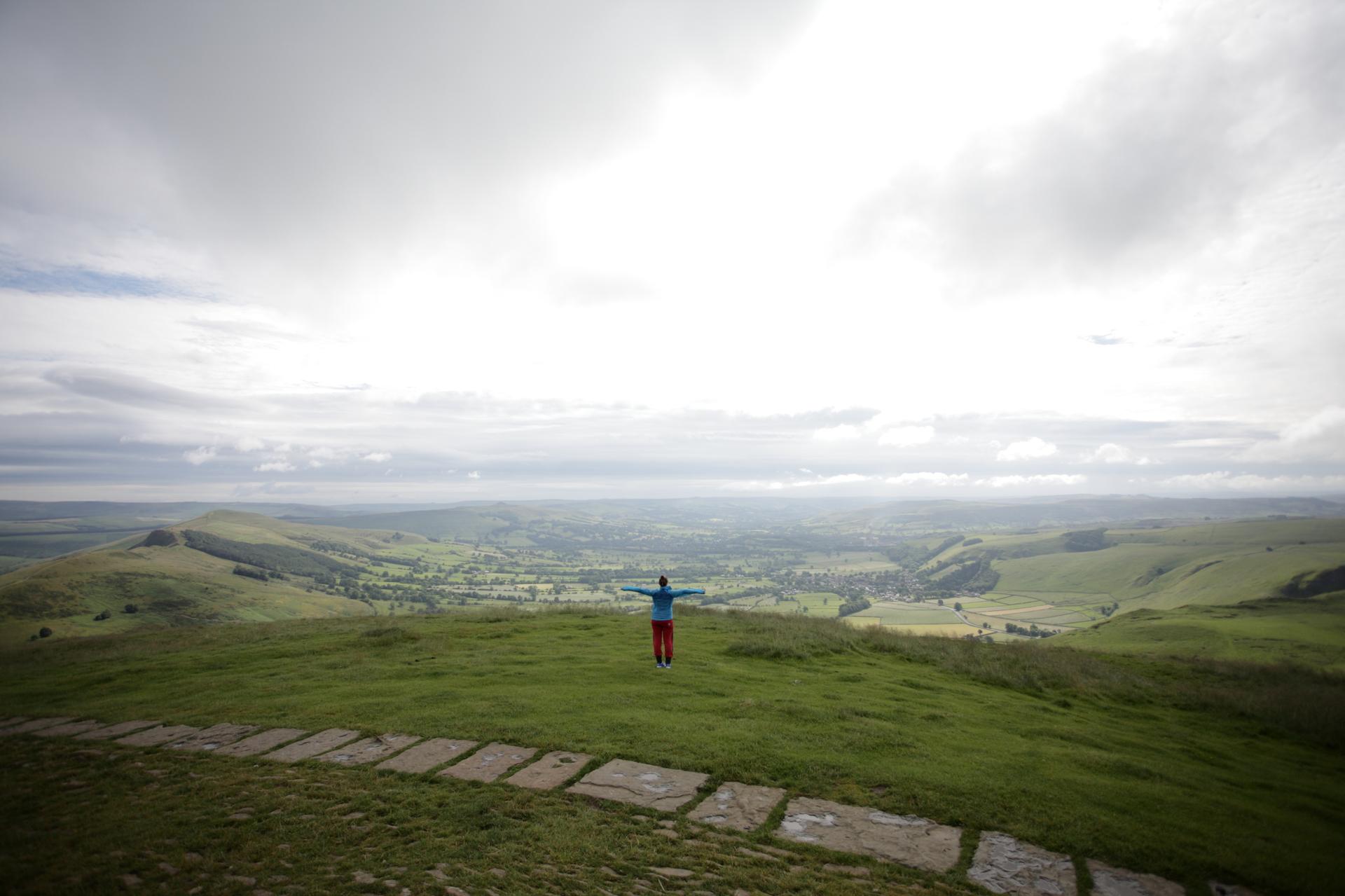
Looking beyond Nine Ladies Stone Circle? Discover Peak District for broader travel guides, local hot-spots, and regional highlights.
Explore Peak District
Explore the fascinating history of lead mining in Derbyshire with immersive exhibits and authentic underground mine tours.

Explore Stanton Moor’s ancient stone circles and wild moorland, a captivating blend of prehistoric mystery and Peak District natural beauty.